Pros:
• Deep and physical subbass
• Bassy but not a full-on basshead tuning
• Good bass texture and note weight
• Vivid and natural-sounding mids
• Energetic upper mids and treble
• Good treble extension and air
• Compact and comfortable resin shell
• Premium-looking faceplate
• Excellent stock cable
Cons:
• Bass isn't the tightest or most controlled
• Upper frequencies can become borderline fatiguing on certain recordings
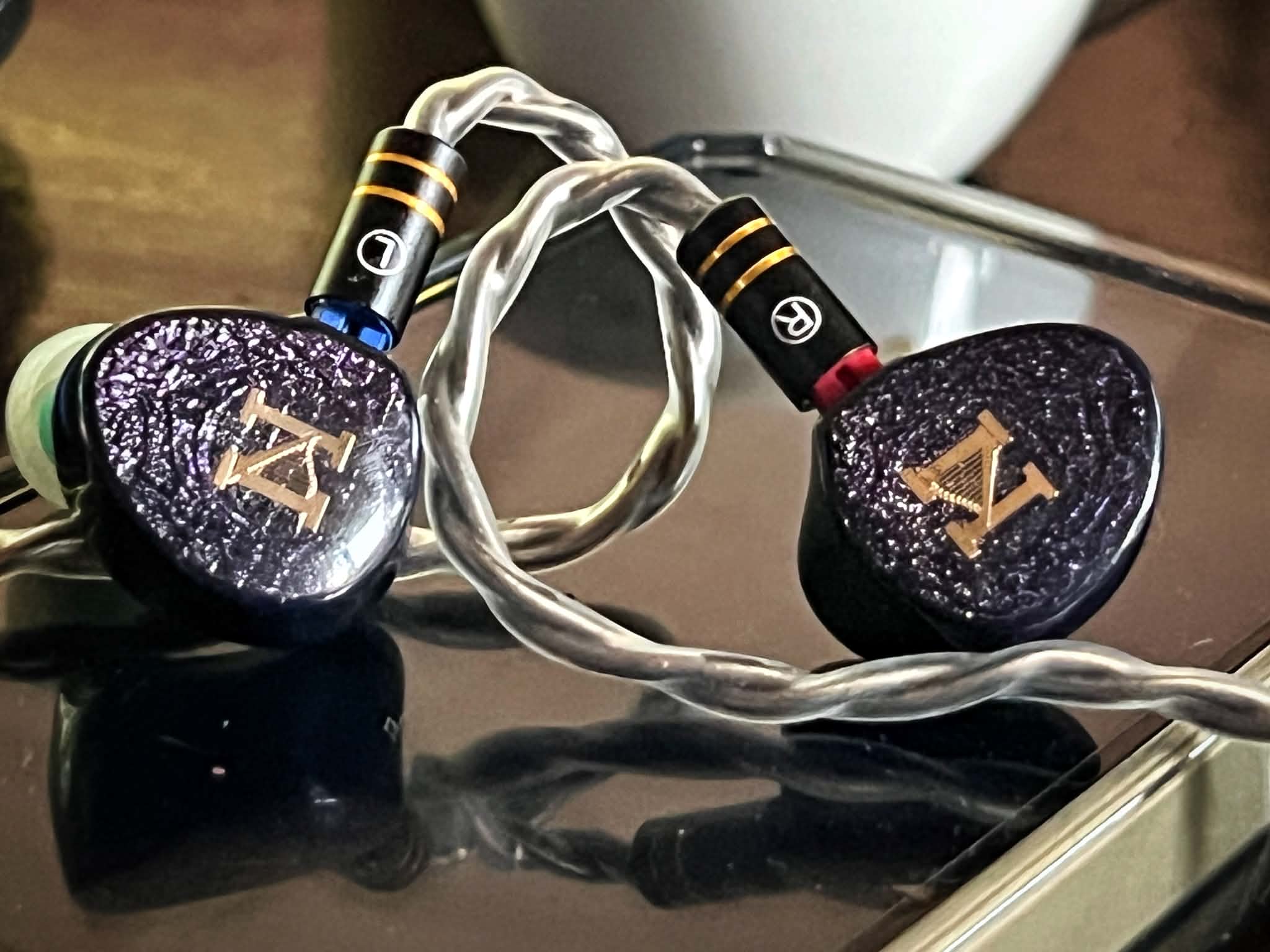
The ISN H20 is actually my first ISN IEM, so I was genuinely looking forward to spending some time with it when I found out Penon was sending me a unit. I've had quite a few Penon products pass through my hands, but for some reason I never got around to trying one of ISN's IEMs until now.
After spending quite a bit of time listening to the H20, I can say that this is definitely not an IEM trying to be neutral or reference-flat. The H20 has a very obvious personality. It is bassy, energetic, vivid and quite musical, with a presentation that puts the low end and upper frequencies in the spotlight while keeping the mids relatively clean and natural.
The H20 uses a classic hybrid configuration consisting of one 13mm PEI diaphragm dynamic driver handling the lows and mids, paired with a customized balanced armature for the high frequencies. It has a 16-ohm impedance, 100dB sensitivity and a 10Hz to 20kHz rated frequency response. The drivers are housed inside a 3D-printed resin shell with a 0.78mm 2-pin connection.
And after listening to it, I think the 1DD + 1BA configuration actually works well for what ISN is trying to achieve here.
Whats in the box? check out my quick unboxing video of the H20 and tale a closer look at the iem and its accesories.
Build Quality and Design
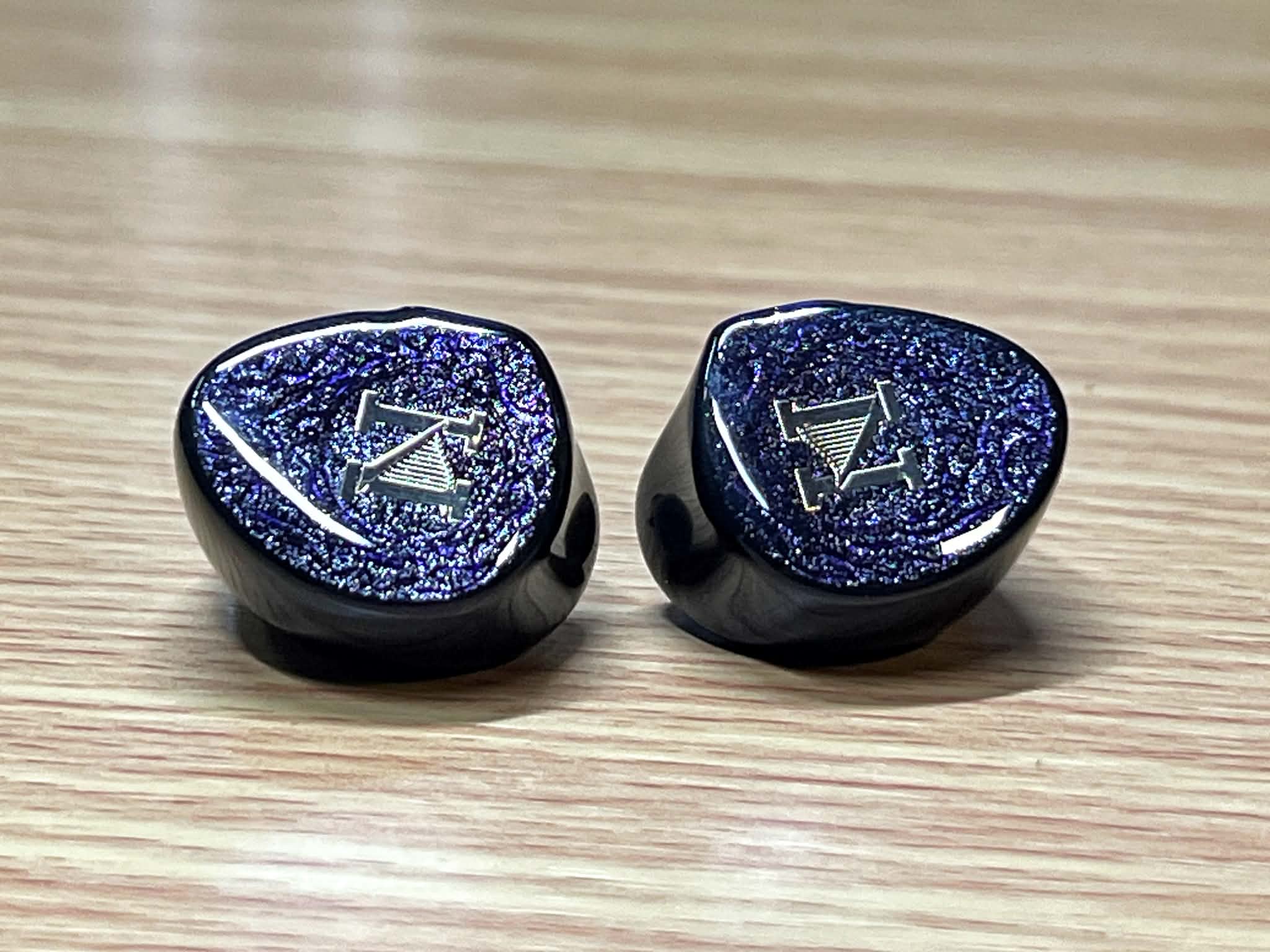
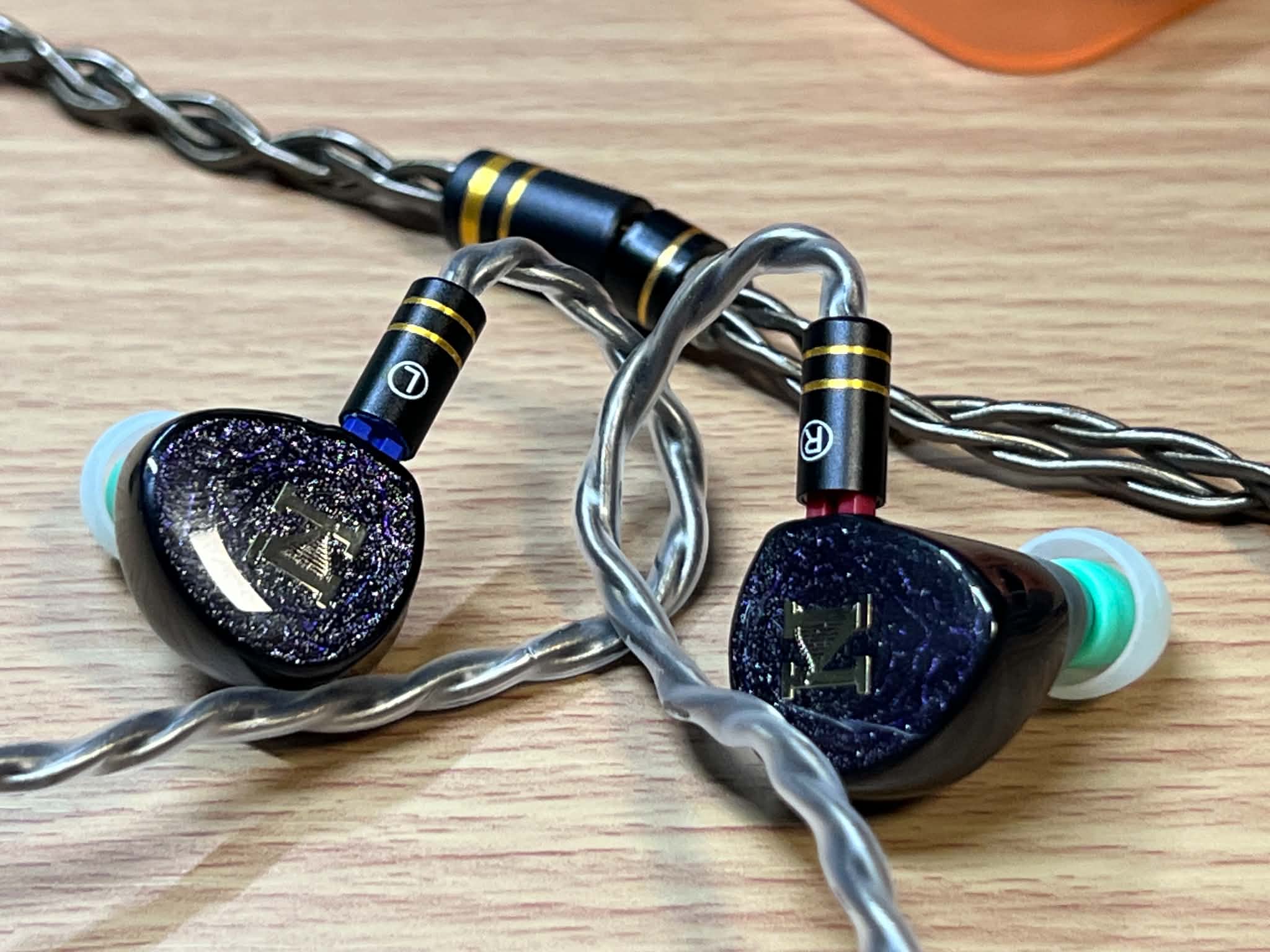
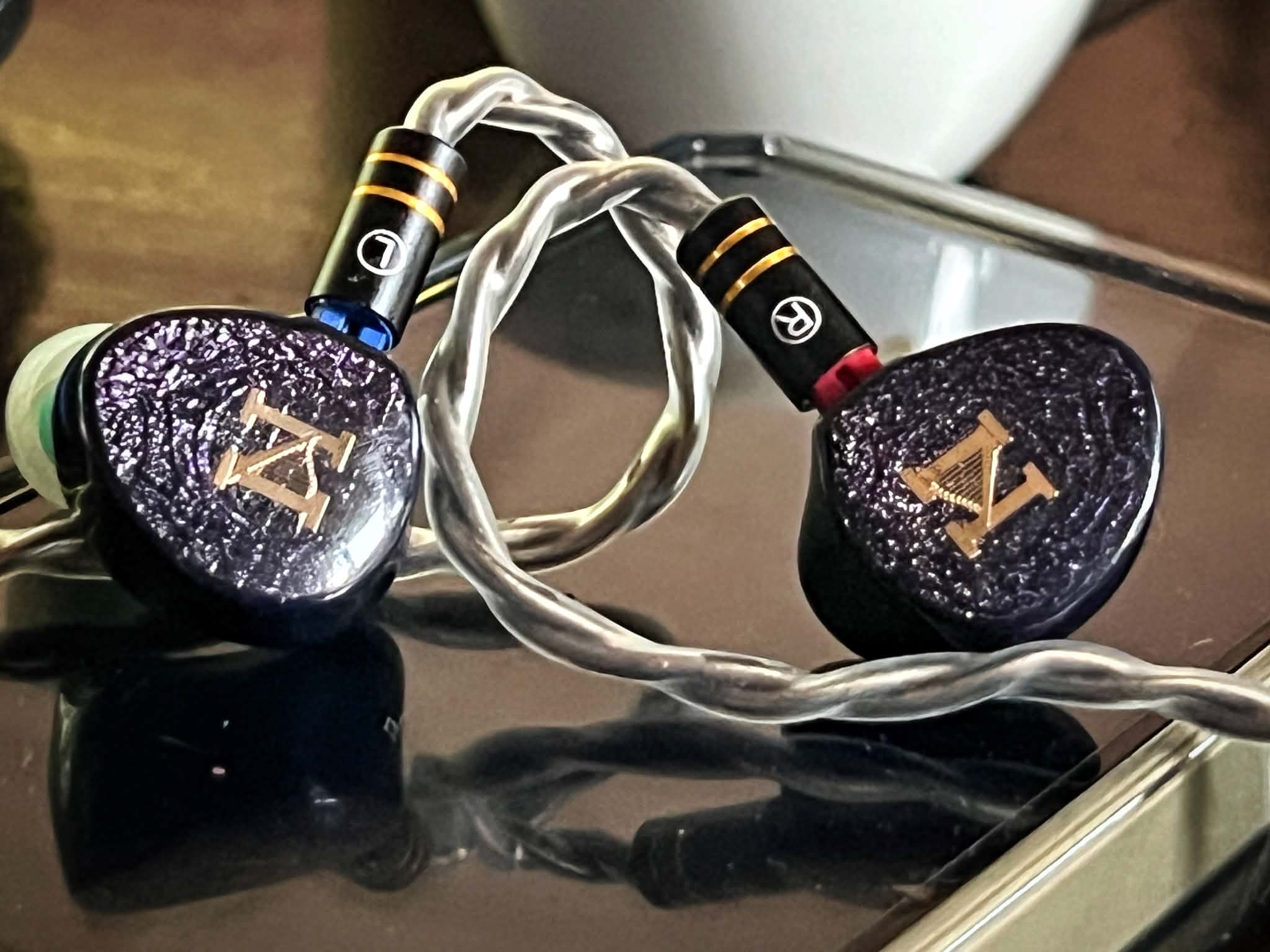
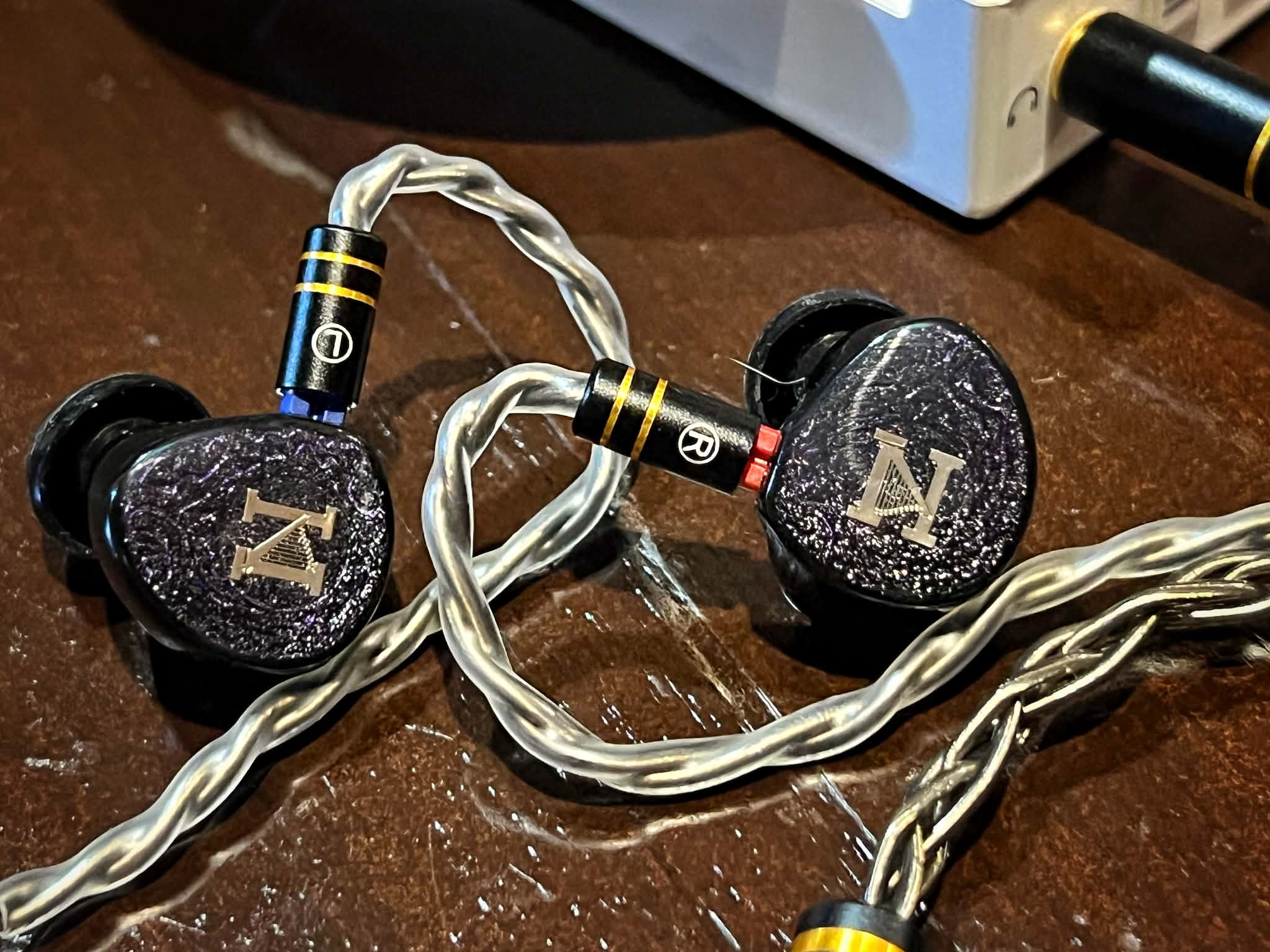
The H20 immediately caught my attention with its compact resin shell and classy faceplate. It doesn't try too hard with the aesthetics. You get a relatively understated design with the ISN logo sitting right in the middle of the faceplate, giving it a clean and premium-looking appearance.
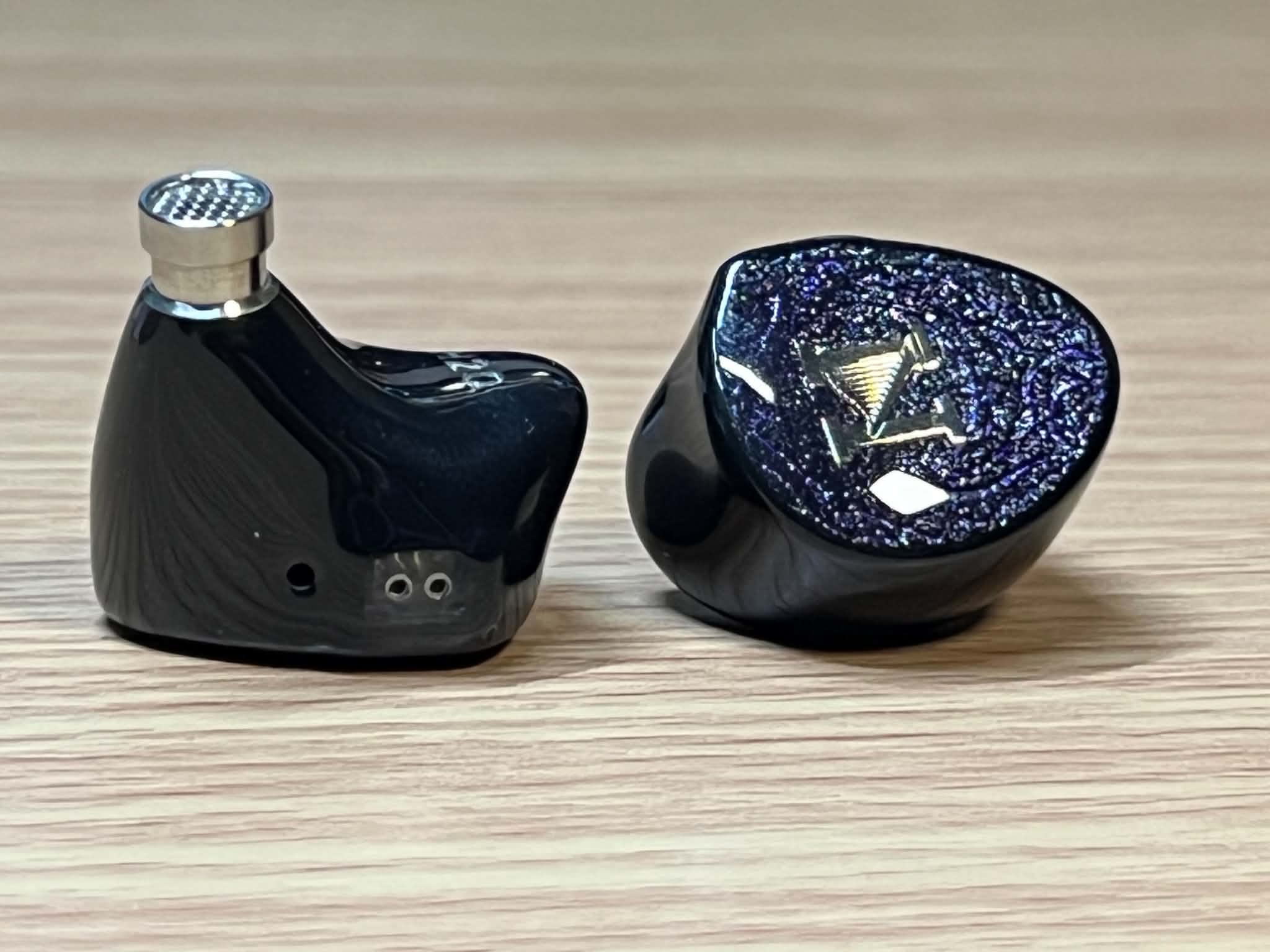
The resin shell is compact and lightweight, which I really appreciate. It sits comfortably in my ears without feeling bulky, and the smaller form factor makes it easy to get a good seal without having a large shell occupying the entire ear.
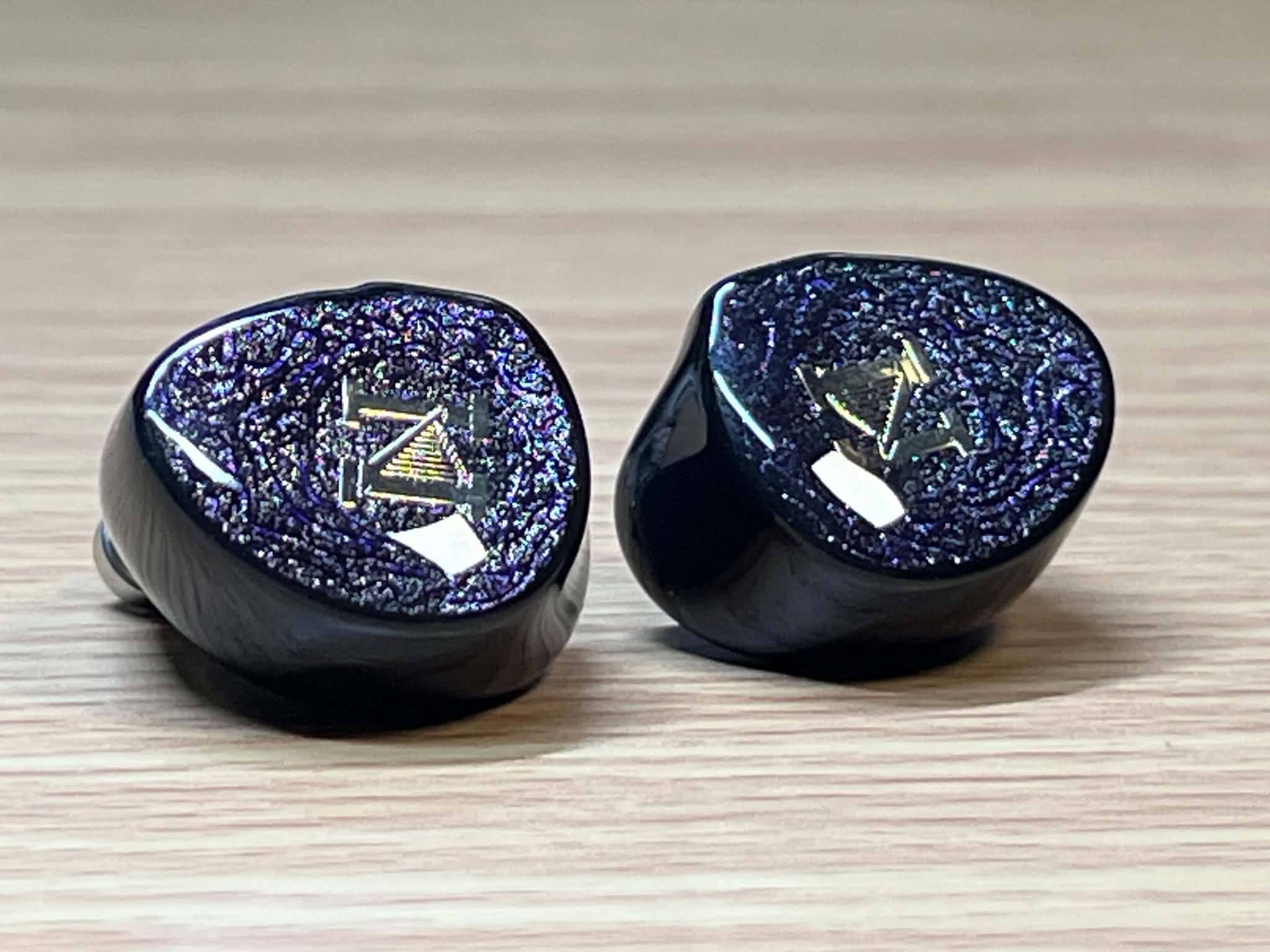
The faceplate has that slightly metallic-looking finish that gives the H20 a more expensive appearance than you might expect at this level. It is simple, but it works.
The nozzle is also worth mentioning because the position of the BA driver appears to put the high-frequency output relatively close to the ear canal. I obviously can't confirm the exact internal acoustic path without taking the shell apart, but the way the H20 presents its upper mids and treble does make it feel like the high-frequency driver is acoustically very direct.
As with other Penon sets I've received, the packaging is practical rather than excessive. The box is compact, but you still get a good selection of useful accessories.
The included case is one of my favorite parts of the package. It's a large blue case covered in what looks like denim-like fabric. It feels sturdy enough for everyday carrying.
The Cable
The included cable is also surprisingly nice.
It is a four-strand silver-plated single-crystal copper cable, terminated with a gold-plated plug. Mine came with a 4.4mm balanced termination, which is what I normally use anyway.
The cable is soft and flexible, with very little cable memory. It doesn't feel stiff or overly springy, and it behaves nicely when I'm actually wearing the H20.
I also really like the hardware. The matte black finish with the gold accents gives it a classy look without becoming flashy. It matches the H20's faceplates nicely.
I'm usually not someone who gets too excited about stock cables because I tend to look at cables more from a usability and aesthetic perspective than expecting some magical sonic transformation. In this case, though, the included cable already feels good enough that I wouldn't immediately feel the need to replace it.
Sound Signature
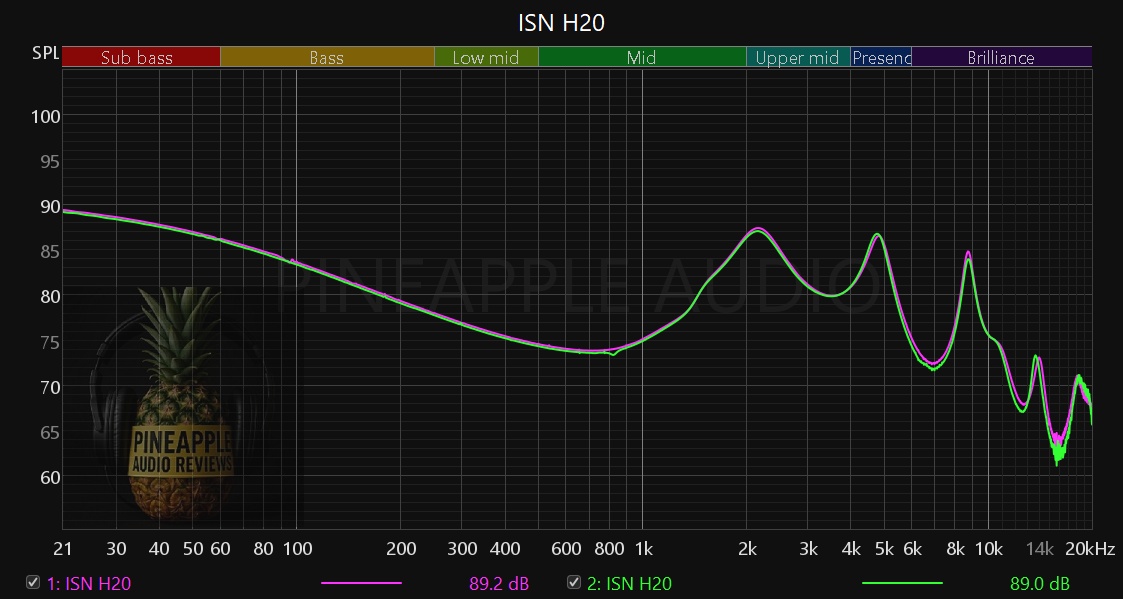
The H20 has what I would describe as a mild V-shaped signature with a distinctly bassy character.
The first thing that stood out to me was the subbass. This thing has a very physical, almost subwoofer-like quality down low. There is a lot of depth and rumble, especially with electronic music, hip-hop and tracks with deep synthesized bass.
At the same time, the upper mids and treble are energetic and forward enough to create a strong contrast against the relaxed low-mid presentation.
If I had to describe the overall presentation visually, the bass is sitting comfortably in the back seat of the car while the upper frequencies are sitting right up front, almost on the hood.
There is a noticeable distance between the low-frequency presentation and the upper-frequency presentation, and that's probably one of the defining characteristics of the H20.
The interesting thing is that despite looking fairly recessed through parts of the midrange on a frequency response graph, the actual listening experience doesn't make the mids feel particularly distant to me.
Bass
This is definitely a bassy IEM, but I wouldn't call it a true basshead set.
The H20 produces that deep, physical rumble that you can actually feel. With electronic music, especially tracks with sustained low-frequency information, the H20 can produce a very satisfying sense of depth.
There is a certain subwoofer quality to it. The bass doesn't simply sound like a frequency being reproduced. It has physical presence.
The subbass extends deep and has plenty of authority, but it isn't the fastest or tightest low end I've heard.
The extra energy also spills somewhat into the midbass. This gives the H20 a warmer and thicker foundation, but it also means the bass can sound slightly bloated on some recordings.
The midbass itself is more relaxed than punchy.
It doesn't have that hard, immediate slam that you get from some more aggressively tuned dynamic drivers. Instead, the notes have a softer leading edge and a little more body.
Because of that, I don't get the same level of grip and control that I hear from some of my tighter bass benchmarks.
But there is a benefit to this tuning.
The extra warmth gives male vocals and lower-register instruments a nice amount of note weight. Male vocals have a fuller and more textured character, and instruments such as bass guitar and lower brass don't sound thin.
So while I wouldn't describe the H20's bass as exceptionally tight or technical, it is very enjoyable.
For my kind of music, especially house, techno, hip-hop and electronic tracks, that deep rumbling foundation can be a lot of fun.
The H20 is basically saying, "Yes, I'm going to give you bass, but I'm not going to turn the entire IEM into a basshead monster."
Midrange
This is probably the most interesting part of the H20 for me because the mids don't quite behave the way I initially expected from the graph.
On paper, there is a fairly significant dip through portions of the midrange. But in actual listening, vocals and instruments don't sound dramatically recessed.
In fact, vocals can sound surprisingly forward.
The H20 has a vivid and fairly natural midrange tonality. Vocals have good body and texture, while instruments retain enough weight to prevent the presentation from becoming thin or overly clinical.
Male vocals benefit particularly well from the warmer low-frequency foundation. There is enough note weight around the lower mids to give voices a fuller and more organic character.
Female vocals are a different story because they interact more directly with the energetic upper-midrange tuning.
They have plenty of presence and clarity, but the H20 can become quite energetic in this region. This gives vocals a more immediate presentation and helps bring out articulation and detail.
The transient response is also relatively quick.
Percussion, guitar plucks and vocal articulation have a noticeable sense of immediacy. The H20 doesn't sound sluggish despite having that big low-end presentation.
What I like here is that the mids still retain some musicality. They aren't presented in an ultra-clean, analytical way. There is enough warmth and note density underneath the presentation to keep things enjoyable.
So despite the V-shaped tuning, I wouldn't describe the H20 as having hollow or lifeless mids.
Treble
The treble is where the H20 gets energetic.
There is good sparkle and plenty of extension, and this contributes significantly to the IEM's sense of clarity and air.
Microdetail retrieval is also very good.
Small details in cymbals, percussion, room ambience and vocal textures are easy to pick up.
The H20 has that ability to bring little details forward without needing an extremely bright tuning.
But there is a trade-off.
On most of my music, I find the treble energetic rather than outright bright. However, on recordings that already have aggressive upper-frequency content, the H20 can become borderline sibilant.
It's not something I hear constantly, and I wouldn't classify the H20 as an inherently harsh IEM. But there are certain tracks where vocals containing strong S and T sounds can become a little too energetic.
This seems to be more recording-dependent than a permanent characteristic of the IEM.
If the recording is well mastered, the H20's treble can sound lively, detailed and airy.
If the recording is already hot in the upper mids and lower treble, the H20 isn't going to hide it.
For someone who is very treble sensitive, this is something I'd keep in mind.
For me, I actually enjoy the added energy because it keeps the H20 from sounding too dark or overly warm despite the strong bass.
Technical Performance
Soundstage
The H20 has a good soundstage, but it doesn't try to create some artificially huge, exaggerated presentation.
I would describe it as medium-sized with a good sense of space.
It's not extremely wide, but it isn't cramped either.
What I like is that the stage feels appropriate to the music. There is enough room around instruments and vocals for the presentation to breathe, but it doesn't feel like the sound has been stretched unnaturally wide just for the sake of making the stage impressive.
Depth is also decent, particularly because of the H20's strong subbass extension.
The low-end depth gives the presentation a sense of vertical and front-to-back layering, although the overall imaging isn't at the level of more technically focused sets I've heard.
Imaging
Imaging is good but not exceptional.
Center imaging is stable, and vocals have a clear position in the middle of the stage.
Left-to-right positioning is easy enough to follow, especially with electronic music and tracks with obvious channel separation.
But the H20 isn't an IEM I'd choose specifically for surgical imaging precision.
Its presentation is more about musicality and energy than dissecting every individual sound.
Separation
Separation is probably one of the more average aspects of the H20.
It's not bad, but it isn't the most vivid or sharply defined presentation I've heard.
With simple arrangements, everything is easy to follow.
With very busy tracks, particularly music with multiple layers competing in the same frequency range, the H20 can sound a little more blended than some of the more technically capable IEMs in my collection.
Interestingly, I don't find this particularly distracting because it actually contributes to the H20's musical character.
Sometimes an IEM can become so obsessed with separation and detail that the music starts sounding like individual objects floating around a stage.
The H20 doesn't do that.
It gives you enough separation to follow the music while maintaining a more cohesive presentation.
Detail Retrieval
Detail retrieval is actually quite good, especially in the upper frequencies.
The energetic upper-mid and treble presentation helps expose microdetails in vocals, cymbals, percussion and background textures.
The H20 isn't what I'd call an analytical detail monster, but it doesn't feel lacking in information either.
It strikes me as an IEM that gives you enough detail to keep things interesting without completely changing its musical personality.
Synergy and Music Pairing
The H20 is fairly easy to drive with its 16-ohm impedance and 100dB sensitivity, so you don't need a particularly powerful source to get good volume from it.
I still prefer using it from a good balanced output because that's how I normally run my IEMs, but it doesn't require a desktop amplifier to perform properly.
The bigger consideration is source synergy.
Because the H20 already has a strong bass presence and energetic upper frequencies, I find that it works particularly well with sources that don't push either extreme too aggressively.
With warmer sources, the H20 becomes smoother and more relaxed, making the bass feel even more substantial.
With cleaner and more neutral sources, the upper-frequency energy becomes more noticeable and the presentation sounds more open and immediate.
For my music library, the H20 is especially enjoyable with electronic, house, techno, hip-hop, rock and tracks that benefit from strong subbass extension.
Deep kick drums, synthesizers and bass lines have plenty of physicality.
Jazz also works surprisingly well when the recording has enough room ambience and dynamic contrast. The H20's upper-frequency energy helps cymbals and percussion come alive, while the bass gives acoustic bass and lower-register instruments a nice amount of weight.

Final Thoughts
My first experience with ISN has been a pretty interesting one.
The H20 isn't trying to be a reference monitor, and I don't think that's the right way to approach it.
This is an IEM with a personality.
It gives you deep, physical subbass, a relaxed but warm midbass, surprisingly vivid mids, and an energetic upper range with plenty of sparkle and detail.
The biggest thing I enjoy about it is the contrast between the bass and upper frequencies. You get that big, rumbling low end underneath a lively and energetic top end, which gives the H20 a very engaging character.
At the same time, it isn't a perfect technical performer. Bass control could be tighter, separation could be more defined, and the upper frequencies can become a little too energetic with certain recordings.
But those are also part of what makes the H20 what it is.
For me, this is more of a music-first IEM than a technical showcase.
It doesn't constantly remind you how technically capable it is. Instead, it gives you a strong sense of rhythm, weight, energy and texture, then lets you enjoy the music.
And honestly, that's something I appreciate.
After spending years listening to and reviewing IEMs, I still find myself coming back to sets that simply have a character that makes me want to keep listening.
The ISN H20 is one of those sets.
It's my first ISN IEM, and if this is an indication of what ISN is capable of, I'm definitely interested in hearing what else they have in their lineup.
Link:
https://penonaudio.com/ISN-Audio-H20.html
Comments
Post a Comment