• Excellent value for money
• Deep, authoritative sub-bass with satisfying mid-bass slam
• Warm, musical, and natural tuning
• Organic, lifelike vocals with excellent timbre
• Smooth, fatigue-free treble with good detail retrieval
• Comfortable, lightweight resin shell with a premium feel
• Elegant, understated design with a solid build
• Easy to drive and pairs well with portable sources
• Great all-rounder across a wide range of music genres
Cons:
None.
Fair Warning...
If you're reading this hoping to find something negative that I can say about the Kefine Loric, you might want to skip this review.
But if you're curious why I'm so obviously biased toward this little IEM, then keep reading.
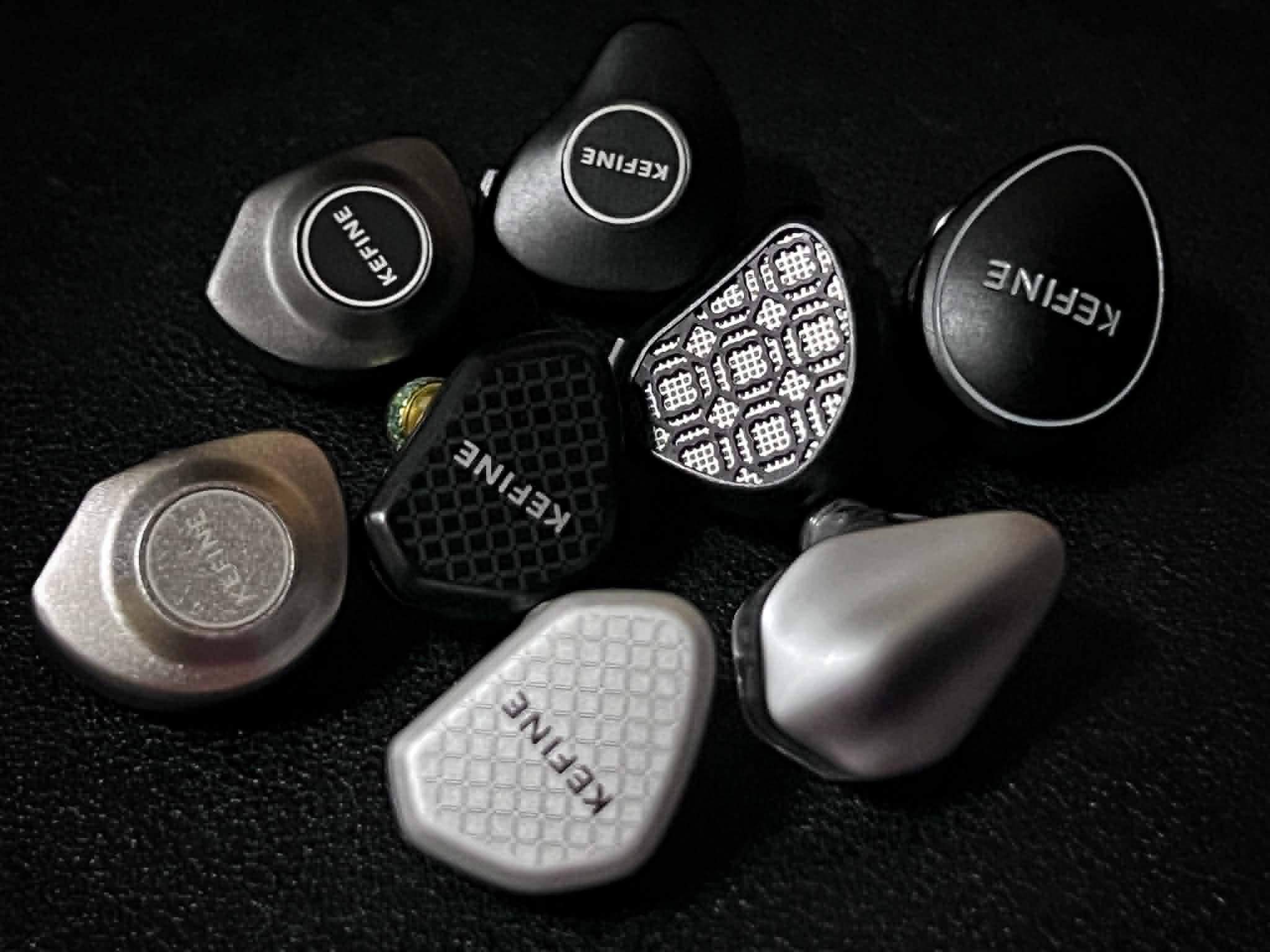
I've been following Kefine since their very first releases. From the Delci and Klanar all the way to the latest Arnar, they've consistently delivered products that punch well above their asking price. Every release has had its own personality, but they've all shared the same DNA: excellent tuning, solid build quality, and ridiculous value for money.
So when I found out Kefine was entering the ultra-budget market, I was honestly curious. This is probably the toughest price bracket in ChiFi right now. Every week there's another "budget killer" claiming to be the next big thing.
Then the Loric arrived.
After spending over a week with it as my daily driver, I can confidently say this isn't just another budget IEM.
This is one of my favorite Kefine tunings to date.
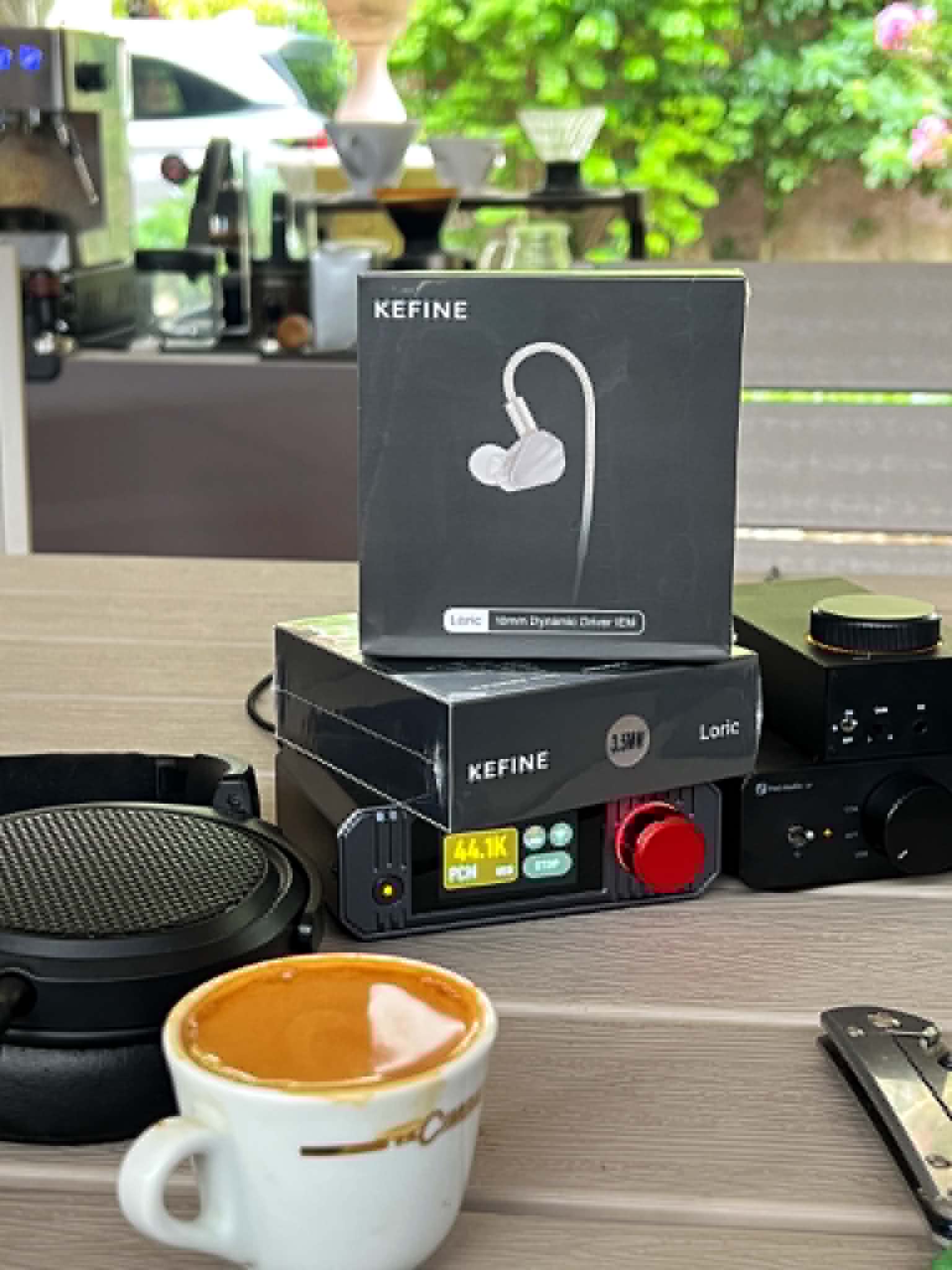
Whats inside the box? checkout my quick unboxing video and take a closer look of the Loric.
Specifications
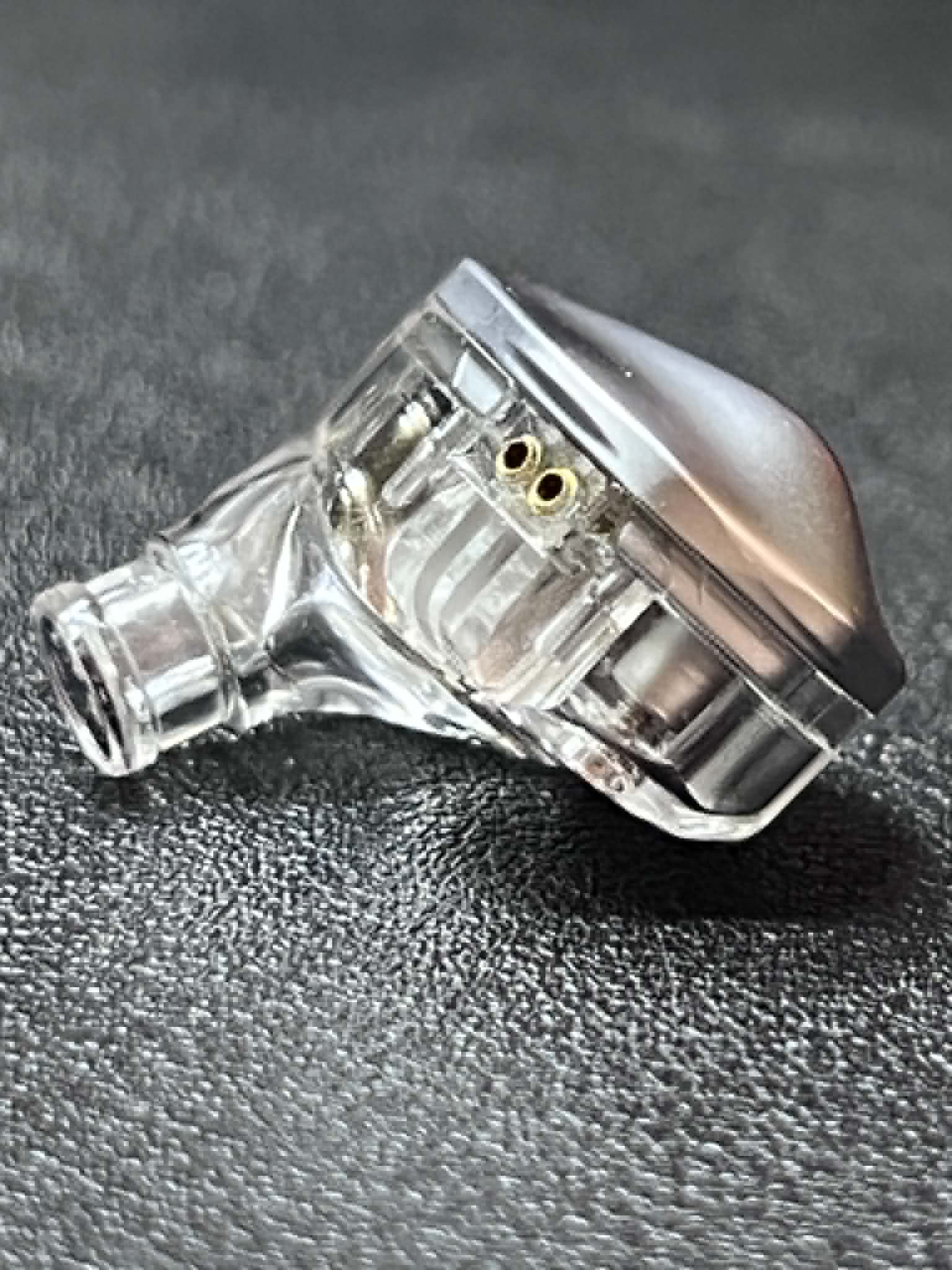
The Kefine Loric is built around a 10mm titanium diaphragm dynamic driver with a PU (polyurethane) suspension, and I think this is a really smart combination. On paper, it already sounds promising, but after spending time listening to it, you can actually hear why Kefine went with this driver design.
Titanium is a very stiff and lightweight diaphragm material. That rigidity helps the driver stay under control, especially during fast transients where it needs to start and stop quickly. In real-world listening, this usually translates to cleaner note definition, better detail retrieval, and improved control across the frequency range. It also helps reduce unwanted diaphragm flex and breakup, so instruments sound more focused and composed instead of smeared together.
The PU suspension is what gives the Loric its character. Compared to stiffer suspension materials, polyurethane is more compliant, allowing the diaphragm to move with greater excursion. Simply put, the driver can move more air with less effort. That's where the deep sub-bass rumble and satisfying mid-bass slam come from. It creates that physical sense of impact that you don't just hear, but actually feel, especially on bass-heavy tracks, movie soundtracks, and electronic music.
What impressed me is how well these two materials complement each other. The titanium diaphragm provides speed, control, and clarity, while the PU suspension adds weight, warmth, and authority to the low end. Instead of sounding like an overly analytical driver or an overly bass-heavy one, the Loric strikes a really enjoyable balance between the two.
The bass reaches deep with plenty of rumble, but it never feels loose or uncontrolled. Notes have good texture, decay sounds natural, and there's enough control to keep the low end from bleeding into the rest of the mix. At the same time, the driver retains enough speed to preserve detail and separation, which isn't always easy to achieve at this price point.
The Loric delivers a full-bodied, natural, and engaging presentation that makes you want to keep listening for hours. For an ultra-budget single dynamic driver, I honestly think they've squeezed an incredible amount of performance out of this driver configuration.
Build Quality
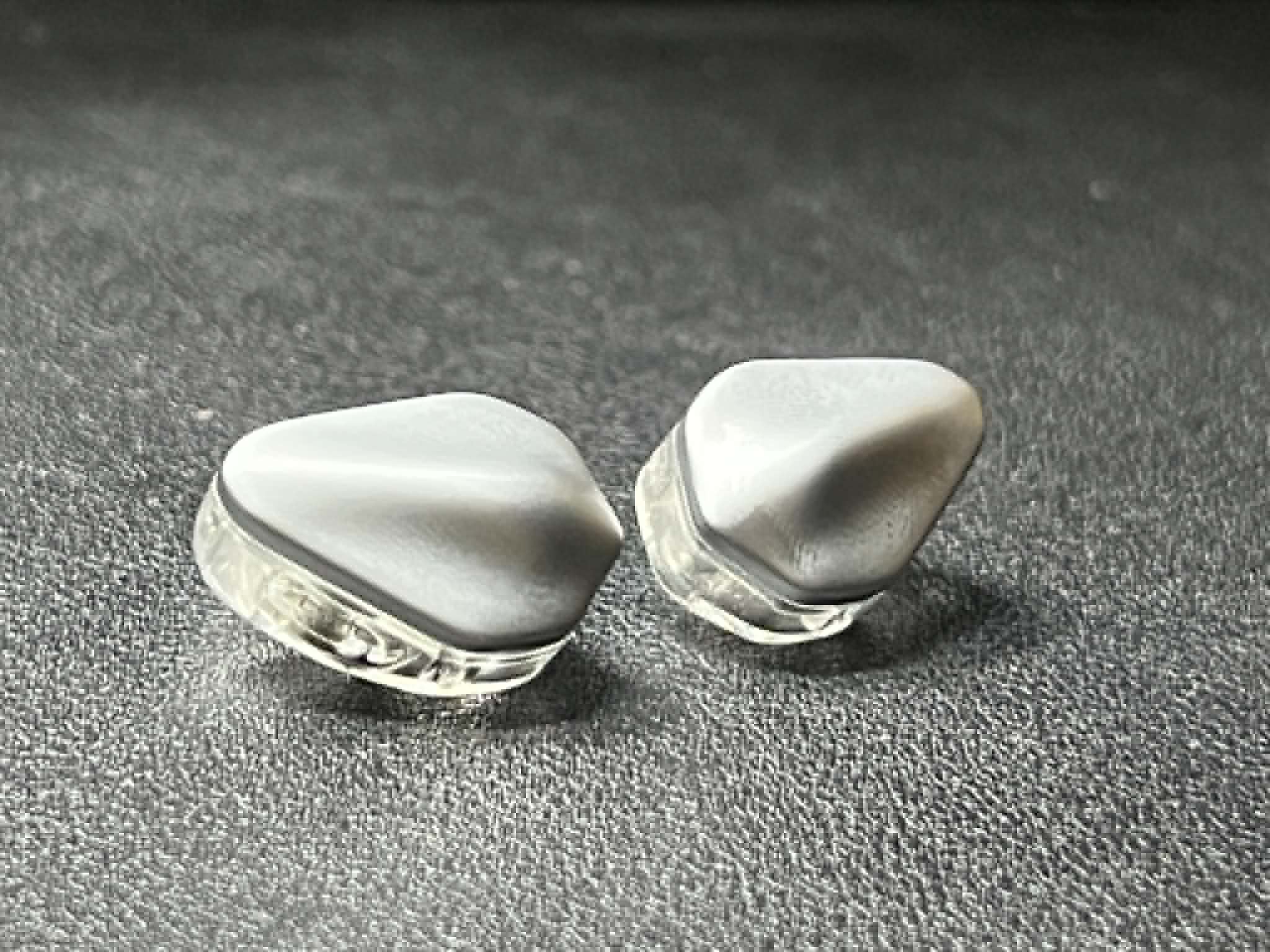
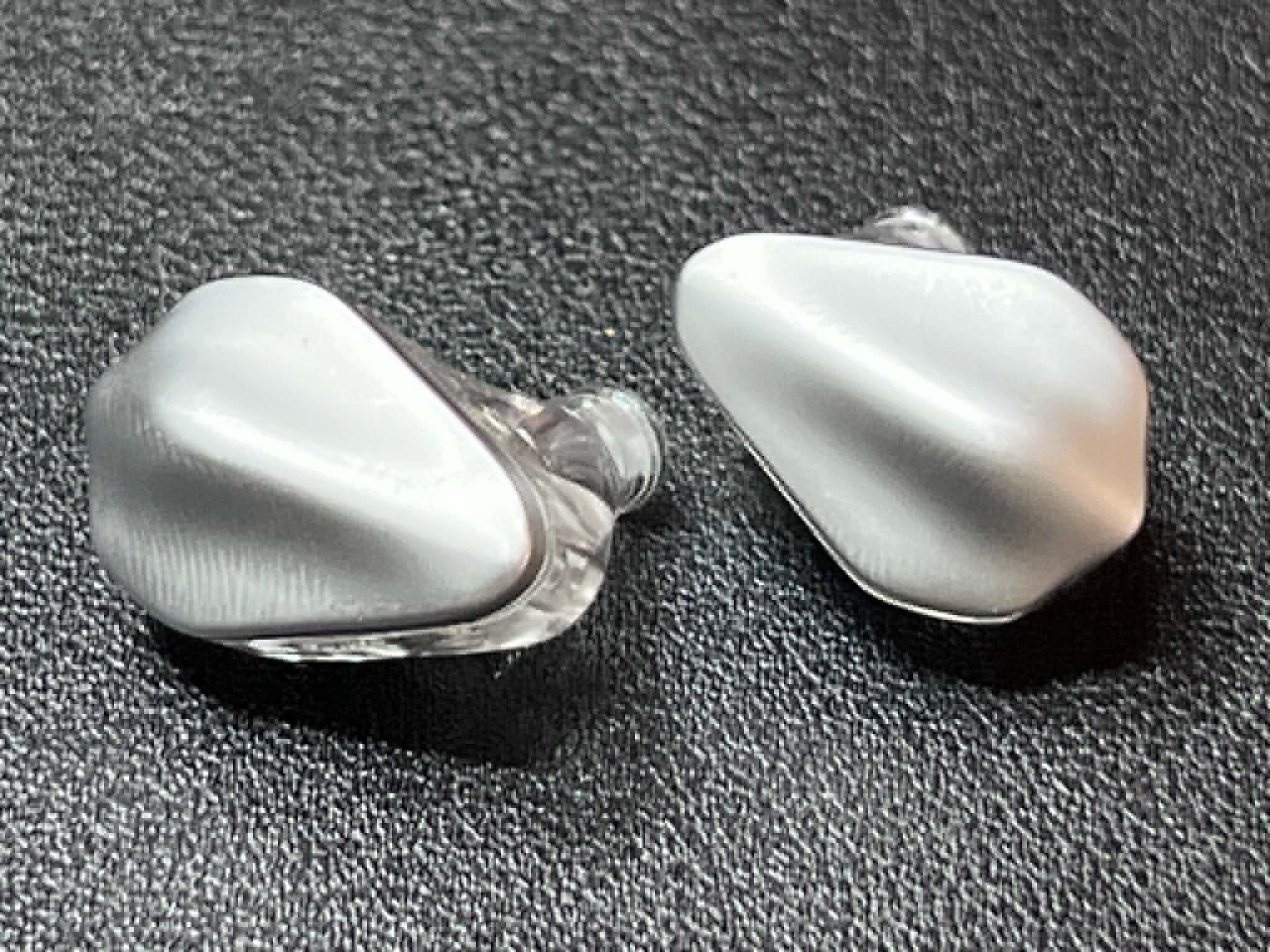
The Loric marks a couple of firsts for Kefine. It's their first entry into the ultra-budget market, and it's also the first time they've stepped away from their signature all-metal shell design. Instead, they went with a molded medical-grade resin shell paired with a matte zinc alloy faceplate. At first, I wasn't sure how I'd feel about the change since one of the things I've always liked about Kefine is the premium feel of their metal shells.
After holding the Loric in my hands, though, those concerns disappeared almost immediately.
Despite being made from resin, it doesn't have that lightweight, hollow, toy-like feel that a lot of budget IEMs suffer from. The shell feels dense, solid, and surprisingly well built. Give it a light squeeze and there's no flex, no creaking, and no signs of weak construction. The fit and finish are excellent, with clean seams and smooth edges that show good attention to detail. If someone handed this to me without telling me the price, I honestly wouldn't have guessed it sells for under thirty dollars.
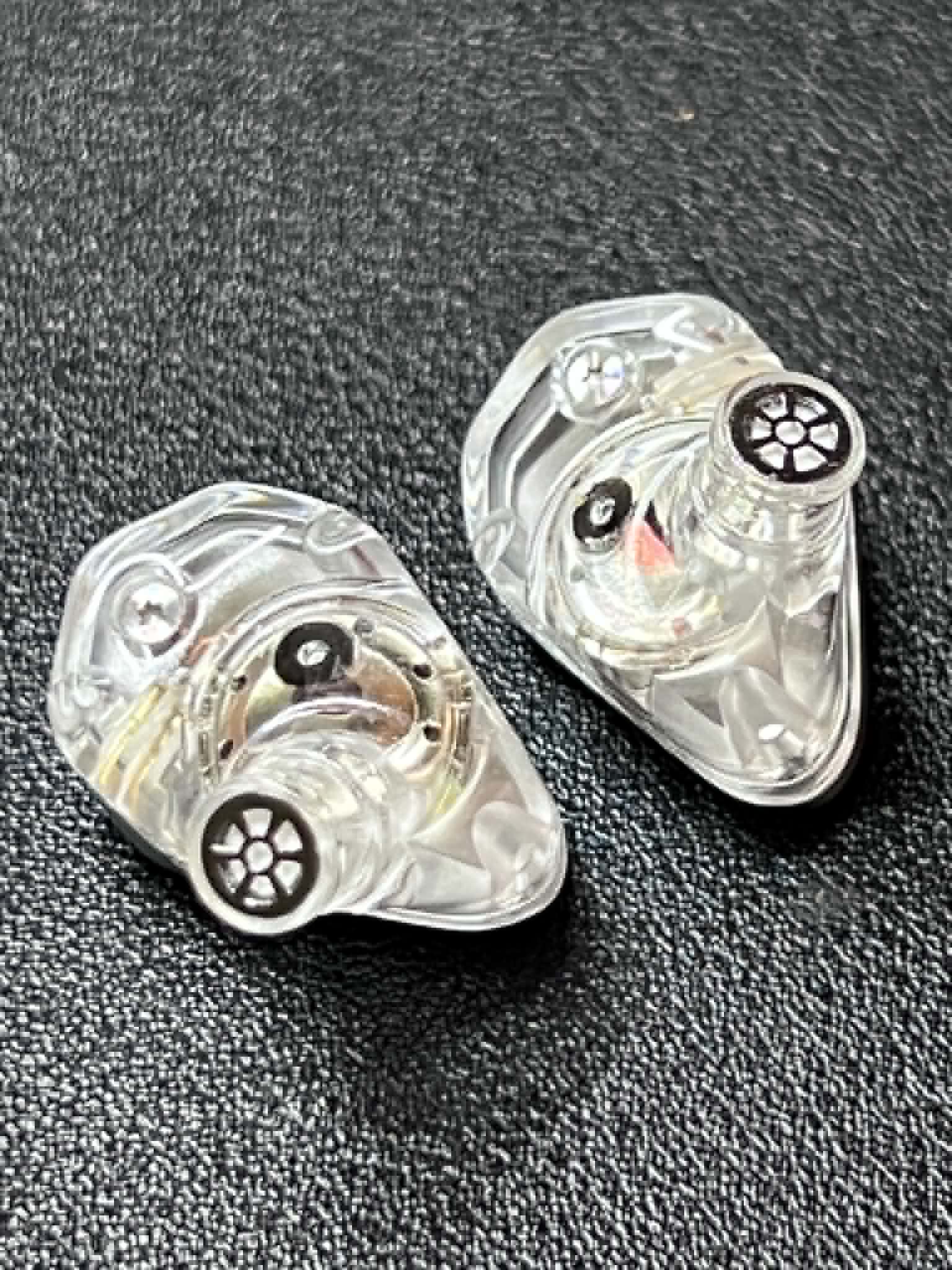
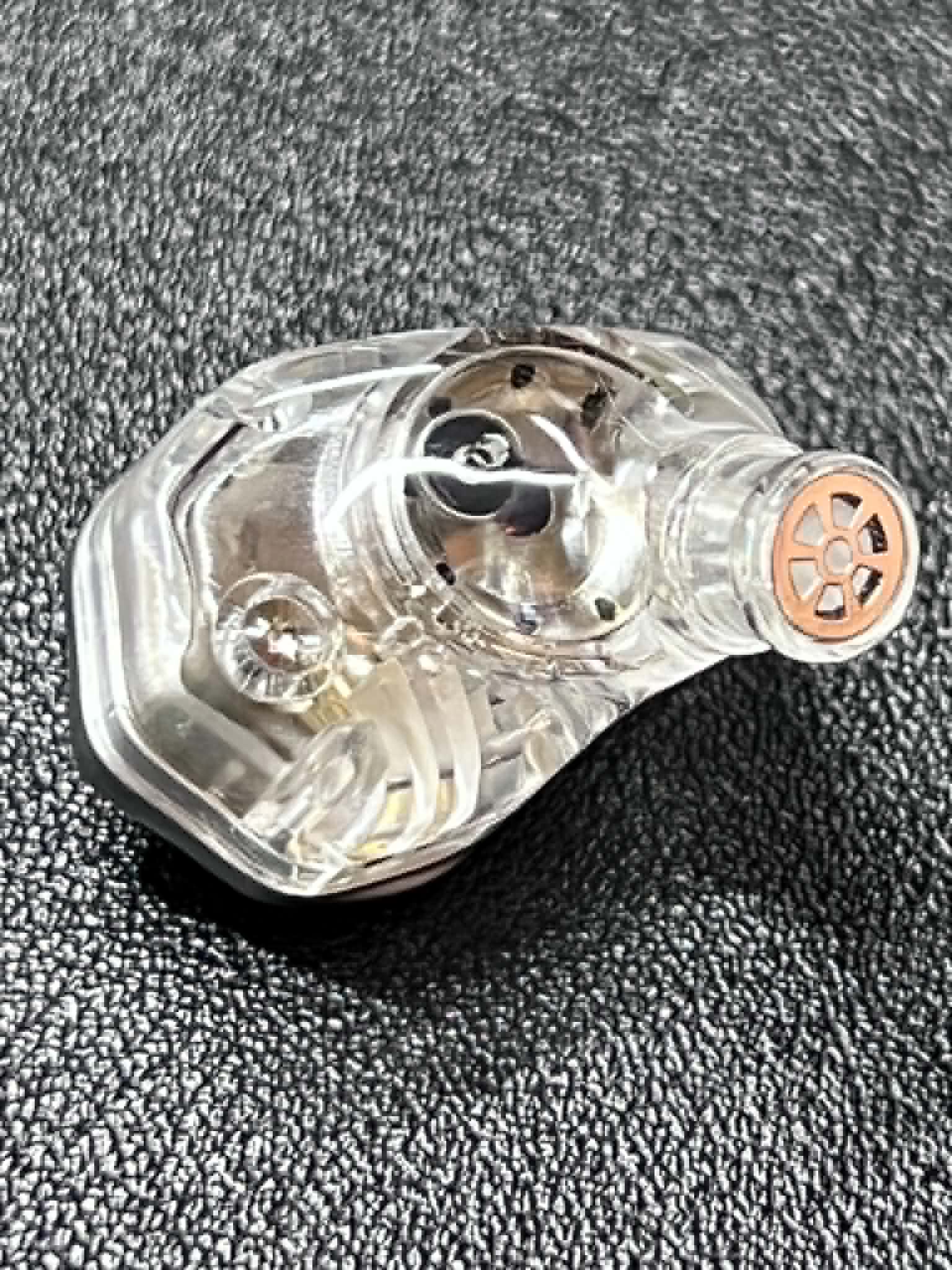
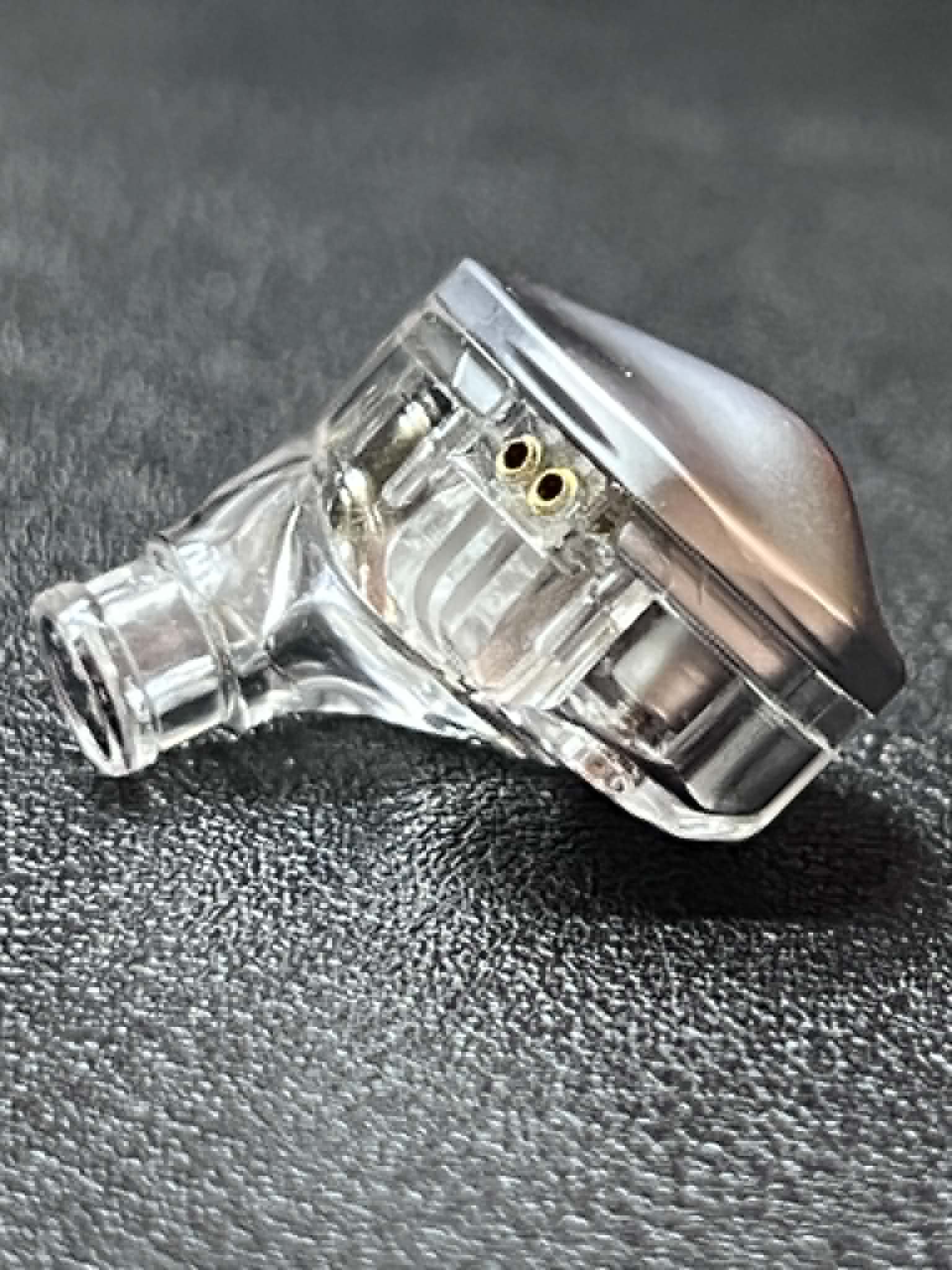
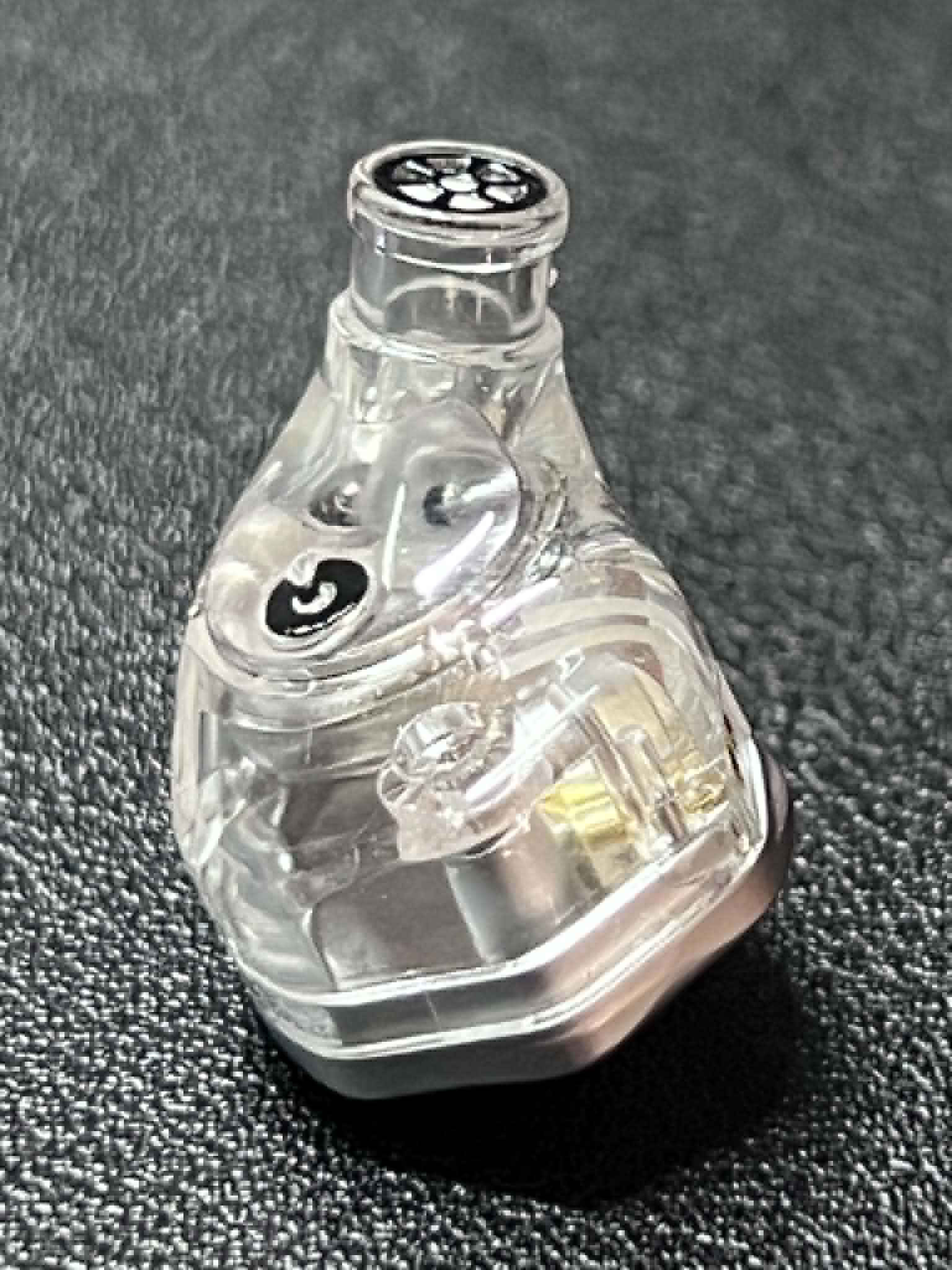
The shell itself is compact and ergonomically shaped, sitting naturally in my ears without creating pressure points. It's lightweight enough that I can wear it for hours without discomfort, and the shape provides a secure fit that never felt loose, whether I was sitting at my desk or taking it with me on my afternoon walks. The nozzle angle also feels well judged, making tip rolling easy while helping achieve a consistent seal.
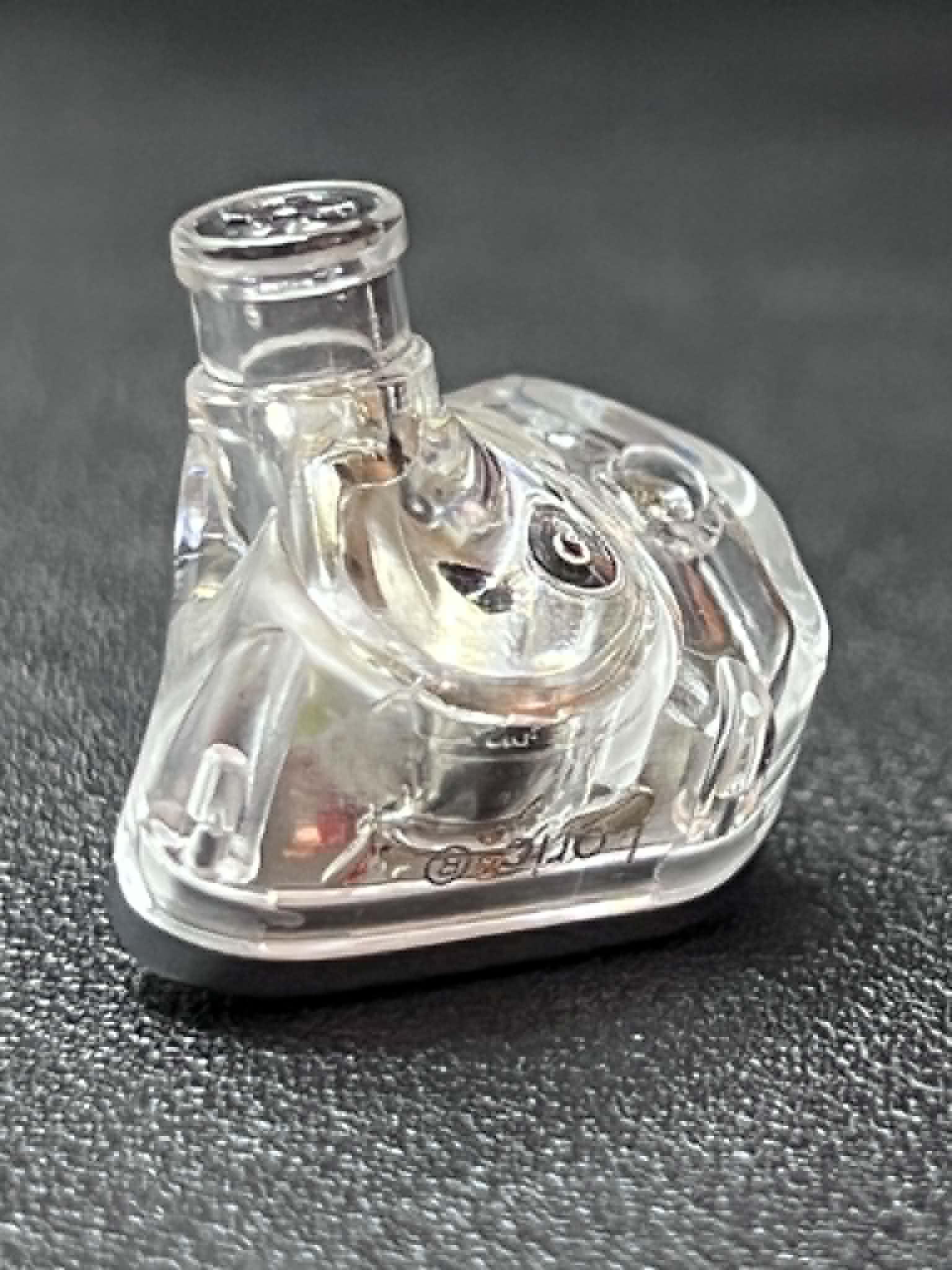
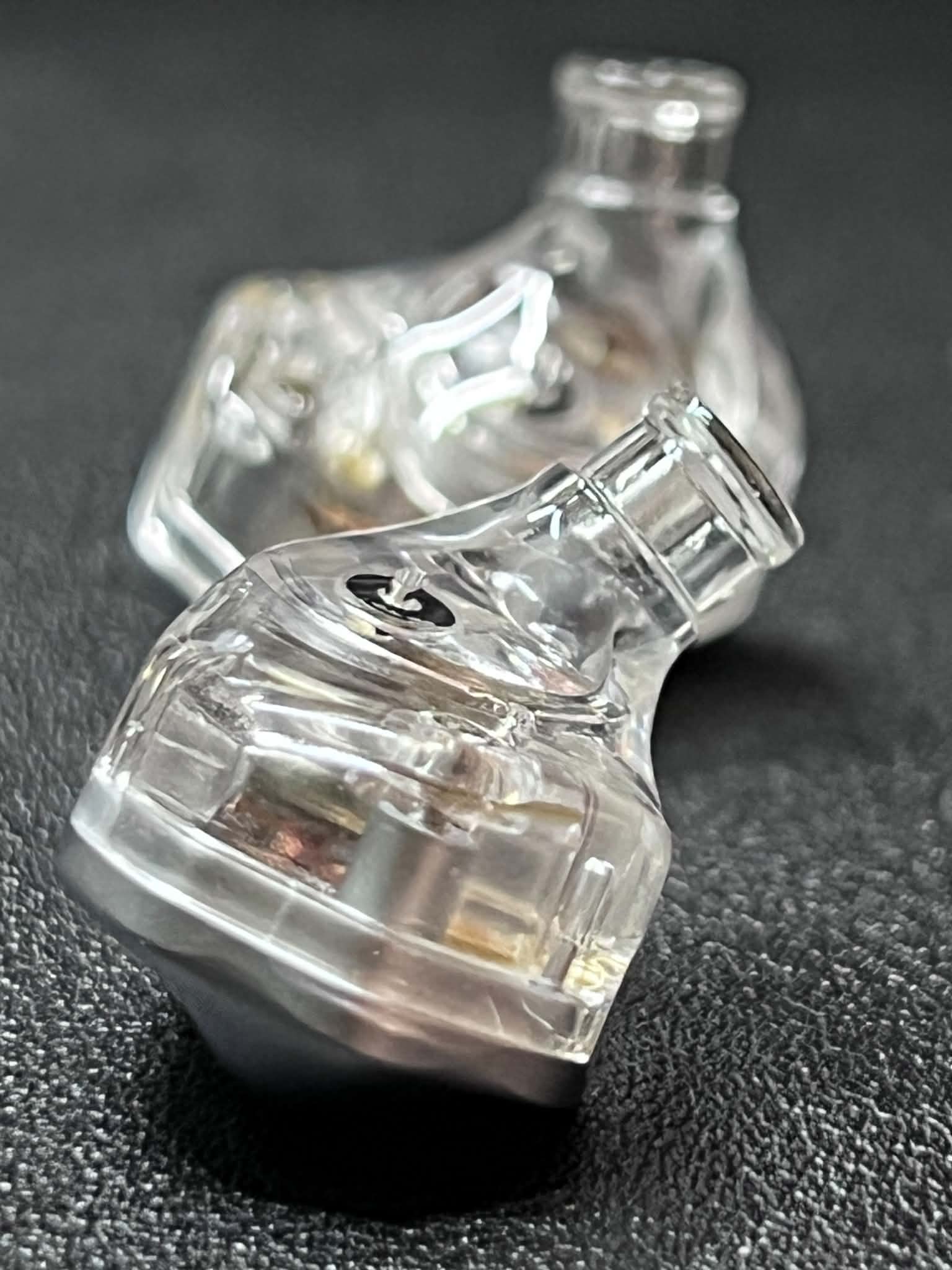
Design has always been one of Kefine's strongest points, and thankfully they didn't abandon that philosophy just because this is their most affordable model. Instead of trying to grab attention with flashy colors, oversized logos, or aggressive styling, they kept things simple and tasteful.
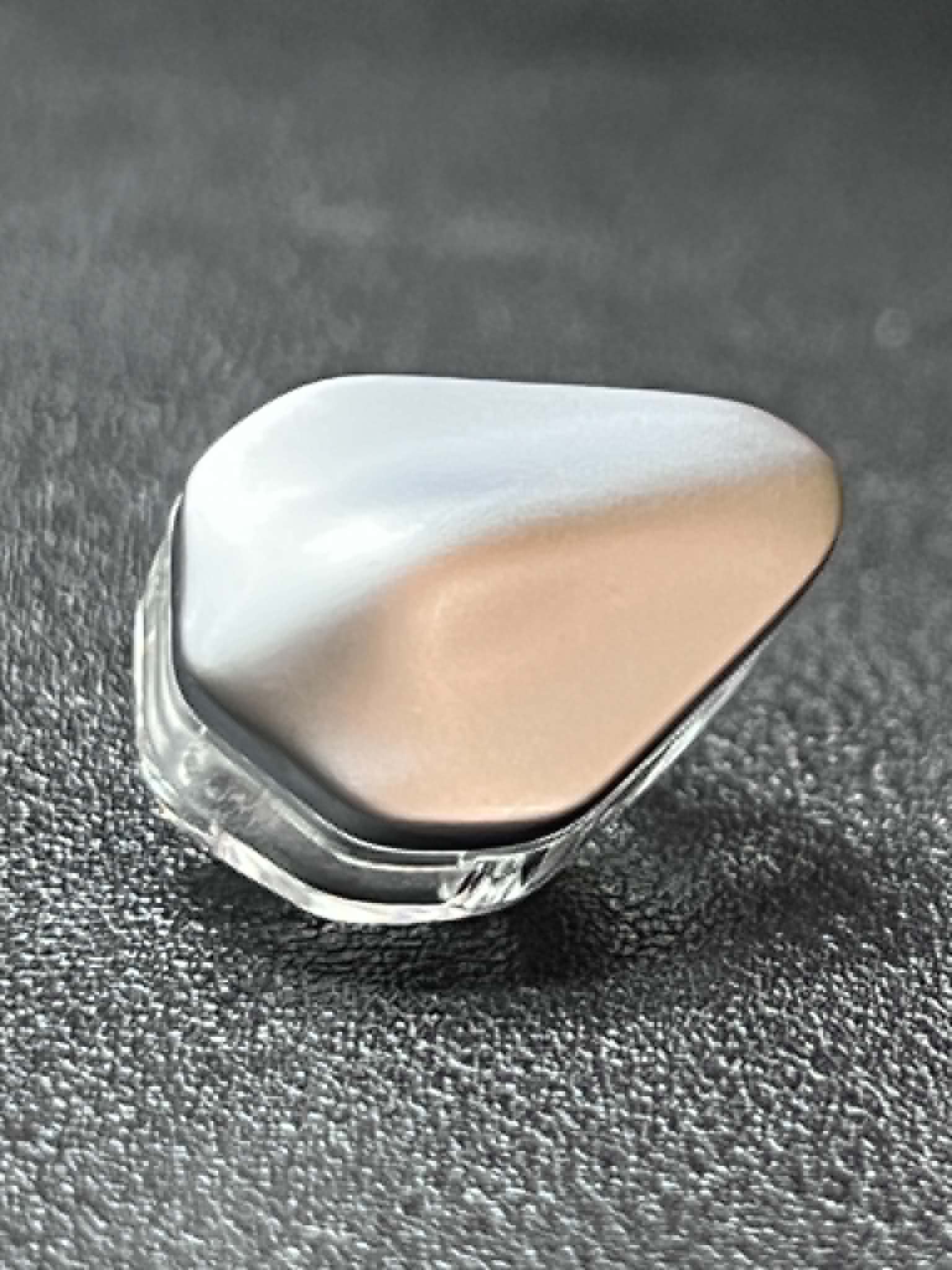
The matte zinc alloy faceplate is probably my favorite part of the design. It has a clean industrial look with a subtle texture that catches light nicely without being overly reflective. There isn't any unnecessary branding plastered across the faceplate either, just a clean and understated design that looks far more expensive than it actually is.
The more I looked at it, the more it reminded me of a piece of medieval armor, specifically the chest plate or shoulder armor worn by knights. It has those angular lines and layered contours that give it a rugged yet refined appearance. Once I learned that the name "Loric" comes from the Latin word "Lorica," meaning armor or protection, the whole design suddenly made perfect sense. It's one of those small details that ties the product's name and aesthetics together in a really thoughtful way.
I think Kefine absolutely nailed the build. They proved that moving away from an all-metal shell doesn't automatically mean sacrificing quality. The Loric still carries that premium, understated design language that I've come to expect from the brand. It's clean, classy, comfortable, and feels far more expensive than its price tag suggests. If this is the level of build quality Kefine can deliver in the ultra-budget category, I'd say they're off to a very strong start.
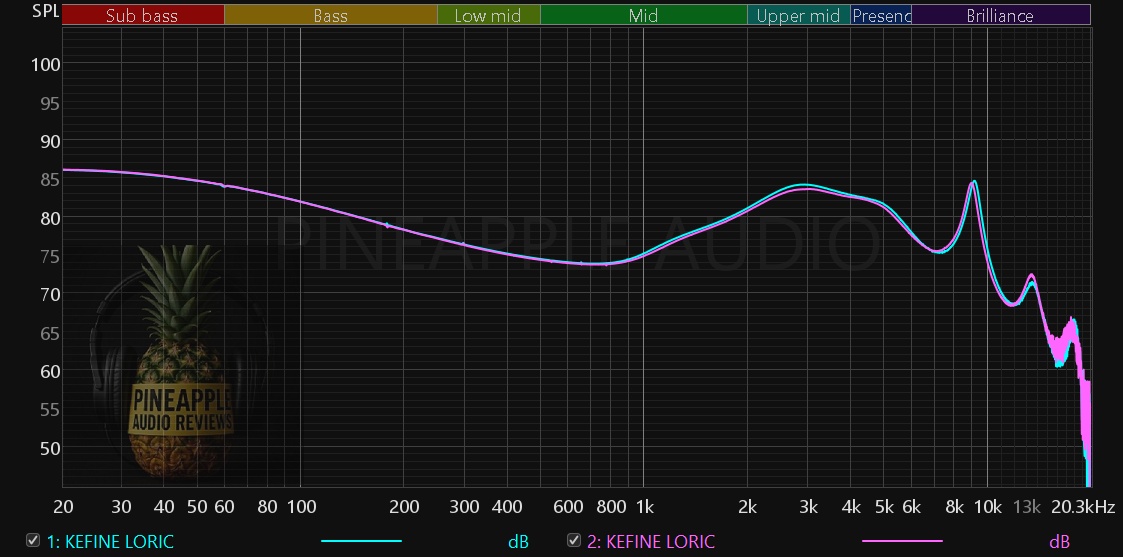
Sound Impressions
The very first thing that came to mind after putting on the Kefine Loric was simple.
This is easily the bassiest Kefine IEM I've heard to date.
Coming from someone who's spent a lot of time with the Delci, Klanar, and Arnar, that immediately caught my attention. But what impressed me even more was that Kefine didn't just crank up the bass and call it a day. They managed to give the Loric a bigger, fuller low end without losing the balance that has become part of the brand's identity.
After a few tracks, it became obvious what Kefine was aiming for.
Instead of chasing exaggerated detail, razor-sharp treble, or an overly analytical presentation, they focused on something that's honestly much harder to get right. They tuned the Loric to make music enjoyable.
And for me, they absolutely succeeded.
The overall presentation leans warm with a healthy dose of musicality, but it never comes across as overly thick or muddy. The bass gives the sound a rich foundation, the midrange has a natural and organic tone, and the treble is smooth enough that I could listen for hours without feeling any fatigue.
What I really appreciate is how cohesive everything sounds. Nothing feels disconnected or artificially boosted just to grab your attention. Every part of the frequency range flows naturally into the next, giving the Loric a very balanced and effortless presentation. It's one of those IEMs where you stop thinking about the tuning after a few songs and simply get lost in the music.
The warmth also works in the Loric's favor. It gives vocals and instruments a fuller body, making everything sound more lifelike and emotionally engaging. Acoustic recordings have a nice sense of richness, rock tracks carry plenty of energy, jazz sounds smooth and inviting, and electronic music has enough bass authority to make it genuinely fun.
Another thing I noticed after spending a week with it is how forgiving the Loric is. It doesn't punish poorly recorded tracks or aggressively expose flaws in your music library. Instead, it has a relaxed presentation that lets you enjoy almost any genre without constantly analyzing the recording quality. Sometimes that's exactly what I want after a long day. I don't always want to dissect every little detail. Sometimes I just want to sit back, press play, and enjoy the music.
And that's probably the biggest compliment I can give the Loric.
It doesn't try to impress you with artificial brightness or by forcing every tiny detail into the spotlight. Instead, it wins you over with a tuning that's warm, natural, engaging, and incredibly easy to listen to. The longer I spent with it, the more I appreciated what Kefine was trying to do.
This is an IEM that prioritizes musical enjoyment over chasing technical fireworks, and for my personal taste, that's exactly why it works so well.
Bass
If there's one area where the Kefine Loric immediately stands out from the rest of the Kefine lineup, it's the bass.
Without question, this is the bassiest IEM Kefine has released so far, but don't mistake that for a bloated or basshead tuning. What they've done here is give the Loric a generous amount of low-end presence while keeping it surprisingly clean and well controlled. It has the kind of bass that grabs your attention the moment the music starts, yet it never overwhelms everything else in the mix.
I think a big part of that comes from the driver itself. The combination of the titanium diaphragm and the compliant PU suspension really works in the Loric's favor. You can actually hear and feel the driver moving air. There's a sense of bass pressure that gives the low end a physical quality, something that good dynamic drivers are known for. It's not just about hearing the bass notes, it's about feeling that satisfying rumble and impact that makes music come alive.
The sub-bass reaches impressively deep, especially for an IEM in this price range. On tracks with heavy sub-bass content, you get that deep, low-frequency rumble that effortlessly extends into the lowest octaves. It's the kind of bass that creates a subtle vibration rather than just adding volume, making electronic music, movie soundtracks, hip-hop, and modern pop incredibly enjoyable. More importantly, the sub-bass doesn't linger longer than it should. It has a natural decay that gives it weight without sounding loose or uncontrolled.
Mid-bass is where the Loric really won me over. It has a satisfying punch and a very addictive sense of impact. Kick drums hit with authority, toms carry convincing body, and bass guitars have that rich, textured growl that makes them sound like actual instruments instead of just low-frequency noise. Every bass note feels full and physical, with enough texture to easily distinguish different bass lines in a mix.
What I appreciate most is that the bass isn't a one-note thump. There's good layering and variation between sub-bass and mid-bass, allowing each to play its role without stepping on the other. The sub-bass provides the foundation and rumble, while the mid-bass delivers the punch, warmth, and rhythm that keeps the music engaging.
That mid-bass warmth naturally flows into the lower midrange, giving male vocals, acoustic guitars, and pianos a fuller and more organic presentation. It adds richness and body to the overall sound without making instruments feel overly thick or sluggish. This transition from the bass into the mids is very smooth, and I think it's one of the Loric's strongest tuning traits. Everything sounds cohesive, with no awkward dip or sudden emphasis between frequency ranges.
What surprised me the most is just how well controlled the bass remains. Even though there's plenty of quantity, it rarely feels bloated or muddy. The driver has enough control to prevent the low end from bleeding into the midrange, so vocals and instruments still retain good clarity. That's not always easy to achieve on a warm, bass-focused tuning, especially at this price point, but Kefine managed to strike a really nice balance.
The bass also scales nicely depending on the music. On lighter acoustic tracks, it stays polite and supportive, adding just enough warmth to sound natural. Switch over to EDM, hip-hop, or rock, and it comes alive with deep rumble, satisfying slam, and plenty of energy without ever becoming overbearing. It knows when to stay in the background and when to take center stage.
To me, this is what a well-tuned dynamic driver should sound like. It's powerful without being excessive, warm without sounding muddy, and impactful without sacrificing control. The Loric delivers that unmistakable dynamic driver character with excellent texture, realistic decay, and a physical sense of impact that makes every listening session genuinely fun.
Simply put, this is dynamic driver bass done right, and easily one of the Loric's biggest strengths.
Midrange
If the bass is what grabs your attention first, the midrange is what kept me coming back to the Loric.
For me, this is easily one of the strongest parts of its tuning. Kefine could have easily let the elevated bass dominate the presentation, but instead they did something I really appreciate. They gave the vocals their own space and made them the emotional center of the music. Even with the generous low end, vocals never feel buried or pushed into the background. They're presented slightly forward, sounding intimate, engaging, and full of life.
The overall tonality of the midrange leans warm and natural, which is exactly how I like my IEMs. There's a smoothness and richness to the presentation that makes vocals sound incredibly organic. Whether it's a stripped-down acoustic performance or a full-band recording, voices have realistic weight, body, and texture. Nothing feels exaggerated or artificially enhanced just to create a false sense of detail.
Male vocals benefit from the warmth coming from the lower mids. They sound full, rich, and authoritative with plenty of chest resonance. Baritone and tenor voices carry convincing weight without becoming overly thick or congested. Listening to artists like Gregory Porter, Johnny Cash, or Michael Bublé, their voices have a natural depth that makes them feel present and believable.
Female vocals are equally impressive. They're smooth, expressive, and wonderfully controlled. There's enough upper-mid presence to let vocals breathe and project clearly, but Kefine wisely avoided pushing this region too far. As a result, singers never sound shouty, shrill, or overly forward. Whether it's Adele, Norah Jones, Diana Krall, or Taylor Swift, female vocals maintain a natural sweetness while preserving excellent clarity and emotion.
One thing I noticed throughout my listening sessions is just how convincing the timbre is. That's something I value more than exaggerated detail retrieval. The Loric reproduces voices and instruments with a very believable tonal character. Nothing sounds plasticky, metallic, or artificially dry. Everything has a natural sense of texture and realism that makes recordings feel more lifelike.
The same qualities extend to instruments as well. Acoustic guitars have realistic body, with every string carrying good weight and resonance. Electric guitars sound smooth and full without becoming overly aggressive. Pianos have excellent note weight, with a natural decay that gives each key a satisfying sense of realism. Violins and other string instruments carry enough warmth to sound rich while still preserving their delicate character. Brass instruments also come across with convincing texture, never sounding overly sharp or thin.
The transition from the lower mids into the upper mids is very well judged. There's enough energy in the upper midrange to bring out vocal articulation, instrument definition, and fine detail, but it never crosses into harshness. That balance gives the Loric a very easygoing presentation that's detailed enough to keep things engaging without becoming fatiguing over longer listening sessions.
This is probably one of the reasons I've been able to use the Loric for hours at a time without feeling the need to take a break. The midrange never demands your attention with excessive brightness or aggressive vocal projection. Instead, it simply lets the music flow naturally.
To me, that's what makes the Loric's midrange so enjoyable is its focuses on delivering realistic tone, natural timbre, and emotionally engaging vocals. Combined with its warm overall tuning, it creates a presentation that feels effortless, musical, and incredibly easy to fall in love with.
If you're someone like me who values natural vocals and lifelike instrument timbre over clinical detail, the Loric absolutely nails it.
Treble
A masterclass in how to tune a smooth and non-fatiguing treble without making it sound dull or lacking in detail.
A lot of budget IEMs try to create the illusion of higher resolution by boosting the upper treble. At first listen, that extra brightness can make them sound exciting, but after a while it often turns into listening fatigue. Cymbals become splashy, vocals start sounding sharp, and sibilance begins creeping into recordings that shouldn't have it in the first place.
The Loric takes the opposite approach.
Instead of forcing detail through elevated treble, Kefine lets the driver's natural resolving ability do the work. The result is a treble presentation that feels relaxed, refined, and incredibly easy on the ears. It's smooth from top to bottom, with no harsh peaks, no piercing notes, and none of that overly sharp character that makes you instinctively reach for the volume knob.
Despite its laid-back nature, I never felt like I was missing detail. That's probably what impressed me the most. The Loric manages to reveal a surprising amount of microdetail without constantly shoving it in your face. Those little background nuances are still there, they're just presented in a much more natural and effortless way.
Cymbals have a realistic metallic shimmer without sounding splashy or brittle. Hi-hats remain crisp and well defined, with enough attack to keep the rhythm lively while avoiding that overly sharp edge that can become fatiguing. Ride cymbals decay naturally, preserving their texture without sounding artificially bright.
There's also a respectable amount of air and openness in the presentation. It's not an overly airy or analytical tuning, but there's enough upper treble extension to give instruments room to breathe and prevent the overall sound from feeling closed in. Background ambience, subtle reverbs, and room cues are easy to pick out, adding a nice sense of realism to live recordings and acoustic performances.
Another thing I noticed is how forgiving the Loric is with less-than-perfect recordings. It doesn't exaggerate compression artifacts or make older recordings sound painfully sharp. Instead, it smooths over rough edges just enough to make almost anything in my playlist enjoyable. Whether I was listening to modern pop, classic rock, jazz, or lo-fi recordings, the Loric consistently delivered a comfortable listening experience without sacrificing clarity.
I also appreciate how well the treble integrates with the rest of the tuning. It never feels detached from the bass and midrange. Instead, everything transitions smoothly from one frequency range to the next, giving the Loric a cohesive and natural presentation. Nothing feels artificially boosted just to grab your attention, and that's a big reason why it sounds so musical.
If you're someone who's sensitive to bright or energetic treble like I am, I think you'll really appreciate what Kefine has done here. The Loric proves that an IEM doesn't need aggressive treble peaks to sound detailed or engaging. Instead, it delivers its detail through good tuning, excellent control, and natural extension.
To me, that's the biggest strength of the Loric's treble. It's smooth without sounding rolled off, detailed without sounding analytical, and relaxed enough that I could comfortably listen for hours without experiencing any fatigue. For an IEM in this price range, I honestly think Kefine struck an excellent balance between musicality and resolution.

Technical Performance
Considering the asking price, the technical performance is honestly outstanding.
Soundstage
The presentation is fairly wide.
It's not an extremely open or holographic stage, but instruments spread out nicely with enough breathing room to avoid congestion.
Interestingly, while instruments occupy a wider stage, vocals remain centered and intimate.
That contrast creates a very engaging listening experience.
Imaging
Imaging is surprisingly accurate.
Positioning is stable, making it easy to locate instruments across the stereo field.
Gaming and live recordings benefit from this.
Separation & Layering
This was probably the biggest surprise.
Instrument separation is excellent for an ultra-budget single dynamic driver.
On several of my reference tracks, the Loric actually outperformed a few of my more expensive hybrid IEMs.
Individual instruments occupy their own space instead of blending together into one wall of sound.
Dynamics
Macrodynamics are excellent.
The Loric transitions from soft passages to explosive moments with convincing contrast.
That dynamic presentation makes music feel lively and engaging.
Transient Response
This is probably the only area where I noticed the Loric's limitations.
Transient speed is average.
On extremely fast, complex tracks with dense layering, you can occasionally hear the driver working to keep up.
It never falls apart, but it's clear that the Loric isn't trying to be a clinical monitor.
It's tuned for musical enjoyment rather than analytical precision.
Give it jazz, acoustic, pop, rock, blues, lo-fi, EDM, or even vocal-focused recordings, and it responds beautifully.
Pairing with the FiiO UTWS5
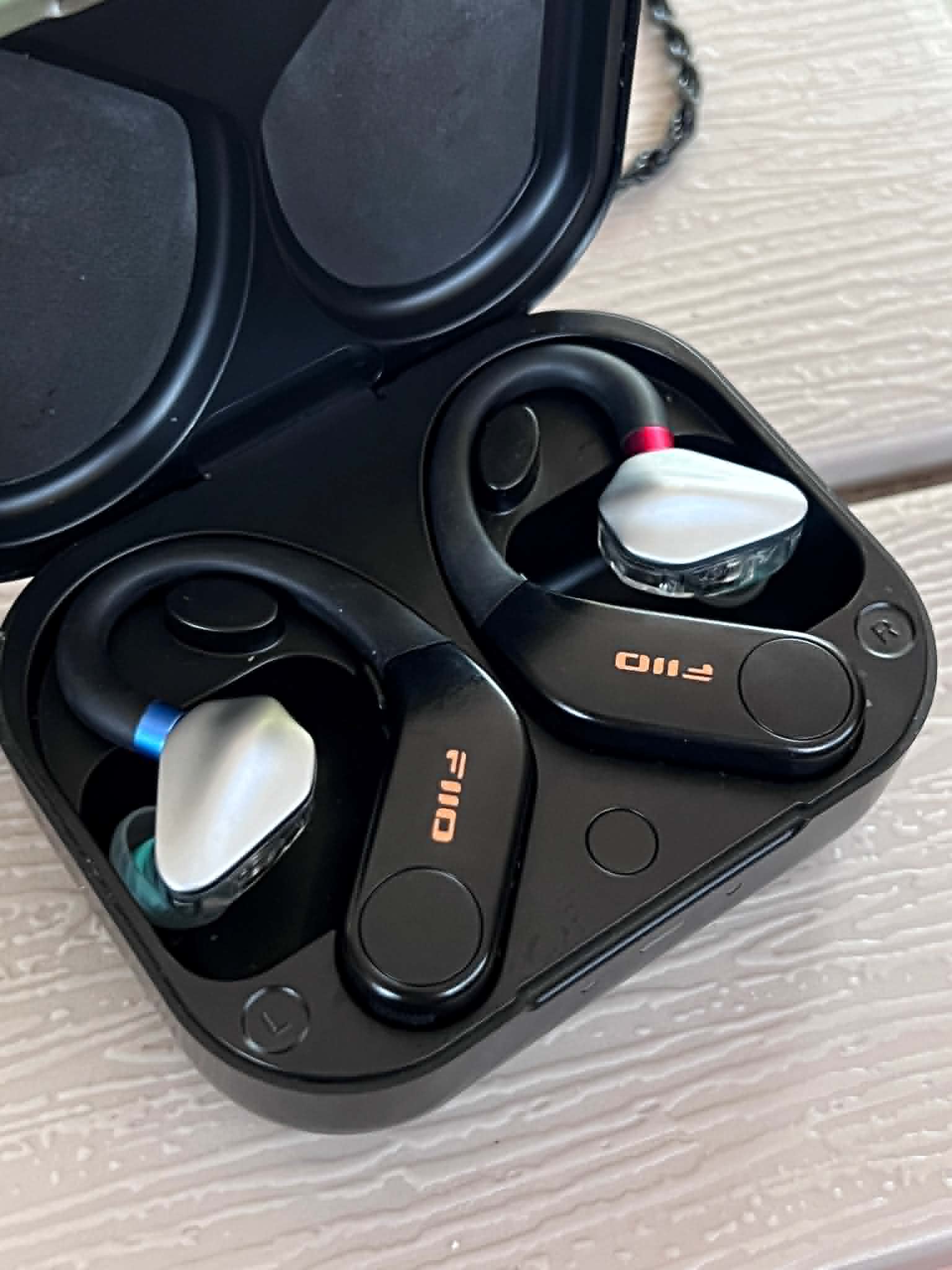
For the past week, the Kefine Loric has pretty much been my daily companion during my afternoon walks, paired with the FiiO UTWS5. Somewhere along the way, this combination quietly became one of my favorite portable setups. It's one of those pairings that just works so well together that you stop thinking about the gear and simply enjoy the music.
I'll admit it, I'm probably a little biased here because the Loric is tuned almost exactly how I like my IEMs. It has a healthy amount of bass with real authority, a natural and organic midrange, and a smooth, well-controlled treble that never becomes fatiguing. That's pretty much my ideal sound signature, so it was already a winner in my book before I even paired it with the UTWS5.

Adding the UTWS5 into the mix takes that experience up another level.
One of the things I've always liked about the UTWS5 is the character of its AKM DAC. It has that familiar AKM presentation that's smooth, refined, and slightly musical without sacrificing detail. It doesn't try to force every tiny detail into the spotlight. Instead, it presents everything in a very natural and effortless way, which happens to complement the Loric's tuning beautifully.

The first thing I noticed was that the overall presentation became a little richer and more refined. The midrange gained a touch more warmth, giving vocals and instruments an even more natural and organic timbre. Male vocals sounded fuller, female vocals had a sweeter tone, and acoustic instruments carried a little more body and realism.
The bass also benefits from the pairing. The Loric already has excellent low-end presence on its own, but with the UTWS5, it feels like the bass gains a bit more authority and texture. Sub-bass digs just a little deeper, while mid-bass notes have a slightly denser and more satisfying impact. The slam is still clean and controlled, but there's an added sense of weight that makes the presentation even more engaging.
What I appreciate most, though, is how effortlessly everything comes together. Nothing sounds forced or overly colored. The pairing simply enhances what the Loric already does well. It adds a little more refinement, a little more richness, and a slightly smoother presentation without changing the Loric's overall character.
It's also a fantastic setup for long listening sessions. During my walks, I'd often lose track of time because the combination is just so easy to listen to. There's no listening fatigue, no harshness, and nothing constantly demanding your attention. It just lets the music flow naturally, whether I was listening to jazz, acoustic recordings, classic rock, electronic music, or even my usual late-night vocal playlists.
I think that's the biggest compliment I can give this pairing. There were plenty of moments where I completely forgot I was supposed to be evaluating gear. Instead, I found myself listening to one more song... then another... and another. That's usually the sign that a setup is doing something right.
The best way I can describe the Loric paired with the FiiO UTWS5?
It's like ordering a double shot of espresso.
The Loric already delivers plenty of flavor on its own, but the UTWS5 adds that extra richness and smoothness that makes the whole experience even more satisfying.
Double the flavor. Double the kick.

Final Thoughts
I've been meaning to write this review for a while now, but I've been tied up with a few exciting audio projects lately, so it kept getting pushed back. In a way, I'm actually glad it did because it gave me more time to live with the Loric instead of rushing out a first impression. After spending well over a week using it almost every single day, both at home and during my afternoon walks, I feel like I've gotten to know exactly what this little IEM is all about.
And honestly...
I absolutely love it.
Not because it's perfect.
Not because it's trying to be the most technical or analytical IEM in its price range.
But because every single time I put it in my ears, I stop thinking about the gear and simply enjoy listening to music.
To me, that's something you can't measure on a graph.
You can't quantify it with driver counts, frequency response charts, or pages of specifications.
Sometimes an IEM just connects with you, and the Loric did exactly that.
It has the kind of tuning that keeps pulling me back. The bass has enough authority to make modern music genuinely exciting without overwhelming the rest of the presentation. The midrange is beautifully tuned, giving vocals and instruments a natural, lifelike quality that makes them easy to get lost in. The treble is smooth, refined, and detailed without ever becoming sharp or fatiguing. It's the kind of tuning that lets me listen for hours without feeling the need to take a break.
Even after spending a week with it, I never found myself wanting to constantly swap to another IEM, and that's actually pretty rare for me. Considering the number of IEMs that pass through my desk, something has to be genuinely special to keep my attention for that long. The Loric managed to do exactly that.
What impresses me even more is the value. For an IEM that sells for under $30, it doesn't feel like Kefine cut corners just to hit a price point. The build quality feels premium, the tuning is mature and well thought out, and the overall listening experience feels like something that belongs in a higher price bracket. It never comes across as a "good budget IEM." It simply comes across as a genuinely good IEM that just happens to be incredibly affordable.
I also think Kefine made a smart decision by not chasing the usual ultra-budget trend of boosting treble or exaggerating detail to create an instant wow factor. Instead, they focused on musicality, natural timbre, and long-term listenability. That approach fits my personal preferences almost perfectly, which is probably why I've been so obviously biased toward the Loric throughout this review.
If your idea of a great IEM is one with deep, satisfying bass, rich and natural vocals, smooth fatigue-free treble, and a presentation that simply makes you want to keep listening, then I genuinely think the Loric deserves a spot at the very top of your shortlist.
It's fun without being excessive.
It's warm without sounding muddy.
It's detailed without sounding analytical.
Most importantly, it never forgets what matters most.
Making your music enjoyable.
Kefine has always been one of the most consistent brands in the ChiFi scene, and with the Loric, they've proven that they can bring that same philosophy to the ultra-budget category without compromising what made people fall in love with the brand in the first place.
For me, this isn't just another budget recommendation.
It's one of the easiest recommendations I've made this year.
Highly recommended.
But if you're curious why I'm so obviously biased toward this little IEM, then keep reading.
I've been following Kefine since their very first releases. From the Delci and Klanar all the way to the latest Arnar, they've consistently delivered products that punch well above their asking price. Every release has had its own personality, but they've all shared the same DNA: excellent tuning, solid build quality, and ridiculous value for money.
So when I found out Kefine was entering the ultra-budget market, I was honestly curious. This is probably the toughest price bracket in ChiFi right now. Every week there's another "budget killer" claiming to be the next big thing.
Then the Loric arrived.
After spending over a week with it as my daily driver, I can confidently say this isn't just another budget IEM.
This is one of my favorite Kefine tunings to date.
Whats inside the box? checkout my quick unboxing video and take a closer look of the Loric.
Specifications
The Kefine Loric is built around a 10mm titanium diaphragm dynamic driver with a PU (polyurethane) suspension, and I think this is a really smart combination. On paper, it already sounds promising, but after spending time listening to it, you can actually hear why Kefine went with this driver design.
Titanium is a very stiff and lightweight diaphragm material. That rigidity helps the driver stay under control, especially during fast transients where it needs to start and stop quickly. In real-world listening, this usually translates to cleaner note definition, better detail retrieval, and improved control across the frequency range. It also helps reduce unwanted diaphragm flex and breakup, so instruments sound more focused and composed instead of smeared together.
The PU suspension is what gives the Loric its character. Compared to stiffer suspension materials, polyurethane is more compliant, allowing the diaphragm to move with greater excursion. Simply put, the driver can move more air with less effort. That's where the deep sub-bass rumble and satisfying mid-bass slam come from. It creates that physical sense of impact that you don't just hear, but actually feel, especially on bass-heavy tracks, movie soundtracks, and electronic music.
What impressed me is how well these two materials complement each other. The titanium diaphragm provides speed, control, and clarity, while the PU suspension adds weight, warmth, and authority to the low end. Instead of sounding like an overly analytical driver or an overly bass-heavy one, the Loric strikes a really enjoyable balance between the two.
The bass reaches deep with plenty of rumble, but it never feels loose or uncontrolled. Notes have good texture, decay sounds natural, and there's enough control to keep the low end from bleeding into the rest of the mix. At the same time, the driver retains enough speed to preserve detail and separation, which isn't always easy to achieve at this price point.
The Loric delivers a full-bodied, natural, and engaging presentation that makes you want to keep listening for hours. For an ultra-budget single dynamic driver, I honestly think they've squeezed an incredible amount of performance out of this driver configuration.
Build Quality
The Loric marks a couple of firsts for Kefine. It's their first entry into the ultra-budget market, and it's also the first time they've stepped away from their signature all-metal shell design. Instead, they went with a molded medical-grade resin shell paired with a matte zinc alloy faceplate. At first, I wasn't sure how I'd feel about the change since one of the things I've always liked about Kefine is the premium feel of their metal shells.
After holding the Loric in my hands, though, those concerns disappeared almost immediately.
Despite being made from resin, it doesn't have that lightweight, hollow, toy-like feel that a lot of budget IEMs suffer from. The shell feels dense, solid, and surprisingly well built. Give it a light squeeze and there's no flex, no creaking, and no signs of weak construction. The fit and finish are excellent, with clean seams and smooth edges that show good attention to detail. If someone handed this to me without telling me the price, I honestly wouldn't have guessed it sells for under thirty dollars.
The shell itself is compact and ergonomically shaped, sitting naturally in my ears without creating pressure points. It's lightweight enough that I can wear it for hours without discomfort, and the shape provides a secure fit that never felt loose, whether I was sitting at my desk or taking it with me on my afternoon walks. The nozzle angle also feels well judged, making tip rolling easy while helping achieve a consistent seal.
Design has always been one of Kefine's strongest points, and thankfully they didn't abandon that philosophy just because this is their most affordable model. Instead of trying to grab attention with flashy colors, oversized logos, or aggressive styling, they kept things simple and tasteful.
The matte zinc alloy faceplate is probably my favorite part of the design. It has a clean industrial look with a subtle texture that catches light nicely without being overly reflective. There isn't any unnecessary branding plastered across the faceplate either, just a clean and understated design that looks far more expensive than it actually is.
The more I looked at it, the more it reminded me of a piece of medieval armor, specifically the chest plate or shoulder armor worn by knights. It has those angular lines and layered contours that give it a rugged yet refined appearance. Once I learned that the name "Loric" comes from the Latin word "Lorica," meaning armor or protection, the whole design suddenly made perfect sense. It's one of those small details that ties the product's name and aesthetics together in a really thoughtful way.
I think Kefine absolutely nailed the build. They proved that moving away from an all-metal shell doesn't automatically mean sacrificing quality. The Loric still carries that premium, understated design language that I've come to expect from the brand. It's clean, classy, comfortable, and feels far more expensive than its price tag suggests. If this is the level of build quality Kefine can deliver in the ultra-budget category, I'd say they're off to a very strong start.
Sound Impressions
The very first thing that came to mind after putting on the Kefine Loric was simple.
This is easily the bassiest Kefine IEM I've heard to date.
Coming from someone who's spent a lot of time with the Delci, Klanar, and Arnar, that immediately caught my attention. But what impressed me even more was that Kefine didn't just crank up the bass and call it a day. They managed to give the Loric a bigger, fuller low end without losing the balance that has become part of the brand's identity.
After a few tracks, it became obvious what Kefine was aiming for.
Instead of chasing exaggerated detail, razor-sharp treble, or an overly analytical presentation, they focused on something that's honestly much harder to get right. They tuned the Loric to make music enjoyable.
And for me, they absolutely succeeded.
The overall presentation leans warm with a healthy dose of musicality, but it never comes across as overly thick or muddy. The bass gives the sound a rich foundation, the midrange has a natural and organic tone, and the treble is smooth enough that I could listen for hours without feeling any fatigue.
What I really appreciate is how cohesive everything sounds. Nothing feels disconnected or artificially boosted just to grab your attention. Every part of the frequency range flows naturally into the next, giving the Loric a very balanced and effortless presentation. It's one of those IEMs where you stop thinking about the tuning after a few songs and simply get lost in the music.
The warmth also works in the Loric's favor. It gives vocals and instruments a fuller body, making everything sound more lifelike and emotionally engaging. Acoustic recordings have a nice sense of richness, rock tracks carry plenty of energy, jazz sounds smooth and inviting, and electronic music has enough bass authority to make it genuinely fun.
Another thing I noticed after spending a week with it is how forgiving the Loric is. It doesn't punish poorly recorded tracks or aggressively expose flaws in your music library. Instead, it has a relaxed presentation that lets you enjoy almost any genre without constantly analyzing the recording quality. Sometimes that's exactly what I want after a long day. I don't always want to dissect every little detail. Sometimes I just want to sit back, press play, and enjoy the music.
And that's probably the biggest compliment I can give the Loric.
It doesn't try to impress you with artificial brightness or by forcing every tiny detail into the spotlight. Instead, it wins you over with a tuning that's warm, natural, engaging, and incredibly easy to listen to. The longer I spent with it, the more I appreciated what Kefine was trying to do.
This is an IEM that prioritizes musical enjoyment over chasing technical fireworks, and for my personal taste, that's exactly why it works so well.
Bass
If there's one area where the Kefine Loric immediately stands out from the rest of the Kefine lineup, it's the bass.
Without question, this is the bassiest IEM Kefine has released so far, but don't mistake that for a bloated or basshead tuning. What they've done here is give the Loric a generous amount of low-end presence while keeping it surprisingly clean and well controlled. It has the kind of bass that grabs your attention the moment the music starts, yet it never overwhelms everything else in the mix.
I think a big part of that comes from the driver itself. The combination of the titanium diaphragm and the compliant PU suspension really works in the Loric's favor. You can actually hear and feel the driver moving air. There's a sense of bass pressure that gives the low end a physical quality, something that good dynamic drivers are known for. It's not just about hearing the bass notes, it's about feeling that satisfying rumble and impact that makes music come alive.
The sub-bass reaches impressively deep, especially for an IEM in this price range. On tracks with heavy sub-bass content, you get that deep, low-frequency rumble that effortlessly extends into the lowest octaves. It's the kind of bass that creates a subtle vibration rather than just adding volume, making electronic music, movie soundtracks, hip-hop, and modern pop incredibly enjoyable. More importantly, the sub-bass doesn't linger longer than it should. It has a natural decay that gives it weight without sounding loose or uncontrolled.
Mid-bass is where the Loric really won me over. It has a satisfying punch and a very addictive sense of impact. Kick drums hit with authority, toms carry convincing body, and bass guitars have that rich, textured growl that makes them sound like actual instruments instead of just low-frequency noise. Every bass note feels full and physical, with enough texture to easily distinguish different bass lines in a mix.
What I appreciate most is that the bass isn't a one-note thump. There's good layering and variation between sub-bass and mid-bass, allowing each to play its role without stepping on the other. The sub-bass provides the foundation and rumble, while the mid-bass delivers the punch, warmth, and rhythm that keeps the music engaging.
That mid-bass warmth naturally flows into the lower midrange, giving male vocals, acoustic guitars, and pianos a fuller and more organic presentation. It adds richness and body to the overall sound without making instruments feel overly thick or sluggish. This transition from the bass into the mids is very smooth, and I think it's one of the Loric's strongest tuning traits. Everything sounds cohesive, with no awkward dip or sudden emphasis between frequency ranges.
What surprised me the most is just how well controlled the bass remains. Even though there's plenty of quantity, it rarely feels bloated or muddy. The driver has enough control to prevent the low end from bleeding into the midrange, so vocals and instruments still retain good clarity. That's not always easy to achieve on a warm, bass-focused tuning, especially at this price point, but Kefine managed to strike a really nice balance.
The bass also scales nicely depending on the music. On lighter acoustic tracks, it stays polite and supportive, adding just enough warmth to sound natural. Switch over to EDM, hip-hop, or rock, and it comes alive with deep rumble, satisfying slam, and plenty of energy without ever becoming overbearing. It knows when to stay in the background and when to take center stage.
To me, this is what a well-tuned dynamic driver should sound like. It's powerful without being excessive, warm without sounding muddy, and impactful without sacrificing control. The Loric delivers that unmistakable dynamic driver character with excellent texture, realistic decay, and a physical sense of impact that makes every listening session genuinely fun.
Simply put, this is dynamic driver bass done right, and easily one of the Loric's biggest strengths.
Midrange
If the bass is what grabs your attention first, the midrange is what kept me coming back to the Loric.
For me, this is easily one of the strongest parts of its tuning. Kefine could have easily let the elevated bass dominate the presentation, but instead they did something I really appreciate. They gave the vocals their own space and made them the emotional center of the music. Even with the generous low end, vocals never feel buried or pushed into the background. They're presented slightly forward, sounding intimate, engaging, and full of life.
The overall tonality of the midrange leans warm and natural, which is exactly how I like my IEMs. There's a smoothness and richness to the presentation that makes vocals sound incredibly organic. Whether it's a stripped-down acoustic performance or a full-band recording, voices have realistic weight, body, and texture. Nothing feels exaggerated or artificially enhanced just to create a false sense of detail.
Male vocals benefit from the warmth coming from the lower mids. They sound full, rich, and authoritative with plenty of chest resonance. Baritone and tenor voices carry convincing weight without becoming overly thick or congested. Listening to artists like Gregory Porter, Johnny Cash, or Michael Bublé, their voices have a natural depth that makes them feel present and believable.
Female vocals are equally impressive. They're smooth, expressive, and wonderfully controlled. There's enough upper-mid presence to let vocals breathe and project clearly, but Kefine wisely avoided pushing this region too far. As a result, singers never sound shouty, shrill, or overly forward. Whether it's Adele, Norah Jones, Diana Krall, or Taylor Swift, female vocals maintain a natural sweetness while preserving excellent clarity and emotion.
One thing I noticed throughout my listening sessions is just how convincing the timbre is. That's something I value more than exaggerated detail retrieval. The Loric reproduces voices and instruments with a very believable tonal character. Nothing sounds plasticky, metallic, or artificially dry. Everything has a natural sense of texture and realism that makes recordings feel more lifelike.
The same qualities extend to instruments as well. Acoustic guitars have realistic body, with every string carrying good weight and resonance. Electric guitars sound smooth and full without becoming overly aggressive. Pianos have excellent note weight, with a natural decay that gives each key a satisfying sense of realism. Violins and other string instruments carry enough warmth to sound rich while still preserving their delicate character. Brass instruments also come across with convincing texture, never sounding overly sharp or thin.
The transition from the lower mids into the upper mids is very well judged. There's enough energy in the upper midrange to bring out vocal articulation, instrument definition, and fine detail, but it never crosses into harshness. That balance gives the Loric a very easygoing presentation that's detailed enough to keep things engaging without becoming fatiguing over longer listening sessions.
This is probably one of the reasons I've been able to use the Loric for hours at a time without feeling the need to take a break. The midrange never demands your attention with excessive brightness or aggressive vocal projection. Instead, it simply lets the music flow naturally.
To me, that's what makes the Loric's midrange so enjoyable is its focuses on delivering realistic tone, natural timbre, and emotionally engaging vocals. Combined with its warm overall tuning, it creates a presentation that feels effortless, musical, and incredibly easy to fall in love with.
If you're someone like me who values natural vocals and lifelike instrument timbre over clinical detail, the Loric absolutely nails it.
Treble
A masterclass in how to tune a smooth and non-fatiguing treble without making it sound dull or lacking in detail.
A lot of budget IEMs try to create the illusion of higher resolution by boosting the upper treble. At first listen, that extra brightness can make them sound exciting, but after a while it often turns into listening fatigue. Cymbals become splashy, vocals start sounding sharp, and sibilance begins creeping into recordings that shouldn't have it in the first place.
The Loric takes the opposite approach.
Instead of forcing detail through elevated treble, Kefine lets the driver's natural resolving ability do the work. The result is a treble presentation that feels relaxed, refined, and incredibly easy on the ears. It's smooth from top to bottom, with no harsh peaks, no piercing notes, and none of that overly sharp character that makes you instinctively reach for the volume knob.
Despite its laid-back nature, I never felt like I was missing detail. That's probably what impressed me the most. The Loric manages to reveal a surprising amount of microdetail without constantly shoving it in your face. Those little background nuances are still there, they're just presented in a much more natural and effortless way.
Cymbals have a realistic metallic shimmer without sounding splashy or brittle. Hi-hats remain crisp and well defined, with enough attack to keep the rhythm lively while avoiding that overly sharp edge that can become fatiguing. Ride cymbals decay naturally, preserving their texture without sounding artificially bright.
There's also a respectable amount of air and openness in the presentation. It's not an overly airy or analytical tuning, but there's enough upper treble extension to give instruments room to breathe and prevent the overall sound from feeling closed in. Background ambience, subtle reverbs, and room cues are easy to pick out, adding a nice sense of realism to live recordings and acoustic performances.
Another thing I noticed is how forgiving the Loric is with less-than-perfect recordings. It doesn't exaggerate compression artifacts or make older recordings sound painfully sharp. Instead, it smooths over rough edges just enough to make almost anything in my playlist enjoyable. Whether I was listening to modern pop, classic rock, jazz, or lo-fi recordings, the Loric consistently delivered a comfortable listening experience without sacrificing clarity.
I also appreciate how well the treble integrates with the rest of the tuning. It never feels detached from the bass and midrange. Instead, everything transitions smoothly from one frequency range to the next, giving the Loric a cohesive and natural presentation. Nothing feels artificially boosted just to grab your attention, and that's a big reason why it sounds so musical.
If you're someone who's sensitive to bright or energetic treble like I am, I think you'll really appreciate what Kefine has done here. The Loric proves that an IEM doesn't need aggressive treble peaks to sound detailed or engaging. Instead, it delivers its detail through good tuning, excellent control, and natural extension.
To me, that's the biggest strength of the Loric's treble. It's smooth without sounding rolled off, detailed without sounding analytical, and relaxed enough that I could comfortably listen for hours without experiencing any fatigue. For an IEM in this price range, I honestly think Kefine struck an excellent balance between musicality and resolution.
Technical Performance
Considering the asking price, the technical performance is honestly outstanding.
Soundstage
The presentation is fairly wide.
It's not an extremely open or holographic stage, but instruments spread out nicely with enough breathing room to avoid congestion.
Interestingly, while instruments occupy a wider stage, vocals remain centered and intimate.
That contrast creates a very engaging listening experience.
Imaging
Imaging is surprisingly accurate.
Positioning is stable, making it easy to locate instruments across the stereo field.
Gaming and live recordings benefit from this.
Separation & Layering
This was probably the biggest surprise.
Instrument separation is excellent for an ultra-budget single dynamic driver.
On several of my reference tracks, the Loric actually outperformed a few of my more expensive hybrid IEMs.
Individual instruments occupy their own space instead of blending together into one wall of sound.
Dynamics
Macrodynamics are excellent.
The Loric transitions from soft passages to explosive moments with convincing contrast.
That dynamic presentation makes music feel lively and engaging.
Transient Response
This is probably the only area where I noticed the Loric's limitations.
Transient speed is average.
On extremely fast, complex tracks with dense layering, you can occasionally hear the driver working to keep up.
It never falls apart, but it's clear that the Loric isn't trying to be a clinical monitor.
It's tuned for musical enjoyment rather than analytical precision.
Give it jazz, acoustic, pop, rock, blues, lo-fi, EDM, or even vocal-focused recordings, and it responds beautifully.
Pairing with the FiiO UTWS5
For the past week, the Kefine Loric has pretty much been my daily companion during my afternoon walks, paired with the FiiO UTWS5. Somewhere along the way, this combination quietly became one of my favorite portable setups. It's one of those pairings that just works so well together that you stop thinking about the gear and simply enjoy the music.
I'll admit it, I'm probably a little biased here because the Loric is tuned almost exactly how I like my IEMs. It has a healthy amount of bass with real authority, a natural and organic midrange, and a smooth, well-controlled treble that never becomes fatiguing. That's pretty much my ideal sound signature, so it was already a winner in my book before I even paired it with the UTWS5.
Adding the UTWS5 into the mix takes that experience up another level.
One of the things I've always liked about the UTWS5 is the character of its AKM DAC. It has that familiar AKM presentation that's smooth, refined, and slightly musical without sacrificing detail. It doesn't try to force every tiny detail into the spotlight. Instead, it presents everything in a very natural and effortless way, which happens to complement the Loric's tuning beautifully.
The first thing I noticed was that the overall presentation became a little richer and more refined. The midrange gained a touch more warmth, giving vocals and instruments an even more natural and organic timbre. Male vocals sounded fuller, female vocals had a sweeter tone, and acoustic instruments carried a little more body and realism.
The bass also benefits from the pairing. The Loric already has excellent low-end presence on its own, but with the UTWS5, it feels like the bass gains a bit more authority and texture. Sub-bass digs just a little deeper, while mid-bass notes have a slightly denser and more satisfying impact. The slam is still clean and controlled, but there's an added sense of weight that makes the presentation even more engaging.
What I appreciate most, though, is how effortlessly everything comes together. Nothing sounds forced or overly colored. The pairing simply enhances what the Loric already does well. It adds a little more refinement, a little more richness, and a slightly smoother presentation without changing the Loric's overall character.
It's also a fantastic setup for long listening sessions. During my walks, I'd often lose track of time because the combination is just so easy to listen to. There's no listening fatigue, no harshness, and nothing constantly demanding your attention. It just lets the music flow naturally, whether I was listening to jazz, acoustic recordings, classic rock, electronic music, or even my usual late-night vocal playlists.
I think that's the biggest compliment I can give this pairing. There were plenty of moments where I completely forgot I was supposed to be evaluating gear. Instead, I found myself listening to one more song... then another... and another. That's usually the sign that a setup is doing something right.
The best way I can describe the Loric paired with the FiiO UTWS5?
It's like ordering a double shot of espresso.
The Loric already delivers plenty of flavor on its own, but the UTWS5 adds that extra richness and smoothness that makes the whole experience even more satisfying.
Double the flavor. Double the kick.
Final Thoughts
I've been meaning to write this review for a while now, but I've been tied up with a few exciting audio projects lately, so it kept getting pushed back. In a way, I'm actually glad it did because it gave me more time to live with the Loric instead of rushing out a first impression. After spending well over a week using it almost every single day, both at home and during my afternoon walks, I feel like I've gotten to know exactly what this little IEM is all about.
And honestly...
I absolutely love it.
Not because it's perfect.
Not because it's trying to be the most technical or analytical IEM in its price range.
But because every single time I put it in my ears, I stop thinking about the gear and simply enjoy listening to music.
To me, that's something you can't measure on a graph.
You can't quantify it with driver counts, frequency response charts, or pages of specifications.
Sometimes an IEM just connects with you, and the Loric did exactly that.
It has the kind of tuning that keeps pulling me back. The bass has enough authority to make modern music genuinely exciting without overwhelming the rest of the presentation. The midrange is beautifully tuned, giving vocals and instruments a natural, lifelike quality that makes them easy to get lost in. The treble is smooth, refined, and detailed without ever becoming sharp or fatiguing. It's the kind of tuning that lets me listen for hours without feeling the need to take a break.
Even after spending a week with it, I never found myself wanting to constantly swap to another IEM, and that's actually pretty rare for me. Considering the number of IEMs that pass through my desk, something has to be genuinely special to keep my attention for that long. The Loric managed to do exactly that.
What impresses me even more is the value. For an IEM that sells for under $30, it doesn't feel like Kefine cut corners just to hit a price point. The build quality feels premium, the tuning is mature and well thought out, and the overall listening experience feels like something that belongs in a higher price bracket. It never comes across as a "good budget IEM." It simply comes across as a genuinely good IEM that just happens to be incredibly affordable.
I also think Kefine made a smart decision by not chasing the usual ultra-budget trend of boosting treble or exaggerating detail to create an instant wow factor. Instead, they focused on musicality, natural timbre, and long-term listenability. That approach fits my personal preferences almost perfectly, which is probably why I've been so obviously biased toward the Loric throughout this review.
If your idea of a great IEM is one with deep, satisfying bass, rich and natural vocals, smooth fatigue-free treble, and a presentation that simply makes you want to keep listening, then I genuinely think the Loric deserves a spot at the very top of your shortlist.
It's fun without being excessive.
It's warm without sounding muddy.
It's detailed without sounding analytical.
Most importantly, it never forgets what matters most.
Making your music enjoyable.
Kefine has always been one of the most consistent brands in the ChiFi scene, and with the Loric, they've proven that they can bring that same philosophy to the ultra-budget category without compromising what made people fall in love with the brand in the first place.
For me, this isn't just another budget recommendation.
It's one of the easiest recommendations I've made this year.
Highly recommended.
Comments
Post a Comment