Pros:
• Excellent bass control with deep, physical sub-bass and clean mid-bass punch
• Natural, warm, and lifelike midrange
• Vocals have excellent body, texture, and realistic timbre
• Smooth treble with enough detail without becoming harsh
• Very good imaging and instrument separation
• Wide, realistic soundstage with good depth
• Impressive driver coherence for a 2DD + 3BA hybrid
• Excellent dynamics and clean transient response
• Comfortable, fatigue-free tuning for long listening sessions
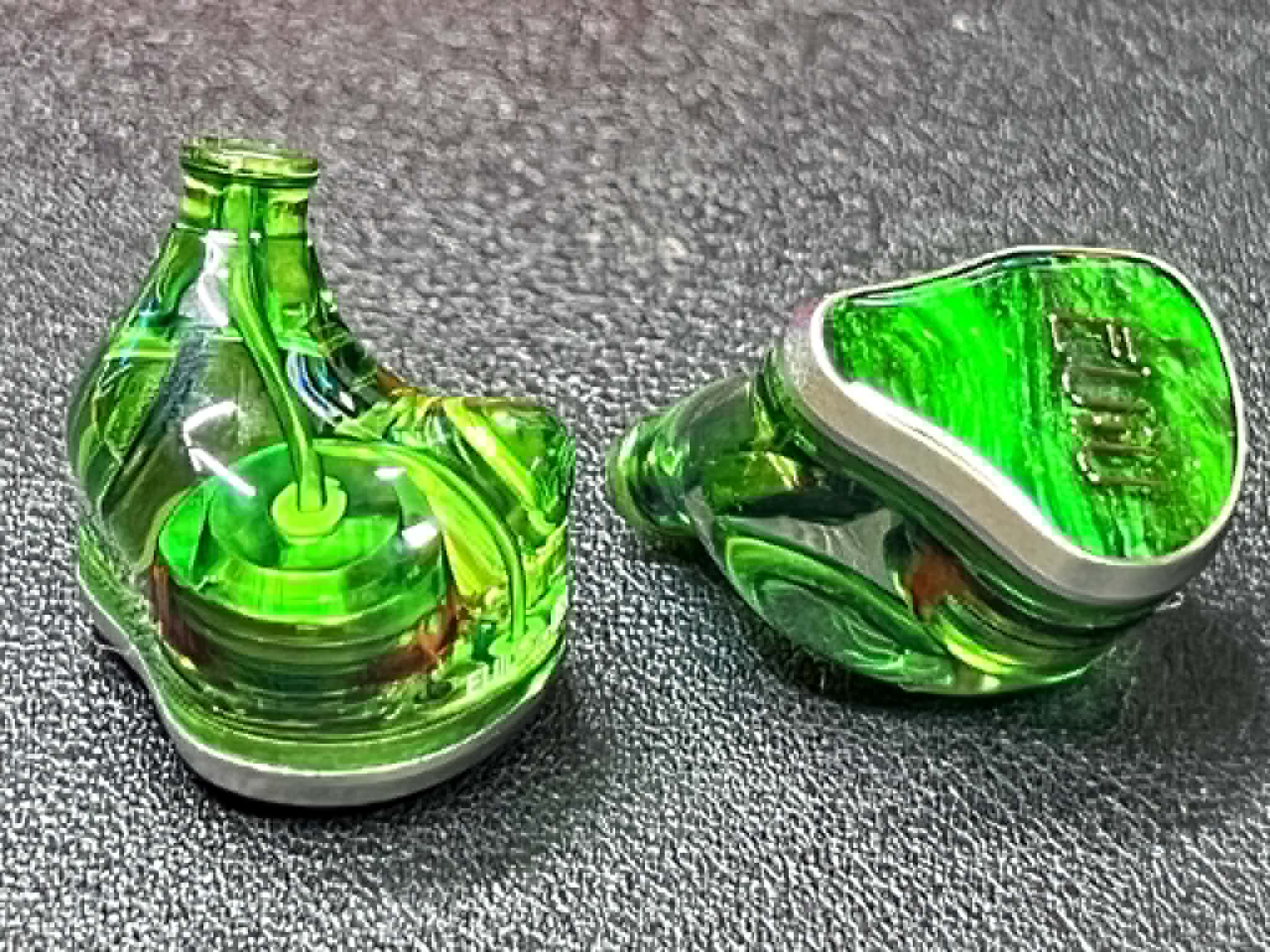
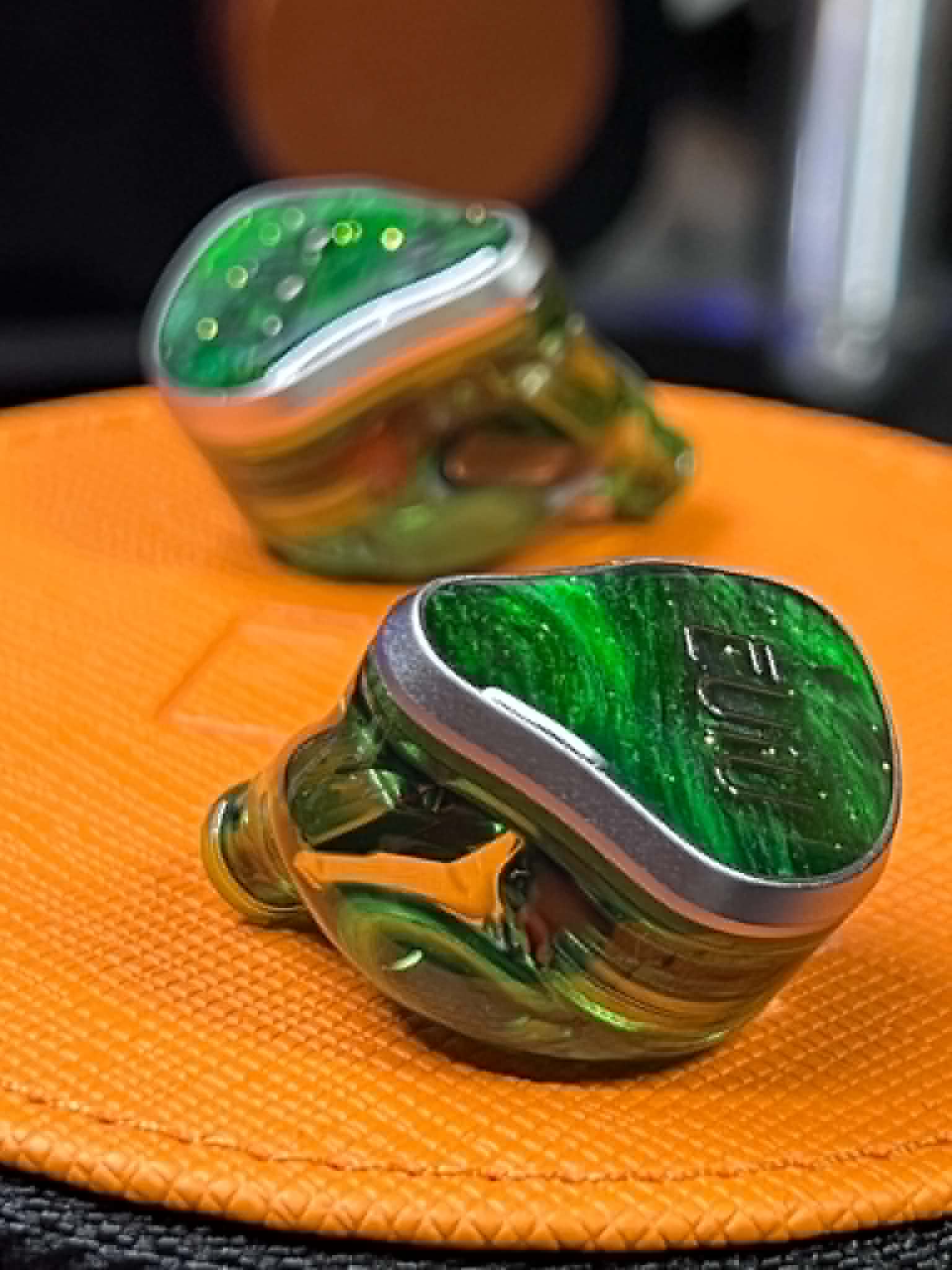
• Gorgeous emerald green resin and nebula faceplate
• Generous accessories and good-quality stock cable
• Easy to drive at 17Ω / 106dB
Cons:
• Product/brand name is awkward to pronounce and remember
• Bass warmth may be slightly too much for listeners seeking a strictly neutral presentation
• Treble is smooth rather than highly energetic, so extreme-detail lovers may want more sparkle
• Technical performance is strong, but it isn't tuned for an ultra-analytical presentation
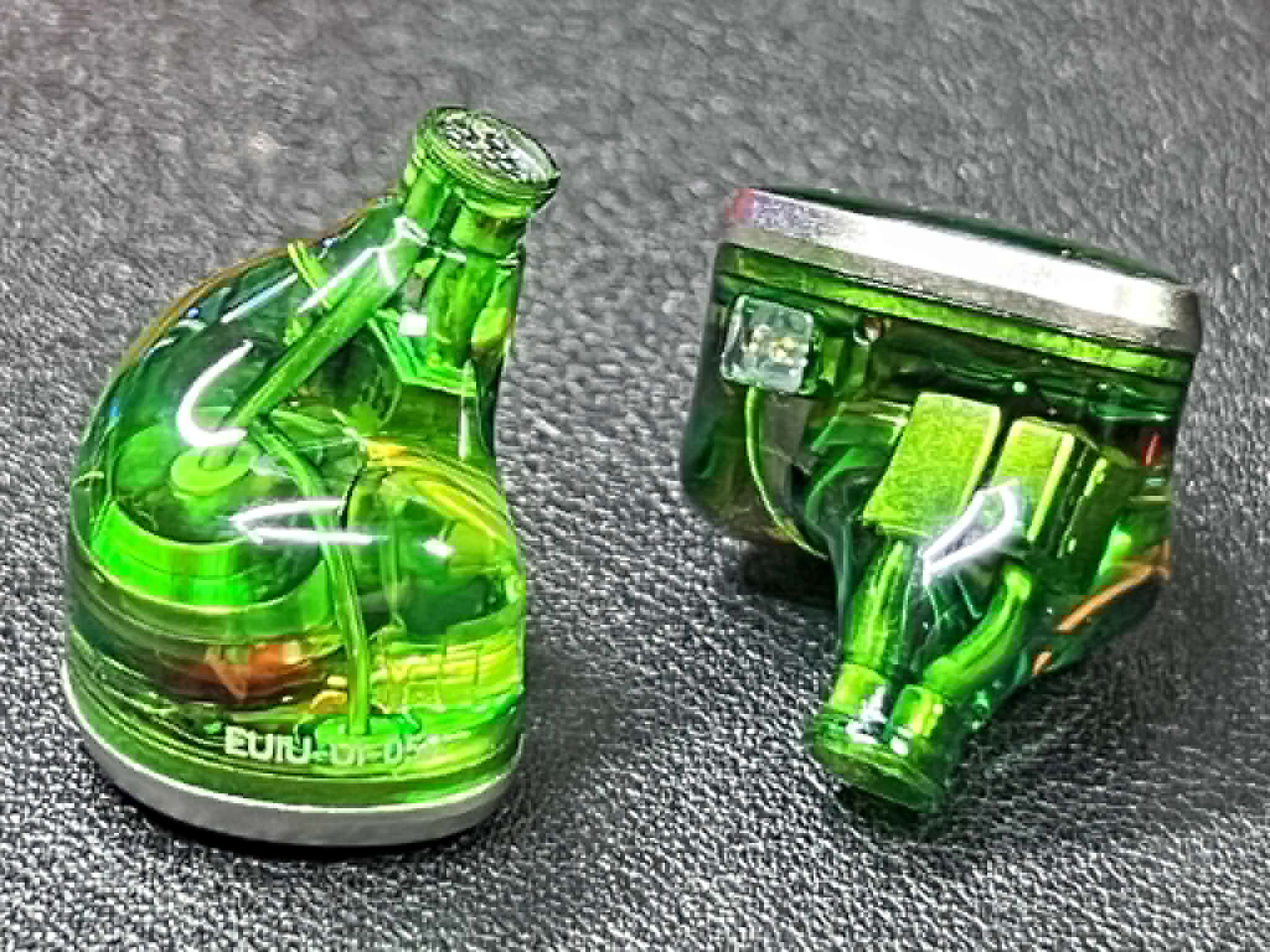
I probably have well over 200 ChiFi IEMs at this point, and over the years I’ve encountered all kinds of names. Some are straightforward, some are completely made up, and some look like somebody accidentally fell asleep on the keyboard.
Yet somehow, I’ve always managed to pronounce them properly.
I considered that a small personal victory.
Then the Linsoul mail call arrived with the EUiU UI-05.
And I thought, okay… how on earth am I supposed to pronounce this?
I actually reached out to someone from Linsoul to ask how the brand and model name should properly be pronounced. She thinks it is basically pronounced as it is spelled, something along the lines of “Eeyu Eye-Yu.” Even after getting an answer, I still feel slightly awkward saying it out loud.
Thankfully, a friend of mine came to the rescue and gave it a much better name:
The Green Goblin.
Honestly, I think he nailed it.
It sounds cooler, it’s much easier to remember, and considering the emerald green shell, it fits perfectly.
But jokes aside, once you actually look at the UI-05, the name becomes the least interesting thing about it.
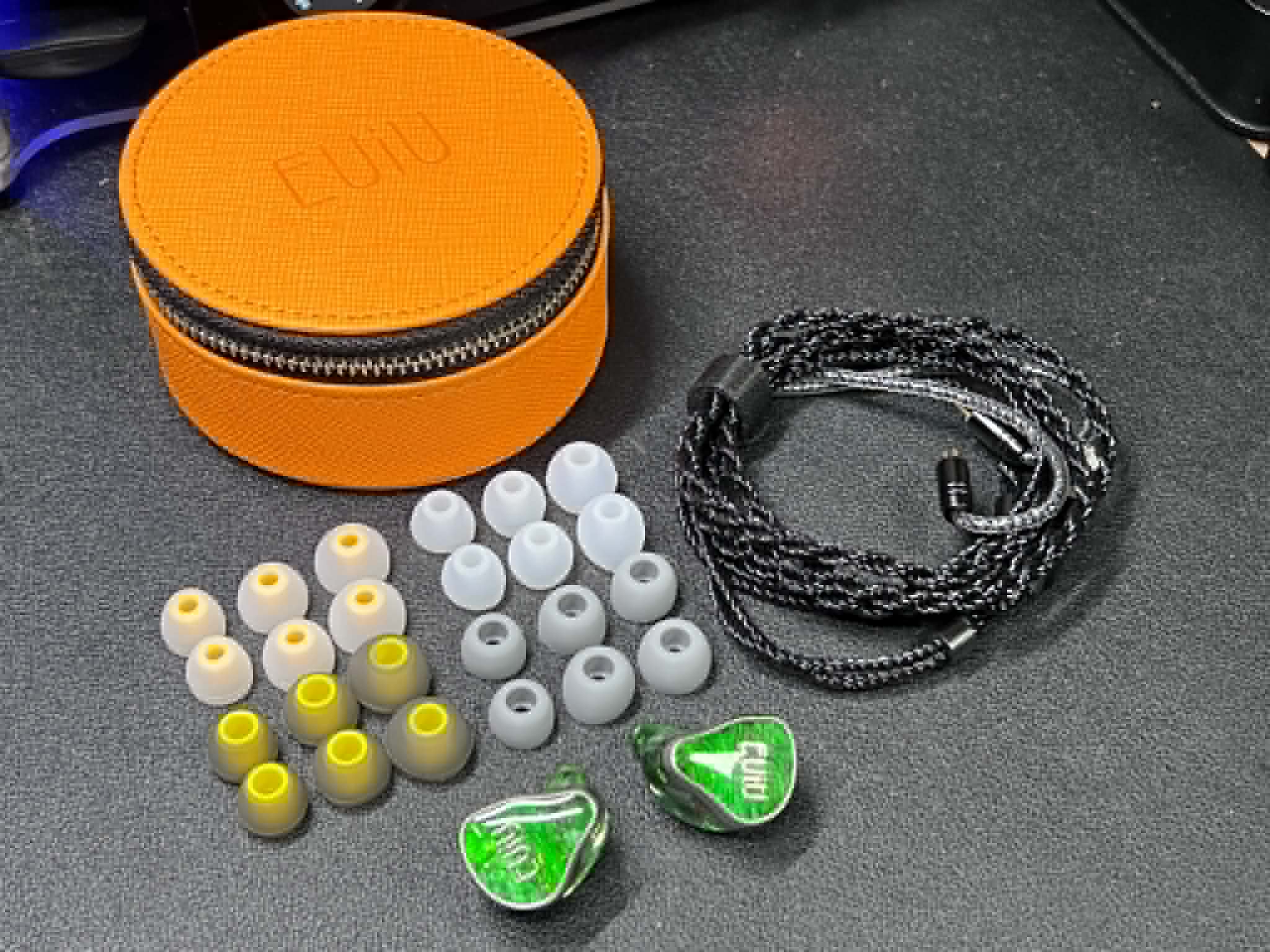
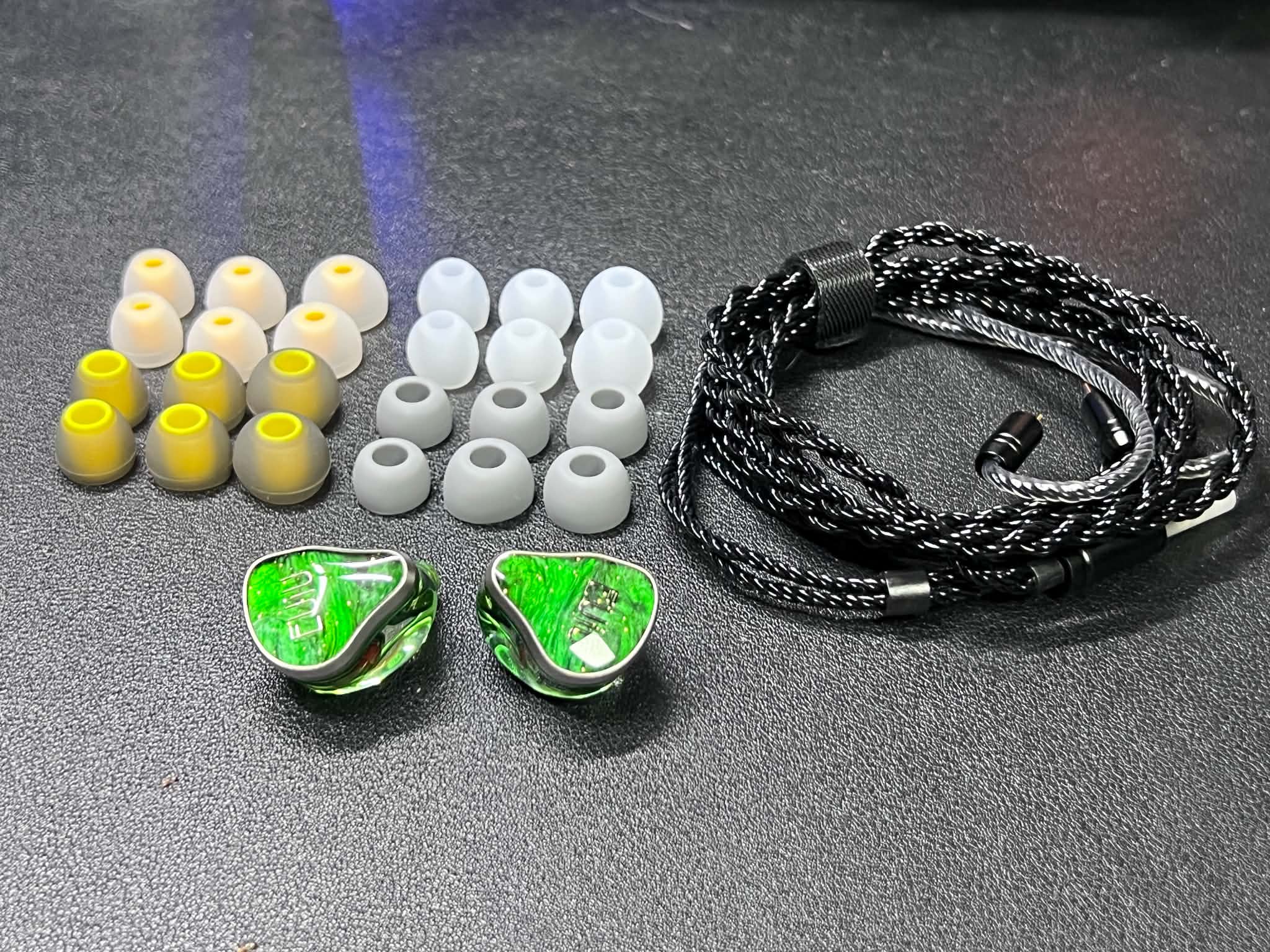
Whats in the box? check out my quick unboxing video and lets take a closer look ath the UI-05.
First Impressions and Build
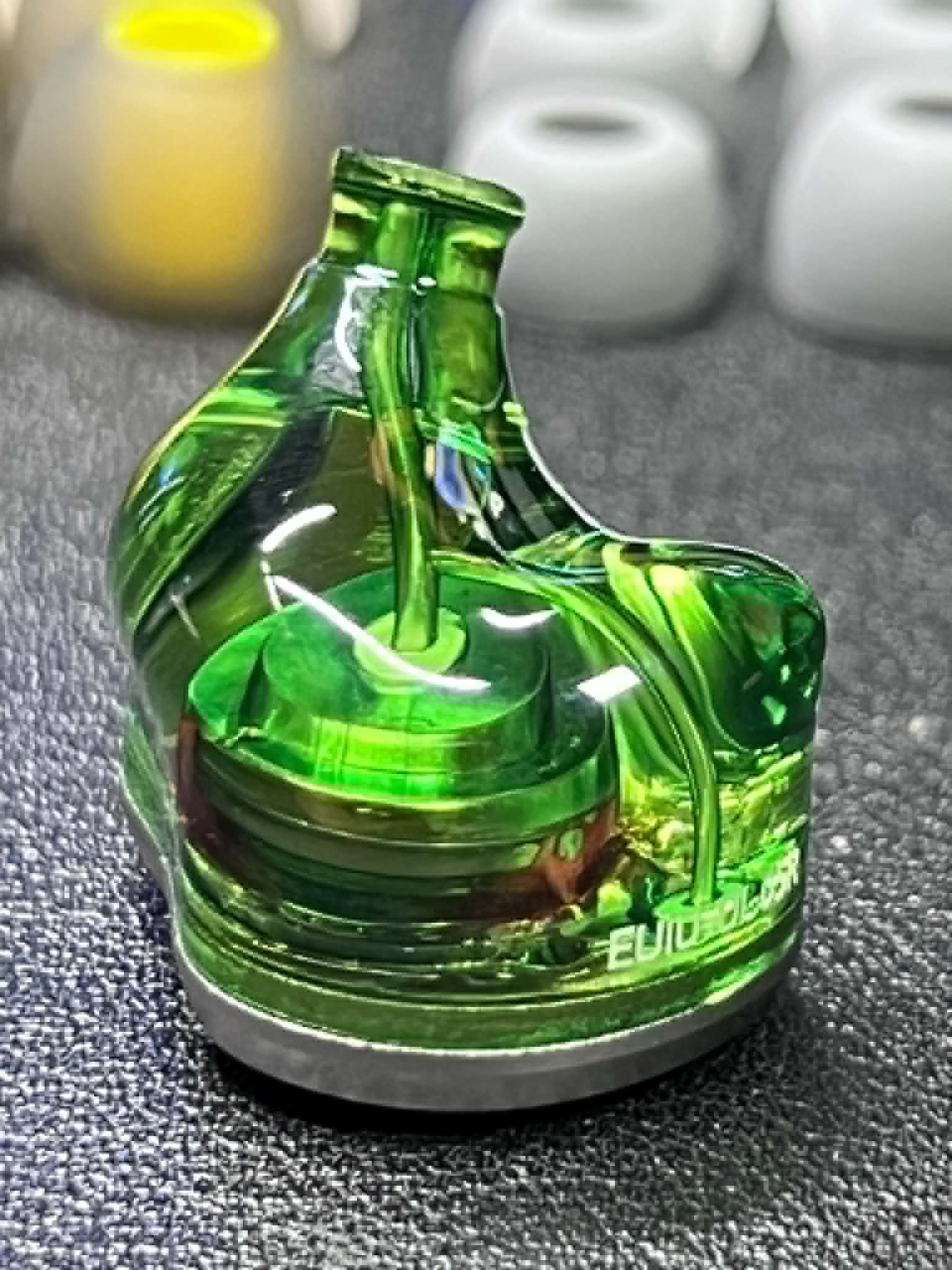
The UI-05 is absolutely gorgeous.
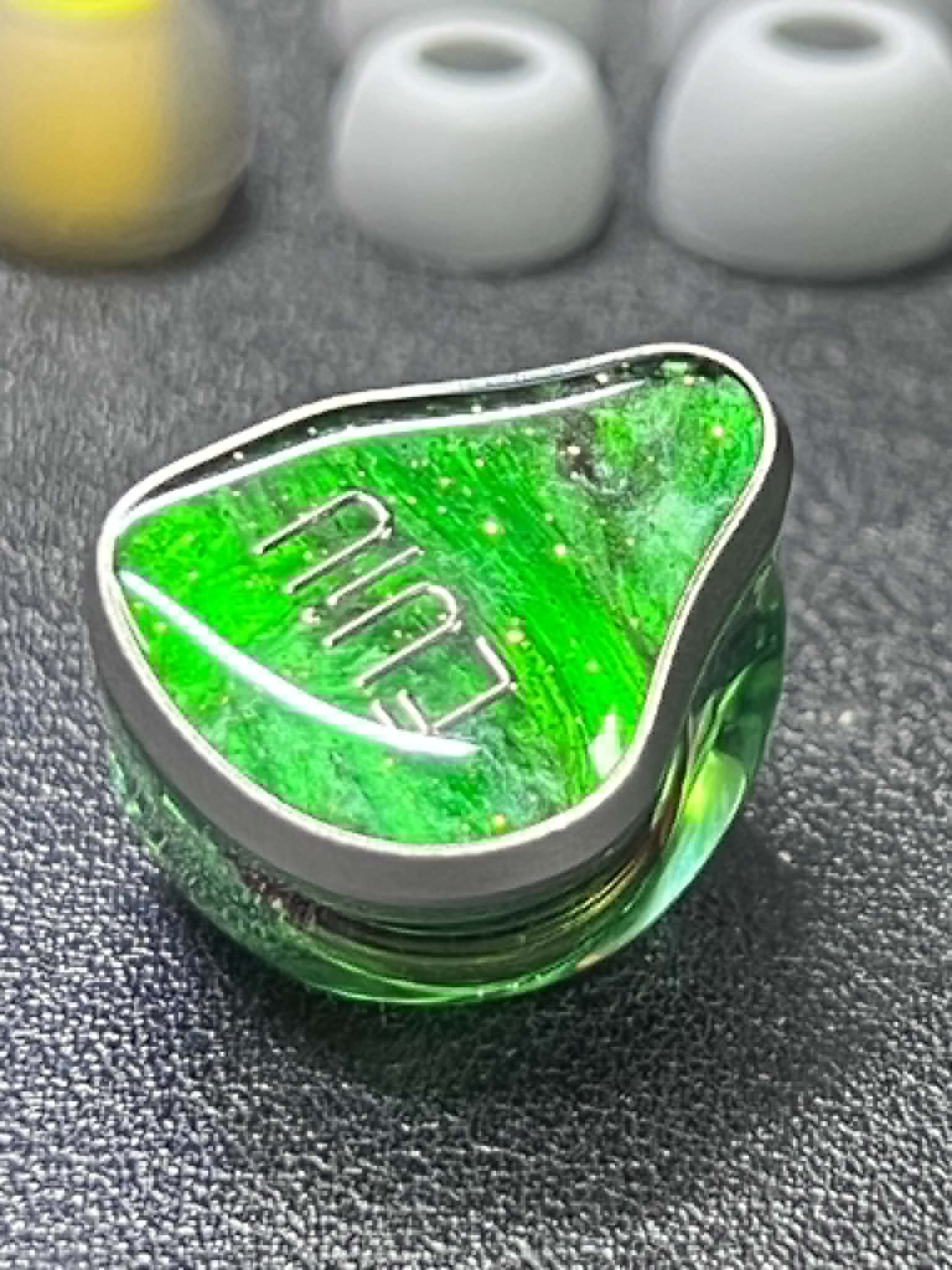
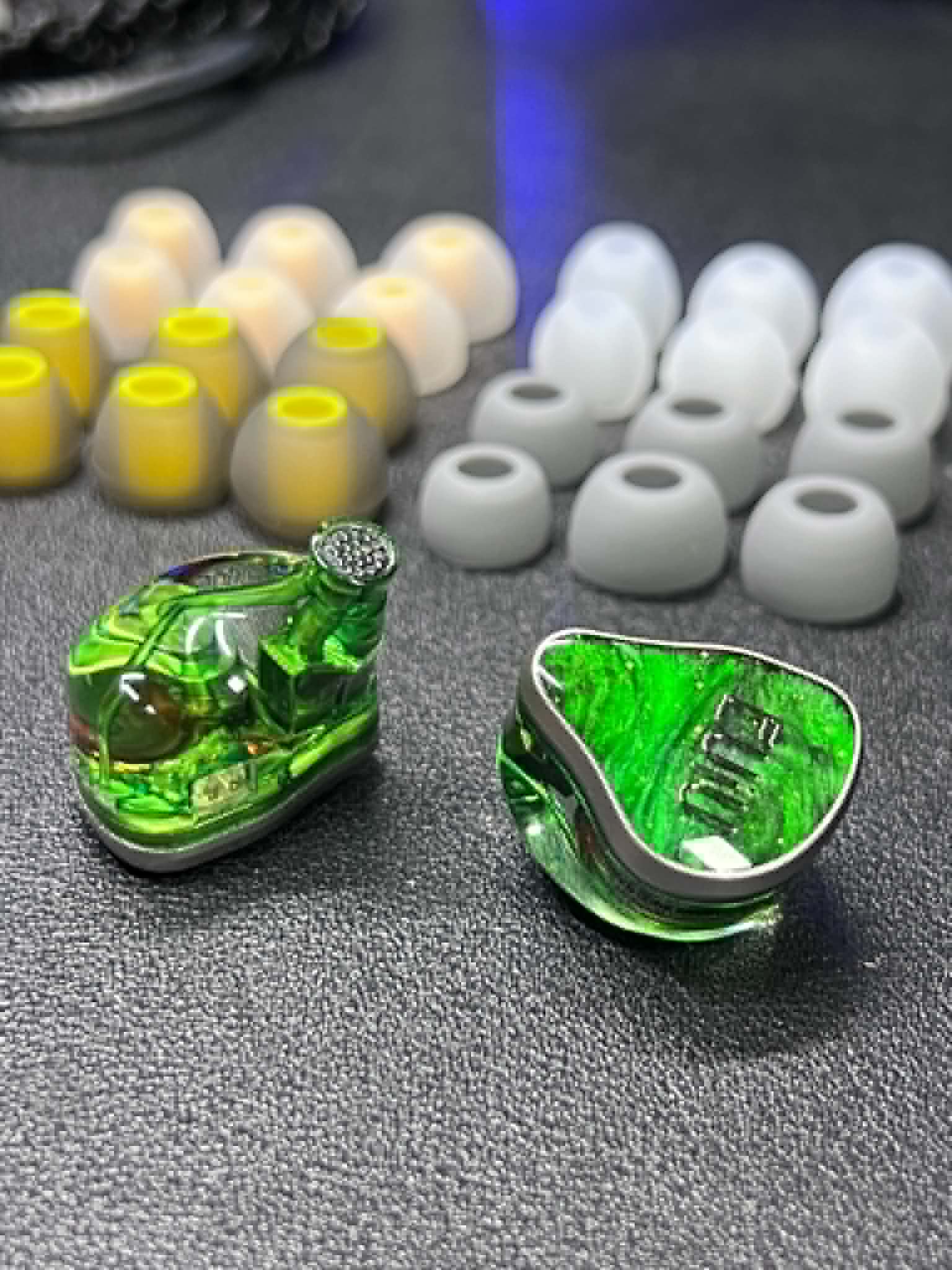
Mine came with an emerald green resin shell paired with a nebula-style glitter faceplate. The combination gives it a distinctive look without making it feel overly flashy. Under different lighting, the faceplate almost seems to change character, with the glitter pattern creating a nice depth underneath the transparent resin.
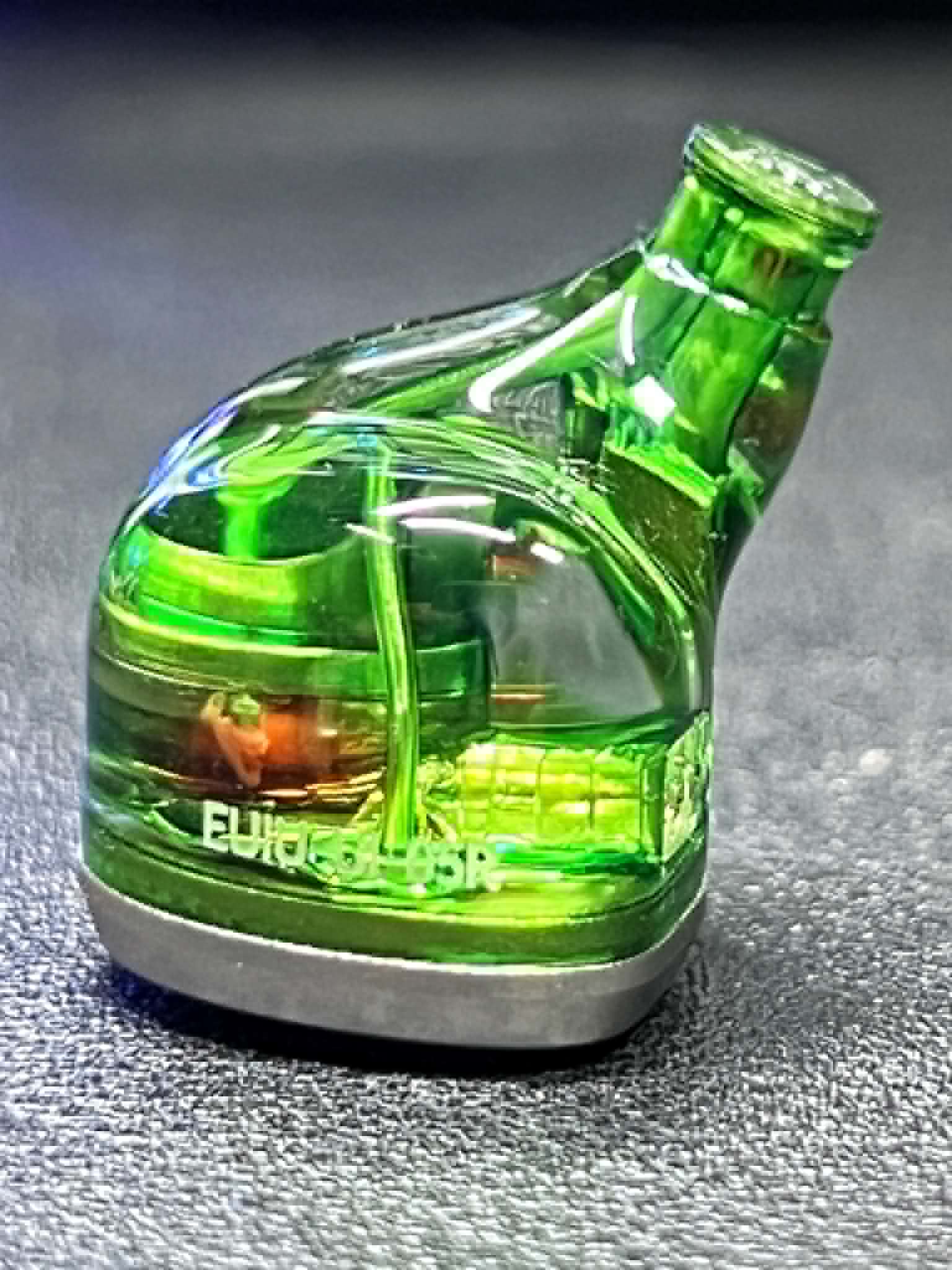
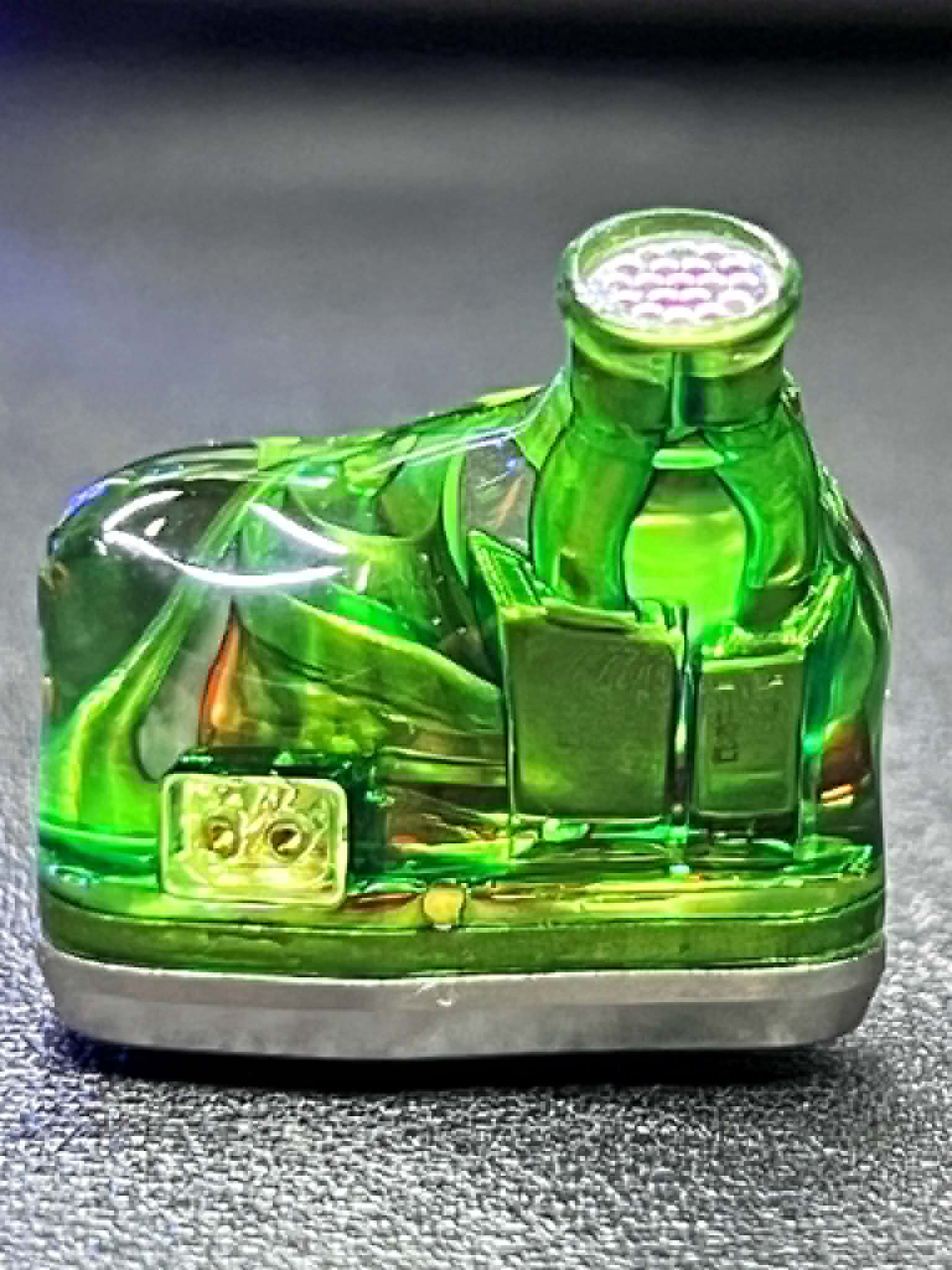
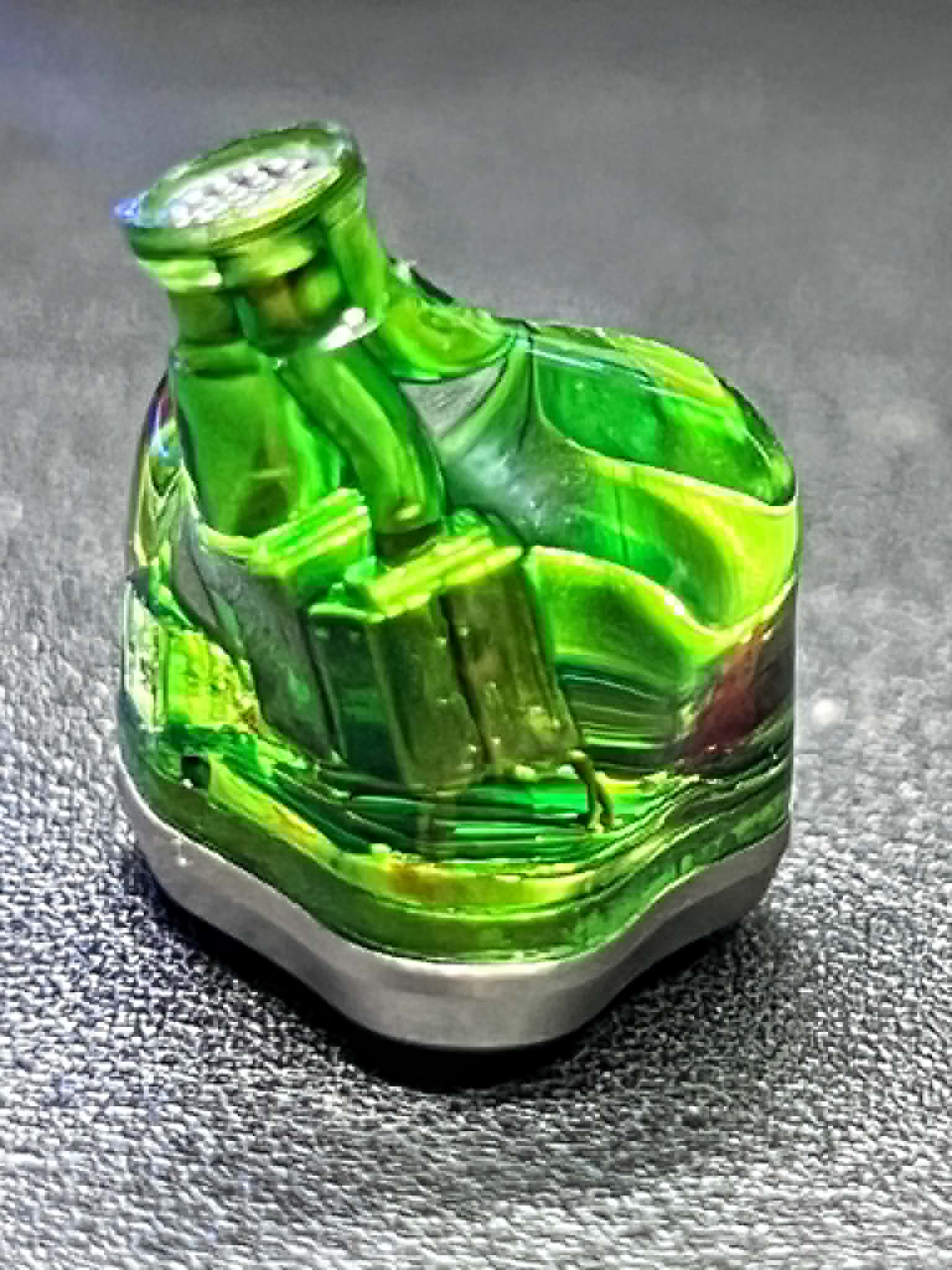


The shell itself feels solid and well finished. There are no obvious rough edges or sloppy resin work, and the overall construction gives me the impression that this was designed to be used rather than simply displayed.
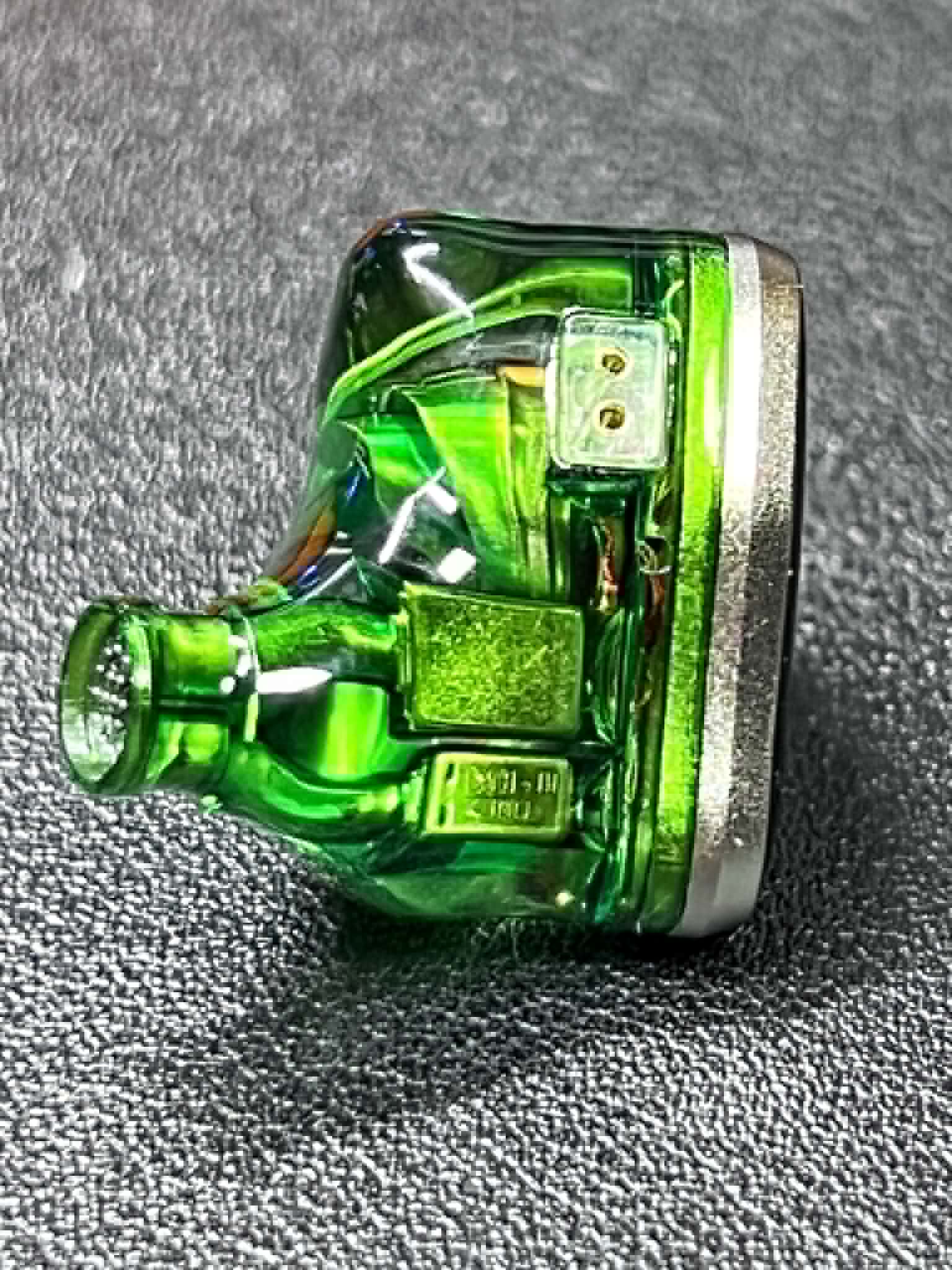
The UI-05 uses a conventional 0.78mm 2-pin detachable cable system, and the supplied cable is a four-core oxygen-free copper hybrid cable with gold-plated connectors. It feels appropriately matched to the IEM and doesn't look like an afterthought.
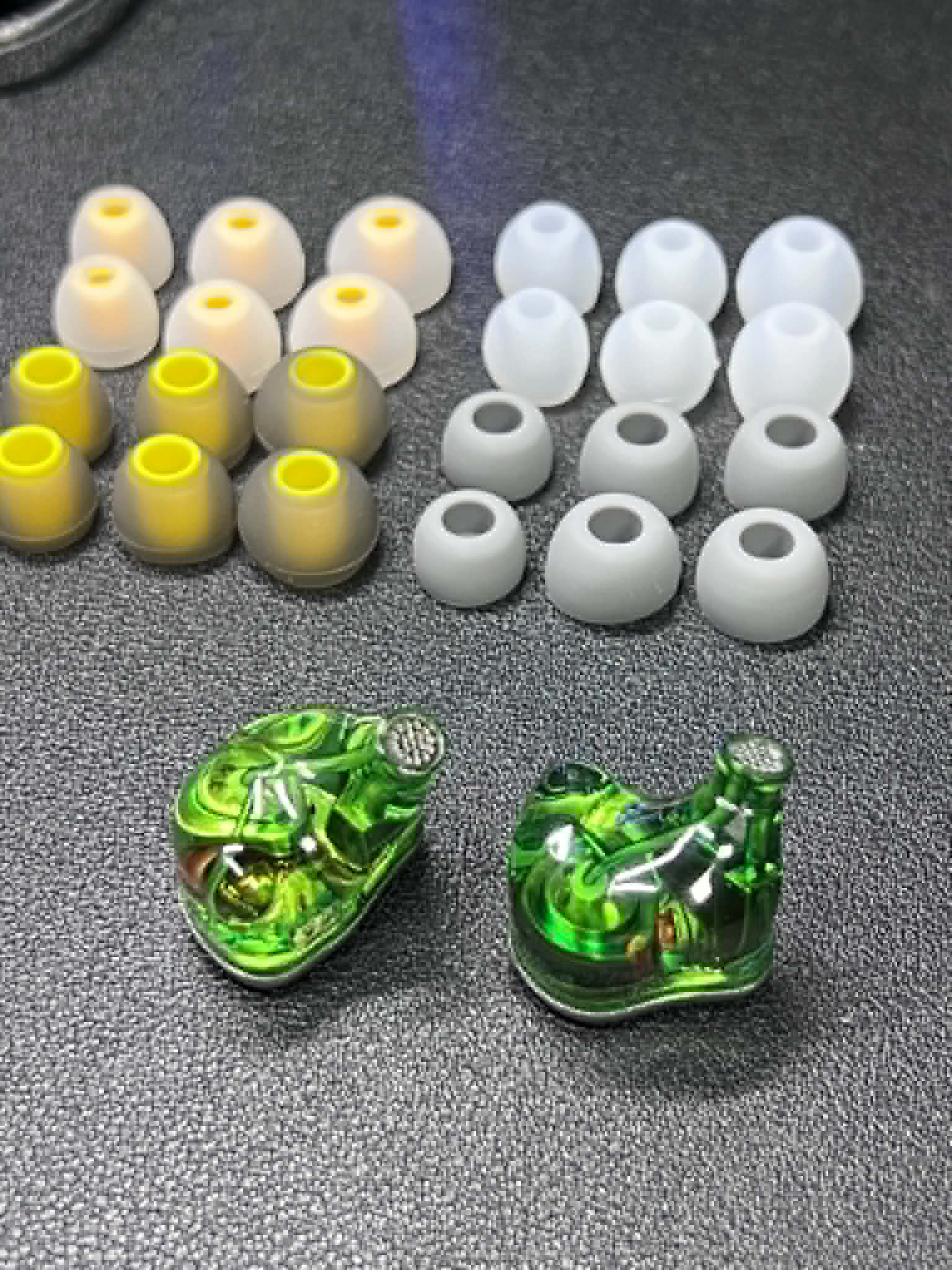
Accessories are also quite generous for the price, particularly the selection of ear tips.
My favorite is the gray donut-style tip. These are the same type of tips I’ve seen supplied with some INAWAKEN IEMs, and I’ve always liked them. The slightly wider bore gives the UI-05 a nice balance of bass weight and openness without making the presentation overly dark or sacrificing detail.
Tip selection does make a noticeable difference here, so I would definitely spend some time experimenting before judging the final sound.
The Driver Configuration
The UI-05 uses a 2DD + 3BA hybrid configuration, but the two dynamic drivers aren't arranged in the usual way.
Instead, EUiU uses what it calls a coaxial, opposite-facing dual dynamic driver structure.
The low-frequency section consists of:
• 10mm biological diaphragm dynamic driver
• 6mm titanium-plated diaphragm dynamic driver
The two drivers are positioned on the same acoustic axis but face opposite directions.
The 10mm biological diaphragm driver is primarily responsible for the deeper bass and sub-bass region, while the smaller 6mm titanium-plated driver handles the mid-bass. The idea behind this configuration is to give each diaphragm a more focused job rather than asking a single dynamic driver to cover the entire low-frequency range.
Above the dual dynamic driver system are three balanced armatures:
• 2 mid-frequency BA ( lower and upper midrange )
• 1 high-frequency B ( Treble )
The whole system is managed through a three-way crossover.
On paper, it's a pretty sophisticated setup for an IEM in this price category.
More importantly, I think the implementation actually works.
The coaxial arrangement is intended to improve phase consistency and maintain a more coherent acoustic relationship between the drivers. Of course, driver architecture alone doesn't guarantee good sound. Plenty of complicated hybrid IEMs sound disjointed when the crossover, acoustic chambers, and driver integration aren't properly executed.
The UI-05 doesn't have that problem.
The transition between the dynamic drivers and balanced armatures is impressively smooth.
The Sound
The first thing that struck me about the UI-05 is how familiar its overall presentation feels.
It reminds me quite a bit of the INAWAKEN Mistwood and Dawn MS, which isn't surprising considering EUiU is said to be a sister brand of INAWAKEN.
There's definitely a family resemblance.
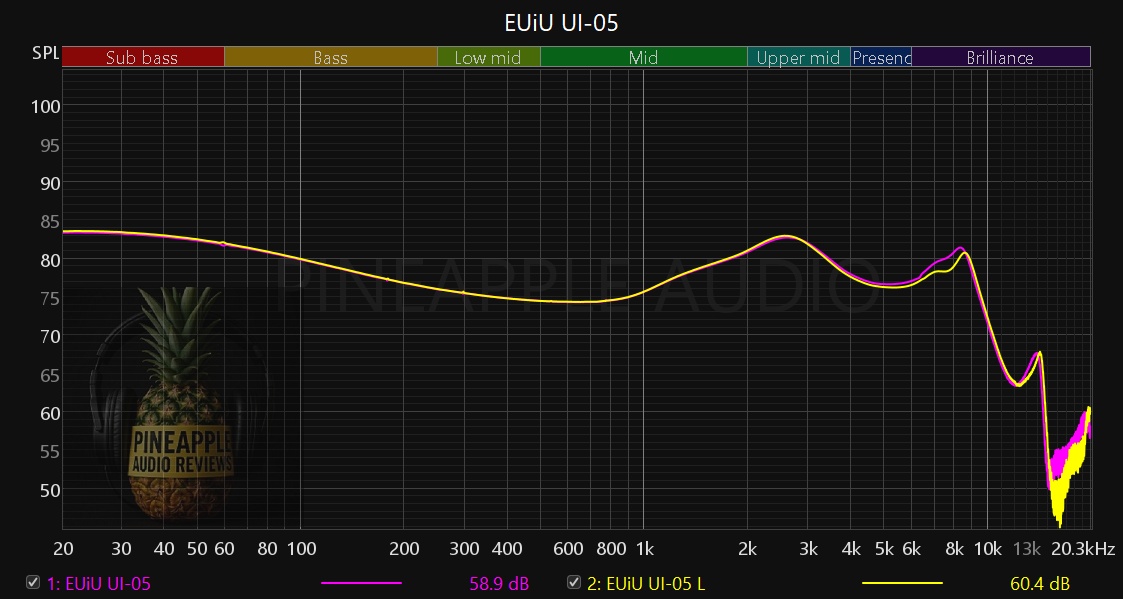
The UI-05 has a warm, bass-lifted presentation, but it doesn't sound excessively colored or overly thick. The mids remain natural and relatively clean, while the treble is smooth enough for long listening sessions.
If I had to summarize the tuning in one sentence, I'd call it:
A warm, musical tuning with surprisingly good discipline and technical control.
It has character, but it doesn't sacrifice balance for character.
Bass
The bass is easily one of the strongest parts of the UI-05, and I think the way EUiU implemented the dual dynamic drivers has a lot to do with it.
The 10mm biological diaphragm driver handles the deeper low frequencies, and you can hear and feel that in the sub-bass. It reaches down with good authority and gives bass-heavy recordings a proper sense of depth and physicality. Sub-bass isn't just audible here, it has that low-end pressure and rumble that you can actually feel, especially with electronic music, deep synth lines, kick drums, and recordings with strong low-frequency content.
What I really like, though, is the control. The UI-05 doesn't simply boost the entire bass region and call it a day. The sub-bass has good extension, but it doesn't constantly dominate the presentation. When the recording has deep bass, the Green Goblin digs down and delivers it with a satisfying amount of weight. When the track doesn't contain much sub-bass information, it knows how to stay out of the way.
That restraint makes the bass sound more mature.
I've heard plenty of bass-heavy IEMs where the low end seems to have a mind of its own. Everything gets a generous dose of mid-bass and sub-bass whether the recording actually needs it or not. It can sound impressive for the first few tracks, but eventually the excess energy starts masking vocals and lower-midrange details.
The UI-05 doesn't do that.
The 6mm titanium-plated dynamic driver appears to take more responsibility for the mid-bass, and this is where I hear a noticeable difference in speed and definition. The smaller diaphragm gives the mid-bass a tighter character, with a cleaner leading edge on kick drums and better articulation on bass guitar.
Kick drums have a proper attack followed by body, rather than just producing a thick thump. Bass guitar notes are easier to follow individually, and fast electronic basslines retain their shape instead of turning into one continuous low-frequency rumble.
This also gives the bass a nice sense of texture. You can hear the difference between a synthesized sub-bass tone, an electric bass guitar, and the low-end impact of an acoustic kick drum. They don't all come across with the same generic "bass" character.
There is definitely some warmth here, and the UI-05 isn't pretending to be a neutral bass-light monitor. The lower end adds a bit of richness to the overall presentation, which is part of what gives vocals and instruments their natural body.
But the important thing is where the bass stops.
It doesn't bleed heavily into the lower mids, so vocals retain their clarity and instruments don't lose their individual character. Male vocals get a little extra chest and warmth, but they don't become thick or muddy. Guitars still have texture, piano notes retain their body and percussion doesn't get buried underneath the low end.
The transition between the sub-bass and mid-bass is also quite smooth. There's no obvious hump where the mid-bass suddenly jumps forward and makes the tuning sound bloated. Instead, the low end feels like a continuous extension from the deepest sub-bass into the mid-bass.
And this is probably what I appreciate most about the UI-05's bass: it has impact without constantly demanding attention.
It can slam when the recording calls for it, but it doesn't force that slam into every track.
Play something with a deep electronic drop and the 10mm driver goes deep and gives you that satisfying physical rumble. Switch to a vocal-heavy acoustic recording and the bass settles down, leaving the midrange plenty of room to breathe.
That's exactly how I like my bass tuned.
Deep when it needs to be, punchy when the music calls for it, textured enough to be interesting, and controlled enough to stay out of the way.
For a warm-leaning hybrid IEM, the UI-05 gets that balance surprisingly right.
Midrange
The midrange is probably where the UI-05 impresses me the most. A lot of hybrid IEMs in this price range can get the bass right and deliver plenty of detail up top, but the midrange is often where things start to sound artificial, overly clean, or slightly disconnected. The UI-05 doesn't have that problem.
The overall midrange is warm, natural and very well integrated with the bass and treble. It doesn't sound overly pushed forward, but it also doesn't feel recessed or distant. There's a good sense of presence without that "in your face" vocal tuning some IEMs use to create an immediate impression of clarity.
Vocals are particularly good.
Male vocals have a nice amount of chest, density and lower-midrange body. Baritone and deeper voices sound full and grounded, but they don't become overly thick or congested. There's enough warmth around the fundamental frequencies to make voices sound natural, while the upper harmonics still come through clearly enough to preserve texture and articulation.
Female vocals have a similar character. There's enough upper-midrange energy to keep them clear and expressive, but the UI-05 avoids pushing this region too hard. This is important because excessive upper-midrange energy can make female vocals sound unnaturally forward or introduce that shouty, slightly aggressive character that can become tiring over long listening sessions.
The UI-05 keeps things smoother.
What I particularly like is the balance between note weight and clarity. Notes have enough density to sound realistic, but they aren't overly thick. You get a good sense of the body behind a vocal or instrument without losing the smaller details around it.
With acoustic guitar, for example, I can hear the initial pluck clearly, followed by the resonance of the strings and the body of the instrument. It doesn't sound like just a sharp transient followed by silence. There's a sense of decay and harmonic texture that makes the instrument feel more complete.
Piano is also handled nicely. The lower notes have enough weight and warmth, while the upper registers retain enough clarity and bite. The presentation isn't overly bright, so the piano doesn't become thin or metallic, but there's still enough upper-midrange and treble information to preserve the character of the instrument.
This is also where the BA midrange driver and crossover implementation seem to be doing a good job. The midrange doesn't have that typical hybrid character where the dynamic driver sounds warm and thick while the balanced armature suddenly takes over and makes the vocals sound noticeably different.
Instead, the transition feels smooth.
The bass provides the foundation, the midrange carries the musical information, and the treble adds the necessary definition without making the whole presentation feel segmented.
Another thing I appreciate is the tonal consistency between male and female vocals. Some IEMs clearly favor one over the other. The UI-05 doesn't. Both have a natural amount of body and presence, and neither sounds artificially pushed forward.
Listening to jazz is a particularly good example.
With small jazz ensembles, instruments maintain their individual character. Upright bass has body and resonance, saxophones have enough warmth and texture, cymbals retain their shimmer, and vocals sit naturally within the mix instead of being placed unnaturally in front of everything else.
Live recordings also benefit from this tuning. The UI-05 doesn't overly sharpen every element to create the illusion of detail. Instead, it gives the recording enough space and tonal density to sound believable.
And that's really the key word for the midrange:
Believable.
It doesn't sound overly processed or hyper-detailed. It doesn't try to impress me by pushing vocals right into my face or exaggerating upper-midrange presence.
Instead, it gives instruments the right amount of body, texture, density and harmonic information.
Technically, I wouldn't describe the UI-05 as a completely neutral midrange. There is clearly some warmth coming from the lower frequencies, and that warmth carries into the midrange to some extent. But the balance is well judged. The bass gives the mids body without masking them, while the upper mids provide enough energy to maintain clarity.
This is also why I can listen to the UI-05 for hours without getting fatigued.
There's no excessive upper-midrange glare, no aggressive vocal presence and no obvious recession that forces me to turn up the volume just to hear the singers properly.
The midrange simply sits in the mix where it should.
And honestly, this is one of those tunings where I stop thinking about frequency response and technicalities after a while.
I just listen to the music.
For me, that's a very good sign.
The UI-05's midrange isn't trying to be the most analytical or the most spectacular. It's focused on sounding natural, musical and convincing, and that makes it one of the strongest aspects of the Green Goblin's overall tuning.
Treble
The treble follows the same philosophy.
It's smooth, controlled and relatively easygoing.
The one high-frequency BAs provide enough extension and detail to keep the presentation from becoming dark or dull, but the UI-05 doesn't chase treble brightness simply to create the impression of higher resolution.
There's enough upper-end energy to give cymbals definition and provide air around instruments, but it remains on the smoother side.
For someone who is sensitive to aggressive upper mids or treble peaks, I think the UI-05 will be a very comfortable IEM.
Personally, I appreciate the restraint.
It gives me enough information to hear the details without constantly reminding me that I'm listening to a highly resolving IEM.
Technical Performance
This is where the Green Goblin surprised me the most.
Based purely on its warm and slightly laid-back tonality, I initially expected the technical performance to be decent but not particularly impressive.
I was wrong.
Soundstage
The soundstage is wide, but I wouldn't call it cavernous.
It's more about having a good sense of space and realistic proportions rather than trying to create an artificially huge presentation.
There is enough width around the instruments to prevent everything from feeling cramped, while the depth gives the presentation a believable three-dimensional character.
For live recordings, acoustic music and well-produced orchestral tracks, the UI-05 can create a convincing sense of venue space.
It's not the biggest stage I've heard from an IEM, but I think the size is appropriate to the tuning.
More importantly, it sounds natural.
Imaging
Imaging is excellent.
Despite the warm tonal balance, individual sounds remain easy to locate.
Listening to tracks with multiple instruments, I can follow where each element is positioned without having to concentrate too hard.
Center imaging is also solid. Vocals stay locked in the middle while instruments occupy their respective positions around them.
This is particularly impressive considering how relaxed the overall tuning is.
The UI-05 manages to sound smooth without becoming vague.
Separation
Instrument separation is another strong point.
The bass doesn't completely wash over the lower mids, and individual instruments retain their own space.
With busy tracks, I can still distinguish guitars, percussion, vocals and background elements without everything collapsing into a wall of sound.
The three-way crossover seems to be doing its job here.
There's a clear sense that the different driver sections are working together rather than fighting for attention.
Dynamics
The UI-05 has good dynamic contrast.
Quiet passages remain quiet, while louder sections have the appropriate increase in energy and impact.
This gives music a good sense of movement.
It's particularly noticeable on recordings with strong changes between softer verses and more energetic choruses. The UI-05 doesn't flatten those changes into one consistent volume or intensity.
The result is a presentation that feels alive.
Transient Response
Transient response is also quite good.
The titanium-plated dynamic driver contributes to the speed and definition of the bass transients, while the balanced armatures help maintain clean articulation through the mids and treble.
Drums have a clean attack, guitar plucks have enough edge, and percussion doesn't feel sluggish.
It's not an ultra-analytical or razor-sharp presentation, but there's enough speed to keep the music engaging.
I think this is one of the reasons the UI-05 can maintain a warm signature while still sounding technically capable.
Coherence
One of my biggest concerns with hybrid IEMs is driver coherence.
You can have an impressive driver count and a complicated crossover, but if the drivers sound like they're operating independently, the result can be artificial.
The UI-05 avoids that.
The transition from the dual dynamic driver section into the balanced armatures is relatively seamless.
The bass has the physicality and texture of a dynamic driver, while the mids and treble have the speed and precision you expect from balanced armatures, but I don't feel like I'm hearing three separate systems.
Instead, it comes together as one coherent presentation.
Tuning Philosophy
To my ears, the UI-05 is almost like a neutral-reference interpretation of the INAWAKEN house sound.
You still get that warmth and musicality, but it's more controlled.
There's enough bass to give music weight and emotion, enough midrange warmth to make vocals sound human, and enough treble information to maintain clarity.
But none of those elements are pushed so far that they dominate the presentation.
That's what makes the UI-05 so easy to live with.
It's not trying to be the most exciting IEM for the first five minutes.
It's trying to be the IEM you keep reaching for after five hours.
And that's a much harder thing to accomplish.
Pairing and Driving
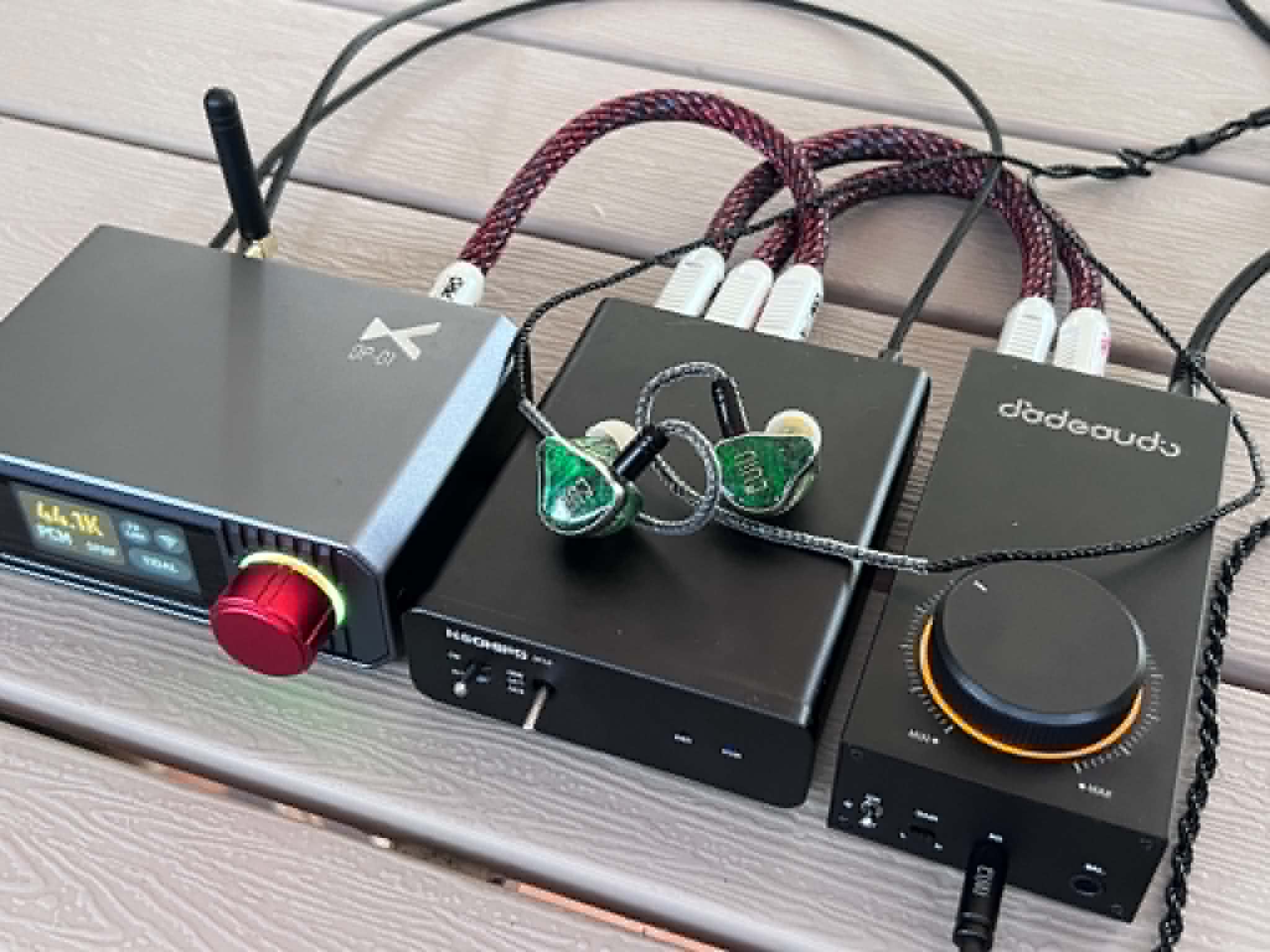
With an impedance of 17Ω and sensitivity rated at 106dB/mW, the UI-05 is quite easy to drive.
You don't need a monster amplifier to get good performance from it.
I've found that IEMs like this benefit more from a clean source and a good pairing than from simply throwing excessive power at them.
The UI-05 already has a fairly full and warm presentation, so pairing it with an excessively warm source can push it toward a thicker sound than I personally prefer.
A clean, neutral-to-slightly-warm source works beautifully.
It also responds well to different ear tips, so I'd actually experiment with tips before changing sources. The gray wide-bore donut-style tips are my preferred option because they preserve the bass presence while giving the upper frequencies and stage a little more breathing room.
Who Is It For?
The UI-05 is for someone who wants a musical IEM that doesn't give up technical performance.
If your priority is maximum treble energy, ultra-forward vocals or an aggressively analytical presentation, this probably isn't the tuning for you.
But if you enjoy:
• Warm and natural tonality
• Deep but controlled sub-bass
• Full and organic vocals
• Smooth treble
• Good imaging and separation
• A realistic rather than artificially huge soundstage
• Long, fatigue-free listening
• Strong technical performance without an analytical presentation
Then the UI-05 is very easy to recommend.
It's especially good for someone who listens to a lot of different genres and doesn't want to constantly swap IEMs depending on what they're playing.
I've thrown everything from vocals and acoustic recordings to rock, electronic music and heavier tracks at it, and the UI-05 consistently manages to maintain its balance.
My Only Real Complaint
And here we finally arrive at the biggest weakness of the UI-05.
The name. hehehe
Seriously, EUiU UI-05 is not exactly the easiest product name to remember, pronounce or casually recommend.
Imagine someone asking:
"Hey bro, that's a nice IEM. What is it?"
And you have to stop for a second and think:
"Uhhh... EUiU... UI-05."
Then you have to explain how to pronounce EUiU.
I understand that branding is complicated, and there may be a story behind the name, but if you're targeting an international market, I think a name that's easy to pronounce, easy to remember and easy to search for would make a lot more sense.
A good product name can become part of the product's identity.
Thankfully, Andy's nickname solves the problem.
Green Goblin.
Now that's a name I can remember.

Final Thoughts
Putting the name issue aside, I'm genuinely impressed by the EUiU UI-05.
The combination of a 10mm biological diaphragm dynamic driver, 6mm titanium-plated dynamic driver, three balanced armatures and a three-way crossover sounds complicated on paper, but the end result doesn't sound complicated.
It sounds coherent.
That's what I appreciate most about it.
The bass has depth and physicality without becoming excessive. The mids are warm, natural and convincing. Treble is smooth but still detailed. The soundstage has good width and realistic proportions, while imaging and separation are significantly better than I expected from such a warm presentation.
It also has that quality I personally value more and more as I spend more time with audio gear:
It makes me want to listen to music instead of making me want to analyze the IEM.
And that's always the best compliment I can give it.
The Green Goblin isn't trying to be the most technically aggressive IEM in the room.
It doesn't need to.
It has a very enjoyable balance of musicality, technical performance and long-term listenability, and that combination is what makes it easy to keep reaching for.
So, EUiU UI-05?
I still don't know if I'm saying the name correctly.
But after spending time with it, I know exactly what I'm calling it:
The Green Goblin.
And honestly, this little green monster sounds damn good and I would recommend this to anyone looking for a long term budget banger.
Link: https://www.linsoul.com/products/euiu-ui-05
Comments
Post a Comment