* More refined and controlled tuning compared to MS2 Pro, with better overall cohesion
* Improved bass texture with stronger midbass body and cleaner subbass extension
* Smoother treble response with good air and reduced fatigue for long sessions
* Noticeably better imaging precision and layering depth, especially in complex tracks
* Strong separation, keeps instruments distinct even in busy passages
* More natural, balanced midrange with good vocal presence and timbre
* Excellent stock cable quality (soft, no memory, no microphonics)
* Good technical performance for both music and gaming use
Cons:
* Not a dramatic upgrade in soundstage width compared to MS2 Pro
* Treble smoothness may feel slightly restrained for those who prefer extra bite or sparkle
* Not a big tonal departure, so MS2 Pro owners may not feel it’s a must-upgrade unless they want refinement over energy
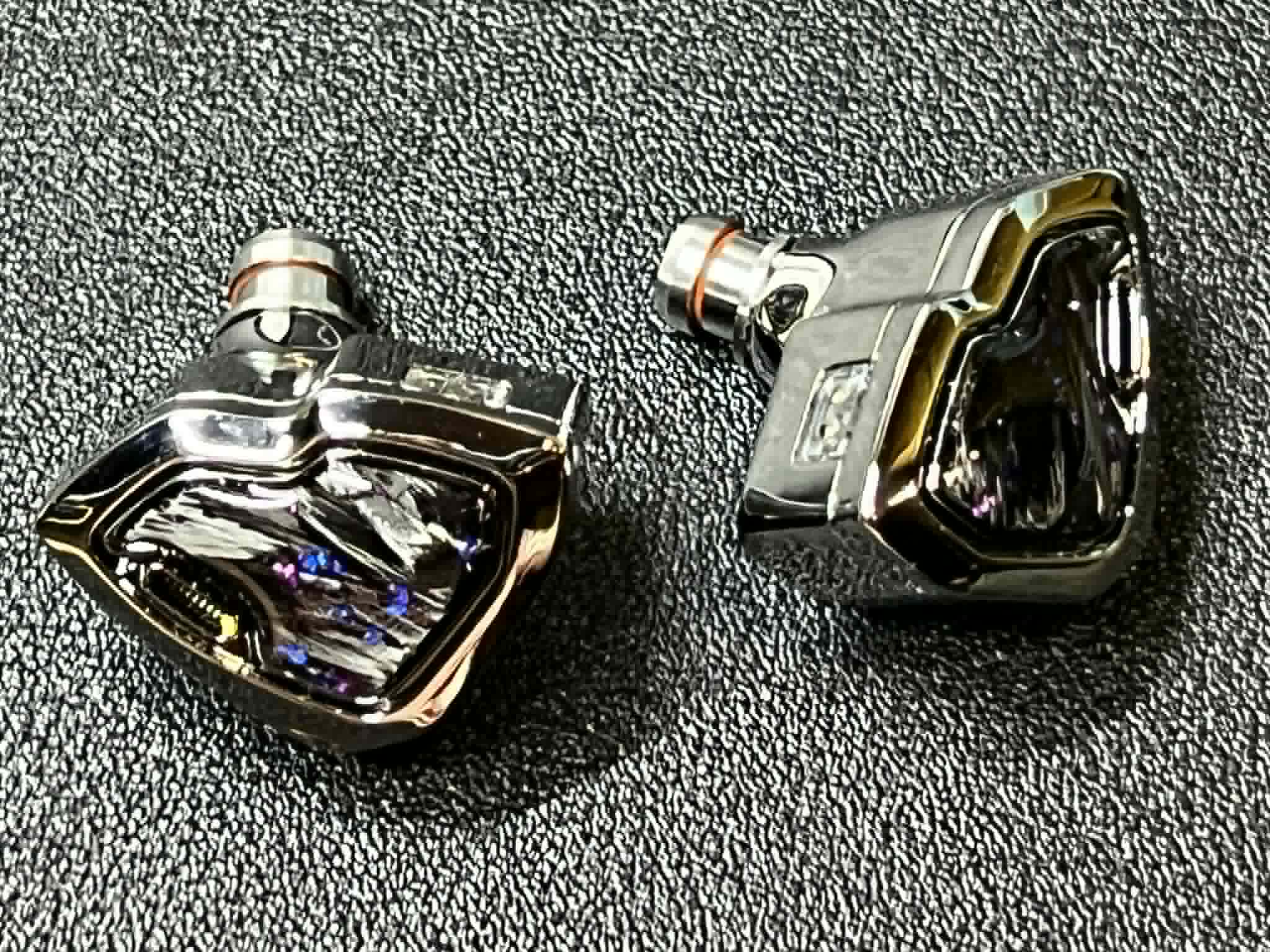
Some IEMs are easy to judge in the first minute. You plug them in, fire up a familiar track, and the signature is already laid out in front of you. The MY LIN doesn’t really play that game. It’s not a “first impression” kind of tuning. It’s more of a system piece, something that only starts to make sense once the driver settles in, your brain adjusts, and you’ve had enough time to hear how it behaves across different sources and musical genre.
Going back to it now, with a proper chain and familiar reference tracks, the gap between that initial demo and this experience is honestly pretty big. Not subtle refinement, but a clear shift in perception. What felt slightly reserved before now comes across as far more structured and deliberate. There’s a composure in the way it handles complexity that simply didn’t show up in a noisy show environment. It sounds more anchored, more confident, and more cohesive as a whole presentation.
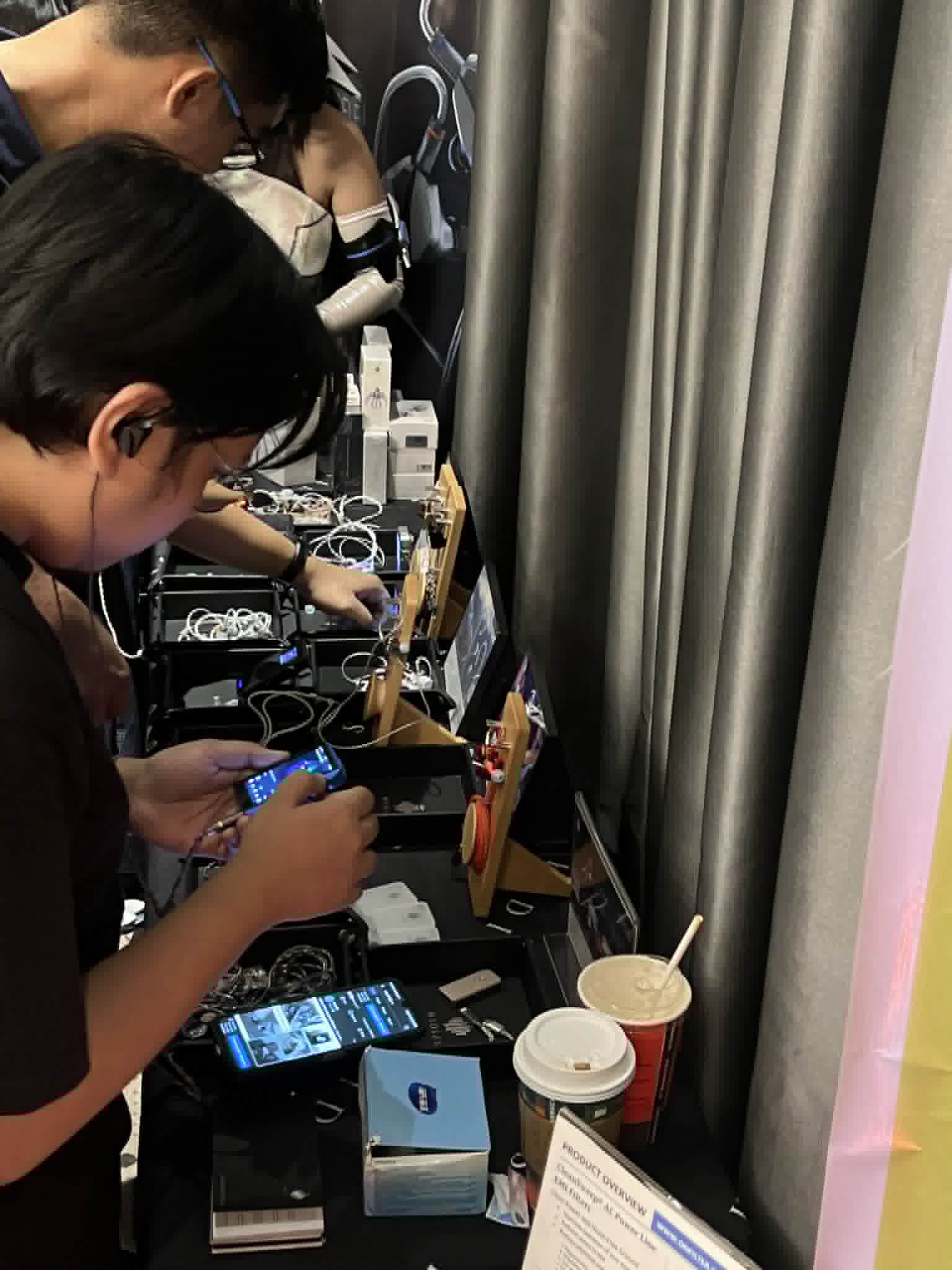
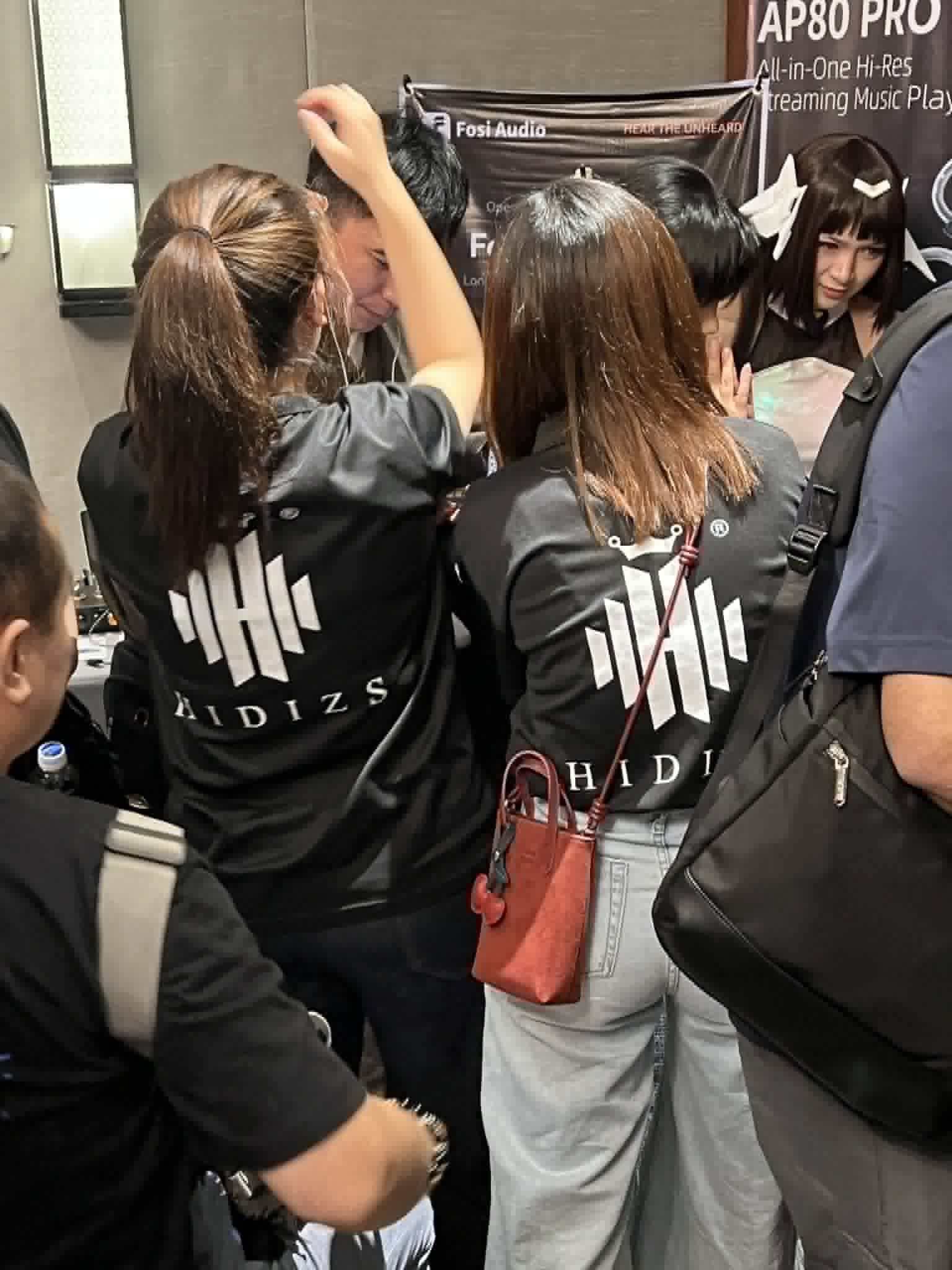
And that actually makes sense when you think about where that first impression came from. Crowded audio show floors are basically the worst-case scenario for something like this. High ambient noise, unfamiliar DAPs or dongles, quick A/B switching, and half-attention listening at best. In that context, you tend to notice only extremes, either something is immediately exciting or it disappears into the noise. The MY LIN doesn’t rely on that kind of instant contrast. It doesn’t spike anything in the tuning just to grab attention. It’s built around balance, control, and spatial structure, which only really reveals itself once you have time and stability on your side.
Where it starts to really stand out is in how it handles spatial information and technical behavior, especially when you push it with more complex tracks or even gaming audio. Layering is not just left-right separation. There’s actual depth structure here. Elements are positioned in a three-dimensional space rather than being flattened into a stereo line. You get a clearer sense of front, mid, and rear positioning, which makes the stage feel more like a mapped environment rather than just width expansion.
Imaging precision is another strong point. Once a sound is placed in the stage, it stays locked in. There’s no drift or softening of position when the mix gets dense. Even in busier passages, the boundaries between elements remain intact. That stability makes it easier to track movement, whether it’s an instrument shifting in a mix or directional cues in a game. Transitions across the stage are smooth and continuous, without abrupt jumps or gaps that break immersion.
The overall spatial presentation also has a certain airiness to it. Not in the sense of artificial width, but in how cleanly space is defined between objects. There’s enough separation between layers that the stage feels open, but still coherent. It avoids that over-stretched “wide but flat” effect you sometimes get when staging is pushed too hard.
A big part of why this works is the tuning discipline underneath it. The bass is present, but tightly controlled. It has enough body to give weight to the lower end, but it never spills upward into the mids or collapses separation. That restraint actually helps the stage feel more open, because the low end isn’t congesting the rest of the spectrum. It anchors the presentation without pulling focus.
The treble complements this really well. It’s tuned with a smoother attack profile, so you don’t get sharp leading edges or aggressive peaks that fatigue quickly. At the same time, extension is still very much intact. There’s enough upper-frequency energy to maintain air, detail retrieval, and spatial definition. That balance between smoothness and resolution is what makes long sessions feel effortless rather than demanding.
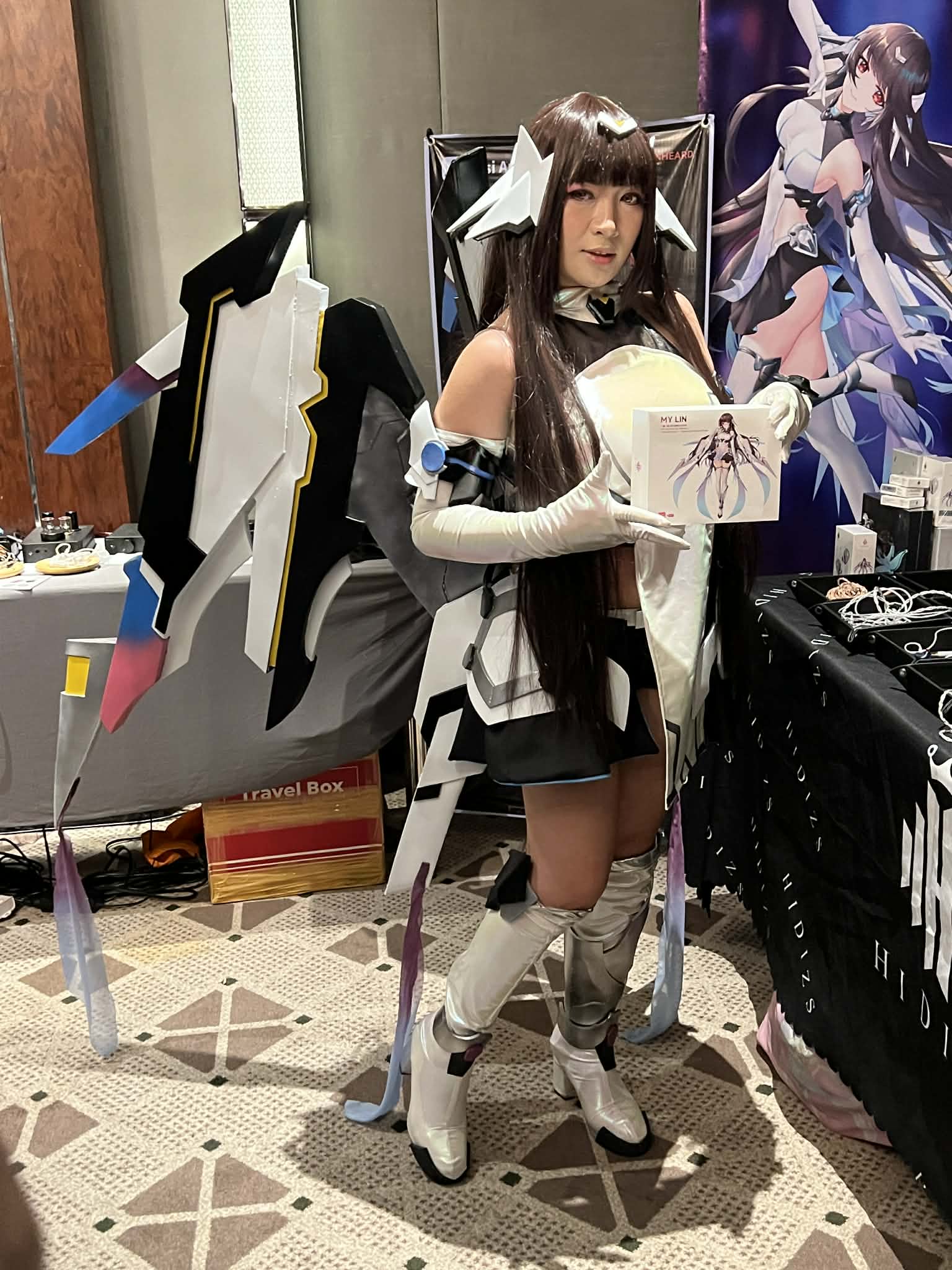
When you zoom out and look at the whole design, the intent becomes clearer. Hidizs didn’t really go for a flashy tuning here. Lin (Ruo Xue Lin) as a concept waifu character actually aligns quite well with what you hear. There’s clarity, but it’s not sterile. There’s warmth, but it’s not overly colored. Everything feels like it was tuned to sit in a controlled middle ground where nothing dominates, but nothing feels underdeveloped either.
That quick listen I had back at the 2025 November HiFi show honestly didn’t do it justice. At the time, it just felt like a competent set with an interesting direction. Now, after extended listening in a proper setup, it’s much easier to understand what it’s aiming for. This is not a set that reveals itself immediately. It rewards time, attention, and familiarity. The longer you listen, the more the structure becomes apparent, and the more you start to appreciate how carefully everything is held together.
Whats in the box? checkout my quick unboxing video of the My Lin.
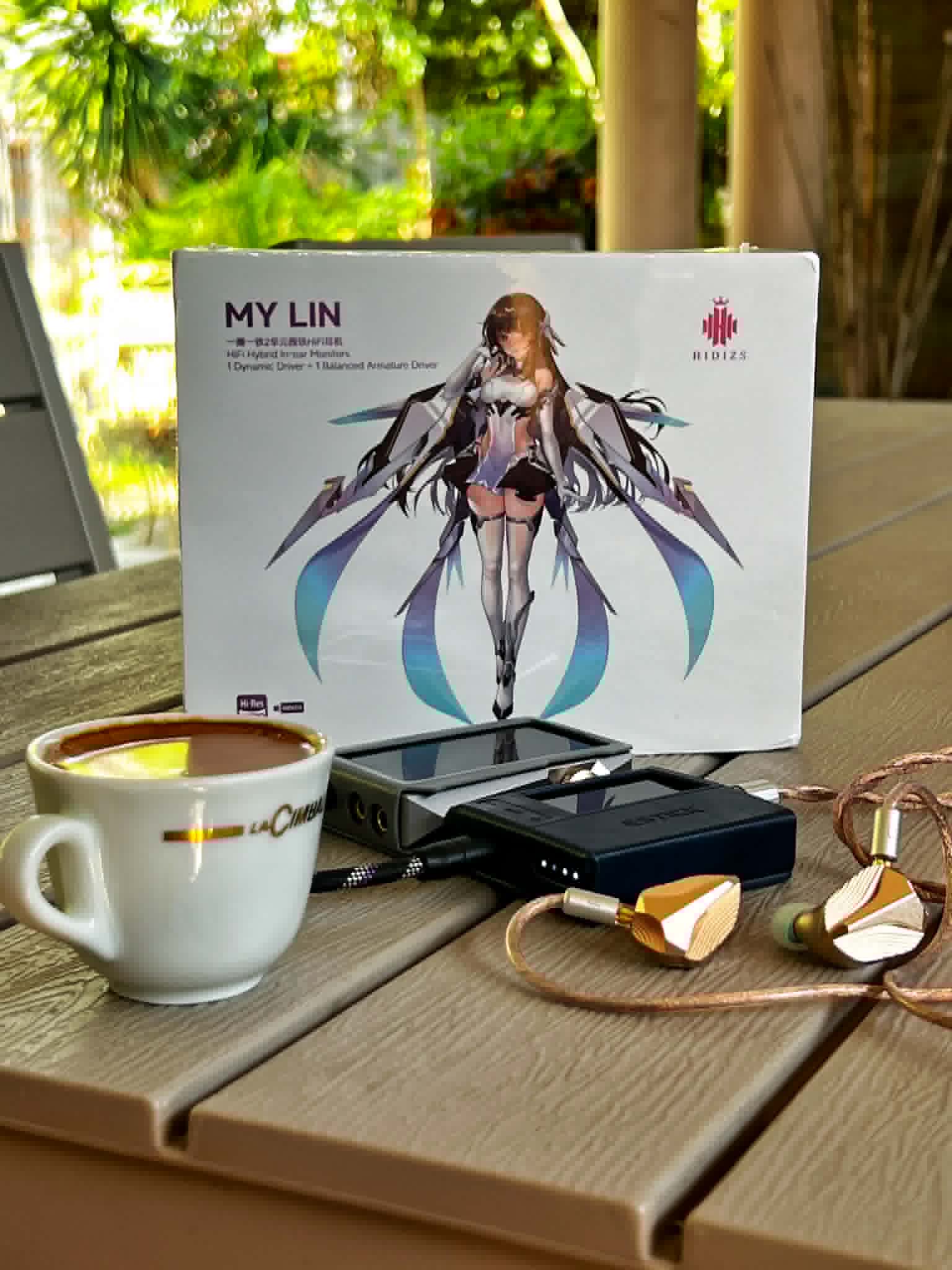
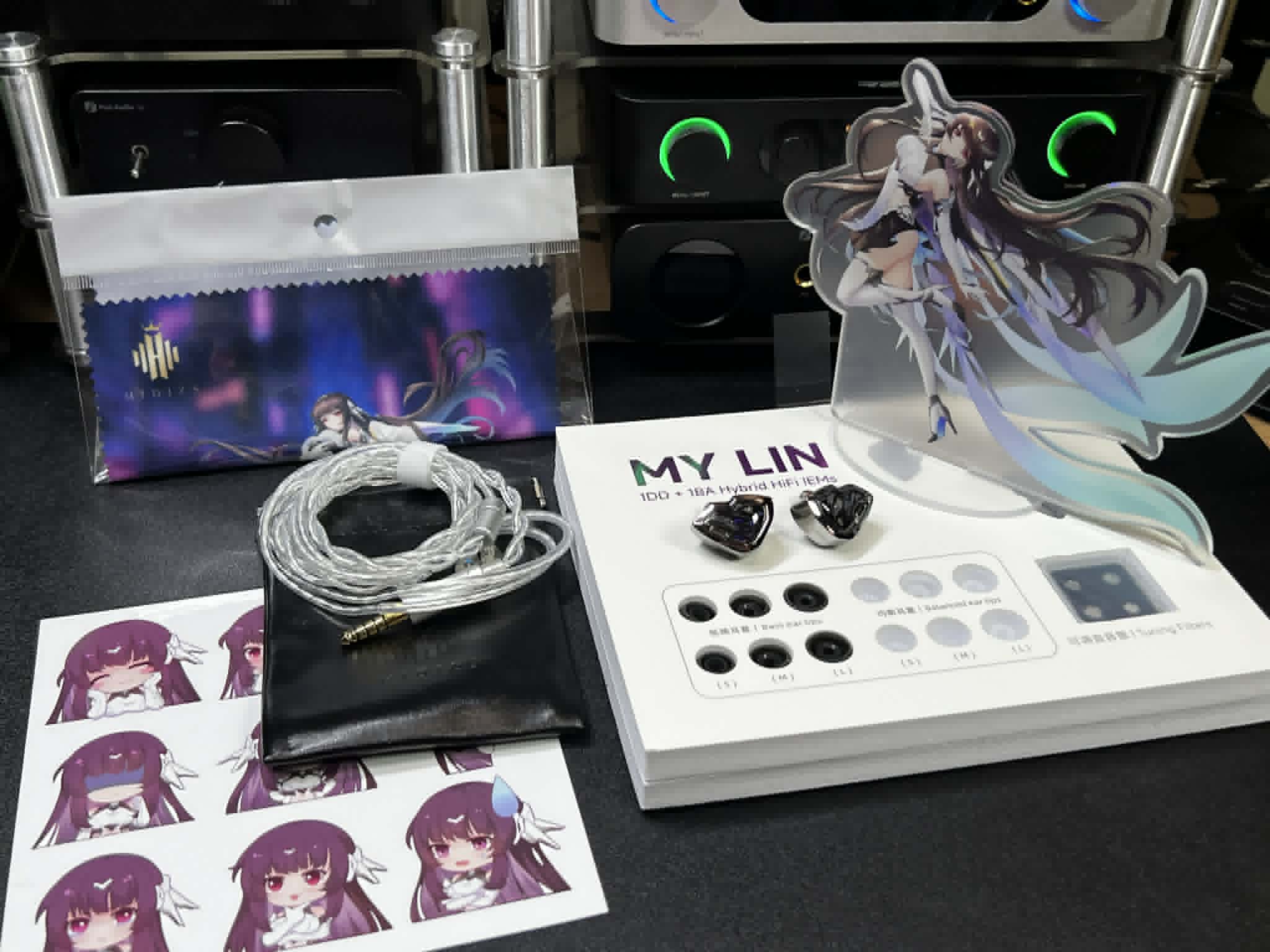
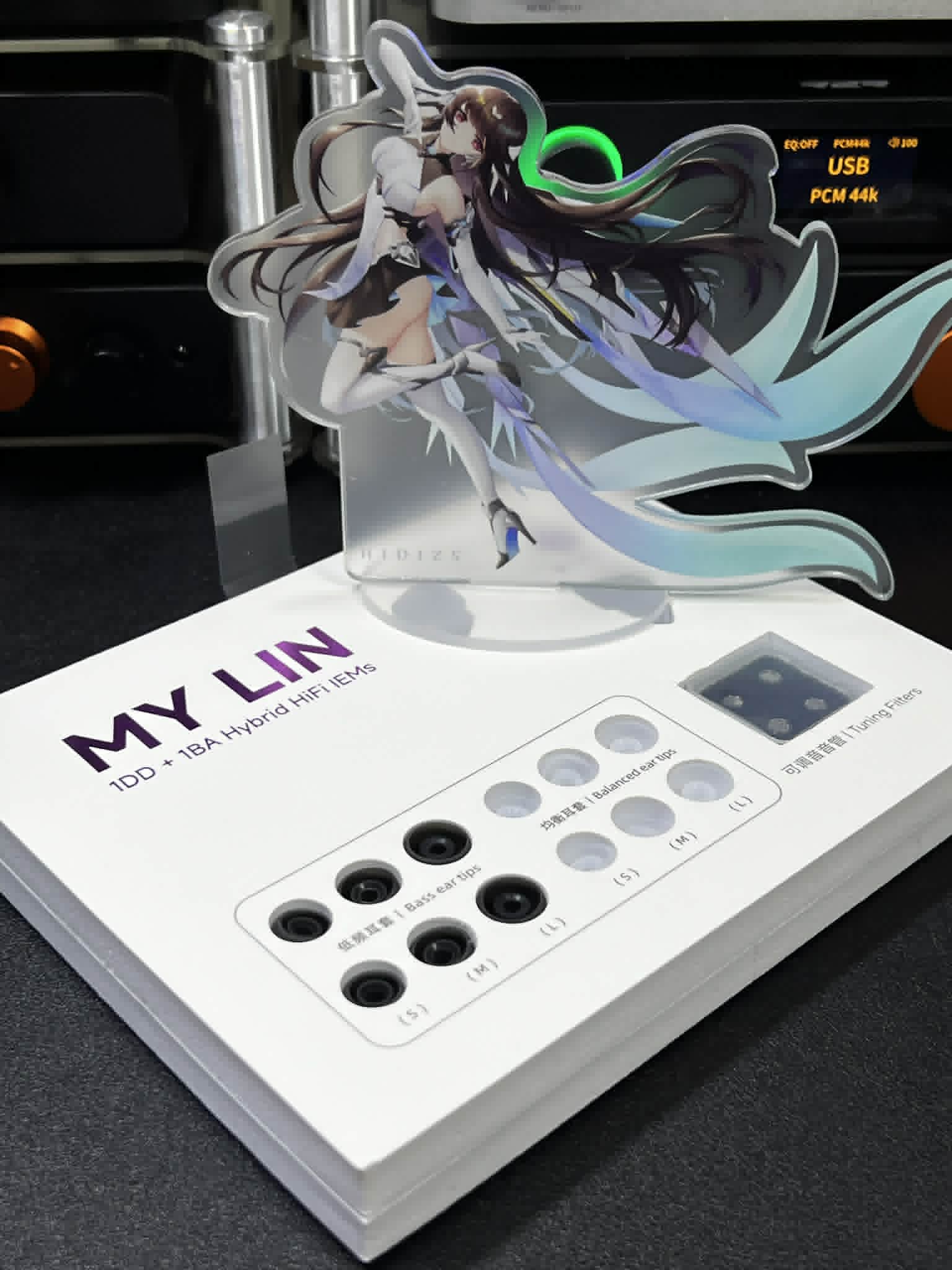
Box contents:
MY LIN Special Edition IEMs
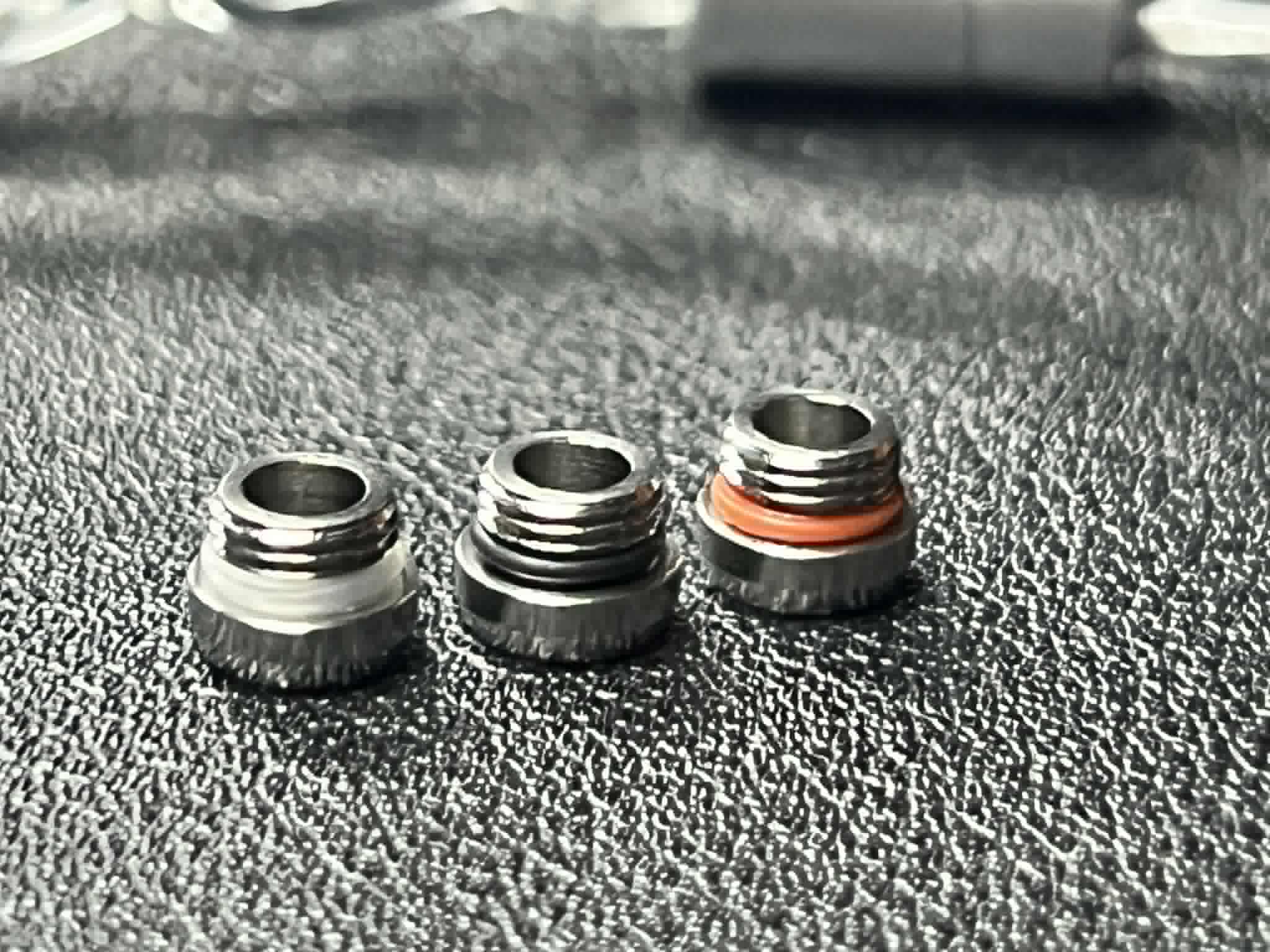
3 pairs of pneumatic tuning filters
6 pairs of silicone ear tips
Detachable cable (3.5mm or 4.4mm option)
Protective pouch
Acrylic standee (nice touch if you’re into the theme)
Microfiber cloth, manual, warranty, and even a sticker
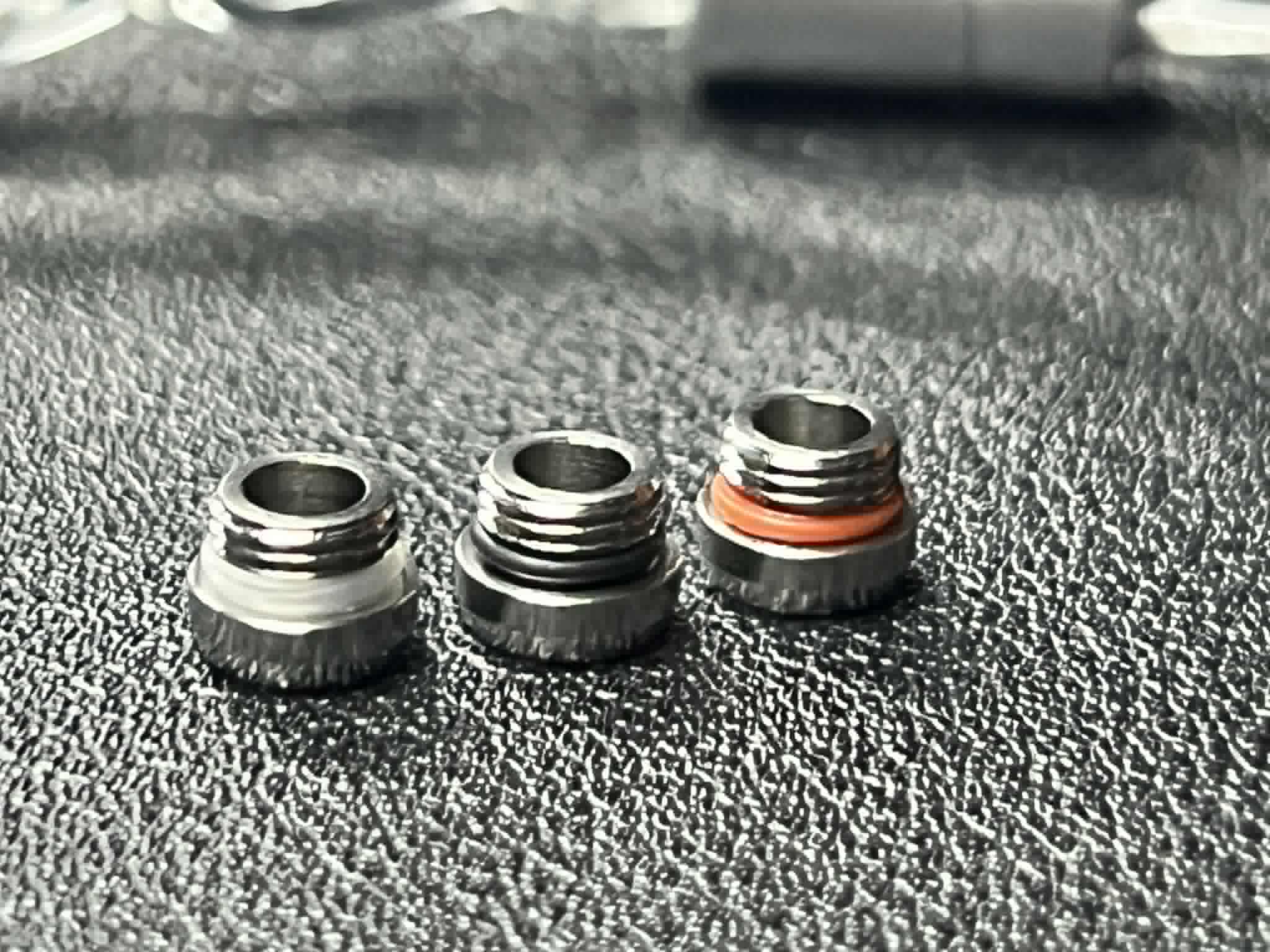
Tuning Filters:
Red – Balanced (default)
Black – Low frequency / smoother tilt
White – High frequency / vocal emphasis
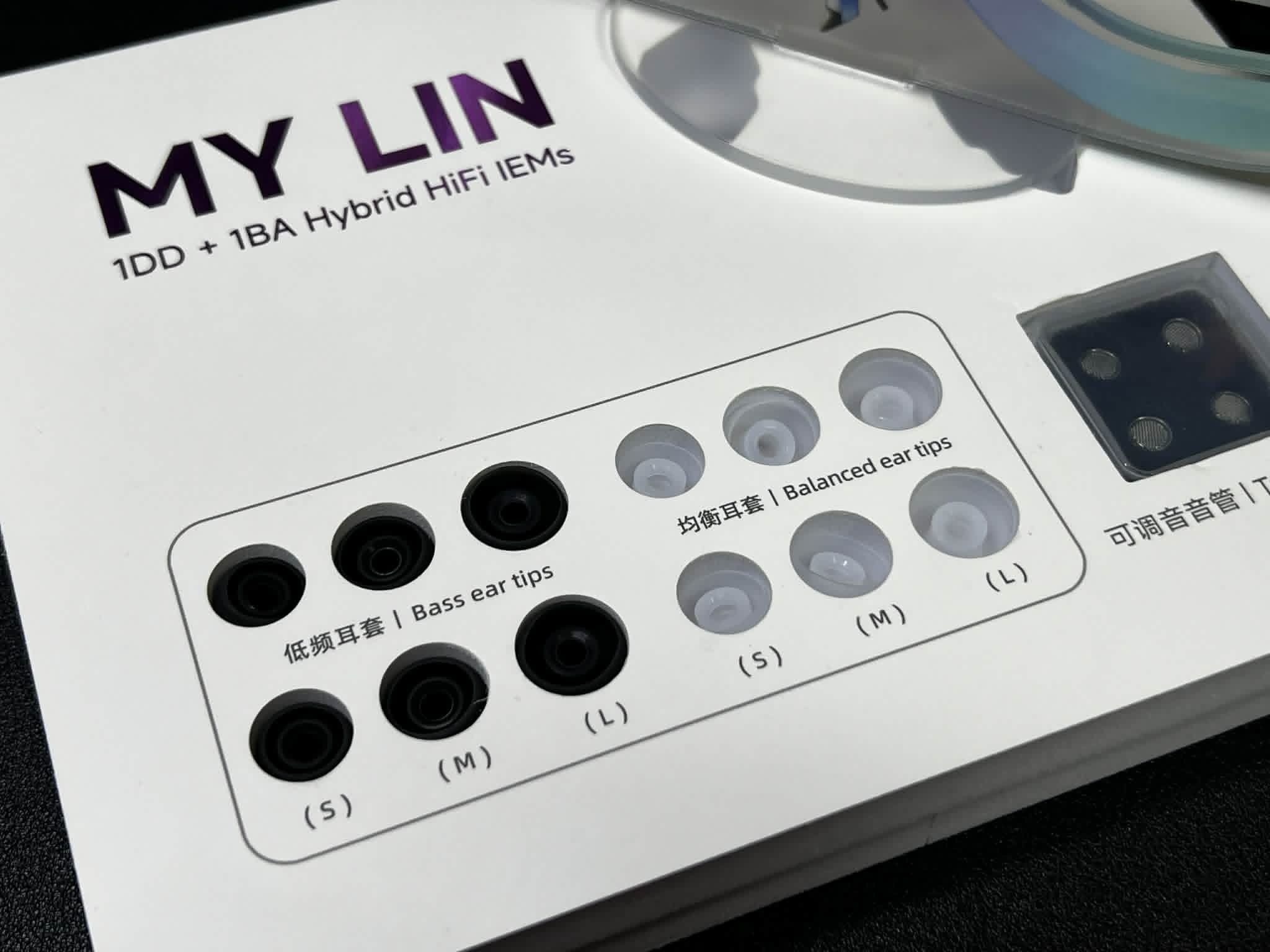
Ear Tips:
Black – Bass
White –Balance
Build, Design, and Cable
If you’ve spent time with the MS2 Pro, the MY LIN will feel instantly familiar in the hand. Same overall shell geometry, same ergonomic contour, but with a more refined finish this time around. The carbon fiber faceplate gives it a cleaner, more modern look. It’s not loud or overly decorative, just enough texture and contrast to break away from the usual plain metal shells. In person, it leans more premium than flashy, which I actually prefer. It fits both a clean desktop setup and everyday use without looking out of place.
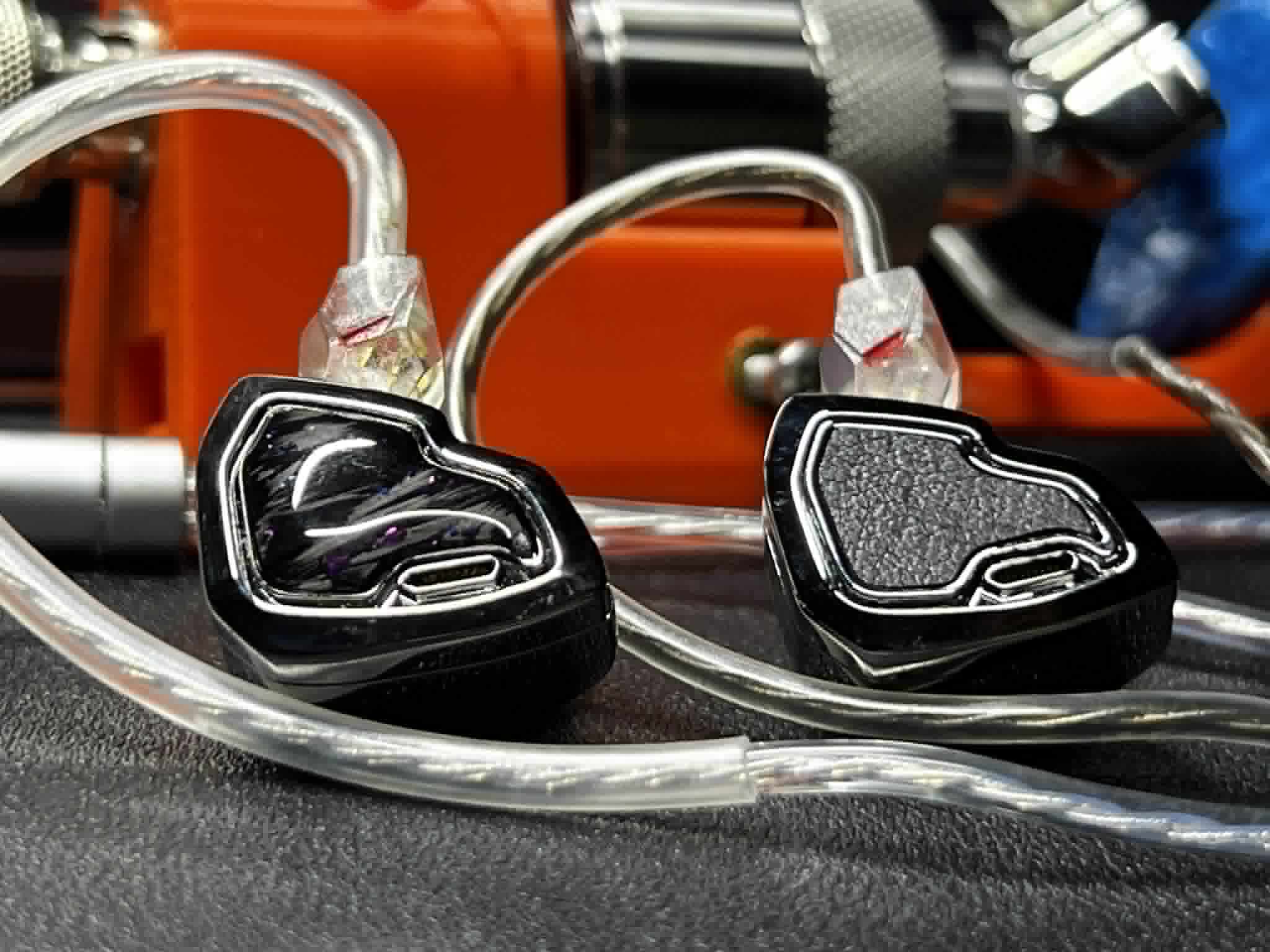
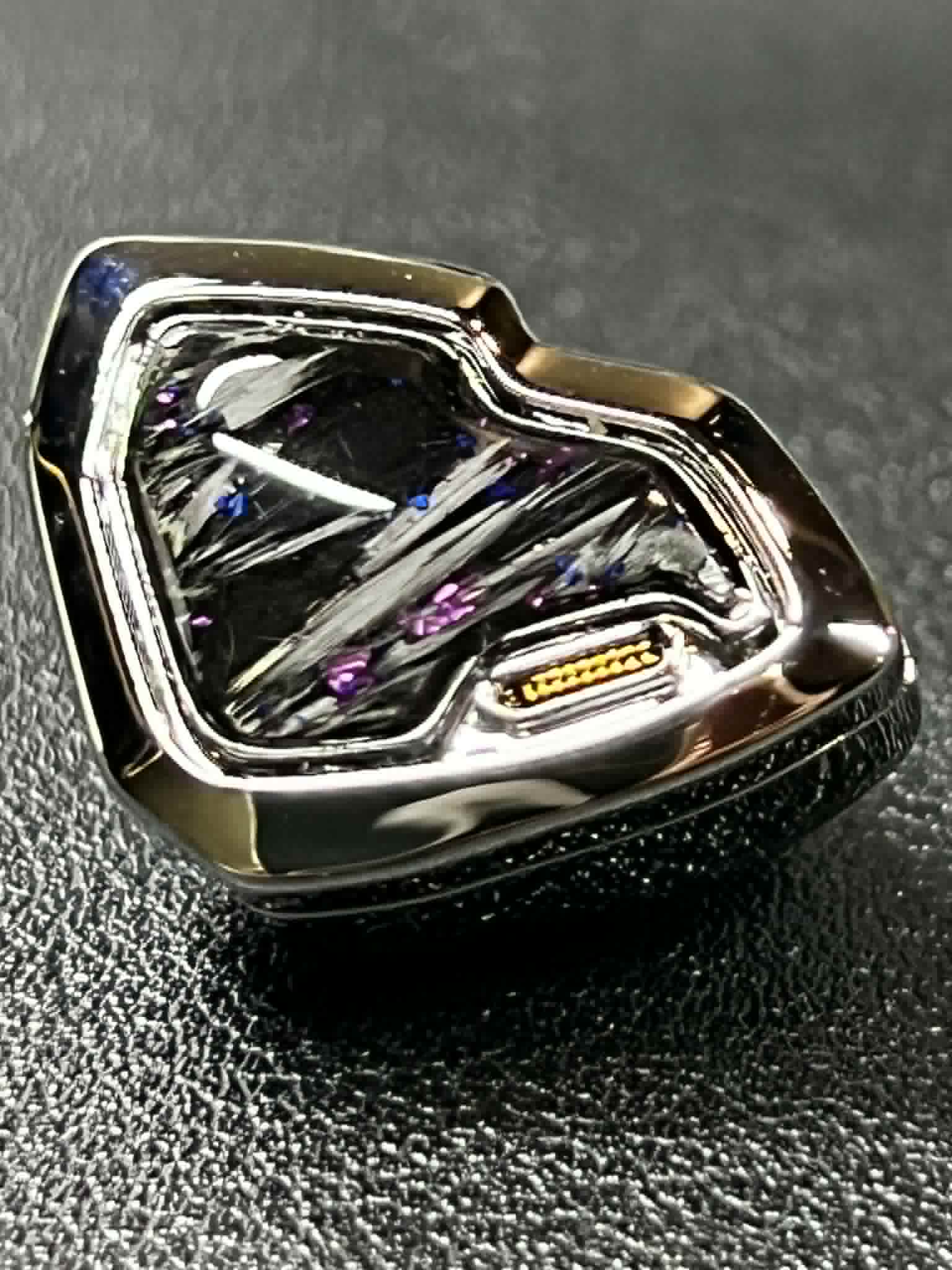
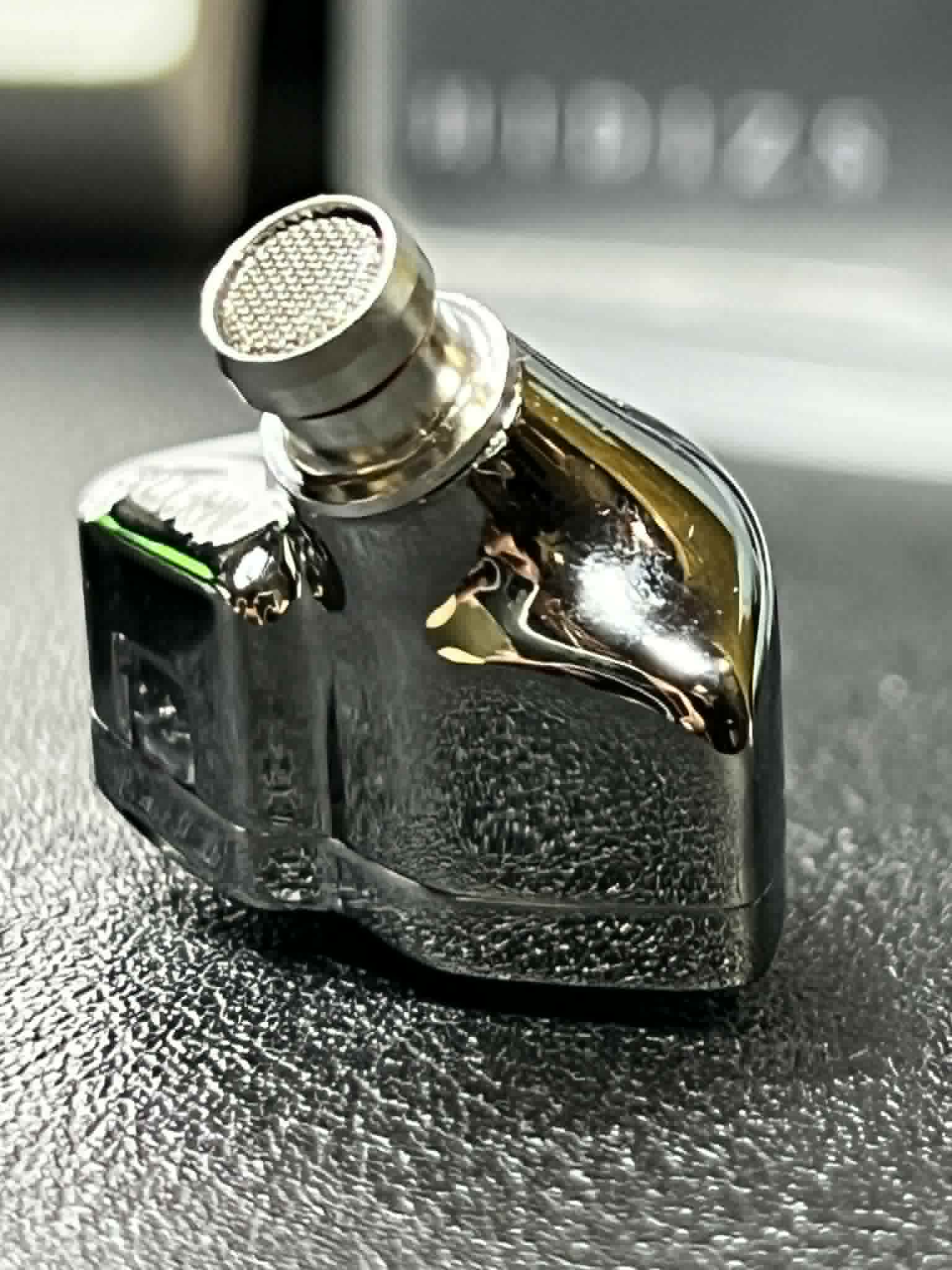
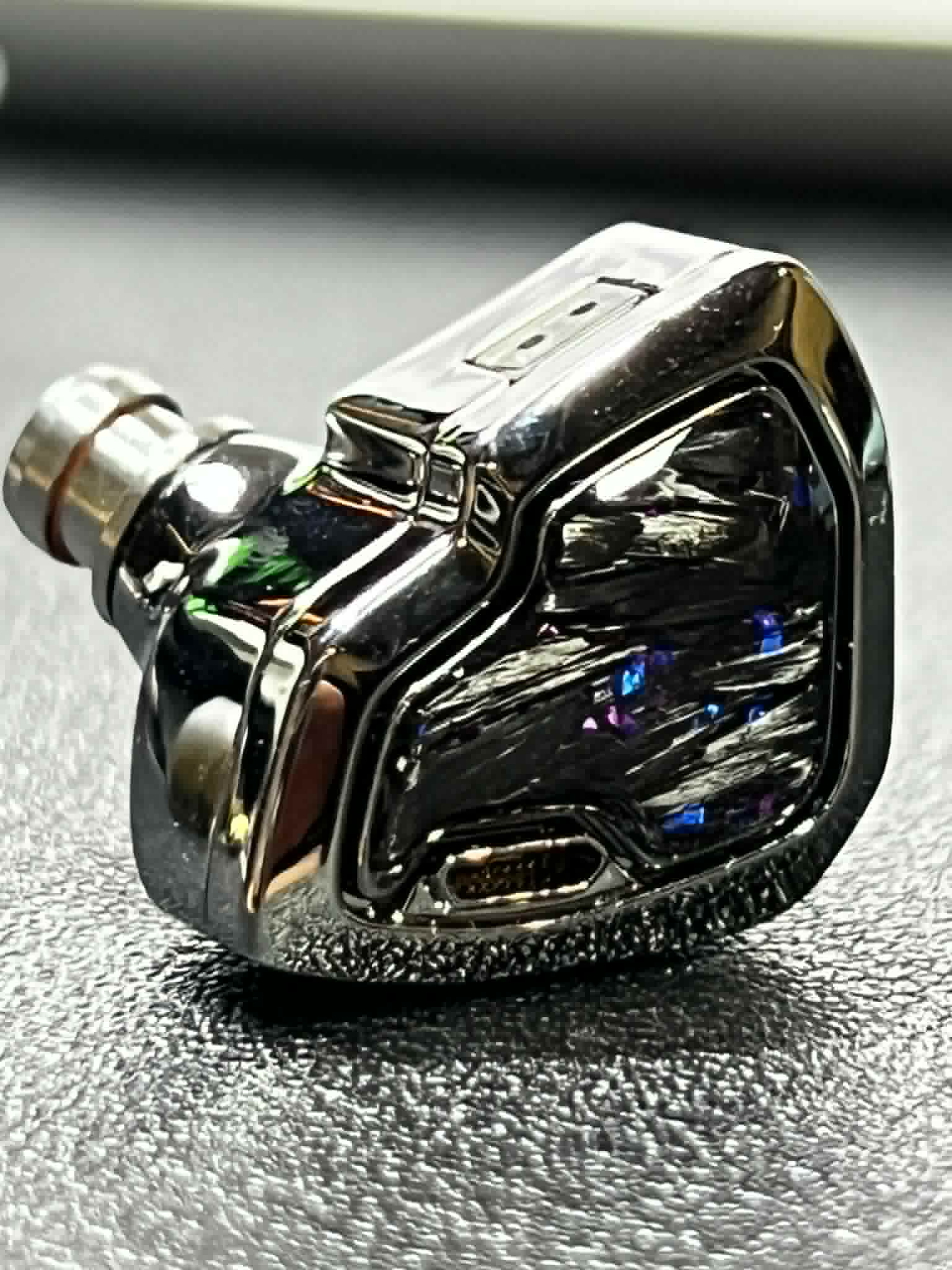
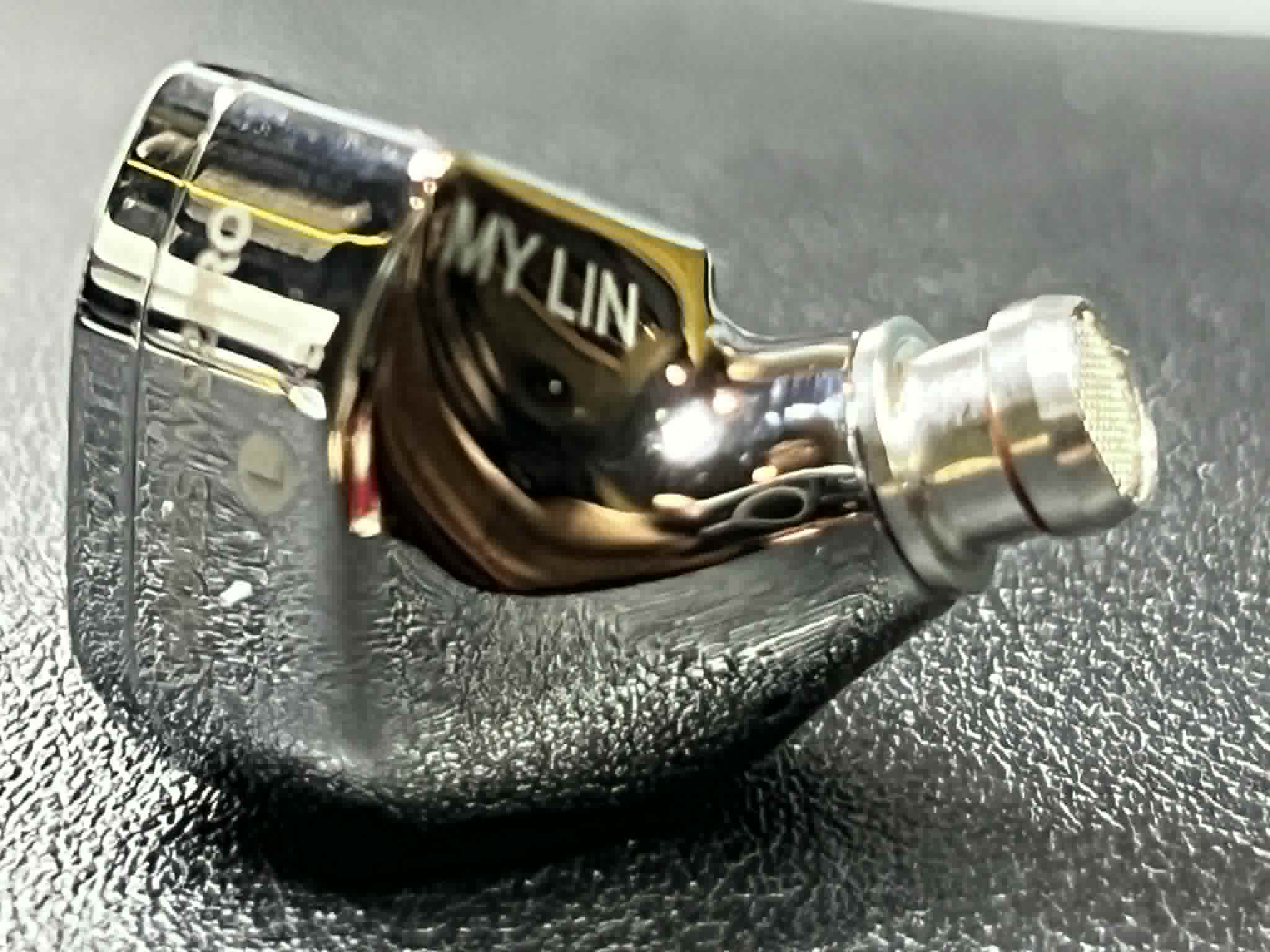
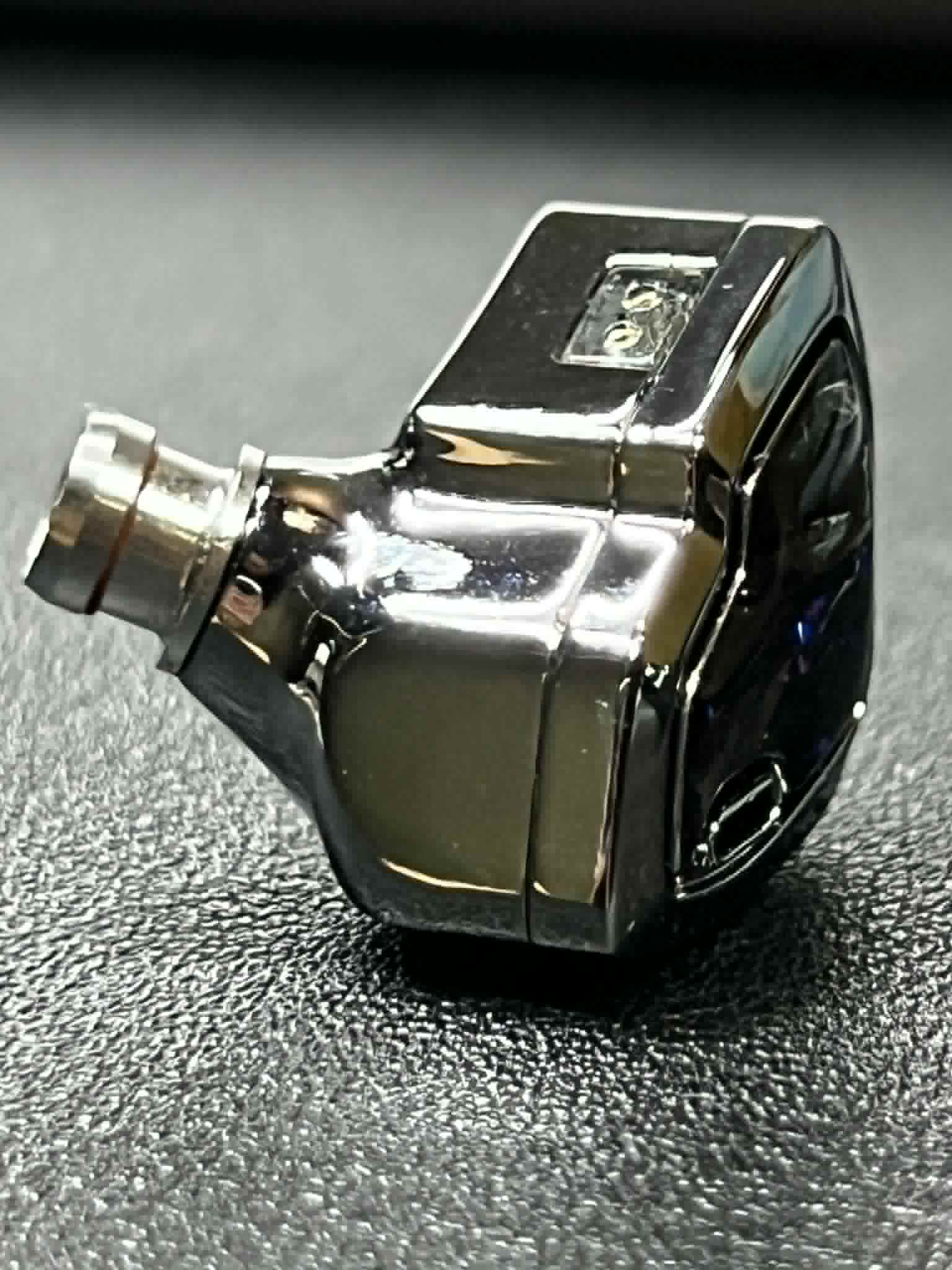
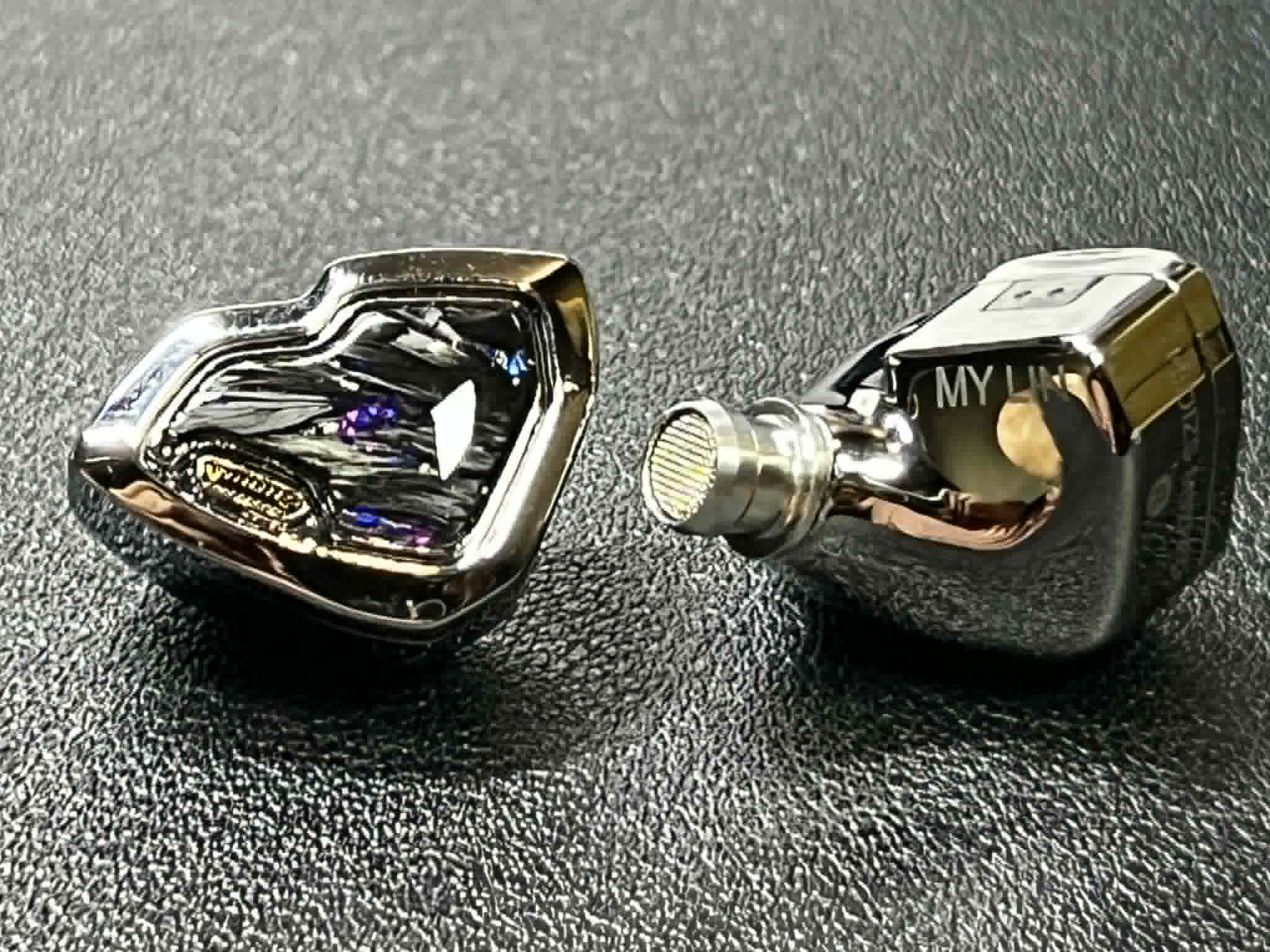
Ergonomically, it’s a safe design, and I mean that in a good way. The shell sits naturally in the ear, weight distribution is well-balanced, and I didn’t run into any pressure points even after longer sessions. Isolation is above average for a vented design, enough to stay immersed without completely cutting you off from your surroundings.
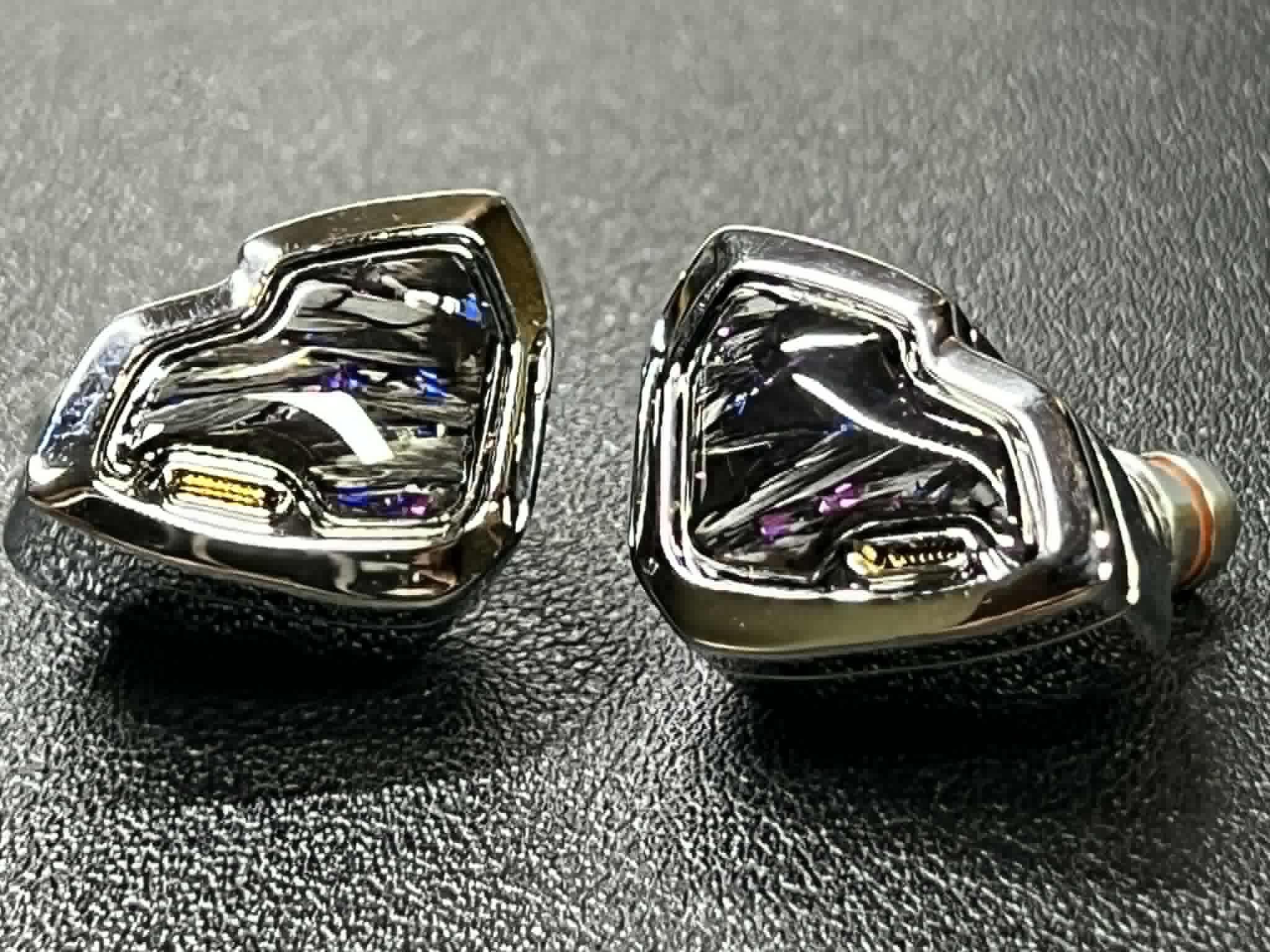
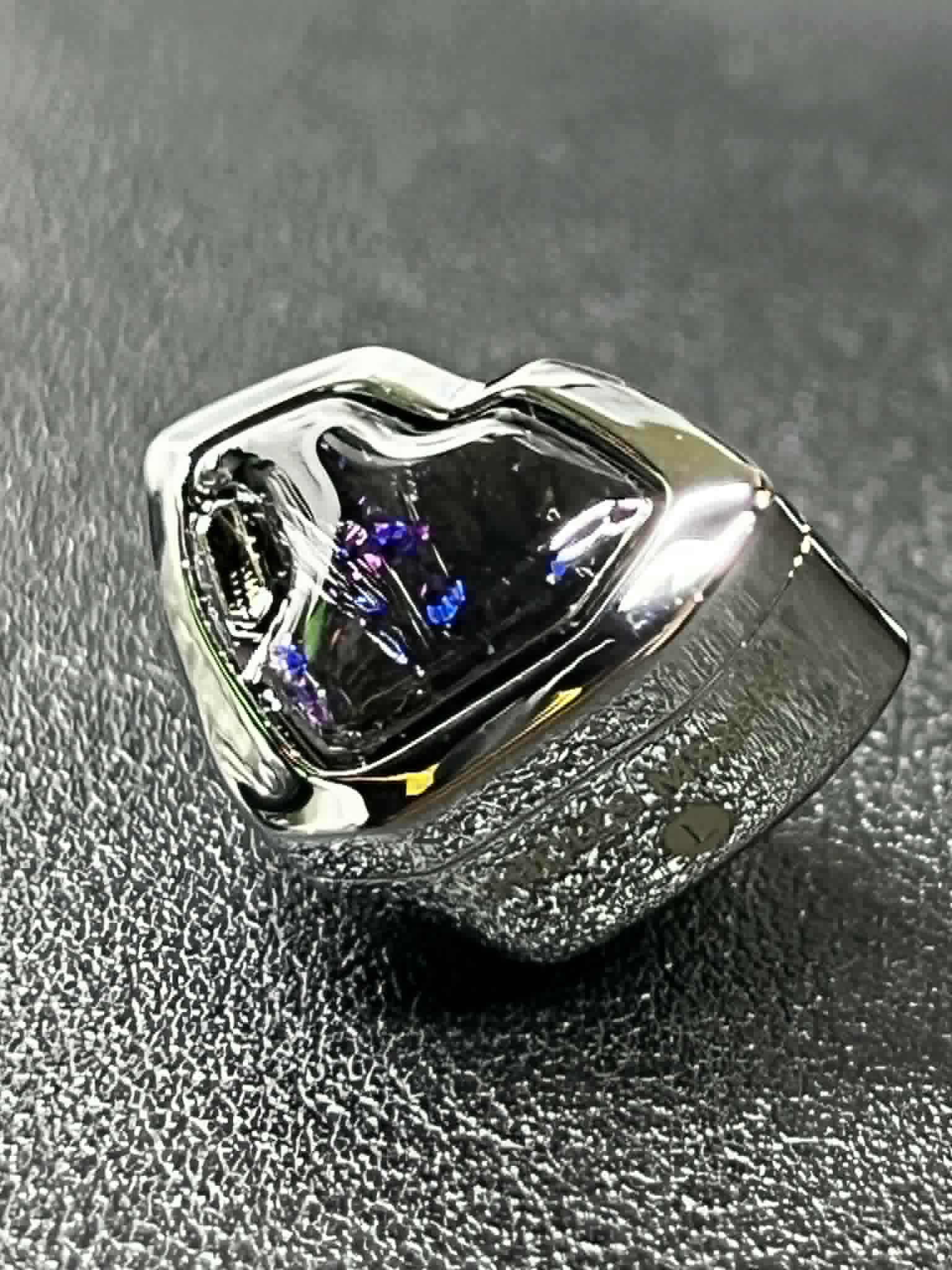
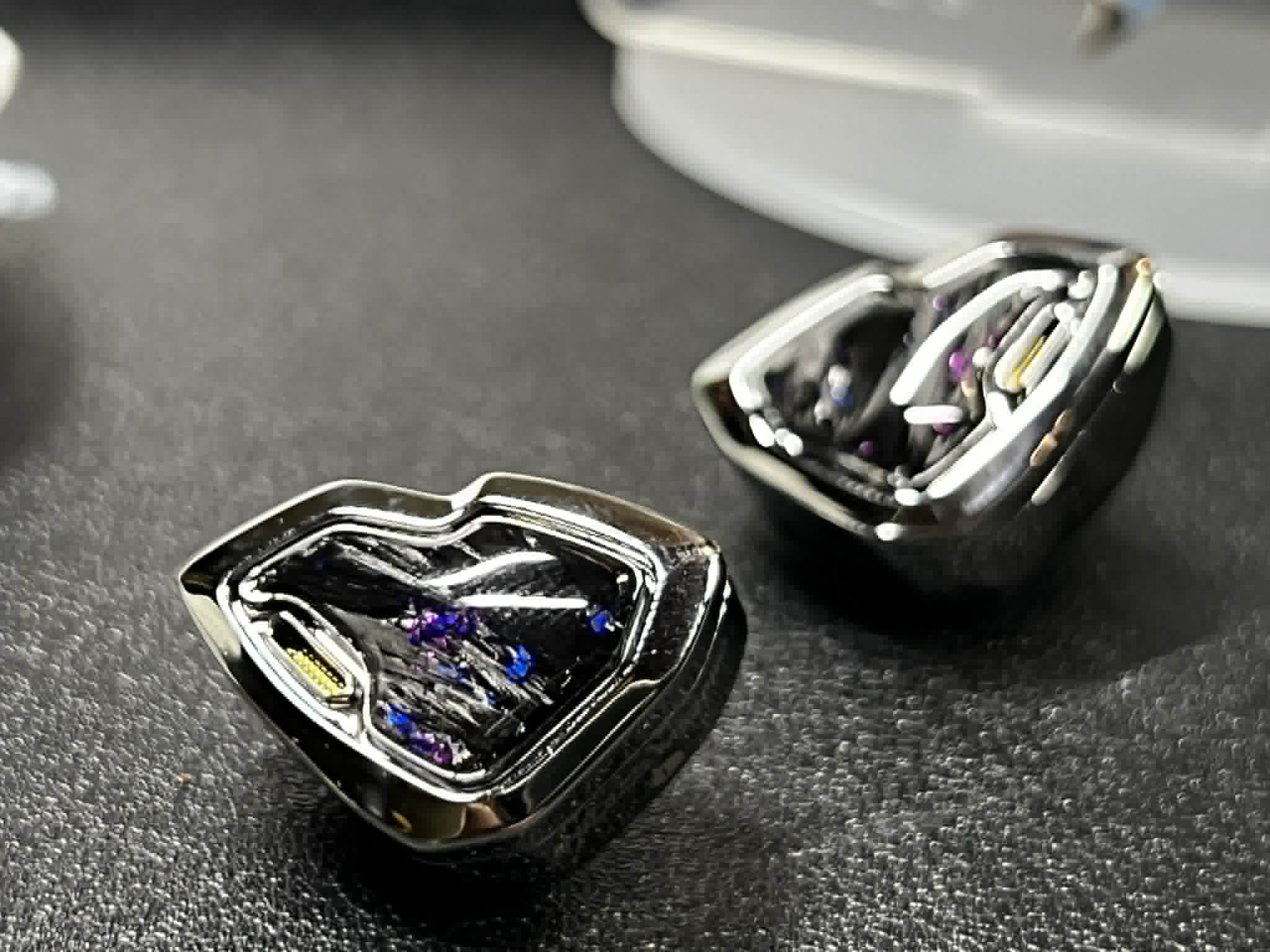
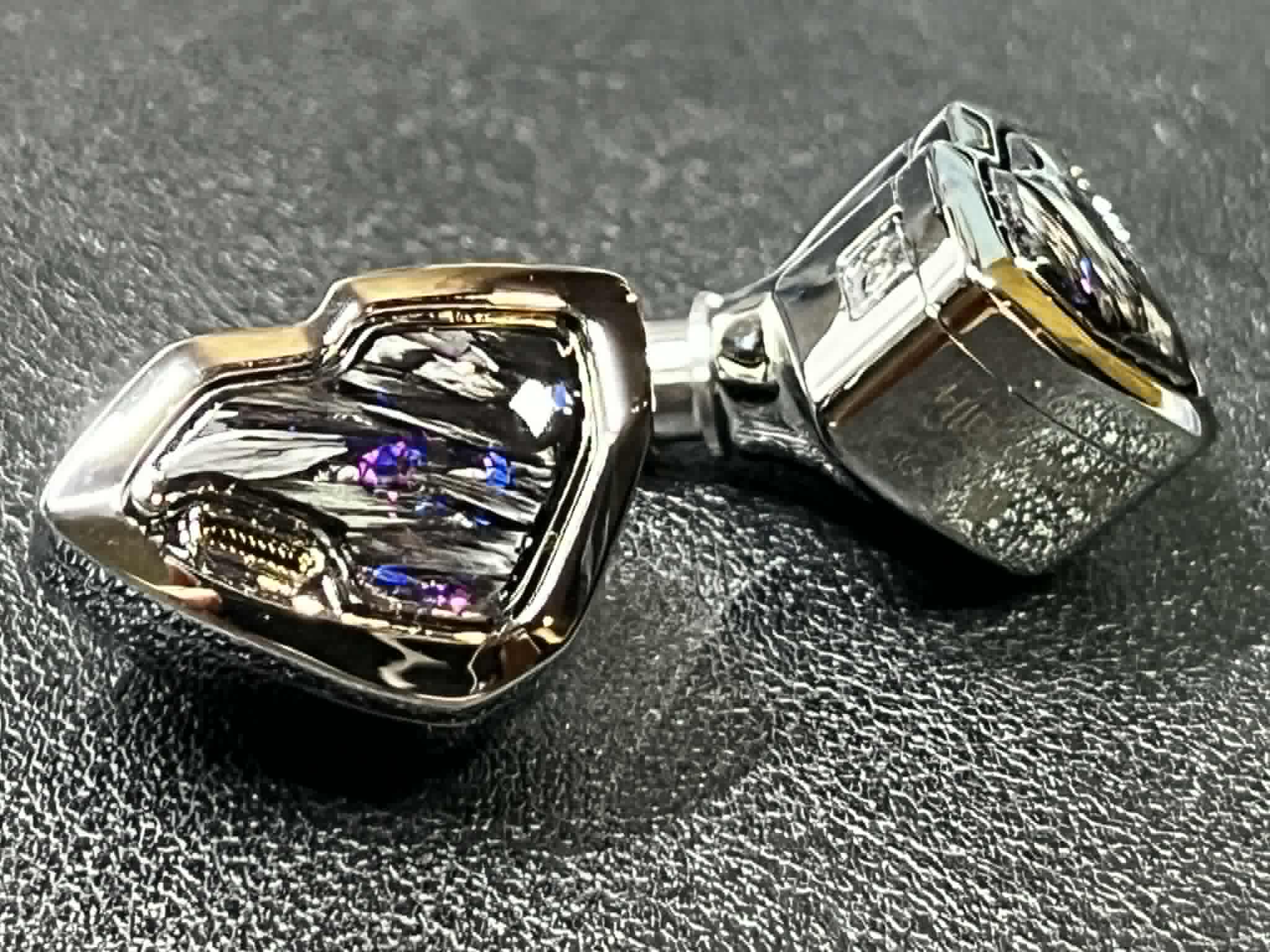
Build quality is where Hidizs keeps things consistent. The shell feels dense and well put together no visible inconsistencies along the seams. The nozzle length and angle are done right it helps with achieving a stable seal. Small details like the lip on the nozzle for tip retention are done right. It’s one of those builds where nothing calls attention to itself because everything is just executed properly.
Now the cable is worth talking about.
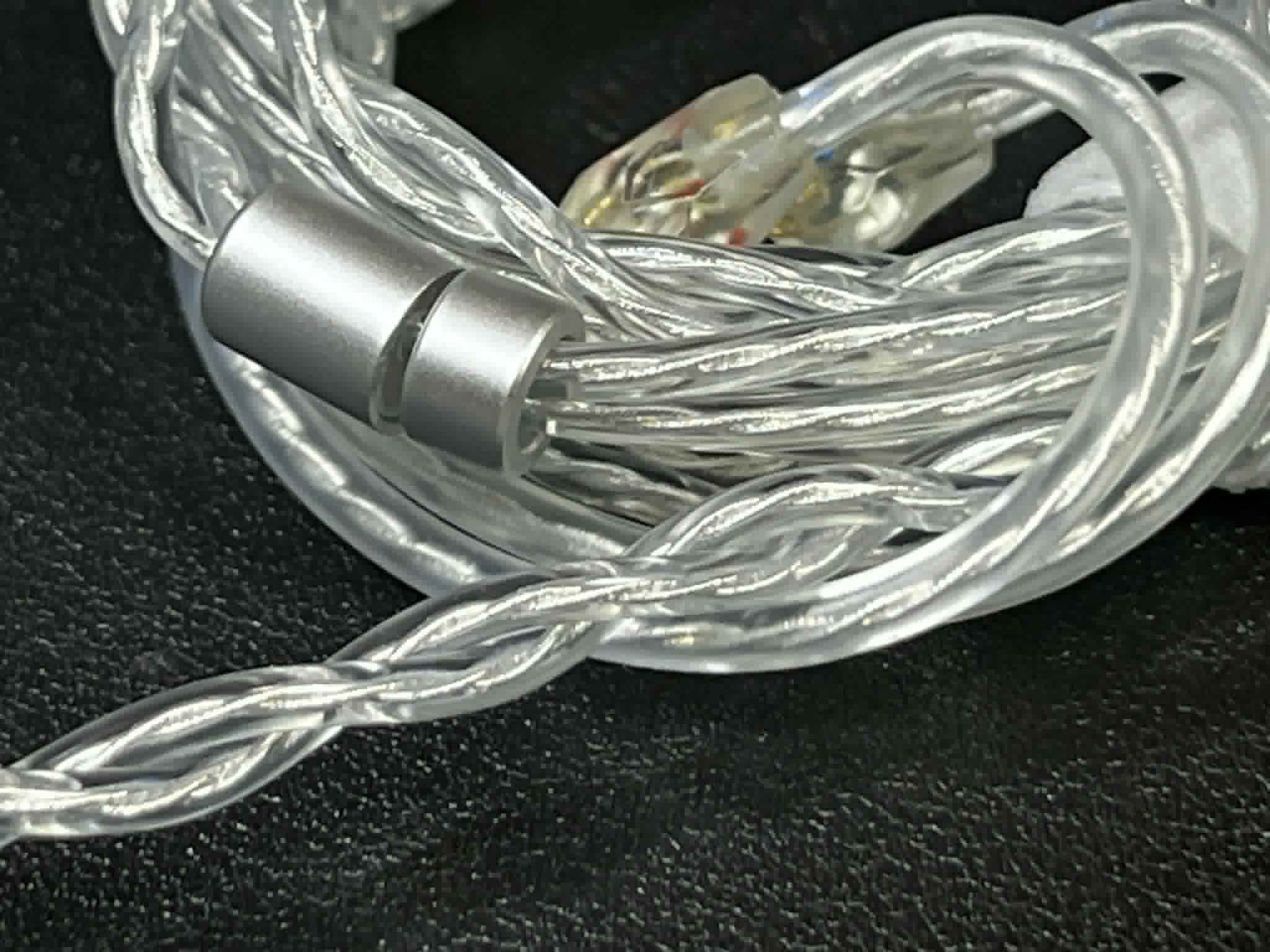
Hidizs has noticeably improved their stock cables over the past few releases, and the one bundled with the MY LIN continues that trend. I first picked up on this with the MP145 Pro.
Material-wise, it feels like a high-purity copper or silver-plated copper blend, finished with a soft, glossy insulation that keeps it from feeling stiff or plasticky. The handling is excellent. It drapes naturally, no springiness, no fighting it when you wrap or unwrap. Memory retention is basically nonexistent, which makes daily use a lot less annoying.
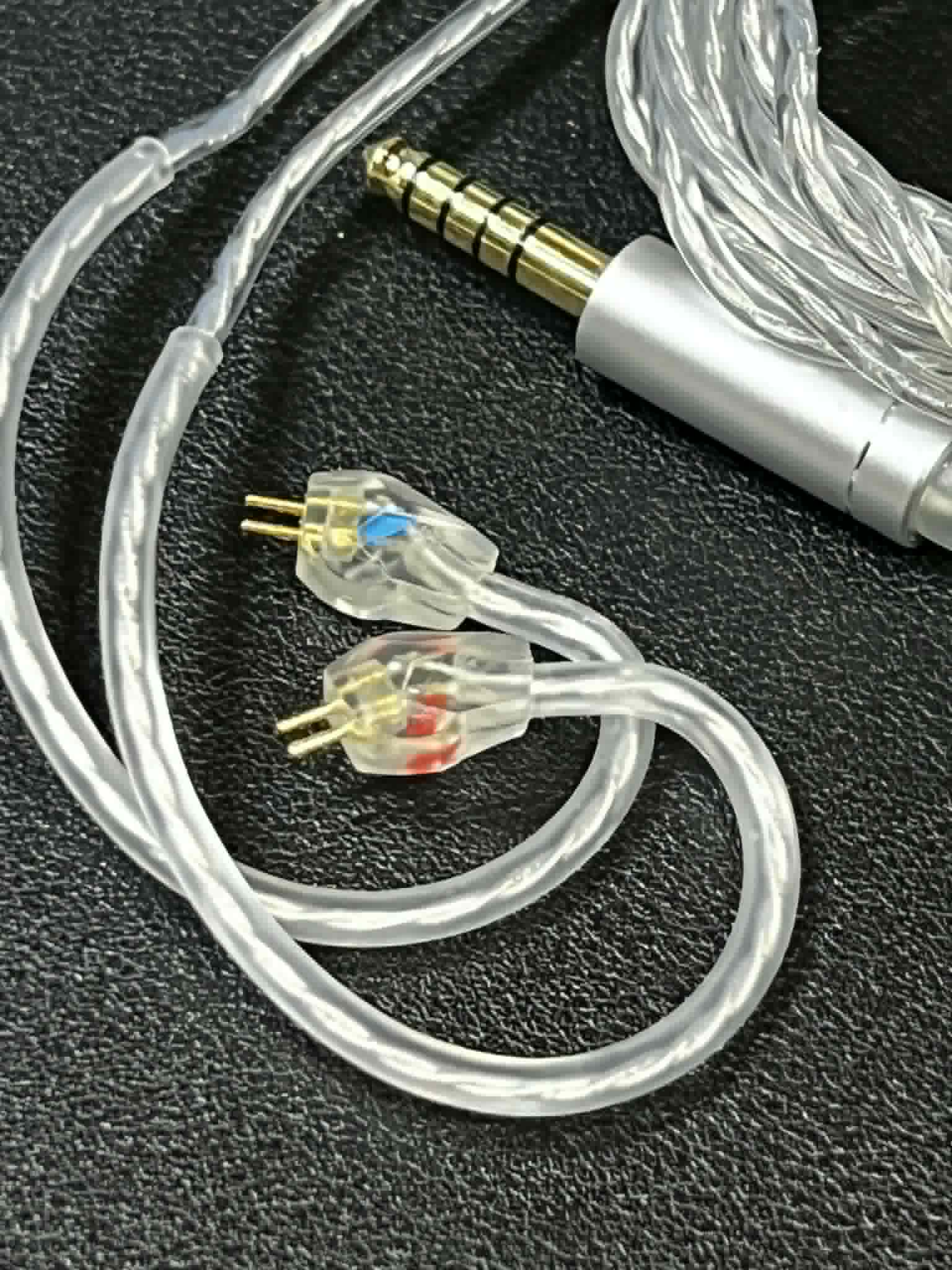
Microphonics are very well controlled. Even when worn straight down, cable noise is minimal, and when worn over-ear, it’s practically silent. The ear hooks are subtle and not overly aggressive, just enough structure to guide the fit without forcing it.
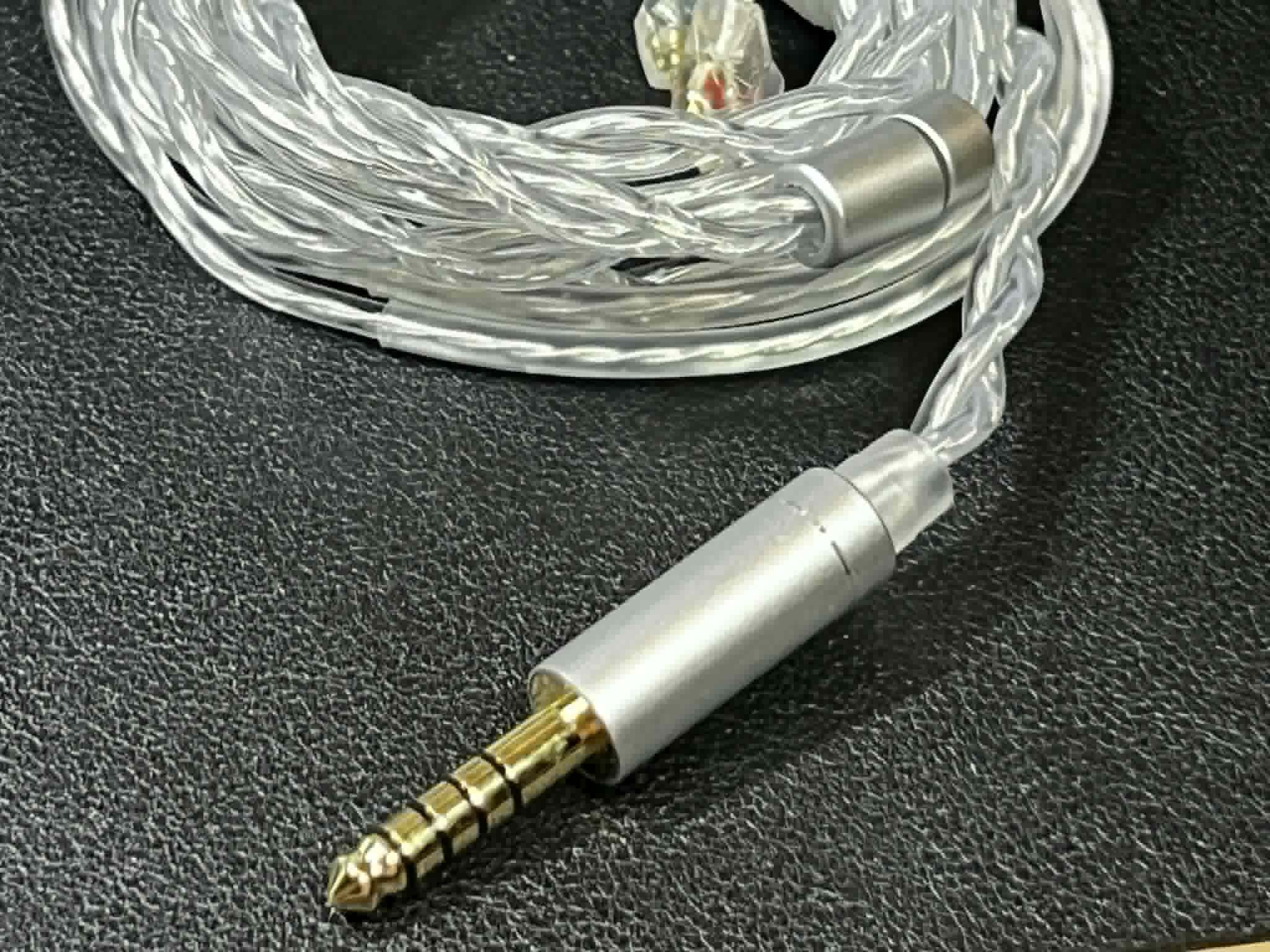
Hardware is clean and functional. The connectors feel secure, no looseness or wobble, and the terminations are solid whether you go 3.5 or 4.4. It doesn’t feel like an afterthought, which is usually where a lot of stock cables fall short.
Overall, this is one of those cables you don’t feel the need to replace right away. It does its job properly, and more importantly, it doesn’t get in the way of the experience.
Sound Impressions
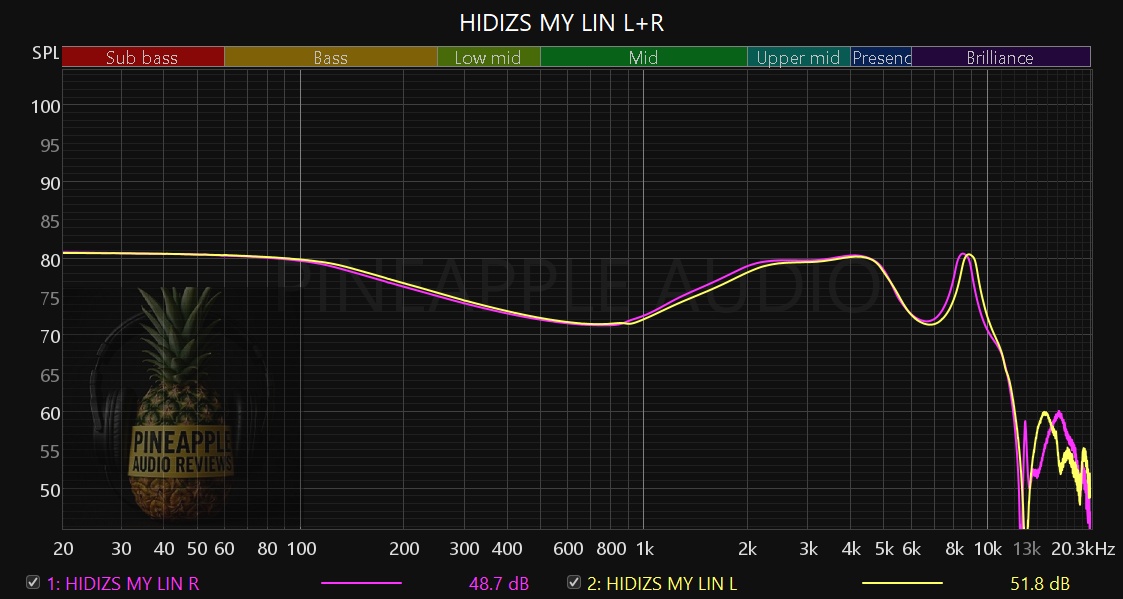
Overall Tuning
On paper and even on a quick listen, the MY LIN doesn’t look like a radical departure from the MS2 Pro. The general tuning philosophy still feels familiar, same overall balance, similar tonal intent. But the difference shows up when you stop looking at it as a frequency curve and start focusing on how that tuning is actually executed in practice.
What the MY LIN really does is refine delivery. It’s less about shifting the tuning targets and more about tightening control across the entire response. The bass sits with better damping and structure, the midrange flows more coherently without abrupt emphasis shifts, and the treble is handled with a smoother, more measured transient behavior. Nothing feels exaggerated or pushed forward just for effect.
Technically, there’s a clearer sense of restraint in the upper and lower ends, which helps the midrange feel more stable and naturally anchored. Instead of small peaks or energetic spikes drawing attention to specific areas, everything is presented in a more even, continuous way. That gives the impression of a more resolved and better integrated tuning overall, even if the raw tonality isn’t drastically different from the MS2 Pro.
Bass
The low end here is not about quantity. What stands out more is how it’s tuned and controlled. There’s a clear sense of added weight compared to the MS2 Pro, but it comes from better note density and structure rather than just boosting the level.
Subbass has solid extension. It reaches low with authority and gives you that proper rumble when a track calls for it, especially on electronic or cinematic tracks. What I like is how clean that extension is. There’s no excessive bloom or loose resonance. The subbass rises with impact, delivers that low-end presence, then drops off cleanly without smearing into the midbass. You get the depth without sacrificing clarity.
Midbass is where the MY LIN really separates itself. There’s noticeably more body and texture here. Kick drums have a more defined “thump” with a bit of air behind them, and bass guitars sound more tactile, you can hear and feel the pluck, not just the note. Compared to the MS2 Pro, which leans a bit cleaner and lighter, this comes across more grounded and natural.
The note weight is dialed in nicely. It gives instruments a fuller, more physical presence, but it doesn’t cross into sounding thick or congested. There’s enough mass to make the bass engaging, but not so much that it starts to dominate the presentation.
Decay is handled really well. It sits in that sweet spot between fast and natural. Notes don’t cut off too abruptly, so you still get that sense of body and realism, but they also don’t linger long enough to cause bleed into the lower mids. That control is what keeps the bass from sounding bloated, even with the added weight.
Separation is another strong point. Even in busier tracks, the bass stays well-defined and doesn’t intrude into the midrange. There’s a clear boundary between the low end and the lower mids, which helps preserve vocal clarity and overall cleanliness of the mix.
In terms of speed and transient response, it’s responsive without being aggressive. Attacks are clean, with just enough edge to give definition, but they’re not overly sharp. It keeps up well with faster passages and maintains composure even when the mix gets dense.
This is a well-executed low end. It has depth, texture, and enough physicality to make music feel grounded, but it’s controlled and disciplined. It supports the rest of the frequency range instead of overpowering it, which is exactly why it works so well across different genres and longer listening sessions.
Midrange
The midrange presentation leans slightly forward, especially around the vocal region, but it’s done in a very controlled way. Vocals sit closer to the listener, giving that intimate feel, but they never feel pushed or artificially elevated. It’s more of a natural forwardness rather than a forced spotlight.
Lower mids carry a bit of warmth, and that plays a big role in how instruments come across. There’s good note density here. Male vocals have weight and body, guitars sound full, and piano notes have a satisfying thickness without becoming muddy. Importantly, that warmth is well-contained. It doesn’t spill over into the upper mids or blur detail. You still get clean separation between elements.
There’s also a nice sense of texture in this region. You can pick up subtle variations in vocal delivery, breathiness, layering in harmonies. It’s not hyper-analytical, but it’s resolving enough to keep things interesting, especially on well-recorded tracks.
Upper mids are tuned with restraint, and this is where a lot of IEMs tend to go wrong. The MY LIN keeps enough energy in the 2–4k region to maintain clarity and presence, particularly for female vocals and lead instruments, but it avoids that sharp, shouty character sometimes i get on the ms2 pro. There’s no sudden spike that makes things sound aggressive or fatiguing.
Female vocals come through clean and expressive, with good articulation and a natural sense of air around them. They have presence, but they don’t pierce. Even at higher volumes, the upper mids stay composed, which makes a big difference for longer listening sessions.
Another thing I appreciate here is the coherence across the midrange. There’s no awkward dip or peak that breaks the flow between lower and upper mids. Transitions are smooth, so instruments and vocals sound continuous and well-connected rather than segmented.
Resolution in this region is handled in a more natural way. Details are present and easy to pick up, but they’re not artificially pushed forward. It doesn’t feel like the IEM is trying to “show off” detail. Instead, it lets the recording speak for itself. That approach makes it easier to just sit back and enjoy the music without constantly analyzing it.
My lins midrange strikes a really nice balance. It has enough warmth to sound musical, enough clarity to stay clean, and enough control to avoid fatigue. It’s engaging without being aggressive, and detailed without feeling forced. This is easily one of the MY LIN’s strongest areas.
Treble
The treble tuning here is a clear shift from the MS2 Pro, and for me, it’s a move in the right direction. The biggest change is in the attack. That initial edge on cymbals and upper harmonics is slightly softened, which takes away that sharp “bite” you sometimes get on brighter sets. It doesn’t dull the sound, it just smooths out the leading edge so it feels more controlled and less fatiguing over time.
What’s important is that this smoother approach doesn’t come at the expense of extension. The upper treble still reaches high enough to give the presentation a proper sense of air. There’s that open, breathable quality up top that keeps the stage from feeling closed in. You still get space between instruments, and that subtle shimmer in the background that helps define the overall atmosphere of a track.
There’s a good balance between presence and restraint. Lower treble has enough energy to keep things articulate. Hi-hats, cymbals, and strings come through clean with a natural sheen, not overly splashy or metallic. The control in this region also helps avoid sibilance. Even on tracks that are borderline hot in the recording, the MY LIN keeps things in check without completely smoothing over the detail.
Detail retrieval is handled in a more natural, less forced way. Microdetails are there, you can pick up subtle cues like reverb tails, background textures, and small nuances in recordings, but they’re not pushed aggressively forward. It doesn’t feel like the IEM is trying to spotlight every tiny detail. Instead, it presents them in a way that feels cohesive with the rest of the tuning.
Transient behavior in the treble is also well judged. Attacks are clean but not overly sharp, and decay is controlled so notes don’t turn splashy or linger unnaturally. This helps maintain clarity, especially in busy passages where poorly controlled treble can easily turn messy.
Overall, this is a very well-balanced top end. It has enough extension to sound open, enough detail to stay engaging, and enough smoothness to remain comfortable over long sessions. It’s the kind of treble that doesn’t demand attention but quietly does its job right, which in the long run, is exactly what you want.
Technical Performance
This is where the MY LIN starts to show that it’s not just a tonal refinement over the MS2 Pro, but a genuine step up in how it handles information.
Starting with imaging, placement is noticeably more precise. Instruments lock into position with better definition, and there’s less ambiguity in where things sit within the stage. Panning is clean, but more importantly, positioning has a sense of stability. When a sound is placed slightly left or right, or pushed a bit forward in the mix, it stays there consistently without drifting or smearing. That gives you more confidence in spatial cues, especially in well-recorded acoustic and live tracks.
Separation is handled with better control across the board. In busier passages, where the MS2 Pro can start to slightly blur overlapping elements, the MY LIN keeps layers more distinct. You can pick apart individual instruments even when they occupy similar frequency ranges. This comes down to cleaner layering and improved driver control, where each element feels like it has its own defined space instead of being stacked on top of everything else.
On the resolution side, the improvement isn’t about forcing detail forward, but about how easily those details come through. Microtextures like string noise, reverb tails, room ambience, and subtle background elements are more apparent without you having to actively hunt for them. It’s a more relaxed kind of resolution. You’re not being pushed into analysis mode, the information is just there when you focus.
Transient response also feels more refined. Notes have a cleaner leading edge, especially on percussive elements like snare hits, hi-hats, and plucked strings. The attack is quick enough to maintain definition, but not so sharp that it feels artificial. Decay is well controlled, which helps prevent congestion when tracks get dense. This balance between attack and decay contributes a lot to the overall clarity of the presentation.
When it comes to dynamics, the MY LIN shows better contrast between soft and loud passages. Microdynamics, like subtle volume shifts in vocals or instrument phrasing, are easier to notice. At the same time, macro dynamics have more impact, so when a track builds or drops, the shift feels more natural and less compressed. This gives the music a bit more emotional range and makes longer sessions more engaging.
As for the soundstage, it doesn’t try to artificially stretch width, and that’s probably the right decision here. It sits roughly in the same overall width class as the MS2 Pro, so don’t expect a dramatic expansion left to right. Where it improves is in structure and layering. There’s a clearer sense of depth layering, so instead of everything sitting on a single horizontal plane, you get more defined front-to-back positioning. That gives the stage more realism and prevents it from feeling flat.
Tuning Filters:
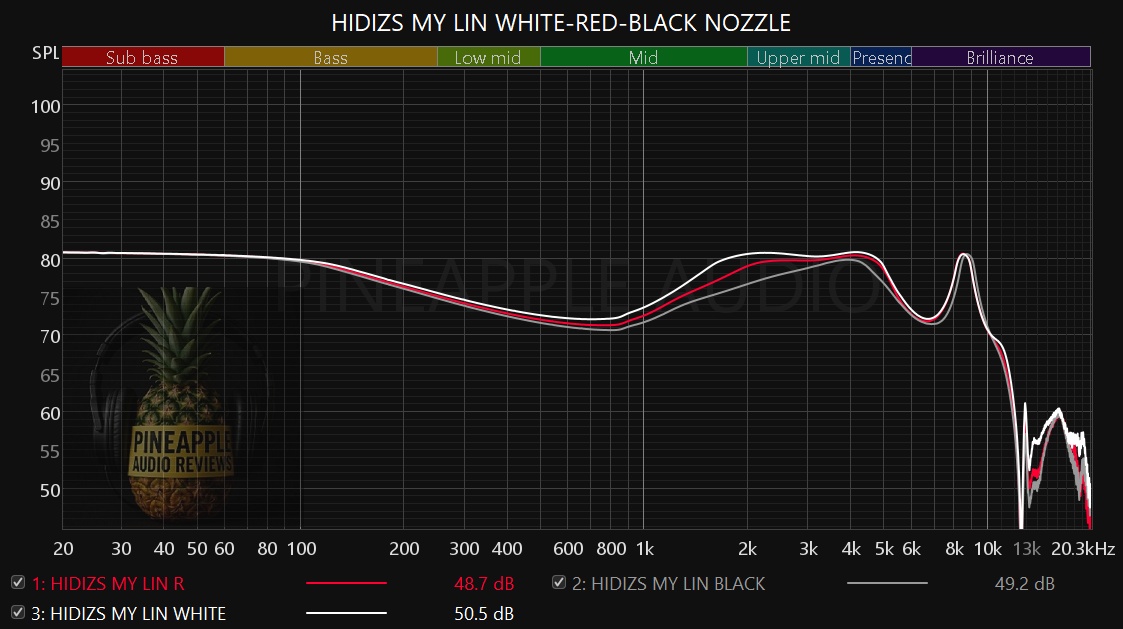
Red (Default)
This is the sweet spot. Balanced, natural, and cohesive. This is how the MY LIN is meant to be heard.
White (High Frequency)
Pushes vocals forward, especially female vocals. Adds energy and presence in the upper mids. Great if you want a more vocal-centric sound.
Black (Low Frequency / Smooth)
Smooths things out further. Slightly pulls the mids back and gives a more relaxed presentation. Still airy, but more laid-back overall.
Personally, I keep going back to the red nozzle. It just sounds right..
MY LIN vs MS2 Pro
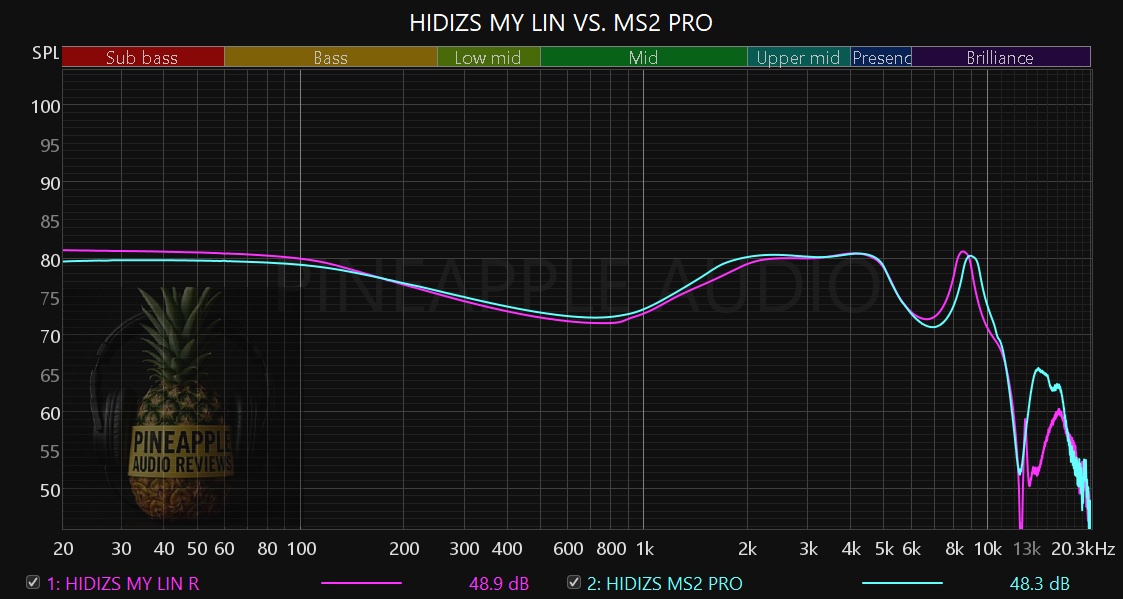
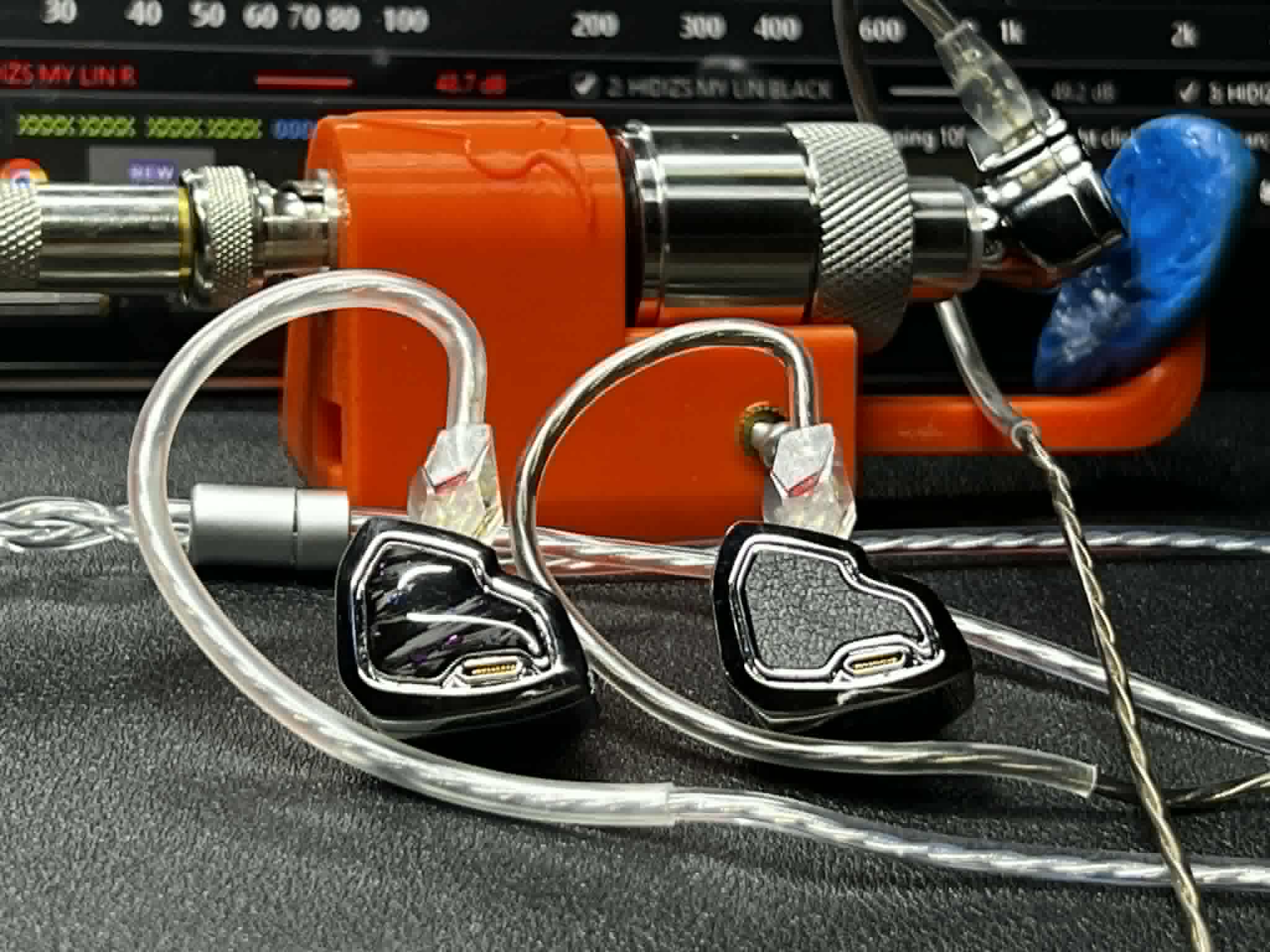
This comparison isn’t really about one outright replacing the other. It’s more accurate to think of the MY LIN as a refinement of the same general idea, just executed with more control and maturity. They share a similar tuning foundation, but the way they present sound is noticeably different once you spend time switching between them.
Starting with the low end, the MY LIN clearly has the advantage in weight and texture. Bass notes carry more density, especially in the midbass region. Kick drums have a more physical presence, and bass guitars sound more textured and layered. It doesn’t feel like the bass is just sitting underneath the mix, it feels properly integrated into it. The MS2 Pro, on the other hand, is a bit lighter and quicker down low, which gives it a cleaner but less grounded feel.
In the treble, the contrast is even more obvious. The MS2 Pro leans brighter and more forward up top. There’s more immediate sparkle and energy, which can make it sound more exciting at first listen. Cymbals and hi-hats come through with a sharper edge, and the whole presentation feels a bit more energetic. The trade-off is that it can get slightly fatiguing over longer sessions depending on the recording.
The MY LIN takes a more controlled approach here. The upper frequencies are smoother in attack, with the initial bite slightly softened. But it doesn’t roll off detail or air. Extension is still solid, and there’s enough upper treble presence to keep the stage open and airy. It just presents it in a more relaxed, less aggressive way, which makes long listening sessions much easier on the ears.
When it comes to imaging and resolution, this is where the MY LIN pulls ahead more clearly. Instrument placement is more precise and stable, especially in complex mixes. There’s better separation between layers, so sounds don’t blur together as easily when things get busy. Microdetails are also easier to pick up, not because they are artificially boosted, but because the overall presentation is cleaner and better organized.
The MS2 Pro still resolves detail well, but it presents things in a slightly more forward and energetic way, which can sometimes make the stage feel a bit more congested when the track gets dense. It feels more immediate, but less controlled.
In terms of overall presentation, the MS2 Pro has that slightly more lively, engaging character. It feels snappier, a bit more forward, and more energetic in its delivery. The MY LIN, in contrast, feels more composed. Everything is more evenly balanced, with better control across the frequency range. Nothing feels rushed or exaggerated.
Even in technical performance, the MY LIN has the edge. Transients are better controlled, dynamics have more contrast, and the overall staging feels more structured with better depth layering. The MS2 Pro still performs well, but it leans more toward excitement than precision.
So at the end of the day, it really comes down to preference and use case. If you want something brighter, more energetic, and a bit more immediately engaging, the MS2 Pro still delivers that kind of fun tuning. But if you’re after something more balanced, more technically refined, and easier to live with for long sessions, the MY LIN is clearly the more mature and well-rounded step forward.
Final Thoughts
The MY LIN is not the kind of IEM that walks in trying to impress you with tricks. There’s no exaggerated bass lift, no overcooked treble sparkle, no obvious “look at me” tuning decisions. What it does instead is lean into control and coherence. Everything feels intentionally placed, from the frequency balance down to how each region transitions into the next.
What stands out most after extended listening is how unforced it sounds. The tuning prioritizes long-term comfort and stability over instant excitement. That doesn’t mean it’s boring, it just means the engagement comes from structure, detail, and balance rather than hype. You don’t get fatigue spikes, you don’t get frequency regions that jump out awkwardly. It stays composed even when the recording itself is not.
From a technical standpoint, it’s a very well-integrated set. Bass, mids, and treble don’t feel like separate tuning decisions stitched together. They feel like part of a single design language. The bass anchors the presentation without clouding it, the midrange carries clarity and tone without becoming lean, and the treble extends with enough air while staying controlled enough for long sessions. That kind of coherence is harder to achieve than it sounds.
It’s also one of those sets where time actually changes your perception of it. First impressions don’t fully capture what it’s doing. On a short listen, it might come across as simply “well tuned.” But once you sit with it, switch tracks, change genres, and just let it run in your daily rotation, the refinement becomes more obvious. Imaging tightens up in your awareness, layering becomes easier to appreciate, and the overall presentation starts to feel more intentional.
This is where I think the MY LIN makes the most sense. It’s not trying to be a flavor IEM or a technical showcase piece that impresses for five minutes. It’s built for sustained listening. The kind of tuning you can keep on for hours without feeling like you need a break, but still engaging enough that you don’t lose interest.
And credit where it’s due, Hidizs actually committed to the concept here. The whole Lin (Ruo Xue Lin) idea isn’t just visual branding or packaging decoration. It actually reflects the sound signature pretty well. There’s clarity, but it’s not clinical. There’s warmth, but it’s not overly colored. Everything sits in that middle ground where nothing feels extreme, but nothing feels dull either.
Looking back at that brief HiFi show encounter, it makes sense why it didn’t fully land at the time. This isn’t a “first impression” kind of IEM. It doesn’t reveal itself in noisy environments or short demos. It needs time, familiar tracks, and a quiet environment to really show what it’s doing.
Now that I’ve had that time with it, the impression is much clearer. The MY LIN is one of those sets that rewards patience. The more you listen, the more coherent it becomes, and the more you start appreciating how carefully everything is tuned.
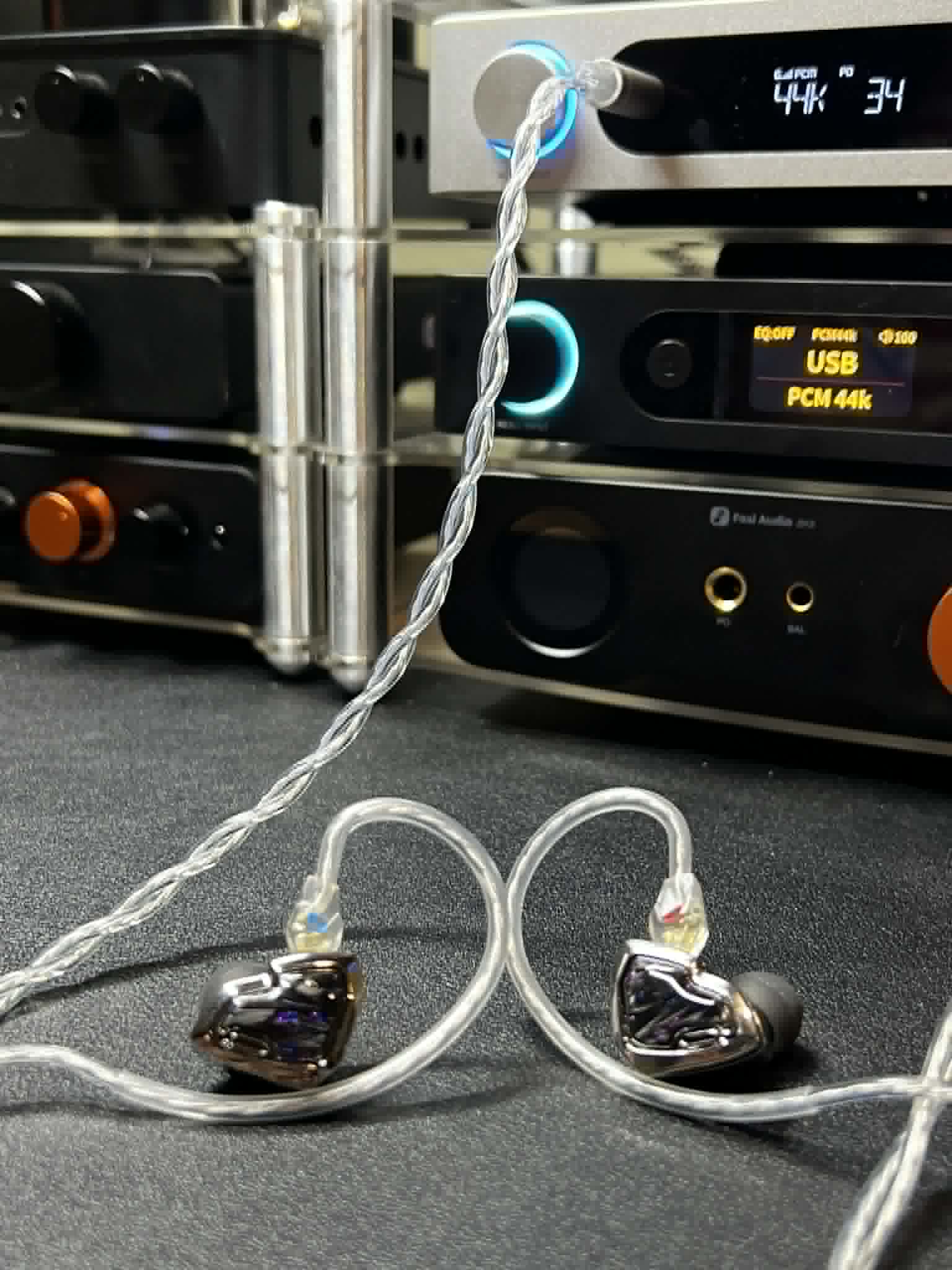
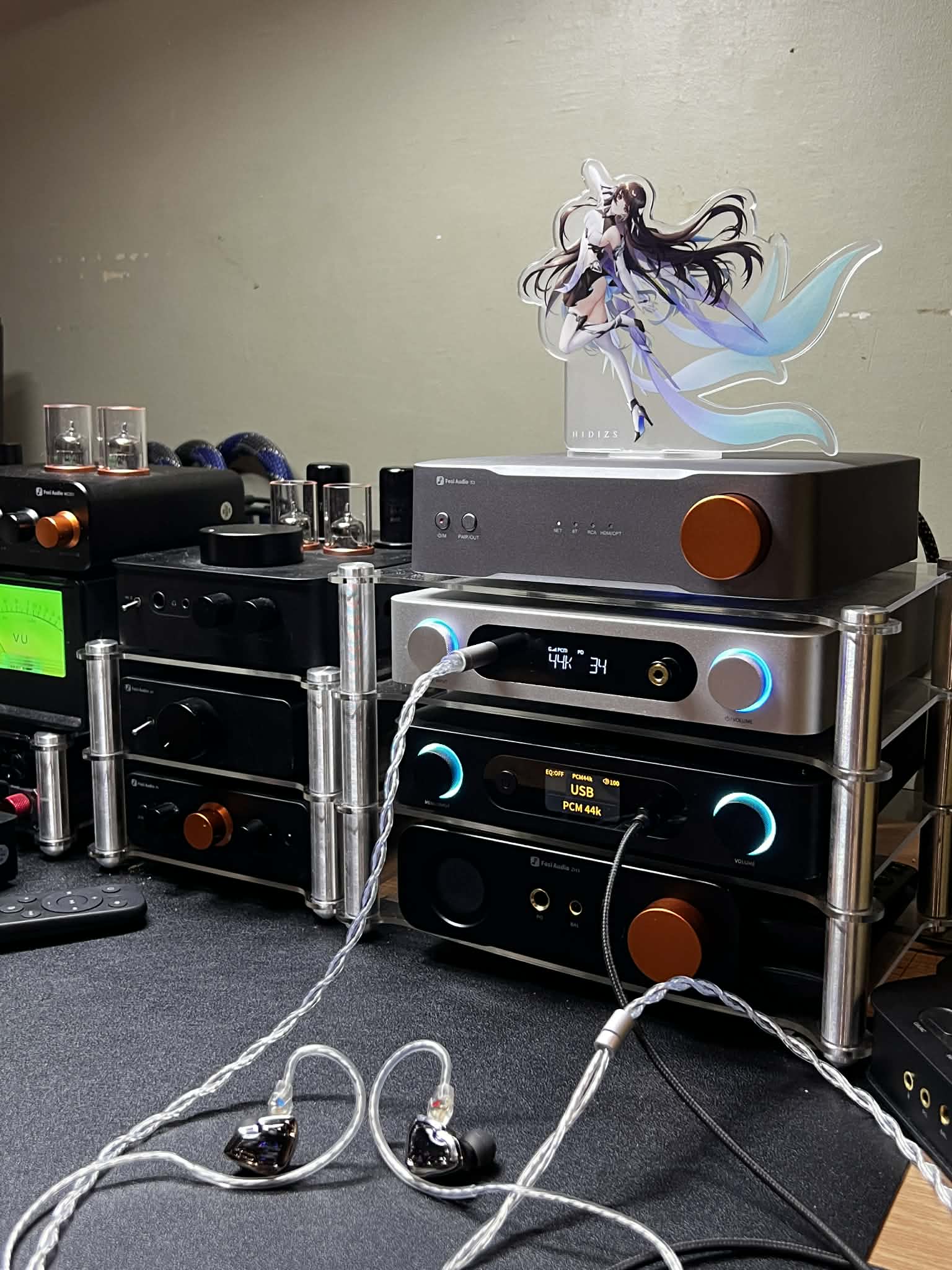
And yeah, Lin (Ruo Xue Lin) looks great on top of my rig
 but more importantly, this is one of those rare cases where the visual concept and the actual sound tuning feel like they genuinely belong together.
Comments
Post a Comment