Pros:
* Excellent balance between reference tuning and musical engagement, never sounds sterile despite the technical lean
* Strong subbass extension with clean, controlled rumble and no noticeable bleed into the mids
* Midrange is a highlight: natural tonality, good note weight, and very coherent driver integration
* Smooth but resolving treble with good air and no harsh peaks or sibilance issues
* Strong driver coherency for a 1DD + 8BA hybrid, crossover integration feels seamless
* Very good long-session comfort both sonically and physically
* Scales well with different sources, from warm R2R to neutral DACs
Versatile tuning that works across most genres
Cons:
* Midbass impact is more controlled than punchy, may feel slightly soft for bass-head preferences
* Macrodynamic slam is moderate, not the most explosive presentation for highly dynamic tracks
* Transient response leans smooth rather than ultra-fast, which may feel less incisive to some listeners
* Slightly chunky shell due to high driver count, may not suit smaller ears perfectly
* Resolution is high but presented in a relaxed way, not as immediately “etched” as more analytical IEMs
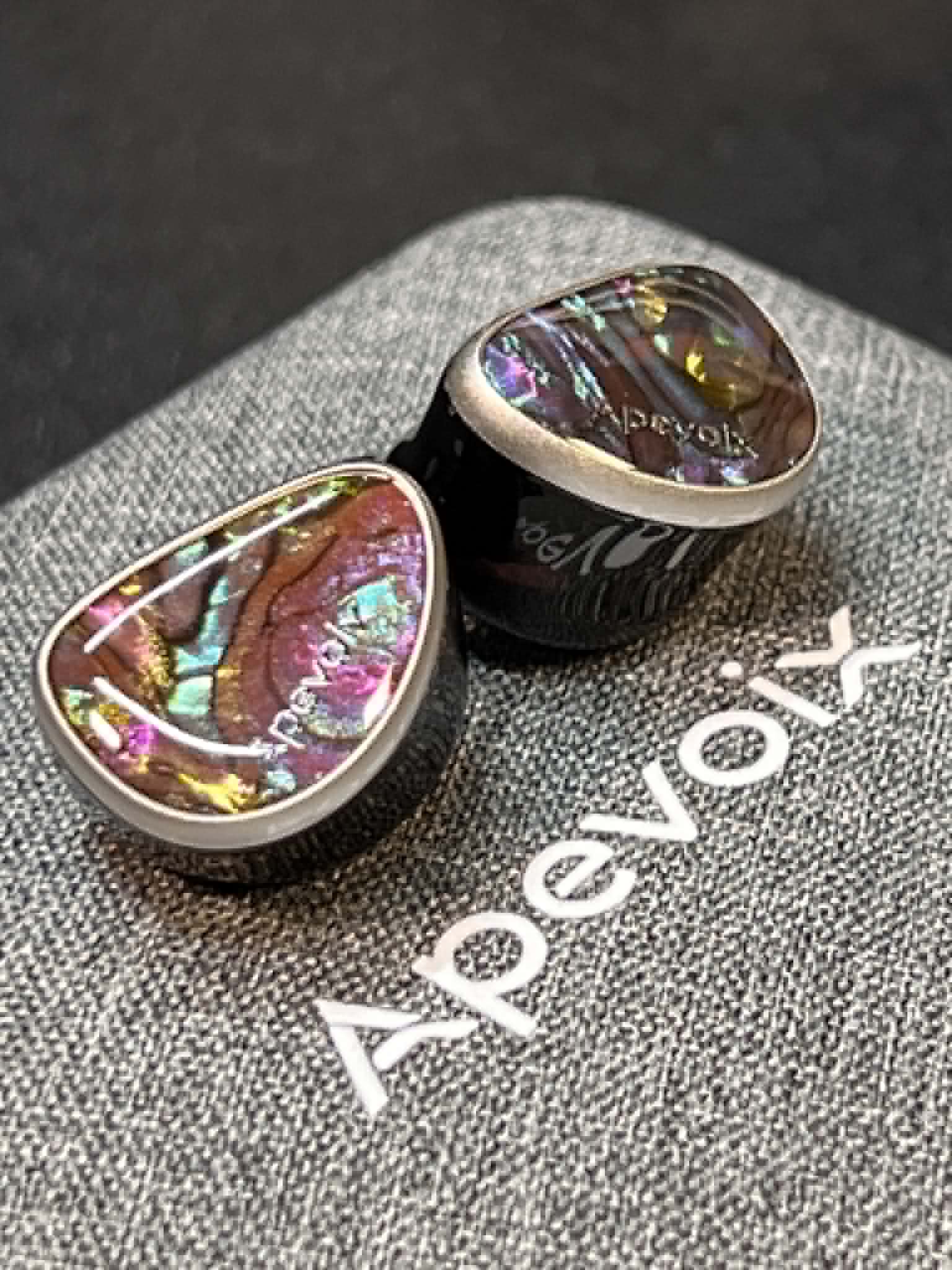
A surprisingly musical take on reference tuning
The Apevoix Nebula is the second IEM release from this fairly new brand, and if there is one thing Apevoix clearly loves doing, it is cramming an absurd amount of drivers into their shells. I am not complaining at all because their first release, the Grit, ended up being one of my favorite “fun” sets in recent memory. That 1DD + 4BA + 1BC tribrid had such a satisfying and well-executed bone conduction implementation that it gave instruments and vocals this rich textured quality that made music feel alive and tactile. It was energetic, immersive, and unapologetically musical in a way that constantly pulled me back for “just one more track” sessions that somehow lasted for hours.
With the Nebula, Apevoix takes a noticeably different approach. Instead of going after that immediately exciting and fun tuning, they shifted toward something more balanced, linear, and reference-oriented. But what surprised me is that they did not lose their identity in the process. This is not the kind of reference tuning that sounds cold, sterile, or overly analytical and flat like you are sitting in front of studio monitors dissecting a mix. The Nebula still carries that unmistakable Apevoix musicality underneath its more disciplined presentation.
What I appreciate most about the Nebula is how it manages to sound refined and controlled without becoming emotionally flat. It has a very linear presentation overall, but there is just enough warmth, body, and subtle coloration in the mids to keep vocals and instruments sounding natural and engaging. Apevoix clearly understood that neutrality does not have to mean lifelessness. The Nebula still has soul to it.
After spending a good amount of time with it across different genres and sources, I honestly think the Nebula is one of those rare “safe” tunings that never becomes boring and flat. Instead, it slowly wins you over with its balance, coherency, and maturity. The more I listened to it, the more I started appreciating how effortlessly everything comes together.
And despite leaning toward a reference style sound, the Nebula still sounds immersive and surprisingly emotional with the right tracks. There is a certain smoothness and fluidity to the presentation that makes long listening sessions incredibly easy. Some reference-tuned sets can feel too clinical or overly dry after a while, but the Nebula never gave me that feeling. It keeps enough musical warmth and dynamic expression to stay engaging without sacrificing accuracy.
It feels like Apevoix matured very quickly with this release. The Grit was the wild, fun sibling that instantly grabs your attention, while the Nebula feels more refined and composed without losing the musical DNA that made the brand interesting in the first place.
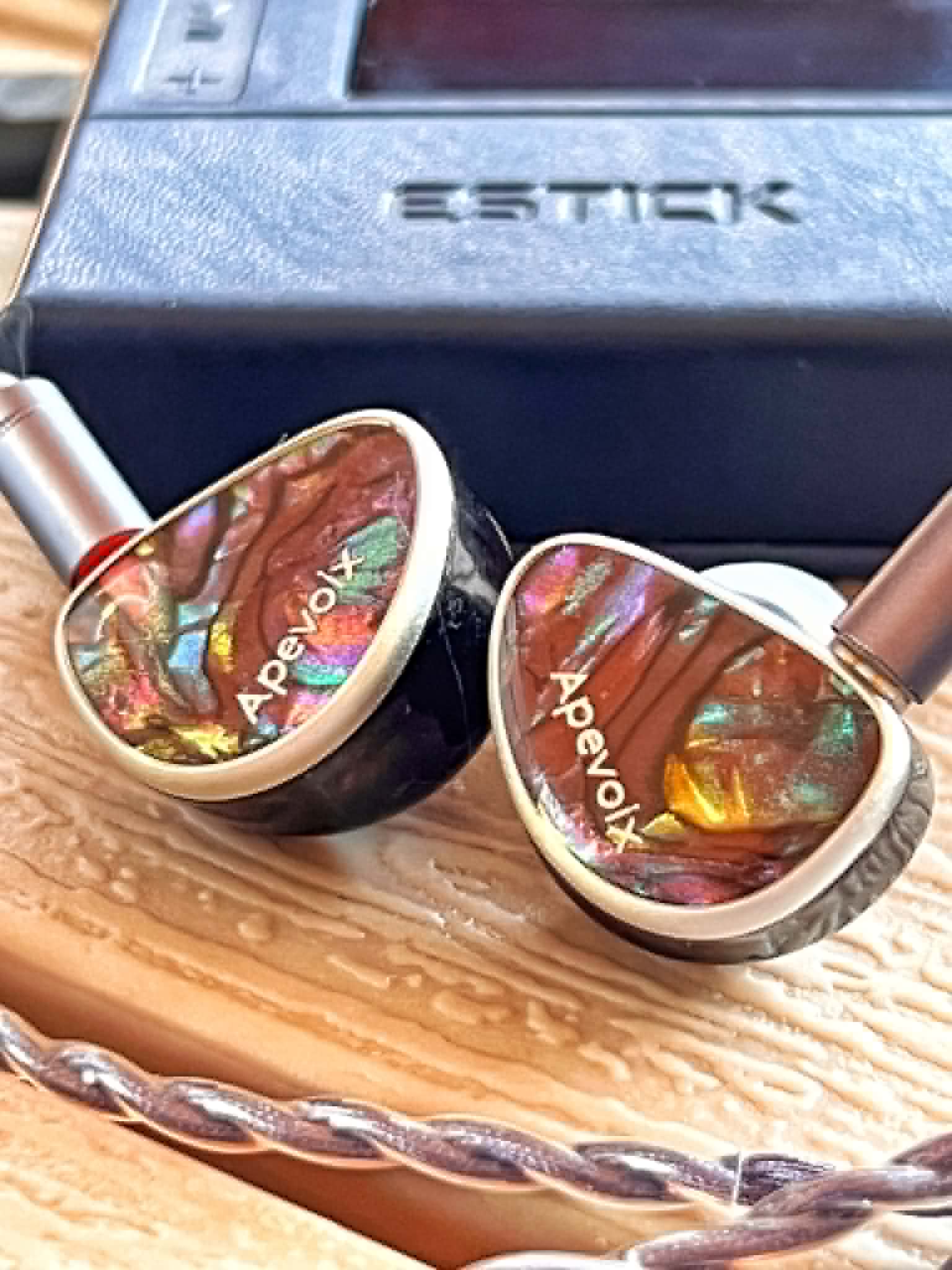
Specifications and Driver Configuration
The Apevoix Nebula uses a pretty ambitious hybrid setup consisting of 1 dynamic driver and 8 balanced armatures per side, all tied together through a custom-tuned 3-way crossover network. The driver configuration actually makes a lot of sense with the way the Nebula is tuned.
The dynamic driver is used purely for subbass duties instead of trying to handle the entire low-end and lower mids like most hybrids do. That decision alone gives the Nebula a cleaner and more controlled presentation overall. The dedicated DD focuses entirely on producing depth, rumble, and physicality down low, while the balanced armatures take care of the midbass, mids, and treble with better speed and precision.
And you can genuinely hear that separation of responsibility in the tuning.
The subbass has this deep, textured, tactile quality that feels very “dynamic driver” in nature. It moves air properly and gives tracks a satisfying sense of weight and foundation without smearing into the mids. At the same time, the balanced armatures keep the rest of the frequency range tight, articulate, and highly resolving. The Nebula never sounds sluggish or bloated despite having a fairly musical low-end presentation.
What I appreciate most though is that Apevoix avoided the biggest problem that usually comes with these high driver-count hybrids: coherency issues.
A lot of multi-driver sets end up sounding disjointed, almost like different parts of the frequency range are being reproduced by completely separate earphones stitched together inside one shell. You sometimes hear a disconnect where the bass feels detached from the mids, or the treble suddenly sounds unnaturally fast compared to the rest of the presentation.
The transition between the dynamic driver and balanced armatures is impressively smooth. There is no obvious crossover weirdness or abrupt tonal shift moving from bass into the midrange. Everything flows naturally and cohesively, which honestly surprised me considering there are nine drivers working together per side.
The custom 3-way crossover also seems very well executed because the Nebula maintains a very stable tonal balance regardless of genre complexity. Even on busy orchestral tracks, layered electronic music, or dense rock recordings, the drivers never feel like they are fighting for attention. The presentation remains organized, clean, and composed.
Technically, the driver setup also contributes heavily to the Nebula’s overall character. The dedicated BA configuration gives it excellent separation, fast transient control, and very good microdetail retrieval, while the dynamic driver injects enough natural warmth and physicality to stop the sound from becoming overly clinical.
That balance between technical precision and musicality is honestly what defines the Nebula for me.
Whats in the box? checkout my quick unboxing and take a closer look of the Nebula.
* Macrodynamic slam is moderate, not the most explosive presentation for highly dynamic tracks
* Transient response leans smooth rather than ultra-fast, which may feel less incisive to some listeners
* Slightly chunky shell due to high driver count, may not suit smaller ears perfectly
* Resolution is high but presented in a relaxed way, not as immediately “etched” as more analytical IEMs
A surprisingly musical take on reference tuning
The Apevoix Nebula is the second IEM release from this fairly new brand, and if there is one thing Apevoix clearly loves doing, it is cramming an absurd amount of drivers into their shells. I am not complaining at all because their first release, the Grit, ended up being one of my favorite “fun” sets in recent memory. That 1DD + 4BA + 1BC tribrid had such a satisfying and well-executed bone conduction implementation that it gave instruments and vocals this rich textured quality that made music feel alive and tactile. It was energetic, immersive, and unapologetically musical in a way that constantly pulled me back for “just one more track” sessions that somehow lasted for hours.
With the Nebula, Apevoix takes a noticeably different approach. Instead of going after that immediately exciting and fun tuning, they shifted toward something more balanced, linear, and reference-oriented. But what surprised me is that they did not lose their identity in the process. This is not the kind of reference tuning that sounds cold, sterile, or overly analytical and flat like you are sitting in front of studio monitors dissecting a mix. The Nebula still carries that unmistakable Apevoix musicality underneath its more disciplined presentation.
What I appreciate most about the Nebula is how it manages to sound refined and controlled without becoming emotionally flat. It has a very linear presentation overall, but there is just enough warmth, body, and subtle coloration in the mids to keep vocals and instruments sounding natural and engaging. Apevoix clearly understood that neutrality does not have to mean lifelessness. The Nebula still has soul to it.
After spending a good amount of time with it across different genres and sources, I honestly think the Nebula is one of those rare “safe” tunings that never becomes boring and flat. Instead, it slowly wins you over with its balance, coherency, and maturity. The more I listened to it, the more I started appreciating how effortlessly everything comes together.
And despite leaning toward a reference style sound, the Nebula still sounds immersive and surprisingly emotional with the right tracks. There is a certain smoothness and fluidity to the presentation that makes long listening sessions incredibly easy. Some reference-tuned sets can feel too clinical or overly dry after a while, but the Nebula never gave me that feeling. It keeps enough musical warmth and dynamic expression to stay engaging without sacrificing accuracy.
It feels like Apevoix matured very quickly with this release. The Grit was the wild, fun sibling that instantly grabs your attention, while the Nebula feels more refined and composed without losing the musical DNA that made the brand interesting in the first place.
Specifications and Driver Configuration
The Apevoix Nebula uses a pretty ambitious hybrid setup consisting of 1 dynamic driver and 8 balanced armatures per side, all tied together through a custom-tuned 3-way crossover network. The driver configuration actually makes a lot of sense with the way the Nebula is tuned.
The dynamic driver is used purely for subbass duties instead of trying to handle the entire low-end and lower mids like most hybrids do. That decision alone gives the Nebula a cleaner and more controlled presentation overall. The dedicated DD focuses entirely on producing depth, rumble, and physicality down low, while the balanced armatures take care of the midbass, mids, and treble with better speed and precision.
And you can genuinely hear that separation of responsibility in the tuning.
The subbass has this deep, textured, tactile quality that feels very “dynamic driver” in nature. It moves air properly and gives tracks a satisfying sense of weight and foundation without smearing into the mids. At the same time, the balanced armatures keep the rest of the frequency range tight, articulate, and highly resolving. The Nebula never sounds sluggish or bloated despite having a fairly musical low-end presentation.
What I appreciate most though is that Apevoix avoided the biggest problem that usually comes with these high driver-count hybrids: coherency issues.
A lot of multi-driver sets end up sounding disjointed, almost like different parts of the frequency range are being reproduced by completely separate earphones stitched together inside one shell. You sometimes hear a disconnect where the bass feels detached from the mids, or the treble suddenly sounds unnaturally fast compared to the rest of the presentation.
The transition between the dynamic driver and balanced armatures is impressively smooth. There is no obvious crossover weirdness or abrupt tonal shift moving from bass into the midrange. Everything flows naturally and cohesively, which honestly surprised me considering there are nine drivers working together per side.
The custom 3-way crossover also seems very well executed because the Nebula maintains a very stable tonal balance regardless of genre complexity. Even on busy orchestral tracks, layered electronic music, or dense rock recordings, the drivers never feel like they are fighting for attention. The presentation remains organized, clean, and composed.
Technically, the driver setup also contributes heavily to the Nebula’s overall character. The dedicated BA configuration gives it excellent separation, fast transient control, and very good microdetail retrieval, while the dynamic driver injects enough natural warmth and physicality to stop the sound from becoming overly clinical.
That balance between technical precision and musicality is honestly what defines the Nebula for me.
Whats in the box? checkout my quick unboxing and take a closer look of the Nebula.
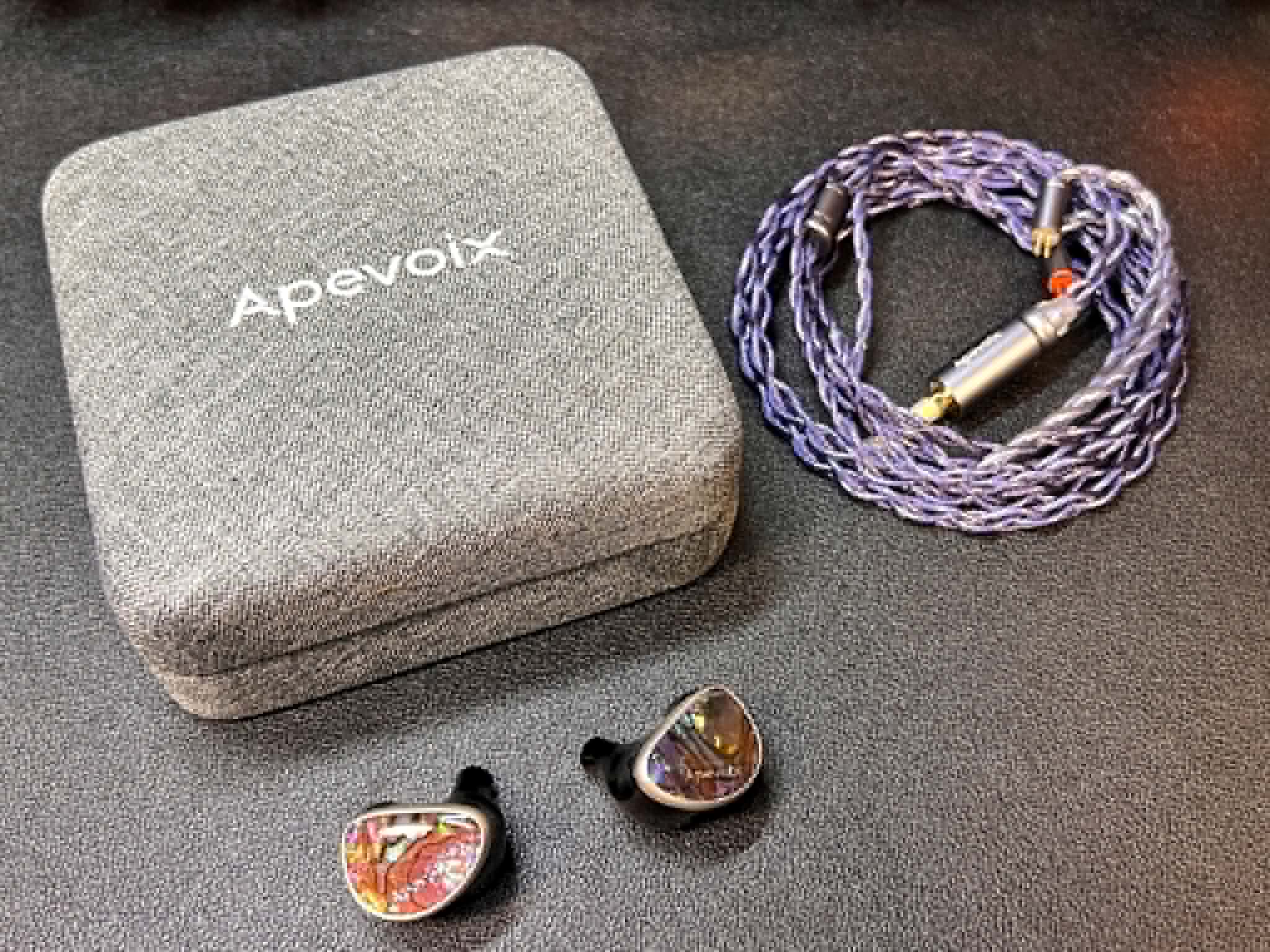
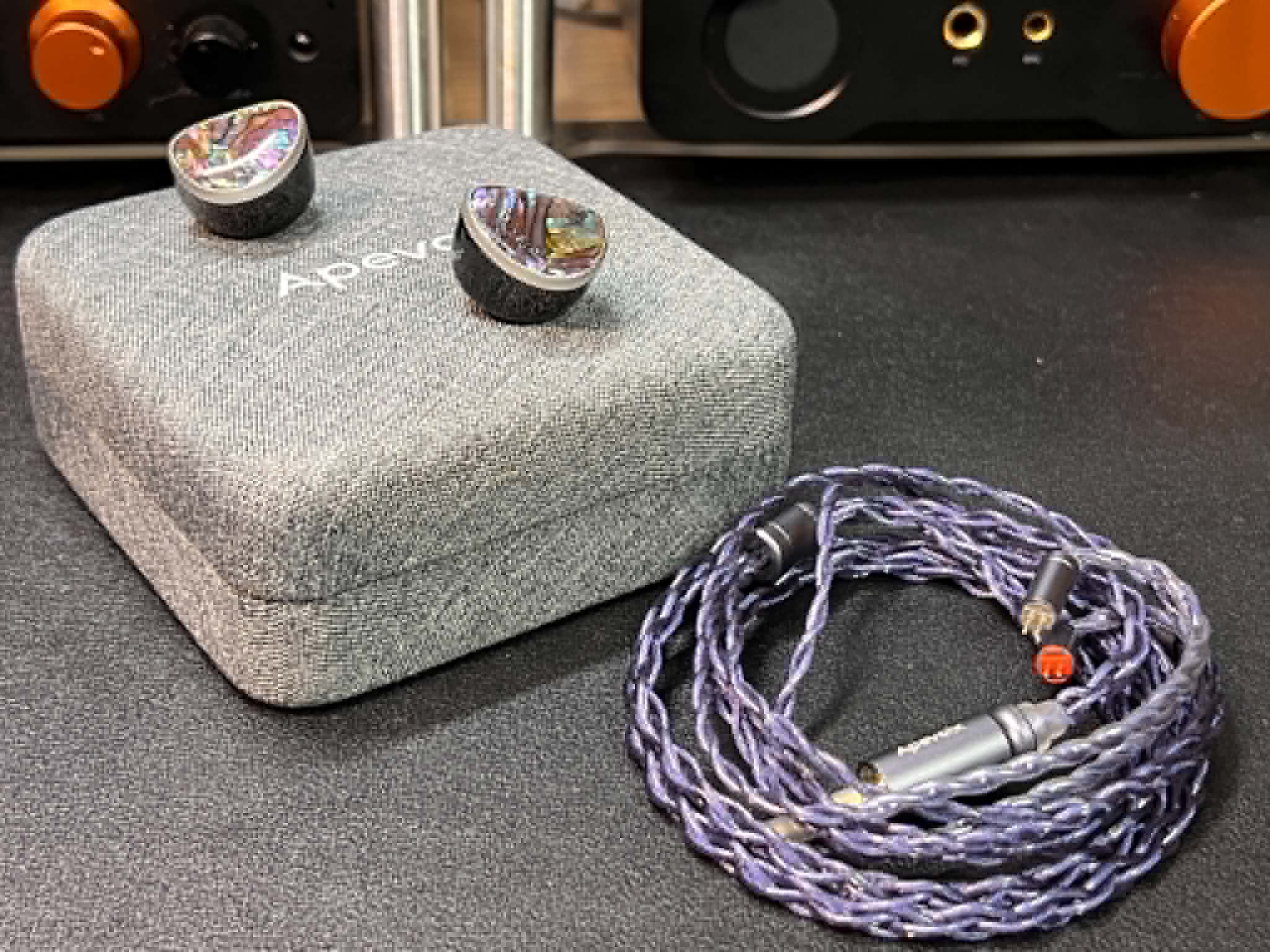
Build Quality, Design and Accessories
The first thing that immediately hit me when I opened the box was just how premium and well thought-out the entire presentation feels. For a relatively new brand, Apevoix honestly did a really good job here. Nothing about the Nebula feels rushed or cheaply put together. From the packaging to the accessories to the actual shell design, it gives off the impression that Apevoix genuinely wanted this to feel like a polished flagship-style product rather than just another random multi-driver hybrid entering the overcrowded market.
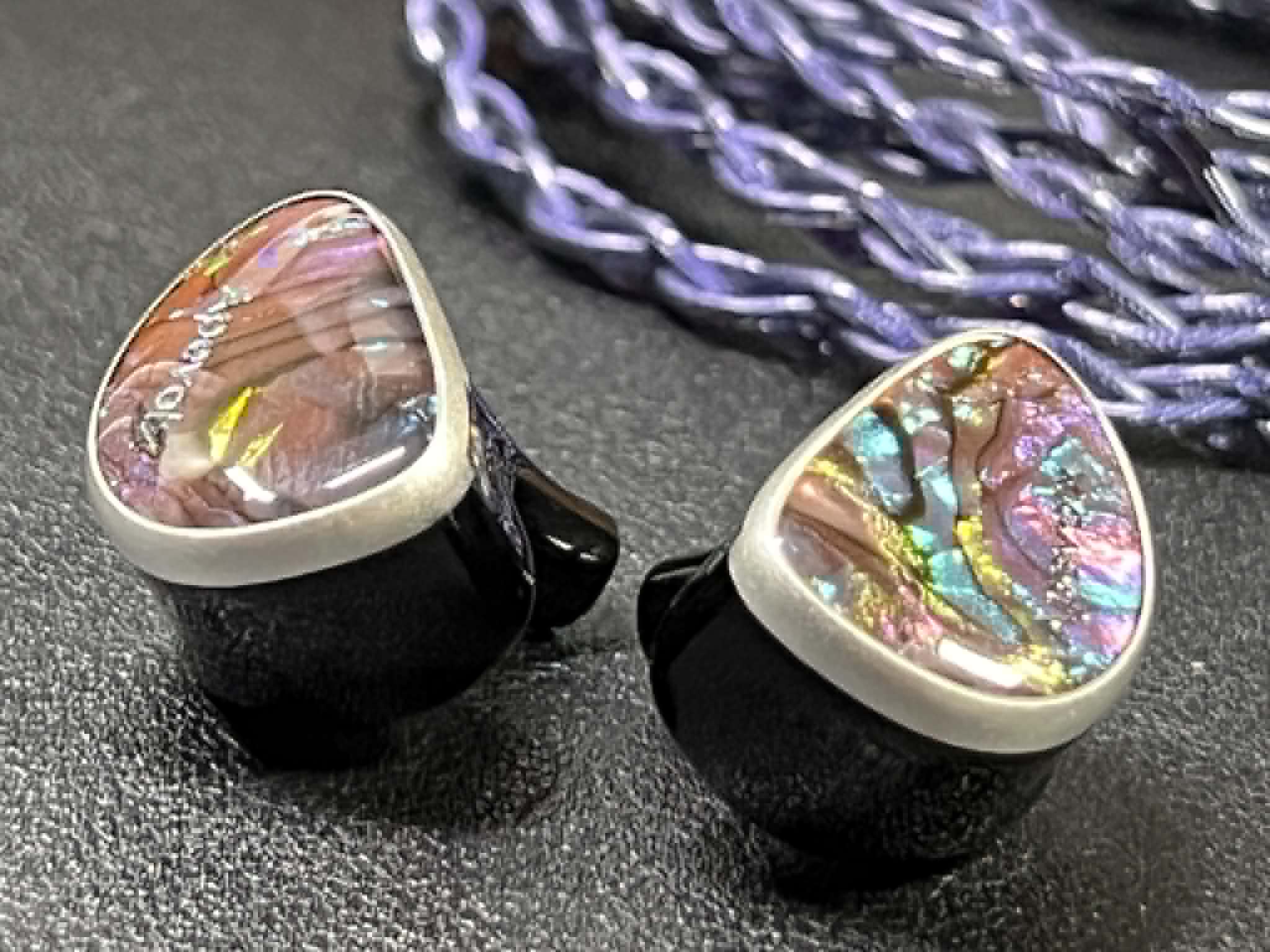
The shells themselves are fully resin-built with a smooth ergonomic contour that feels nicely sculpted in the hand. Considering there are literally nine drivers packed inside each shell, I was honestly expecting something much bulkier or awkward fitting. Thankfully that was not the case. Yes, the Nebula is slightly on the thicker side, especially compared to more compact single DD sets, but the shell shape distributes the size surprisingly well. Once inserted, they sit securely and naturally in the ears without creating pressure points or discomfort during longer listening sessions.
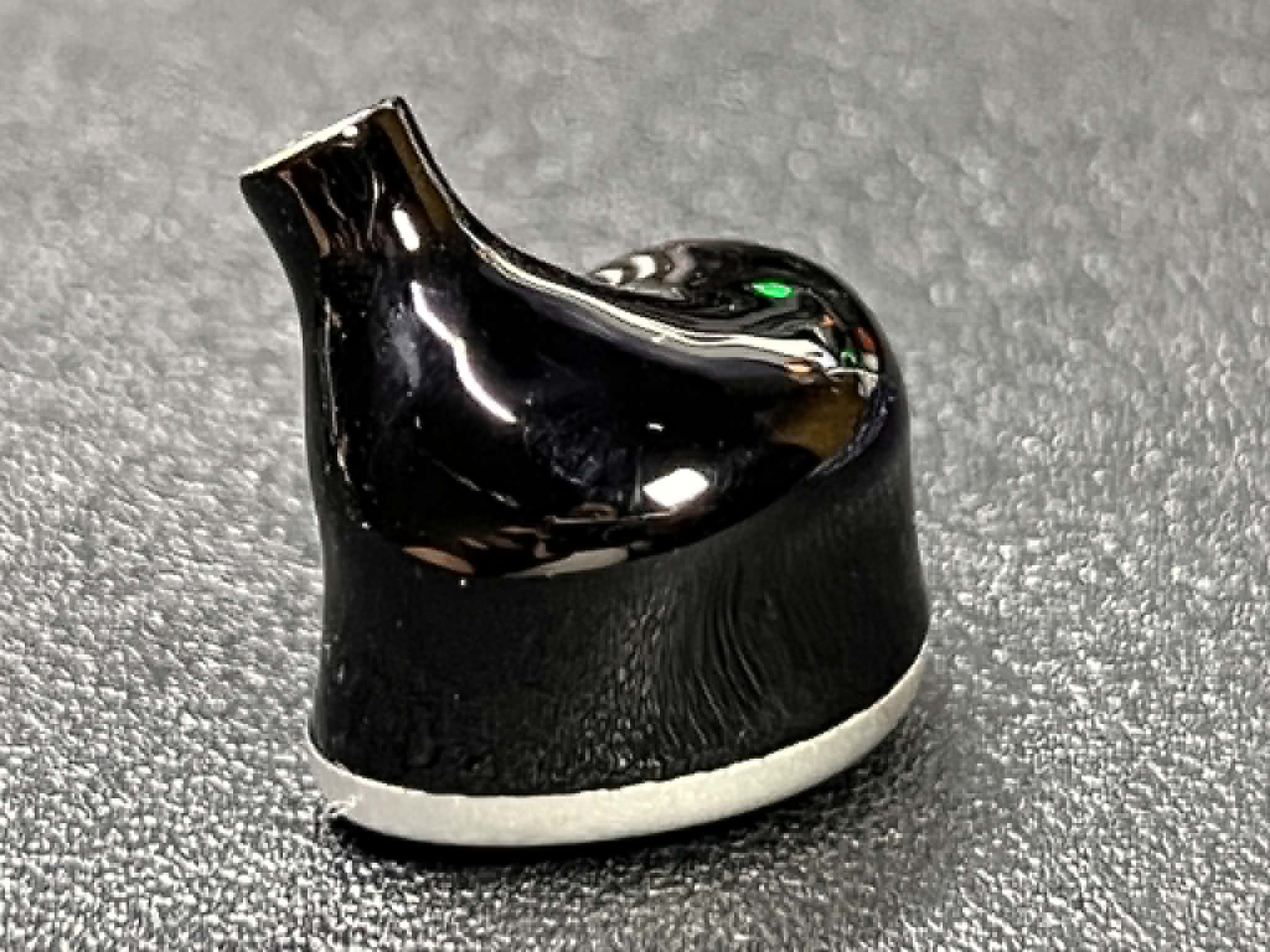
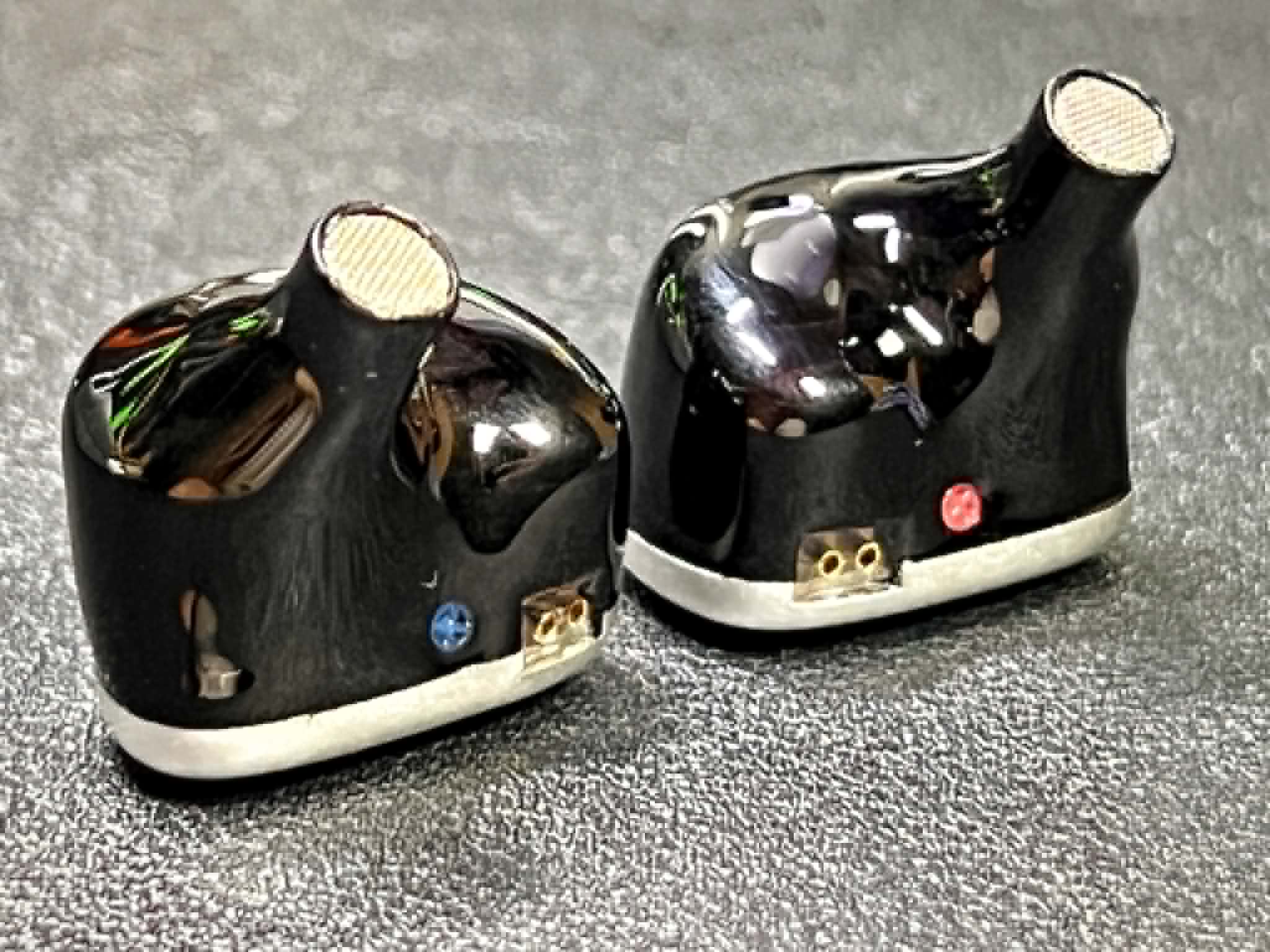
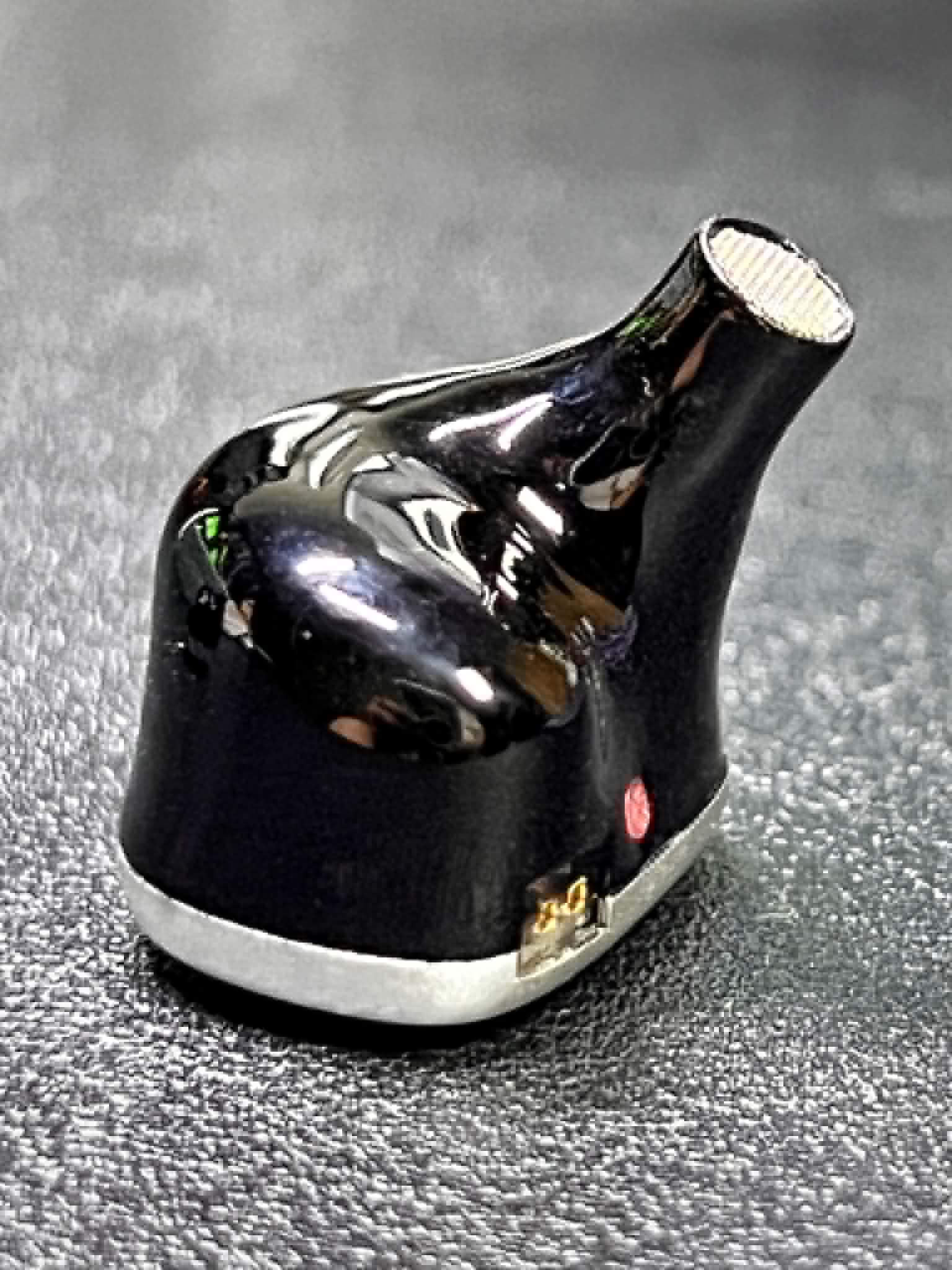
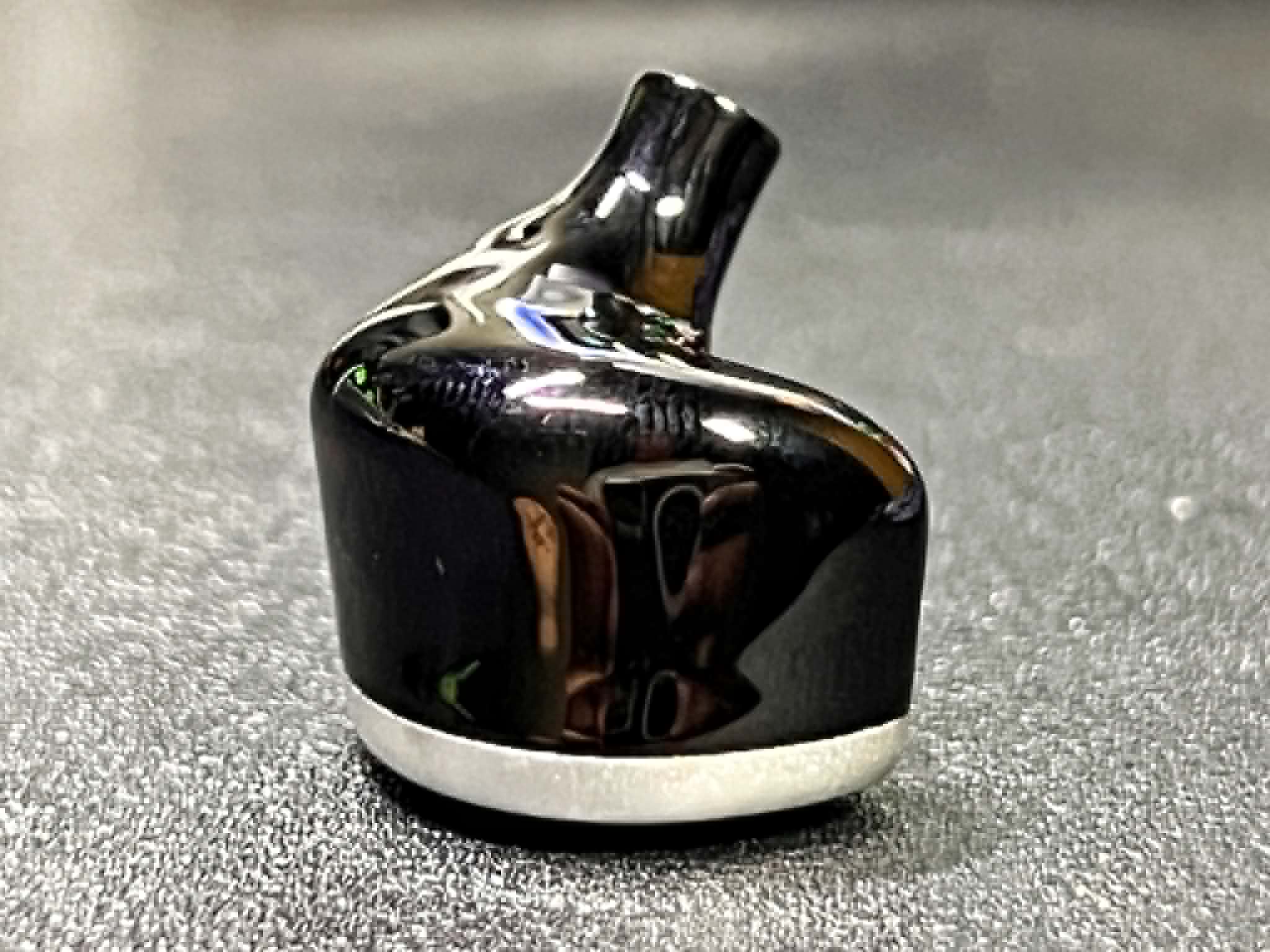
I ended up wearing them for several hours straight multiple times while rotating between my dongles and DAPs, and they remained comfortable throughout. That is honestly impressive considering how packed the internals are. The nozzle angle and contouring feel properly designed instead of just forcing drivers into a shell and calling it a day.
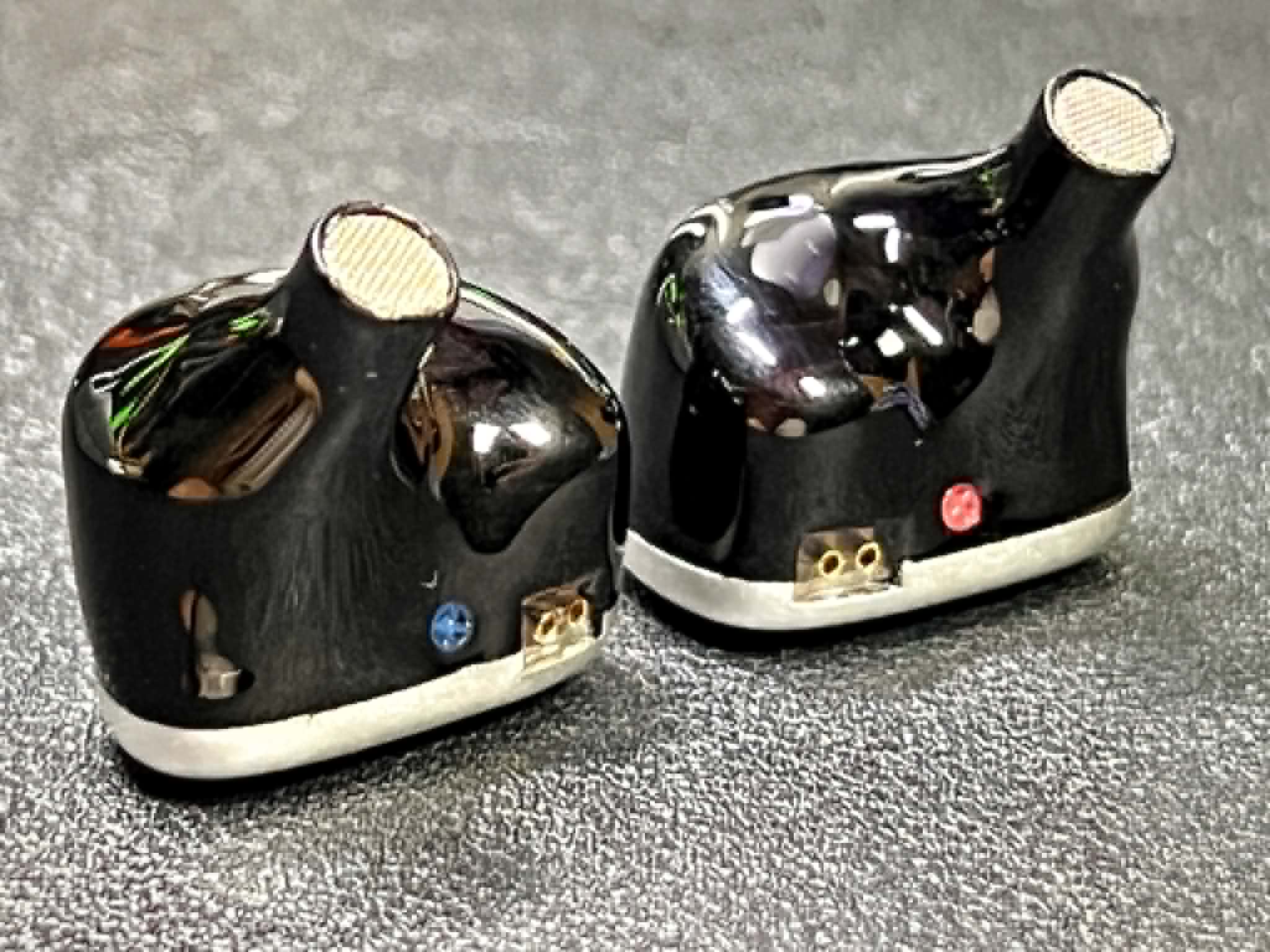
There are also small design touches that I really appreciated, like the red and blue vent grills on each side. It is a subtle detail, but it adds character and helps the Nebula stand out visually without looking overly flashy or trying too hard. Little things like that make the product feel more thoughtfully designed.
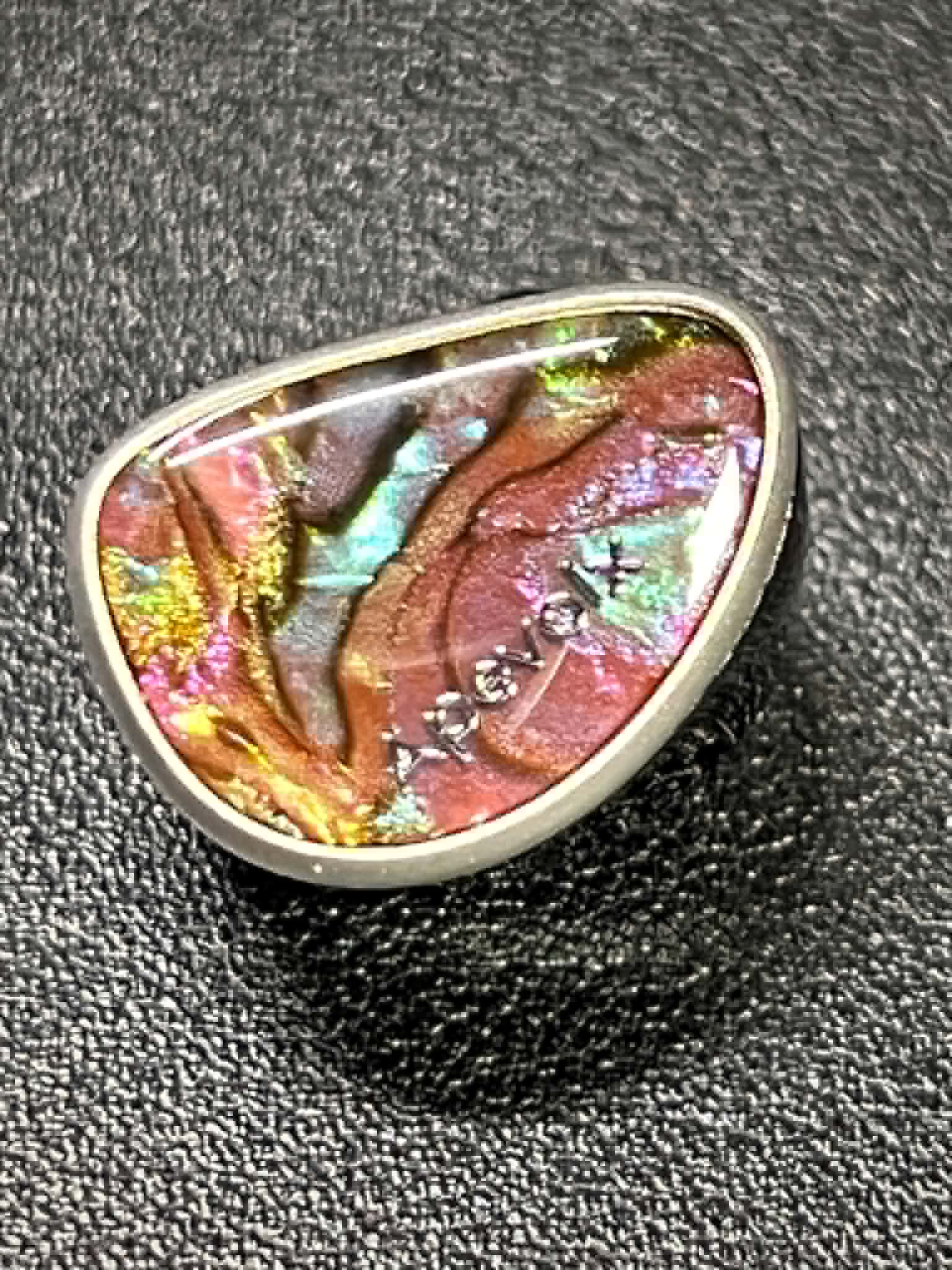
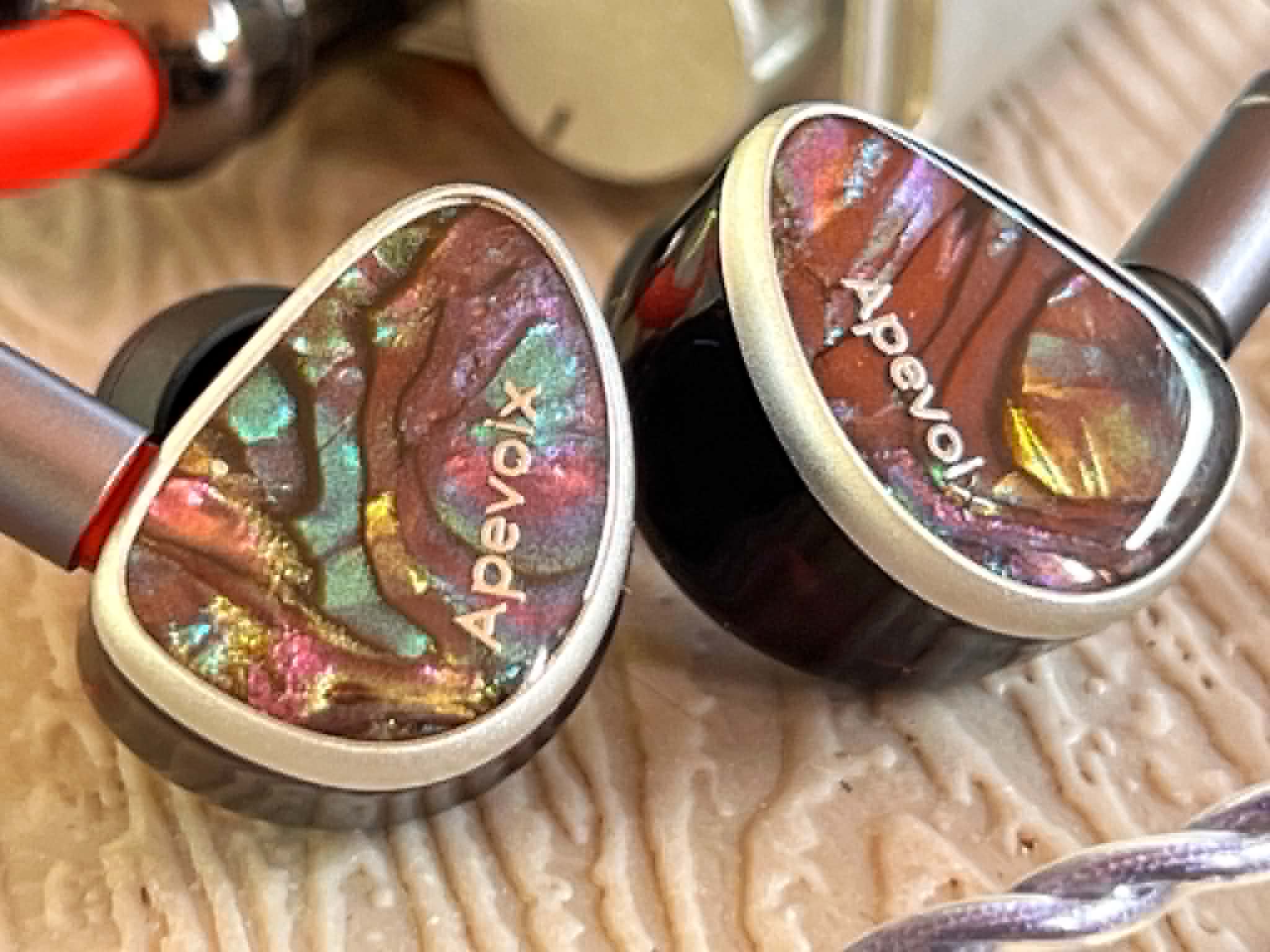
But visually, the real centerpiece here is definitely the faceplate.
And honestly, photos barely capture how good this thing looks in person.
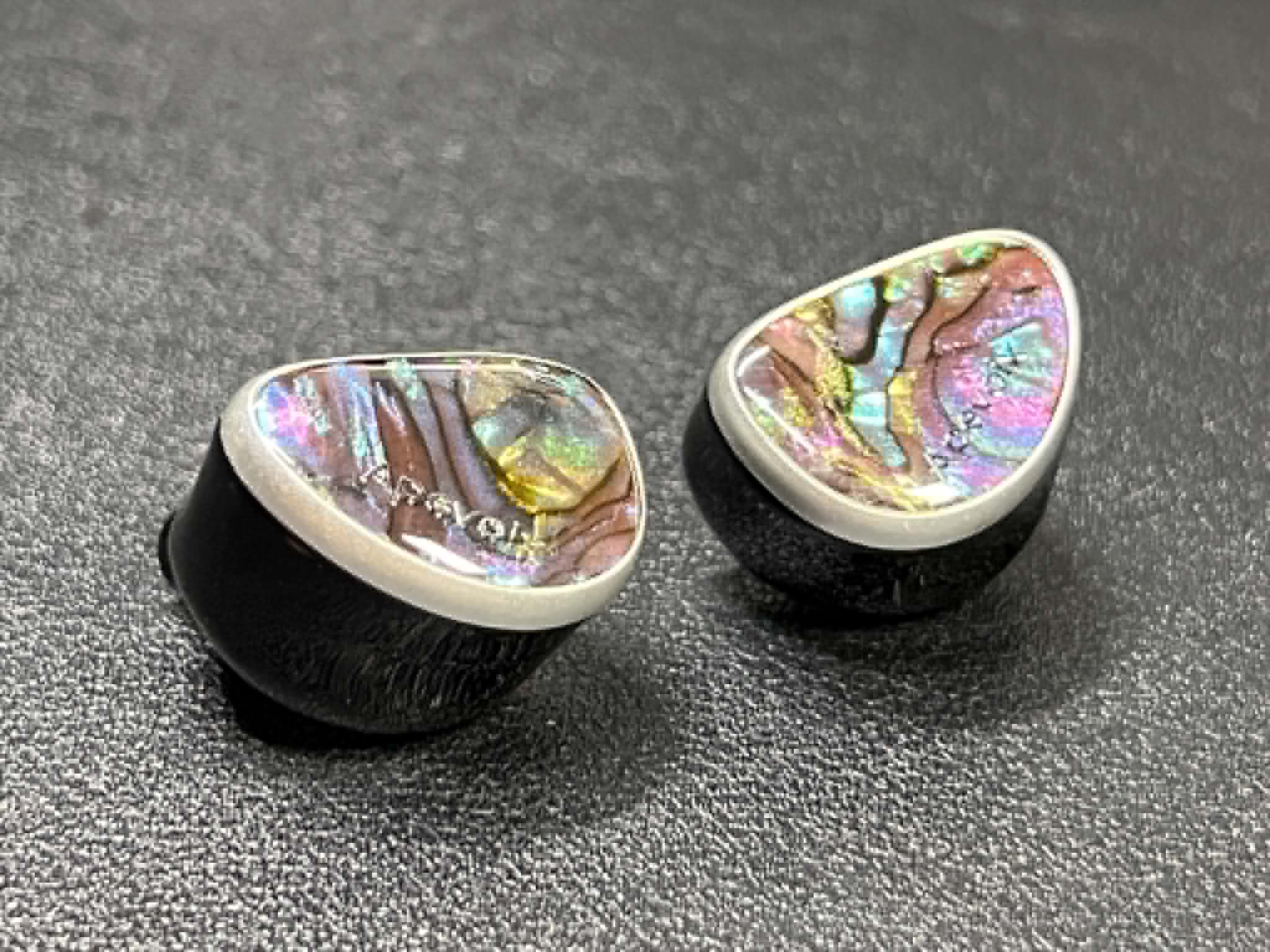
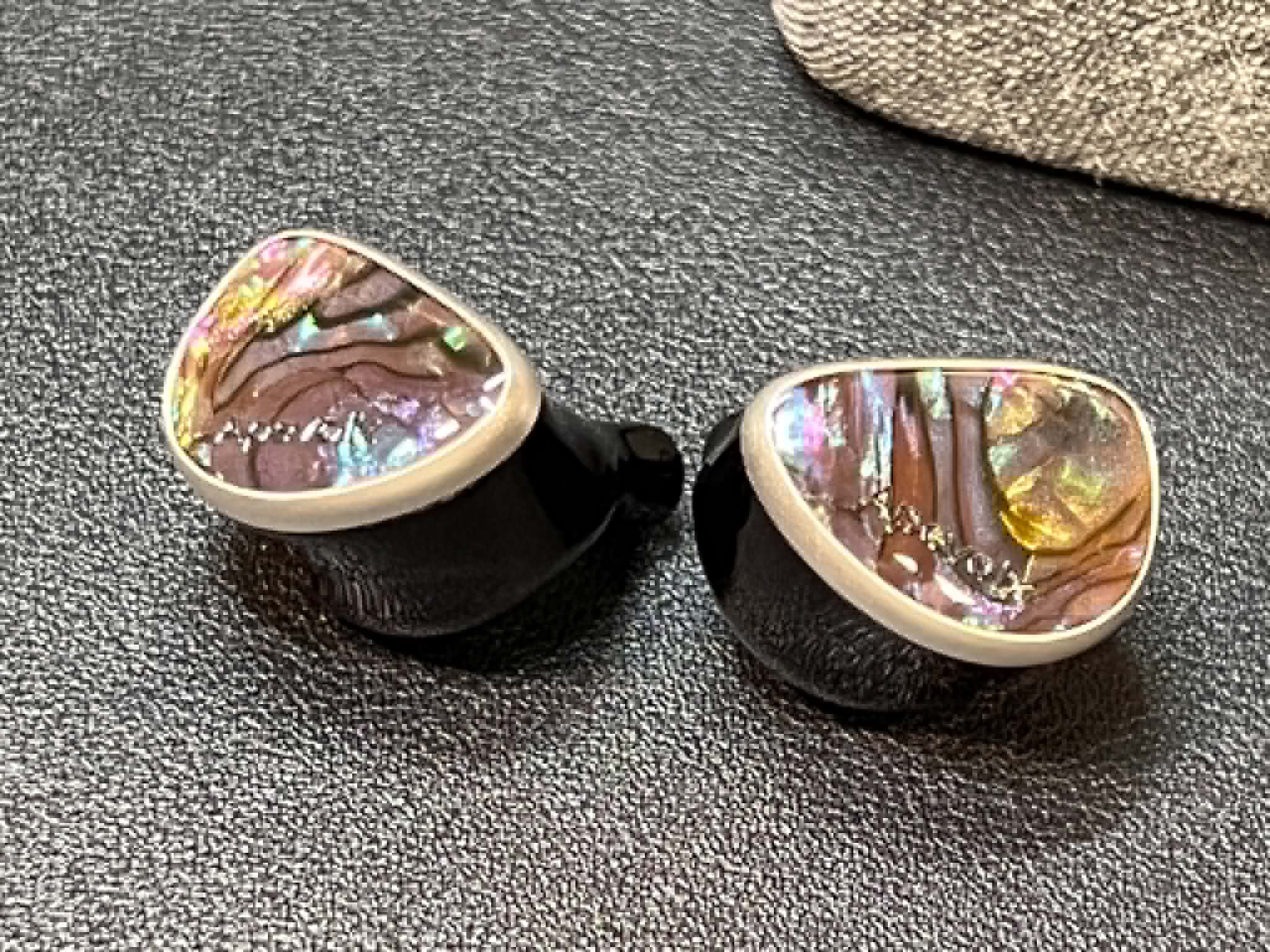
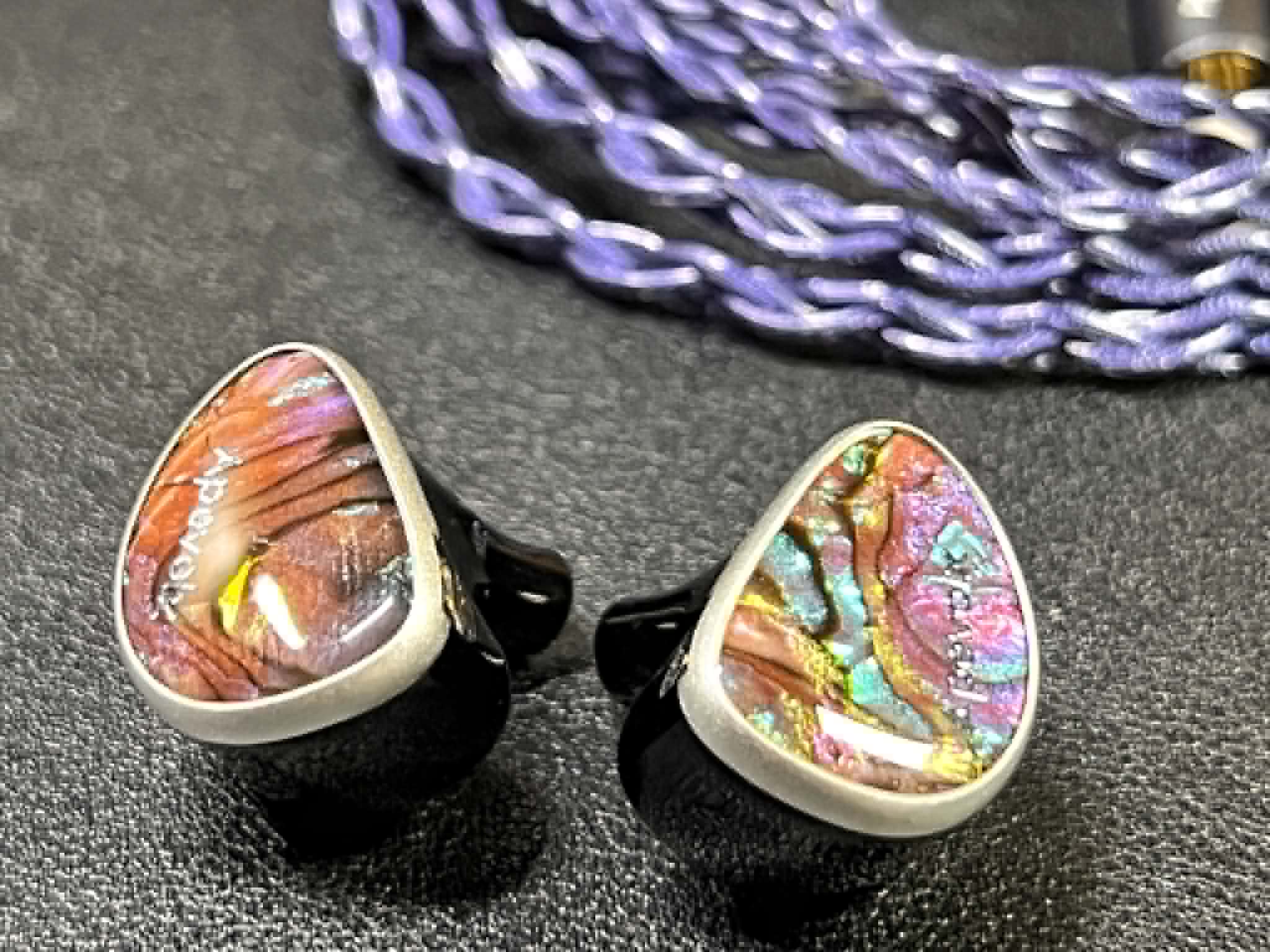
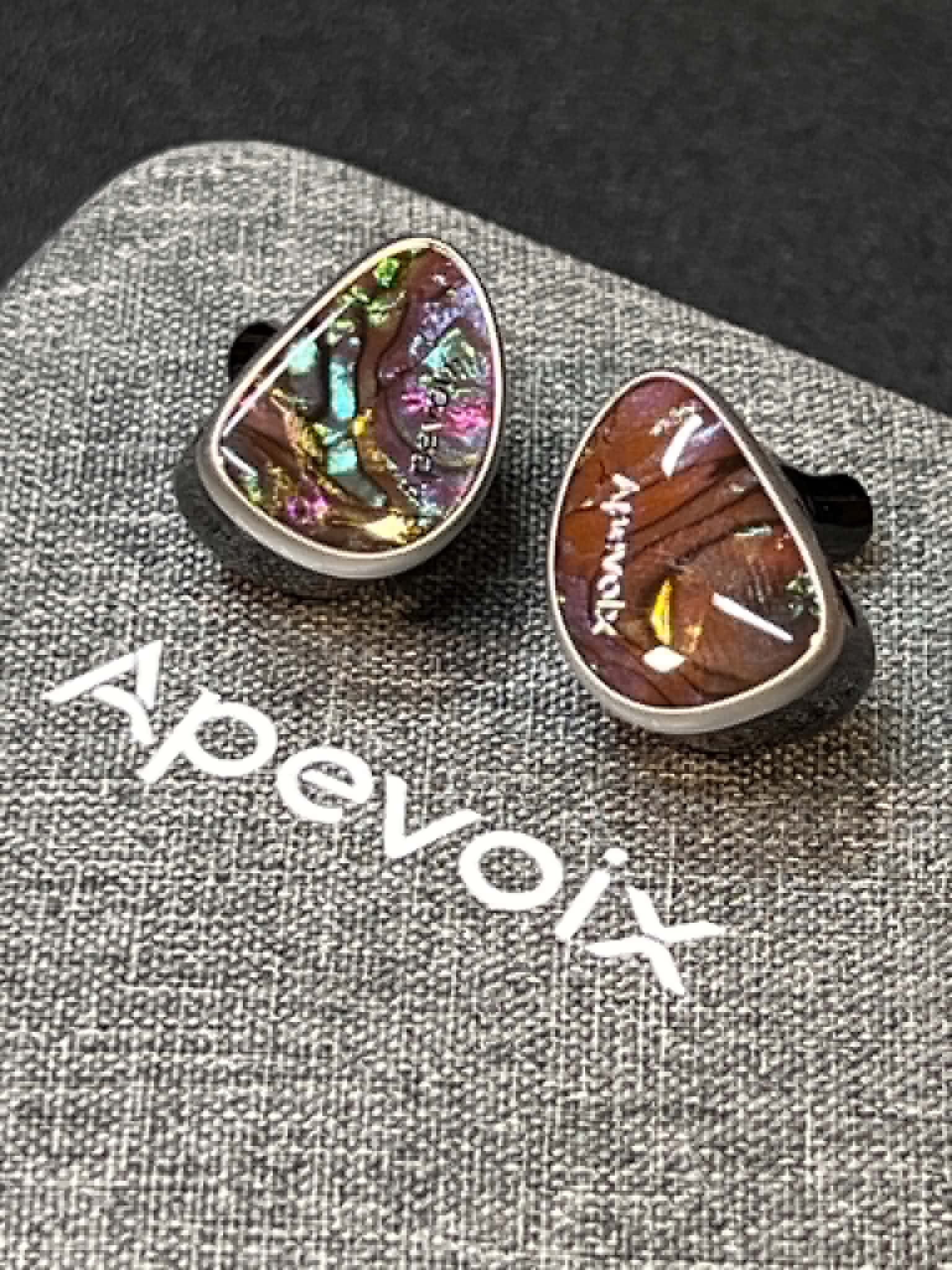
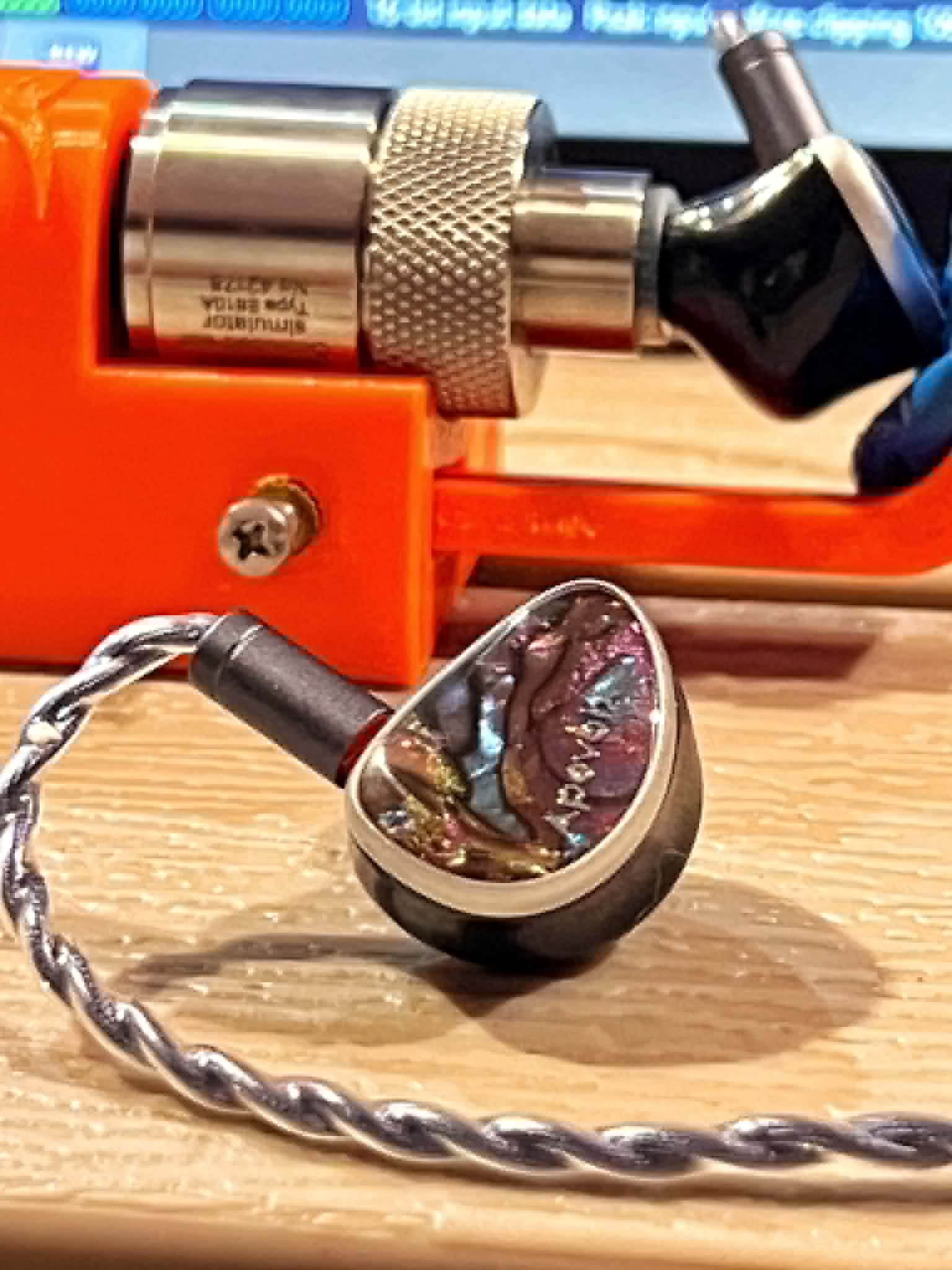
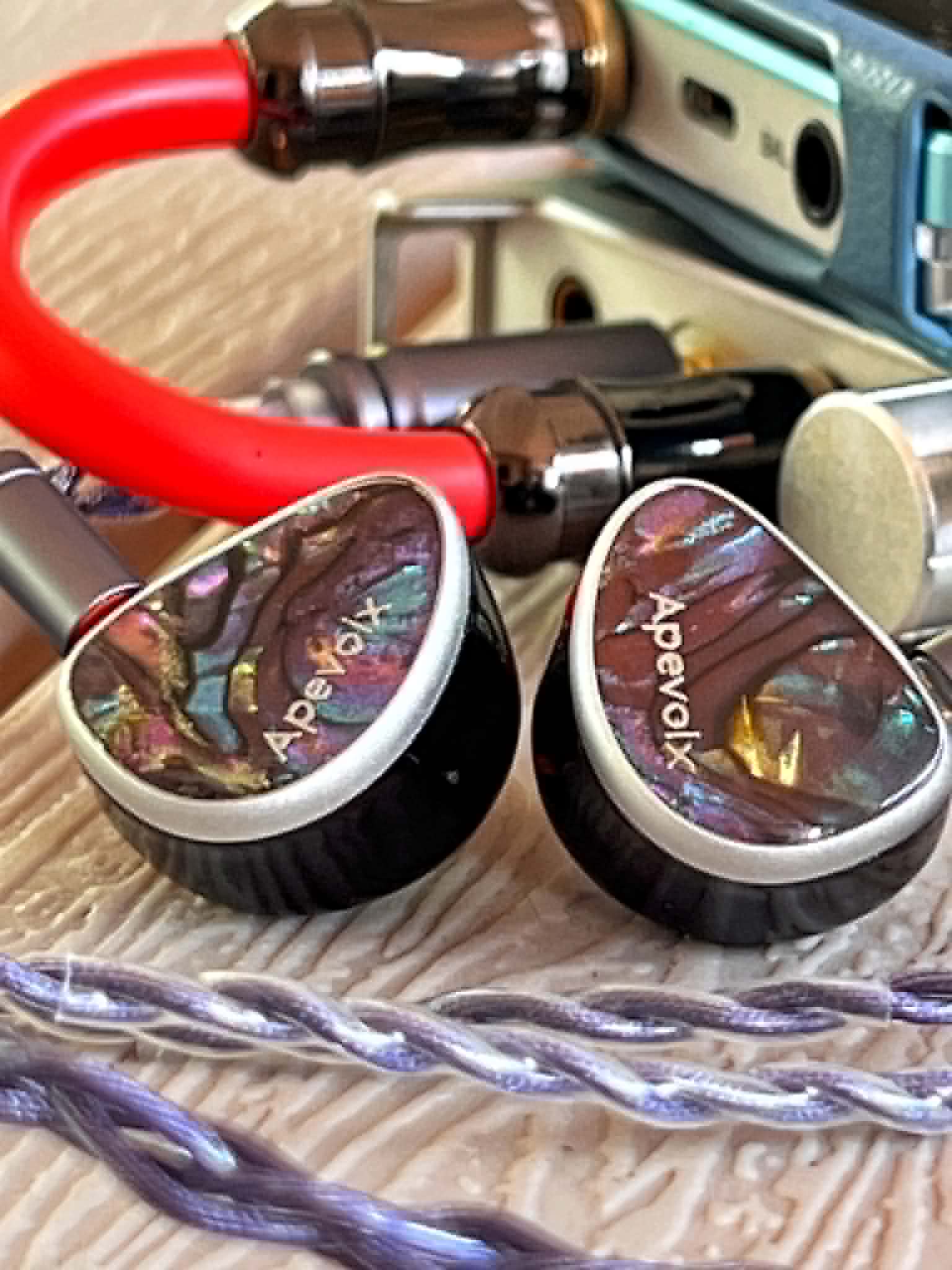
The hand-painted abalone-inspired faceplate has this layered shimmering effect that changes depending on lighting and viewing angle. Sometimes it shifts into deep blue and green hues, then suddenly purple, silver, or almost teal under different light. It has this fluid almost liquid-like reflective quality that gives the Nebula a very elegant and high-end appearance. It does not look loud or gaudy either. The design feels classy and refined, almost like a custom jewelry finish rather than a generic printed faceplate.
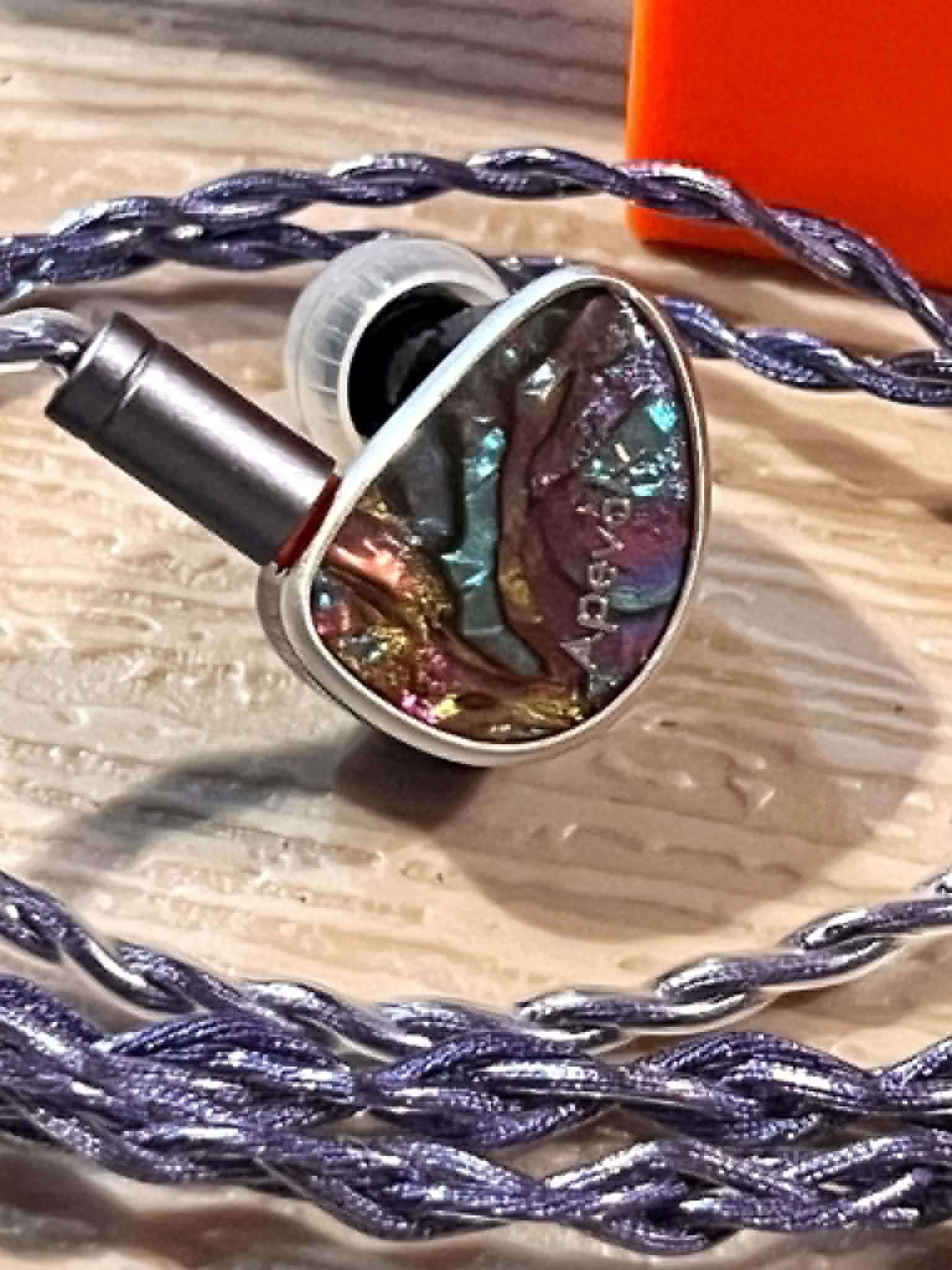
The included cable also deserves a lot of praise because Apevoix could have easily cheaped out here considering the attention already given to the shells, but thankfully they did not. The Nebula comes with an OCC silver-plated copper Litz cable that honestly looks beautiful paired with the shells. The soft lavender metallic color immediately stood out to me because it is not a common cable color, and up close you can actually see tiny metallic flakes embedded into the jacketing that subtly sparkle under light.
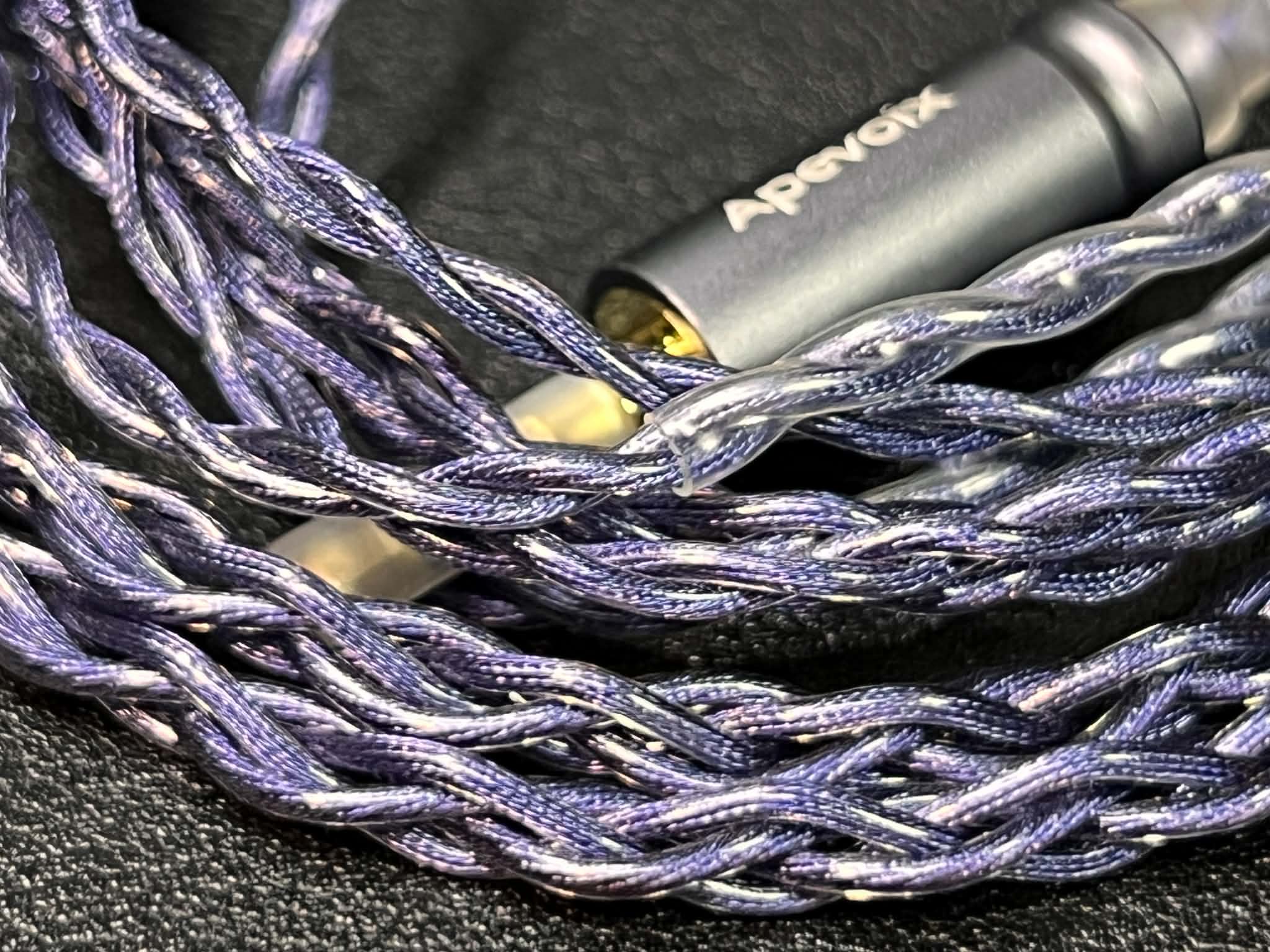
Thankfully, it never crosses into looking tacky or overdesigned. The shimmer effect is tasteful and matches the Nebula’s aesthetic perfectly. Combined with the reflective faceplates, the entire setup looks cohesive and genuinely premium. It feels like Apevoix paid attention to the visual synergy of the whole package instead of just throwing random accessories together.
Functionally, the cable is also quite good. It is soft, pliable, and does not retain annoying memory shape too much. There is minimal microphonics during use, and it drapes comfortably whether I am using it stationary at home or walking around with a dongle setup.
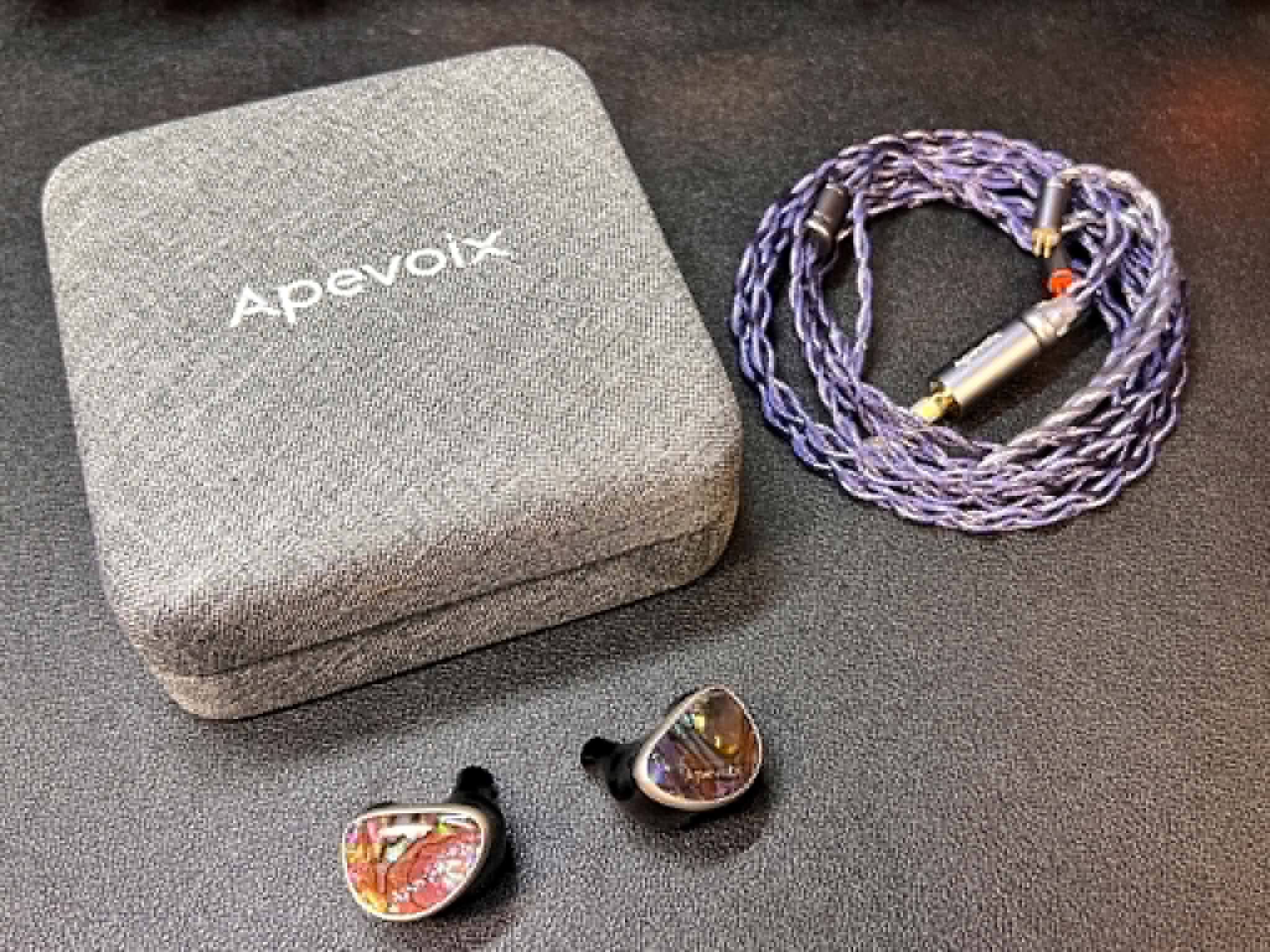
Then there is the carrying case, which honestly made me laugh a little when I first saw it because of how oversized it is for an IEM case. But after using it for a few days, I actually started appreciating it more. Instead of the usual tiny puck case that barely fits the IEM and cable, Apevoix went with something much larger and more protective, almost like a premium watch case with padded fabric lining inside.
It definitely is not what I would call a true pocket carry case unless I suddenly decide to bring back oversized cargo shorts from the early 2000s, but for desk use or bag carry, it is fantastic. There is enough room inside to comfortably fit the Nebula, the cable, extra tips, and even a small dongle DAC or compact DAP without everything feeling crammed together.
Overall, the Nebula’s build and accessory package feels surprisingly mature and refined for such a young brand. Nothing about it feels cheap or half-hearted. From the shell craftsmanship to the visual design to the accessories, Apevoix really gave the Nebula a strong premium identity, and honestly it leaves a very good first impression even before you start listening to it.
Sound Impressions
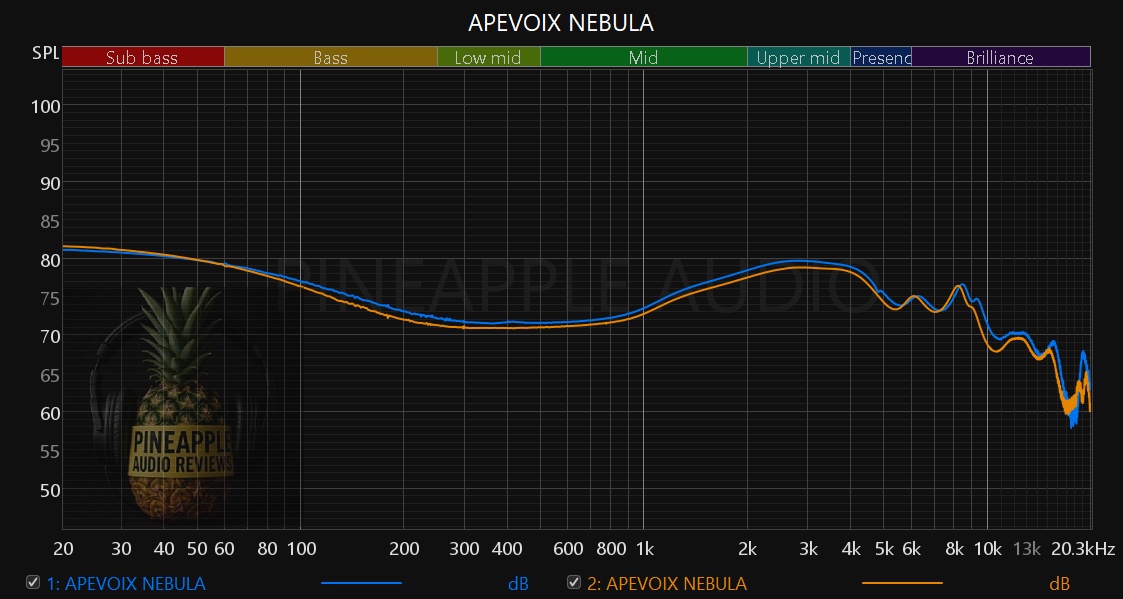
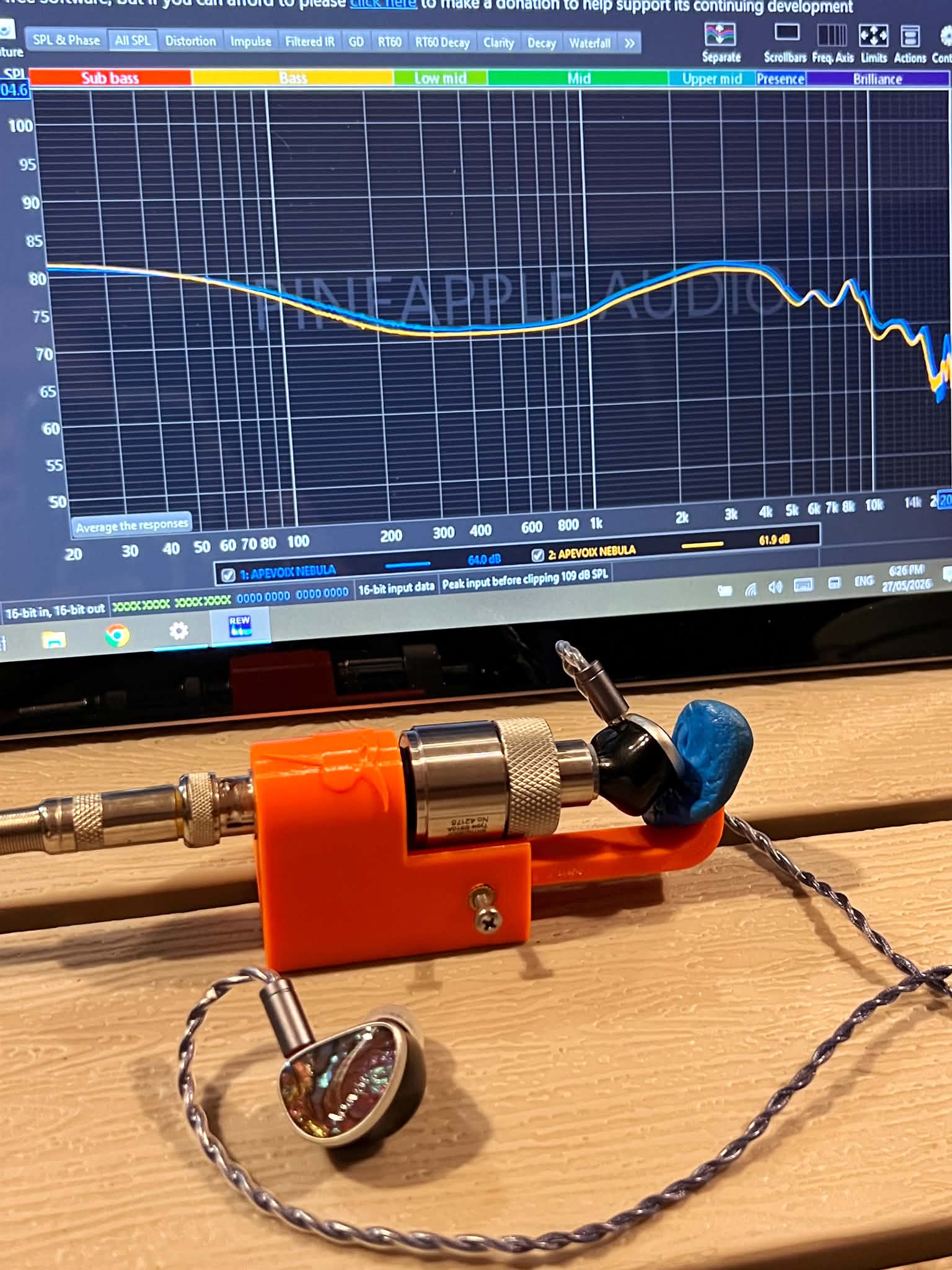
The Nebula leans toward a neutral-reference presentation with a mildly musical tilt. It has a very linear frequency response overall, but Apevoix intelligently added just enough warmth and coloration to prevent it from sounding dry or clinical.
This is honestly what impressed me most.
A lot of “reference” tuned IEMs end up sounding emotionally dead. The Nebula avoids that trap completely. It still sounds organic and enjoyable while maintaining excellent tonal balance.
Nothing feels exaggerated here. Bass is controlled, mids are natural, treble is smooth and airy. The Nebula never sounds shouty, bloated, or fatiguing.
It is one of those tunings where nothing immediately jumps out at you during the first five minutes, but the longer you listen, the more you appreciate how well everything is balanced together.
And because of that, the Nebula works with basically every genre I threw at it. Jazz, acoustic, city pop, orchestral, rock, vocal-focused tracks, EDM. It handles everything confidently without forcing a specific coloration onto the music.
Bass
Subbass
Despite leaning toward a more reference-style tuning, the Nebula still delivers a surprisingly satisfying and well-executed subbass presentation. This is not one of those lean neutral sets that completely strips away physicality and low-end emotion just for the sake of sounding “accurate.” Apevoix clearly understood that even a balanced tuning still needs proper foundation and weight to sound convincing and immersive.
Since the dynamic driver is dedicated almost entirely to subbass duties, the low-end extension feels very clean and purpose-built. You can immediately hear that the driver is not being overstretched trying to handle the entire bass region and lower mids all at once. Instead, it focuses purely on producing depth, rumble, and low-frequency authority, and honestly the result is quite impressive.
The Nebula reaches deep effortlessly. On tracks with heavy synth drops, cinematic bass swells, or electronic subbass layering, you get that satisfying tactile rumble that you can almost feel as much as hear. There is a proper sense of air movement and physicality down low that gives music a grounded and immersive character. It is not the exaggerated kind of subbass that dominates the presentation, but rather a controlled and refined implementation that supports the overall tuning beautifully.
What I appreciate most is how disciplined the bass shelf is.
A lot of IEMs trying to sound “fun” end up overboosting the subbass to the point where it clouds the midrange or constantly demands attention. The Nebula avoids that completely. The subbass is elevated just enough to add body, atmosphere, and emotional engagement without turning the whole signature into a basshead tuning. It never feels bloated or artificially boosted for effect.
There is also excellent separation between the subbass and the rest of the frequency range. Even on busy tracks with multiple low-end elements happening simultaneously, the Nebula maintains composure and layering very well. You can distinguish bass textures and depth gradients clearly instead of hearing everything collapse into a soft wall of low-frequency energy.
On orchestral or cinematic recordings especially, the Nebula does a really good job reproducing the scale and ambience of deep bass notes. Large drum hits and low synth drones have this satisfying sense of depth that fills the stage naturally without overwhelming everything else around it.
Another thing I really noticed is the quality of the bass decay. The Nebula does not chase that hyper-fast, ultra-dry bass response that some BA-heavy hybrids tend to have. Instead, notes have a more natural sustain and release that sounds organic and realistic. Bass notes bloom just enough to sound full and textured, but they stop cleanly before smearing into the mids.
That slight softness in transient behavior actually works in the Nebula’s favor because it contributes heavily to the overall musicality of the set. The bass sounds refined and mature rather than aggressively tight or artificially snappy.
And importantly, despite the excellent subbass extension, the Nebula keeps the midrange impressively clean. There is very little bass bleed creeping upward, so vocals and instruments retain their clarity and tonal balance even during bass-heavy passages.
Overall, the subbass performance on the Nebula feels very intentional and well controlled. It delivers enough rumble and physical engagement to keep music exciting and immersive, while still maintaining the composure and cleanliness expected from a more reference-oriented tuning. It is one of those bass presentations that slowly grows on you the longer you listen because of how naturally integrated and refined it sounds.
Midbass
The midbass presentation on the Nebula follows the same philosophy as the rest of its tuning: controlled, natural, and refined rather than exaggerated or attention-seeking. If you are expecting that aggressive hard-slamming midbass you usually get from heavily V-shaped sets, the Nebula is probably not aiming for that kind of presentation. Instead, Apevoix went for something that feels more realistic and musically balanced, and honestly I think it suits the overall character of the Nebula extremely well.
The first thing I noticed is that the midbass has a very pleasing sense of texture and body without sounding overly thick or bloated. There is enough punch to keep drums and basslines engaging, but the attack is slightly softer and more relaxed compared to highly energetic hybrids or basshead-oriented tunings. The Nebula does not try to hit you with brute-force slam or exaggerated impact. It prioritizes smoothness, tonal realism, and coherence instead.
And personally, I actually ended up appreciating that approach more the longer I listened to it.
Kick drums have a rounded and organic quality to them. They sound full and convincing without becoming overly tight or artificially sharp. Some sets try too hard to create the illusion of speed by making bass transients unnaturally quick and dry, but the Nebula avoids that. Here, drum hits have proper body and decay, which makes percussion sound more lifelike and less mechanical.
There is still good punch and dynamics present, but it is delivered in a more mature and controlled way rather than constantly trying to impress with raw impact.
Bass guitars in particular sound fantastic on the Nebula.
This is probably one of my favorite aspects of the tuning because the Nebula reproduces bass texture incredibly well. You can clearly hear subtle string vibrations, finger plucks, layering, and tonal nuances without losing warmth or musicality. There is a satisfying density to bass notes that gives instruments proper physical presence in the mix.
Listening to jazz, funk, or classic rock tracks on the Nebula was genuinely enjoyable because bass guitars sound rich, textured, and naturally weighted instead of overly sharpened or artificially boosted. You get enough detail retrieval to appreciate the nuances in the performance, but it never crosses into sounding analytical or dry.
The balance between warmth and definition is really well judged here.
Another thing I appreciate is how clean the midbass transition into the lower mids is. Even though the Nebula has good warmth and body, it maintains excellent control and avoids muddying vocals or instruments. There is no excessive bloom creeping into the midrange, which helps preserve the Nebula’s overall linear and coherent presentation.
This controlled midbass response also contributes heavily to the Nebula’s versatility. Whether I was listening to acoustic tracks, orchestral recordings, city pop, or electronic music, the bass always felt appropriately balanced within the mix. It supports the music rather than dominating it.
Transient response in the midbass leans slightly smoother and more natural instead of hyper-fast. Notes have a bit more sustain and fullness, which adds to the Nebula’s relaxed and musical presentation. Some listeners who prefer extremely tight and aggressive bass attacks may find it a little softer compared to sharper-sounding hybrids, but personally I think this tuning choice gives the Nebula a more organic and fatigue-free character during long listening sessions.
What makes the Nebula’s midbass special for me is that it feels confident enough not to overcompensate. It is not desperately trying to sound exciting through excessive slam or boosted warmth. Instead, it focuses on realism, texture, tonal accuracy, and balance, and because of that, the bass ends up sounding more believable and emotionally engaging over time.
Honestly, the Nebula feels like the kind of set that understands restraint, and that restraint is exactly what makes its bass presentation work so well.
Midrange
Lower Midrange
The lower midrange is where the Nebula really starts revealing its personality and musical character. Up until this point, the tuning already comes across as balanced and technically composed, but once vocals and instruments enter the picture, you begin to notice that Apevoix did not tune this set to sound cold or purely analytical. There is a subtle warmth and gentle coloration in the lower mids that gives the Nebula a more organic and emotionally engaging presentation without sacrificing its overall reference-style balance.
What I immediately noticed during my listening sessions was how natural and effortless the tonality sounds. The lower mids have enough warmth and body to make instruments feel realistic and properly weighted, but they never become overly thick, congested, or muddy. It walks that line very carefully between neutrality and musicality, and honestly Apevoix handled it really well.
Male vocals especially sound excellent on the Nebula.
There is a fullness and density to vocal notes that gives singers proper chest resonance and realism. Vocals sound smooth, grounded, and intimate without becoming veiled or overly warm. You get very good note weight here, which helps voices sound believable and emotionally expressive rather than thin or artificially sharpened.
Listening to slower acoustic tracks, jazz recordings, or vocal-heavy music on the Nebula was honestly one of the moments where I really started appreciating the tuning more. There is a certain richness to the way it reproduces vocals that makes long listening sessions incredibly easy and relaxing. The Nebula does not force vocals aggressively forward, but it also never buries them behind the instrumentation. Everything sits naturally within the mix.
Instruments also benefit heavily from this lower midrange tuning.
Guitars have excellent harmonic richness and body. Acoustic strings sound resonant and textured with very natural decay characteristics, while electric guitars maintain enough bite and crunch without sounding overly aggressive. Chords have proper fullness and sustain instead of sounding dry or thin.
Pianos are another highlight for me because the Nebula reproduces piano notes with convincing tonal realism. There is enough warmth in the lower mids to give piano notes proper weight and resonance, while still maintaining clarity and articulation in complex passages. Notes decay naturally and smoothly without sounding abrupt or overly damped.
What impressed me most though is how cohesive the lower mids sound with the bass region.
This is honestly one of the hardest things to get right in multi-driver hybrids, especially ones with this many drivers packed inside. A lot of hybrids suffer from a noticeable disconnect where the bass feels separated from the mids, almost like the dynamic driver and balanced armatures are operating independently instead of working together cohesively.
Thankfully, the Nebula avoids that problem almost entirely.
The transition from the bass into the lower mids is smooth and seamless. There is no awkward crossover dip, no sudden tonal shift, and no weird difference in texture or timbre between the drivers. Bass notes naturally flow upward into the midrange without sounding detached, which gives the Nebula a very coherent and unified presentation overall.
And honestly, that cohesiveness plays a massive role in why the Nebula sounds so easy and natural to listen to. Nothing feels artificially segmented or forced. Instruments and vocals sound connected to the rest of the frequency range in a believable way, which makes the entire presentation feel more realistic and immersive.
Technically, the lower mids are also impressively clean despite the added warmth. Separation remains strong, layering is well organized, and there is enough resolving capability to pick up subtle textures and microdetails within instruments and vocals. The Nebula never sacrifices clarity just to sound smooth or musical.
What I appreciate most is that Apevoix clearly understood restraint here. Instead of over-coloring the lower mids to create fake warmth or exaggerated lushness, they added just enough body and richness to make the Nebula sound human and engaging while still maintaining its balanced reference identity.
Upper Midrange
The upper midrange on the Nebula is honestly one of the areas that impressed me the most because Apevoix tuned it with a surprising amount of restraint and maturity. This is usually the region where a lot of modern IEMs try too hard to create the illusion of detail and clarity by aggressively boosting the presence region, especially around the 2 to 4kHz area. It gives that immediate “wow” factor during short listening sessions, but over time it can become fatiguing, sharp, and honestly a bit unnatural.
Thankfully, the Nebula avoids that trap almost completely.
There is enough upper midrange energy here to keep vocals articulate, detailed, and expressive, but Apevoix slightly smooths the rise and adds a gentle roll-off that keeps the presentation controlled and fatigue-free. It still sounds open and clear, but never overly forward or shouty.
And personally, I think this was a very smart tuning decision.
Female vocals still have excellent clarity and presence, but they sound smoother and more natural compared to many aggressively tuned modern hybrids. There is no harsh glare, no piercing edge, and none of that overly intense 3kHz emphasis that can make vocals sound thin or artificially pushed forward. Instead, vocals retain a more relaxed and believable character while still maintaining very good detail retrieval and articulation.
Listening to vocal-heavy tracks on the Nebula was genuinely enjoyable because singers sound expressive without constantly fighting for attention. Breath textures, vocal inflections, and emotional nuances still come through clearly, but they are presented in a more refined and effortless way rather than being aggressively highlighted.
The Nebula also handles female vocals particularly well because of this tuning approach. Voices maintain sweetness and energy without crossing into shrillness. Higher-pitched vocals still soar when the track calls for it, but they do so smoothly and naturally instead of sounding piercing or strained.
Instruments also benefit heavily from the Nebula’s upper midrange balance.
Electric guitars have enough bite and crunch to sound lively and engaging, but they never become sharp or fatiguing even on brighter recordings. Brass instruments retain proper energy and brilliance without sounding metallic or overly aggressive. Violins and strings maintain clarity and upper harmonic detail while still sounding smooth and realistic.
There is a really nice balance here between articulation and musicality.
Technically, the upper mids are very resolving. The Nebula retrieves a lot of subtle detail and texture in this region, but it presents those details naturally within the mix instead of artificially spotlighting them. This contributes heavily to the Nebula’s relaxed yet highly refined character.
What I noticed after longer listening sessions is how effortless the Nebula sounds over time.
This slight restraint in the upper mids plays a massive role in the Nebula’s long-term listenability. I could genuinely wear this set for hours without experiencing the usual upper-mid fatigue that many modern “detail-focused” IEMs tend to cause. Even with brighter recordings or higher listening volumes, the Nebula remains composed and smooth without losing clarity.
And honestly, that kind of tuning maturity is harder to achieve than simply boosting upper mids for instant perceived detail.
The Nebula understands that true refinement is not about constantly forcing clarity into your ears. Instead, it creates a balanced and natural presentation where detail, tonality, and smoothness coexist without fighting each other.
Treble
Treble on the Nebula follows the same philosophy as the rest of its tuning: refined, controlled, and musical without sacrificing technical capability. This is not the kind of treble tuning that immediately jumps out at you with exaggerated sparkle or artificial sharpness just to create a fake sense of detail. Instead, Apevoix went for a smoother and more mature presentation, and honestly I think it complements the Nebula’s overall character beautifully.
What surprised me most is how the Nebula manages to sound smooth while still maintaining very good resolution and openness.
The lower treble has enough energy to keep cymbals crisp, percussion well-defined, and micro-details clearly audible, but it never crosses into harshness or brittleness. Cymbal strikes have a realistic shimmer and metallic texture without sounding splashy or piercing. Hi-hats maintain clarity and articulation while staying controlled even on brighter recordings.
There is also very good control over sibilance here.
A lot of modern hybrids chase “detail” by aggressively boosting the lower treble region, which often leads to sharp consonants, unnatural glare, and listening fatigue over time. The Nebula avoids that problem very well. Even tracks that are naturally a bit hot in the upper frequencies remain surprisingly listenable because the treble presentation stays smooth and composed.
And personally, I really appreciated that during longer listening sessions.
I could comfortably listen to the Nebula for hours without getting that usual treble fatigue or sharpness that some highly resolving sets tend to introduce. It never feels dull or rolled off either. The Nebula simply understands restraint.
What really gives the treble its sense of refinement though is the upper treble extension.
For a smoother sounding set, the Nebula actually has very impressive air and extension up top. There is enough upper treble presence to create a spacious and open presentation without sounding artificially boosted or overly bright. Air frequencies extend naturally and contribute heavily to the Nebula’s sense of layering, separation, and spatial realism.
That extra sense of air is also a big reason why the Nebula sounds larger and more holographic than its relatively balanced tuning might initially suggest.
Instruments have room to breathe. Reverbs trail off naturally into the background. Ambient information and room reflections are presented clearly, giving recordings a more immersive and dimensional quality. On live recordings especially, you can really hear the sense of venue space and atmosphere.
Technically, the Nebula’s treble performance is very capable.
Despite the smoother presentation, detail retrieval remains excellent. The Nebula does not aggressively force details into the foreground, but they are absolutely there if you pay attention. Small background nuances, breath textures, subtle reverb tails, string overtones, and microdynamic shifts are reproduced very cleanly and naturally.
I actually prefer this kind of presentation over hyper-analytical tunings because it feels more effortless and realistic. Some IEMs try so hard to sound “detailed” that they end up exaggerating transients and upper frequencies to the point where everything sounds artificially sharpened. The Nebula takes the opposite approach. It lets details emerge organically from the mix instead of spotlighting them unnaturally.
There is also a very nice balance between transient speed and note smoothness in the treble region. Notes are fast enough to maintain excellent separation and clarity during busy passages, but they still retain enough body and natural decay to avoid sounding dry or overly clinical.
Another thing I noticed is how coherent the treble sounds with the rest of the tuning. The transition from upper mids into lower treble feels smooth and consistent, without any awkward peaks or sudden brightness jumps. This contributes heavily to the Nebula’s overall refined and fatigue-free character.
And for me, that balance is exactly what makes the Nebula such an enjoyable all-rounder.
Technical Performance
Soundstage
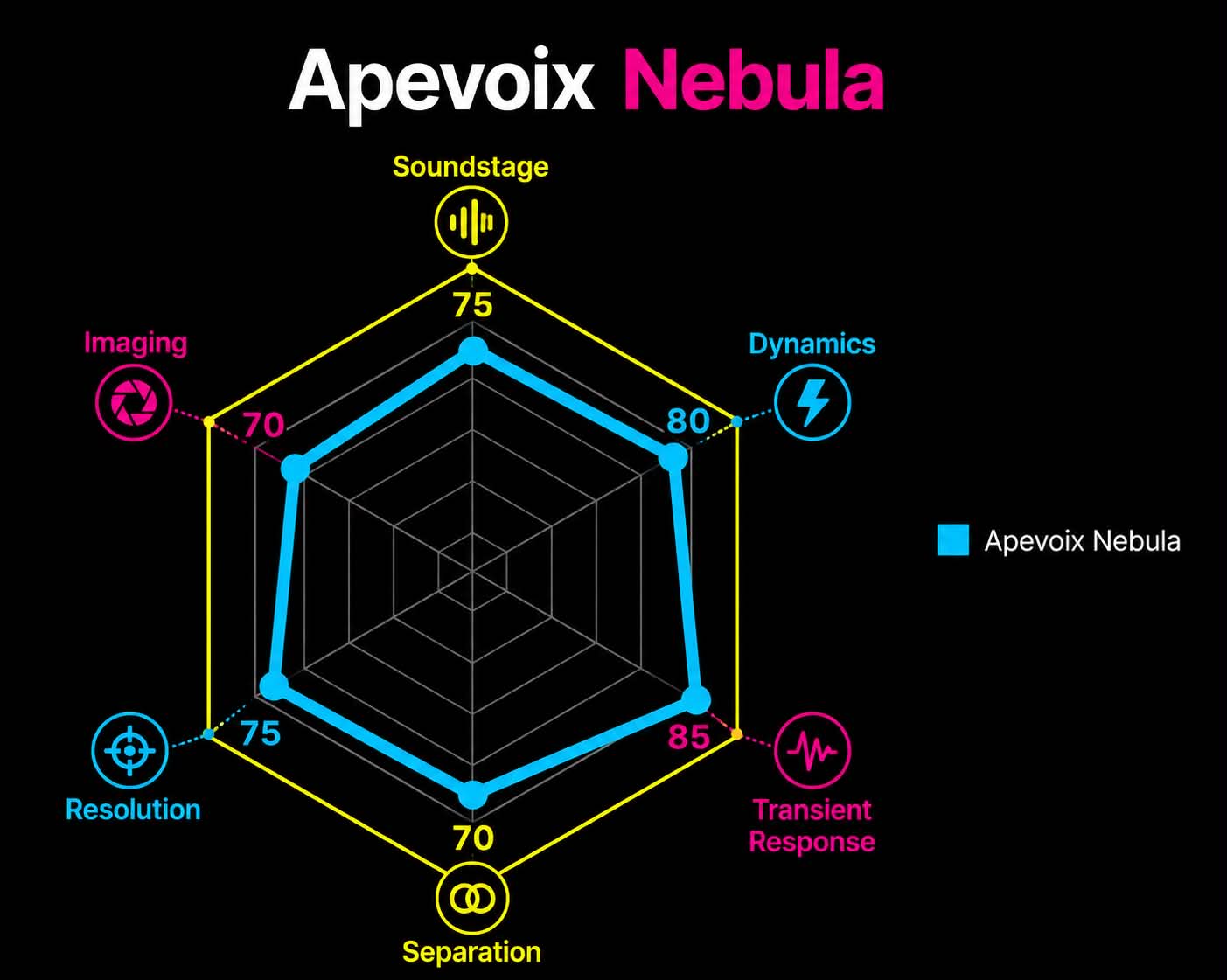
For a relatively balanced and reference-oriented tuning, the Nebula delivers a surprisingly spacious and immersive soundstage. It is not trying to create an artificially oversized presentation through exaggerated upper treble peaks or hollow mids, but instead builds space through very good layering, air distribution, and imaging precision.
What stood out to me immediately was the lateral width.
The Nebula stretches impressively wide from left to right, creating a presentation that feels open and uncongested even on busy tracks. Instruments and vocals have enough breathing room around them that the stage rarely feels cramped or boxed in. There is a very natural sense of spacing that contributes heavily to the Nebula’s relaxed and immersive presentation.
And while I would not call it the absolute widest stage I have heard, the way the Nebula handles positioning and spatial cues makes the presentation feel more holographic than the actual dimensions might initially suggest.
With the right recordings, especially binaural tracks or well-mastered live performances, the Nebula can sound genuinely impressive. Some tracks almost gave me that speaker-like sensation where sounds move fluidly across the stage instead of simply jumping between left and right channels. There is a convincing sense of motion and spatial continuity that makes the presentation feel very immersive.
Depth performance is also solid, though I would still say width is the Nebula’s stronger aspect. Front-to-back layering is good enough to create realistic distance between instruments and vocals, but the real magic happens in how wide and organized the stage feels laterally.
There is also very good height perception for an IEM in this category. Ambient effects and upper-frequency air have enough vertical openness to prevent the presentation from sounding flat or compressed.
Overall, the Nebula creates a spacious presentation that feels believable and naturally proportioned rather than artificially exaggerated. It does not rely on tricks to sound big. Instead, it uses good technical execution and tuning balance to create immersion.
Imaging and Separation
This is honestly one of the Nebula’s strongest technical aspects.
The imaging performance here is genuinely impressive, especially considering how smooth and musical the tuning is overall. A lot of smoother sounding IEMs tend to lose some positional precision or separation sharpness, but the Nebula manages to maintain excellent spatial accuracy without sounding clinical.
Instrument separation is consistently clean and well organized even during dense or layered tracks. Complex arrangements never collapse into congestion or turn into a blurry wall of sound. Every instrument occupies its own distinct position within the stage with very little overlap or smearing.
What I really noticed during longer listening sessions is how stable the imaging feels.
Positioning cues lock into place very naturally. Sounds move across the stage with excellent continuity and accuracy, making directional transitions feel smooth and convincing. Left-to-right panning in particular is exceptionally well executed. Tracks with aggressive stereo movement or ambient effects sound incredibly immersive on the Nebula.
Live recordings also benefit heavily from this presentation because audience noise, room reflections, and instrument positioning all feel realistically distributed within the stage.
Gaming performance is also surprisingly good because of this imaging precision. Footsteps, environmental effects, and directional cues are easy to pinpoint without the presentation sounding artificially exaggerated.
And importantly, the Nebula achieves all this without sounding analytical or sterile. The separation remains musical and natural rather than hyper-separated in an unnatural way.
Detail Retrieval and Resolution
The Nebula is highly resolving, but the way it presents detail is very mature and effortless.
This is not one of those IEMs that aggressively throws every microdetail into your face just to impress you during short demo sessions. Instead, details emerge naturally within the presentation. The Nebula lets you discover nuances organically rather than spotlighting them artificially.
And honestly, I prefer this approach much more for long-term listening.
Micro-detail retrieval is excellent across the board. Small background textures, vocal inflections, room ambience, subtle reverbs, and low-level instrument nuances are all reproduced very cleanly. You hear a lot of information, but it never feels forced or exaggerated.
The mids and treble in particular have very strong resolving capability.
Vocals retain subtle breath textures and articulation cues very well, while instruments maintain clean edges and tonal definition even during complex passages. String harmonics, cymbal trails, and piano decays all sound properly resolved without becoming unnaturally sharp.
What impressed me most is how the Nebula maintains detail retrieval while preserving note density and smoothness. Some highly resolving BA-heavy hybrids can sound overly thin or clinical in pursuit of resolution, but the Nebula avoids that completely.
There is very little smearing or haze across the frequency range, and transient information remains clean and controlled without sounding artificially etched.
The overall presentation feels refined rather than aggressively analytical.
Dynamics
Macrodynamics on the Nebula are moderate but very controlled and natural.
This is not an aggressively explosive or highly contrasty sounding IEM designed to constantly hit you with massive swings in energy. Instead, the Nebula focuses more on composure, realism, and smooth dynamic transitions.
Large orchestral crescendos and sudden volume shifts are handled cleanly without compression or collapse. The Nebula maintains control even when tracks become dense or energetic.
But where it really excels is microdynamics.
Small shifts in vocal intensity, subtle articulation changes, and fine instrument textures are reproduced beautifully. Tiny changes in pressure, emotion, and performance nuance come through very naturally, which gives the Nebula a very expressive and emotionally engaging presentation.
This contributes heavily to why vocals and acoustic instruments sound so lifelike on the Nebula. It captures subtle expressive details without exaggerating them.
The dynamic presentation overall feels mature and refined rather than aggressively dramatic.
Transient Response
Transient response on the Nebula leans slightly smoother and more organic rather than ultra-fast or aggressively sharp.
Personally, I think this tuning decision plays a massive role in why the Nebula sounds so natural and fatigue-free.
Notes have realistic attack and decay characteristics with enough speed to maintain technical cleanliness, but they are not unnaturally snappy or dry. Some BA-heavy hybrids chase speed so aggressively that notes end up sounding overly thin or mechanical. The Nebula avoids that problem very well.
Bass notes have proper sustain and texture. Midrange notes retain natural body and harmonic fullness. Treble notes decay smoothly without sounding overly damped or metallic.
There is still very good technical precision here, but it is presented in a more relaxed and organic way.
This smoother transient behavior also contributes heavily to the Nebula’s musicality. Instruments sound more lifelike because notes are allowed to breathe naturally instead of being cut off too quickly.
And importantly, despite the smoother presentation, the Nebula still maintains excellent separation and clarity during busy passages. It never feels sluggish or blurry.
It strikes a really nice balance between technical performance and musical realism.
Pairing and Source Scaling
One thing I noticed very quickly with the Nebula is that it scales surprisingly well depending on the source you pair it with. This is not one of those IEMs that sounds identical no matter what you plug it into. The core tuning remains consistent, but the presentation definitely shifts in subtle yet noticeable ways depending on the DAC implementation, amplification quality, and overall source character.
And honestly, that made the Nebula a really fun set to experiment with during my listening sessions.
I spent quite a bit of time rotating it between different dongles, portable DAC amps, and desktop setups, and the Nebula consistently revealed the personality of each source without becoming overly source-sensitive or difficult to match. It feels resolving enough to scale properly, but still forgiving enough to sound enjoyable even on simpler portable setups.
On warmer and smoother sources, especially R2R DACs or AKM-based implementations, the Nebula becomes incredibly rich and immersive sounding.
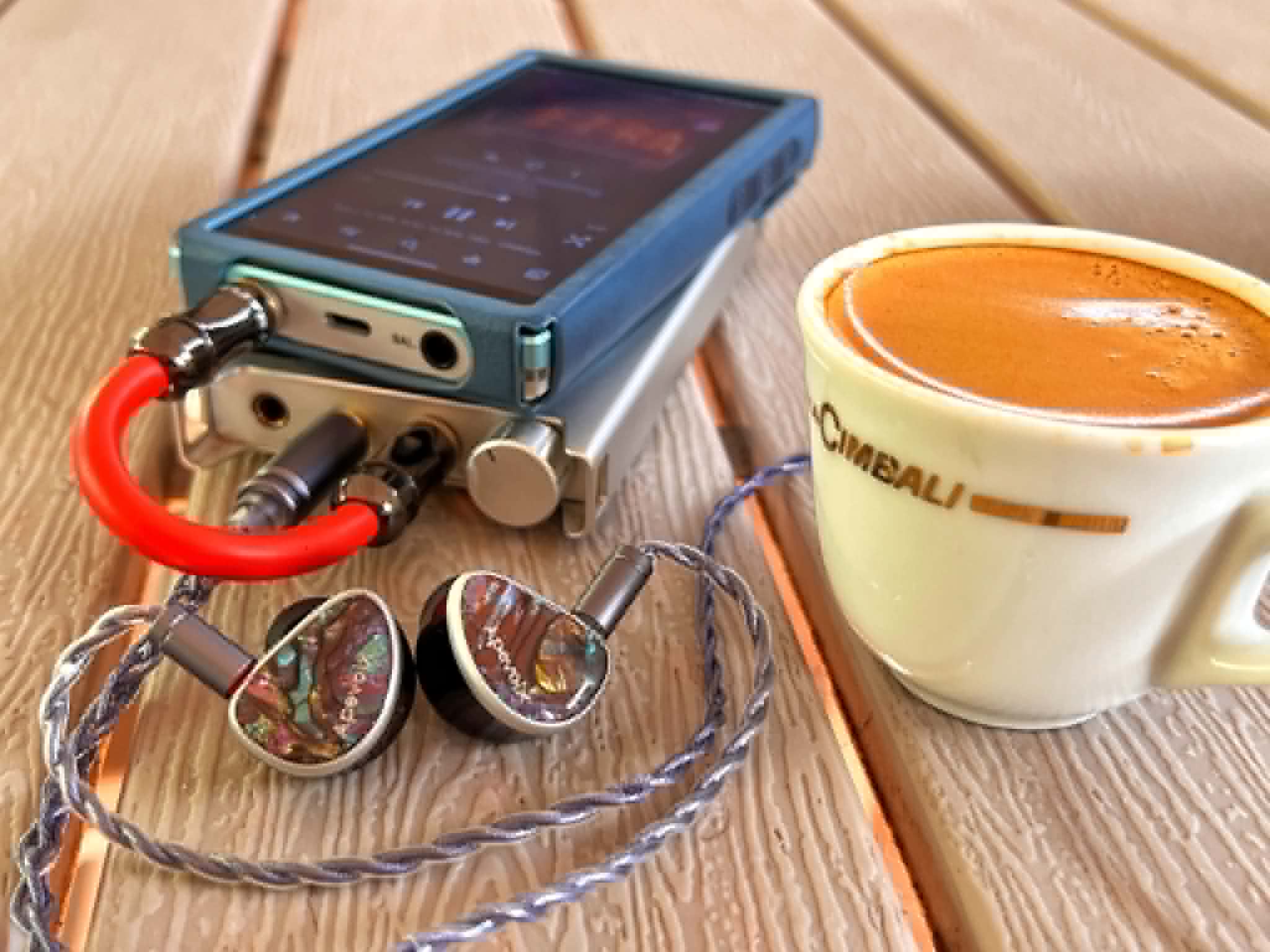
Pairing it with the FiiO K13 R2R was honestly one of my favorite combinations. That setup gave the Nebula this beautiful analog-like smoothness and density that complemented its tuning perfectly. Vocals became even more textured and organic, instruments gained a slightly fuller harmonic body, and the entire presentation took on a more fluid and natural character.
There is this softness and liquidity that R2R DACs tend to bring, and the Nebula responds to that really well. Notes feel slightly more rounded and dimensional without losing clarity or technical precision. The already smooth upper mids and treble become even more effortless and fatigue-free, making longer listening sessions genuinely addictive.
What I also noticed on R2R sources is that the soundstage presentation gains a bit more depth and fluidity. The Nebula already images very well, but warmer sources seem to enhance that holographic quality further. Layering feels more spacious, transitions between instruments sound smoother, and the overall presentation becomes more immersive and atmospheric.
It creates this relaxed almost speaker-like presentation that just pulls you into the music instead of forcing detail at you.
On cleaner and more neutral sources however, the Nebula shifts slightly closer toward its reference-oriented side.
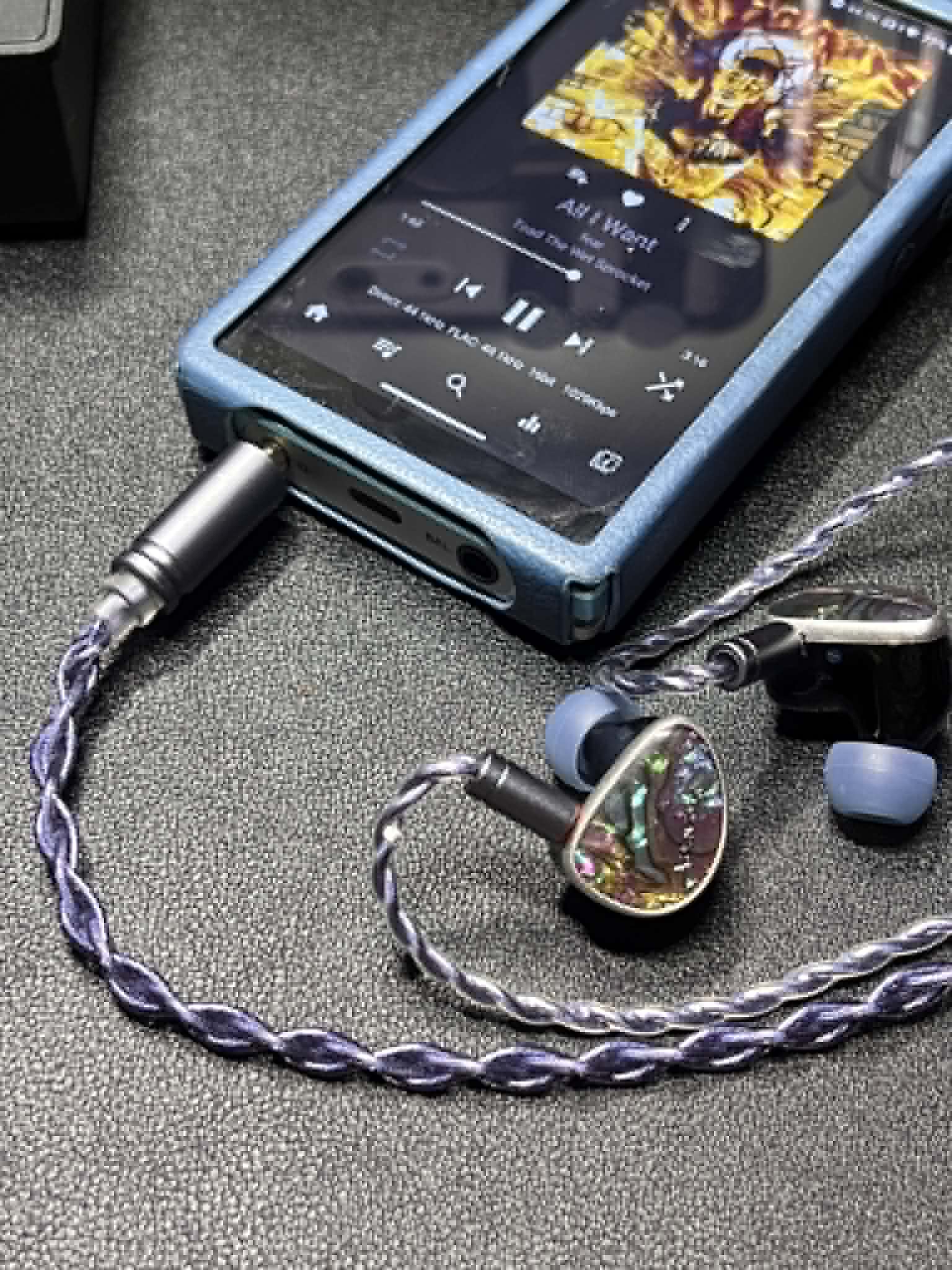
Using more neutral ESS-based or analytical leaning DACs tightens the presentation noticeably. Transients become a bit cleaner and sharper, bass feels slightly more controlled, and microdetails become more apparent within the mix. The Nebula sounds more revealing and studio-like while still retaining its underlying musicality.
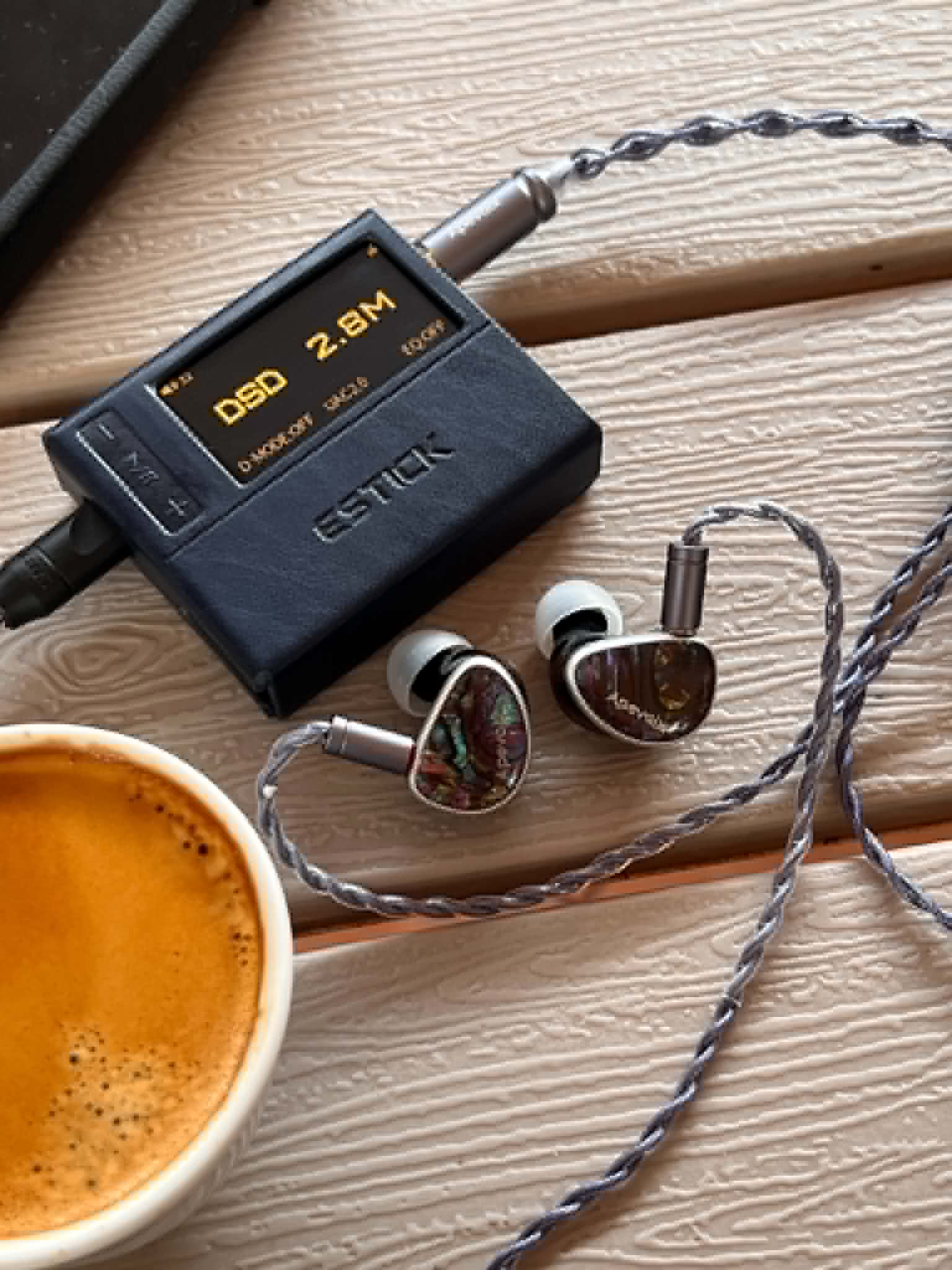
What I appreciate though is that even on cleaner sources, the Nebula never turns harsh, sterile, or overly analytical.
That is honestly a huge strength of this tuning.
A lot of resolving hybrids become fatiguing the moment you pair them with highly resolving or brighter sources, but the Nebula maintains its smooth and composed nature surprisingly well. It simply becomes more transparent and technically focused rather than turning aggressive.
You hear more clearly into recordings, layering becomes more defined, and instrument edges tighten up slightly, but the overall presentation still feels natural and cohesive.
That balance makes the Nebula very versatile when it comes to source matching.
It is also refreshingly easy to drive for a 1DD + 8BA hybrid. Most decent dongles and portable DAC amps can power it comfortably without issues. You do not need massive desktop amplification just to make it come alive.
That said, the Nebula absolutely rewards higher quality source chains.
As I moved up to cleaner DAC implementations and stronger amplification, improvements in layering, stage depth, microdynamic contrast, and overall refinement became increasingly noticeable. Better sources help the Nebula sound more spacious, more textured, and more resolving without fundamentally changing its tuning.
The Nebula scales enough to let you appreciate better gear and source upgrades, but it never becomes overly picky or demanding about what you use with it. Whether plugged into a simple dongle while walking around or a dedicated desktop DAC amp setup late at night, the Nebula consistently maintains its musical and refined character.
It simply adapts and improves with the quality of the chain behind it.
Final Thoughts
The Apevoix Nebula honestly feels like a surprisingly mature release coming from such a young brand. After spending a good amount of time with it, what impressed me most is that Apevoix clearly resisted the temptation to chase trends or tune purely for short-term wow factor. In today’s market where a lot of IEMs try to stand out, the Nebula feels refreshingly confident in its restraint.
Yes, the driver count sounds interesting on paper with its 1DD + 8BA configuration, but what matters more is that Apevoix actually knew how to use those drivers properly. The Nebula never feels like a product built purely around marketing numbers. Instead, it feels thoughtfully tuned and cohesively engineered from top to bottom.
What makes the Nebula stand out for me is how naturally it balances technical performance with musical enjoyment. A lot of “reference” tuned sets end up sounding emotionally flat or overly clinical after a while, especially when brands focus too heavily on analytical detail retrieval and transient sharpness. The Nebula avoids that completely.
It has the balance and tonal discipline of a reference-oriented tuning, but it still sounds alive and emotionally engaging.
The Nebula manages to sound clean and highly resolving without becoming sterile. Smooth without sounding muted. Detailed without sounding artificially sharpened. Musical without sacrificing technical precision. It walks that line extremely well.
And the longer I listened to it, the more I appreciated that tuning philosophy.
This is not the kind of IEM that instantly tries to overwhelm you during the first five minutes with massive bass drops or piercing fake detail. Instead, the Nebula slowly grows on you through refinement, coherence, and natural tonality. It is the kind of set that makes you want to keep listening because nothing feels forced or fatiguing.
Everything just sounds balanced and properly composed and smooth.
It handled pretty much every genre I threw at it confidently. Jazz, acoustic, orchestral, rock, city pop, EDM, vocal-heavy tracks, even live recordings. The Nebula adapts extremely well because of how balanced its tuning is. It never feels overly specialized or limited to one type of music.
It is just easy to enjoy.
That may sound simple, but honestly a lot of technically impressive IEMs fail at that. Some become too analytical, too sharp, too dry, or too demanding during longer listening sessions. The Nebula never gave me that feeling. I could sit down for hours with it, swap between different sources, explore old playlists, and simply relax into the music.
There is a maturity to its tuning that becomes more apparent the longer you use it.
Compared to the Grit, which still remains the more energetic and colorful sibling with its fun BC-driver presentation, the Nebula feels like the more refined and grown-up evolution of the Apevoix house sound. It still carries that musical DNA and smoothness that made the Grit enjoyable, but it wraps it inside a more disciplined, balanced, and technically polished tuning.
Honestly, for a second release, this is incredibly impressive.
The Nebula feels like the work of a brand that already understands its identity instead of blindly following trends. Apevoix clearly knows how to tune for musicality while still respecting technical performance and tonal balance, and that combination makes the Nebula stand out in a very crowded market.
A genuinely refined and very enjoyable all-rounder that quietly earns your appreciation the more time you spend with it.
Link:
https://www.linsoul.com/products/ap...7y1lIbGIgMOBO_lJZYu0R7FfplE_rVygFBba89EpOUBAB
https://www.apevoix.com/products/apevoix-nebula-1dd-8ba-hybrid-driver-in-ear-monitor-hifi-iem-earphone-with-detachable-occ-silver-plated-cable-for-musician
Comments
Post a Comment