Kiwi Ears Cadenza 2 Review: Small, Simple, and Seriously Good
* Well-balanced tuning with tight, controlled bass and natural mids
* Smooth, fatigue-free treble that avoids harshness and sibilance
* Good bass discipline and transient response for a single dynamic driver
* Natural timbre with engaging vocal presentation
* Solid imaging and layering for the price
* Lightweight, ergonomic shell that’s comfortable for long listening sessions
* Easy to drive from dongles and portable players
* Detachable 0.78mm 2-pin cable with decent stock copper cable
Cons:
* Soundstage is average in size, not particularly wide
* Upper treble has a slight roll-off, limiting sparkle and air
* Accessories and cable are functional rather than premium
* Soundstage is average in size, not particularly wide
* Upper treble has a slight roll-off, limiting sparkle and air
* Accessories and cable are functional rather than premium
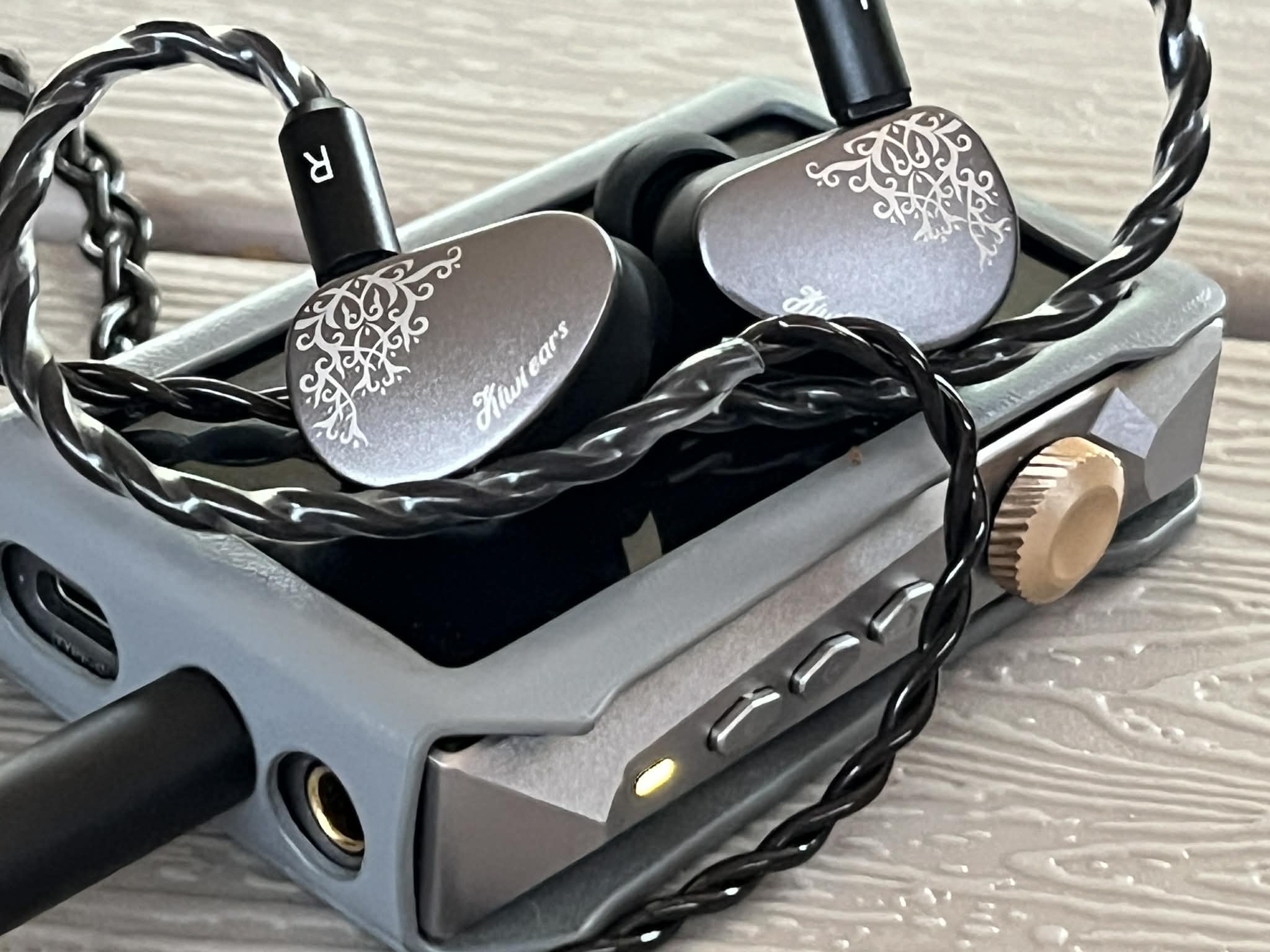
A refined everyday single-DD that gets the fundamentals right.
Single dynamic driver IEMs have always had a certain appeal in this hobby. When they’re executed properly, there’s a level of cohesion and natural flow that’s hard to replicate with more complex multi-driver setups. With everything coming from a single diaphragm, the sound tends to feel unified. Notes transition smoothly across the frequency range, and the overall presentation often feels more organic.
That’s the philosophy the Kiwi Ears Cadenza 2 leans into. Instead of going down the usual route of stacking multiple drivers or building an elaborate hybrid configuration, Kiwi Ears kept the approach refreshingly straightforward. The Cadenza 2 is built around one well-tuned dynamic driver, supported by thoughtful acoustic engineering and a tuning that’s clearly designed with real-world listening in mind.
At first glance, the spec sheet looks fairly simple. A 10mm titanium-coated dynamic driver, an ergonomic shell, and their KARS 2.0 acoustic waveguide system managing airflow inside the enclosure. Nothing about it screams over-engineered or overly ambitious. But once you actually spend time listening to it, you start to realize that a lot of care went into how these elements work together.
The result is an IEM that focuses on balance and musicality rather than spectacle. It doesn’t try to win you over with exaggerated bass, ultra-bright treble, or technical fireworks meant to impress in quick demos. Instead, it delivers a sound that feels controlled, coherent, and easy to live with day to day.
And honestly, that’s part of what makes it so appealing. The Cadenza 2 isn’t trying to be a niche enthusiast monitor or a hyper-analytical reference tool. It’s designed to be an everyday companion, something you can plug into almost any source, throw on any playlist, and simply enjoy without overthinking it.
In a market where many new releases try to stand out by adding more drivers or more complexity, the Cadenza 2 quietly reminds you that a well-executed single dynamic driver still has a lot to offer. Sometimes getting the basics right is the most impressive thing a product can do.
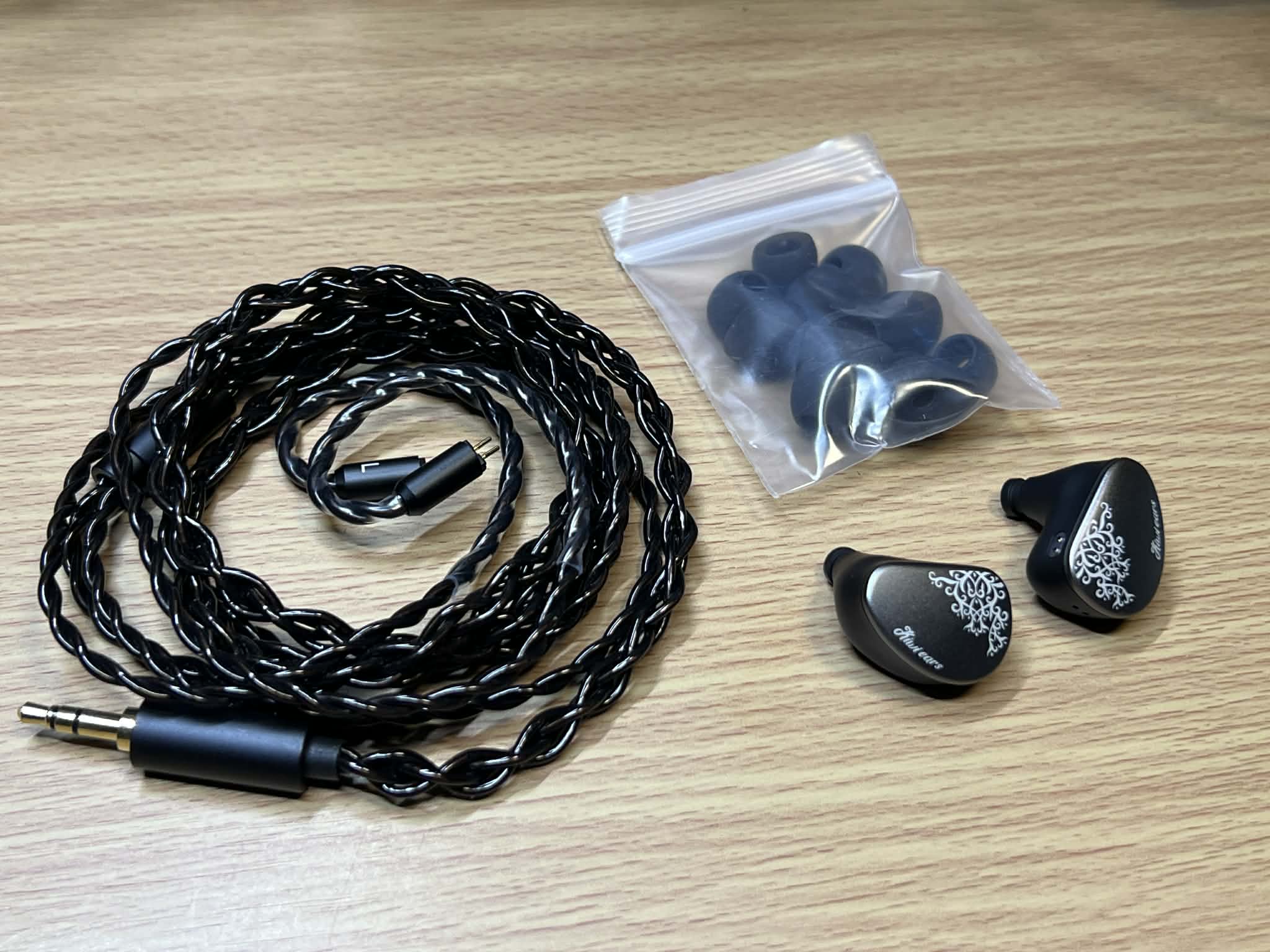
Whats in the box? checkou my shor unboxing video of the Cadenza 2.
Specifications
Driver Configuration: 10mm Titanium Dynamic Driver with KARS 2.0
Diaphragm Material: PET with Titanium Coating
Impedance: 18Ω ±1Ω
Sensitivity: 106dB ±1dB @1kHz
Rated Power: 5mW
Maximum Power: 10mW
Frequency Response: 10Hz – 29kHz
Total Harmonic Distortion: <1% @1kHz
Channel Difference: <1.5dB @1kHz
Cable Connector: 0.78mm 2-Pin
Plug: 3.5mm
Cable: 1.2m Single-Crystal Copper
Design and Driver Technology
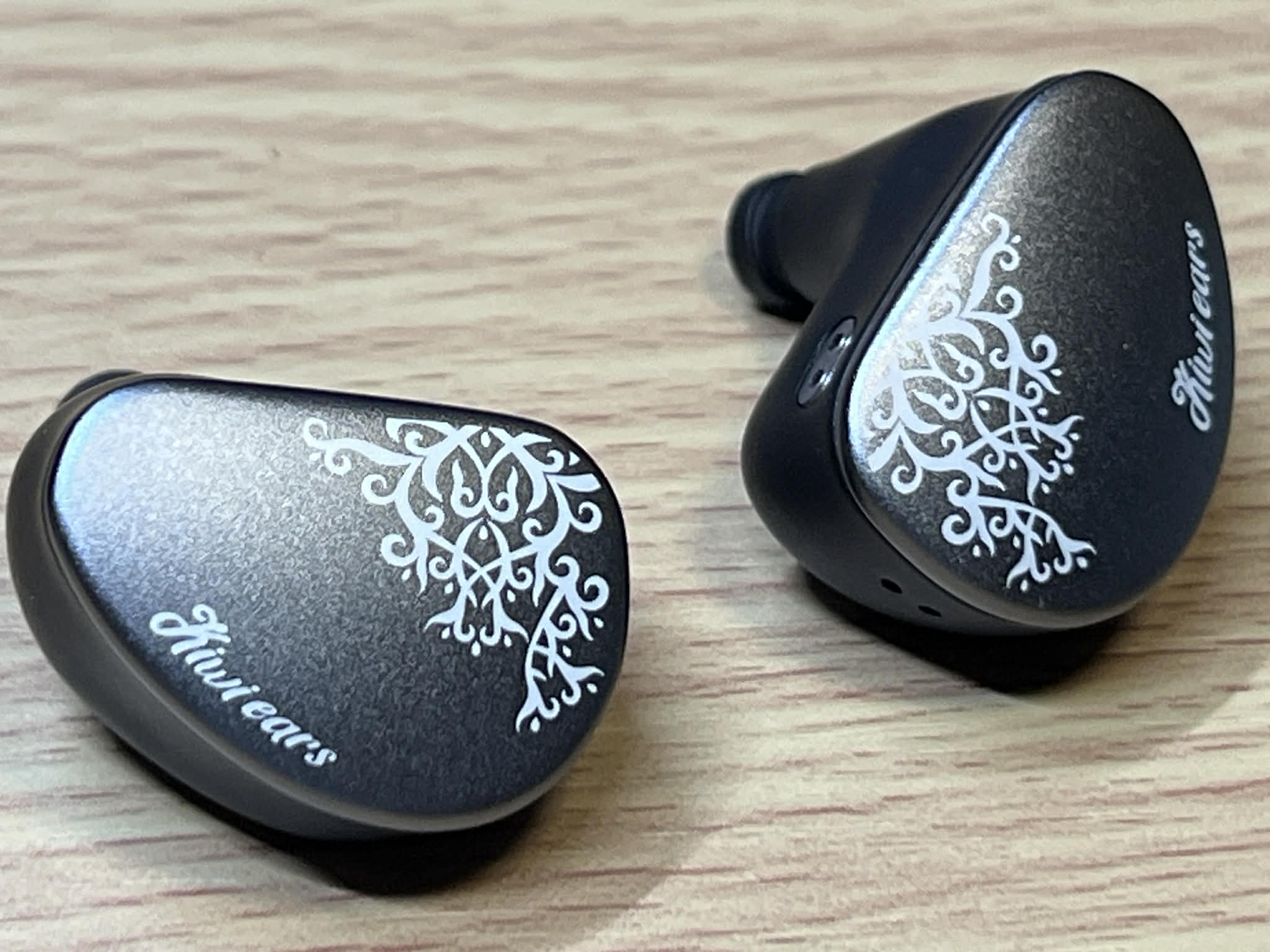
At the core of the Kiwi Ears Cadenza 2 is a 10mm titanium-coated dynamic driver, and while that might sound like a fairly common spec on paper, the way the driver material behaves plays a big role in how the IEM ultimately sounds.
Titanium is often chosen for diaphragms because it strikes a nice balance between rigidity and low mass. A rigid diaphragm resists flex when the driver moves, which helps keep the motion more controlled. Less flex means less distortion, especially when the driver is asked to push a lot of air in the low frequencies. At the same time, keeping the diaphragm light allows it to start and stop quickly, which improves transient response. In simple terms, the driver reacts faster to the signal being fed into it.
That combination tends to translate into cleaner note edges, tighter bass impact, and better control when the music gets dense or rhythmically complex. Instead of bass notes lingering longer than they should, they hit, resolve, and get out of the way before the next one arrives. Drums sound more defined, basslines have better texture, and the overall presentation stays organized even when the mix becomes busy.
Of course, the driver itself is only one part of the equation. The environment around that driver matters just as much.
That’s where Kiwi Ears’ KARS 2.0 acoustic waveguide system comes into play. Internally, the Cadenza 2 uses a carefully designed airflow path that manages how sound waves behave inside the shell. When a dynamic driver moves, it doesn’t only produce sound in the direction of your ear. It also creates a rear wave inside the enclosure. If that rear wave is left unmanaged, it can bounce around the cavity and interfere with the main signal, often causing bass to sound bloated or muddy.
KARS 2.0 essentially works like a miniature acoustic maze inside the shell. It channels and absorbs portions of that rear energy before it has a chance to reflect back toward the diaphragm. This kind of internal acoustic control is actually very similar to techniques used in speaker cabinet design, where engineers carefully manage internal reflections to prevent low-frequency bloom and resonance.
When implemented well, the benefits can be quite noticeable. Bass tends to feel more controlled and better defined, with less of that loose or boomy character that sometimes shows up in small IEM enclosures. It also helps maintain clarity in the lower mids, since excess bass resonance is less likely to bleed upward into the vocal range.
In theory, combining a rigid titanium diaphragm with a well-managed internal acoustic structure should lead to a presentation that feels fast, controlled, and coherent from top to bottom. Of course, good engineering on paper is only half the story. The real test is how those design choices translate once you actually start listening.

Build, Comfort, and Everyday Use
From a physical design standpoint, the Kiwi Ears Cadenza 2 clearly leans toward practicality. This is the kind of IEM built for everyday use rather than something that feels delicate or overly precious. Everything about the design, from the shell shape to the cable choice, feels intended to make it easy to grab, plug in, and just enjoy music without fuss.
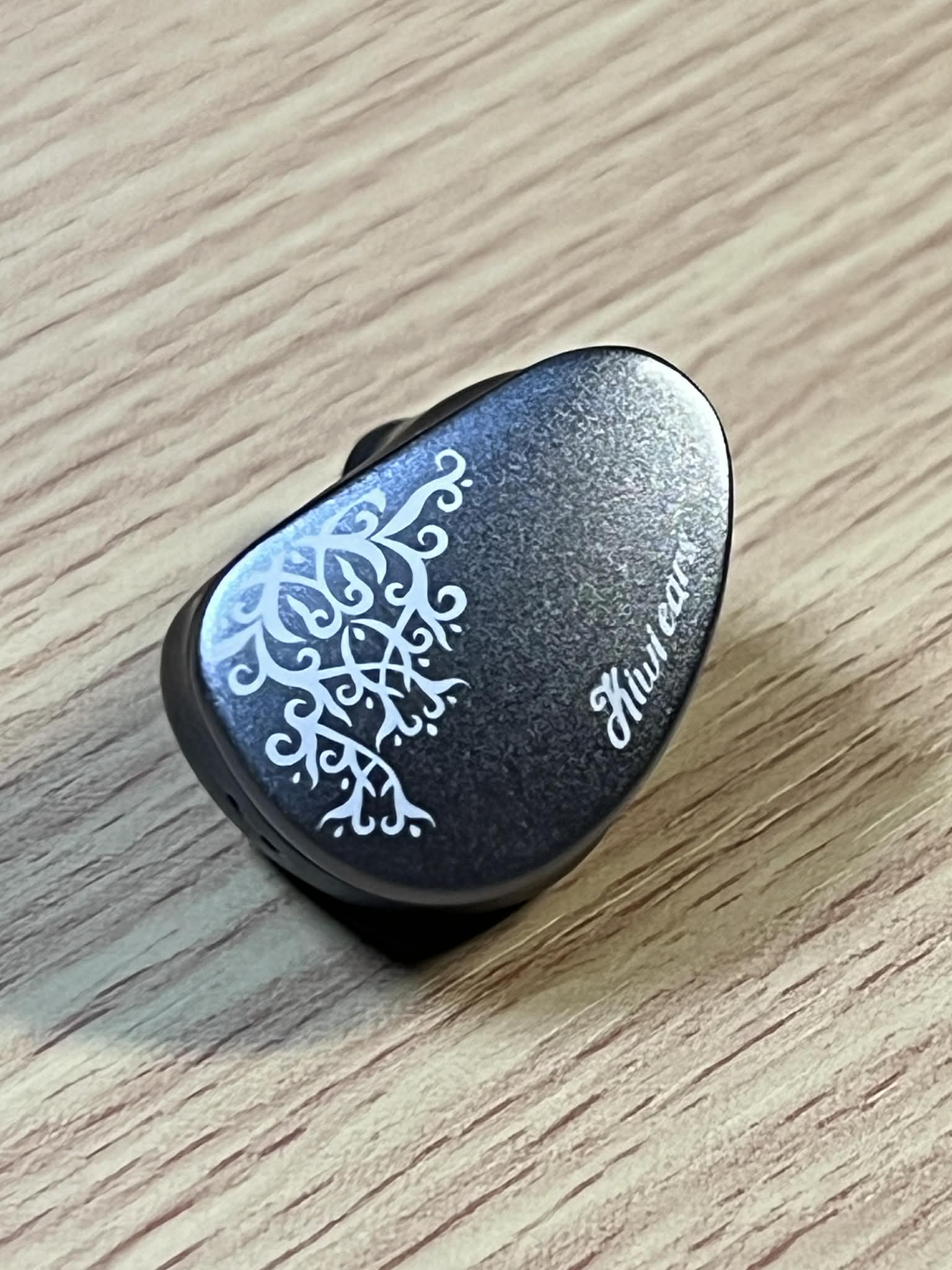
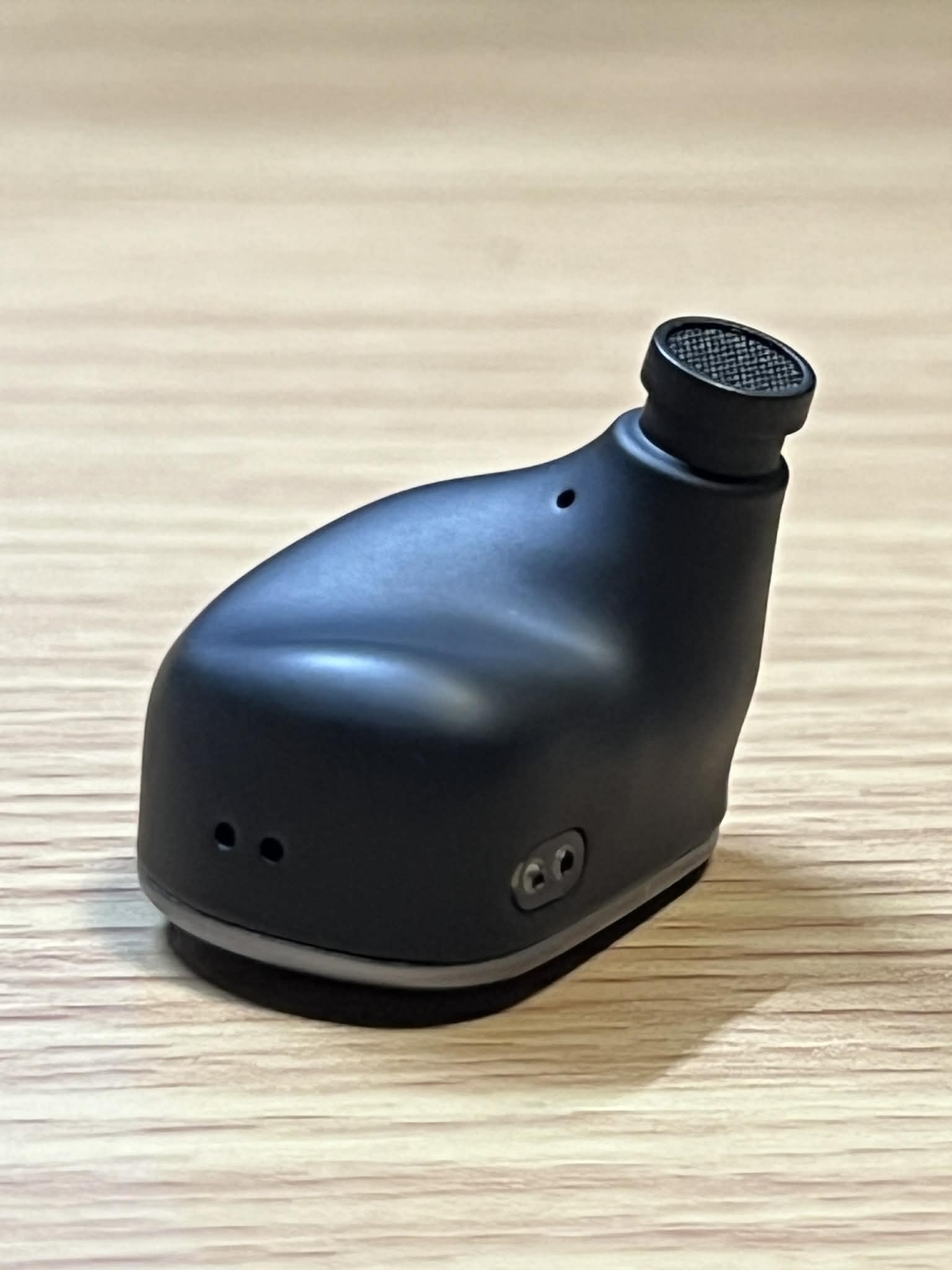
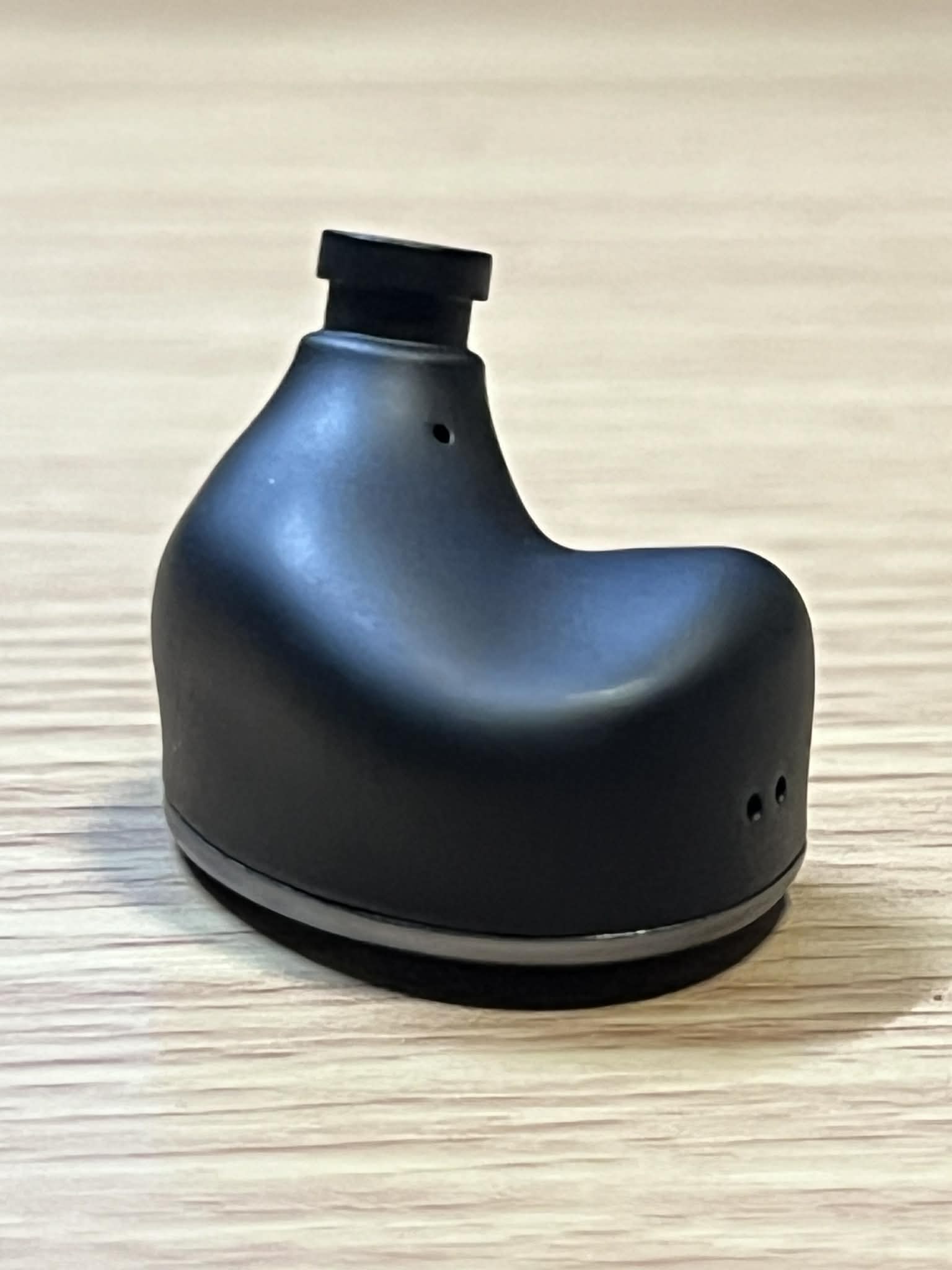
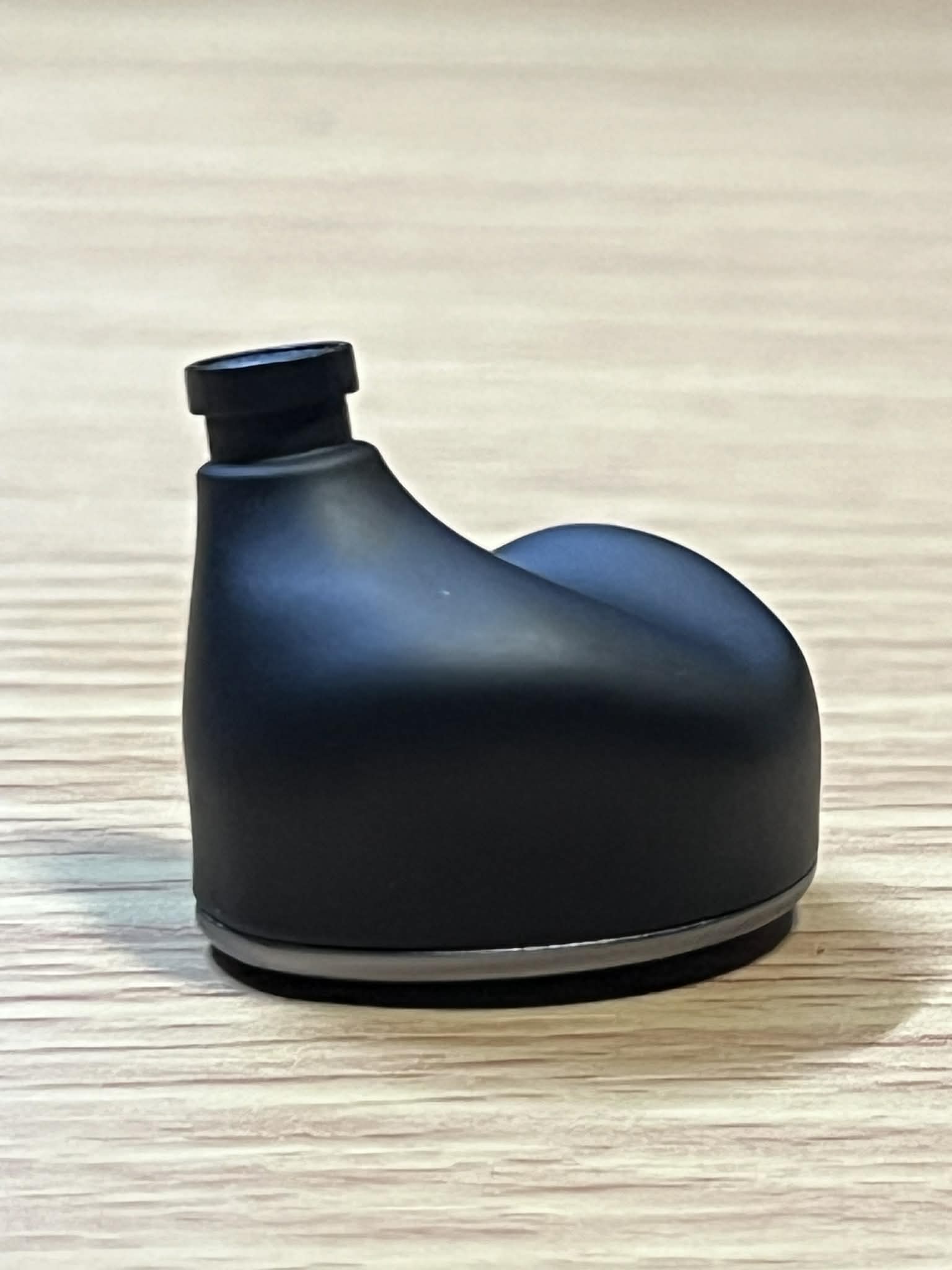
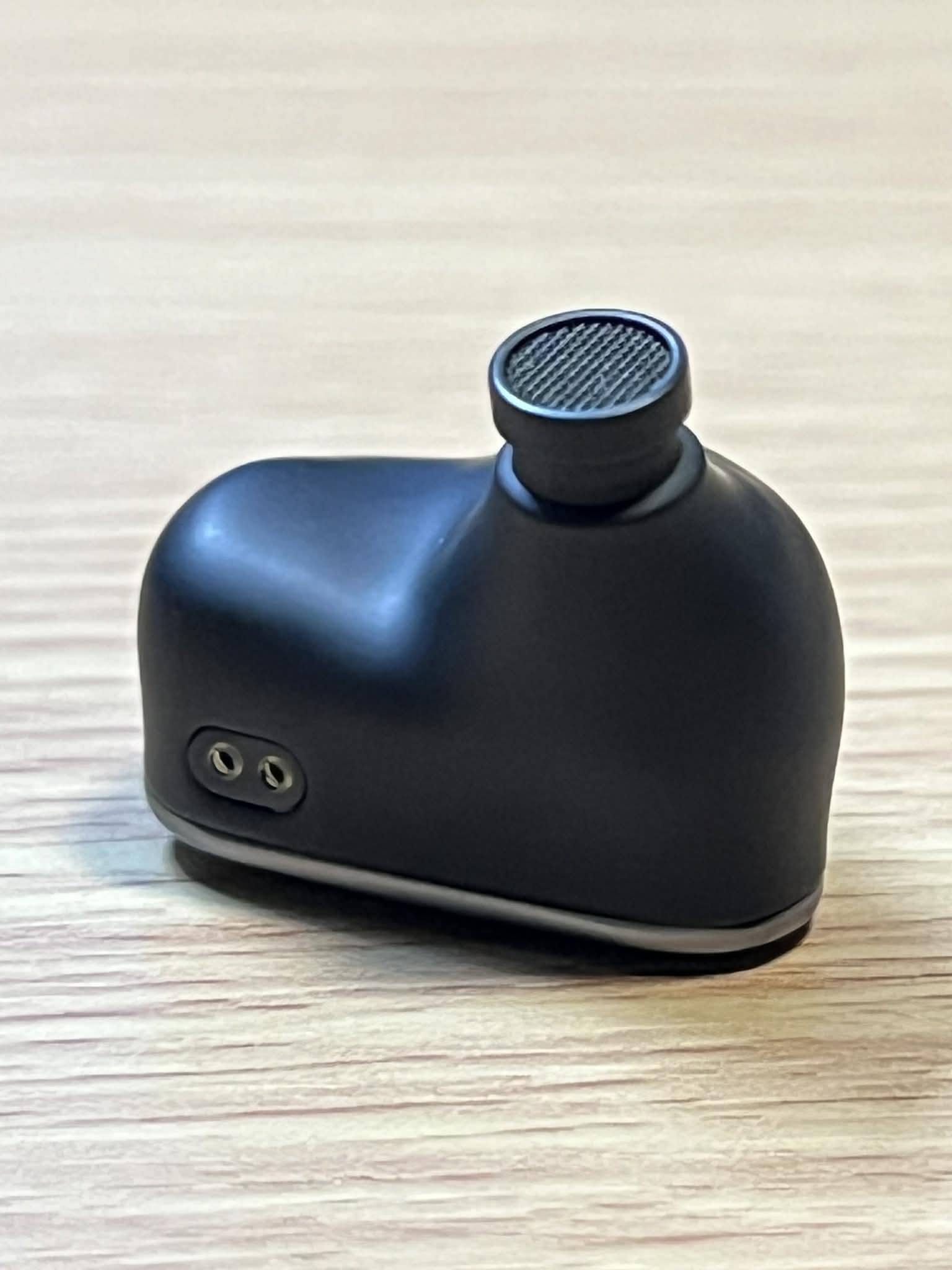
The shell itself is compact and lightweight, which immediately helps with comfort. The shape follows a familiar ergonomic contour that sits naturally in the ear, so getting a proper seal doesn’t require much adjustment. Once you have the right tips in place, the Cadenza 2 settles in securely and stays there.
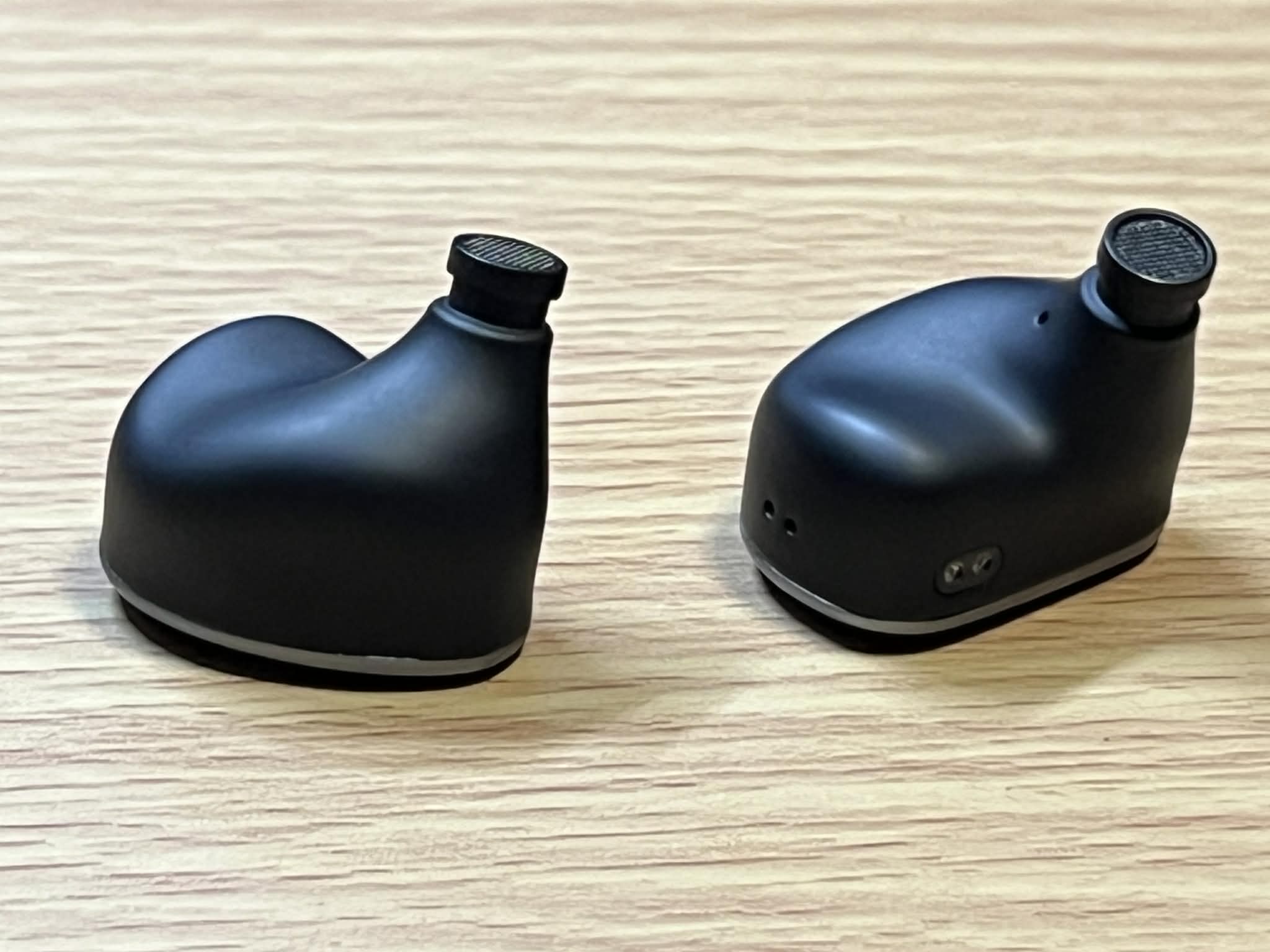
After a few minutes of listening, it’s the kind of IEM that basically disappears. There are no awkward pressure points pressing against the ear, and the lightweight build prevents fatigue even during longer sessions. That matters more than people sometimes realize. A great-sounding IEM loses its appeal quickly if it becomes uncomfortable after an hour.
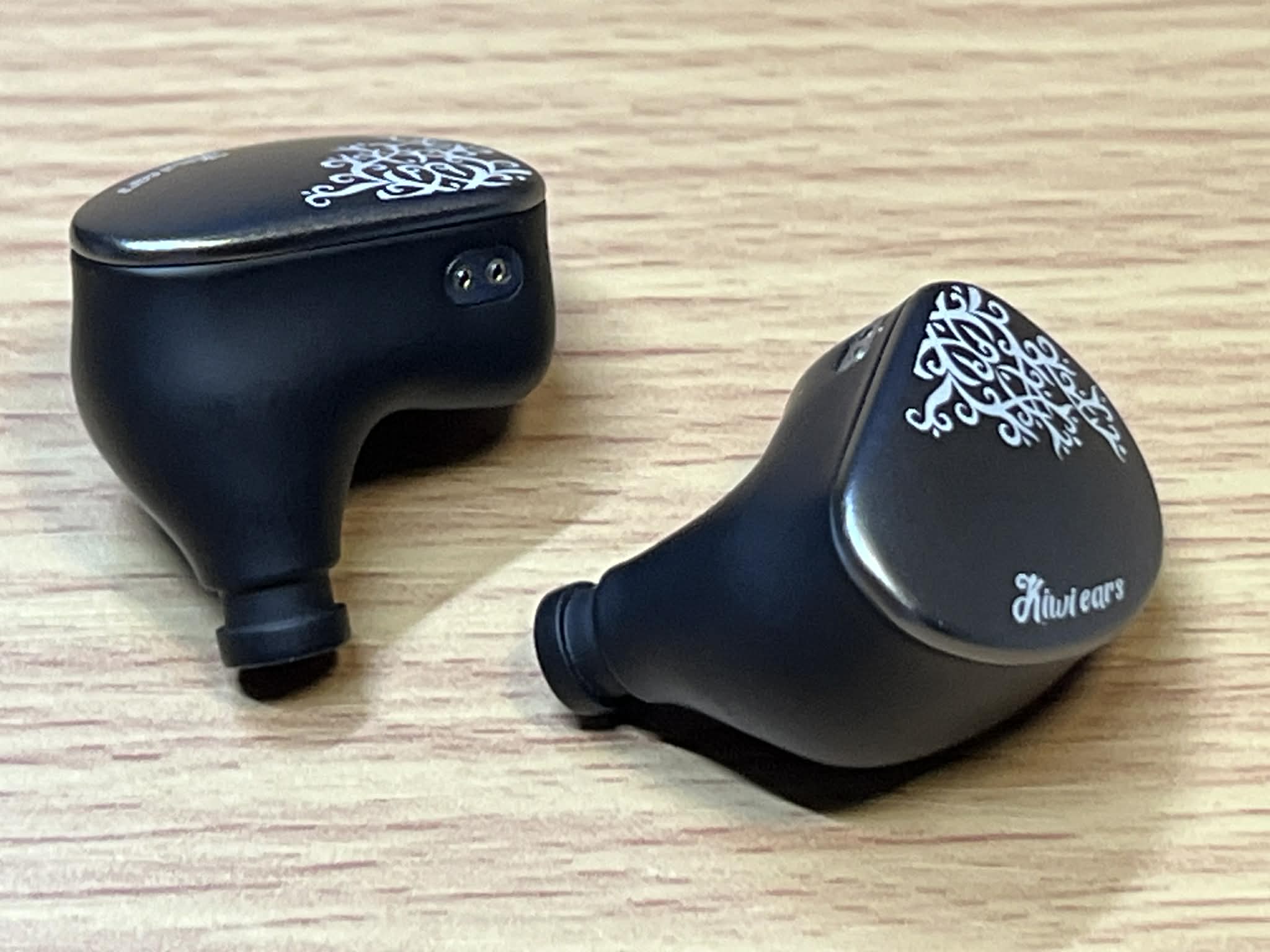
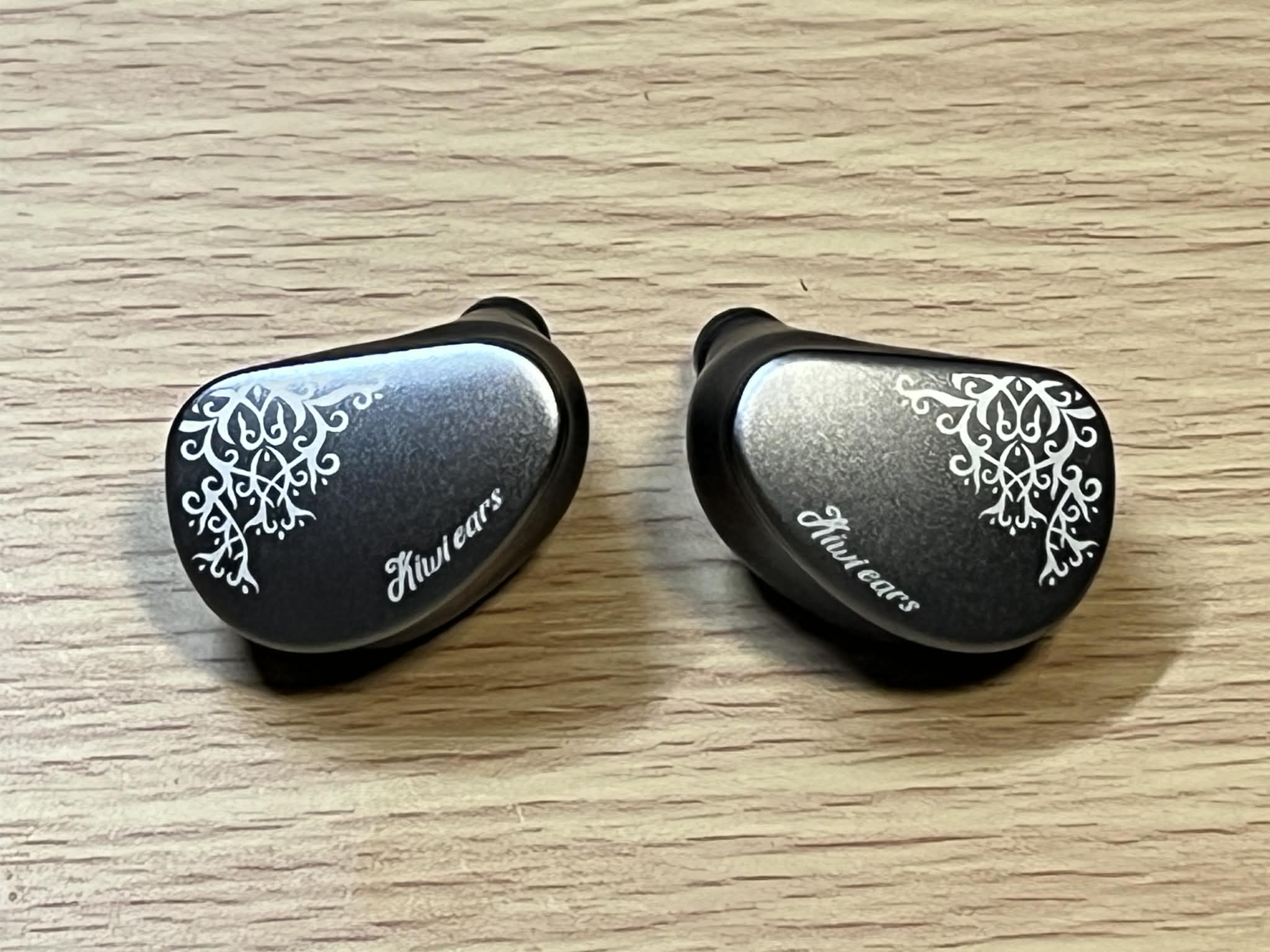
The compact shell also works well for portable listening. It sits flush enough in the ear to remain stable when you’re walking around or commuting, and it’s small enough to slip easily into a pocket or carrying case when not in use. This is very much a “grab-and-go” design rather than something that demands careful handling every time you pack it away.
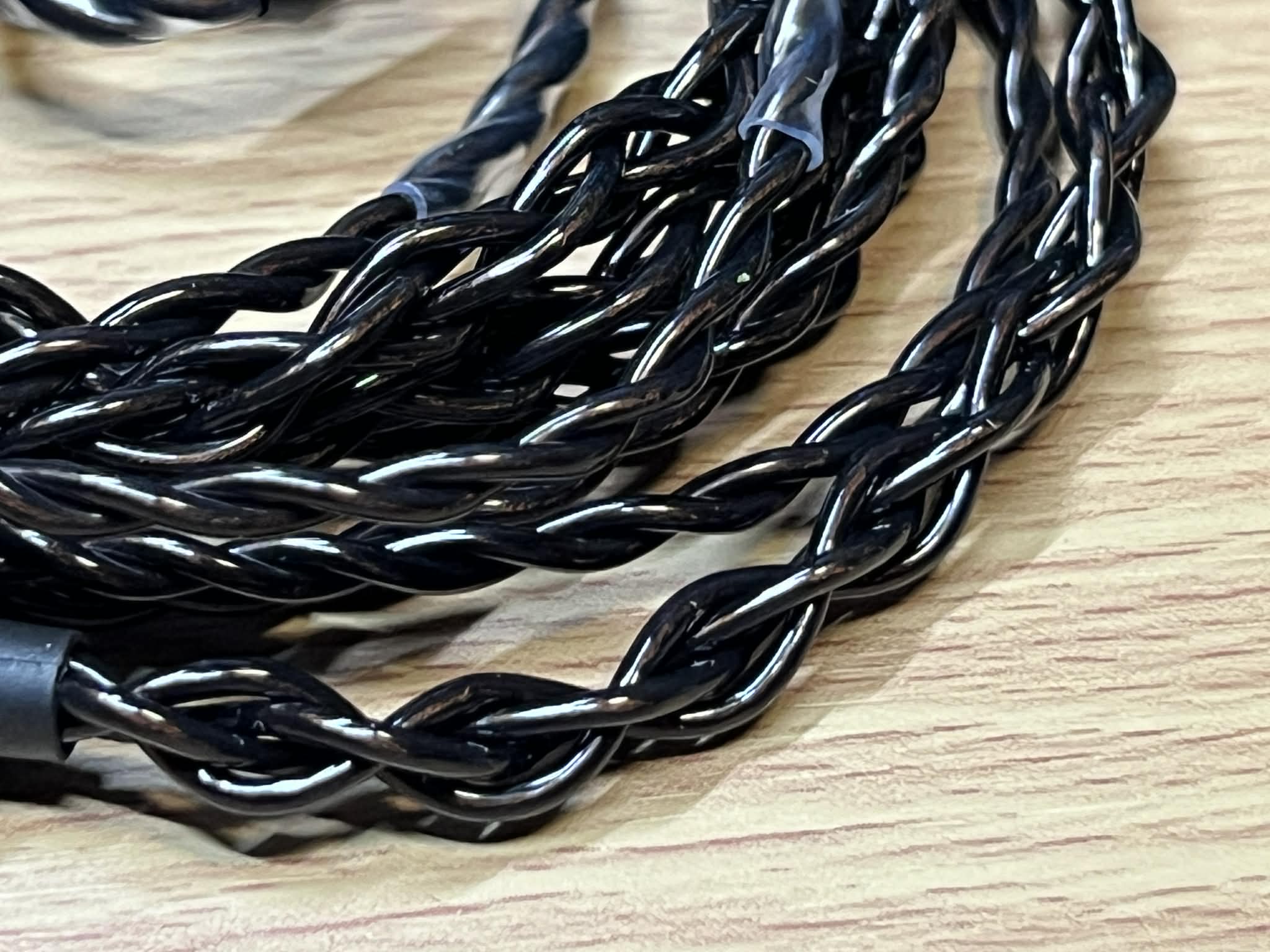
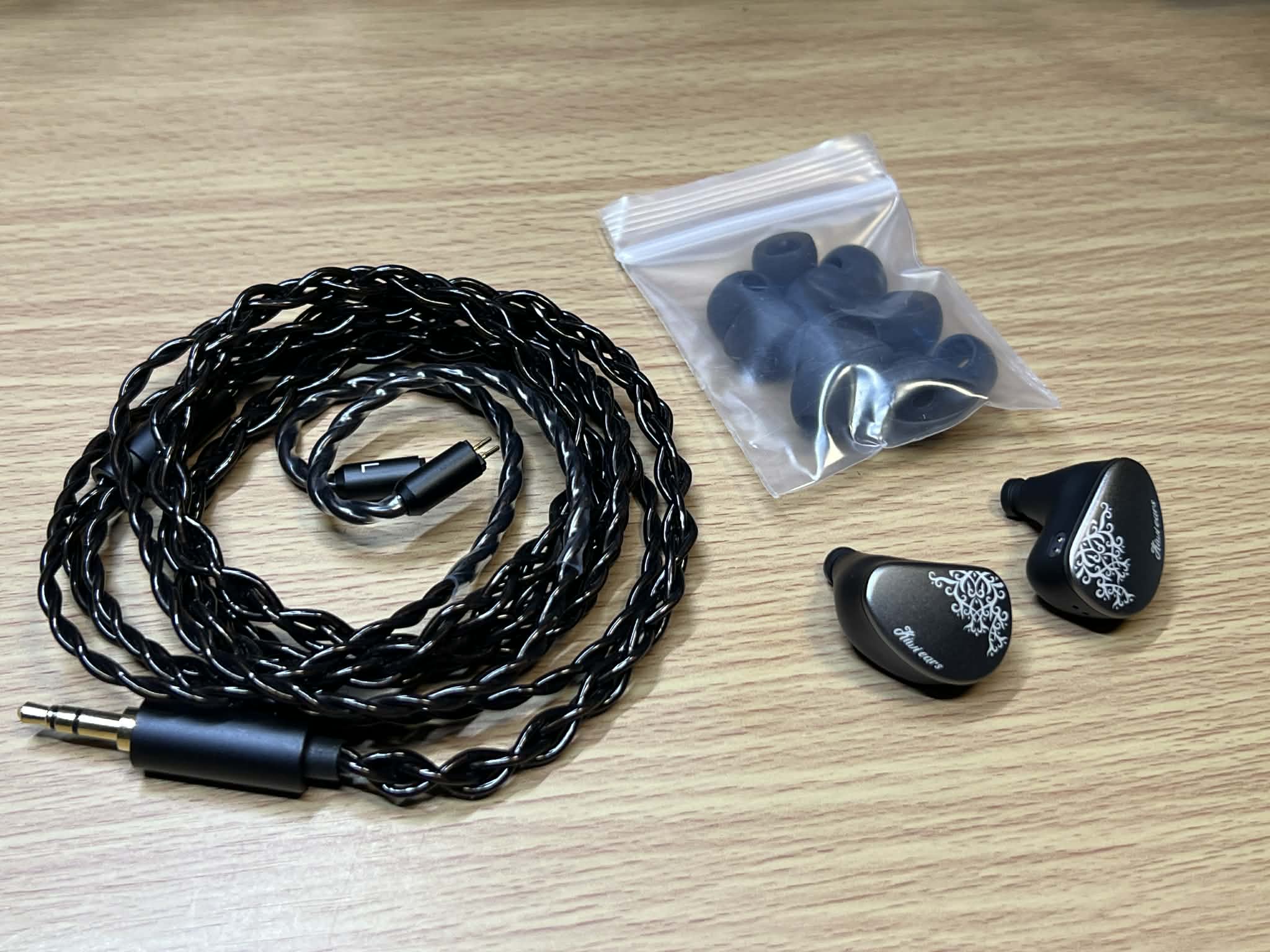
Kiwi Ears also includes a detachable 0.78mm 2-pin cable, which is always good to see at this price point. The ability to swap cables not only adds convenience if the stock cable eventually wears out, but it also gives users the option to experiment with balanced cables or wireless adapters down the line.
The included cable uses single-crystal copper, which tends to complement the tuning well. Copper cables generally preserve a natural tonal balance without pushing the treble into sharper territory, and that matches the Cadenza 2’s warm and musical presentation nicely. The cable itself is lightweight, flexible, and easy to manage. It doesn’t fight you when coiling it up, and it doesn’t create much microphonic noise when moving around.

From a drivability standpoint, the Cadenza 2 is also very friendly. With a rated impedance of 18Ω and a sensitivity of 106dB, it doesn’t require much power to come alive. Even a modest dongle DAC or a smartphone with a decent output stage can drive it comfortably to satisfying levels.
That said, like most well-tuned dynamic driver IEMs, it still benefits from cleaner sources. Pairing it with a good portable DAC or a capable digital audio player can tighten up the bass slightly and improve overall clarity. The improvements aren’t night and day, but they’re noticeable enough to reward better source gear.
Overall, the physical design of the Cadenza 2 reinforces what it’s meant to be: a reliable everyday IEM. It’s comfortable, practical, easy to drive, and durable enough to handle regular use. In other words, it’s built to fit naturally into your daily listening routine without demanding much attention. And sometimes that kind of thoughtful simplicity is exactly what you want.
Sound Impressions
Bass
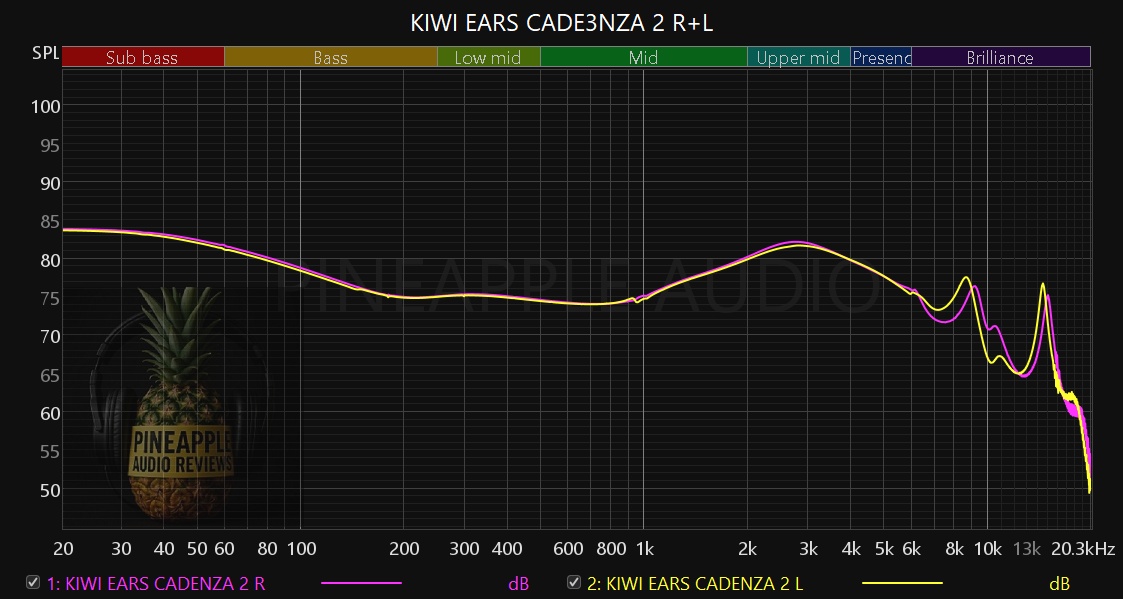
The low end is really where the engineering behind the Kiwi Ears Cadenza 2 starts to make itself known. Between the 10mm titanium-coated dynamic driver and the KARS 2.0 acoustic waveguide system, the bass presentation leans toward control and definition rather than sheer quantity. It’s satisfying without crossing into bloated territory, which is honestly a balance a lot of budget single dynamic sets struggle to get right.
Starting with the subbass, extension is solid. It digs deep enough to give electronic tracks, cinematic scores, and modern pop the kind of low-end presence you expect. When a track calls for it, you get a clear sense of rumble and depth, but it’s handled with restraint. The subbass doesn’t linger longer than it should, and it doesn’t overwhelm the rest of the spectrum. Instead, it comes in with authority and then fades naturally, keeping the presentation clean.
You can hear this especially in tracks with sustained subbass lines or layered electronic bass drops. The Cadenza 2 lets the weight come through while maintaining control, so the bass feels grounded and textured rather than loose or overly thick.
Moving up into the midbass, the tuning shifts toward punch and articulation. Kick drums have a satisfying sense of impact, and there’s a nice bit of snap at the leading edge of each hit. Bass guitars come through with good texture as well. Instead of sounding like a single rounded thump, you can actually follow the plucks and subtle variations in the notes.
That’s where the titanium diaphragm shows its strengths. The driver has enough speed and transient control to keep rhythmic passages tight and organized. Even when a track gets busy with layered percussion or fast bass patterns, the low end doesn’t start to smear together.
Another thing that stands out is how well-behaved the bass is in relation to the mids. There’s definitely a lift in the low end to keep things engaging, but it never spills over into the midrange. Vocals and instruments remain clear and properly separated, which keeps the overall presentation balanced.
What I appreciate most about the Cadenza 2’s bass is the discipline. It has energy and presence when the music calls for it, but it doesn’t try to dominate the tuning. It supports the rest of the spectrum rather than overshadowing it. The result is a low end that feels tight, controlled, and musical, giving the sound a solid foundation without muddying the picture.
Midrange
The midrange on the Kiwi Ears Cadenza 2 strikes a really nice balance between natural tonality and musical warmth. It doesn’t aim for a hyper-clinical or ultra-analytical presentation. Instead, it leans toward a sound that feels organic and easy to connect with, which makes a big difference during longer listening sessions.
One of the first things you notice is the sense of body in the notes. Instruments carry a bit of weight behind them, so guitars, pianos, and strings don’t sound thin or overly lean. There’s just enough warmth in the lower mids to give acoustic recordings a fuller, more lifelike character without tipping into muddiness. It’s a tuning choice that helps preserve the natural timbre of instruments rather than stripping them down in the name of detail.
Male vocals benefit quite a bit from this tuning. They come through with a grounded, slightly warm tone that adds a sense of richness and texture to voices. Baritone and tenor vocals sound full and convincing, with enough depth to keep them from feeling recessed or distant in the mix.
Female vocals, on the other hand, sit a touch more forward in the presentation. They have good clarity and presence without sounding overly bright or sharp. There’s a smooth lift in the upper mids that gives vocals the articulation they need to stand out, but Kiwi Ears avoids pushing that region too aggressively. As a result, female vocals sound expressive and engaging without drifting into shouty territory.
What I really appreciate here is the overall balance of the midrange. It sits comfortably between the bass and treble without feeling overshadowed by either. The transition from the low end into the mids is smooth, so instruments and vocals remain well separated and properly defined.
The presentation also leans slightly intimate, which works well for vocal-centric music, acoustic tracks, and smaller ensemble recordings. Voices feel close enough to draw you into the performance, yet there’s still enough breathing room around instruments to avoid sounding congested.
Another strong point is how relaxed the mids feel overall. Nothing jumps out aggressively or tries too hard to grab your attention. Instead, the detail is presented in a natural, unforced way. You can still pick up subtle textures in vocals and instrumentation, but the Cadenza 2 doesn’t shove microdetails forward just to impress during quick demo sessions.
In the long run, that approach pays off. The midrange ends up being smooth, engaging, and fatigue-free, making it the kind of tuning that encourages you to keep listening rather than constantly analyzing the sound. It prioritizes musical enjoyment over clinical precision, and for an everyday IEM, that’s honestly the right call.
Treble
The treble on the Kiwi Ears Cadenza 2 is tuned with a clear goal in mind: keep things open and detailed without sacrificing long-term listenability. Instead of chasing extreme sparkle or exaggerated air, Kiwi Ears opts for a more balanced and controlled approach that fits the overall musical character of the IEM.
In the lower treble, there’s enough presence to give the sound a sense of clarity and articulation. This is where the attack of many instruments lives, and the Cadenza 2 handles it well. Cymbals have a crisp leading edge, hi-hats cut through the mix cleanly, and string overtones carry enough bite to sound convincing. That extra bit of energy also helps bring out small nuances in recordings, so micro-details like subtle percussion hits or the trailing decay of a cymbal remain audible.
What’s nice here is that the treble energy never feels forced. The driver presents those details naturally instead of pushing them forward just to create the illusion of higher resolution.
As the frequency climbs into the upper treble, the tuning starts to ease off slightly. There’s a gentle roll-off in the highest registers, which keeps the overall presentation from becoming overly bright or fatiguing. This is a deliberate choice that helps maintain the Cadenza 2’s smooth and cohesive tonal balance, especially considering the warmth coming from the low end and midrange.
The result is a treble response that feels airy enough to keep the sound from feeling closed-in, but still relaxed enough to remain comfortable over long sessions. It doesn’t chase that ultra-shimmery top end some detail-focused IEMs go for, but it also never sounds dull or muted.
Another strong point is how well the Cadenza 2 handles sibilance control. Even on tracks that are known to be a bit hot in the “s” and “t” regions, the treble stays composed. Vocals maintain clarity without developing that sharp edge that can make certain recordings uncomfortable to listen to.
That forgiving nature also means the Cadenza 2 pairs well with a wide range of music, including older recordings or modern mixes that aren’t perfectly mastered. Instead of exposing every flaw in the track, it smooths over rough edges just enough to keep the listening experience enjoyable.
Overall, the treble presentation feels tastefully restrained and well-integrated with the rest of the tuning. It provides enough sparkle and detail to keep the sound lively, while still prioritizing smoothness and musicality. For listeners who prefer a treble that’s engaging but not aggressive, this approach makes the Cadenza 2 very easy to live with day to day.
Technical Performance
When it comes to technical performance, the Kiwi Ears Cadenza 2 holds its own surprisingly well for a single dynamic driver in this price range. It doesn’t try to wow you with exaggerated tricks or artificial enhancements. Instead, it focuses on delivering a presentation that feels coherent, organized, and believable, which in many ways is exactly what a well-tuned single DD should aim for.
Starting with the soundstage, the overall size sits around average in width, but what stands out is how natural it feels. Some IEMs attempt to create a wider stage by pushing certain frequencies forward or by manipulating upper treble energy. The Cadenza 2 avoids that kind of artificial stretch. Instead, it presents space in a way that feels realistic and proportional to the music.
You get enough width and depth for instruments to breathe, and the stage never feels cramped or boxed in. At the same time, it doesn’t overreach by trying to simulate a massive hall-like environment. The result is a stage that feels balanced and believable, which works well across a wide range of genres.
Imaging is another area where the Cadenza 2 performs confidently. Instrument placement across the stereo field is clear and easy to follow. Whether it’s guitars panned slightly left and right, backing vocals sitting behind the lead, or percussion elements scattered across the mix, the positional cues remain stable and well defined.
You can close your eyes and build a mental map of where things are happening, which is always a good sign that the driver and tuning are working together properly.
Where the Cadenza 2 really impresses for its category is layering. Even when the arrangement becomes dense, the sound doesn’t collapse into a flat wall of noise. Instruments maintain their own space, and the transitions between bass, mids, and treble stay well separated. This gives complex mixes a bit more breathing room and helps prevent the presentation from feeling congested.
It’s not the kind of separation you’d expect from higher-end multi-driver setups, but for a single dynamic driver, the sense of organization is genuinely solid.
Detail retrieval follows a similar philosophy to the rest of the tuning. The Cadenza 2 doesn’t aggressively push microdetails forward just to create the impression of high resolution. Instead, details appear naturally within the mix. Subtle textures in vocals, faint background instruments, and small ambient cues are present, but they reveal themselves more gradually as you spend time with the music.
This approach fits well with the IEM’s slightly warm and relaxed tuning. Rather than sounding analytical or clinical, the Cadenza 2 delivers its technical performance in a way that supports musical enjoyment.
Overall, the technical capabilities here feel well balanced and thoughtfully implemented. Nothing is exaggerated, nothing feels forced, and the presentation remains coherent from top to bottom. For an everyday single dynamic driver IEM, that kind of consistency is often more valuable than chasing flashy technical tricks.
Source Pairing
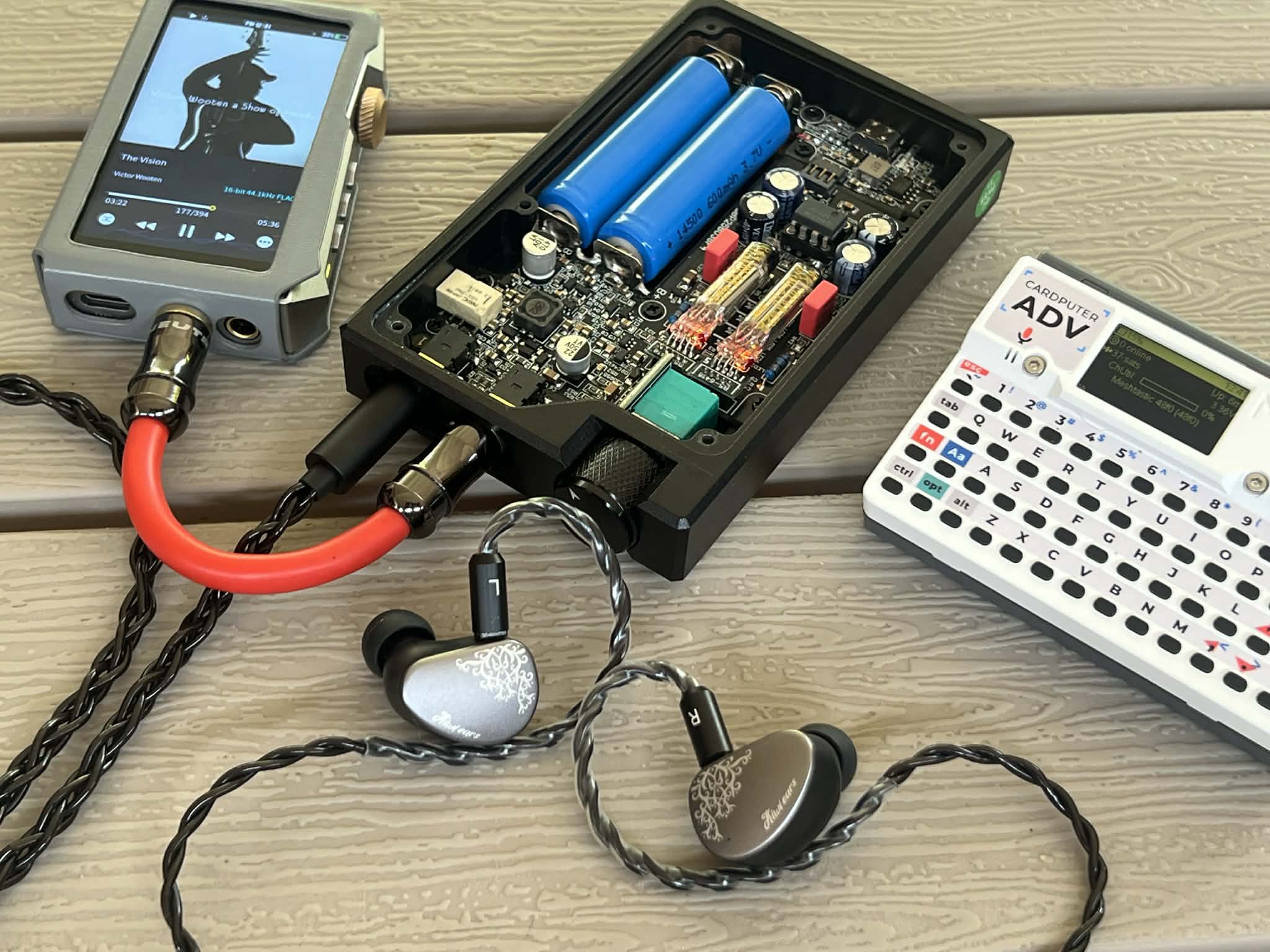
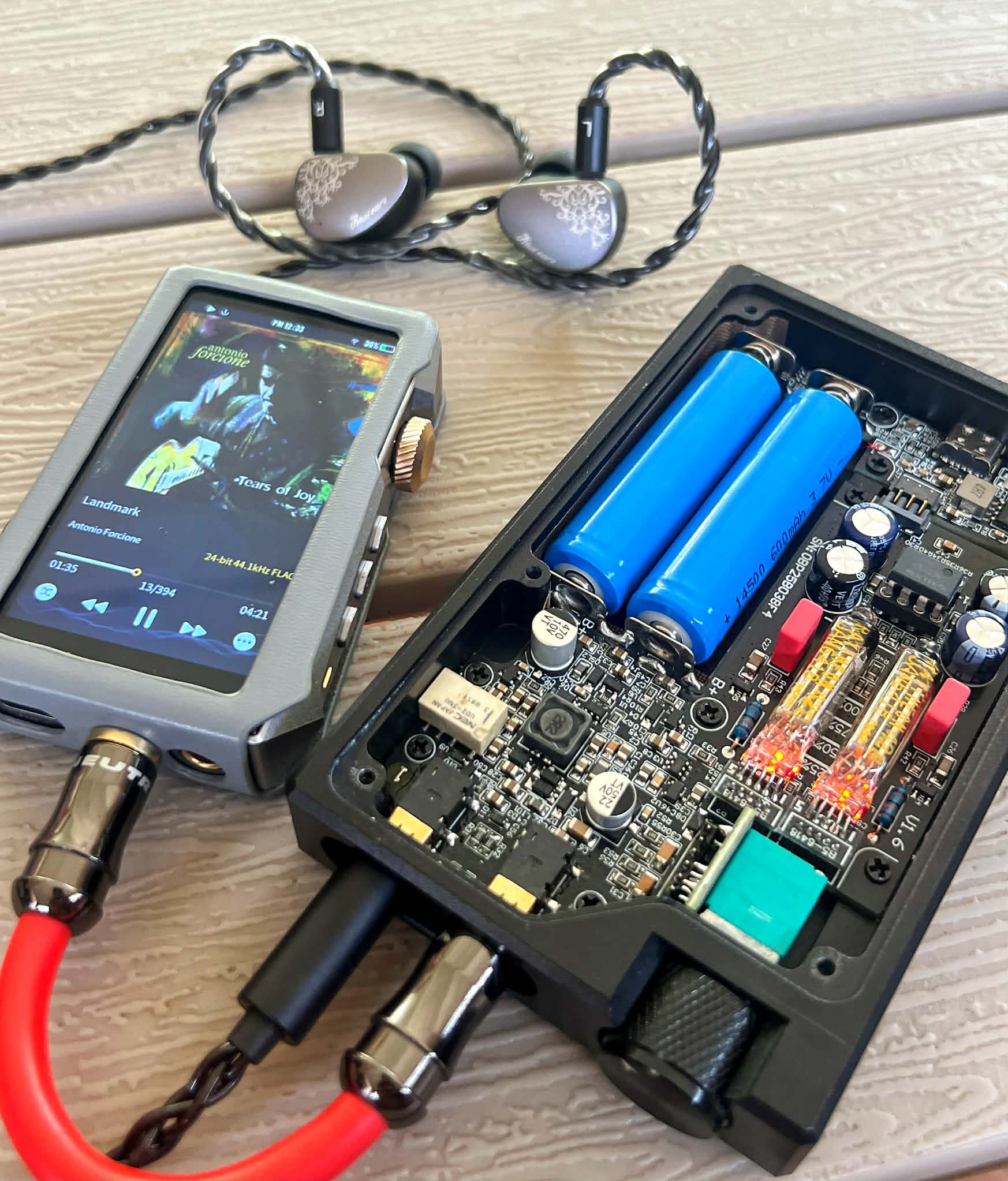
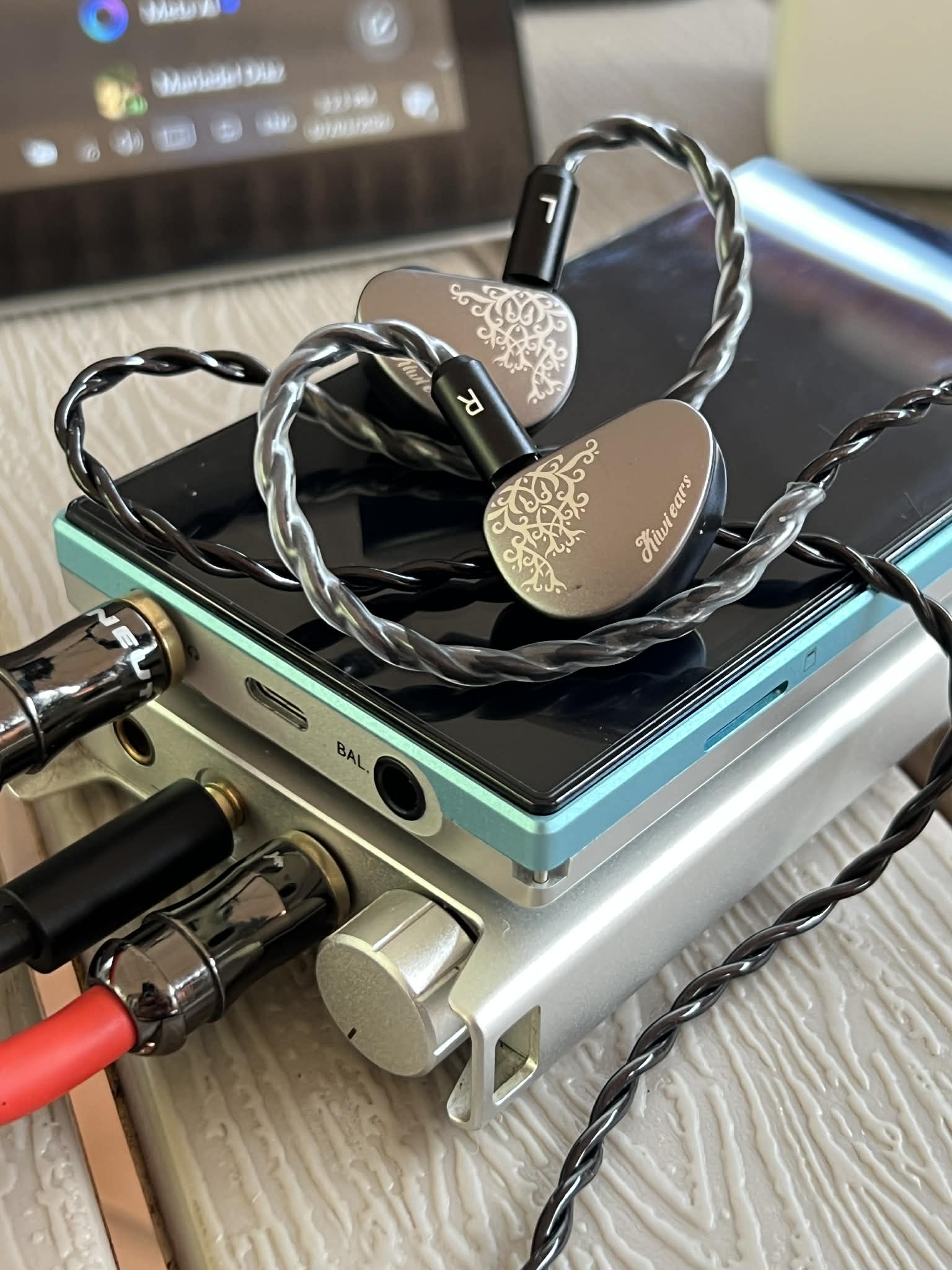
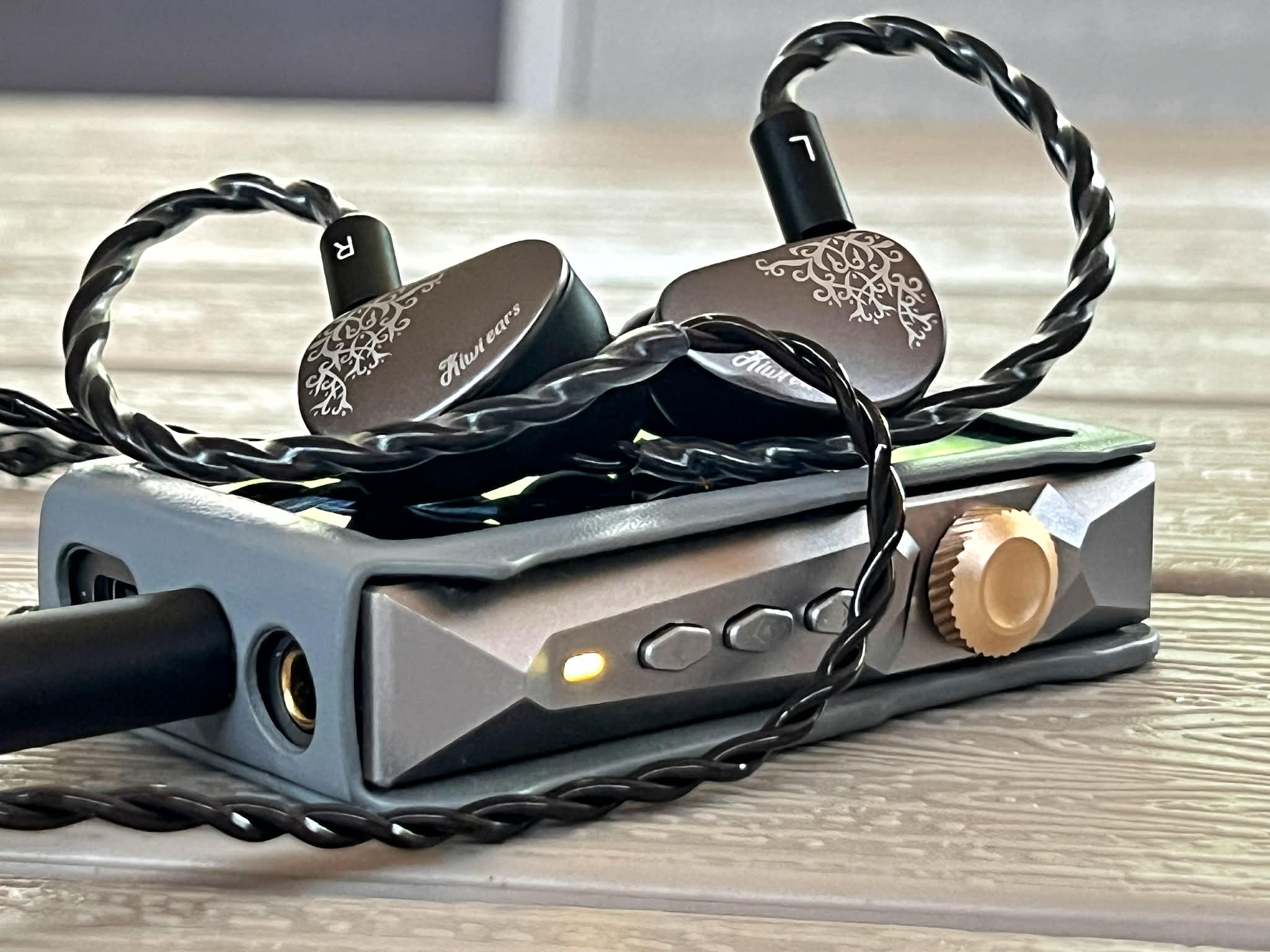
One pairing that worked particularly well for me was pairing the Cadenza 2 with Hidizs AP80 Pro Max and running it through the Nobsound P10 Pro tube amplifier.
The Cadenza 2 already leans toward a smooth and musical presentation, but the tube stage adds a subtle layer of warmth. Vocals become slightly richer, mids gain a bit more texture, and the overall sound takes on that gentle analog softness tubes are known for.
It’s not a dramatic transformation, but enough to make late-night listening sessions feel a little more immersive and relaxed.
Final Thoughts
The Kiwi Ears Cadenza 2 is the kind of IEM that doesn’t try to impress you in the first five minutes with flashy tricks. Instead, it grows on you the more time you spend with it. After a few days of regular listening, you start to appreciate how well it gets the fundamentals right, and honestly, that’s often what separates a good IEM from one that actually becomes part of your daily routine.
Kiwi Ears didn’t chase trends here. There’s no exaggerated V-shape tuning, no hyper-analytical treble spike designed to fake detail, and no overwhelming bass boost just to grab attention. The focus is clearly on balance and musicality. The bass is controlled and satisfying without becoming bloated, the midrange feels natural and engaging, and the treble stays smooth enough to avoid fatigue during longer listening sessions.
What makes the Cadenza 2 particularly appealing is how effortless it is to live with. The tuning works across a wide range of genres, from acoustic recordings and vocal-heavy tracks to electronic music and modern pop. It’s forgiving enough to handle less-than-perfect recordings, yet still capable of revealing the nuances in well-produced tracks.
Comfort also plays a big role in the overall experience. The lightweight shell and ergonomic shape make it easy to wear for hours without thinking about it. Once it’s in your ears, it basically disappears, which is exactly what you want from an everyday IEM.
And that’s really where the Cadenza 2 shines. It feels like a true daily driver. The kind of set you instinctively reach for before heading out the door, toss into your pocket or bag, and trust to sound good regardless of what you decide to listen to.
In a hobby where products often try to stand out through complexity or extreme tuning, there’s something refreshing about a design that simply focuses on doing the basics well. The Cadenza 2 doesn’t overcomplicate things. It delivers a coherent, enjoyable listening experience with solid technical performance and a tuning that’s easy to appreciate.
Sometimes the simplest approach, when executed properly, is exactly what the hobby needs. And in that sense, the Cadenza 2 ends up being a very satisfying reminder that a well-tuned single dynamic driver can still compete with far more complicated designs.
Link: https://www.linsoul.com/products/ki..._dWvZVeL20eYqtBVfuJ_5JqzMhGvH9hE4e2qLLEsrAN2N
- Get link
- X
- Other Apps
- Get link
- X
- Other Apps
Comments
Post a Comment