* Lush, natural midrange
* Smooth, fatigue-free tuning
* Cohesive driver integration
* Tuning nozzles that actually matter
* Scales well with better sources
Cons:
* Not for bassheads
* Treble might feel too relaxed for detail chasers
* Soundstage is more intimate than wide
* Not for bassheads
* Treble might feel too relaxed for detail chasers
* Soundstage is more intimate than wide
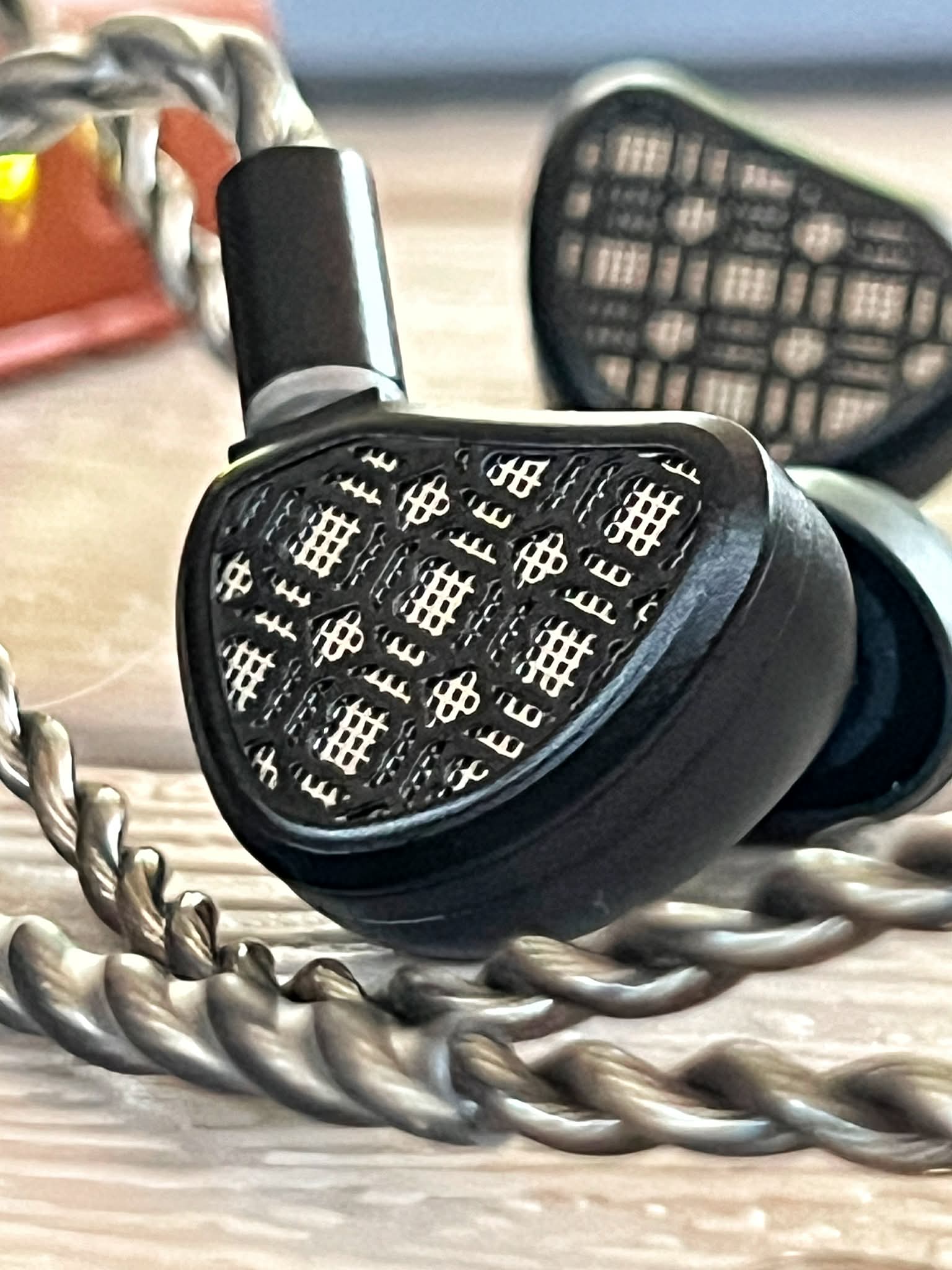
I have witnessed Kefine since their early days, and at this point, it’s hard not to respect how consistent they’ve been. In the budget to midrange space, where brands tend to throw things at the wall and see what sticks, Kefine feels far more deliberate. It started for me with the Klanar and the OG Delci, and before I knew it, I had the entire lineup sitting on my desk. Not because I planned it that way, but because each release gave me a reason to keep coming back.
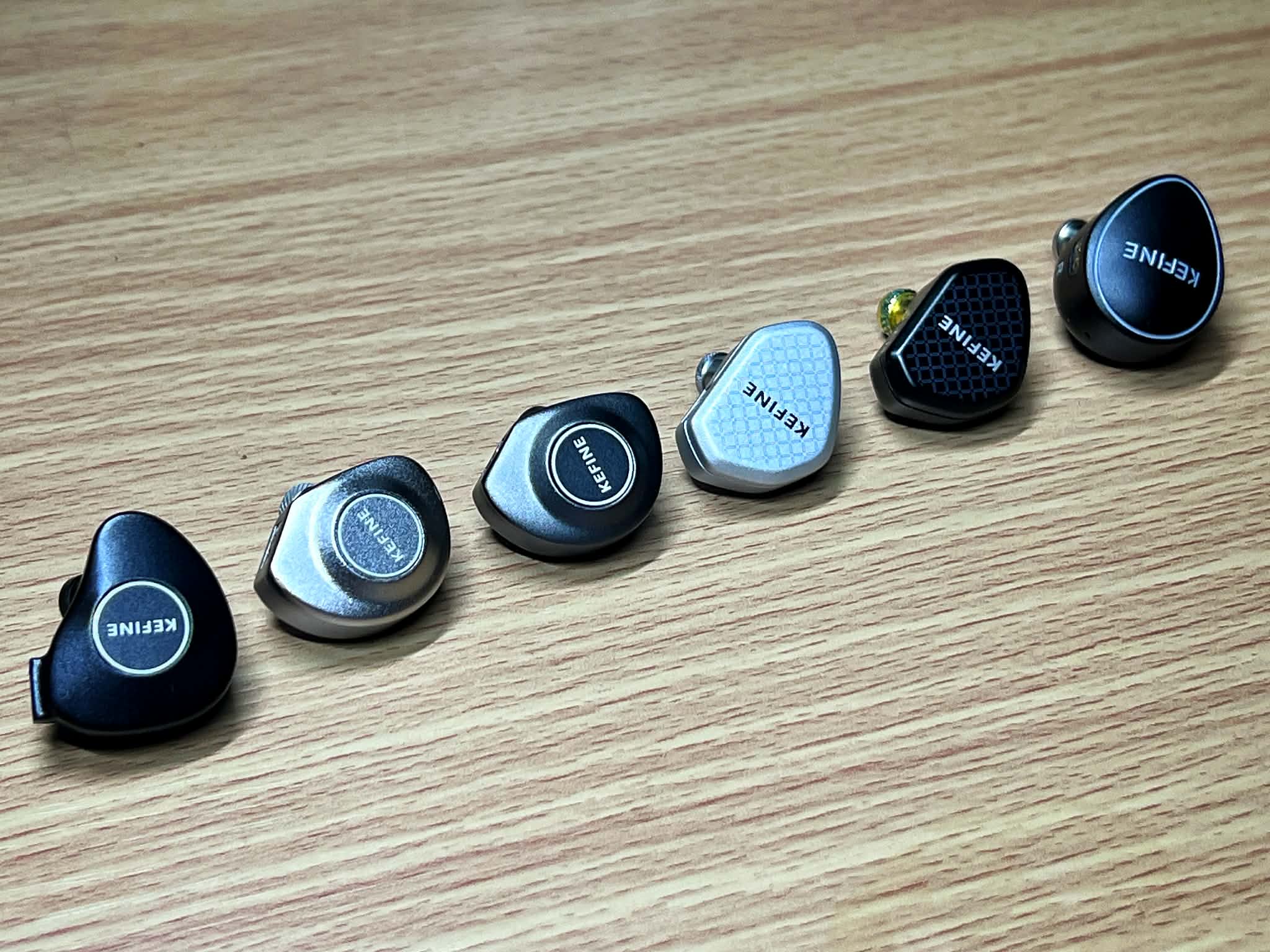
What really stands out isn’t just that they’re consistent, it’s that they’re purposeful. Nothing feels rushed or thrown together. You can tell there’s a clear direction behind each model. Kefine has a recognizable house sound, something that leans musical, a bit of warmth, a natural sense of flow, but they don’t just recycle the same tuning over and over. Each new release plays within that identity while still exploring a slightly different angle.
Some sets lean more balanced, others a bit more colored or expressive, but they all carry that same underlying character that makes them easy to listen to and easy to like. It’s a tricky balance to maintain, having a signature sound without becoming predictable, but Kefine has managed to walk that line really well.
The Arnar is a perfect example of that.
Planar + Knowles BA Hybrid Done Right
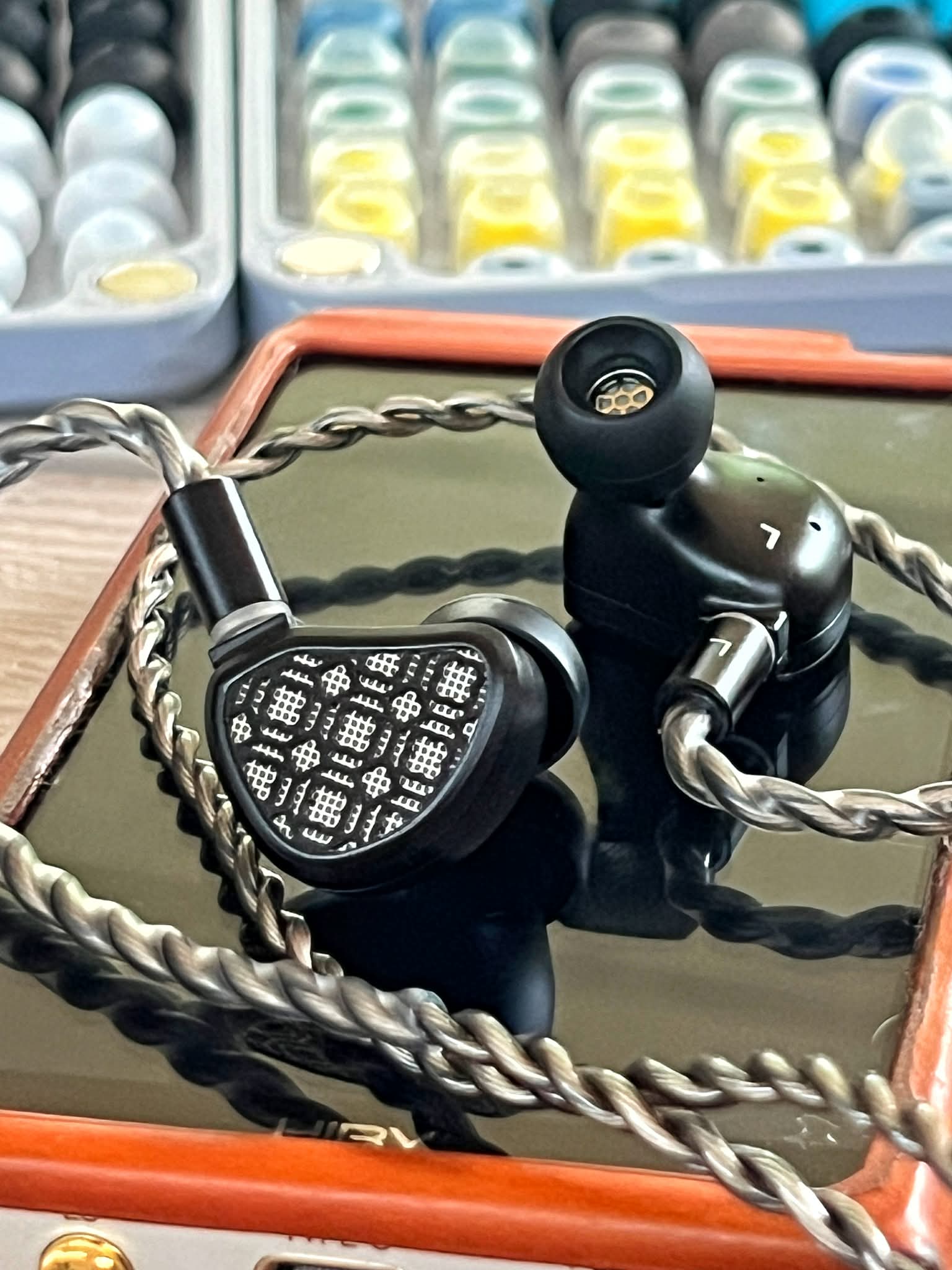
On paper, the Arnar doesn’t try to overwhelm you with complexity. A single 14.5mm planar driver paired with a Knowles balanced armature sounds almost modest in a market full of multi-driver arms races. But that simplicity is exactly where Kefine got it right. This is one of those cases where implementation matters far more than driver count.

Whats in the box? checkout my quick unboxing of the Arnar.
Build, Design, and Ergonomics
Kefine went with a CNC-machined aluminum alloy shell for the Arnar, and it strikes a really nice balance between durability and comfort. There’s a reassuring density to the shells when you pick them up, they don’t feel cheap or hollow, but at the same time they’re not overly heavy. Once they’re in the ear, they kind of disappear, which is exactly what you want for longer sessions.
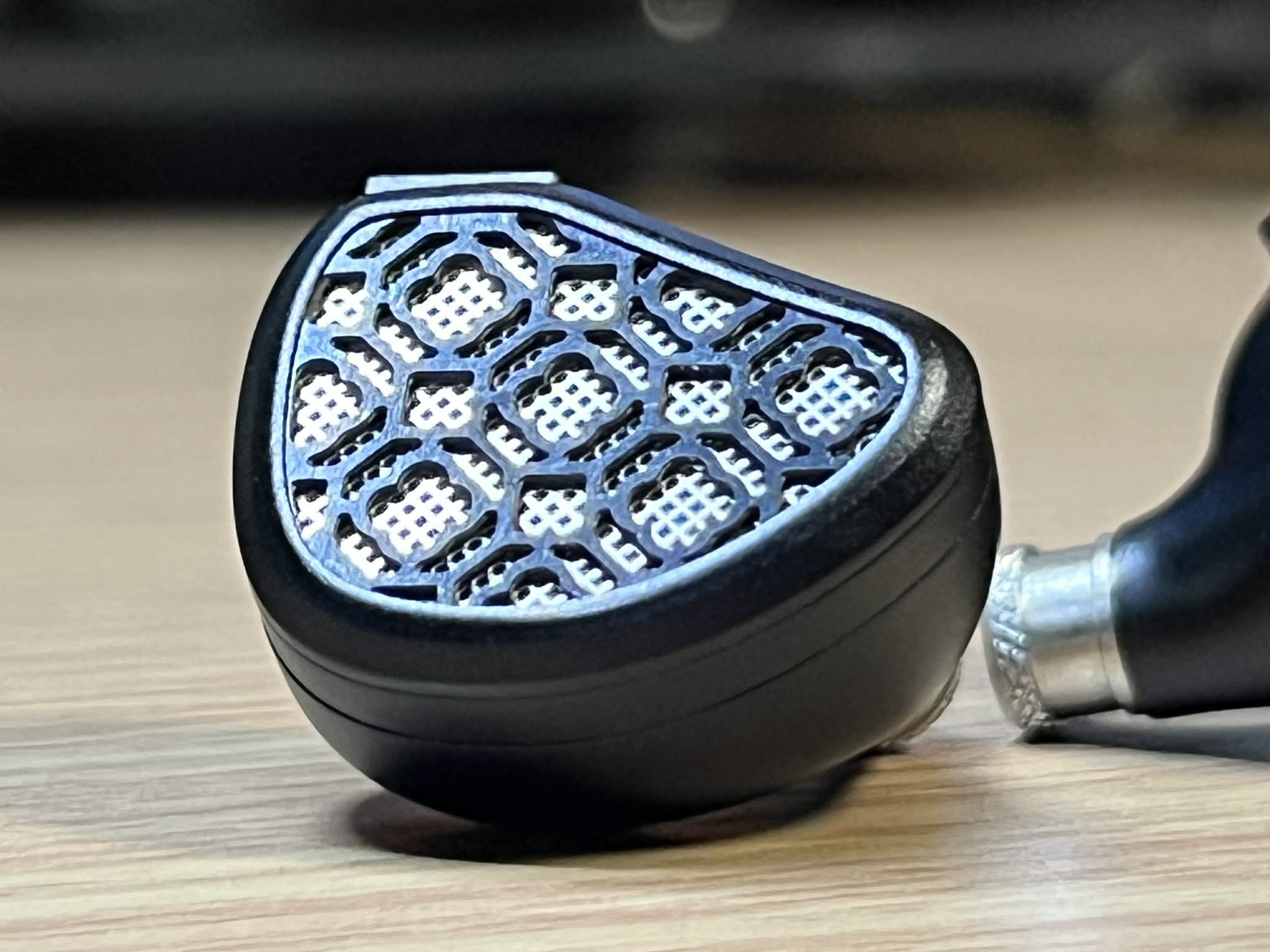
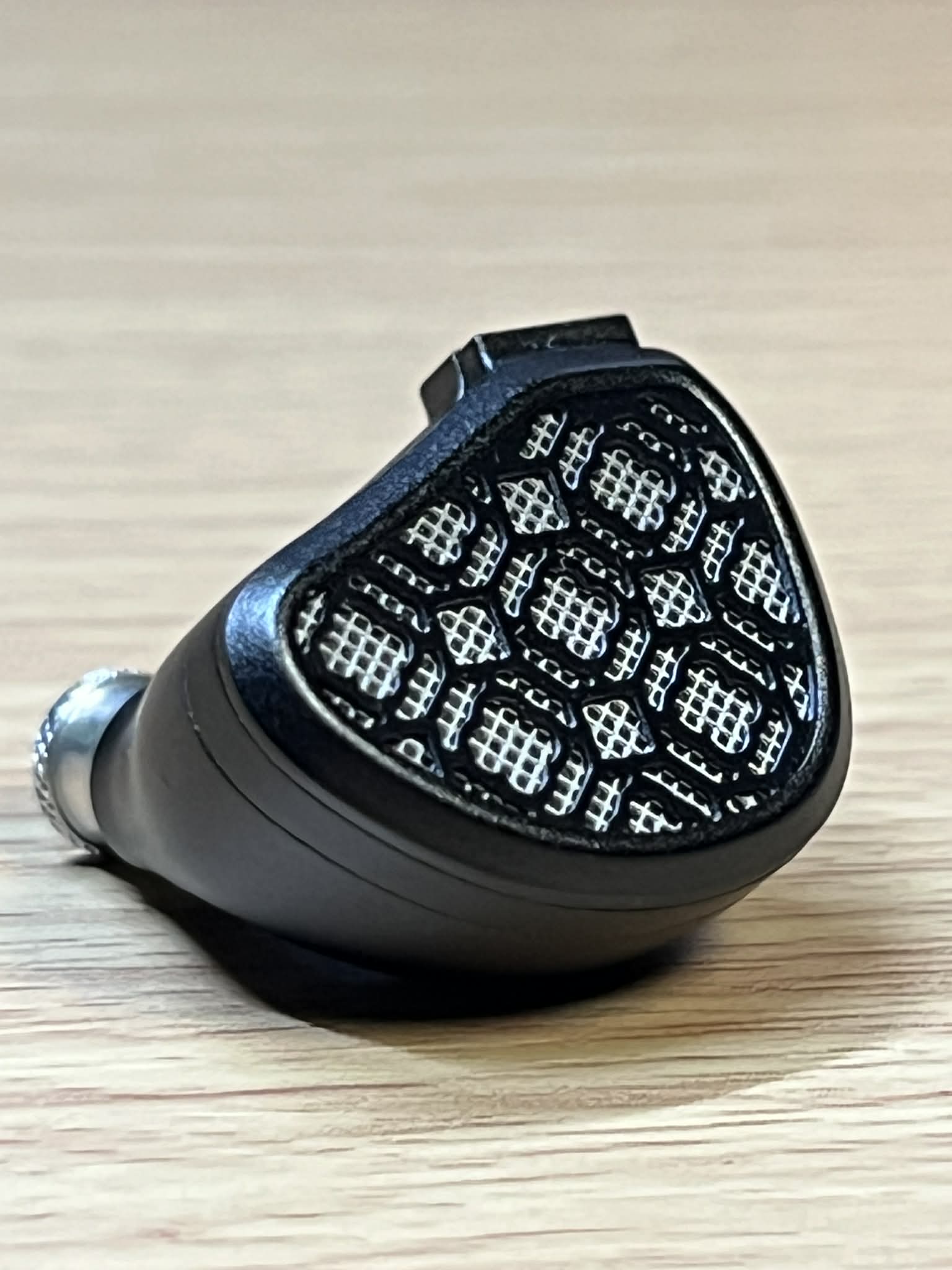
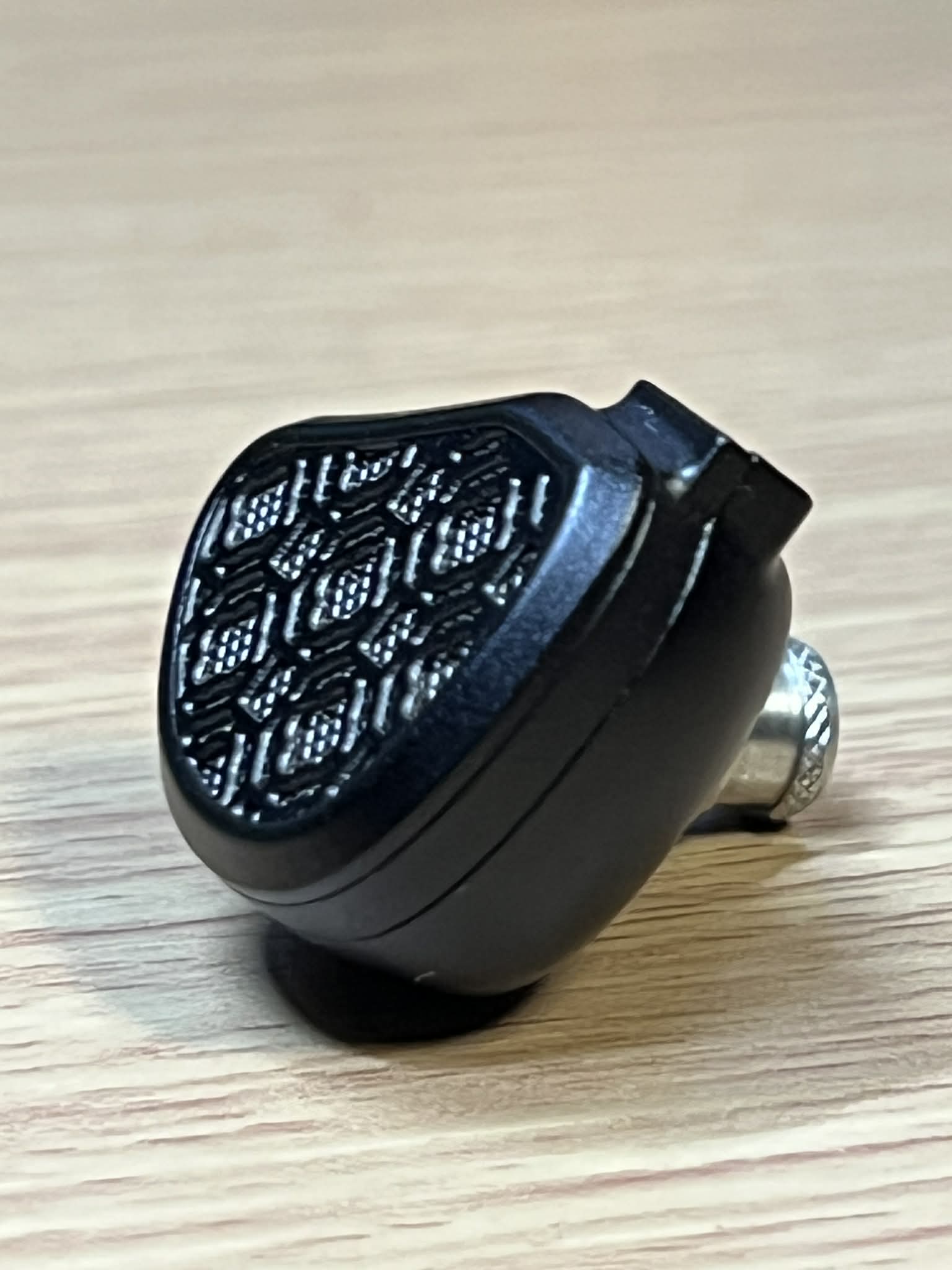
The shape is well thought out. Smooth contours, no sharp edges, no awkward angles pressing against your ear. It’s one of those designs that doesn’t try too hard, but just works. Fit is straightforward, seal is consistent, and I didn’t have to fuss around much to get a good insertion. Isolation is also better than expected for a set like this, easily enough for daily use whether you’re at home or out and about.
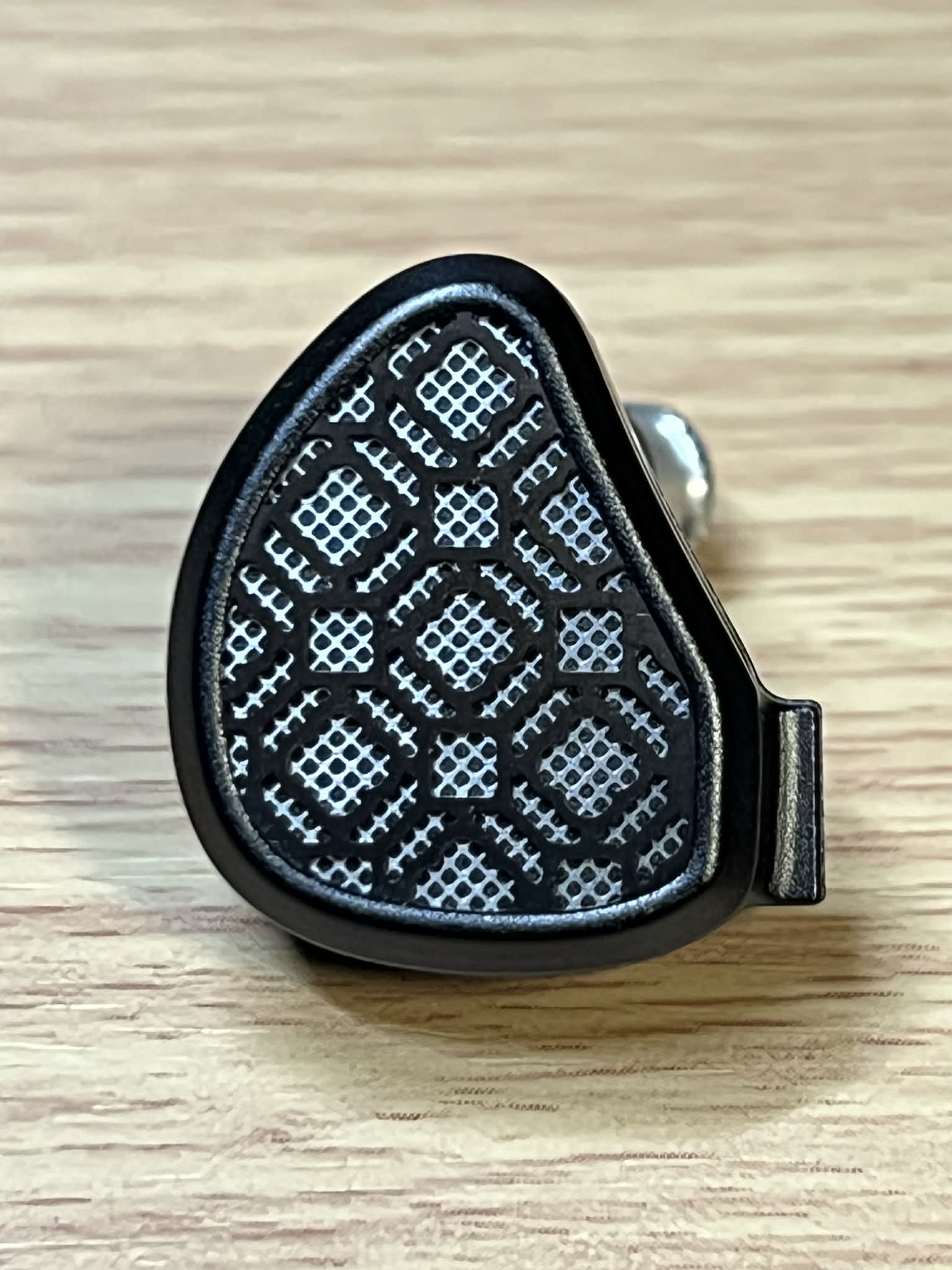
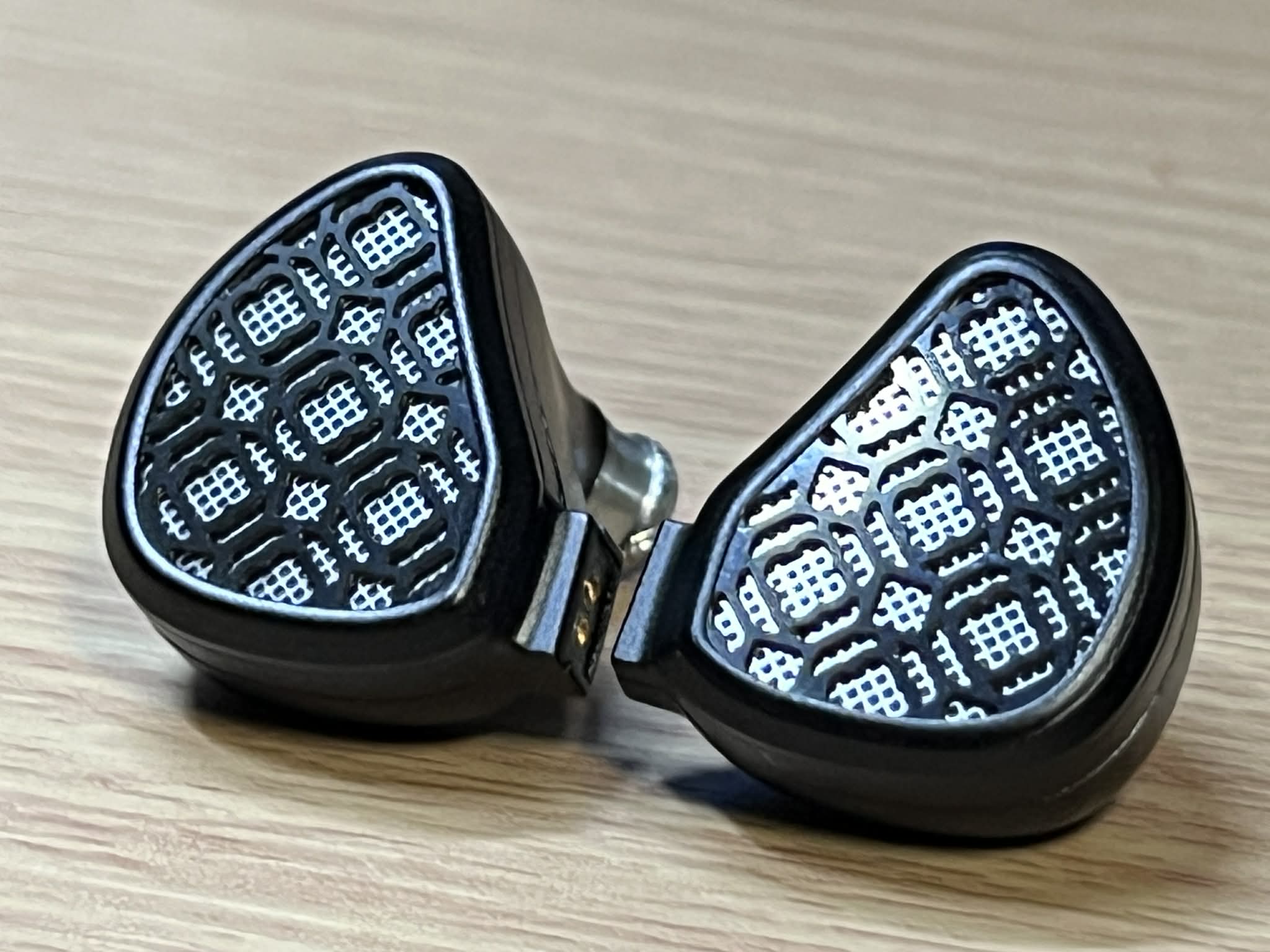
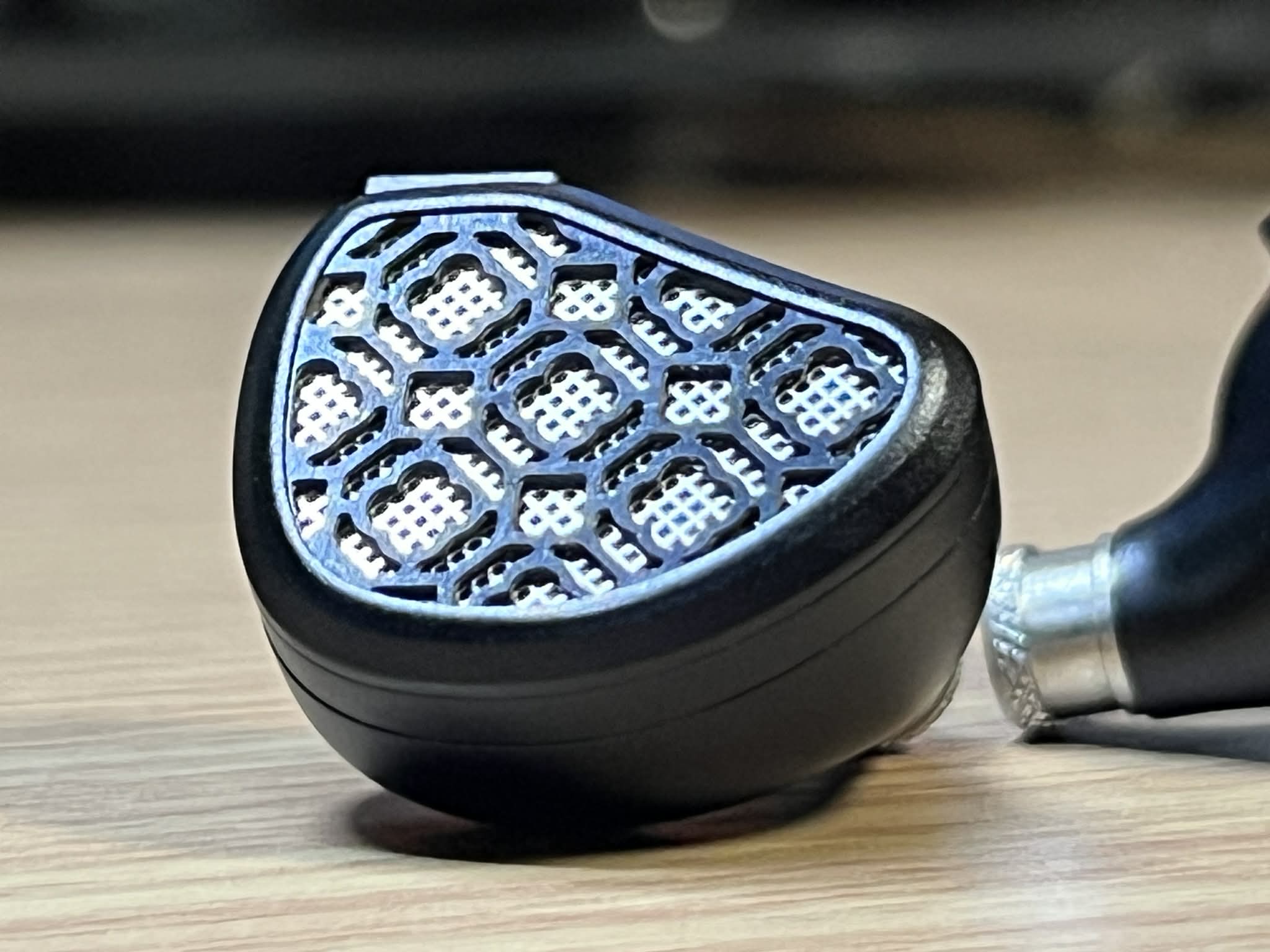
I really like the faceplate design, and honestly, this might be Kefine’s most daring one yet. I’ve always known the brand for its clean, minimalist approach, even down to the packaging, so this feels like a bit of a shift.
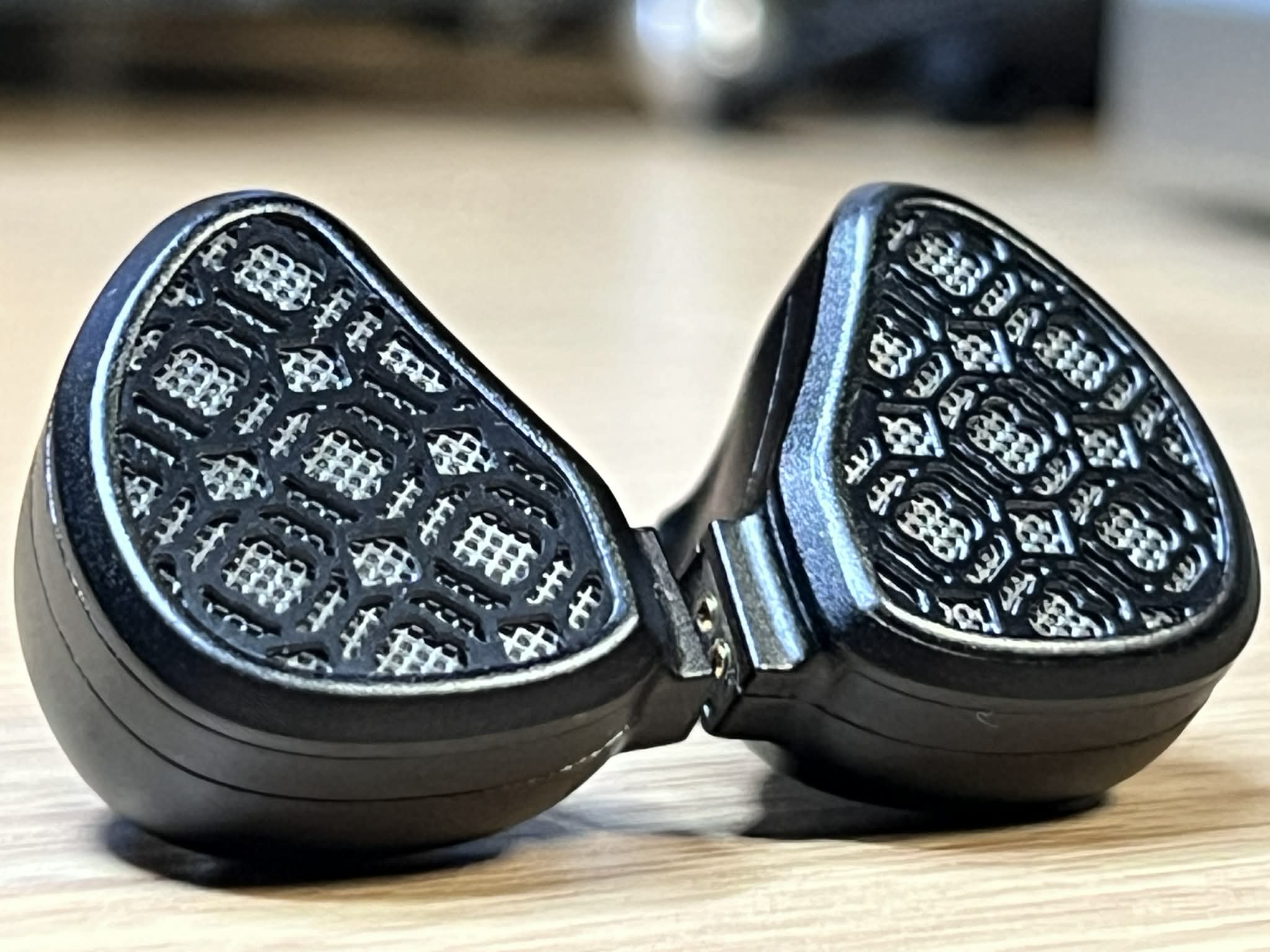
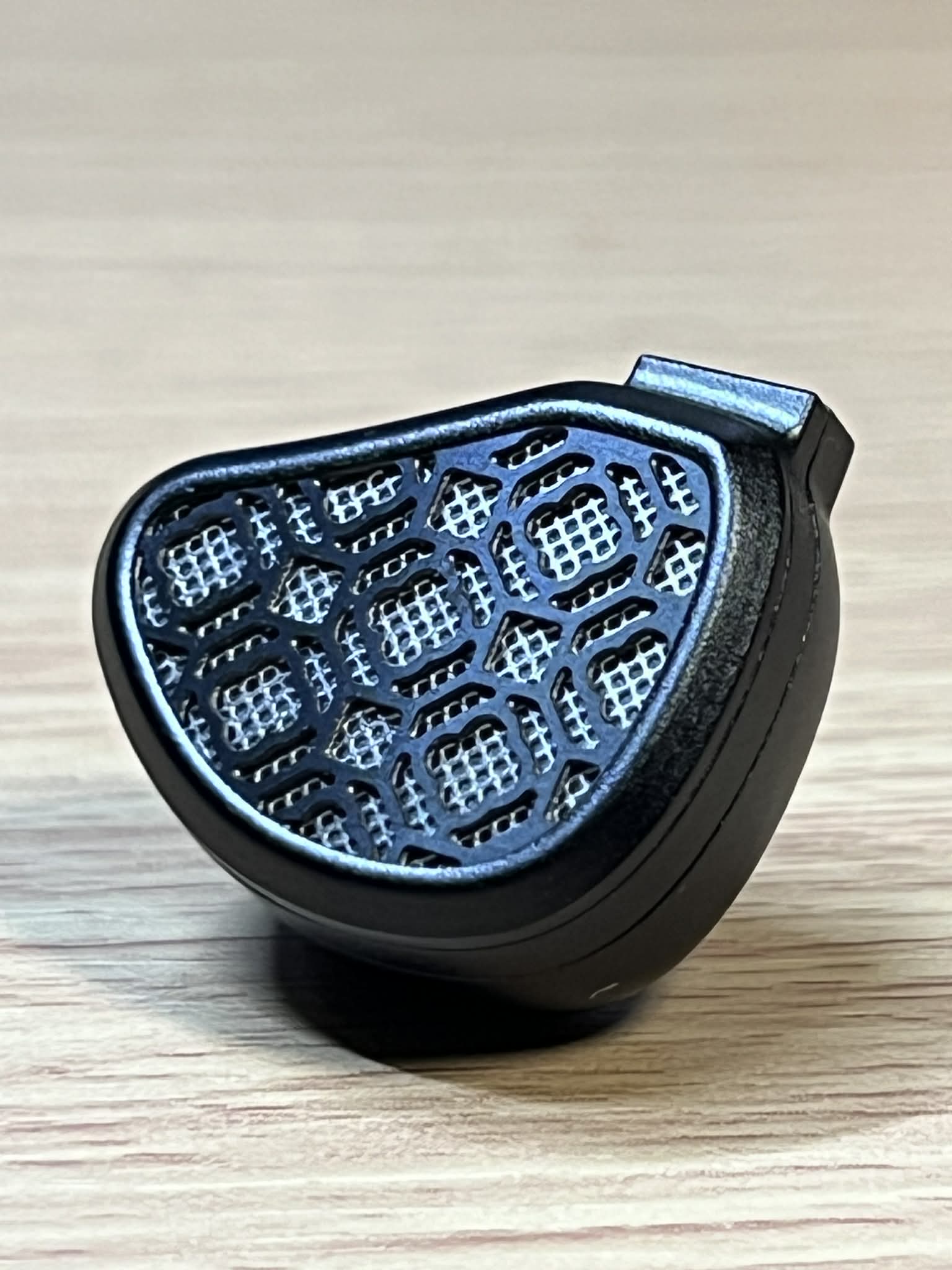
They went with a mesh-style faceplate that carries a subtle Chinese window-inspired pattern. It looks clean and classy without trying too hard or coming off as flashy. It actually reminds me a bit of the aesthetic on the Thieaudio Cypher. At a glance, it almost gives off an open-back vibe because of that mesh, but in practice, it doesn’t behave like one. It’s more of a visual element than a functional vent, but it adds a nice bit of character to the overall design.
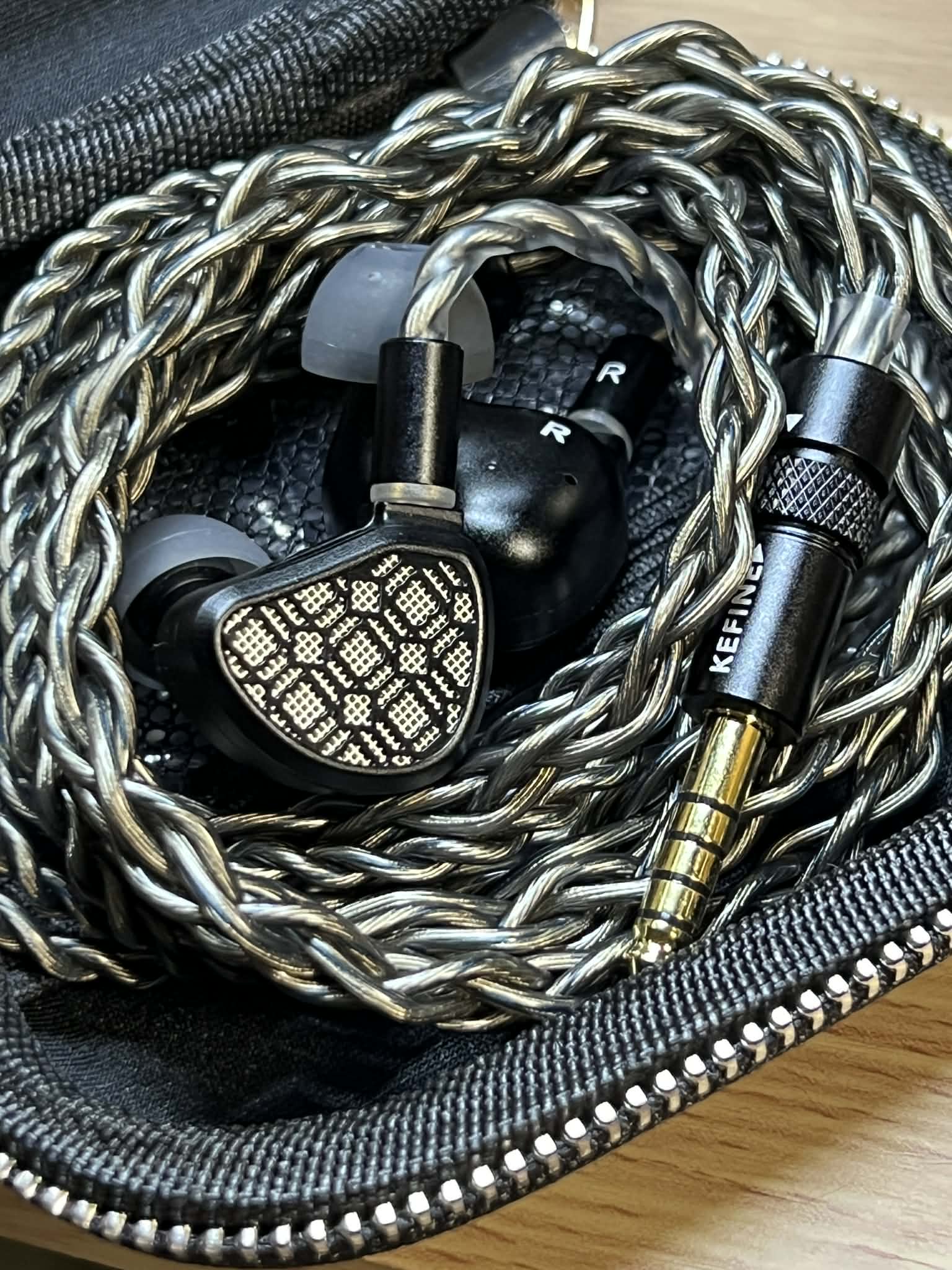
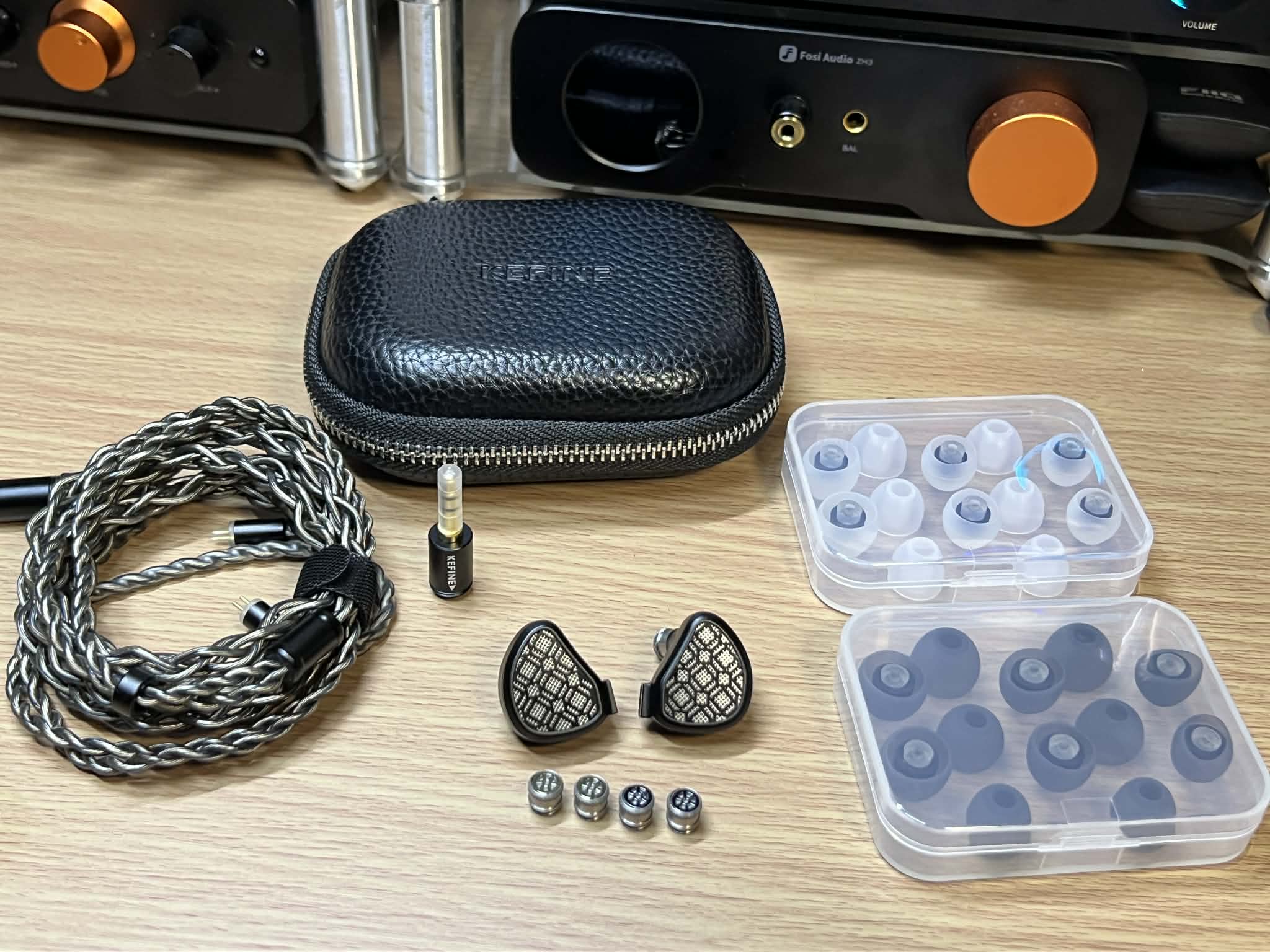
Accessories you get a good selection of ear tips, multiple tuning nozzles, and a proper carrying case. Nothing feels like filler or thrown in just to pad the list. It’s all practical, stuff you’ll actually end up using.
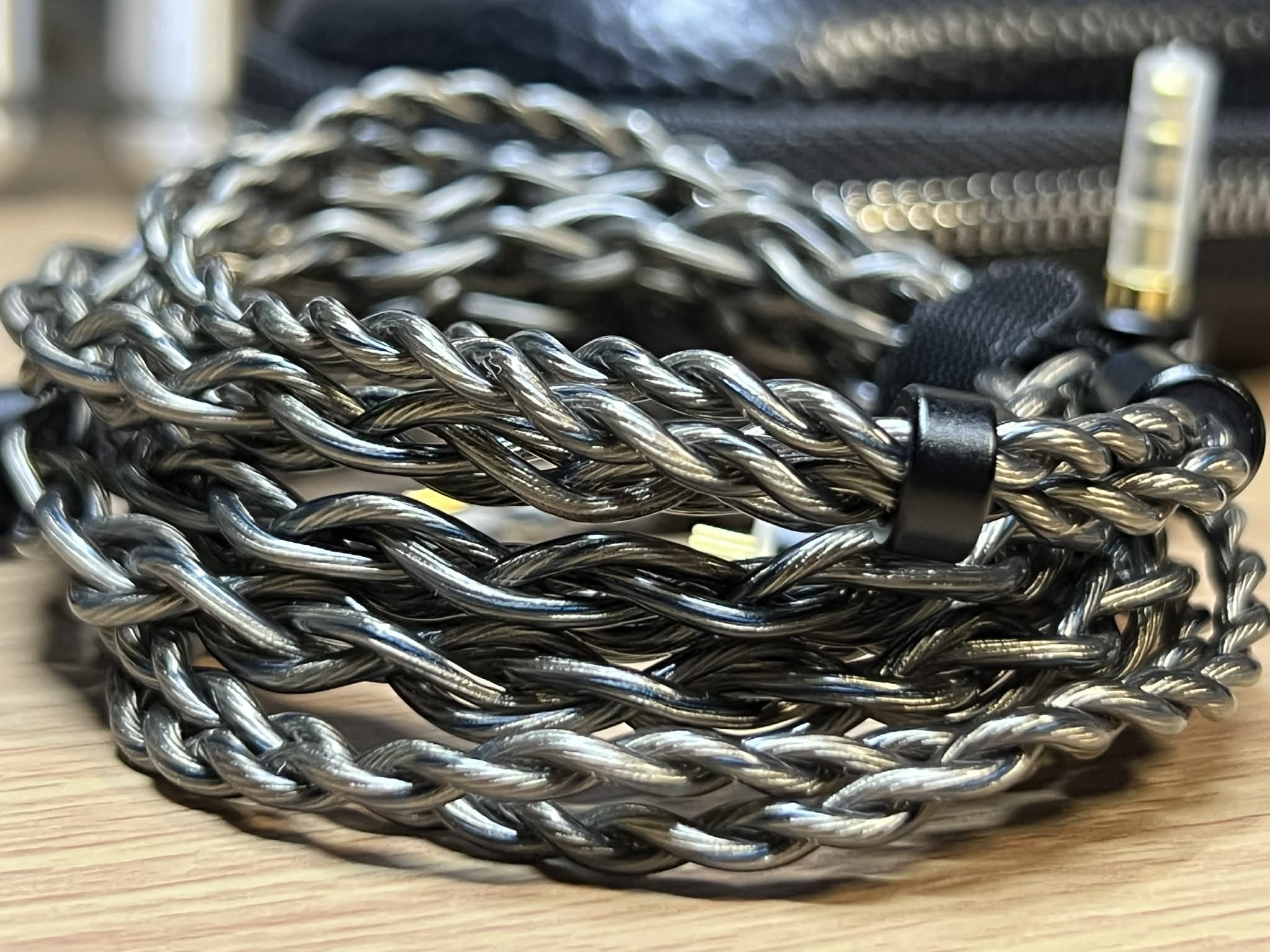
The modular cable. It’s thick, nicely braided, but still soft and flexible. No annoying cable memory, no stiffness fighting you when you’re trying to wrap it up. It just behaves. The interchangeable plugs are a nice bonus too, making it easy to switch between 3.5mm and 4.4mm depending on your source without needing a separate cable. It’s a small thing, but it adds a lot of convenience in day-to-day use.
Driver Configuration and Philosophy
14.5mm Planar Magnetic Driver
1 Knowles Balanced Armature
13Ω impedance
107dB sensitivity
The planar is doing most of the heavy lifting here, especially through the lows and mids, while the BA is used more selectively for upper-frequency articulation and extension. What stands out to me is the restraint in the tuning. The BA isn’t pushed forward just to fake detail or grab attention. It’s integrated in a way that adds a bit of refinement, a touch of warmth, and smoother edges up top without taking over the presentation.
The end result comes across very cohesive. It almost behaves like a well-tuned single dynamic driver in terms of tonal unity, but underneath that, you still get the speed, control, and cleanliness that a good planar brings to the table.
Sound Impressions
Overall Tuning
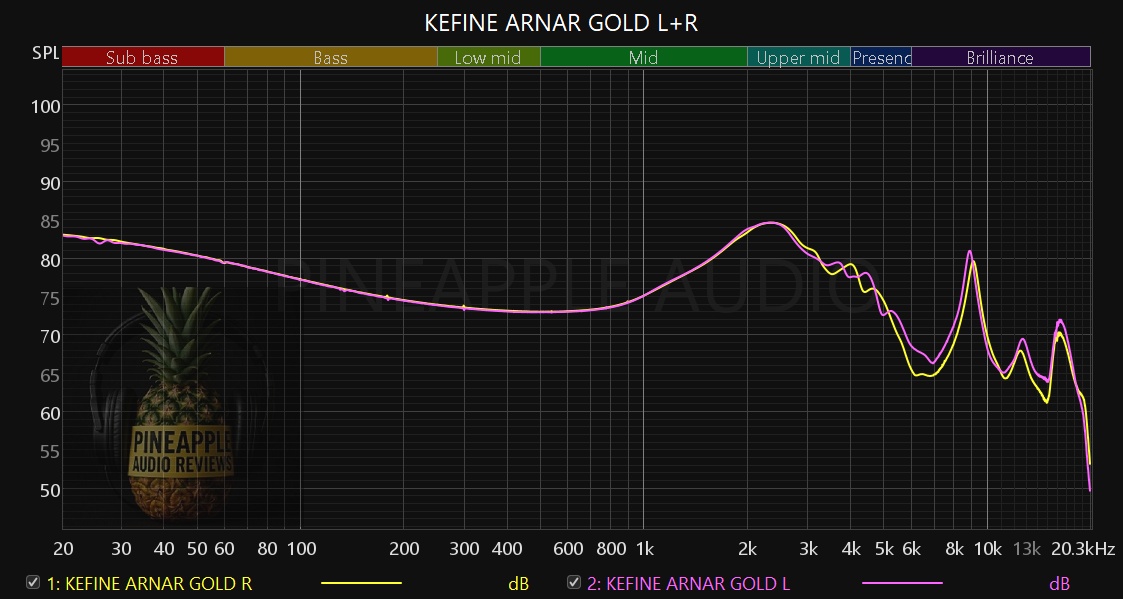
The Arnar leans toward a warm, smooth U-shaped signature with a very natural tonal balance. It’s not neutral in the strict sense, but it’s honest enough while still being musical.
This is classic Kefine DNA, just executed at a higher level.
Bass
The Arnar doesn’t go after bass in that “look at me” kind of way. If you’re chasing big, chesty slam or a subwoofer-style rumble, there are more aggressive tunings out there. Kefine clearly took a more measured, almost disciplined approach here, and it lines up well with the overall balance of the set.
What you get instead is a low end that has :
* Clean extension into the subbass with no abrupt roll-off
* A controlled, well-contoured midbass shelf
* Enough note weight to sound natural and grounded
* Tight transients with a quick, tidy decay
A big part of this comes from the planar driver. Compared to a typical dynamic driver, the bass here has a faster attack and a more controlled release. Notes come in with precision, resolve quickly, and leave space for the next passage. There’s very little in the way of bloom or lingering resonance, so you don’t get that hazy overlap that can muddy complex tracks.
What I like is that despite that speed and control, it doesn’t come across as thin or clinical. There’s still a sense of density behind each note. Kick drums have a defined leading edge with just enough body, and bass guitars carry proper weight without sounding overfilled.
Subbass has good reach. It’s not elevated to the point of dominating the mix, but it’s present when it needs to be. On tracks with deep low-end information, you get a controlled rumble that sits underneath the mix rather than jumping to the front. It’s more about foundation than spectacle.
Midbass leans more toward texture and definition than outright punch. You hear the shape of each note, the layering in bass lines, and the subtle variations in dynamics. It’s not trying to hit hard, it’s trying to sound accurate. That makes a big difference in busy passages where lesser tunings tend to blur everything together.
Where this tuning really wins is in how it behaves within the mix. The bass never bleeds into the lower mids, never clouds vocals, and never feels disconnected. It’s integrated in a way that supports the rest of the frequency range without calling attention to itself.
With jazz and acoustic, that restraint pays off. Upright bass comes through clean and articulate, with a natural sense of resonance and string texture. In hip-hop or electronic tracks, it still carries the groove, but it doesn’t try to overpower the presentation.
It’s the kind of bass that doesn’t wow you in the first five seconds, but give it a bit of time and you start to appreciate how well it’s tuned. It’s controlled, coherent, and technically sound, which in the long run is a lot more satisfying than a quick hit of exaggerated slam.
Midrange
The midrange isn’t just well done, it’s really the core of what defines the Arnar’s overall character. This is where the tuning feels the most intentional, and where everything starts to gel.
What you’re getting here is a midrange that leans:
*Lush and full-bodied, with a healthy sense of note weight
*Slightly forward, but kept in check so it never feels aggressive
*Well-textured, with good density and layering
*Natural in tone, with a convincing timbre across instruments
Vocals are positioned just a step forward of center. It’s enough to draw you in and keep things engaging, but not so forward that it starts to crowd the stage. There’s a strong sense of physicality to voices. Male vocals carry that proper chest weight and authority, while female vocals have clarity and presence without drifting into glare or shout. Upper mids are handled with care, so you get energy and articulation without that edgy, fatiguing bite.
What stands out more is the tonal richness across the entire mid band. There’s a nice sense of harmonic density here. Instruments don’t feel hollow or thin, they feel filled in. Guitars have a satisfying balance of bite and body, you can hear both the attack of the string and the resonance behind it. Pianos come through with weight across the register, from the lower keys up to the higher notes without sounding uneven. Strings have a smooth, slightly rounded presentation, but they still retain enough texture to sound realistic.
From a technical standpoint, the Arnar leans more toward natural resolution rather than forced detail. It’s not chasing that hyper-etched, ultra-analytical kind of presentation. Microdetails are present, small inflections in vocal delivery, subtle dynamic shifts, background layering, but they’re presented in a way that feels integrated into the mix rather than spotlit.
The planar driver helps here with control and separation. Notes are cleanly outlined, and even in busier tracks, the midrange holds its structure well. There’s no noticeable smearing between instruments, and transitions from lower mids into upper mids feel smooth and linear.
The best way I can describe it is effortless. Nothing feels boosted just to impress on first listen. There’s no artificial lift to create a false sense of clarity. It just flows naturally, with a coherence that’s honestly closer to a really well-tuned single dynamic driver, but with better control, faster transient response, and cleaner separation underneath.
Treble
The treble on the Arnar sticks closely to Kefine’s overall tuning philosophy. It’s not here to impress with sharp edges or exaggerated sparkle. It’s here to complete the picture.
What you get is:
* Smooth and well-controlled
* Slightly relaxed in presentation
* Non-fatiguing even over long sessions
* Respectable extension without overreaching
There’s enough presence in the lower treble to maintain clarity and separation. Cymbals, hi-hats, and upper harmonics come through cleanly, but they’re never pushed forward in a way that steals attention from the mids. Kefine clearly resisted the temptation to boost the upper frequencies just for the sake of perceived detail, and that restraint pays off in the long run.
You won’t get that ultra-crisp, hyper-analytical sparkle some sets go for. Instead, the treble feels refined and composed. It gives you the information you need, but delivers it in a way that’s easy to live with. No harsh peaks, no sudden glare, no moments where you feel like turning the volume down.
The Knowles BA does its job quietly in the background. It adds just enough air and definition to keep the presentation from sounding closed in, while maintaining that smooth, cohesive character across the frequency range. It integrates well with the planar driver, which helps the whole tuning feel unified rather than segmented.
There is a gentle roll-off as you move further up top, but it doesn’t come across as a limitation. If anything, it feels intentional. It trims off unnecessary sharpness and keeps the overall presentation relaxed and natural. You lose a bit of that last bit of sparkle and air, but in exchange, you get a treble that you can listen to for hours without fatigue.
Technical Performance
The Arnar doesn’t lean on technicalities as its main selling point, but once you spend time with it, you realize it’s quietly doing a lot of things right under the surface. It’s not about flashy performance, it’s about consistency and control across the board.
Resolution
Resolution is solid, but it’s presented in a very natural way. The Arnar doesn’t push detail forward or try to impress with an overly sharp, etched presentation. Instead, it lets details come through gradually. You start noticing small nuances in vocals, subtle textures in instruments, and background elements that reveal themselves the longer you listen. It’s the kind of resolution that feels integrated into the music rather than sitting on top of it.
Imaging
Imaging is clean and reliable. Instruments are placed with good accuracy, and more importantly, they stay locked in position. There’s no wandering or blurring, even when tracks get busy. Left-to-right placement is easy to follow, and there’s enough depth information to give a sense of front and back layering. It’s not exaggerated, but it’s convincing.
Soundstage
The stage leans more intimate than expansive. You’re not getting a huge, out-of-head presentation here. Instead, the Arnar focuses on creating a cohesive space where everything feels connected. Width is moderate, but there’s a decent sense of depth that keeps it from feeling flat. It places you closer to the performance rather than pushing everything far out, which works well with its more musical tuning.
Layering & Separation
This is one of the Arnar’s stronger areas. Instruments have enough space to breathe, and they’re separated clearly without feeling artificially pulled apart. Even in complex tracks, it maintains a good sense of organization. You can follow individual lines without losing the overall cohesion of the mix. Nothing collapses into a blob, but at the same time, it never feels disjointed.
Dynamics
Dynamics are handled with confidence. Macro dynamics, like bigger shifts in volume and energy, come through with enough impact to keep things engaging. Micro dynamics are where it gets more interesting. Small variations in intensity, vocal inflections, and subtle changes in phrasing are reproduced well, adding a layer of realism to the presentation. It’s not the most explosive or punchy set out there, but it has a natural sense of movement that keeps the music feeling alive.
Overall, the Arnar’s technical performance isn’t about showing off. It supports the tuning in a way that feels balanced and intentional, giving you enough detail, space, and control to stay engaged without ever pulling you out of the music.
Tuning Nozzles
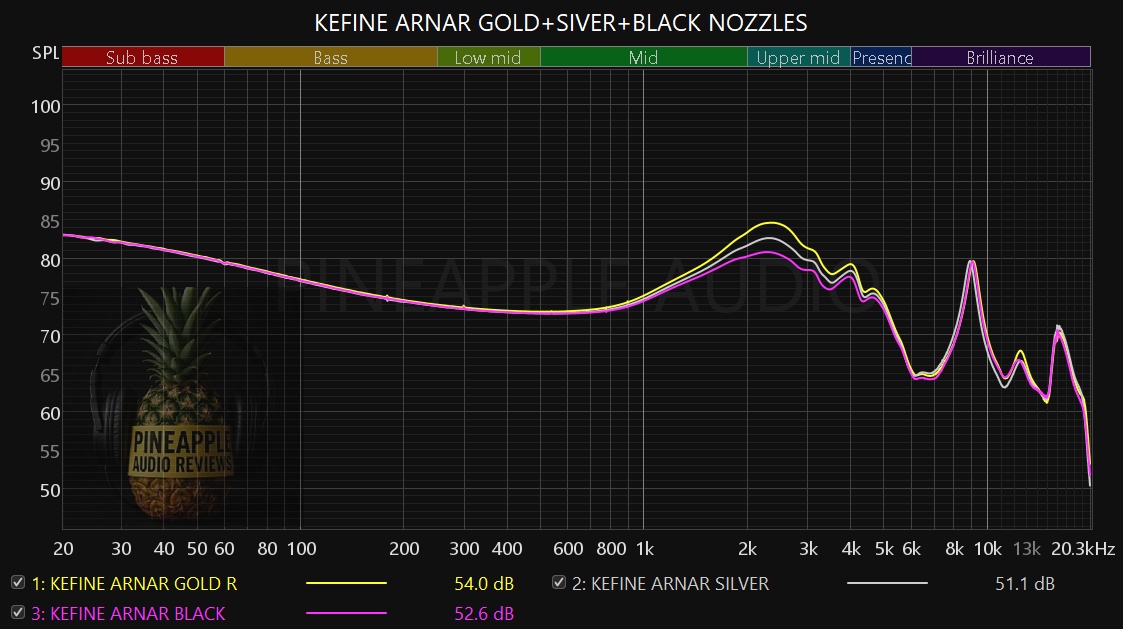
Kefine Arnars tuning nozzles actually do something. And not in a subtle, “I think I hear a difference” kind of way. The changes are clearly audible, and if you’re measuring, you’ll see it reflected there too. It’s one of the few implementations where swapping nozzles genuinely feels like you’re adjusting the personality of the IEM rather than just making minor tweaks.
Each nozzle shifts the balance in a meaningful way, mainly across the upper mids and treble, which in turn affects how vocals, instruments, and overall clarity come across.
Silver nozzle leans a bit brighter than the black. It opens up the upper mids and treble, giving the presentation more perceived clarity and air. Vocals come forward a touch more, and there’s a bit more bite on instruments. If you want a slightly more energetic and revealing sound, this is the one to go for.
Black nozzle goes the opposite direction. It smooths things out further, pulling back a bit of that upper energy and leaning more into warmth and cohesion. The presentation becomes more relaxed, a little thicker, and even more forgiving. Great for longer sessions or if you’re sensitive to upper-mid presence.
Gold nozzle (my personal pick) sits right in the sweet spot. It has the most noticeable upper-mid lift among the three, but because the Arnar’s base tuning is already warm and smooth, it doesn’t come across as aggressive. Instead, it adds just enough clarity and presence to bring vocals and details forward without breaking the overall balance.
What makes the gold nozzle work so well is how it complements the Arnar’s natural character. You get better definition and articulation, but you still keep that smooth, musical flow intact. It doesn’t tip into brightness, and it doesn’t dull things down either. It just tightens everything up in a way that feels right.
It’s rare to see nozzle tuning done this effectively. Most of the time, it’s either too subtle to matter or too extreme to be practical. Kefine managed to land somewhere in between, giving you real options that you’ll actually use depending on your mood or setup.
Source Pairing and Drivability
At 13Ω and 107dB, the Arnar is relatively easy to drive.
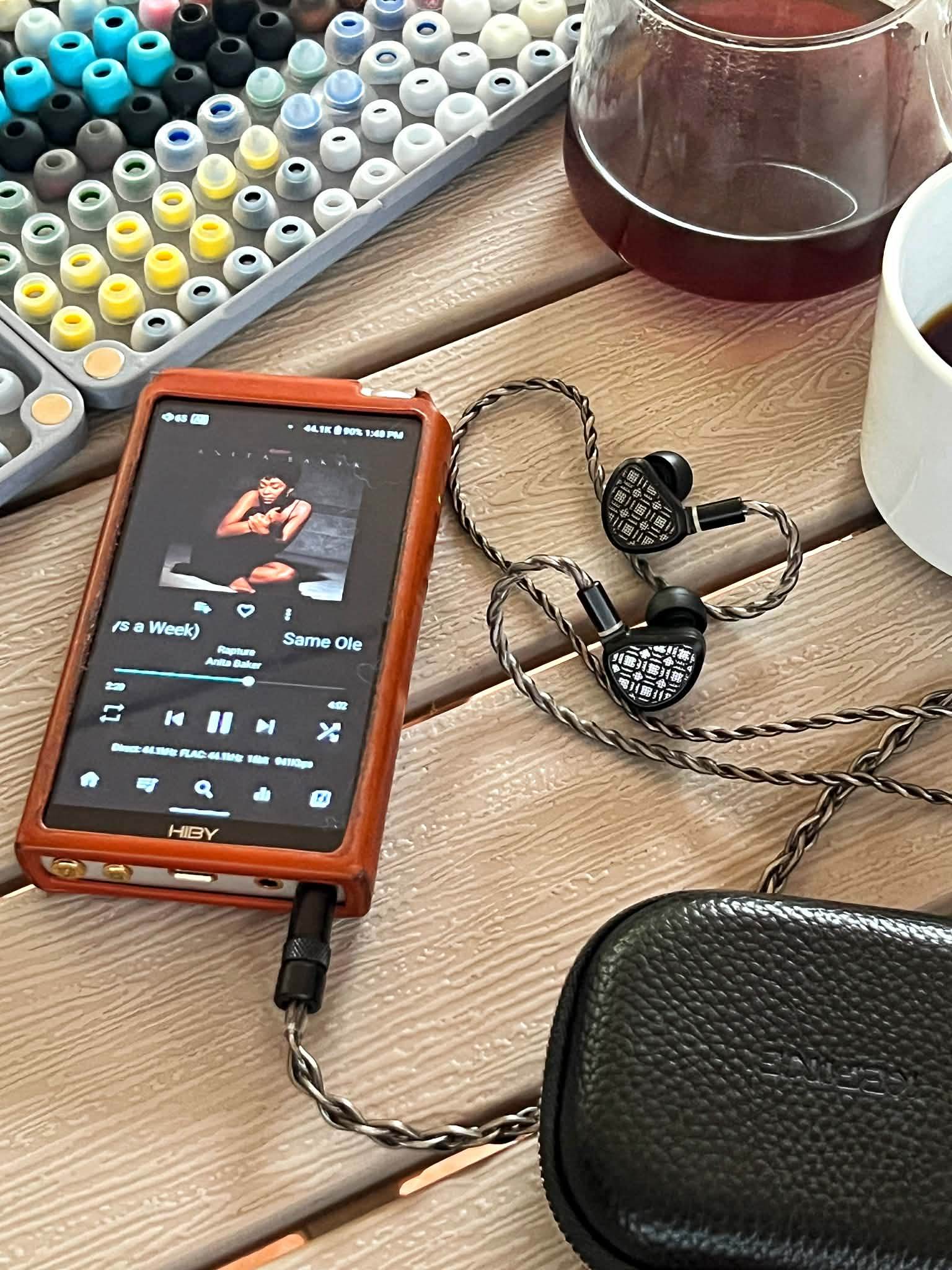
Paired with a clean, low-noise source like the Hidizs AP80 Pro Max, the Arnar already comes across composed and nicely dynamic. It’s an easy, compact setup that doesn’t feel underpowered, with enough headroom to handle most tracks without strain. You get a stable presentation, good control across the range, and a tuning that feels balanced right out of the gate.
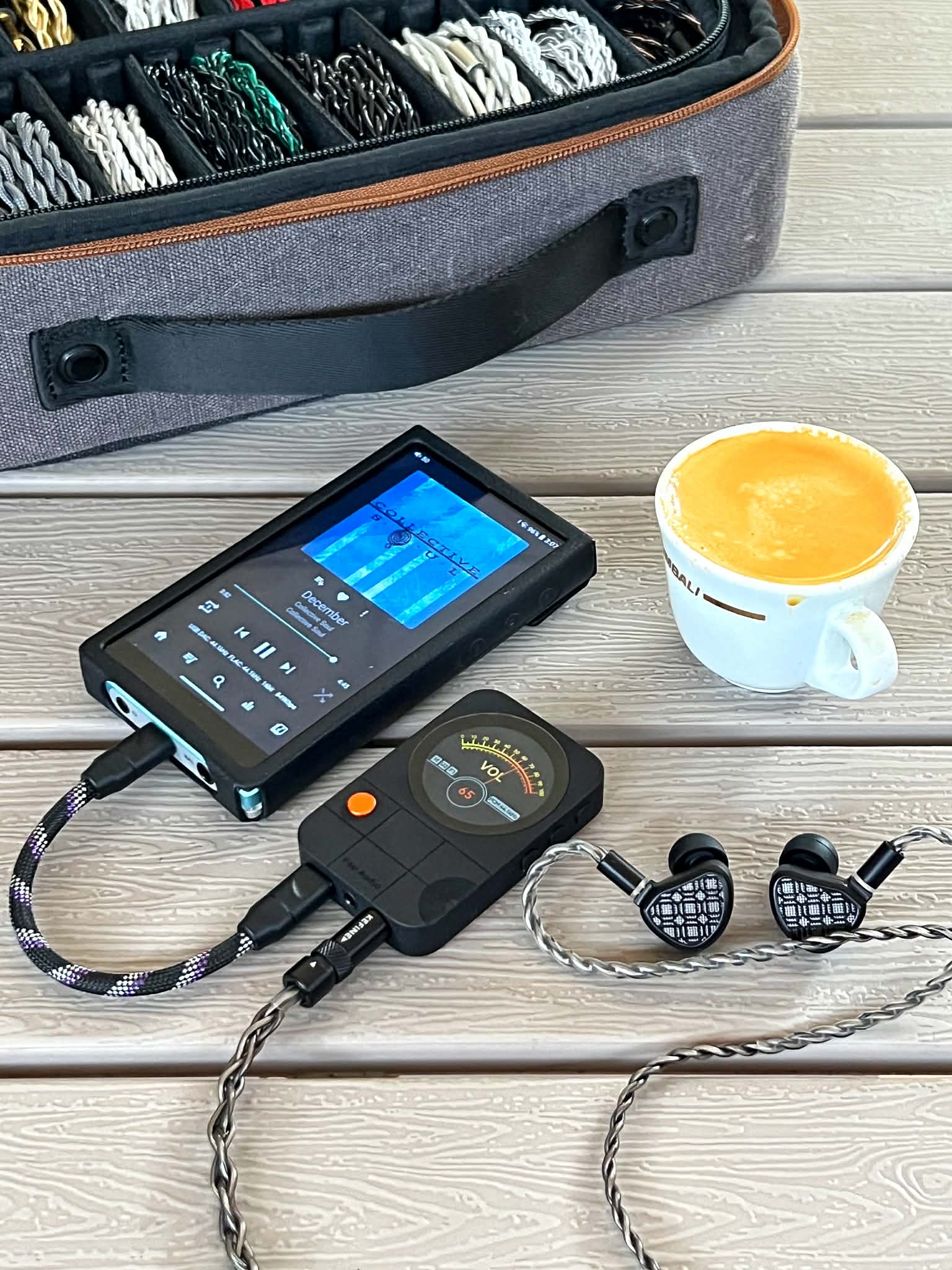
Step up to a more capable dongle or a dedicated portable amp, though, and you start to hear what it can really do. The improvements aren’t night-and-day, but they’re noticeable and consistent:
* Bass tightens up further, with better grip and more defined leading edges
* Layering improves, especially in busier passages where separation becomes clearer
* Soundstage opens up slightly, giving instruments a bit more breathing room
* Treble gains a touch more refinement, with cleaner extension and smoother decay
This is where the planar driver benefits from better current delivery. It’s not particularly hard to drive, but like most planars, it responds well to a cleaner, more stable power source. Transients feel a bit sharper, and the overall presentation gains a bit more authority.
It doesn’t demand power to sound good, which makes it easy to pair, but give it a better source and it scales just enough to keep things interesting.
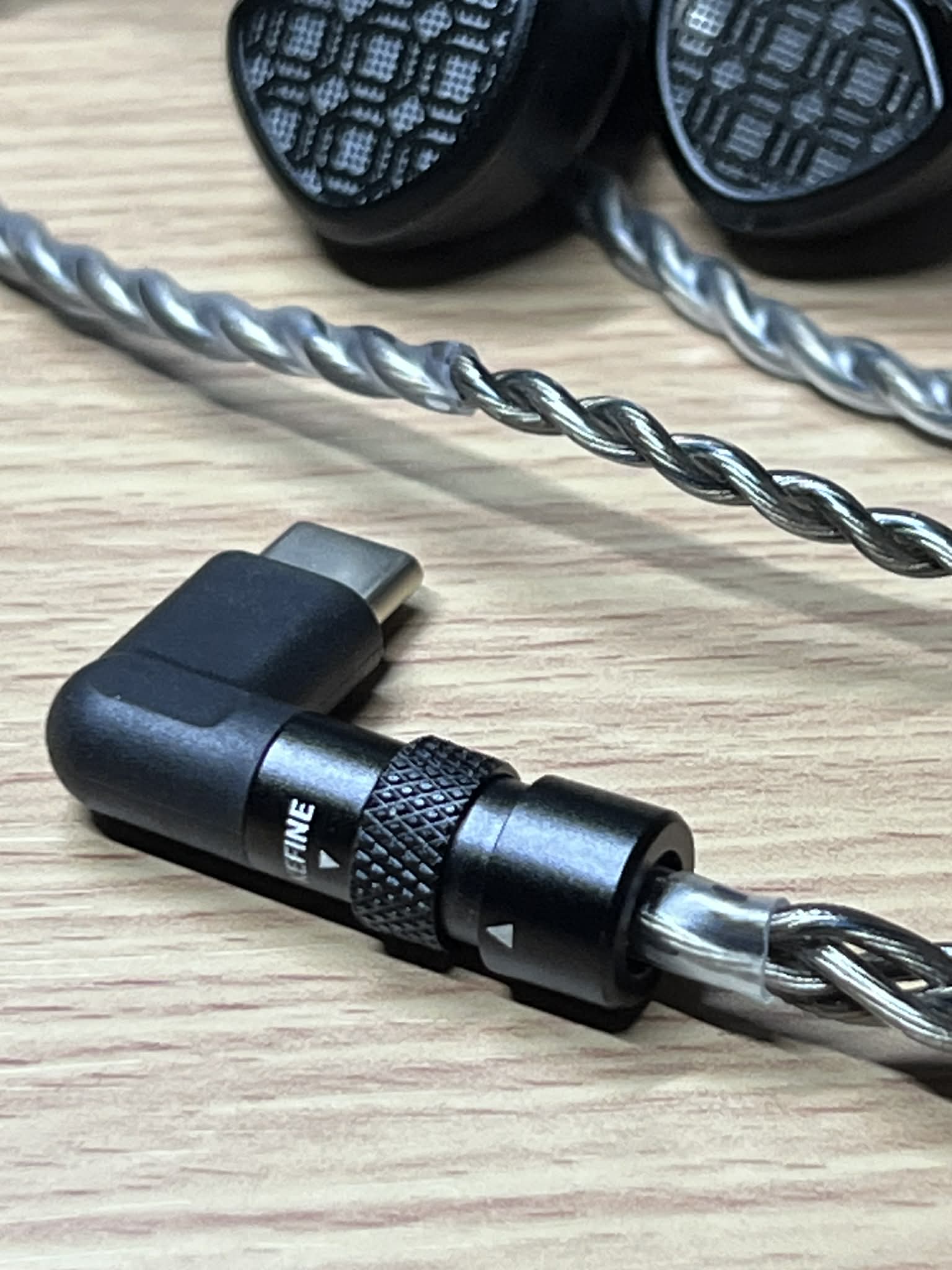
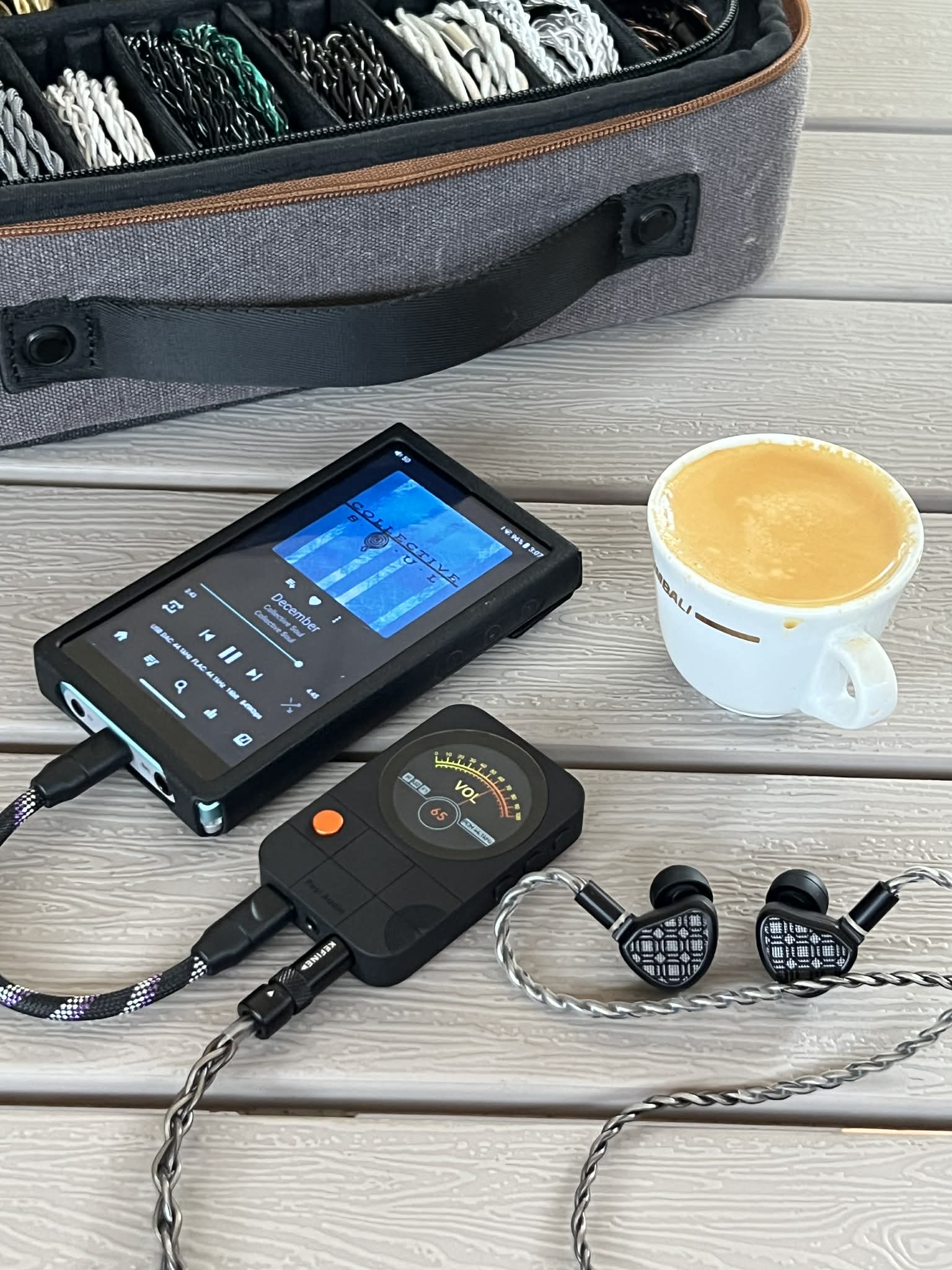
Kefine also sent over their KA2 modular DAC/amp to pair with the Arnar, and even though it’s sold separately, it actually makes a lot of sense as a companion piece.
I don’t have the full spec sheet on hand, but from a listening standpoint, it’s clearly got more than enough power for the Arnar. There’s plenty of headroom, and you never get that feeling that the planar driver is being held back or underfed. It opens up nicely, dynamics come through with good contrast, and transients have that clean, effortless snap you’d expect when the driver is properly driven.
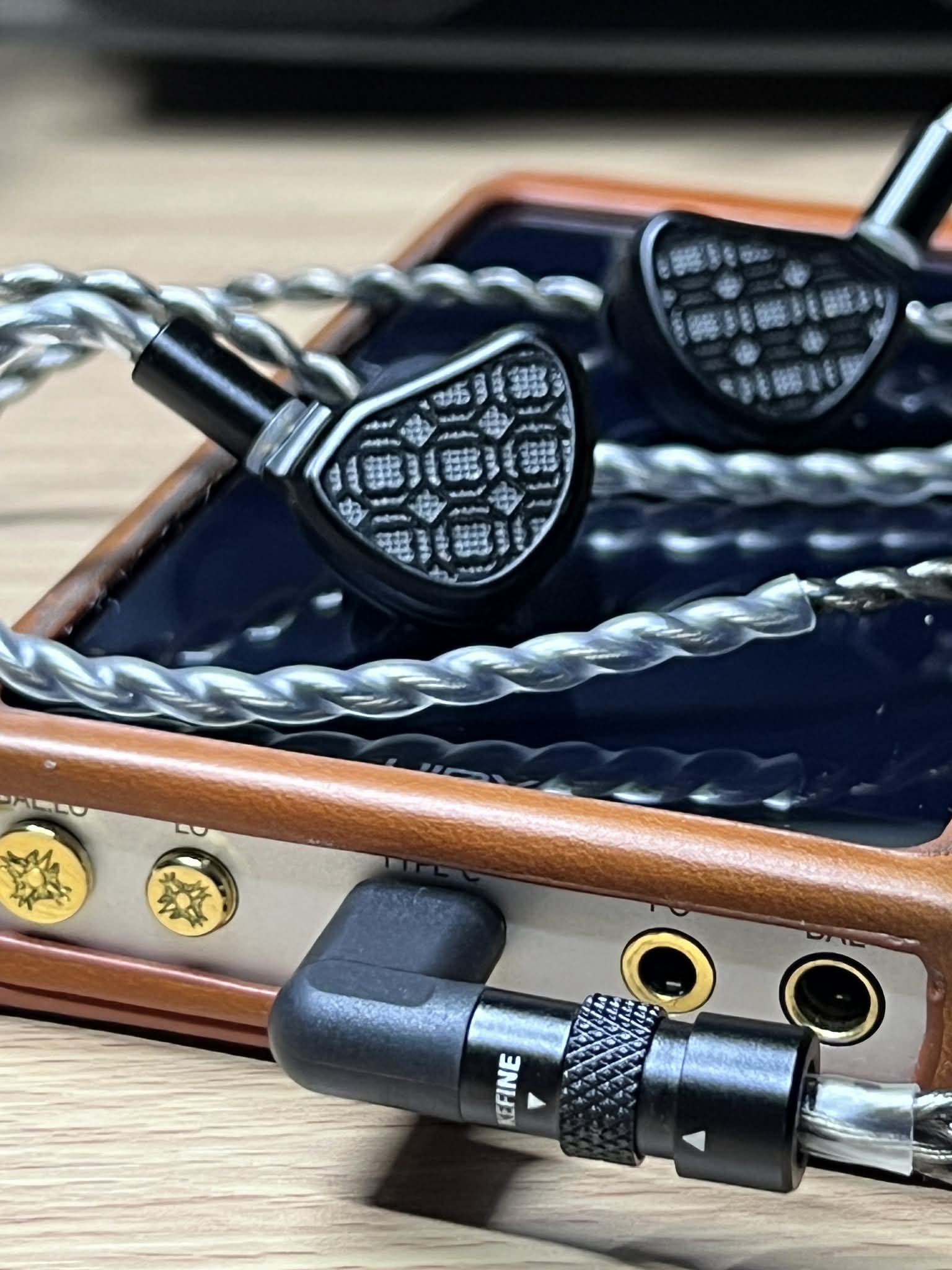
What I appreciate most is the tuning. The KA2 doesn’t try to impose its own character on the sound. It leans neutral and transparent, which works in the Arnar’s favor. You’re basically hearing the IEM as intended, with no extra coloration or artificial warmth being added into the mix. It keeps the presentation clean, controlled, and well-resolved without sounding sterile.
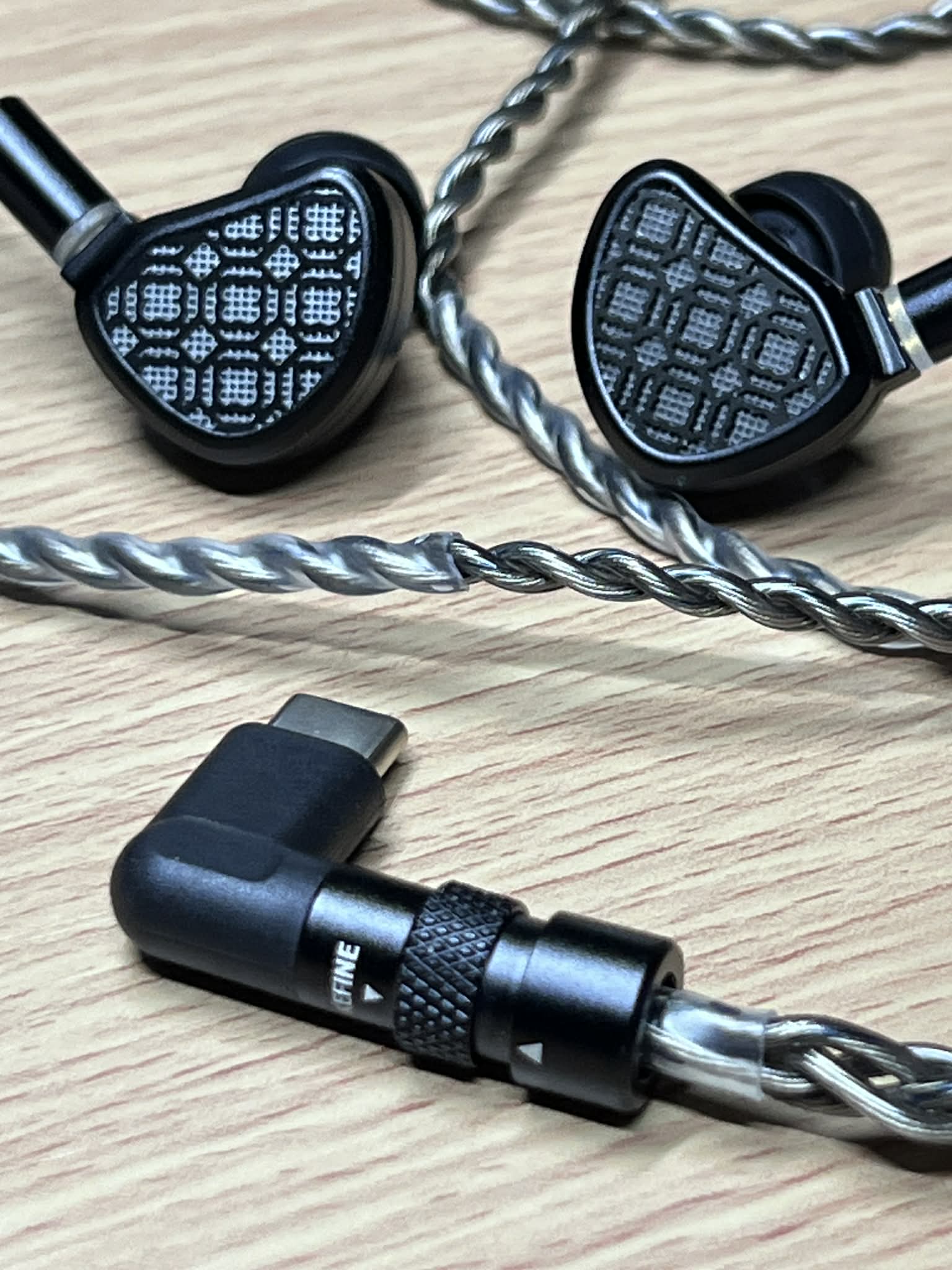
It’s also just a practical setup. The modular plug system makes it easy to switch between 3.5mm and 4.4mm depending on what you’re using, and it keeps things simple when you’re on the go. Pair it with something compact like a small DAP or even a phone, and you’ve got a lightweight, no-fuss setup that still delivers proper performance.
Simple, but it gets the fundamentals right. Clean power, good dynamics, and a transparent presentation that lets the Arnar do its thing.
Comparisons
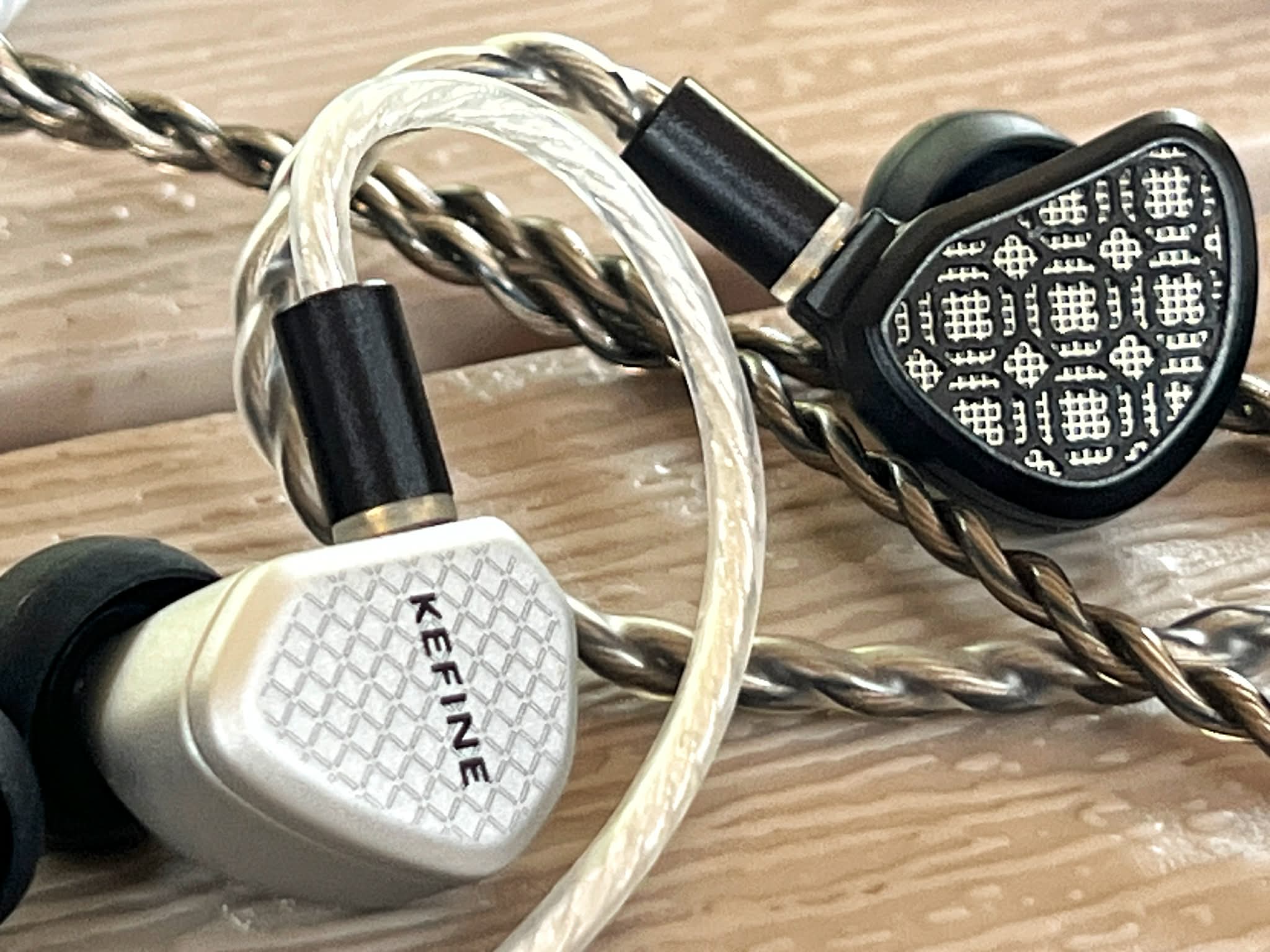
Kefine Klean SV vs Arnar
Putting the Klean SV and the Arnar side by side really highlights how Kefine approaches tuning from different angles while still staying true to their house sound.
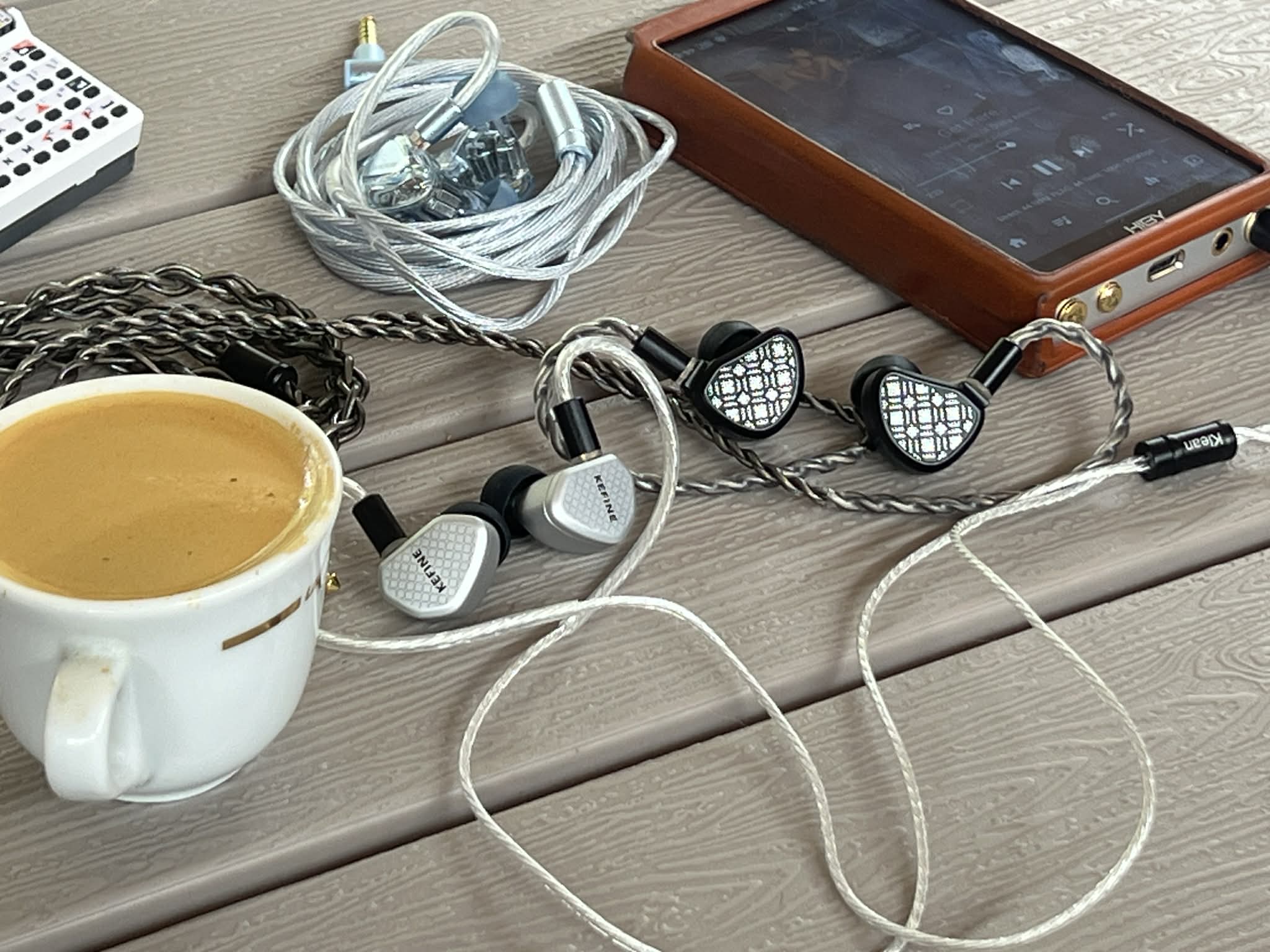
The Klean SV leans more toward a balanced, reference-style presentation. It’s cleaner, a bit more linear, and puts a stronger emphasis on precision. Notes are tighter, edges are more defined, and the overall presentation feels a bit more disciplined. It’s the kind of set you reach for when you want to focus, analyze a mix, or really pick apart layering and detail.
The Arnar, on the other hand, takes a different route:
* Warmer in tone
* More organic in how notes are presented
* More relaxed and forgiving overall
Where the Klean SV draws cleaner lines between elements, the Arnar blends things in a more natural, flowing way. Notes have a bit more body, transitions feel smoother, and the presentation comes across less clinical. It’s not about extracting every last detail, it’s about how everything comes together as a whole.
In terms of listening experience, the difference is pretty clear.
The Klean SV keeps you engaged from a technical standpoint. You notice microdetails, imaging cues, and subtle nuances in the mix. It’s a bit more “sit down and listen.”
The Arnar is the opposite. It’s the kind of set you throw on when you just want to enjoy your music without thinking too much about it. It doesn’t demand attention, but it keeps you listening longer because of how easy and natural everything sounds.
Technically, the Klean SV might edge ahead slightly in terms of raw clarity and precision. But the Arnar counters that with a more cohesive, musical presentation that just feels right, especially for longer sessions.
At the end of the day, neither replaces the other.
* Klean SV: when you want accuracy, structure, and a more reference-style listen
* Arnar: when you want warmth, flow, and a more emotional connection to the music
Same brand, same foundation, just two very different moods depending on what you’re in the mood for.
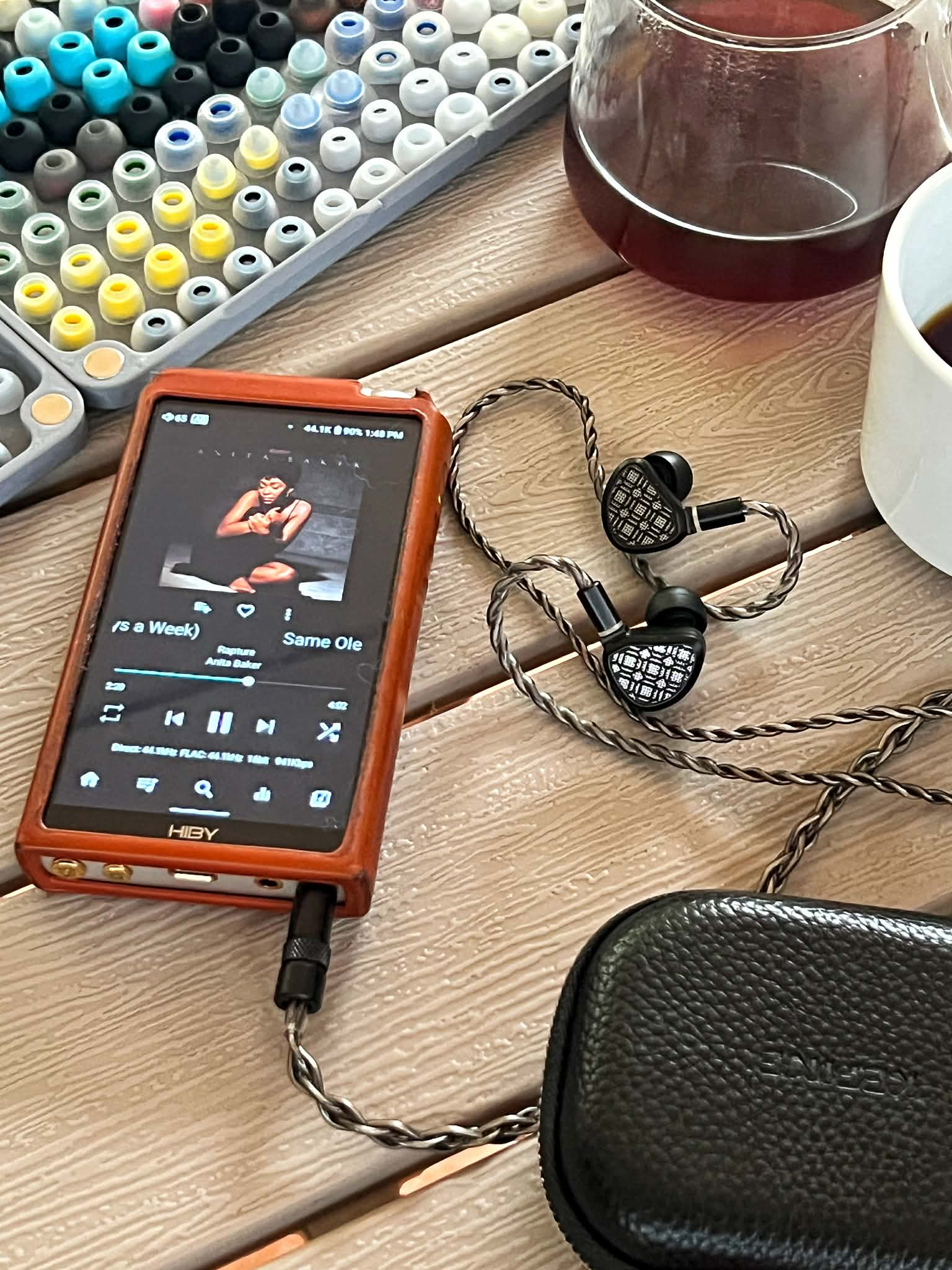
Real-World Listening
The Arnar is one of those sets that doesn’t try to grab you in the first few minutes, but the longer you sit with it, the harder it is to take off. You put it on for a quick listen, maybe a couple of tracks… and then somehow you’re already a few albums in without even thinking about it.
It doesn’t rely on big bass hits or overly crisp treble to impress. There’s no “wow” moment designed to hook you instantly. Instead, it builds its appeal slowly. The kind of appeal that comes from balance, coherence, and just getting the fundamentals right.
What stands out in real listening is how easy everything flows. Transitions between notes feel natural, nothing jumps out awkwardly, and the overall presentation just feels… right. You’re not constantly analyzing the sound, you’re just listening to music.
I had one of those moments with Anita Baker where everything just clicked. Her voice came through with this velvety warmth, rich and intimate, sitting perfectly in the mix. There was body, there was texture, and there was space around her without anything feeling pushed or artificial. It didn’t sound hyped. It sounded believable.
That’s really the Arnar in a nutshell. It doesn’t exaggerate or leave gaps. It presents the music in a way that feels complete.
And the more you listen, the more you start noticing the layering underneath. Instruments have room to breathe, small details come through naturally, and nothing feels congested even in busier tracks. It’s subtle, but it adds up over time.
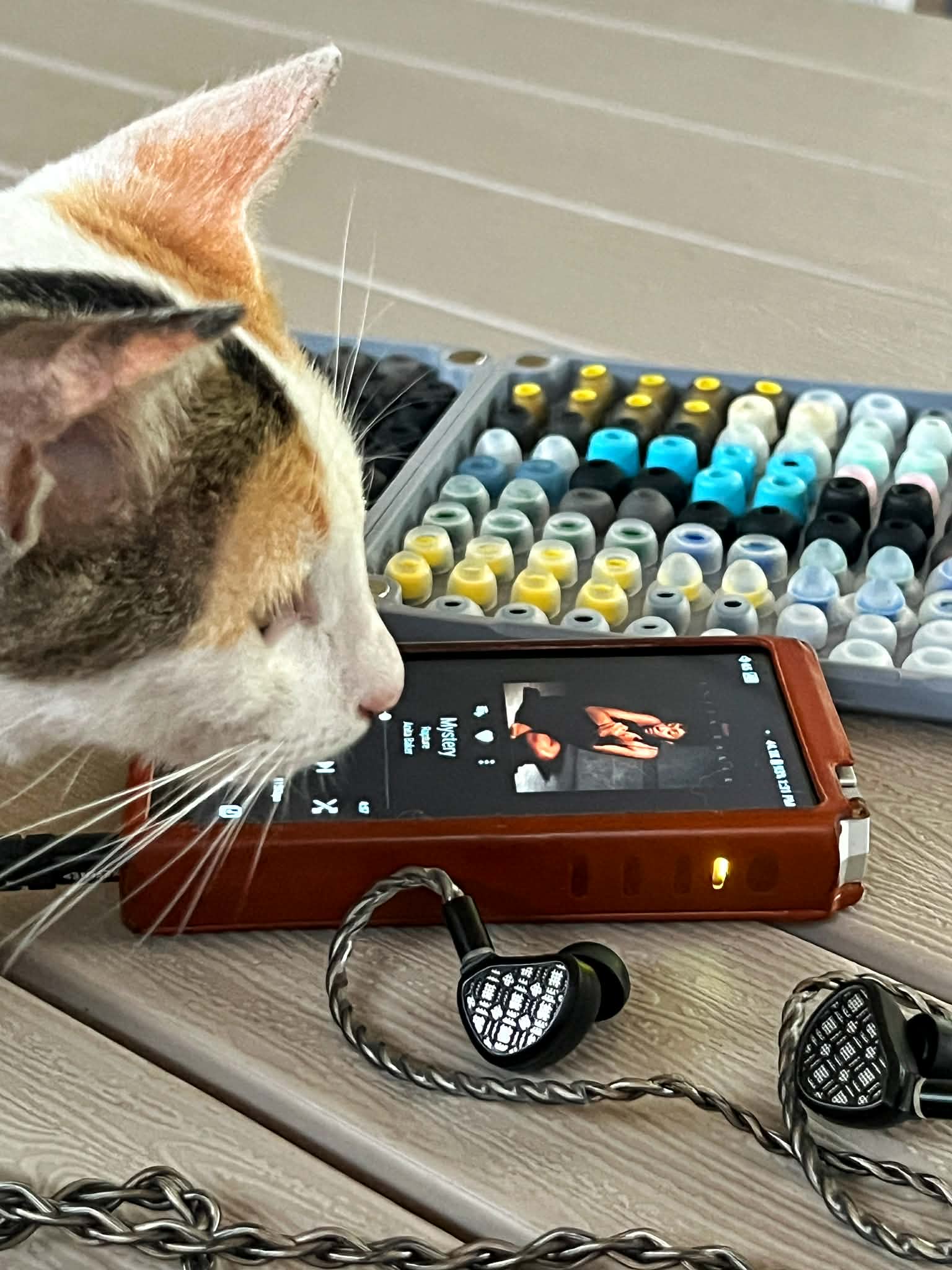
Verdict
The Kefine Arnar feels like a natural progression for the brand. Not a drastic shift, but a refinement of everything they’ve been building toward.
It takes that familiar Kefine house sound and tightens it up:
Musical without sounding loose or colored Detailed without leaning into analytical territory Smooth without sacrificing engagement
That balance is harder to achieve than it sounds. A lot of IEMs try to sit in that middle ground and end up leaning too far in one direction. The Arnar manages to stay right in that pocket.
What’s interesting is how this relatively simple planar + BA configuration ends up sounding. Instead of coming across like a typical hybrid, it actually feels closer to a well-tuned dynamic driver in terms of coherence and flow, just with better control, cleaner separation, and more precise layering underneath.
It’s not trying to reinvent anything. It just executes really well.
And sometimes, that’s exactly what makes a set worth reaching for again and again.
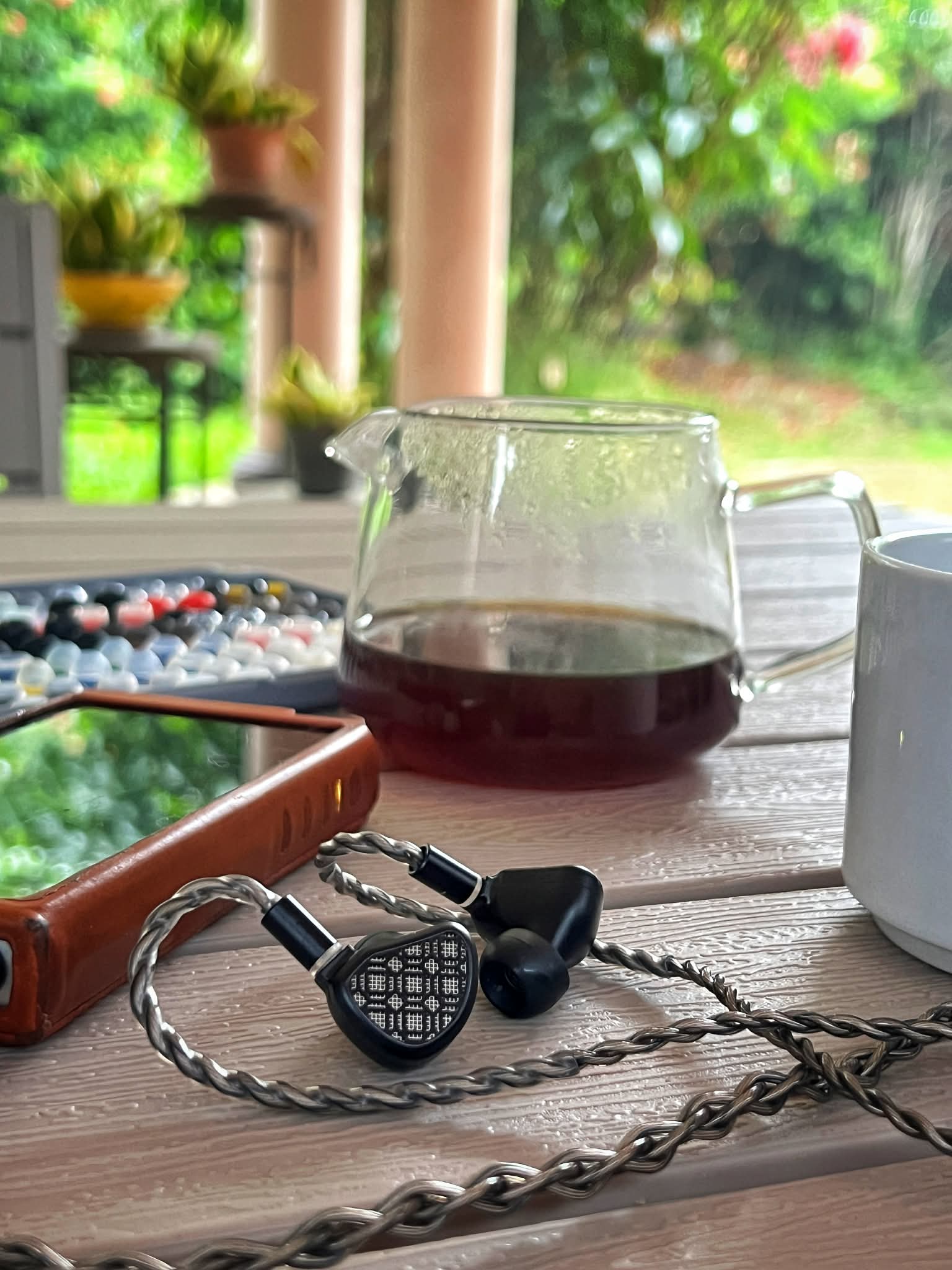
Final Thoughts
The Arnar is one of those sets that’s very easy to recommend, not because it tries to stand out in a flashy way, but because it gets the fundamentals right and stays consistent from start to finish.
This is the kind of IEM you reach for when you don’t feel like overanalyzing your gear or second-guessing your choice. You just plug it in, hit play, and let the music take over. No quirks to work around, no sharp edges in the tuning, nothing that demands constant attention. It just sounds right.
What makes it special is how effortless the whole experience feels. The presentation is clean, natural, and musical without leaning too far in any direction. It doesn’t push detail at you, it doesn’t overdo the warmth, and it doesn’t try to impress with artificial sparkle. Everything is balanced in a way that keeps the listening experience smooth and engaging over long sessions.
It’s also incredibly versatile. You can throw almost any genre at it and it adapts without falling apart. Whether it’s something laid-back and acoustic or more rhythm-driven, it holds its composure and keeps the focus on the music rather than the tuning.
And that’s really what keeps you coming back. It’s not the kind of set that demands attention, it earns it over time. You tell yourself you’ll listen to one track, maybe two… and before you know it, you’re deep into a full album, then another.
No drama, no fatigue, no distractions. Just a well-tuned IEM that understands what makes music enjoyable.
And yeah… it rarely ever stops at just one track.

- Get link
- X
- Other Apps
- Get link
- X
- Other Apps
Comments
Post a Comment