Pros: .
*Clean, transparent, and highly detailed sound with excellent separation
*Deep, well-controlled subbass and tight, defined midbass
Upper mids and treble are articulate and smooth, avoiding harshness
*Precise imaging and moderately wide, natural soundstage
*Good dynamic range with lively, responsive presentation
*Complex hybrid tuning remains cohesive and well-balanced
*Build quality is excellent; transparent resin shell shows thoughtful internal design
*Included cable is soft, flexible, and well made
*Easy to drive; scales well with higher-quality sources
Cons: .
Cons:
*Slightly lean lower mids may feel analytical to those who prefer warmth
*Bass is controlled but not as “fun” or full-bodied as warmer IEMs
*Carrying case is bulky and impractical despite premium construction
A super-hybrid that mixes serious engineering with a clean, highly technical sound.
Tanchjim has always approached IEM design with a strong emphasis on engineering and acoustic structure, and the SODA might be one of the most obvious examples of that philosophy. This isn’t a simple single-driver design or even a typical hybrid. It’s more like a miniature acoustic system carefully packed into a transparent shell.
On paper, the SODA almost reads like a tech demo. You’ve got a 10mm dynamic driver, four balanced armatures, and two passive units, all working together inside a compact housing. Supporting that is a dual pressure relief valve system to regulate airflow and a custom HPFD-Seg 3-way crossover designed to manage how each driver handles its assigned frequency range.
That’s a lot of hardware for something that sits in your ear.
Naturally, when you see a driver configuration this complex, the first question that comes to mind is whether all of that engineering actually translates into better sound. Multi-driver setups can sometimes feel like overkill if the implementation isn’t right. Without proper tuning and crossover design, you can end up with a sound that feels disjointed, where each driver is doing its own thing rather than working as a cohesive whole.
Thankfully, that’s not the case here.
After spending a good amount of time with the SODA, it becomes pretty clear that Tanchjim didn’t just pile drivers into the shell to make the spec sheet look impressive. The tuning reflects a clear design philosophy, and the sound mirrors the engineering behind it. Everything feels deliberate and well sorted.
What you get is a presentation that is clean, transparent, and impressively controlled, leaning toward a technical style of tuning without becoming sterile or lifeless. It’s the kind of sound that invites you to focus on the details of a recording, yet still keeps the music engaging.
In many ways, the SODA behaves exactly how you’d expect from something with this level of acoustic complexity. It’s refined, structured, and very well organized.
But before diving deeper into how it actually sounds, it’s worth taking a closer look at the build and internal design, because that’s where a lot of the interesting engineering decisions really start to show.
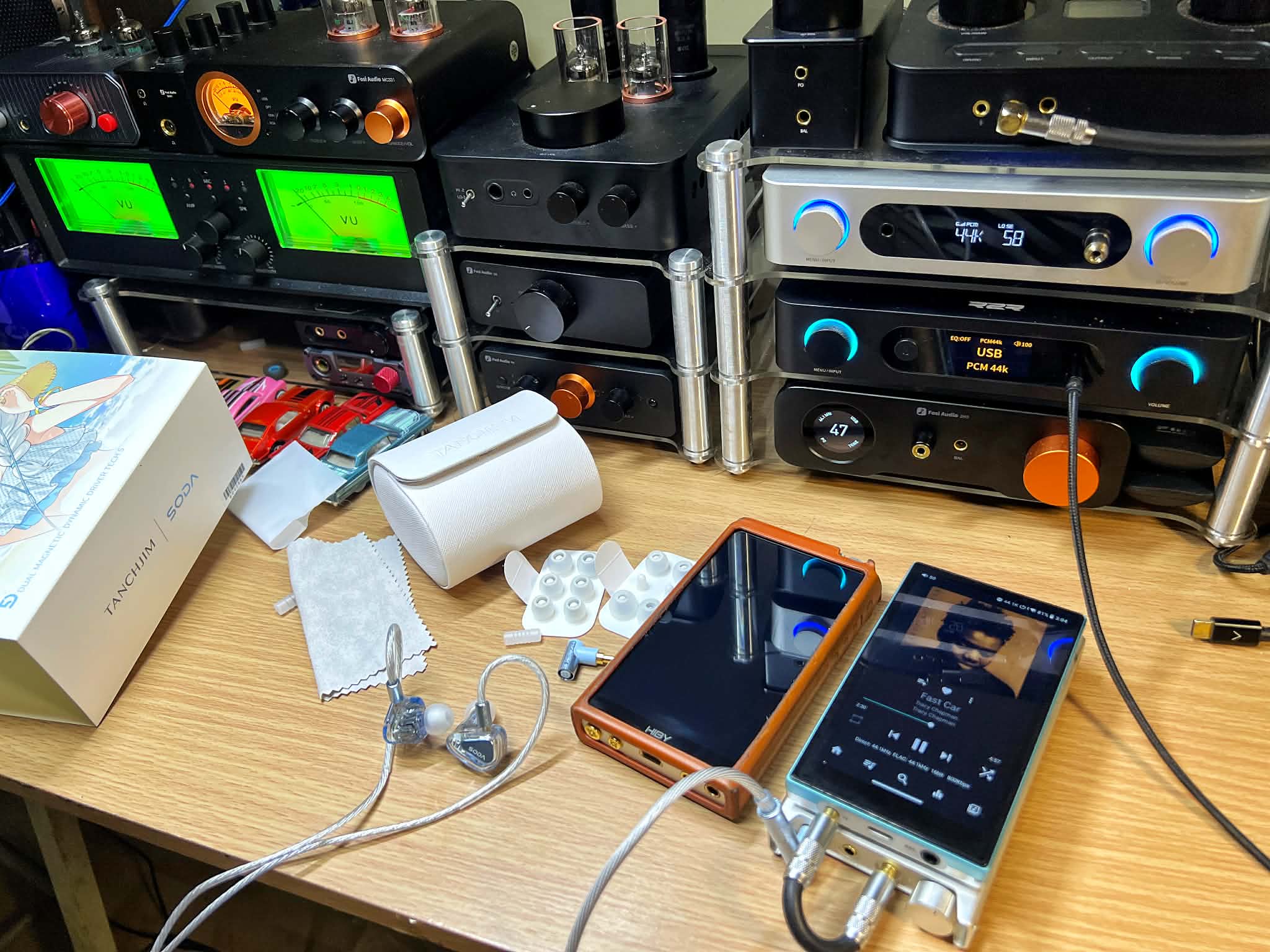
here is my short unboxing video.
Build Quality and Design
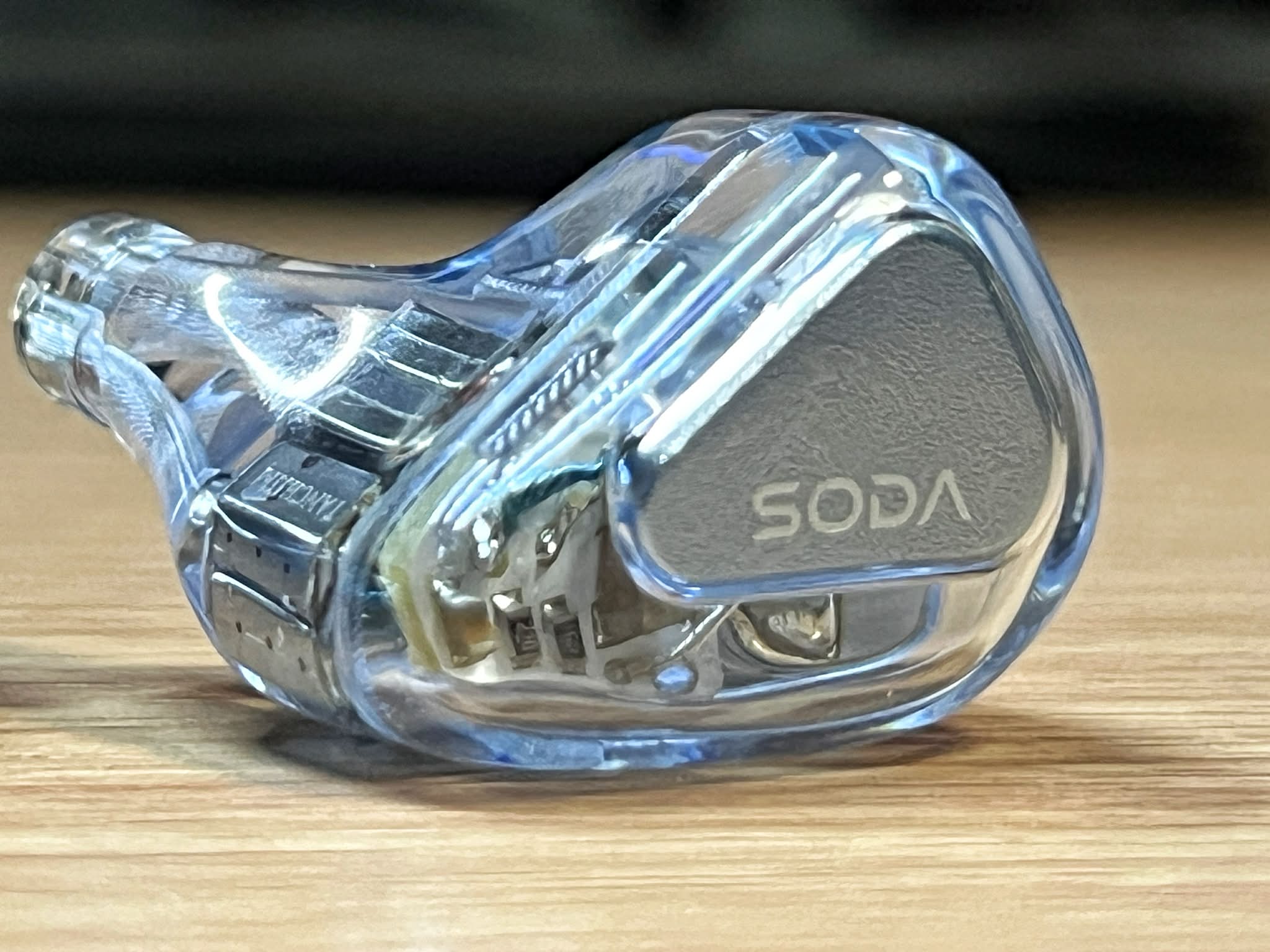
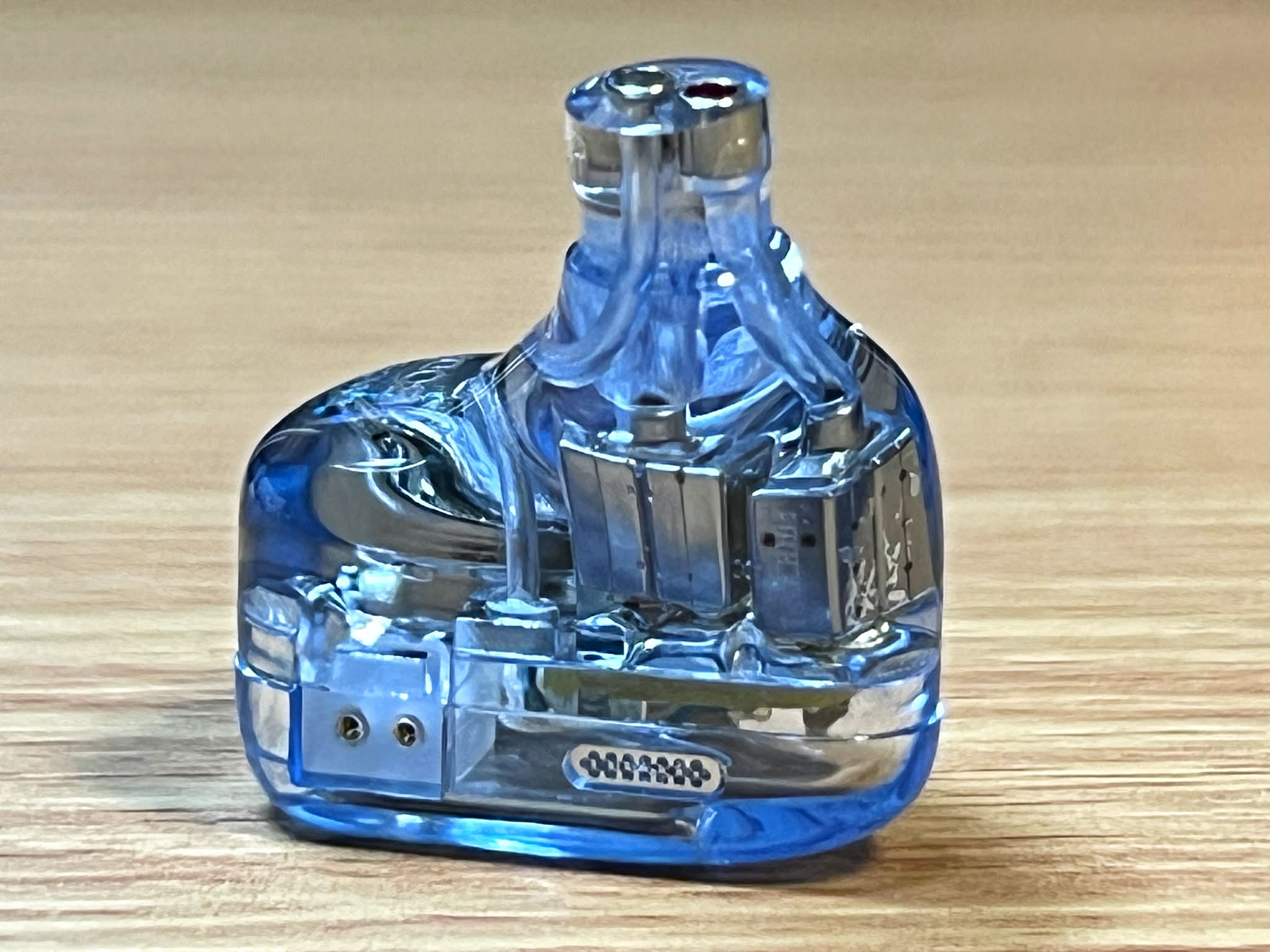
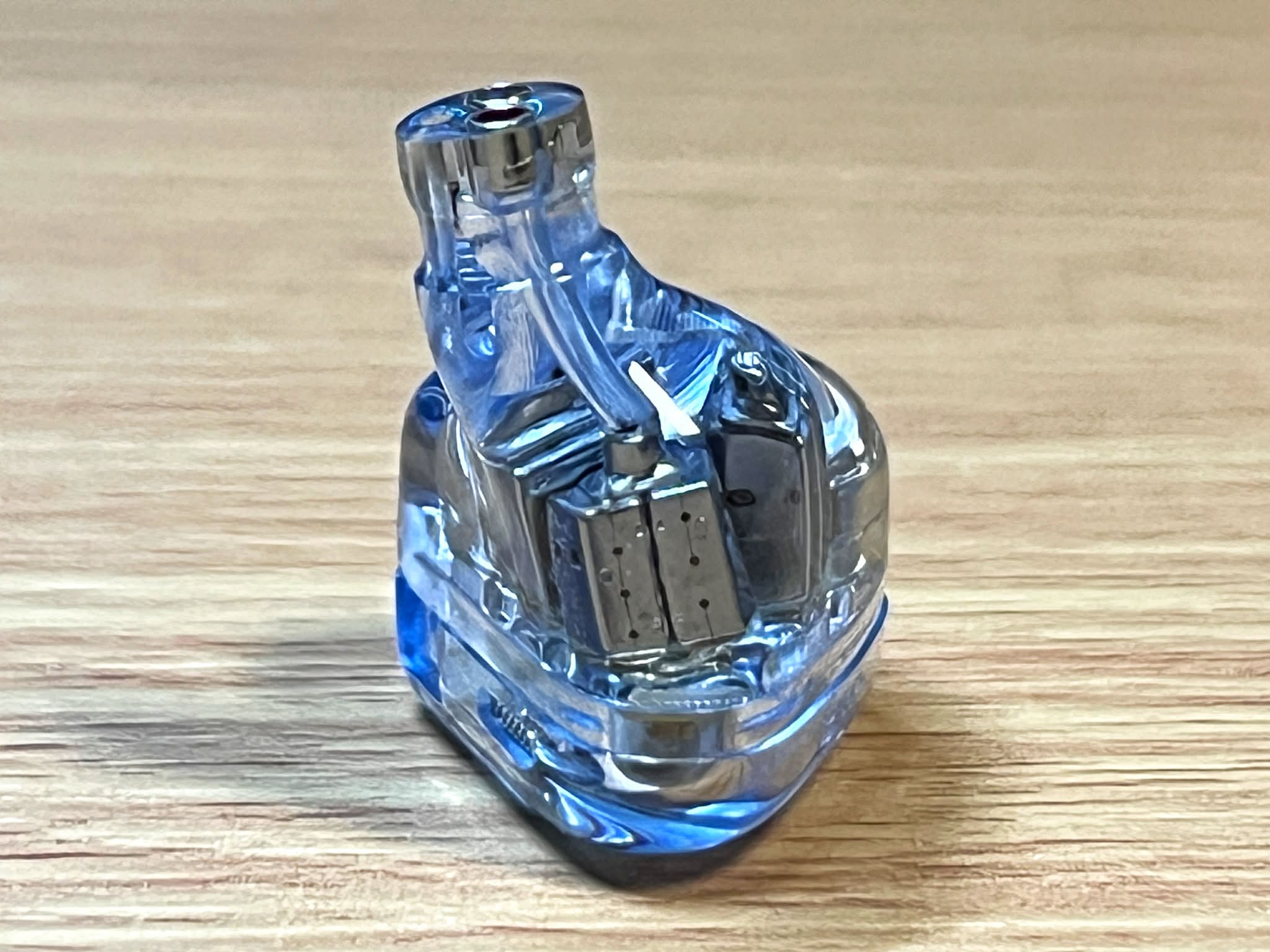
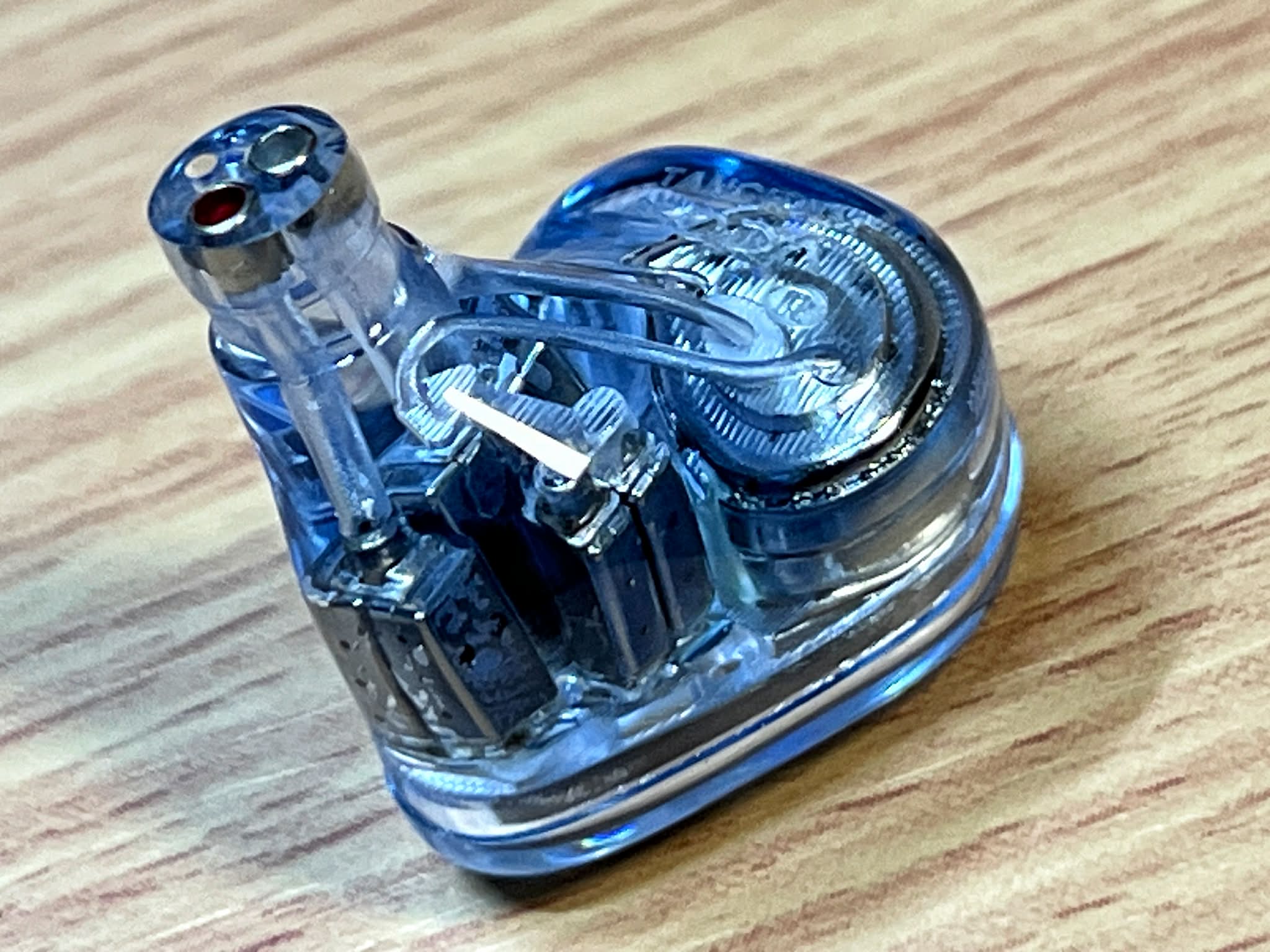
The SODA uses a transparent resin shell with a faint bluish tint that almost looks like clear water under light. It’s one of those designs where you can easily lose a few minutes just staring at the internals.
And honestly, it’s worth looking at.
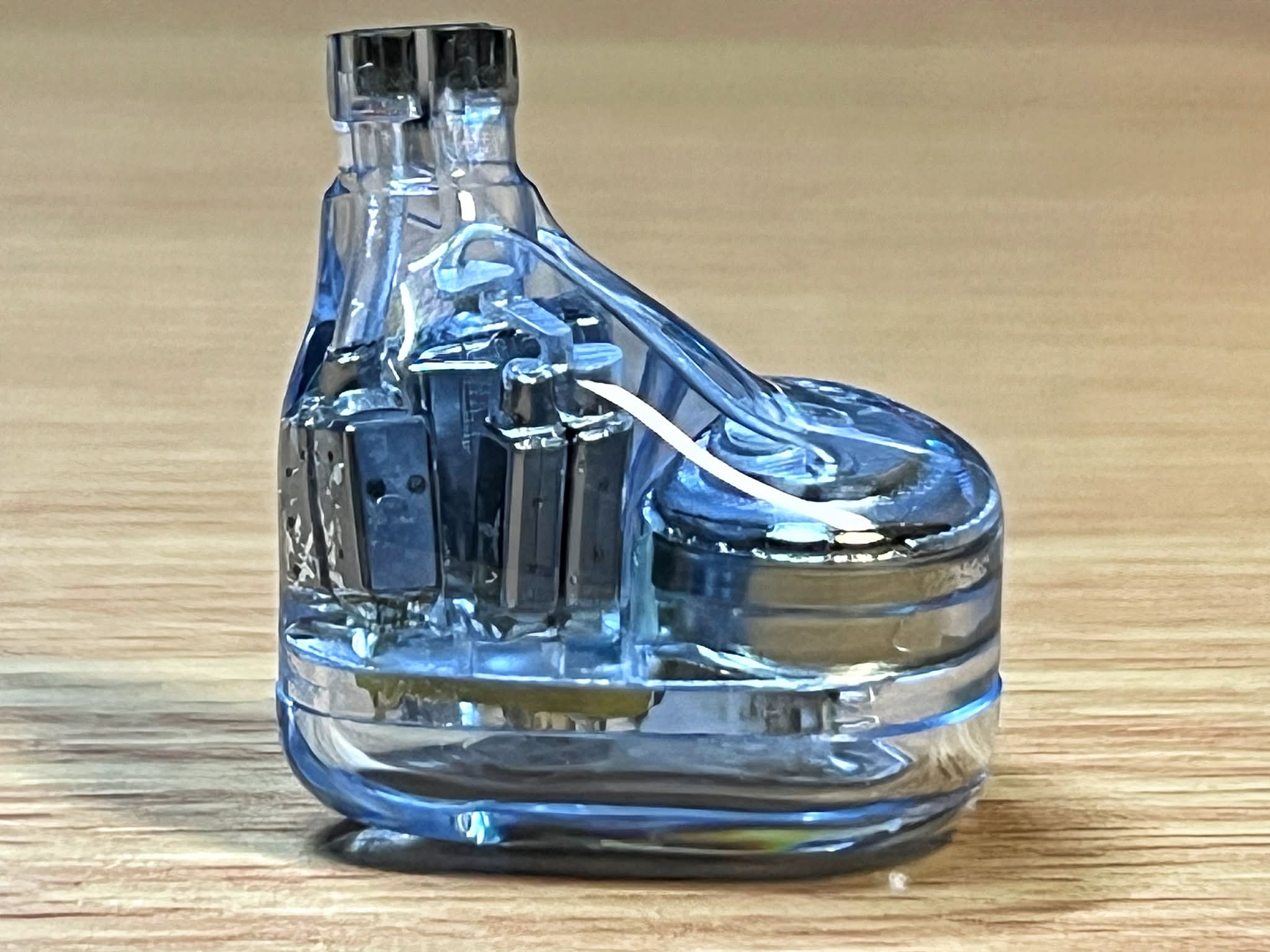
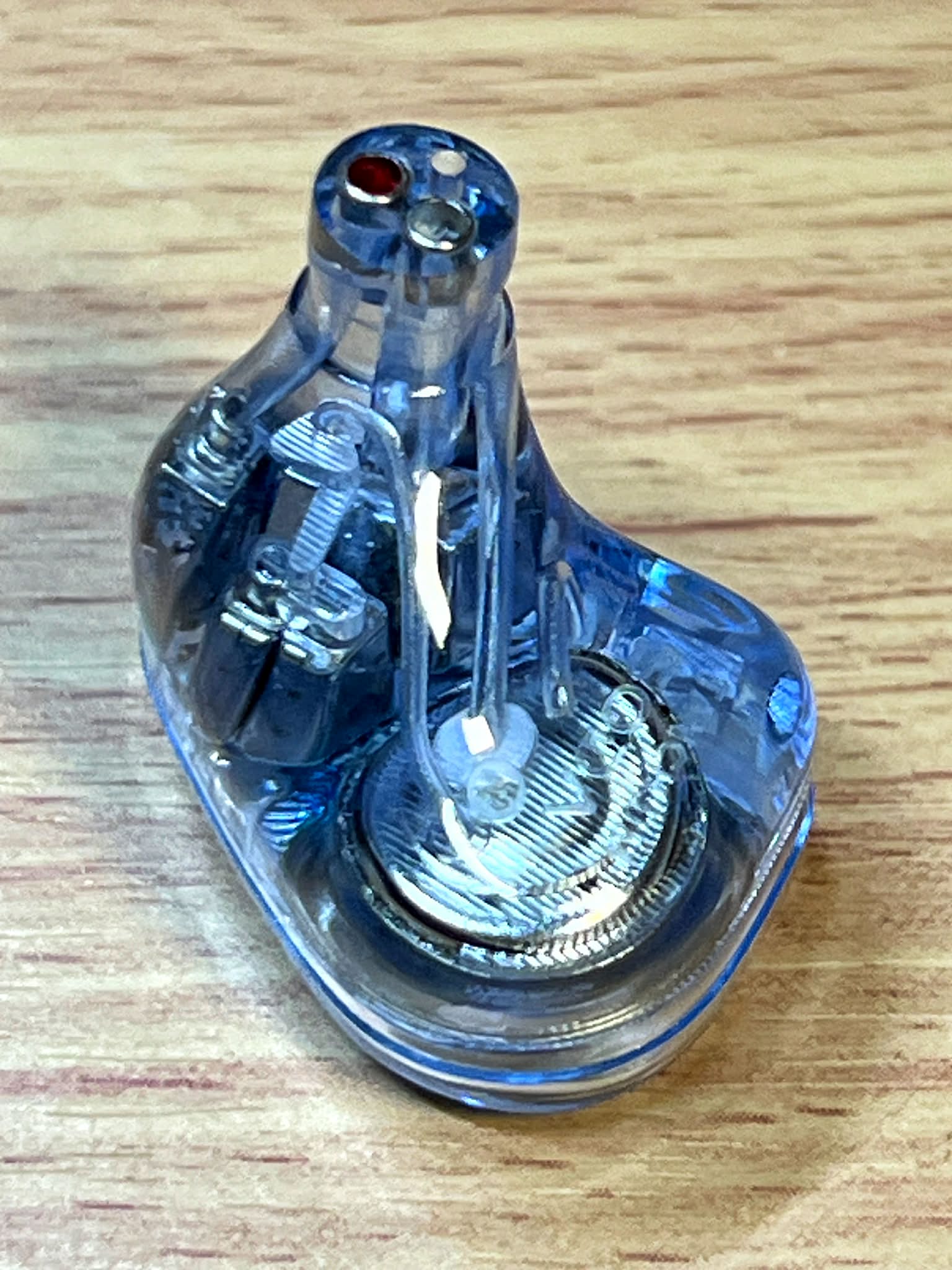
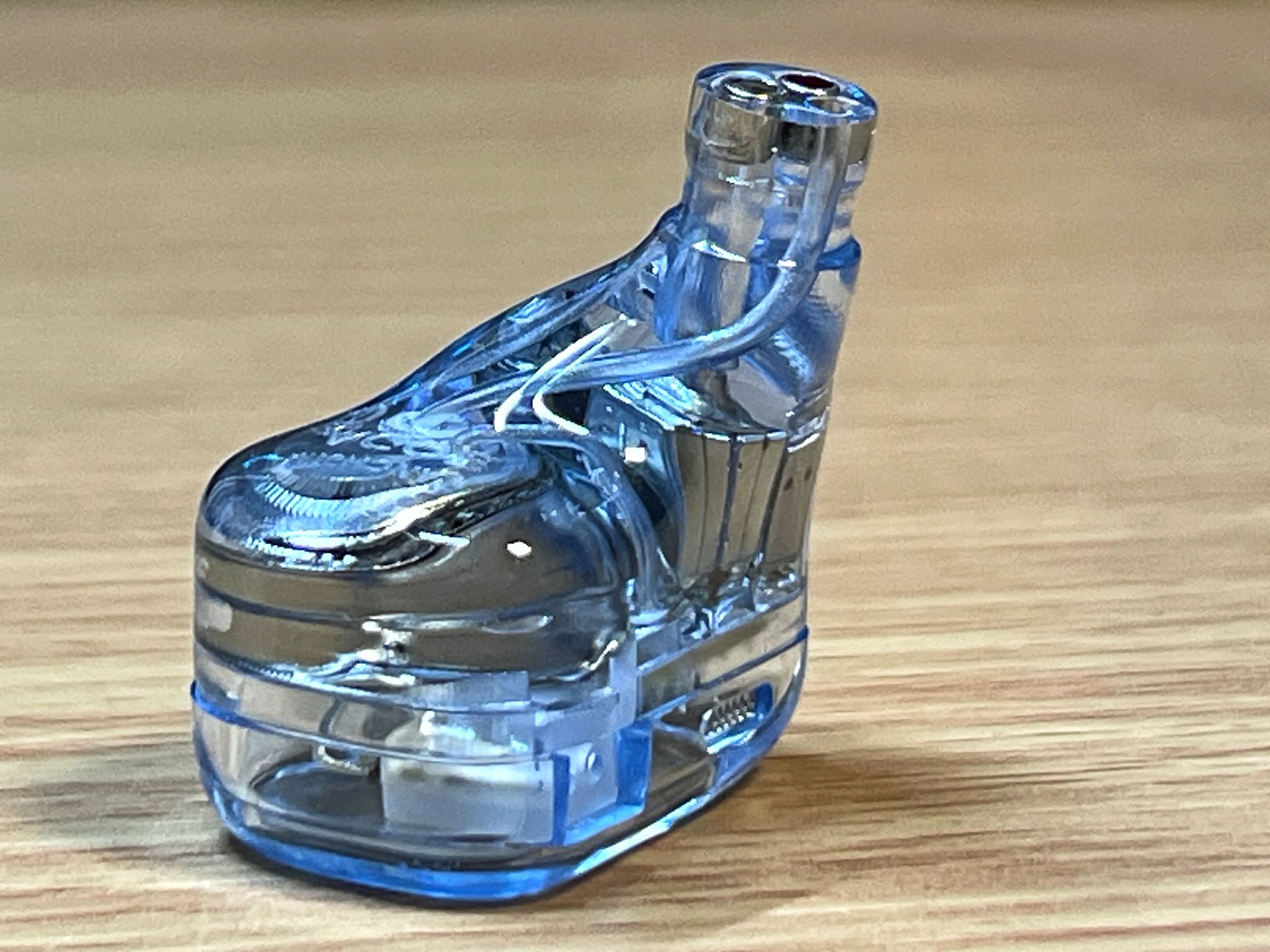
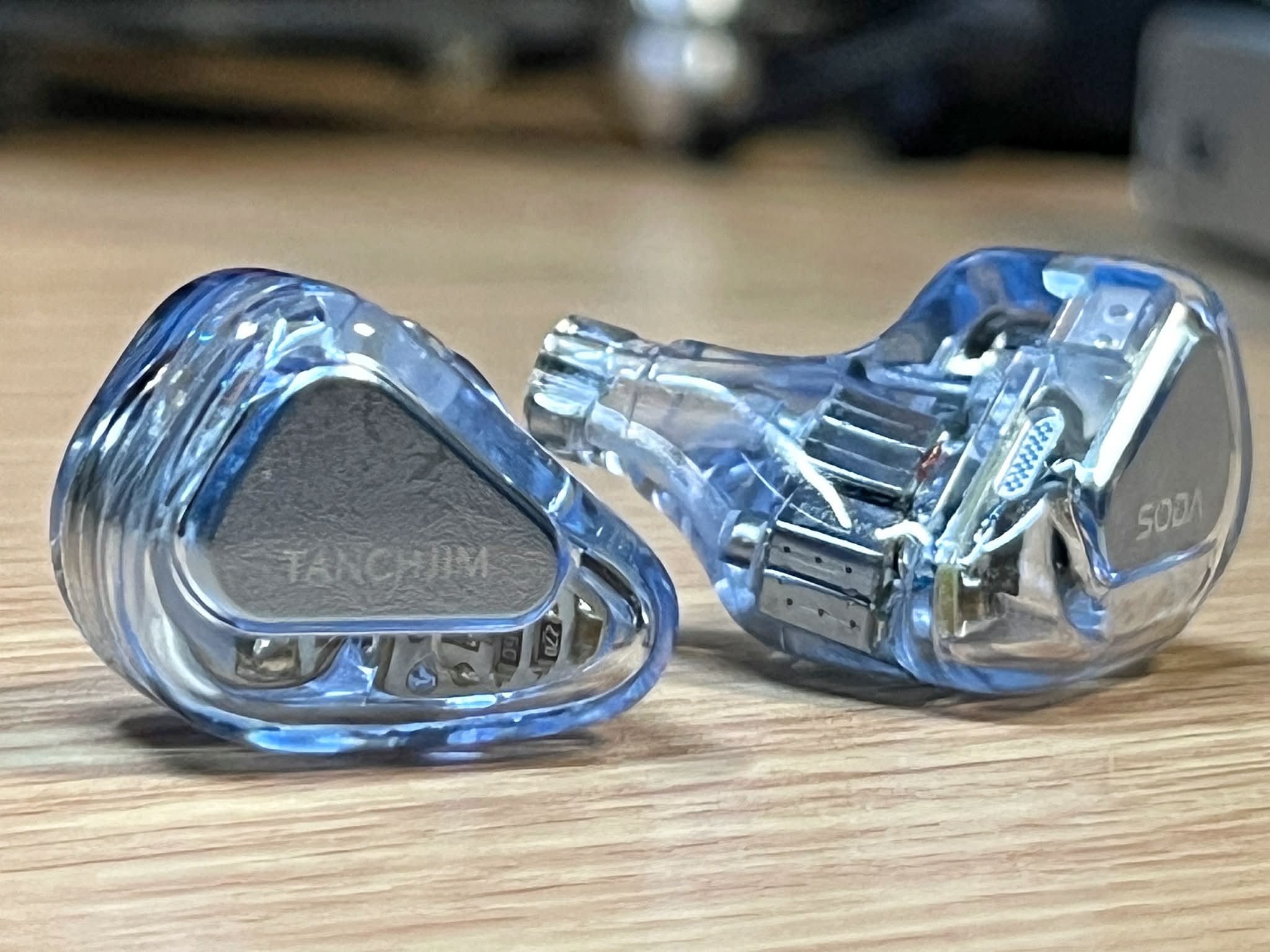
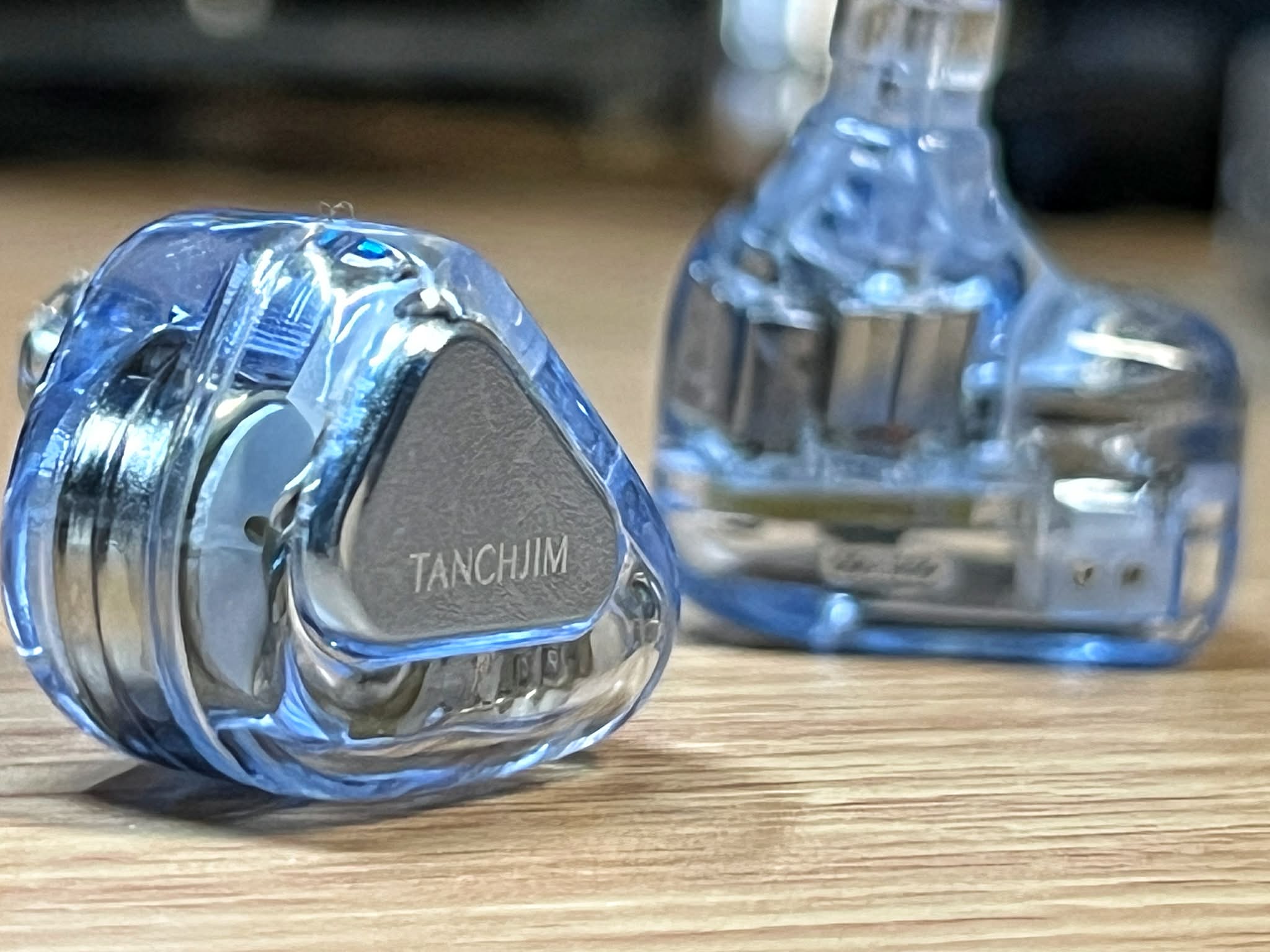
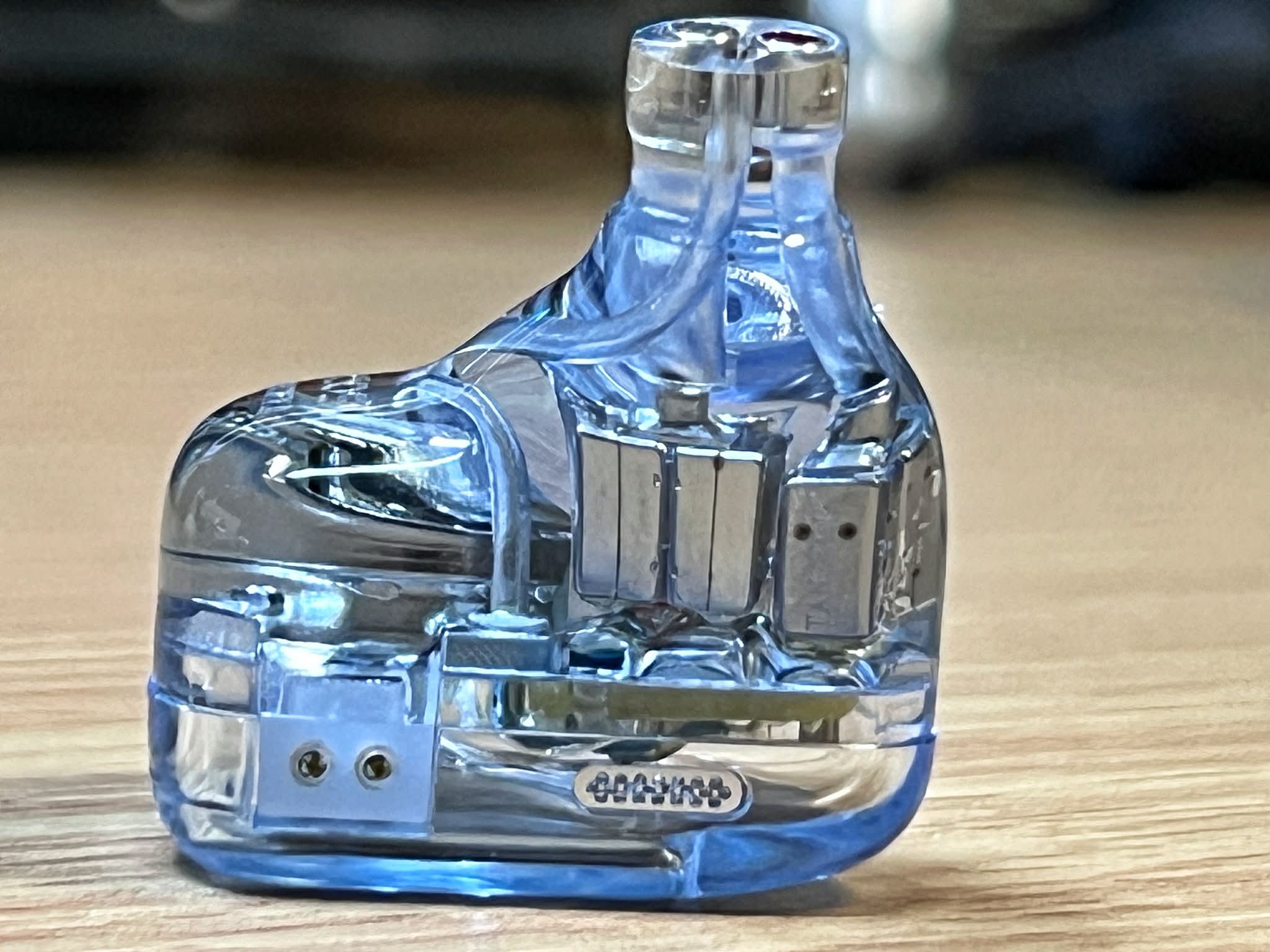
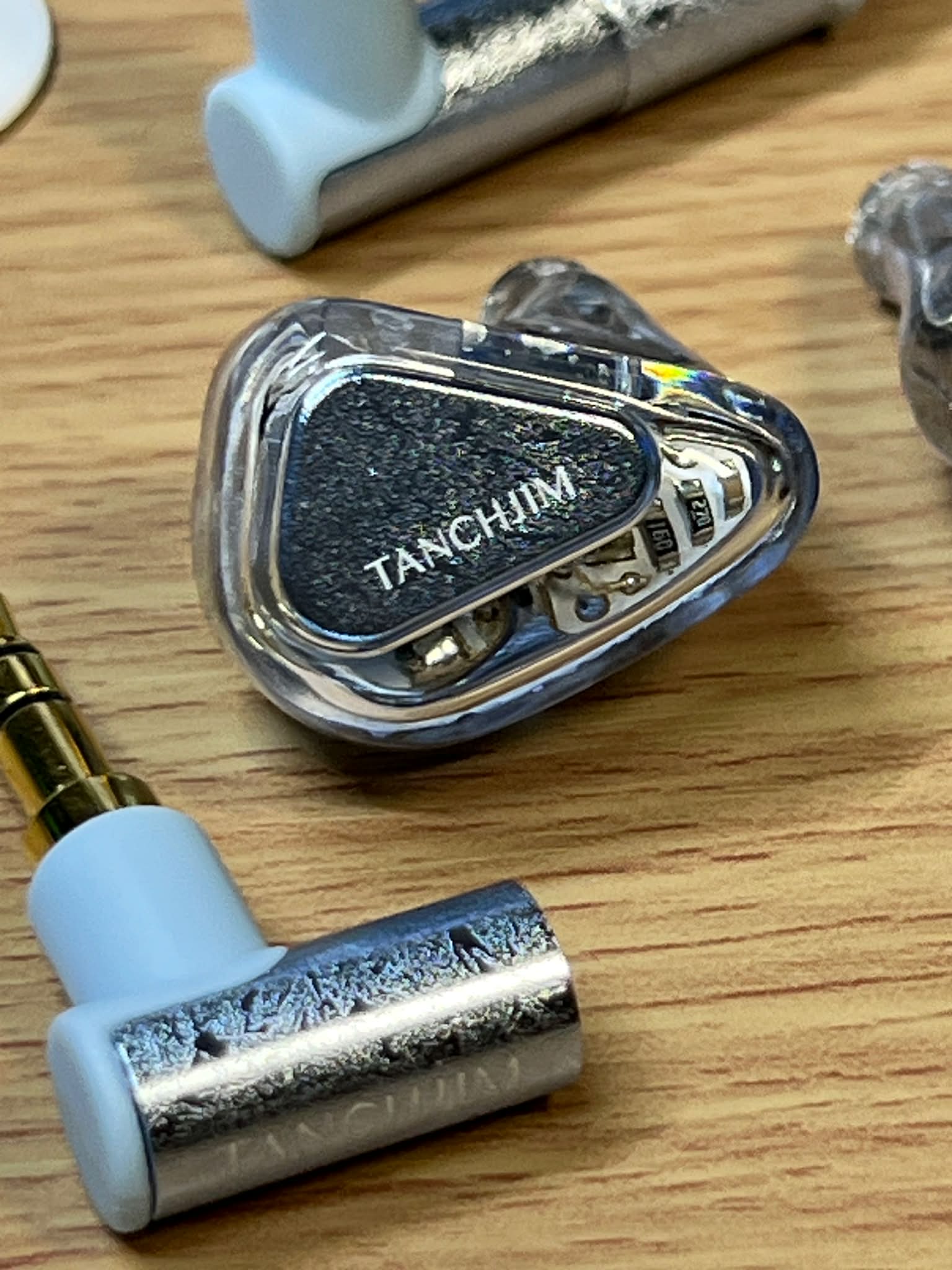
Inside the shell you can clearly see the acoustic layout. The dynamic driver sits toward the rear, feeding into a chamber that Tanchjim calls the DMT5 rear acoustic chamber design. They don’t fully explain what DMT5 stands for, but the goal is straightforward: improve bass extension and transient response by managing how the driver moves air inside the shell.
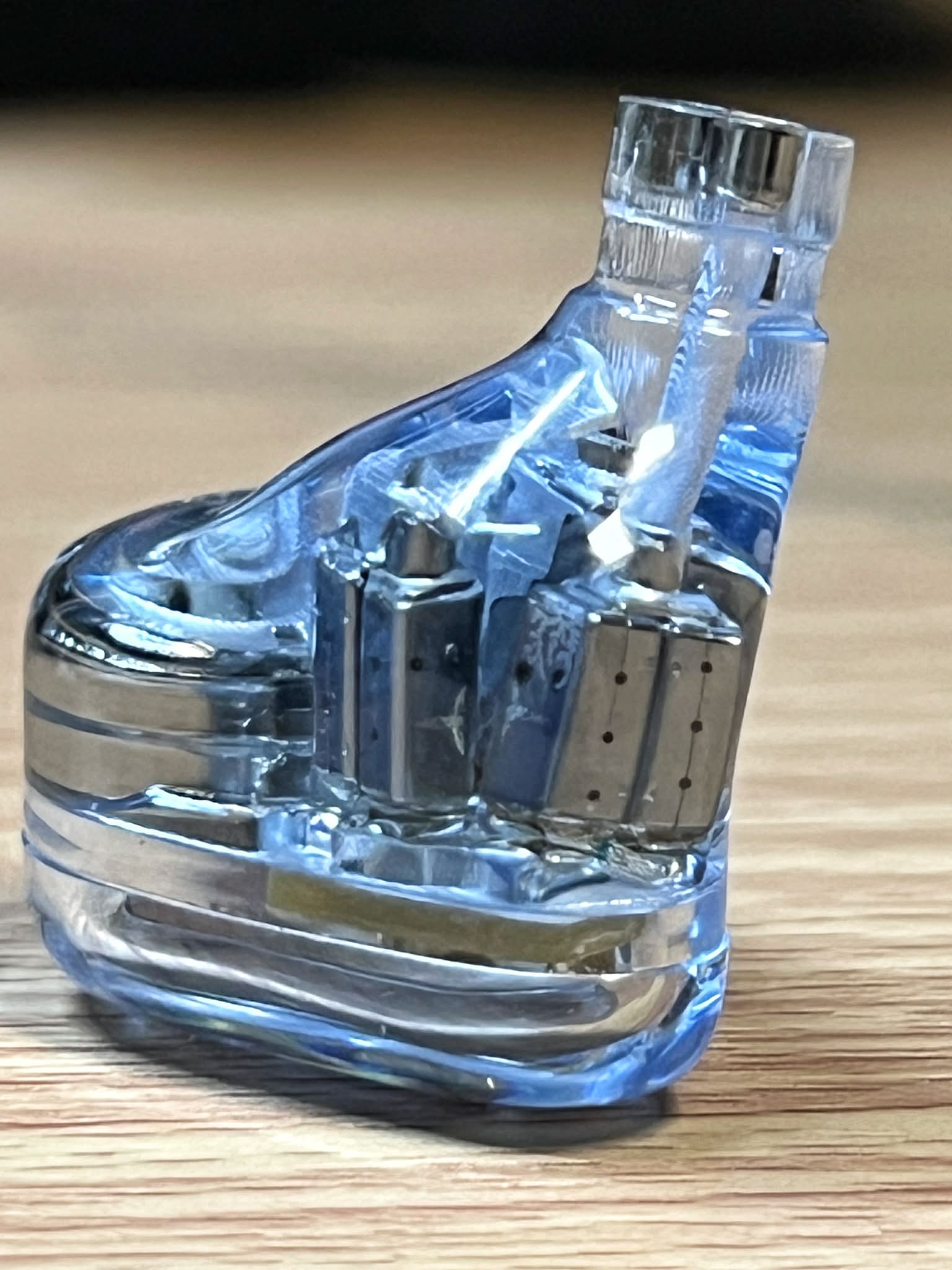
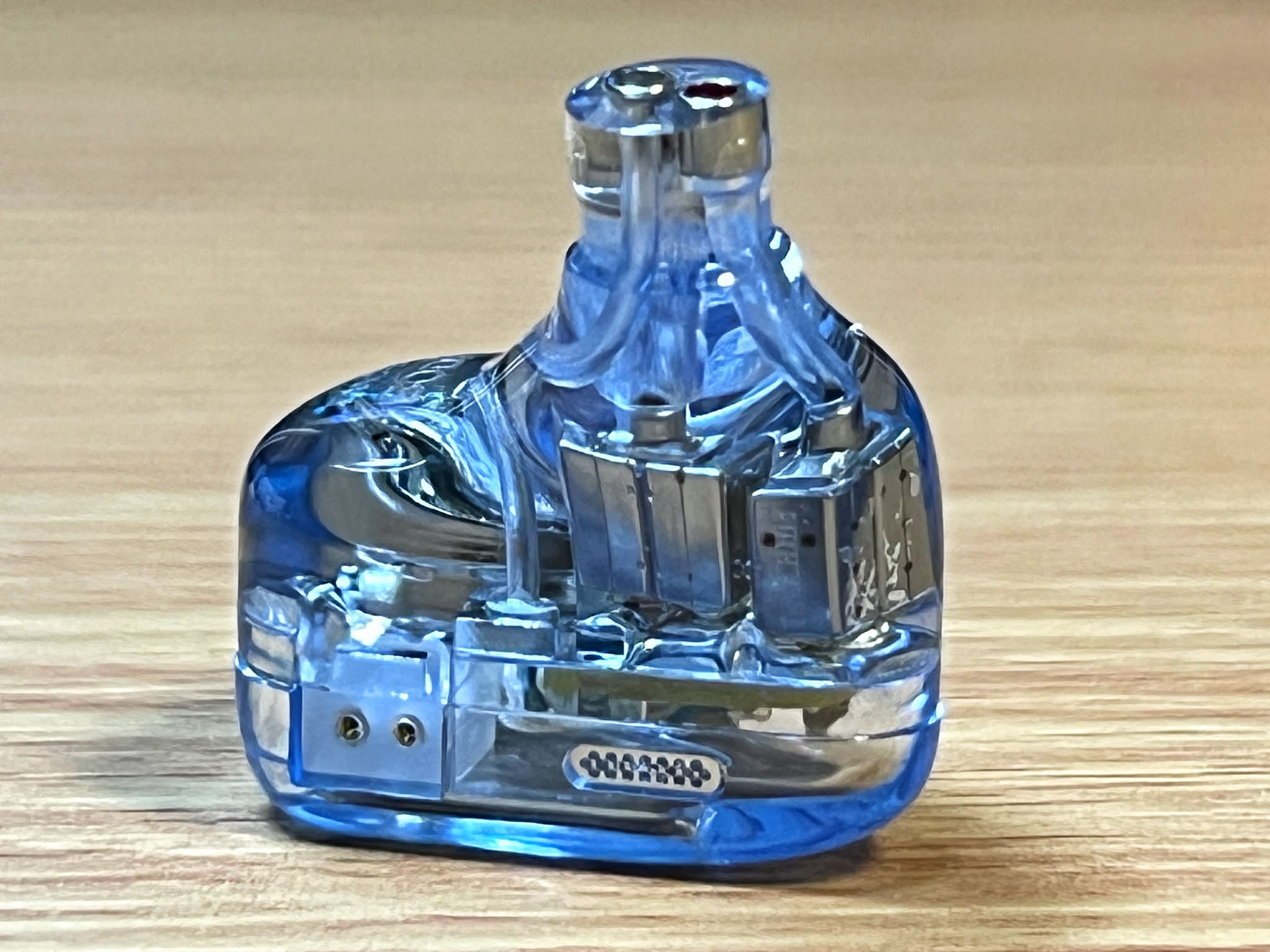
Behind the faceplate you can also spot what resembles an acoustic labyrinth chamber. In speaker design, this type of structure is often used to absorb unwanted reflections and smooth out resonances. Here it likely serves a similar purpose, reducing internal reverb and keeping the sound cleaner.
Right next to that chamber are the dual pressure relief valves, which regulate internal air pressure. This is important for two reasons:
* It helps prevent driver flex
* It improves long-term comfort during extended listening
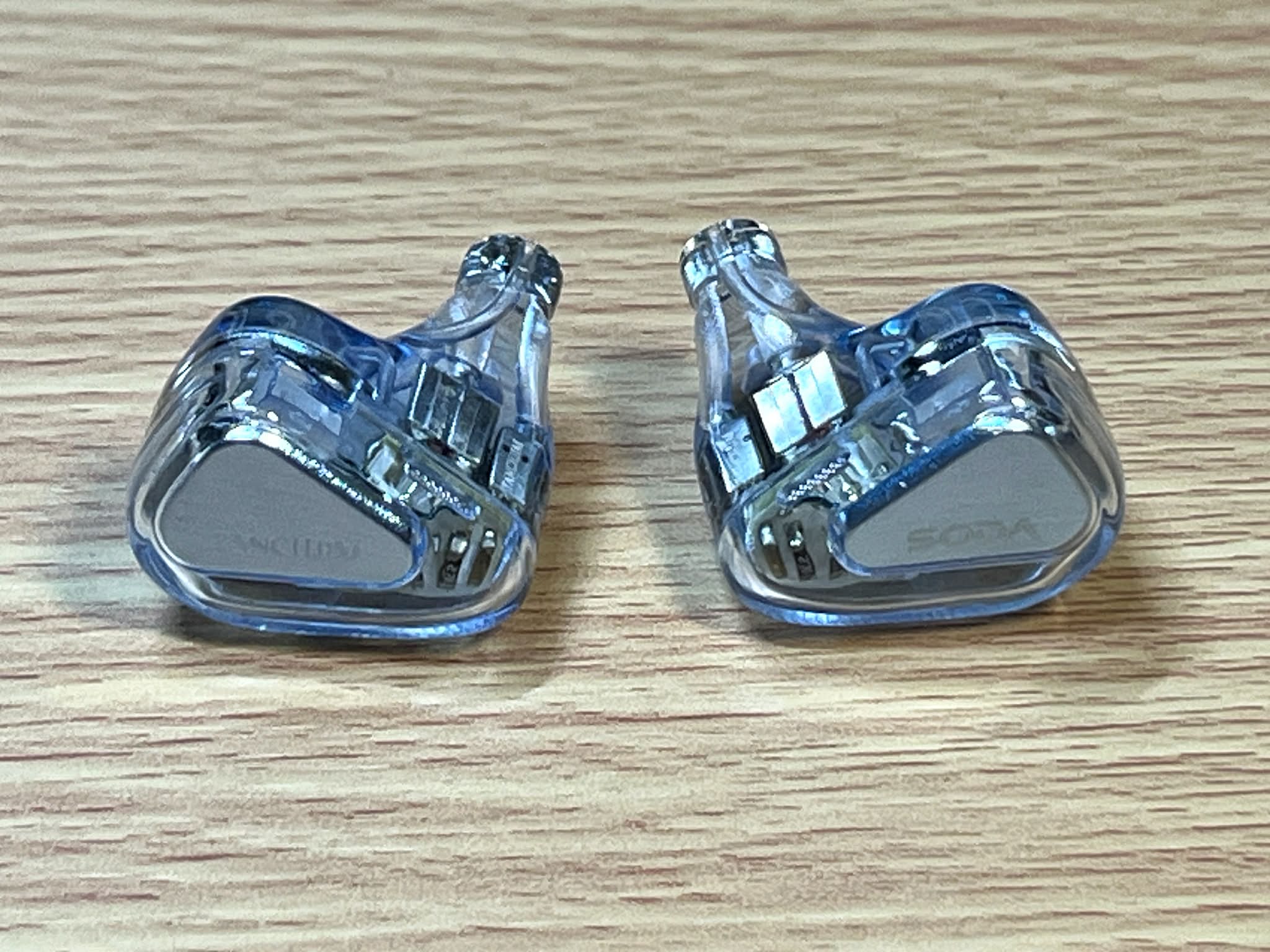
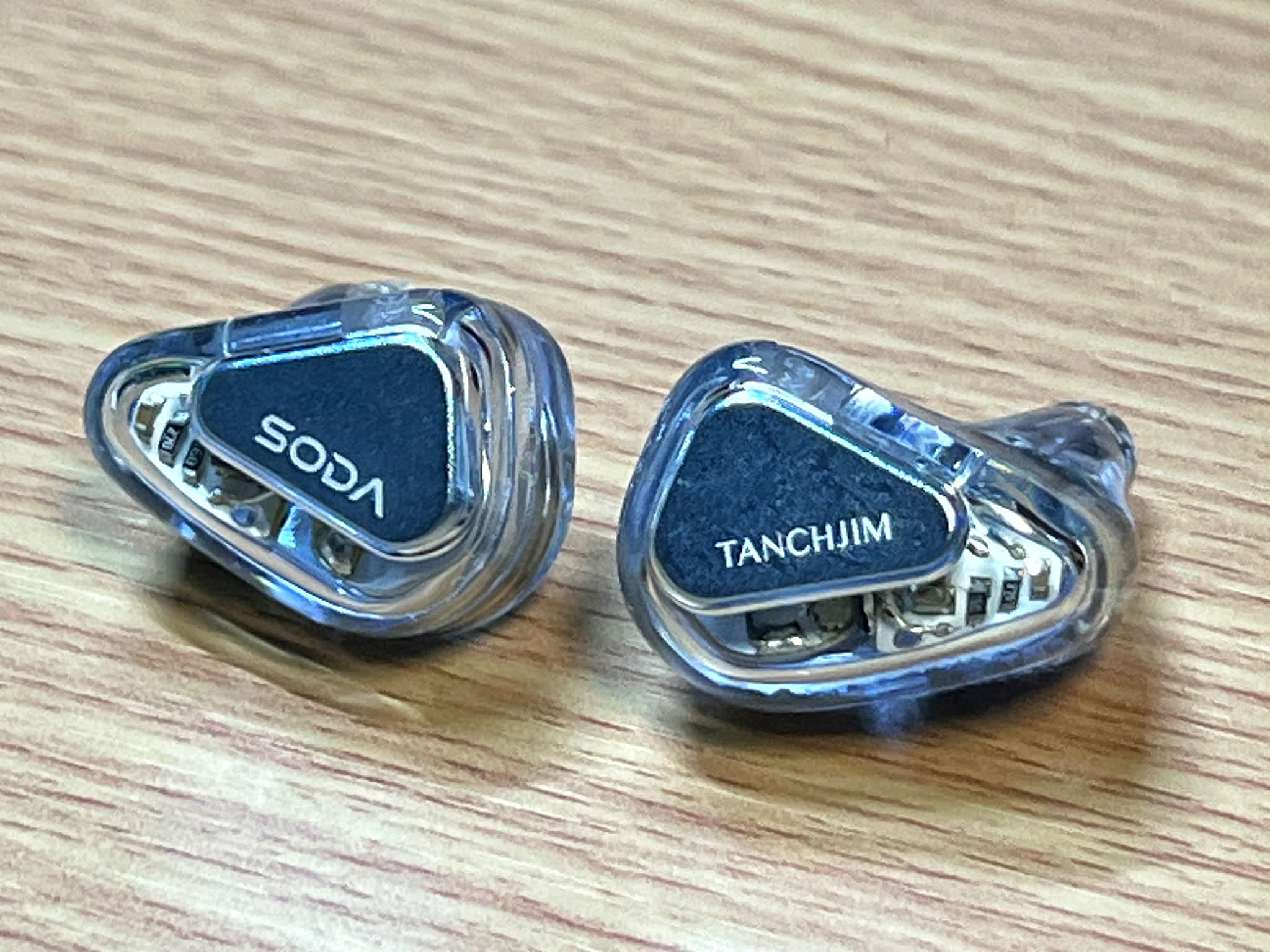
Driver layout inside the shell is surprisingly neat. The sound tubes are clearly routed toward the nozzle, giving each driver a defined path rather than dumping everything into a shared cavity.
Then there are the two passive units, which visually look like oversized balanced armatures. These sit inside the shell as part of Tanchjim’s SILK acoustic system, designed to absorb unwanted resonance while subtly shaping the upper treble.
Instead of boosting frequencies directly like an active driver, passive units help control how sound behaves inside the chamber. In practice this can smooth the highs and add some texture without making the tuning overly sharp.
Overall build quality is excellent. Everything looks deliberate and carefully arranged. It feels more like a miniature acoustic system than just a cluster of drivers.
Cable and Accessories
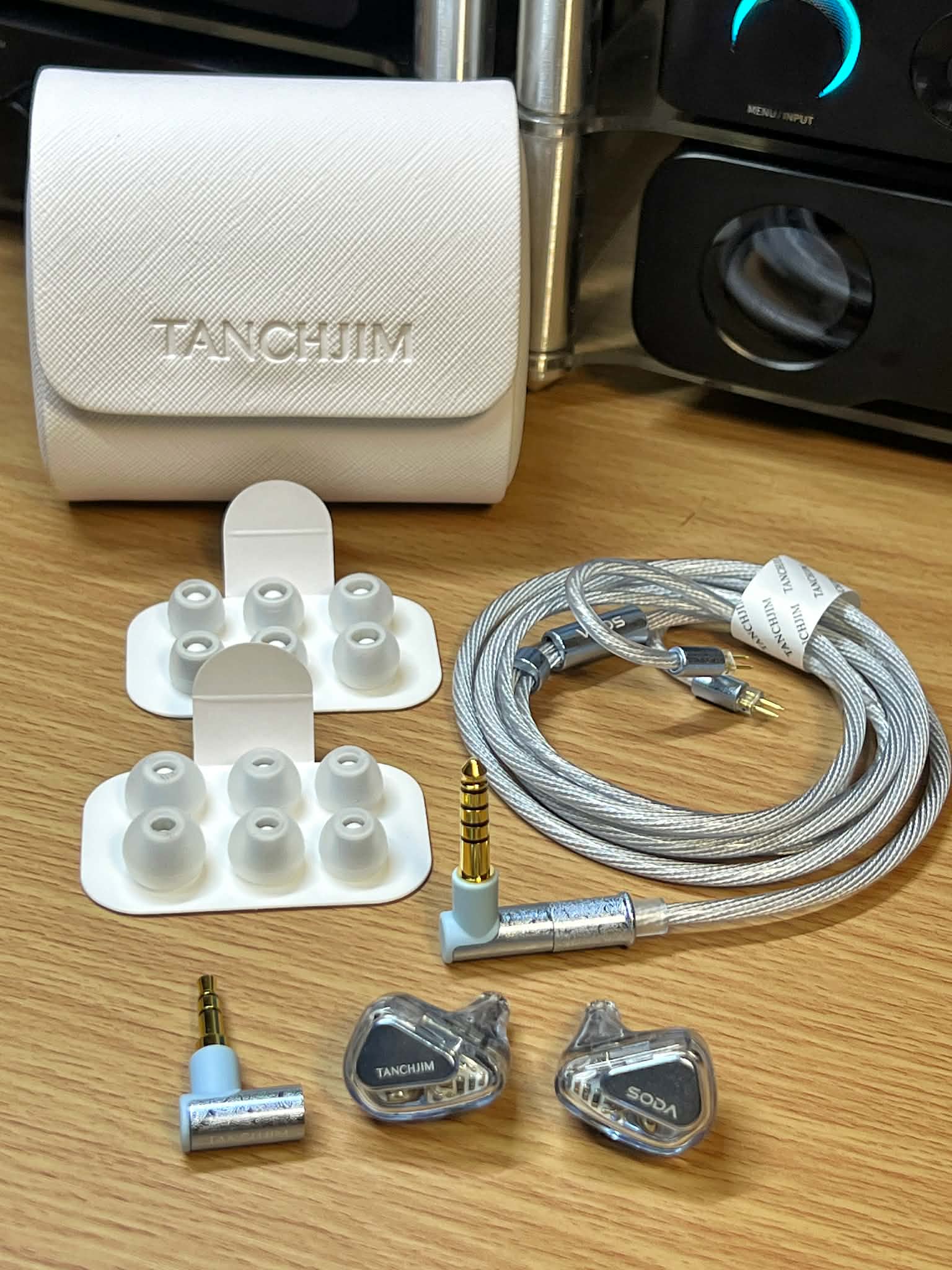
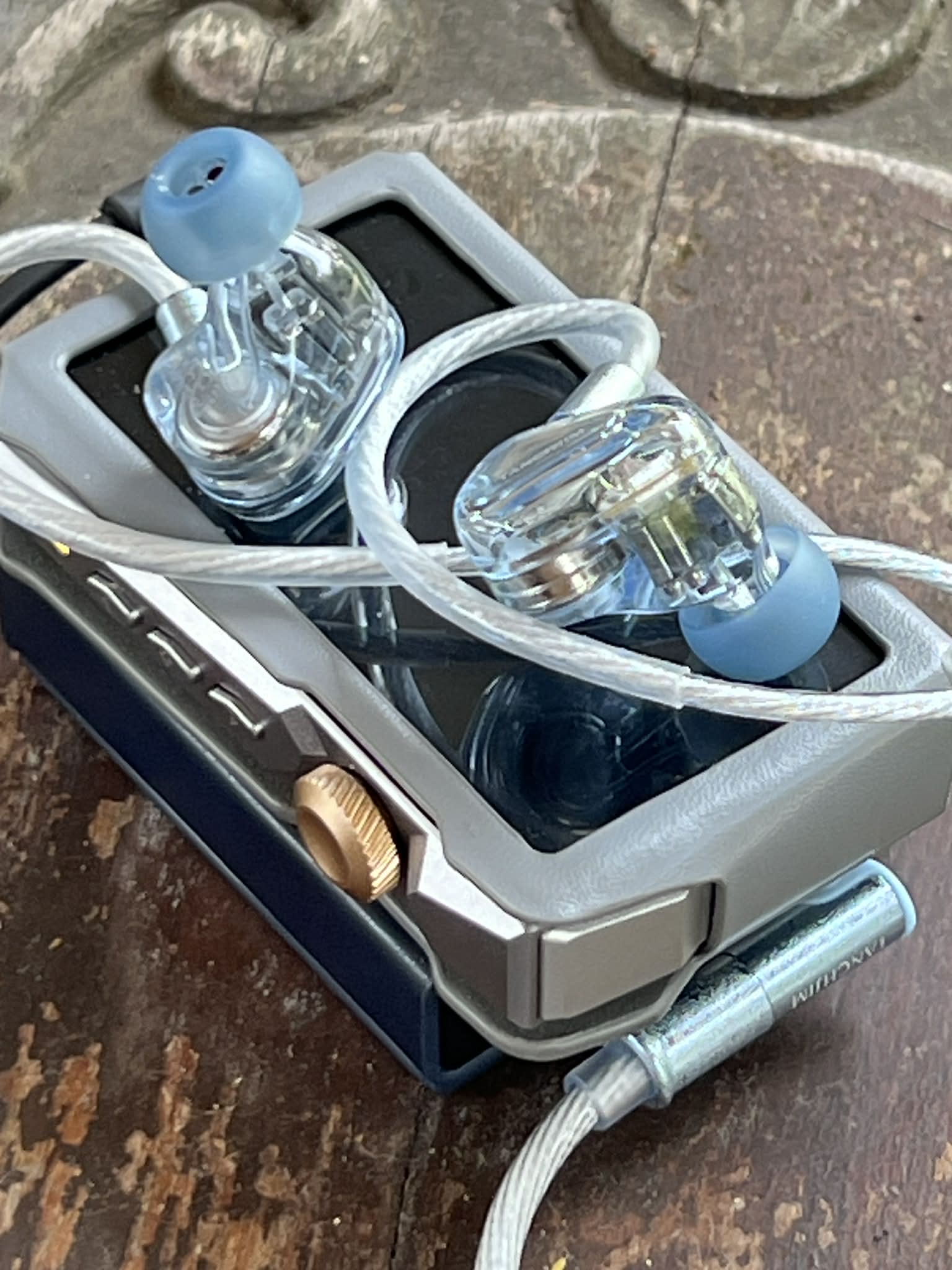
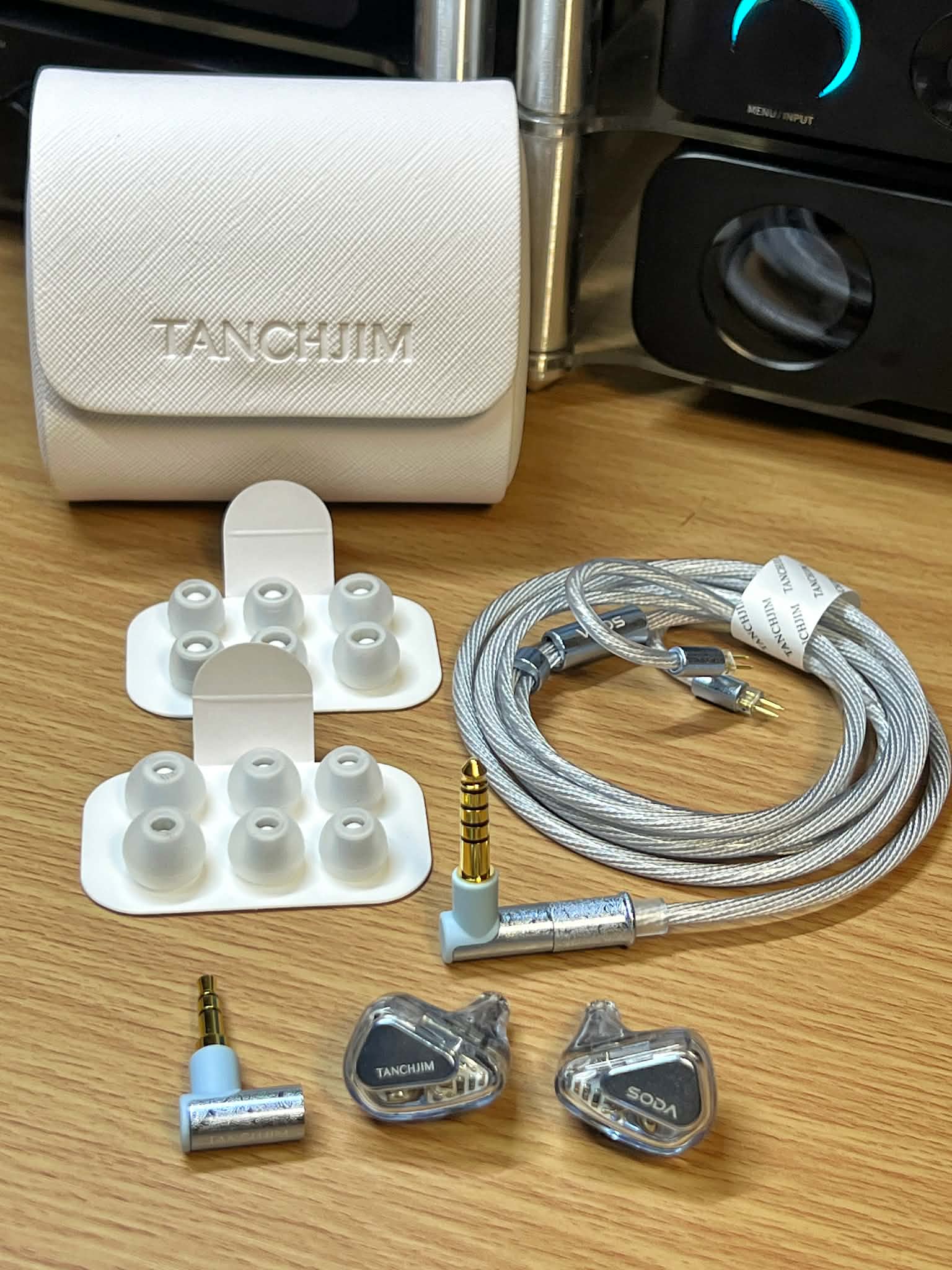
The included cable is actually very nice.
It uses a densely braided silver-plated copper Litz structure, wrapped in a clear sleeve that gives it a clean look while keeping it protected.
A few things I really like:
• The braid is tight and consistent
• The cable is soft and flexible
• No annoying cable memory
• Angled plug feels sturdy
• Interchangeable termination system
It’s the kind of cable you’d normally see bundled with more expensive IEMs.
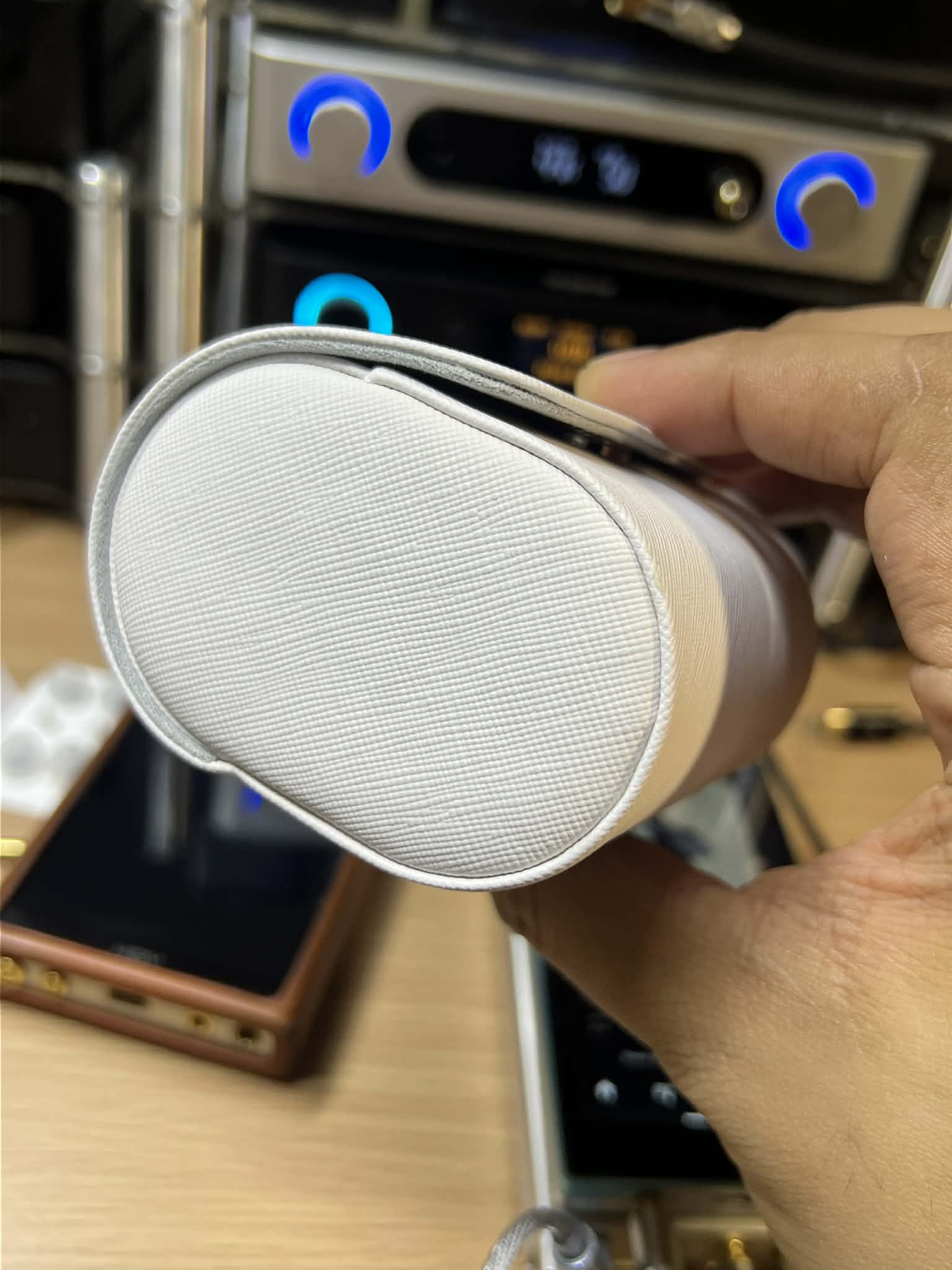
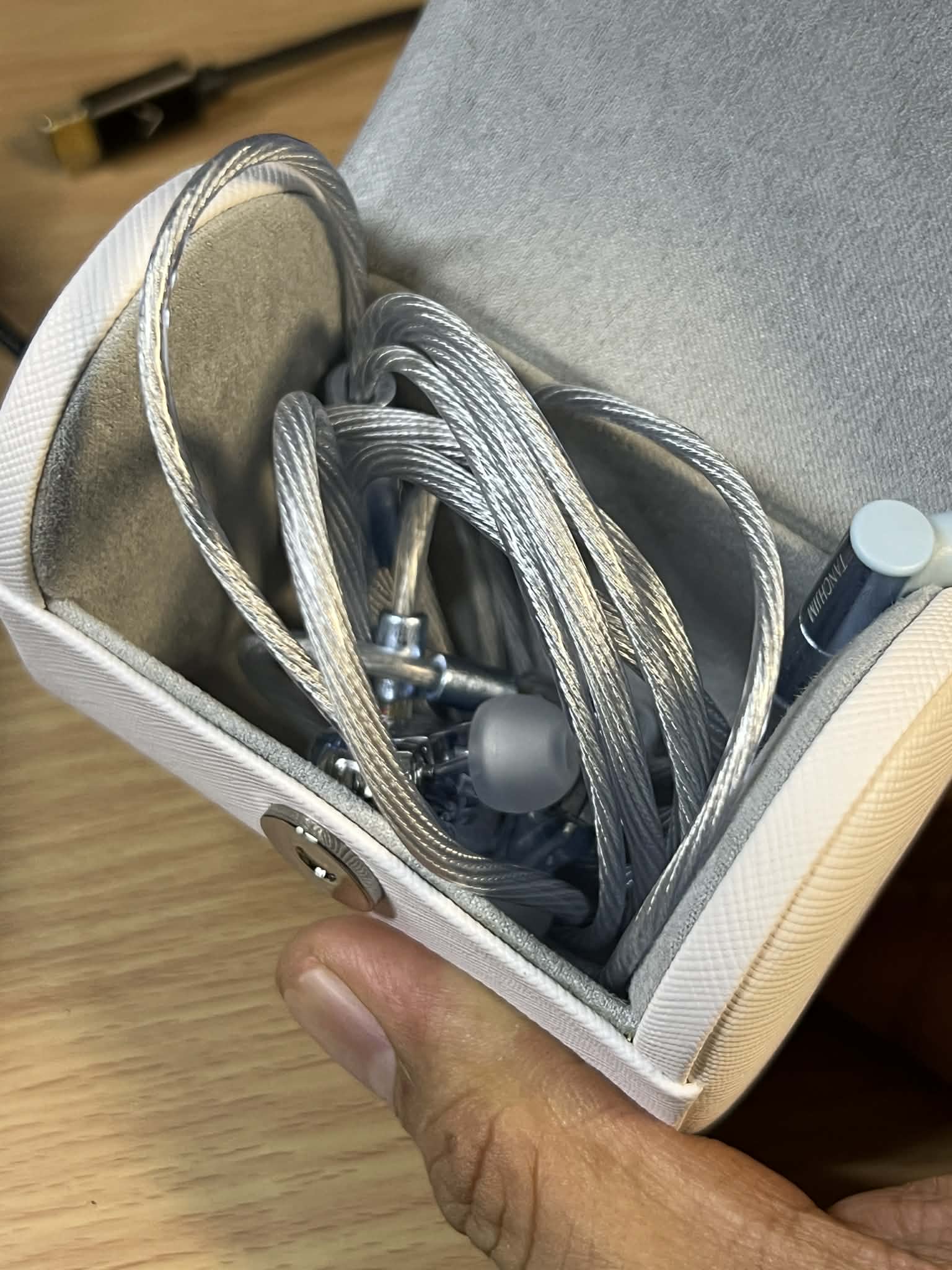
The carrying case, however, is where things get a little awkward.
The case itself is well made and heavily padded, so protection isn’t an issue. The problem is the design and proportions. It’s quite thick and bulky, with padding placed in areas that actually reduce the usable internal space.
Ironically, despite the large outer size, the interior is cramped. I have to coil the cable pretty tightly just to make everything fit inside.
So while the case feels premium, it’s not the most practical thing to carry in a pocket or small bag.
Driver Configuration
The SODA is what I’d call a true super-hybrid configuration:
• 1 Dynamic Driver – 10mm composite driver with PU surround and DLC dome
• 4 Balanced Armatures – PURE custom drivers for mids and treble
• 2 Passive Units – part of the SILK acoustic system
• HPFD-Seg 3-Way Crossover
The 10mm dynamic driver uses a PU surround with a DLC dome composite diaphragm. DLC (diamond-like carbon) is known for being both rigid and lightweight, which usually results in faster transient response and better control compared to traditional diaphragms.
That dynamic driver handles the entire low frequency region, which is exactly where dynamic drivers still shine.
The four PURE balanced armatures take care of the midrange and high frequencies. Splitting this workload between multiple BAs allows each driver to operate within a narrower frequency band, which can improve clarity and reduce distortion.
Then the two passive units help manage the upper treble region, smoothing out peaks while adding density and texture to the highs.
Everything is tied together with Tanchjim’s HPFD-Seg 3-Way crossover, which is responsible for distributing frequencies between the drivers.
With a configuration this complex, the biggest challenge is cohesion. If the crossover isn’t tuned well, you’ll hear drivers fighting each other.
Thankfully, that’s not the case here.
Sound Impressions
Overall Character
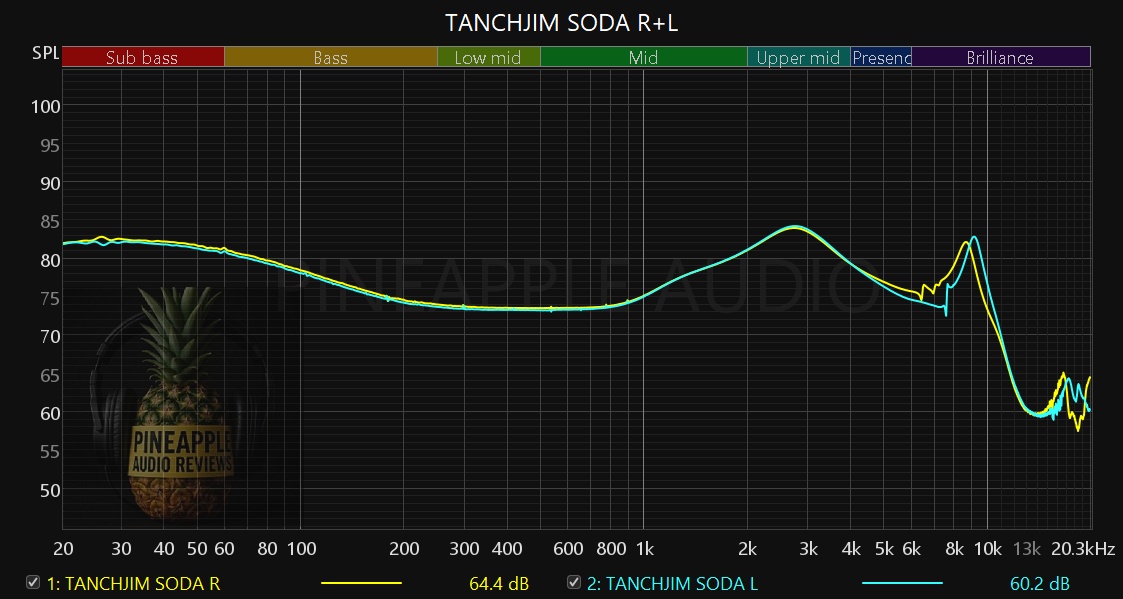
The SODA has a clean, transparent, and technically focused presentation.
It’s not trying to be a warm, relaxed listen. Instead, it leans toward clarity, structure, and control. Everything sounds well organized and deliberate.
It’s the kind of tuning that makes you sit down and actually pay attention to the mix.
Subbass
Subbass on the SODA reaches deep and does so with impressive composure. This is where that DMT5 rear chamber design seems to earn its keep. Whatever magic Tanchjim packed into that chamber, it clearly helps the dynamic driver dig down low without losing control. When a track has real subbass information, you get that satisfying low-end rumble and sense of pressure that adds weight to the music. It’s present, it’s authoritative, but it never feels exaggerated or forced.
What I appreciate most here isn’t the quantity, but the discipline. The SODA doesn’t flood the mix with bass just to sound impressive. Instead, it delivers a clean, well-shaped foundation that stays exactly where it should. Subbass notes come in with solid impact and then step out of the way just as quickly, keeping the presentation tidy and organized.
Texture is another highlight. You can clearly hear the difference between a synthesized subbass line, a kick drum’s deep resonance, or a low electronic rumble. Each element has its own shape and character instead of collapsing into one thick wall of low frequency energy. That level of separation is something you usually hear from well-tuned dynamic drivers paired with a good acoustic chamber design.
Extension is also excellent. The SODA reaches far enough down to give electronic music, cinematic scores, and modern pop tracks the weight they deserve. Yet it never bleeds into the midbass or clouds the lower mids. The result is a low end that feels deep, tight, and very well behaved, supporting the rest of the tuning without trying to dominate it.
In short, the subbass here isn’t about brute force. It’s about depth, definition, and control, which fits perfectly with the SODA’s overall clean and technical character.
Midbass
The midbass on the SODA follows the same philosophy as its subbass. Controlled, tidy, and very deliberate. It doesn’t try to overwhelm the mix or inject artificial warmth just to sound more “fun.” Instead, it focuses on precision and punch, giving the low end enough physical presence while keeping everything clean and well defined
.
Kick drums land with a satisfying snap, and bass guitar lines have a solid body behind them, but the emphasis is clearly on tightness rather than thickness. You feel the impact, but it never lingers longer than it should. Notes rise quickly and decay just as fast, which keeps the low end feeling agile and responsive rather than heavy or sluggish.
That faster decay plays a big role in maintaining the SODA’s overall clarity. The midbass doesn’t spill upward into the lower mids, so instruments and vocals remain clean and well separated. Even in busy tracks where bass lines, percussion, and layered instruments are all happening at once, the presentation stays composed. Nothing gets swallowed up by the low end.
Another thing I noticed is how well textured the midbass is. You can clearly hear the difference between the punch of a kick drum, the pluck of a bass guitar string, or the low thump of electronic percussion. The dynamic driver delivers enough nuance to make these elements feel distinct instead of blending into a generic bass thud.
Now, listeners who love big, warm, chesty bass might find the SODA a bit restrained in this region. It doesn’t have that thick, rounded midbass bloom that some warmer tunings aim for. But that restraint is intentional. It’s part of what keeps the overall sound clean, organized, and technically capable.
For a hybrid setup that leans toward transparency and detail, the midbass balance here makes a lot of sense. It provides just enough weight to keep the sound grounded while leaving plenty of room for the mids and treble to breathe.
Lower Midrange
The lower midrange on the SODA leans toward a neutral, slightly lean presentation, which fits well with its overall clean and technical tuning. Instead of adding extra warmth or thickness to this region, Tanchjim seems to have opted for clarity and structure. The result is a midrange foundation that feels very transparent and well organized.
Male vocals come across clear and intelligible, with good articulation and a natural sense of presence, though they’re not pushed forward with that warm, chesty weight you sometimes hear from more mid-forward tunings. They sit in the mix comfortably, supported by the low end but not thickened by it. Instruments like acoustic guitars, cellos, and lower piano registers also benefit from this approach. You hear the body of the instrument, but the emphasis is more on definition and texture rather than warmth or density.
One thing that really stands out here is separation. Because the midbass stays controlled and the lower mids aren’t overly boosted, there’s a lot of breathing room for instruments to occupy their own space. In busy arrangements where guitars, synth layers, backing vocals, and percussion are all competing for attention, the SODA does a great job keeping everything sorted out. Nothing feels congested or smeared together.
The trade-off, of course, is that some listeners may perceive this region as slightly analytical depending on the track. If you’re used to warmer tunings that give male vocals a thicker, more intimate tone, the SODA might feel a bit more restrained. But that restraint also contributes to its excellent clarity and layering.
What you get instead is a midrange that makes it very easy to follow individual lines within a mix. You can pick out subtle background instruments, secondary vocal layers, and small details that might otherwise get buried. For listeners who enjoy hearing how a track is constructed, this is a very satisfying presentation.
In short, the lower mids prioritize clean structure, separation, and transparency, reinforcing the SODA’s overall technical character while still maintaining a natural, believable tone.
Upper Midrange
The upper midrange is easily one of the strongest areas of the SODA’s tuning, and it’s where the hybrid setup really starts to show its advantages. This region has been tuned with a clear focus on clarity, presence, and articulation, giving vocals and lead instruments the kind of focus that immediately grabs your attention without pushing things into harsh territory.
Vocals come through with excellent presence. They sit forward enough to feel engaging and expressive, but they never cross into that shouty or strained territory that some upper-mid heavy tunings can suffer from. There’s a sense of balance here that keeps voices lively and detailed while still sounding natural.
Female vocals in particular benefit from this presentation. The balanced armatures handling this region bring a level of precision and fine detail that really highlights vocal textures. Breathiness, subtle inflections, and small nuances in a singer’s delivery come through very clearly. You get a strong sense of the vocal performance rather than just the melody line.
String instruments also sound fantastic here. Violins, acoustic guitars, and even certain brass instruments have a crisp edge that helps them stand out in the mix without becoming overly sharp. The SODA captures the attack and energy of these instruments nicely, giving them a lively and well-defined character.
What I appreciate most is how Tanchjim managed to keep this region clean and energetic without making it aggressive. Some technical-leaning IEMs push the upper mids too hard in an attempt to highlight detail, which can result in a fatiguing or piercing presentation over time. The SODA avoids that trap. It delivers plenty of clarity and bite, but it keeps everything smooth enough for long listening sessions.
This tuning also contributes heavily to the SODA’s excellent perceived resolution. Because the upper mids are so well articulated, small details in recordings become easier to notice. Subtle vocal layers, harmonies, and delicate instrumental nuances all come through with impressive clarity.
The upper midrange gives the SODA a lively, articulate, and engaging core, striking a very nice balance between technical precision and musical enjoyment. It’s detailed enough to satisfy listeners who enjoy dissecting a mix, yet smooth enough that it never feels clinical or exhausting.
Treble
Treble on the SODA continues that same clean, refined approach we hear across the rest of the tuning. It’s well extended, airy, and nicely detailed, but it never feels sharp or overly aggressive. There’s plenty of energy up top to keep the sound lively, yet it’s delivered in a way that remains controlled and easy on the ears.
This is likely where the SILK system and its passive units start doing their work. Instead of pushing the upper treble purely through active drivers, those passive elements appear to help manage resonance and smooth out the highest frequencies. The result is a treble response that still carries good sparkle and openness, but without the kind of sharp peaks that can make some technical IEMs tiring after longer listening sessions.
Cymbals and hi-hats are a good example of this balance. They come through crisp and well defined, with enough shimmer to sound realistic, but they don’t turn splashy or brittle. You hear the texture of the metal and the natural decay of the strike rather than just a sharp burst of treble energy. The same goes for other high-frequency percussion like tambourines or shakers. They remain lively and articulate but stay well behaved within the mix.
Another thing I really appreciate here is the sense of refinement in how treble details are presented. Micro-details in the upper registers, like the trailing harmonics of a guitar string or the subtle air around a vocal recording, come through clearly without being pushed unnaturally forward. It feels more like the details are naturally emerging from the mix rather than being spotlighted.
That upper-end extension also plays a big role in the SODA’s sense of air and openness. The treble adds breathing room to the overall presentation, helping instruments feel less confined and giving the stage a more spacious character. It’s one of the reasons the SODA comes across as so transparent and well layered.
Technical Performance
Soundstage
The SODA presents a moderately wide soundstage with a surprisingly good sense of depth, which fits nicely with its clean and technical tuning. It doesn’t try to artificially exaggerate width just to create a “wow” effect, but it also never feels cramped or boxed in. Instead, the stage feels naturally proportioned, with enough horizontal space for instruments to spread out and enough front-to-back layering to give the presentation some dimensionality.
What stands out more than sheer width is how well organized the space feels. Instruments aren’t just scattered across a flat plane. There’s a subtle sense of layering that lets you perceive different elements sitting at slightly different distances within the stage. Vocals tend to sit a step forward, with supporting instruments arranged around them in a way that feels structured and intentional.
The passive units in Tanchjim’s SILK system likely play a role here as well. By smoothing out the upper treble and managing internal resonance, they seem to help create a slightly more open and breathable presentation. That added air in the higher frequencies contributes to the sense that the sound has room to expand rather than being confined inside your head.
The result isn’t a massive stadium-sized stage, but it’s coherent, airy, and comfortably spacious, which works very well for the SODA’s detailed and transparent character.
Imaging
Imaging on the SODA is precise and well defined, which makes it very easy to map out where instruments are positioned within the soundstage. Directional cues are sharp, and the transitions between left, center, and right feel smooth and consistent.
When listening to well-recorded tracks, you can clearly identify where individual elements sit in the mix. A guitar slightly off to the left, backing vocals tucked behind the lead, or percussion placed toward the far edges of the stage all come through with convincing placement.
What I particularly like is how stable the imaging remains even when the arrangement gets busy. Some IEMs start to blur positional cues once multiple instruments start competing for space, but the SODA keeps things well separated and easy to follow. Each element maintains its own defined location rather than drifting or collapsing into the center.
This makes the SODA especially enjoyable for complex or layered recordings, where precise spatial organization helps you appreciate the structure of the mix.
Detail Retrieval
Detail retrieval is easily one of the SODA’s standout strengths. The combination of multiple balanced armatures and a well implemented crossover allows it to pull a surprising amount of information from recordings without sounding forced or overly analytical.
Micro-details emerge naturally throughout the presentation. Small things like the subtle breath before a vocal line, the faint resonance of a guitar body, or the quiet reverb tail at the end of a note are all easy to pick up. These details don’t feel artificially highlighted either. They simply exist within the mix and become noticeable because the SODA presents them so clearly.
Another nice aspect is how those details are presented within context rather than being pushed aggressively to the front. You can appreciate the finer textures of instruments and vocals without the sound becoming clinical or overly dissected.
This level of resolution makes the SODA very satisfying for listeners who enjoy exploring the layers within a recording and noticing small nuances that might get buried on less resolving sets.
Dynamics
The SODA also performs well when it comes to dynamic range, giving the music a healthy sense of movement and contrast. It responds convincingly to changes in intensity, whether it’s a soft vocal passage building into a powerful chorus or a sudden drum hit cutting through a quieter section.
The dynamic driver handles low-end impact with good authority, while the balanced armatures keep the midrange and treble responsive and articulate. Together they create a presentation that feels lively rather than flat.
The passive units may also play a supporting role here. By maintaining energy and air in the upper frequencies, they help preserve the sense of openness during louder passages instead of letting the sound collapse inward.
The end result is a presentation that feels energetic and responsive, giving music a natural sense of ebb and flow.
Drivability
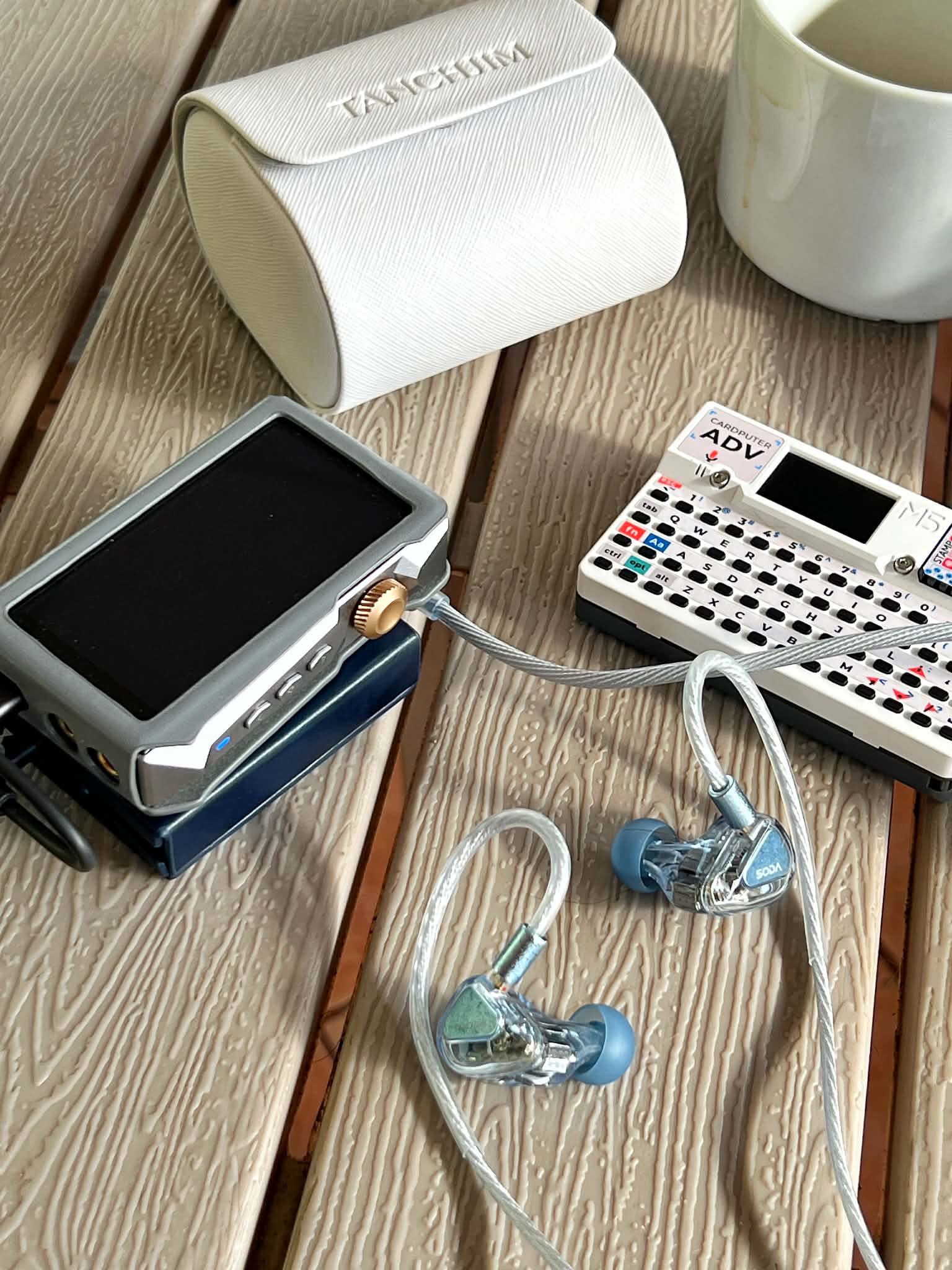
Despite the complex driver setup, the SODA is actually very easy to drive. With an impedance of 15.5Ω and a sensitivity of 120dB/Vrms, it reaches comfortable listening levels without requiring much power.
Most modern dongle DACs, portable players, and even smartphones will be able to drive it without any issues. You won’t need a powerful amplifier to get it sounding good.
That said, the SODA does benefit from a clean and capable source. Pairing it with a higher quality DAC or DAP tends to reveal even more of its micro-detail and layering capabilities. Better sources also help tighten the bass slightly and enhance the sense of air in the treble.
So while it’s easy to run from just about anything, giving it a good source allows the SODA to show more of what it can really do.

Final Thoughts
The Tanchjim SODA is a fascinating IEM.
It’s clearly designed by people who care about acoustic engineering. The driver configuration is ambitious, the internal structure is thoughtfully executed, and the tuning reflects that technical mindset.
What you get is a sound that is:
• Clean
• Transparent
• Highly detailed
• Controlled and refined
It’s not trying to be a bass monster or a lush, warm listen. Instead, it focuses on precision and clarity while still maintaining musicality.
And thankfully, all those drivers actually work together. The SODA sounds cohesive, balanced, and impressively polished for such a complex design.
If you enjoy a technical, well organized presentation with excellent detail retrieval, the SODA is definitely worth a listen.
And honestly, it’s one of those IEMs that reminds you how much engineering can fit inside something the size of a coin.
Not bad for something called SODA.
Link: https://www.linsoul.com/products/ta...pO_PM4-ZOgfR9ZdOsgMol3NWxrE9fpwwOueqH5Rw9a3M2
- Get link
- X
- Other Apps
- Get link
- X
- Other Apps
Comments
Post a Comment