From Firefights to Playlists: The Ziigaat Arete 2 Does Both
Pros:
* Strong, well-controlled subbass with real depth and physical rumble
* Punchy, textured midbass with clean separation from the mids
* Forward, smooth vocals that stay clear even in busy mixes
* Airy, detailed treble with good extension and low fatigue
* Excellent imaging and positional accuracy for gaming and VR
* Wide, structured soundstage with convincing depth
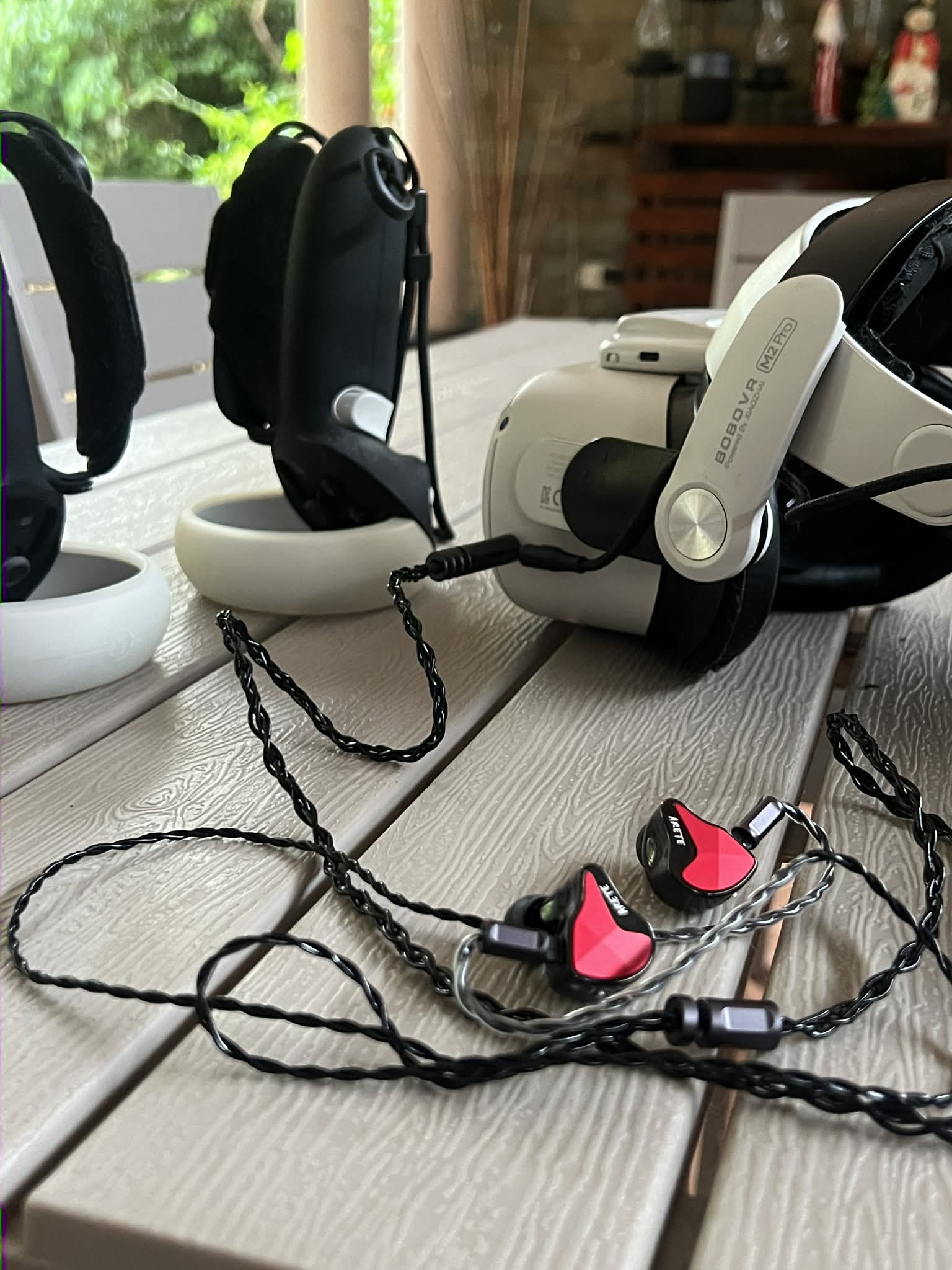
* Premium full metal build with modern, clean design
* Tuning switch adds useful bass and lower mid weight
Cons:
* Stock cable can tangle easily
* Treble leans more clean and precise than soft or organic
Slight warmth with bass switch on may not suit strict neutral lovers
* Stock cable can tangle easily
* Treble leans more clean and precise than soft or organic
Slight warmth with bass switch on may not suit strict neutral lovers
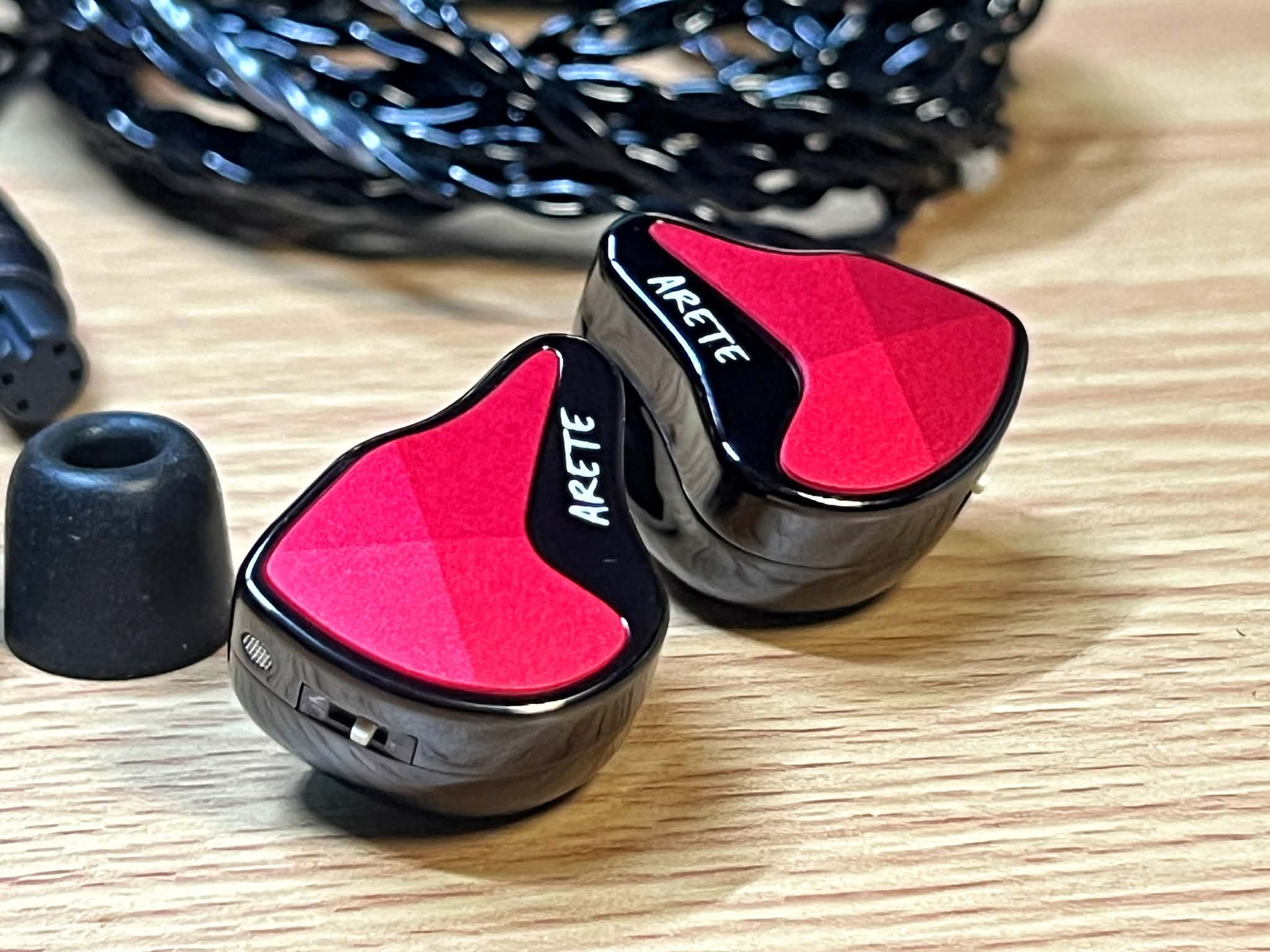
The KIWI EARS x Fresh Reviews Arete 2 is one of those collaborations that actually makes sense. You’ve got a brand that knows how to tune hybrids, and a former pro Counter-Strike player who understands what competitive audio really needs. On paper, it’s a gaming-focused set. In practice, it’s much more than that.
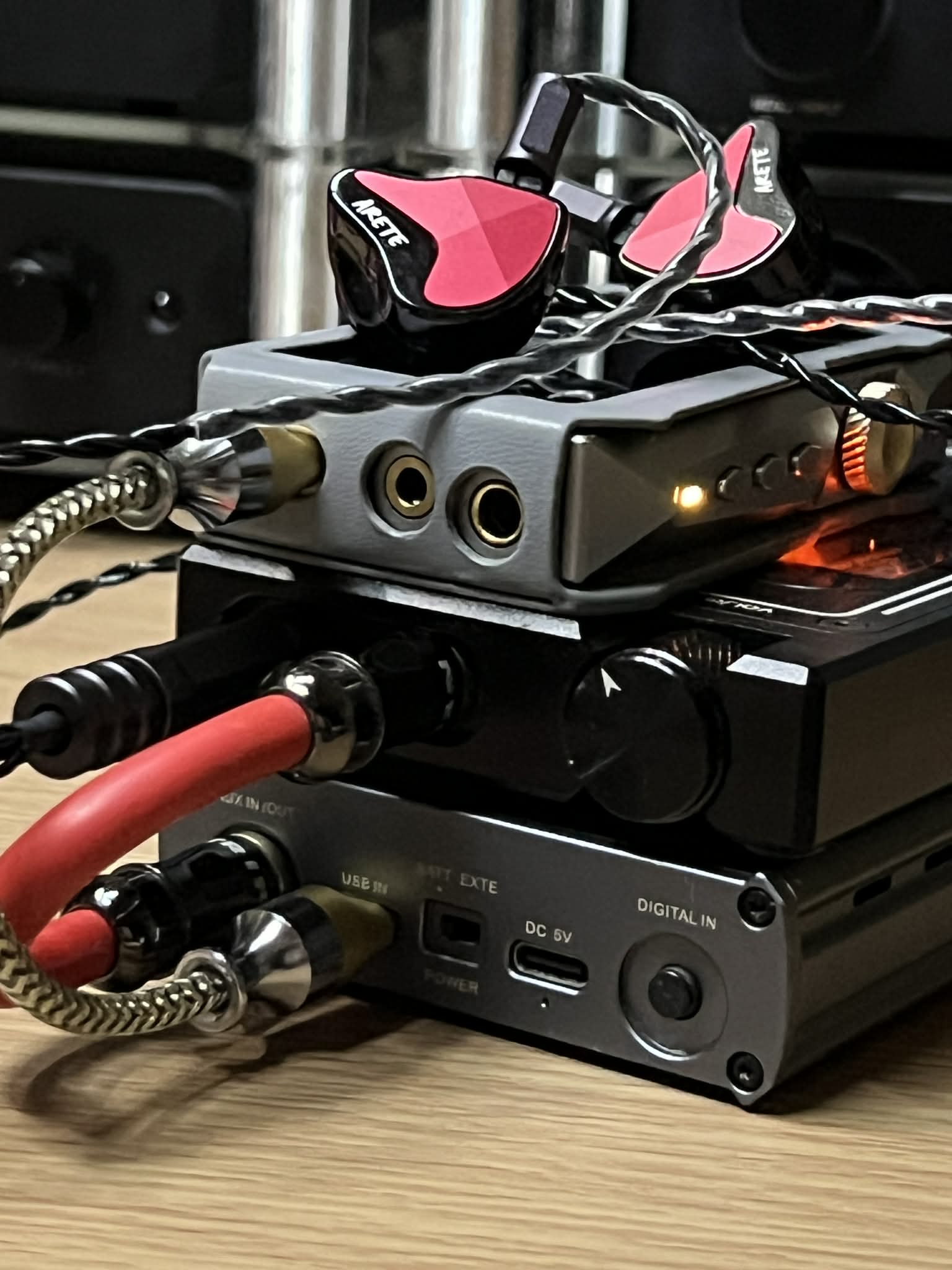
This is a 5-driver hybrid built around a 10mm liquid silicone dynamic driver acting as a dedicated subwoofer, paired with four Knowles balanced armatures. Two ED29689 units handle the midrange, and a pair of SWFK31736 drivers cover the treble region. There’s also a tuning switch that boosts bass and lower mids. For this review, I kept that switch on the entire time.
Most of my listening leaned toward music and movies, with some pretty intense VR FPS sessions on my Meta Quest 2 VR thrown in. That headset has excellent spatial audio with head tracking, so if an IEM has weak imaging, it gets exposed quickly.
The Arete 2 passed that test. Easily.
Whats in the box? checkout my short unboxing video of the Arete 2.
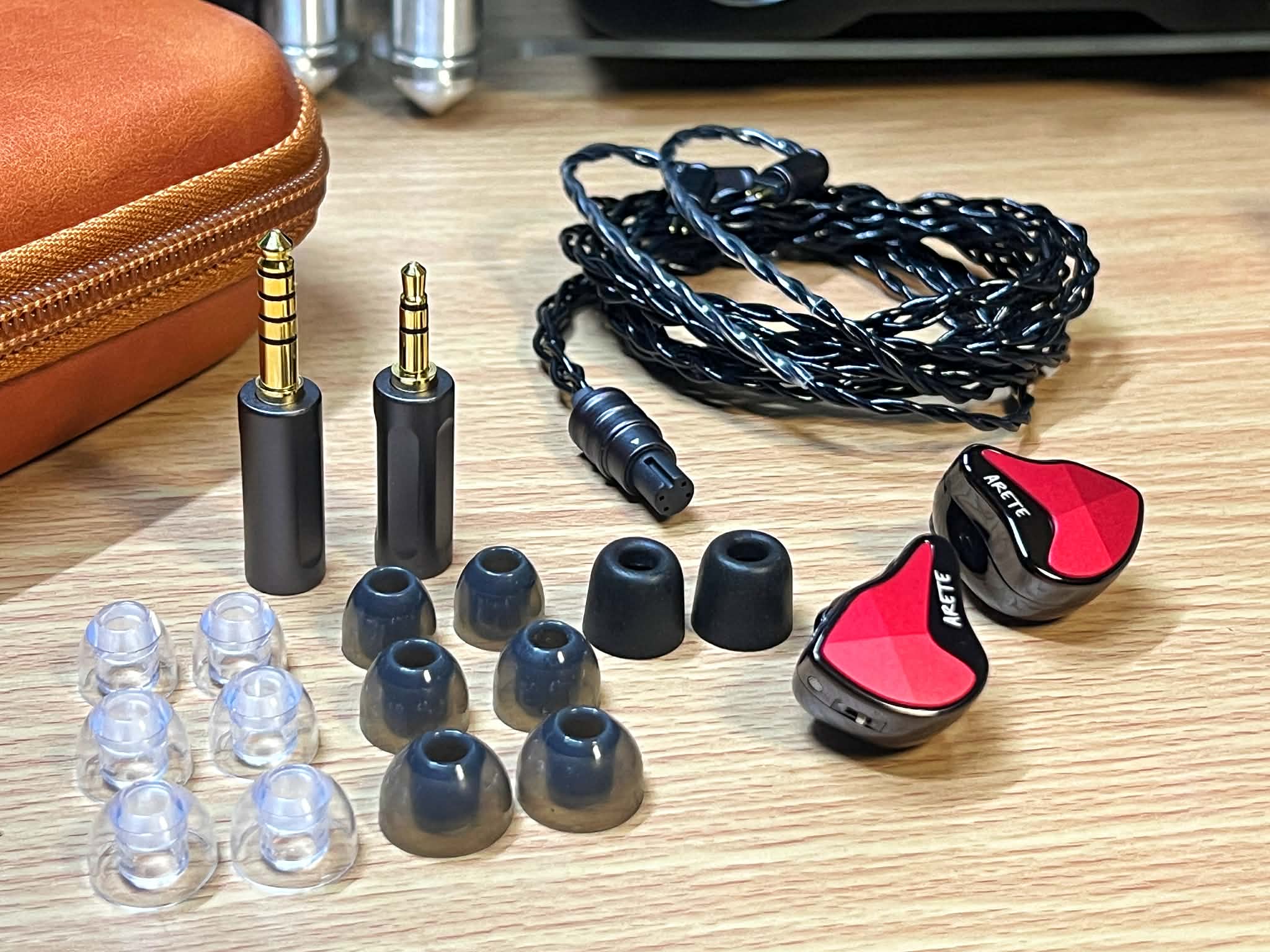
Build and Accessories
First impressions matter, and the Arete 2 nails it right out of the box. This thing feels properly premium the moment you pick it up.
The shells are full metal, and you can tell immediately. There’s a reassuring density to them. No hollowness, no plasticky resonance when you tap on the body. It feels solid and purposeful, like it was designed to last and not just look good in photos.
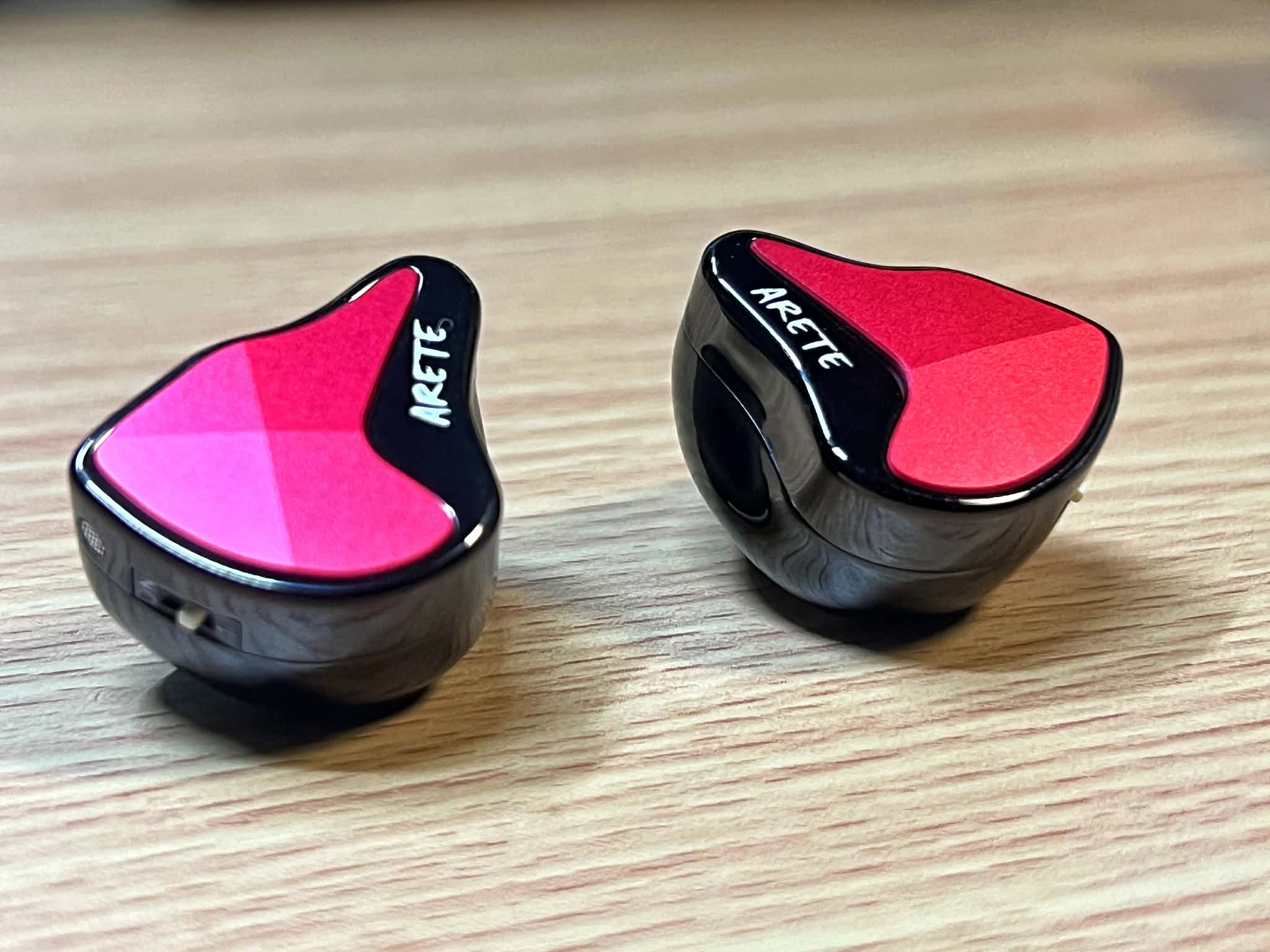
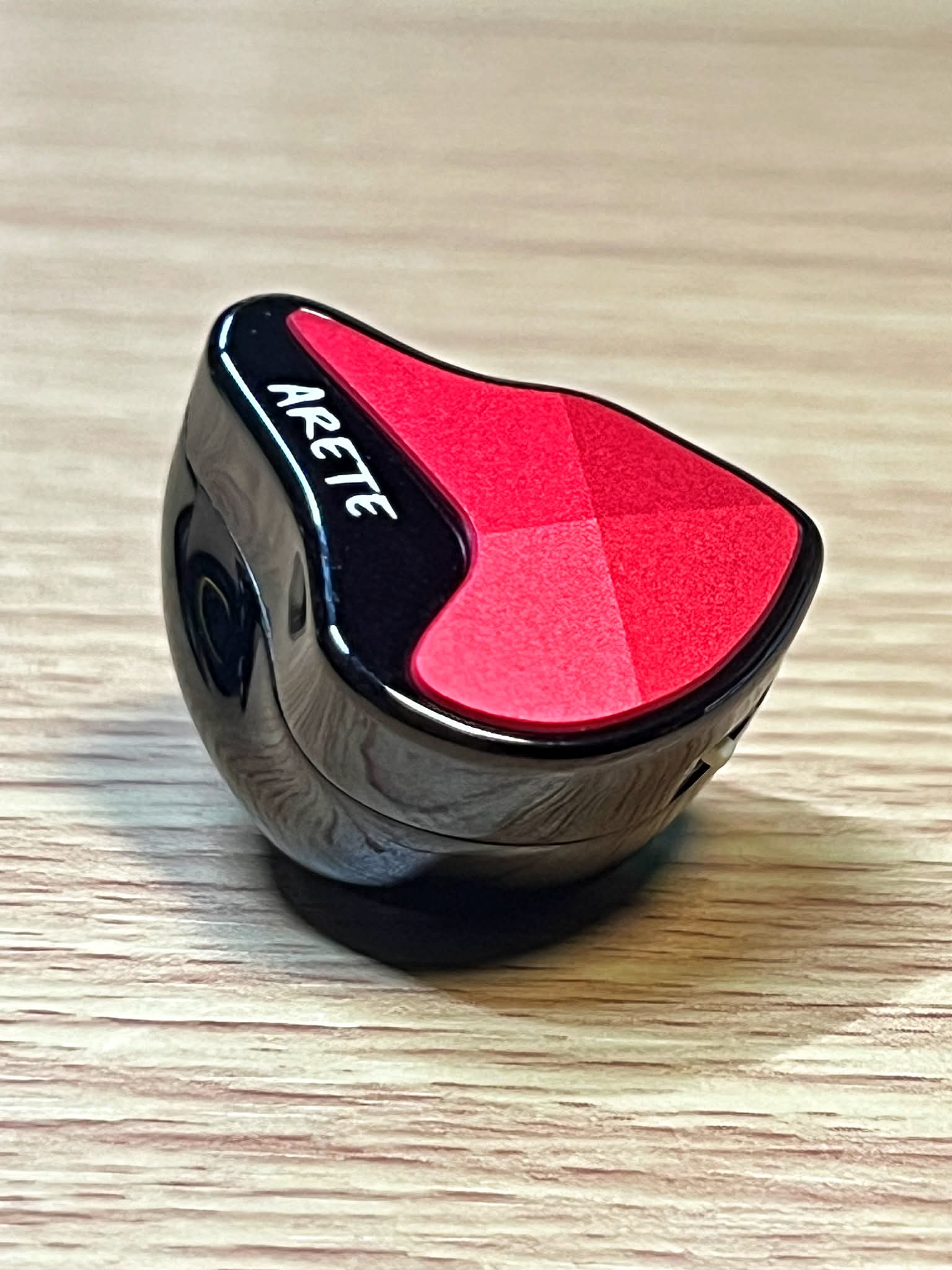
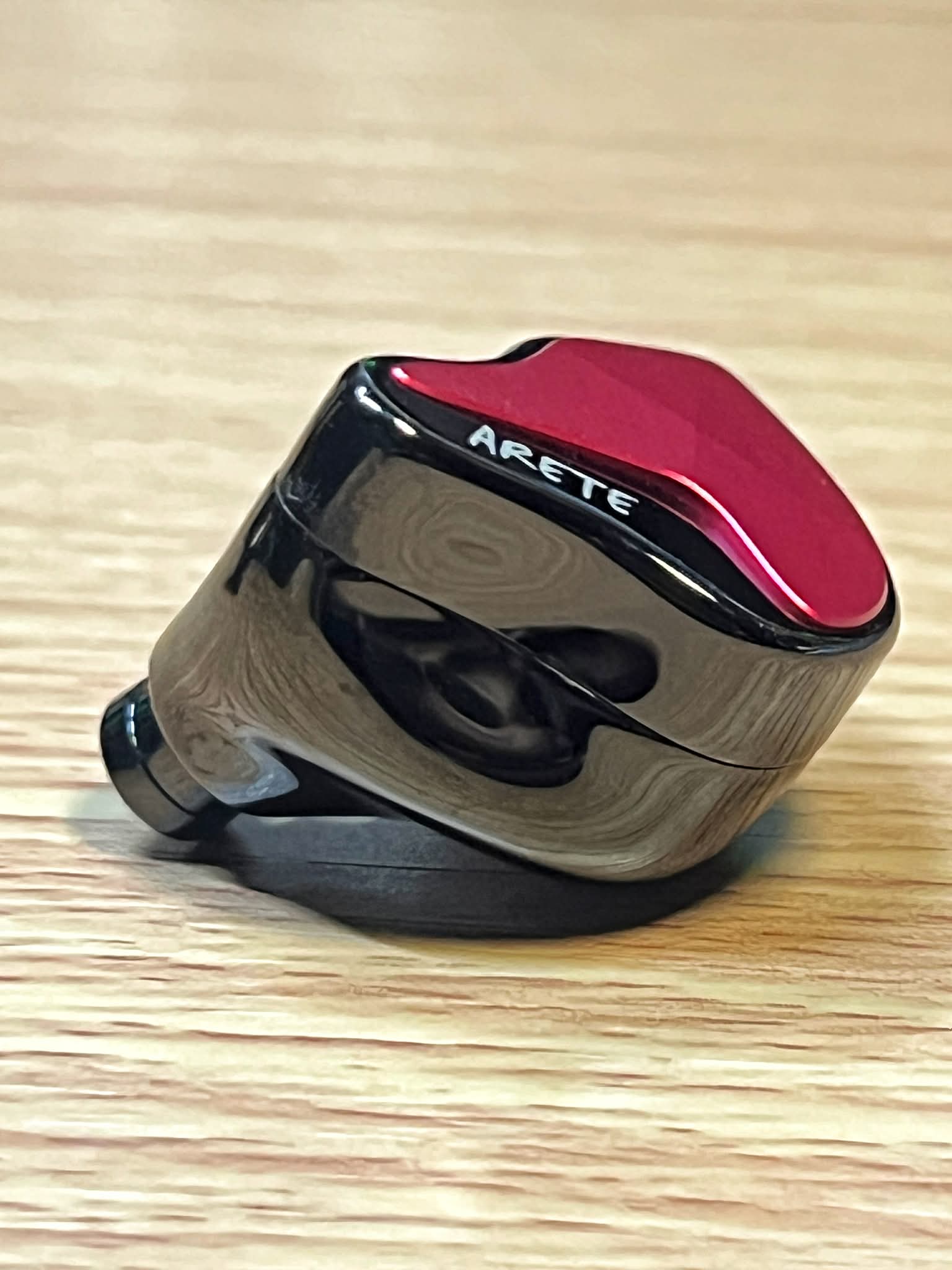
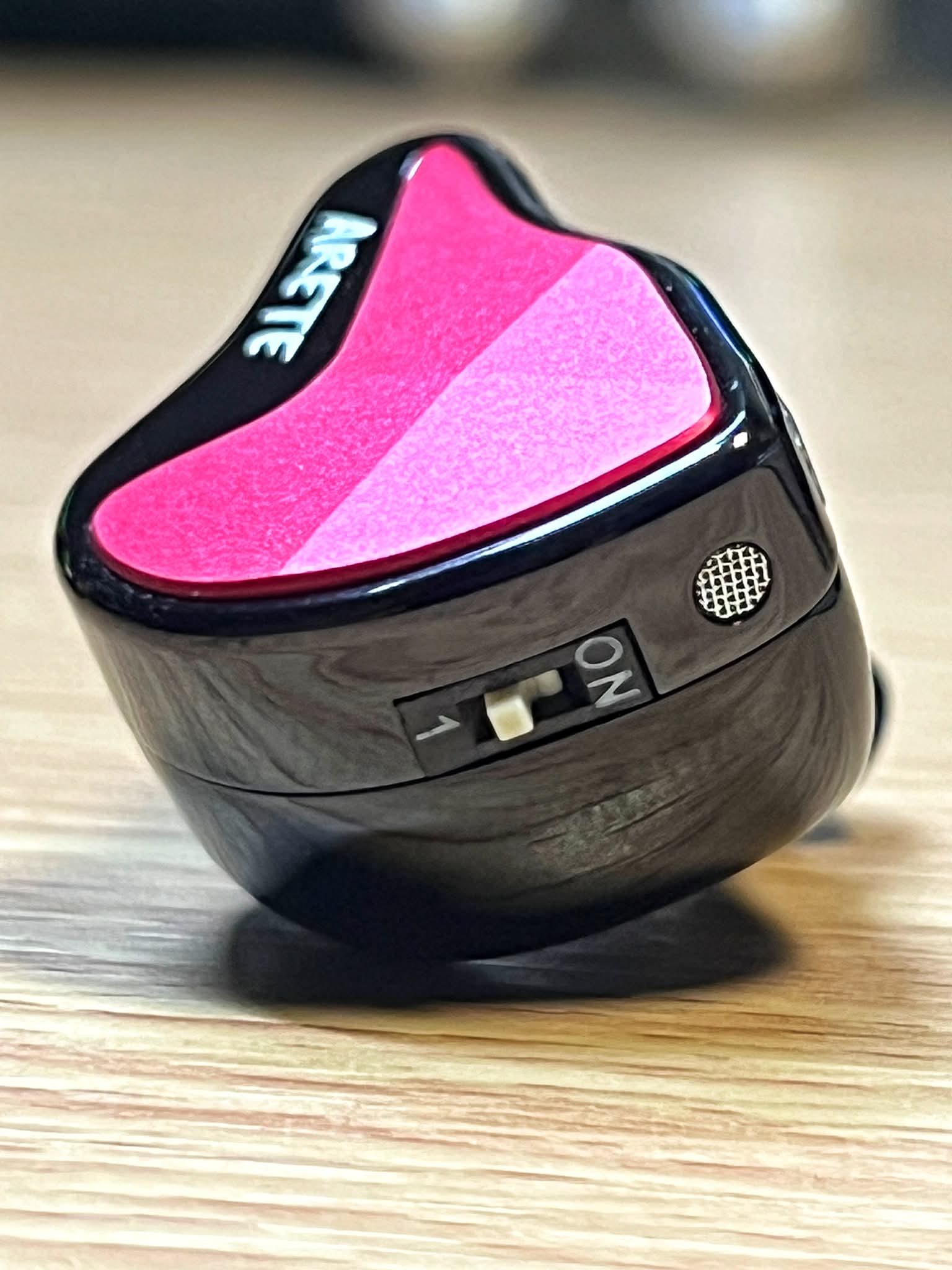
Design-wise, I genuinely like what they did with the faceplate. It has that modern, slightly edgy look without going overboard. Clean lines, sharp angles, nothing flashy for the sake of being flashy. The matte finish on the faceplate contrasts nicely with the glossy shell, and that combination really makes the colors pop. It looks refined, not loud. The kind of design that still feels tasteful months down the line.
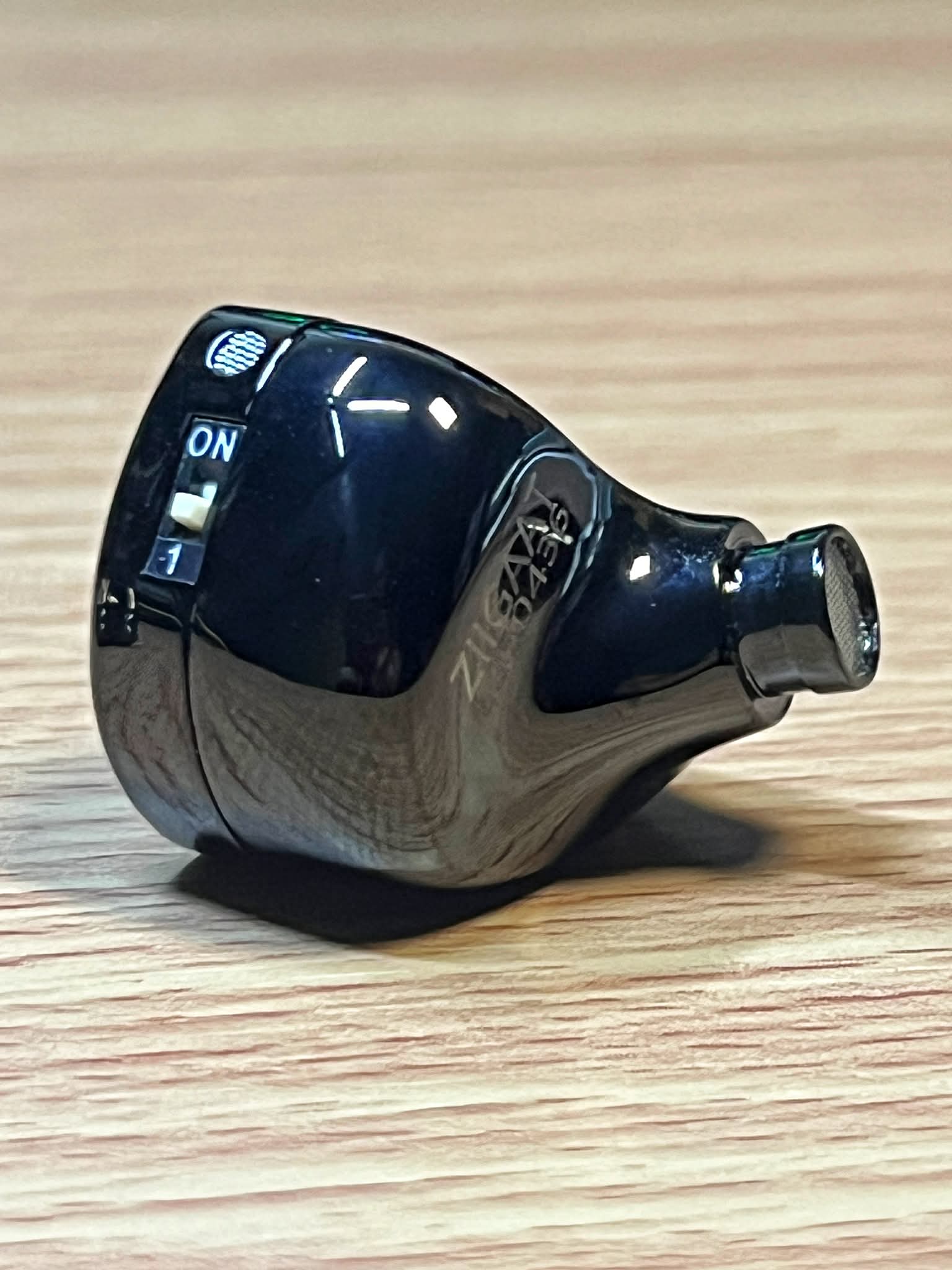
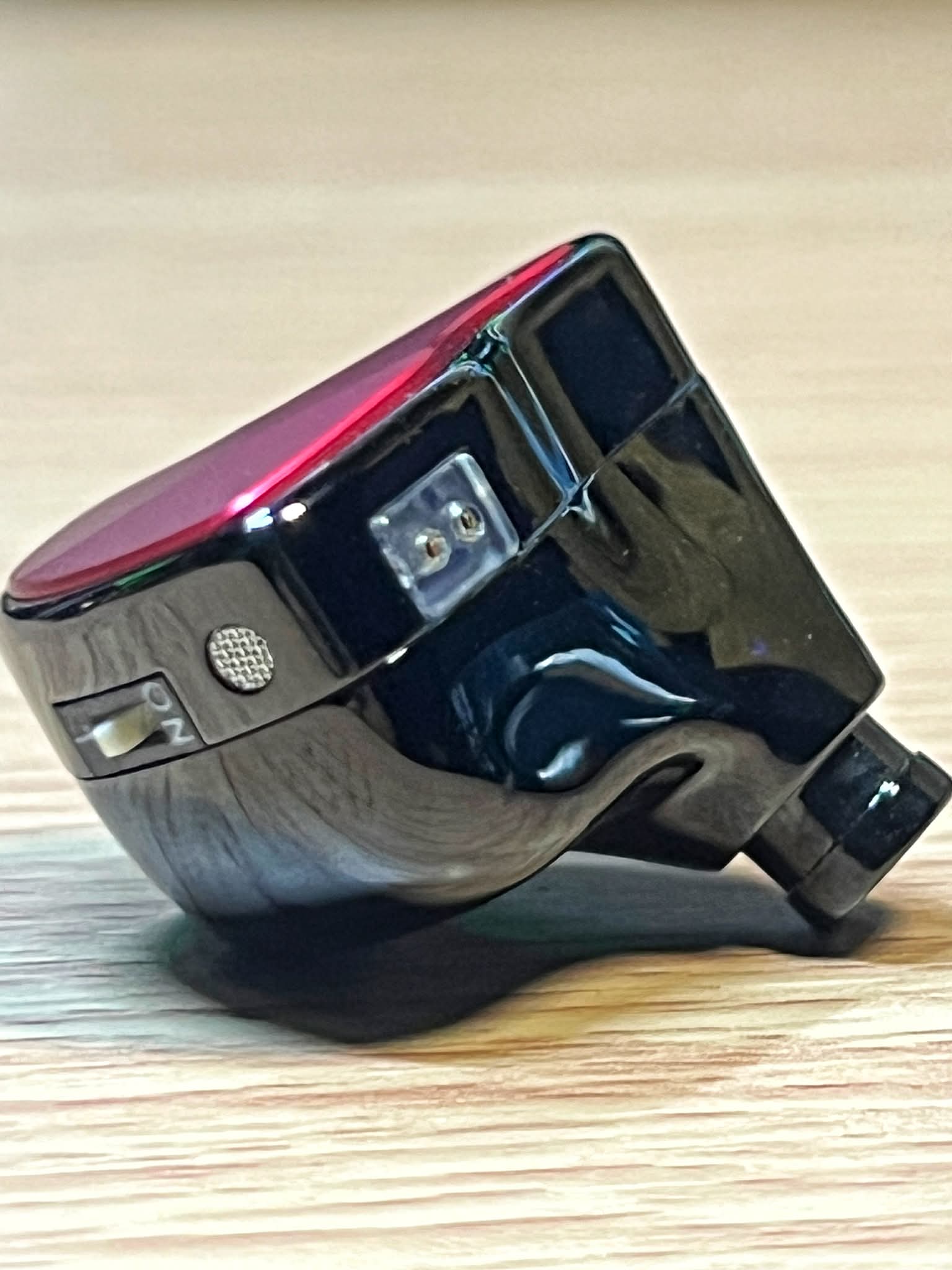
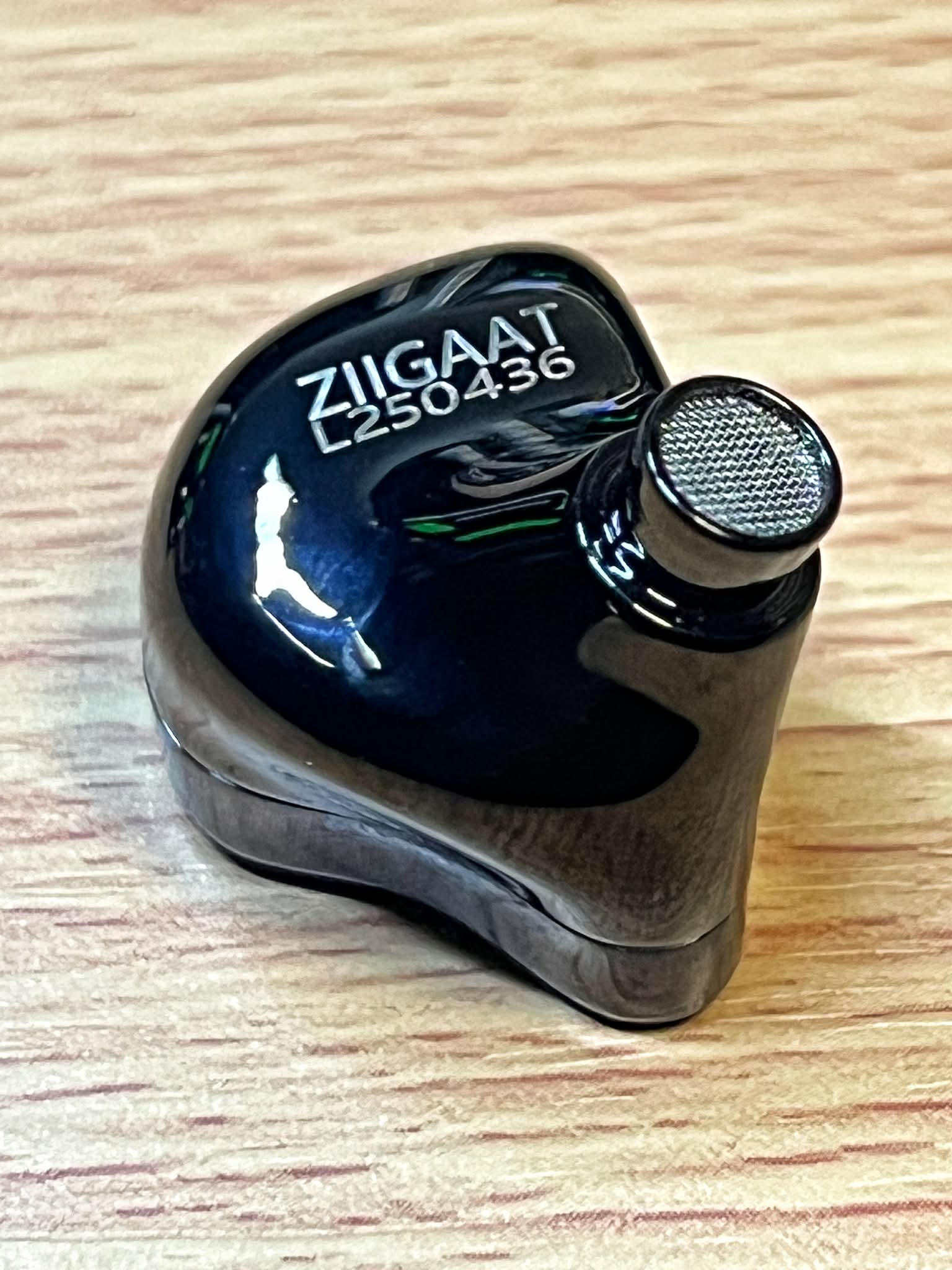
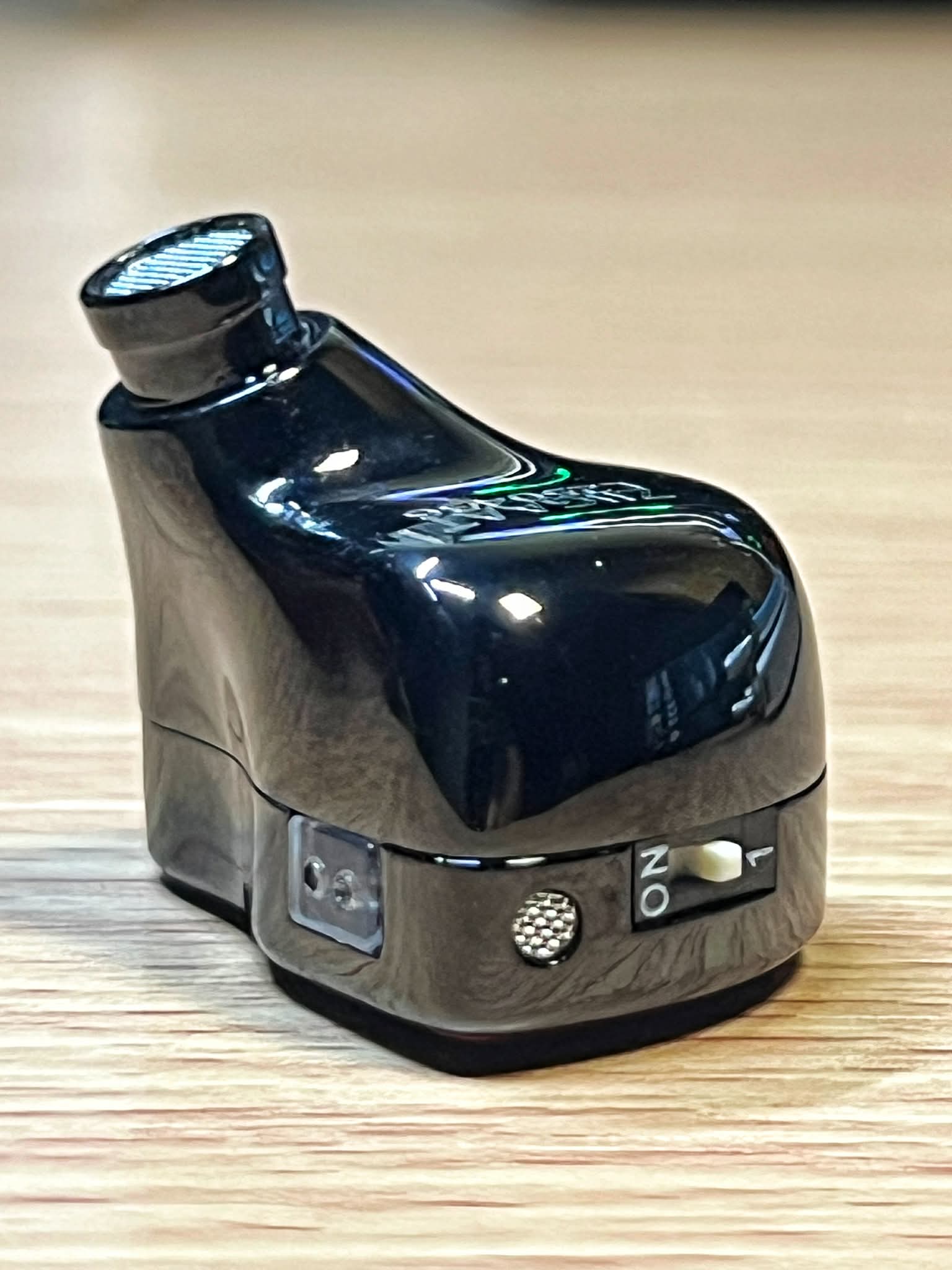
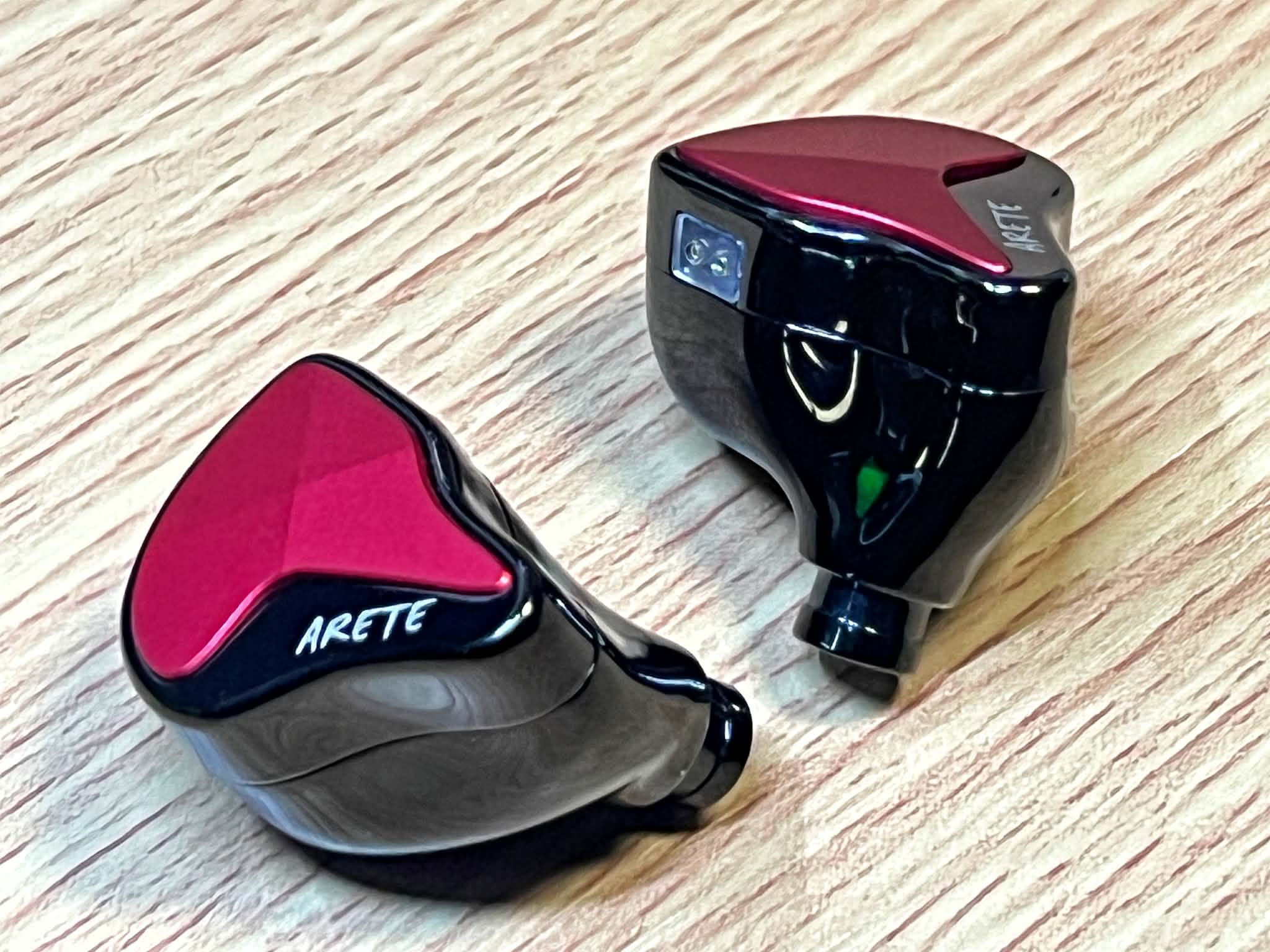
In the hand, it feels dense but not heavy to the point of being uncomfortable. For a full metal shell, the fit is surprisingly good. The contours sit naturally in the ear, and I didn’t feel any pressure points even during long listening sessions. Isolation is solid too. Good enough to block out distractions during gaming, and more than enough for focused music sessions.
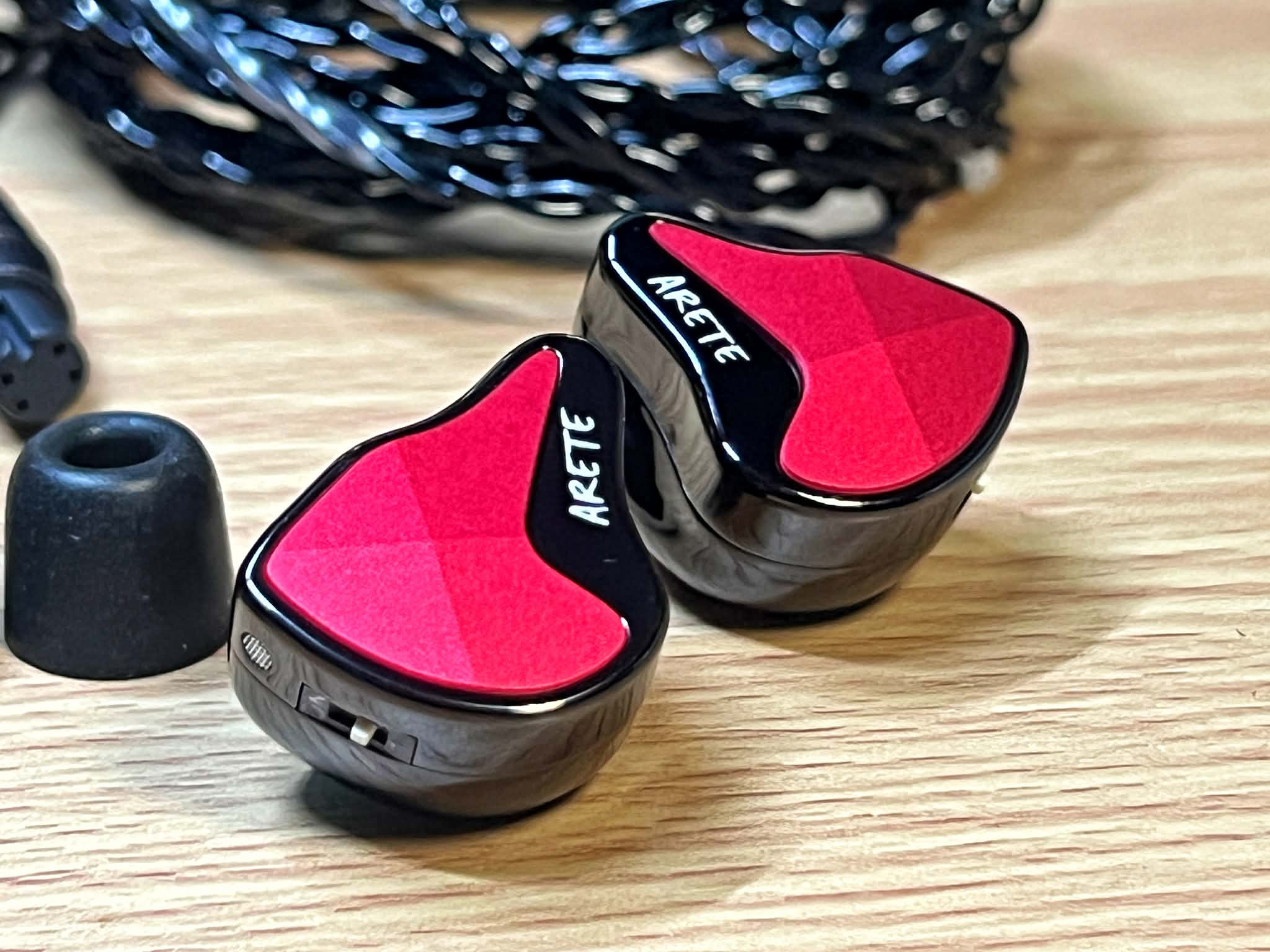
As for the cable, you get the usual ZiiGaat stock modular cable. It’s familiar if you’ve owned their sets before. It’s lightweight, comfortable, and doesn’t add unnecessary bulk. It can tangle a bit if you just toss it in your bag without care, but that’s pretty normal for this style of cable.
What I do appreciate is that it’s modular. Swapping between 3.5mm and balanced terminations without hunting for adapters just makes life easier. Especially if you rotate between different sources like I do. It’s one of those practical touches that doesn’t scream “premium” on paper, but in daily use, it makes a difference.
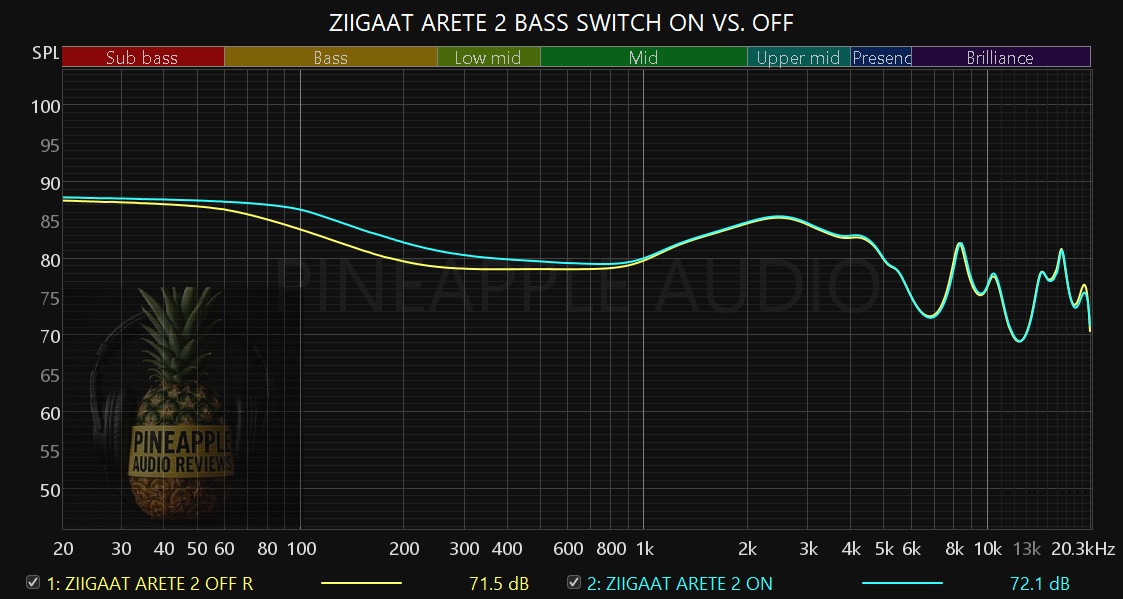
Bass switch on:
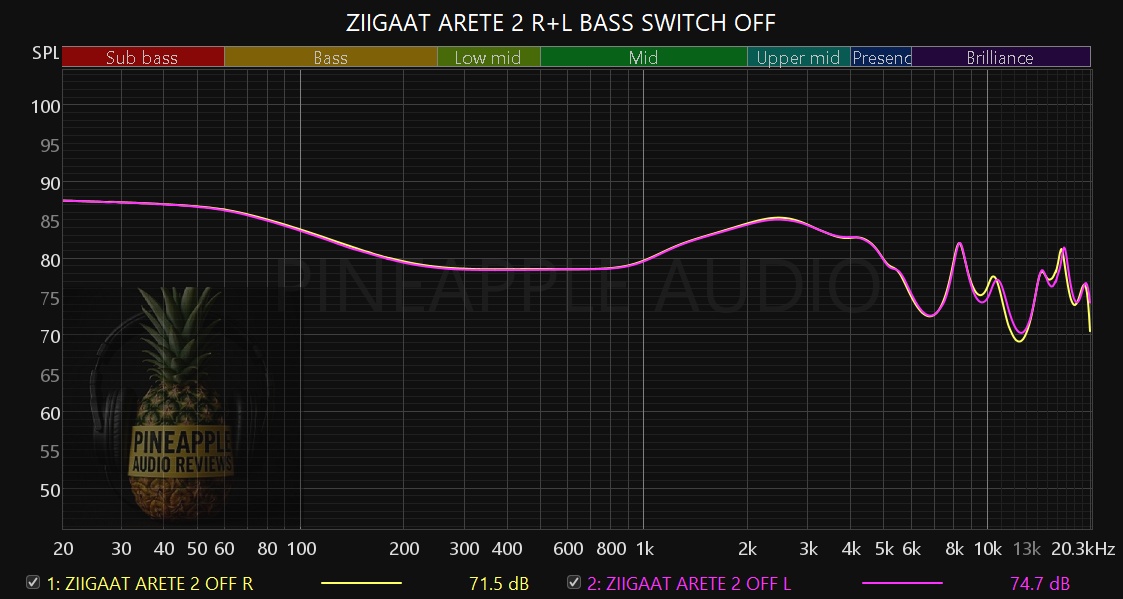
Bass switch off:
Sound Impressions
Bass
The low end is the first thing that really grabs you with the Arete 2. Within the first few tracks, you already know this isn’t a timid tuning.
That 10mm liquid silicone dynamic driver is doing serious work here. Subbass reaches deep, and not just in a “measurable on a graph” kind of way. You actually feel it. When a track drops into those low registers, there’s a physical sense of weight and pressure that adds body to the presentation. It rumbles with authority, but it never loses composure.
What I appreciate most is the control. The subbass isn’t loose or boomy. It doesn’t bleed into the midrange or blur the edges of instruments. Instead, it stays in its lane, providing a solid foundation for everything else to build on. You get that thick, satisfying low-end presence, but the rest of the spectrum still breathes.
Midbass follows through with punch and texture. Kick drums hit with a defined attack, and you can hear the difference between a tight studio kick and a more resonant live recording. Bass guitars have weight and grip, not just a generic thump. There’s enough speed in the decay to keep things from sounding congested, especially on faster tracks.
With the bass switch engaged, there’s a bit more body and warmth in the lower mids, which makes the overall sound feel fuller and more immersive. It adds that extra slam for gaming and action scenes, but it doesn’t tip over into bloated territory.
Overall, the bass on the Arete 2 feels intentional. It’s bold, textured, and physical, yet controlled and well-separated. Fun when you want it to be, disciplined when it needs to be. That balance is not easy to get right, and here it’s executed really well.
Midbass
It’s punchy, tight, and very well controlled. The attack is quick and decisive, so kick drums land with a solid thump instead of a soft thud. You get that satisfying impact right at the leading edge of the note, followed by a clean decay that doesn’t linger longer than it should. That balance between speed and weight is important, especially on busy tracks.
There’s real texture here too. It’s not just a generic wall of low-frequency energy. You can hear the grain of a bass guitar string, the difference between a tight studio kick and a more resonant live drum. The midbass has body and authority, but it stays articulate. It doesn’t blur into the lower mids or mask vocal detail.
What impressed me most is the separation between subbass and midbass. They’re clearly defined layers rather than one big lump of low end. The subbass handles the deep rumble and foundation, while the midbass delivers punch and rhythm. Even with the bass switch engaged, the presentation stays composed. It sounds full and powerful, but never congested.
For gaming, this kind of tuning really pays off. Explosions carry weight and scale, so they feel impactful. Gunfire has body and presence without sounding thin. At the same time, it never turns into a bloated mess where low-end effects drown out footsteps or positional cues. You still get clarity and control, which is crucial in competitive scenarios.
It’s a bass presentation that feels fun and immersive, but still mature. Strong enough to satisfy, disciplined enough to stay out of the way when it needs to.
Lower Midrange
This is honestly where the Arete 2 starts to separate itself from a lot of other so-called “gaming-tuned” sets.
The lower mids have a bit of emphasis, especially with the switch engaged, and that extra body gives the entire presentation more substance. Male vocals sound full, chesty, and grounded. There’s weight behind the voice, not just clarity. You hear the texture and tone, not just the outline. It adds realism, especially with acoustic tracks or vocal-focused music.
Female vocals come forward nicely as well, but they never cross into shouty or sharp territory. There’s a controlled energy in the upper mids that keeps things lively without becoming fatiguing. Even at higher volumes, the presentation stays smooth and composed. That smoothness is key. It’s the kind of tuning that lets you listen for hours without feeling like your ears need a break.
What I really appreciate is the layering. Instruments don’t stack on top of each other. Guitars have their own lane. Synth lines sit clearly in the mix. Background effects and ambient cues in games are easy to pick out without straining. There’s a sense of structure to the soundstage, where everything feels placed intentionally.
Even in busy tracks with multiple instruments fighting for attention, or during chaotic firefights in a shooter, the Arete 2 holds everything together. It doesn’t collapse into a congested wall of sound. You can follow individual elements without losing the overall picture.
For the price bracket, the separation and resolution here are genuinely impressive. It doesn’t sound thin, dry, or overly analytical. At the same time, it’s not overly warm or muddy. It strikes a balance that feels deliberate and well thought out.
It doesn’t feel like tuning by accident. It feels purposeful.
Upper Mids and Treble
Moving up top, the Arete 2 keeps things lively without crossing the line.
The upper mids have good energy and presence, which helps vocals and lead instruments cut through the mix cleanly. There’s enough lift to keep things engaging, but it never feels shouty or overly aggressive. Electric guitars have bite, female vocals have clarity and sparkle, and strings carry that sense of openness without turning sharp. It walks that fine line between excitement and control pretty well.
The treble, handled by the SWFK drivers, is airy and nicely extended. There’s a clear sense of space up top. Cymbals shimmer with good definition, hi-hats have crisp articulation, and you can hear subtle room reverb trails in well-recorded tracks. Micro-details come through easily. You don’t have to strain to catch the small stuff.
Now, this isn’t the softest or most romantic treble tuning out there. It leans more toward clean and precise rather than warm and forgiving. But the important thing is that it stays controlled. I didn’t encounter any harsh peaks or sudden spikes that make you wince. Sibilance is well managed, even on tracks that are usually problematic. That matters a lot during long sessions, especially when gaming or binge-watching movies.
Fatigue is low, which is impressive considering how detailed it sounds. You get clarity and extension without that constant edge that wears you down after an hour.
The articulation up top also plays a big role in the Arete 2’s imaging performance. Treble carries a lot of spatial information, and here it’s handled with precision. You can hear the edges of sounds, the direction they’re coming from, and the space around them. It’s not just a vague sense of “somewhere over there.” It feels defined and intentional.
The upper mids and treble give the Arete 2 its sense of openness and technical sharpness, while still staying smooth enough for real-world, everyday listening.
Soundstage and Imaging
This is where the Arete 2 really justifies that “gaming-focused” label.
The soundstage is impressively wide, with convincing depth that gives the presentation a real sense of space. It doesn’t feel flat or two-dimensional. There’s front-to-back layering, and sounds don’t just spread left and right, they occupy specific positions within the stage.
But width alone isn’t what makes this special. It’s the positional accuracy.
Imaging is sharp and confidently defined. Directional cues lock in without hesitation. You’re not guessing whether a sound came from slightly behind or directly to your left. It’s precise. Clean edges. Clear placement.
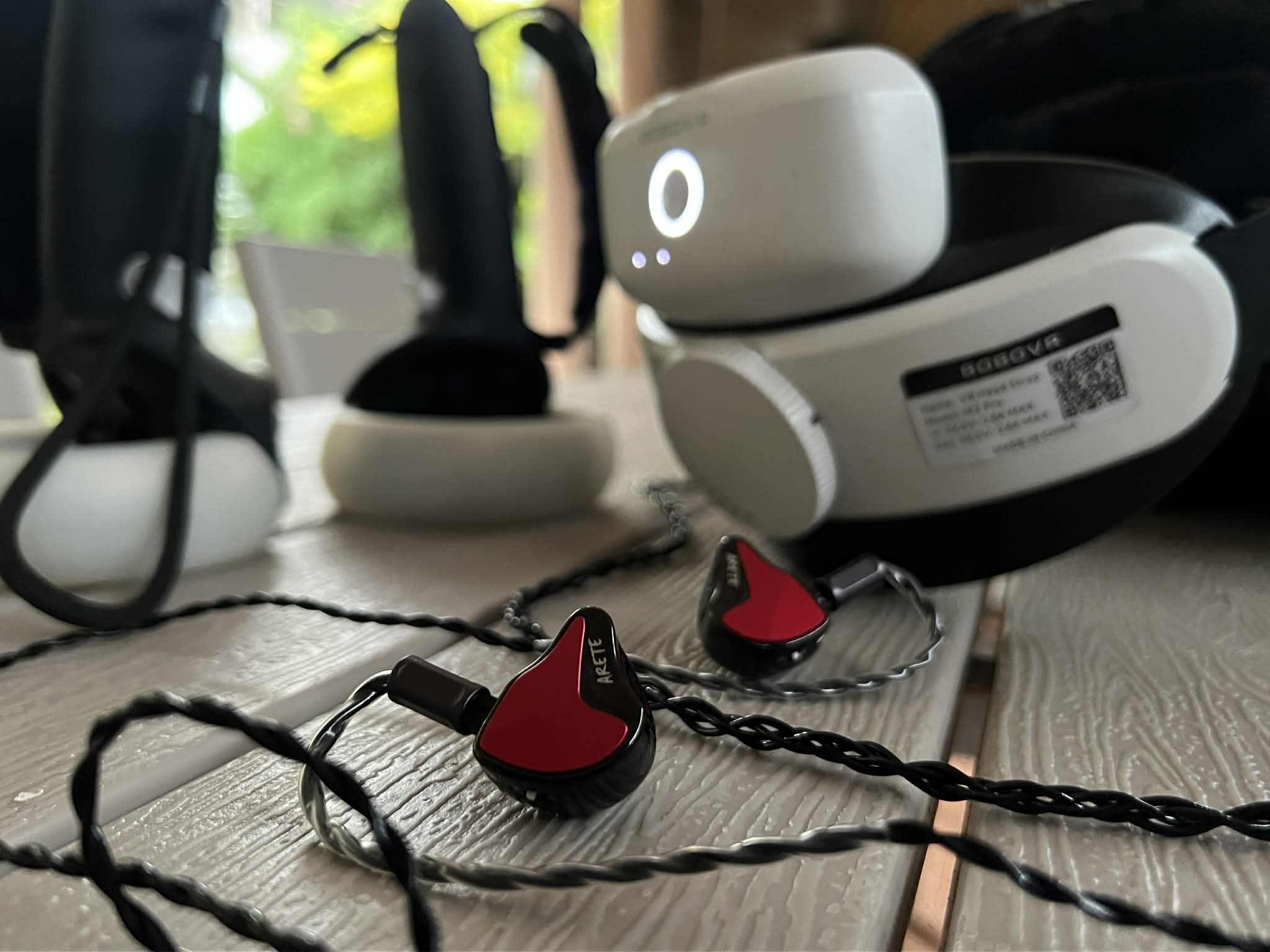
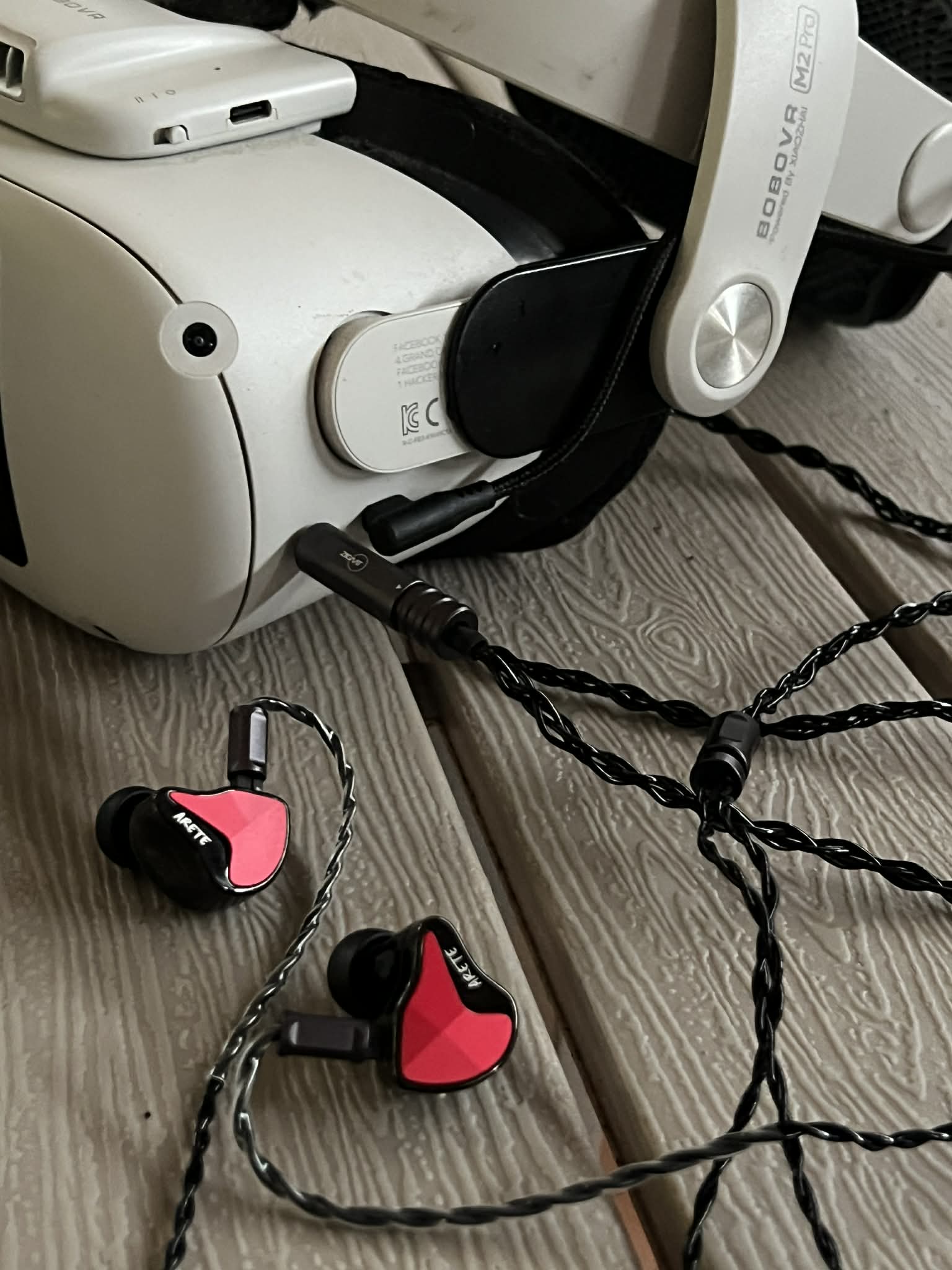
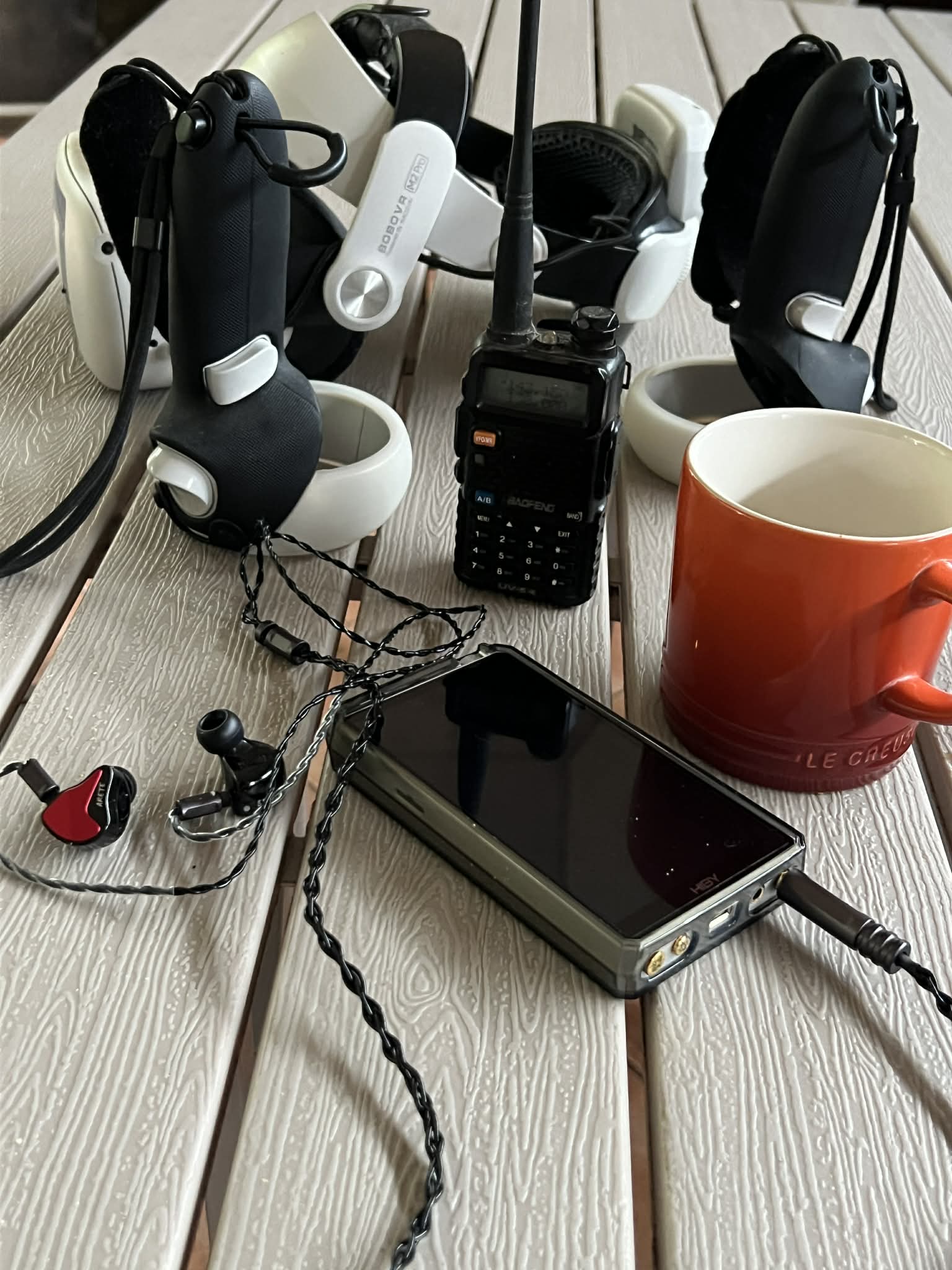
Using it with my Meta Quest 2 during Vail and Contractors was honestly ridiculous in the best way. As I turned my head, the soundfield shifted naturally and stayed anchored exactly where it should. The head tracking in VR is already impressive, but paired with the Arete 2, it felt even more convincing. I could pinpoint gunshots with ease, track footsteps moving across rooms, and clearly tell whether someone was above, below, or behind cover.
What surprised me even more was the surface detail. Bullets hitting metal had that distinct ring. Wood sounded different from concrete. Those subtle differences add tension. They make the environment feel real instead of just being a background sound effect.
The forward vocal presentation also plays a big role here. Squad comms cut through clearly, even during intense firefights. I could hear commands from teammates without struggling, and yes, even the occasional shouting and creative swearing in three different languages came through loud and clear. In chaotic moments, that clarity actually matters.
What makes the staging impressive is that it’s not just wide for the sake of being wide. It’s coherent and structured. Sounds have defined boundaries. There’s space between elements, but everything still feels connected and grounded.
For competitive gaming, that kind of imaging gives you a genuine edge. You react faster because you’re hearing more accurately. For immersion, especially in VR, it’s on another level. It pulls you in and keeps you there.
Music Performance
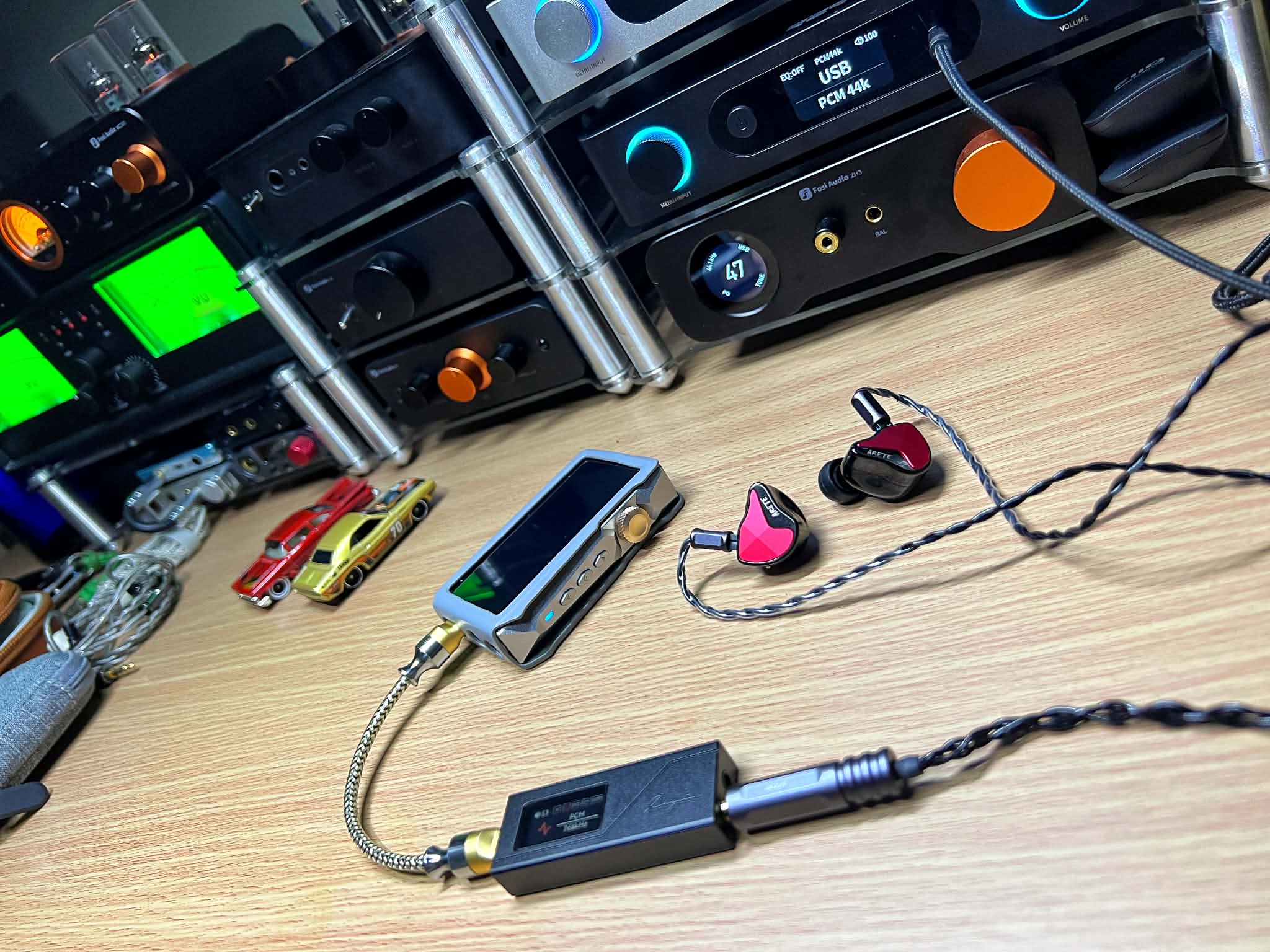
Even though the Arete 2 is marketed with gaming in mind, I honestly spent most of my time just listening to music. That’s usually the real test for me. If an IEM can keep me hooked on albums for hours, it’s doing something right.
The overall presentation is engaging and slightly holographic. There’s a sense of dimensionality to the sound. Instruments don’t just sit left and right, they occupy space with shape and layering. It feels immersive without sounding artificially wide.
The bass lays down a thick, thumpy foundation that anchors the entire mix. It gives modern tracks real drive and energy, especially hip-hop, EDM, and cinematic scores. At the same time, it doesn’t overwhelm acoustic or vocal-heavy music. The low end has authority, but it knows when to step back.
Vocals are a highlight here. They sit forward enough to feel intimate, but not so forward that they dominate the mix. Male vocals have weight and presence. Female vocals carry clarity and emotion without turning sharp. There’s a natural smoothness that makes long listening sessions easy.
Up top, the treble extends cleanly and adds air to the presentation. There’s enough sparkle to keep things lively and detailed, but it avoids harshness. You get clarity and articulation without fatigue creeping in.
Now, this isn’t a strictly neutral set. With the bass switch on, it leans slightly warm and full-bodied. There’s a richness in the lower mids that gives music more density. But here’s the important part, it never feels muddy or congested. The separation and control keep everything organized. You still hear details clearly. You still get that sense of precision.
Balancing fun and technical performance is harder than it sounds. Go too fun and it becomes bloated. Go too technical and it becomes sterile. The Arete 2 manages to walk that line surprisingly well. It gives you weight, punch, and engagement, while still keeping clarity and structure intact.
For something branded as gaming-focused, it holds its own as a serious music IEM. And that’s what makes it impressive.
Final Thoughts
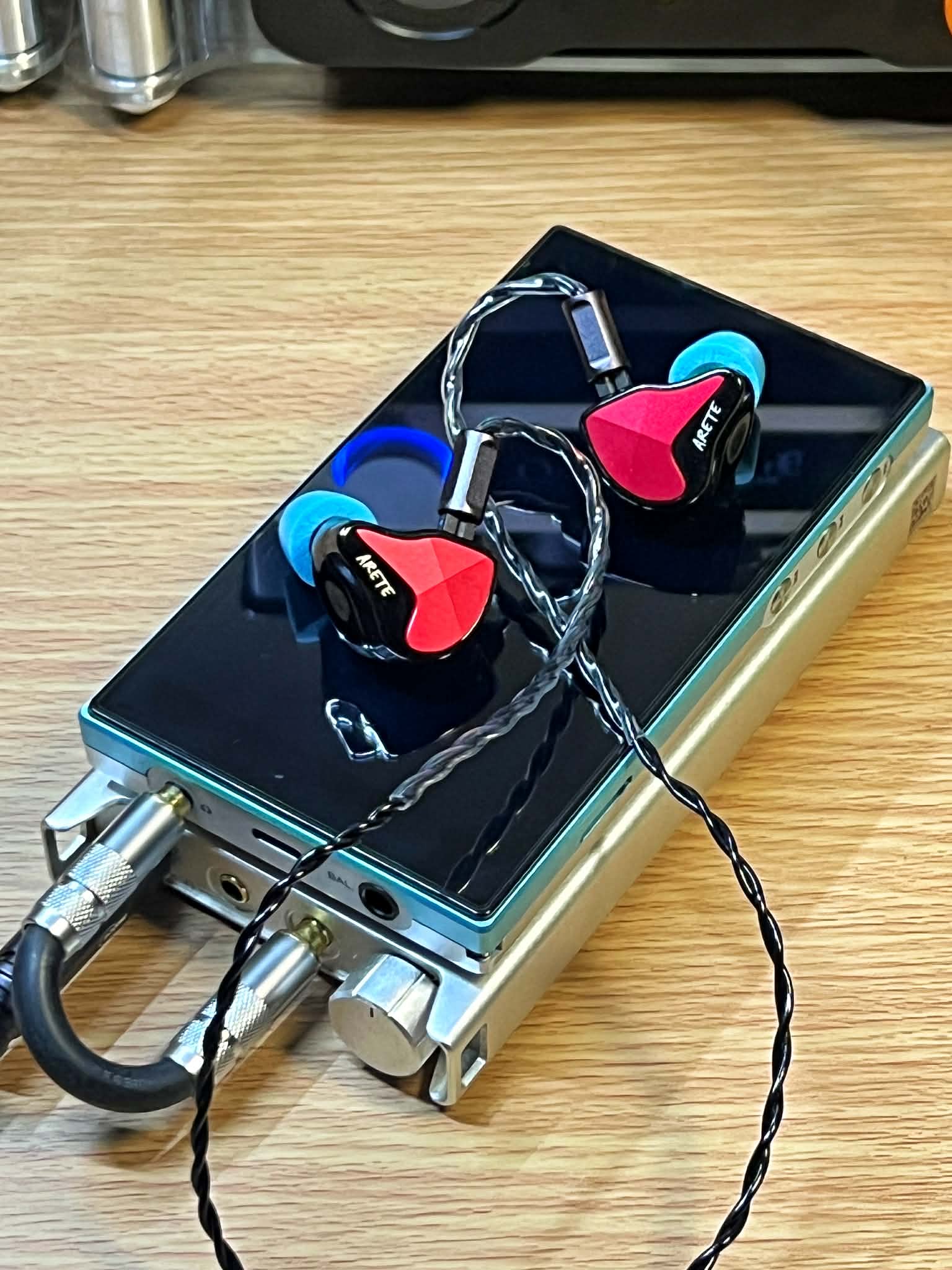
The ZiiGaat x Fresh Reviews Arete 2 pulls off the dual-role tuning better than most hybrids I’ve tried in this category.
For music, it’s engaging, weighty, and technically competent. For gaming, especially in VR with precise spatial audio, it becomes something else entirely. Imaging is razor sharp. Separation is clean. The sense of space and direction is legit.
With the bass switch on, it adds just enough extra weight to make everything more immersive without sacrificing control.
This isn’t just a gaming IEM with boosted bass and sharp treble. It’s a thoughtfully tuned hybrid that understands what both gamers and music listeners actually need.
And honestly, that’s what makes it special.
Non Affiliated Link: https://www.linsoul.com/products/zi...M5y3XdRJC99tsPBmanjY4uEstPKNKPwKbTGkeu_OedNxb
- Get link
- X
- Other Apps
- Get link
- X
- Other Apps
Comments
Post a Comment