A Dongle Done Right: Why the Cayin RU3 Earned a Spot in My Rotation
* Excellent sound quality for the price, clean, natural, and well balanced
* Strong output power, confidently drives planar IEMs and full size headphones
* Solid CNC aluminum build with a premium feel
* Responsive UI with no lag or hiccups
* Clear OLED display and intuitive button controls
* Well-implemented Cayin Control app with lossless EQ
* 3.5mm and 4.4mm outputs with PO and LO support
* Broad compatibility across Android, iOS, Windows, and macOS
Cons:
* Included USB-C cable is a bit stiff for pocket use
* Runs slightly warm in Hyper mode
* Small display and tiny font may be hard to read for some users
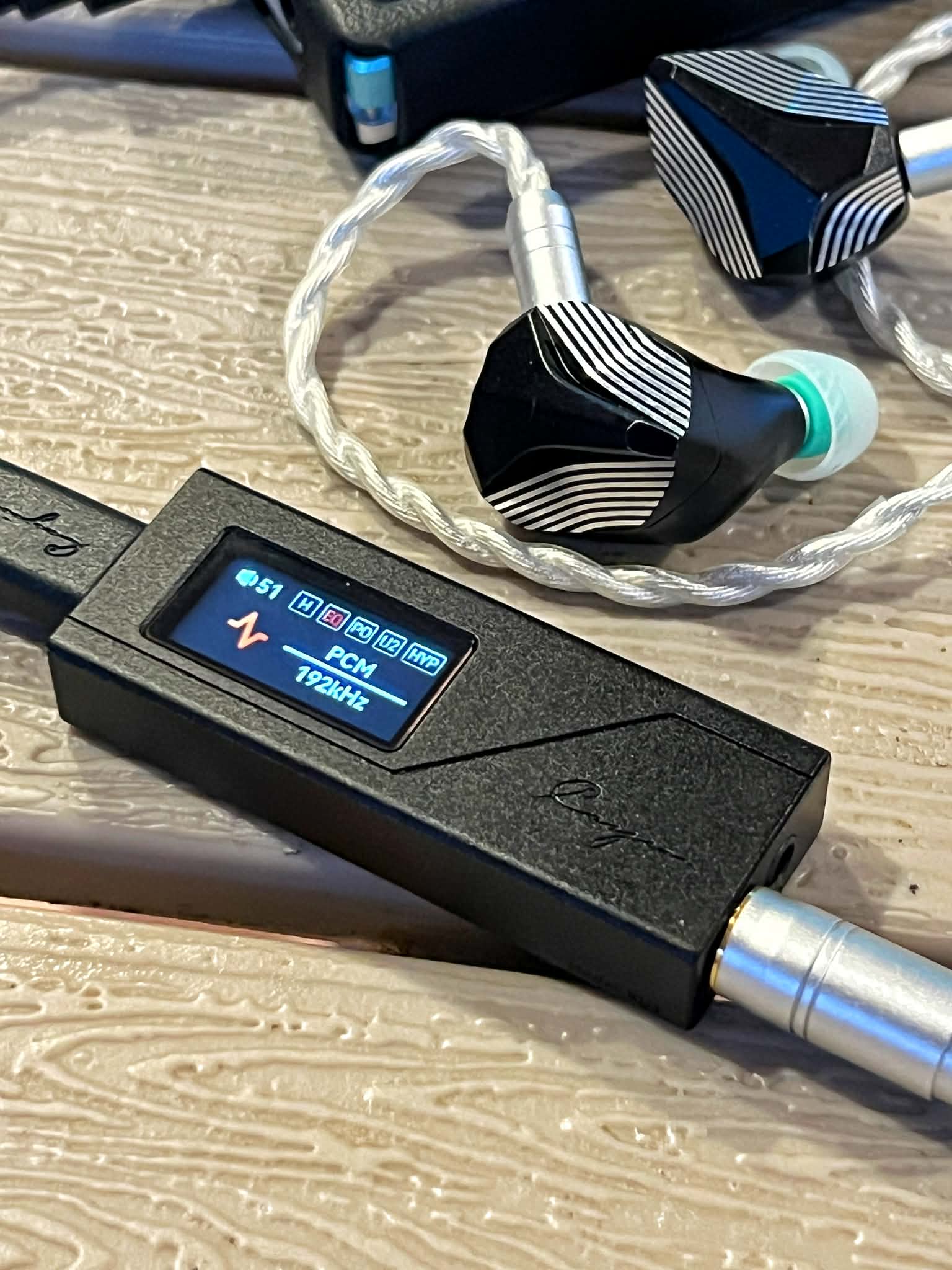
I’ve been spending a lot of time lately with the Cayin RU3 paired to my current favorite planar IEM, and the longer it stays in my rotation, the more it continues to surprise me. This is one of those pieces of gear that quietly wins you over. No big first-day fireworks, just a steady realization that you keep reaching for it without thinking. And honestly, the RU3 has no business being this good at under a hundred bucks.

What really stands out is how well judged the whole thing feels. The design is straightforward and confident, the kind of classic dongle form factor that does not try to reinvent the wheel or shout for attention. It is elegant in its simplicity, with a solid metal body that feels reassuring in the hand and purposeful in use. Nothing feels wasted, nothing feels tacked on.
Under the hood, Cayin made smart, grown-up hardware decisions. This is not a spec sheet flex for the sake of marketing. The RU3 is built around components you would normally expect to see in pricier dongles, and it shows in everyday listening. Everything about it feels intentional, from the power delivery to the analog stage, and that translates directly into sound quality and usability.
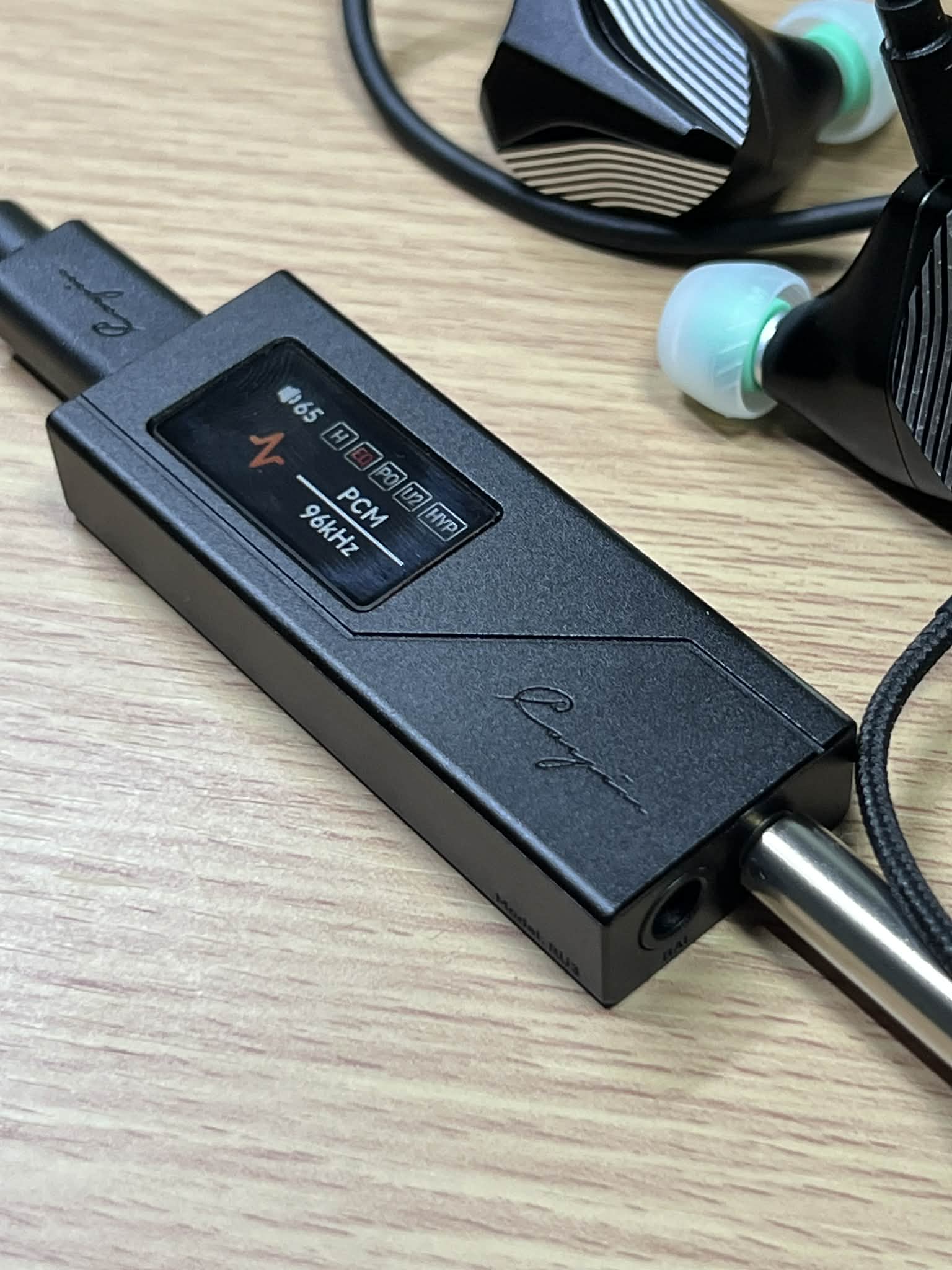
What I appreciate most is the absence of gimmicks. There is no fake “audiophile” fluff, no artificial tuning tricks, and no unnecessary features that get in the way of enjoying music. It is just solid engineering done right, focused on delivering clean power, stable performance, and a natural, engaging sound. The kind of design where you can tell the people behind it actually use audio gear and understand what matters long term.
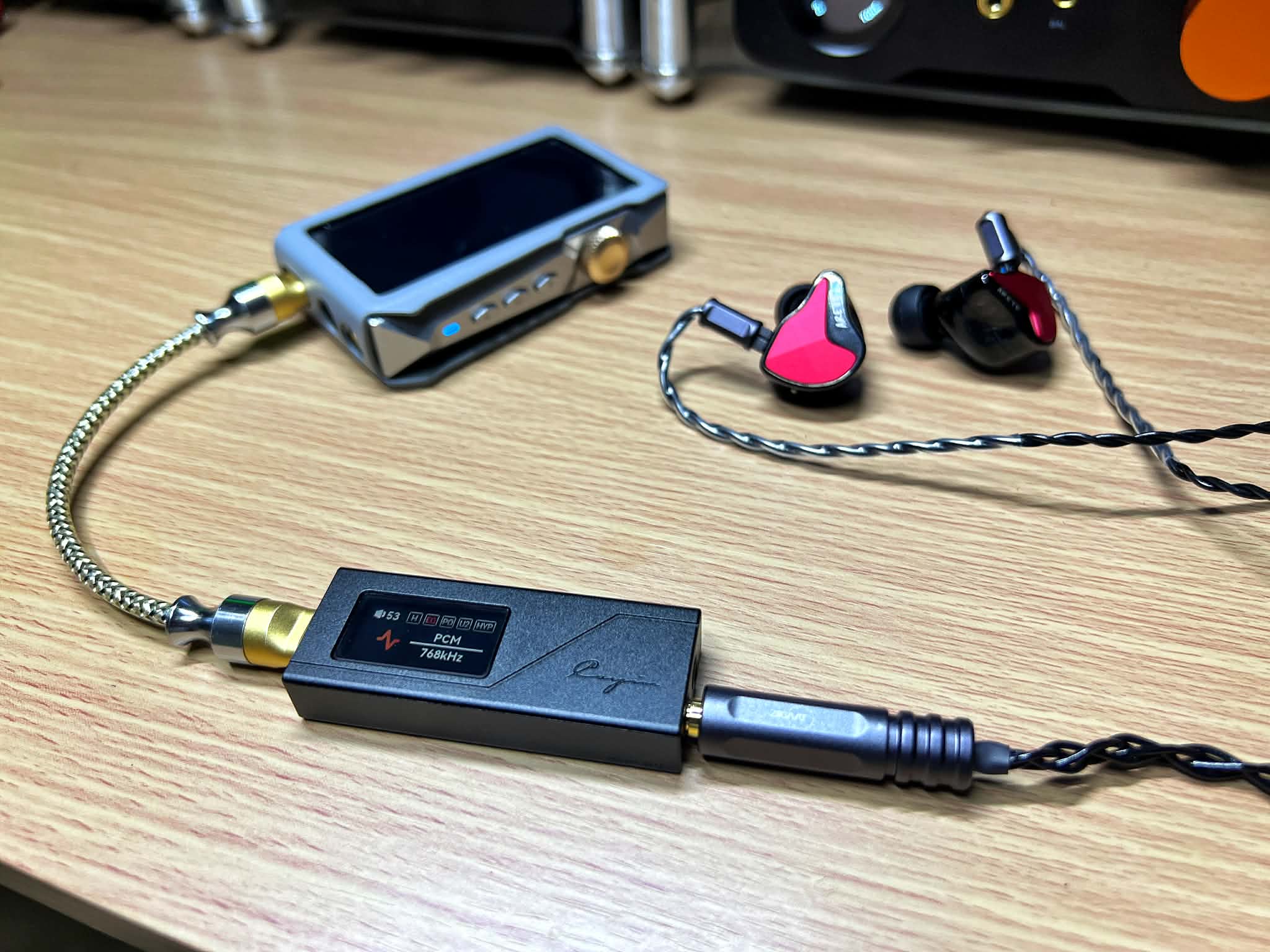
In use, the RU3 feels dependable and confidence-inspiring. It does not demand attention, but it consistently delivers. That combination of thoughtful design, quality hardware, and honest execution is rare at this price point, and it is exactly why the RU3 keeps surprising me the more time I spend with it.
Whats in the box? checkout my short unboxing video of the RU3.
Build, design, and daily use
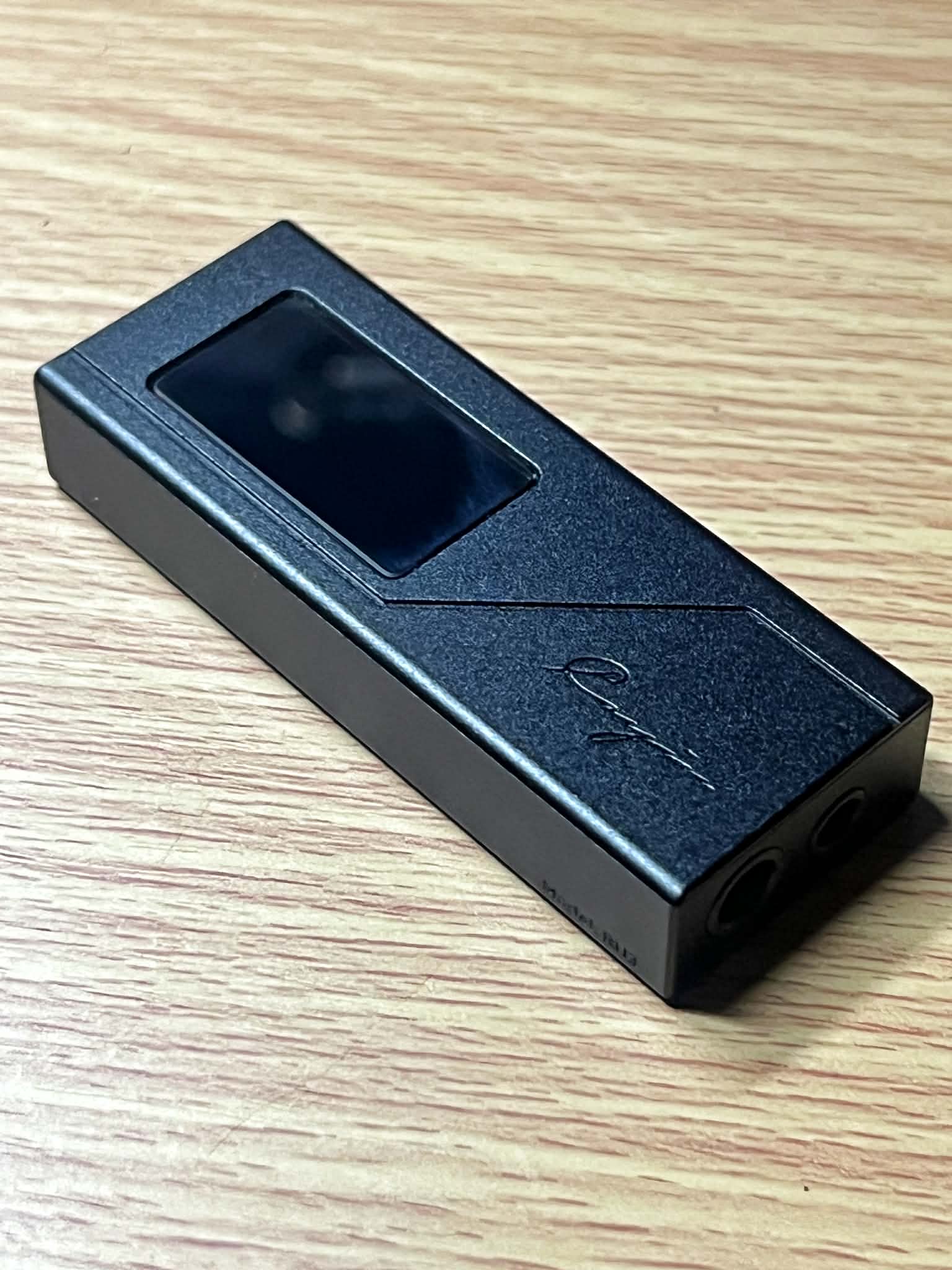
The first thing that hits you with the RU3 is how solid it feels the moment you pick it up. The unibody CNC-milled aluminum chassis has just the right amount of heft to feel premium and confidence-inspiring, without crossing into bulky or awkward. It slips easily into a pocket or small pouch, yet it never gives off that fragile, disposable dongle vibe. The anodized finish adds a subtle texture that feels good in the hand and, more importantly, looks like it will hold up well to real daily use instead of showing wear after a week.
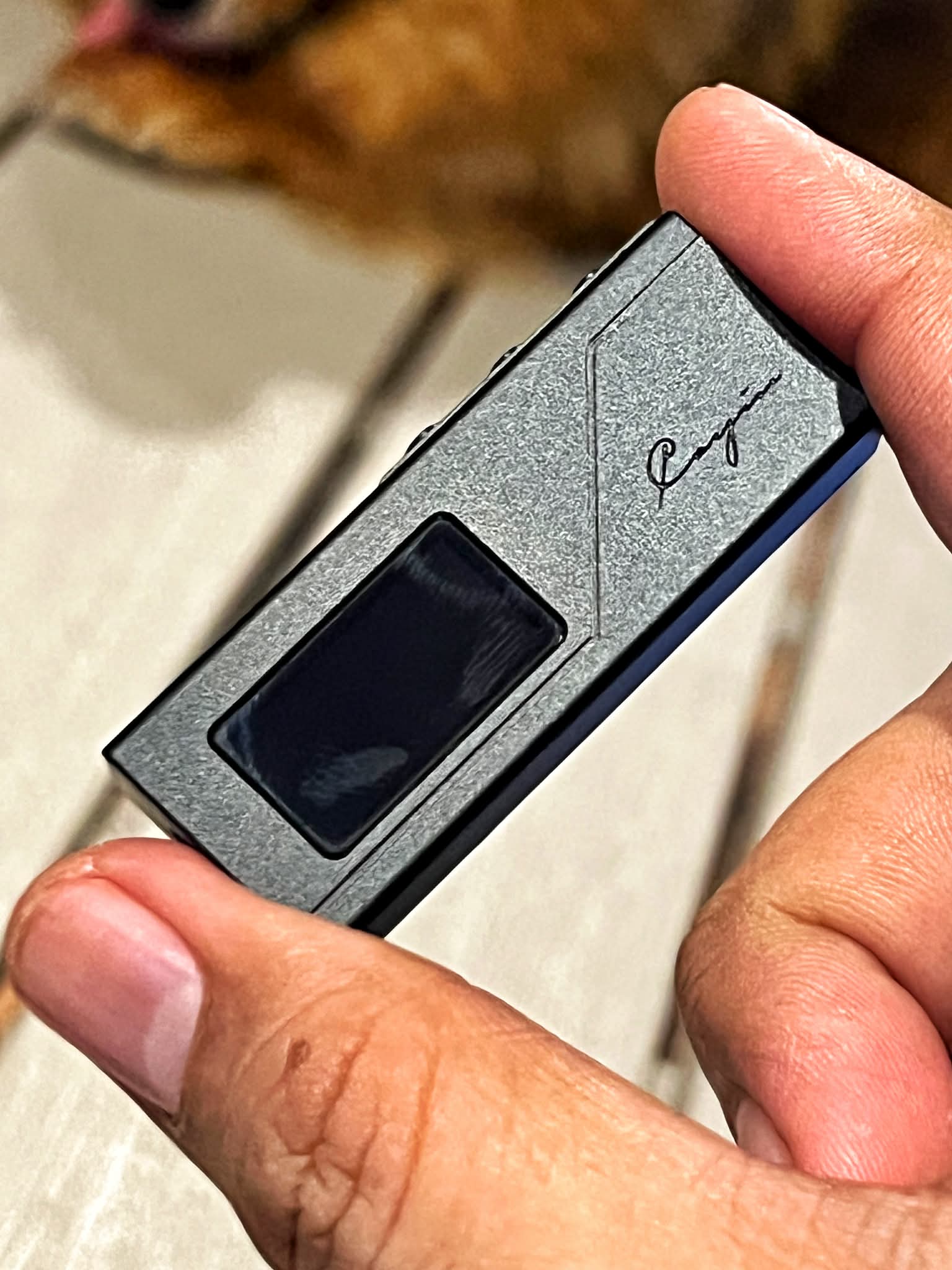
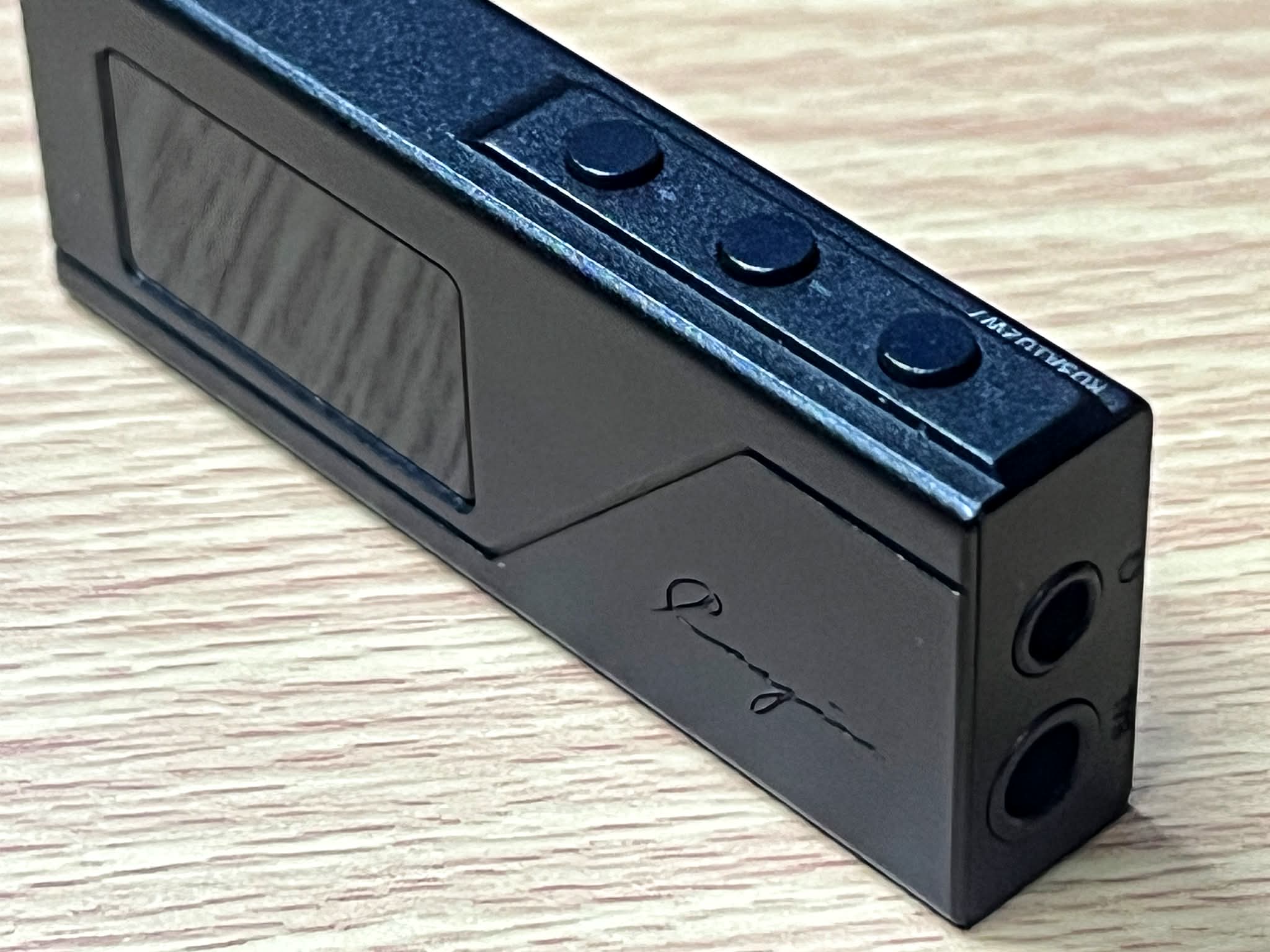
Button quality is another area where Cayin clearly paid attention. The clicks are firm and precise, with none of that mushy or vague feel you get on cheaper units. The short-press and long-press logic is straightforward and intuitive. After a few minutes of use, navigating menus becomes second nature. You are not stopping to think about how to operate it, which is exactly how it should be.
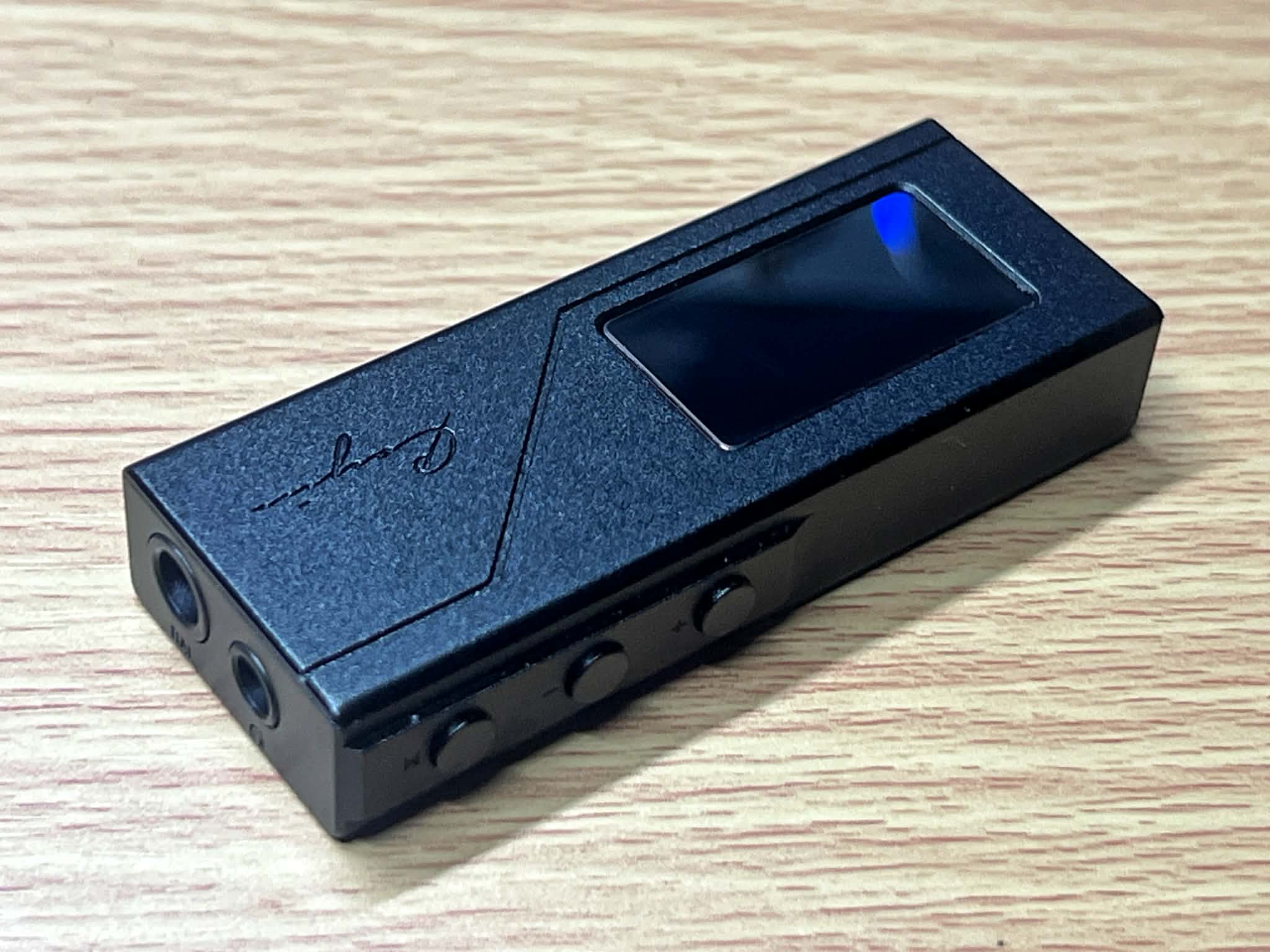
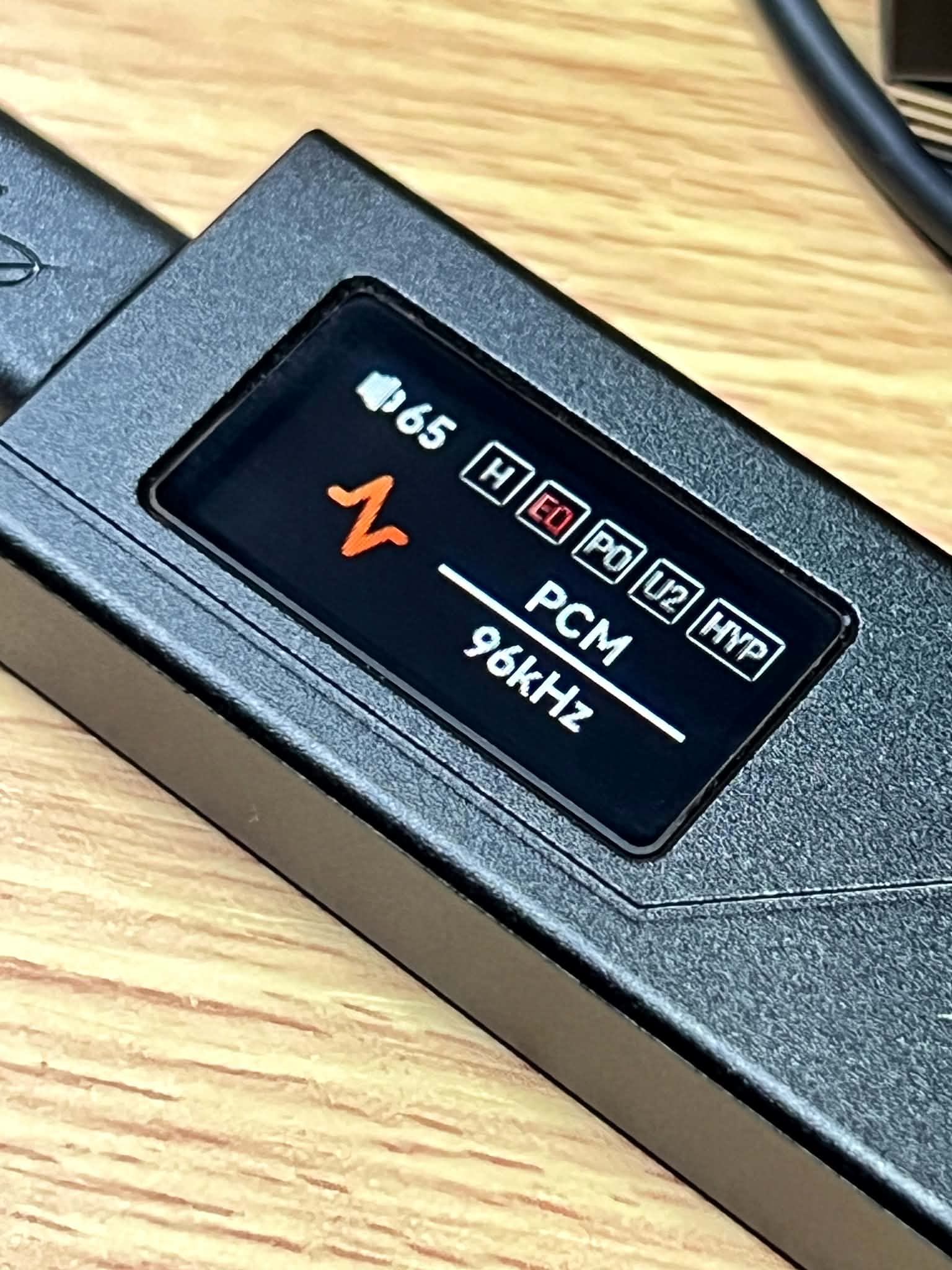
The OLED display may be small, but it is clean, sharp, and well laid out. You can quickly see your gain setting, power mode, output type, and current sample rate at a glance. Switching between features, toggling modes, or jumping into settings is instant. Nothing feels buried, and nothing feels slow.
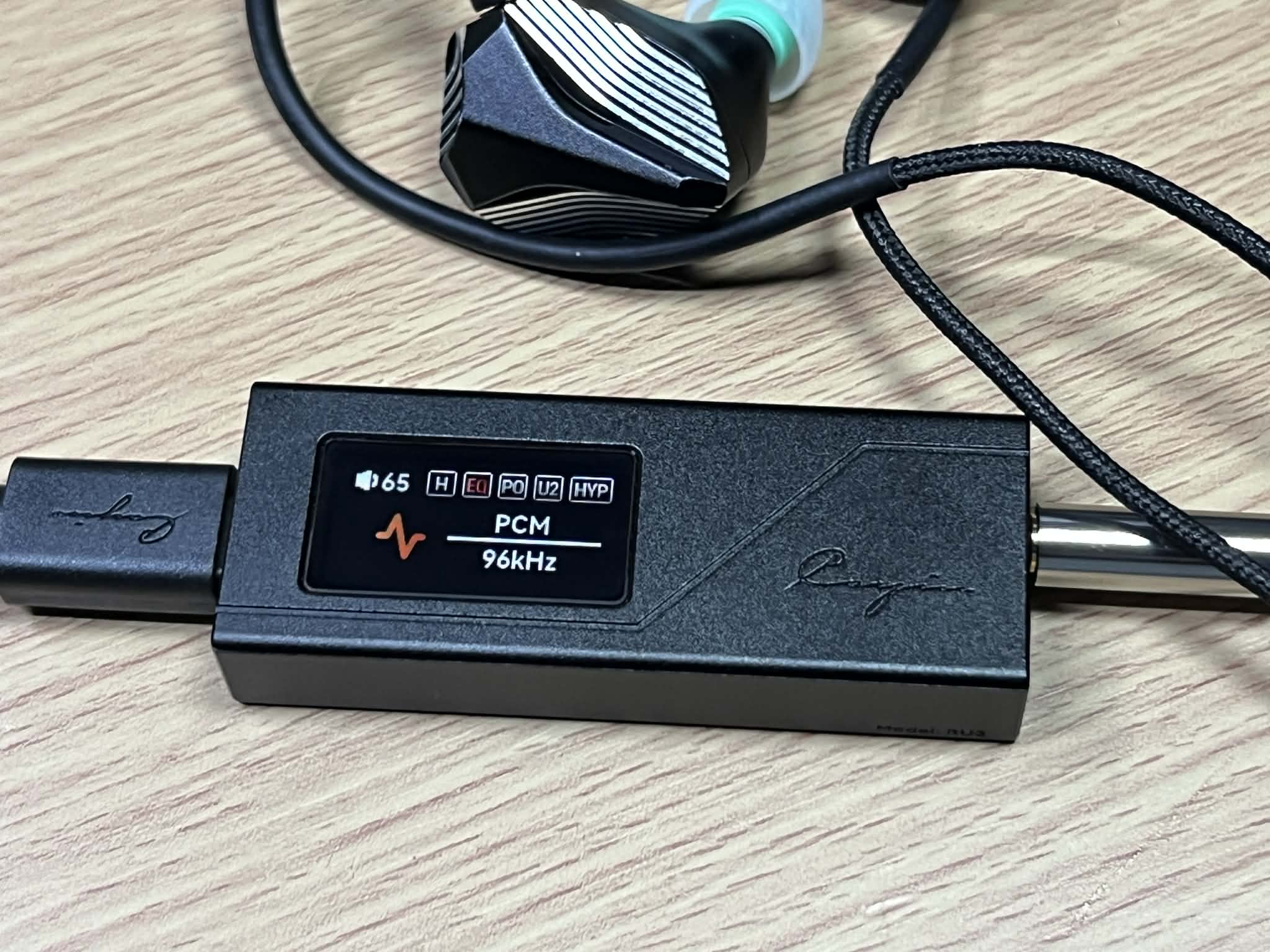
A big part of that smooth experience comes from the dual-core SPV5068 processor running a RISC-V architecture. In real-world use, the RU3 feels quick and responsive. There is no lag when scrolling through menus, no awkward pause when switching tracks with different sample rates, and no hiccups when jumping between Standard and Hyper modes. Everything responds immediately. That might sound like a small detail, but once you have used dongles that hesitate or stutter, you really appreciate how polished this feels.
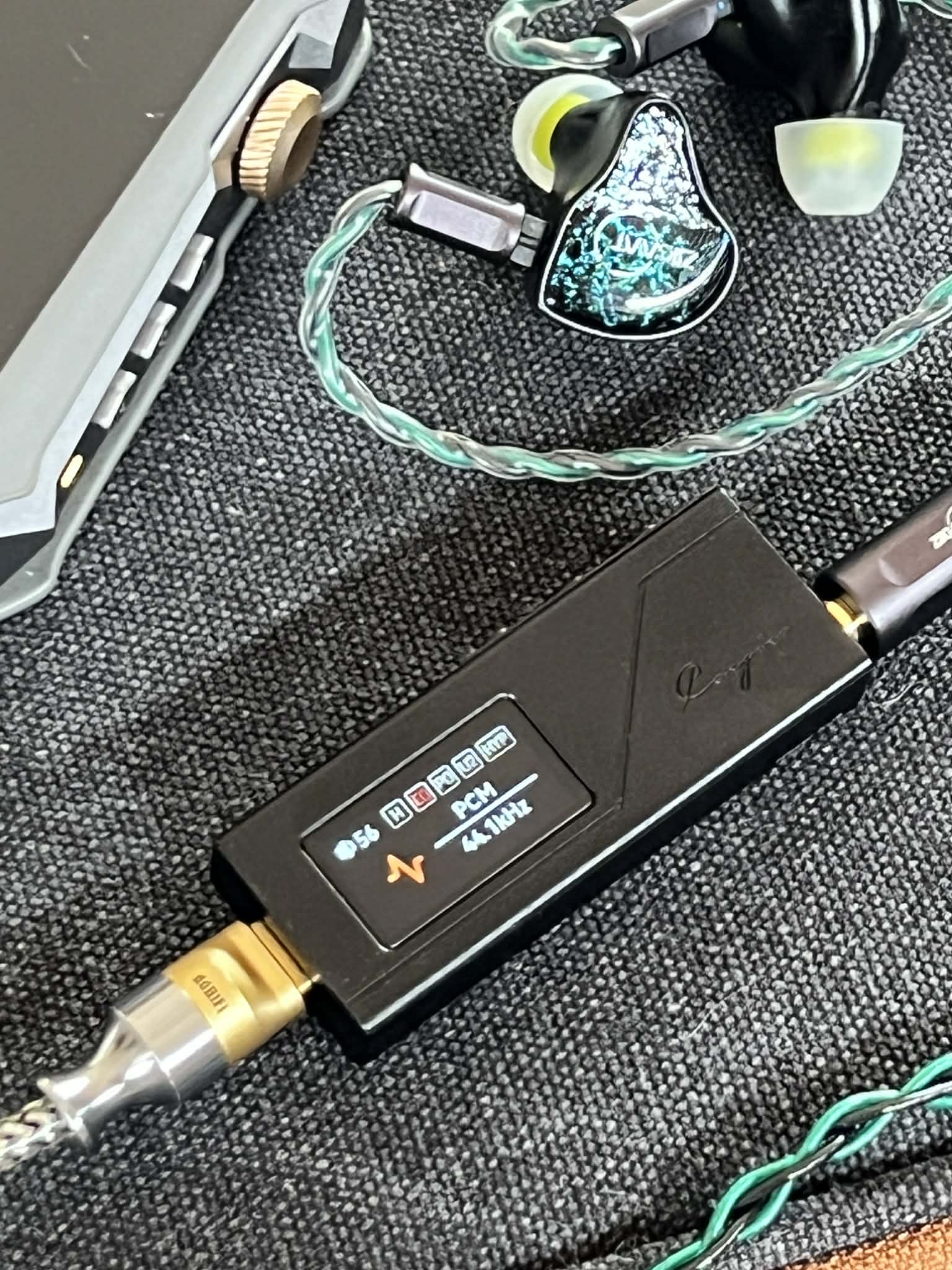
The included USB-C cable is thick and clearly built for durability. It feels robust and trustworthy, though it is a bit stiffer than I would prefer for pocket use. Personally, I like a softer, more flexible cable when I am on the go. That said, this is a minor nitpick and easily fixed with a third-party cable if it bothers you. Out of the box, it does its job well and feels like it will last.
Specifications
* USB Audio Bridge: SPV5068 (RISC-V Dual-Core)
* DAC Chip: ESS ES9069Q
* Output: 3.5mm SE / 4.4mm BAL (PO/LO shared)
* Power Output3.5mm: 180 mW + 180 mW (32ohms)
* 4.4mm: 560 mW + 560 mW (32 ohms)
* Supported Formats: PCM 32-bit/768kHz, Native DSD512
* SNR: 115dB (SE) / 117dB (BAL)
* THD+N: 0.0018% (SE) / 0.0015% (BAL)
* Frequency Response: 20Hz-50kHz (+- 0.2dB)
* Dimensions: 60mm x 25.4mm x 11mm
* Weight: 24g
Cayin clearly did not treat the RU3 as just another budget dongle, and that becomes obvious once you look at what is going on inside. At the heart of the RU3 is a single ESS ES9069Q DAC running in a dual-channel configuration, built around ESS’s HyperStream IV Dual DAC architecture. This is not a watered-down implementation either. Each channel is given its own independent op-amp stage, which goes a long way toward improving channel separation, lowering crosstalk, and keeping the signal path clean and precise.
The analog section is where the RU3 really starts to feel more serious than its price suggests. Cayin went with a proper quad-drive layout, using two TI OPA1602 op-amps for high-precision I/V conversion and line driving, paired with two SGM8262 low-noise amplifiers for output gain. This is a sensible, proven combination, and the way it is implemented here results in excellent control and composure. Even when you start pushing the RU3 harder, it stays clean, stable, and free from strain. Noise stays low, and the output remains well behaved.

Power delivery is another area where Cayin clearly paid attention. The RU3 uses a dedicated LDO power regulation system alongside an ultra low phase noise crystal oscillator. These may sound like small details on paper, but in practice they matter. Distortion and crosstalk are kept extremely low, timing stays tight, and the overall presentation feels stable and well anchored. The background is impressively black, which benefits both sensitive IEMs and more demanding planar designs. There is no hiss, no grain, just a clean canvas for the music.
Output capability is also a strong point. Through the balanced 4.4 output, the RU3 delivers up to 560 mW per channel, which is genuinely impressive for a dongle in this price bracket. It has no trouble driving planars or higher-impedance earphones, especially when paired with Hyper mode. A 3.5 output is also included, and both outputs can be configured as either phone out or line out, adding flexibility for different setups.
High and low gain options round things out nicely, making the RU3 adaptable to a wide range of headphones and IEMs. Whether you are running ultra-sensitive in-ears or something that needs real current, the RU3 feels ready for the job, the internal design reflects careful engineering choices rather than cost-cutting, and that attention to detail is something you can hear as much as you can appreciate on paper.
Power modes and control
The RU3 comes with two power modes, Standard and Hyper, Both are genuinely useful, depending on what you are plugging in and how you are listening.
Standard mode is clearly tuned with everyday use in mind. Power consumption stays low, heat is well controlled, and it pairs perfectly with sensitive IEMs. In this mode, the RU3 is quiet, clean, and efficient, making it ideal for long listening sessions on a phone or tablet. There is no excess noise, no unnecessary gain, and nothing feels overdriven. It just does its job and stays out of the way.
Switching over to Hyper mode is where the RU3 really shows its personality. This is not simply a louder setting. Hyper mode unlocks more output power and noticeably increases dynamic headroom, which makes a real difference with planars and harder-to-drive earphones. Bass hits with more authority, transients feel snappier, and the overall presentation gains a sense of confidence and scale.
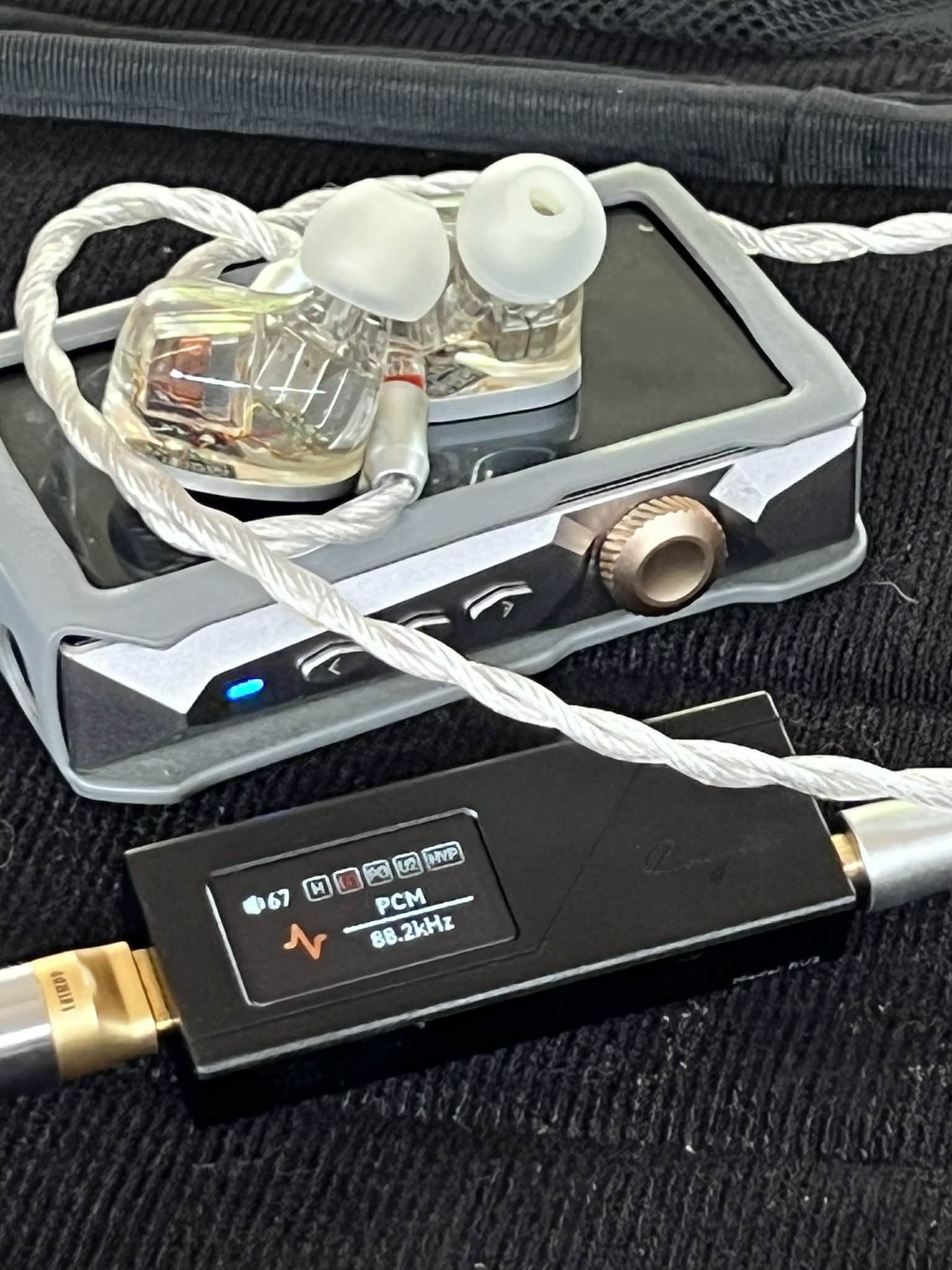
What I appreciate most is how controlled Hyper mode feels. Cayin did not just turn everything up and call it a day. Even with the extra power on tap, the RU3 stays composed and clean. Imaging remains stable, the background stays dark, and there is no sense of strain or harshness creeping in. You do feel a bit of warmth on the chassis during longer sessions, which is expected given the extra power being pushed, but it never becomes uncomfortable or concerning.
The ability to switch between Standard and Hyper modes is easily accessible on the menu and adds to the RU3’s flexibility. You can run efficient IEMs in Standard mode during the day, then flip to Hyper mode when you want to give planars or more demanding sets the juice they deserve.
Hyper mode does not just make things louder. It improves punch, dynamic contrast, and overall authority while staying clean and controlled. Cayin clearly tuned this carefully, because even in Hyper mode, the RU3 remains stable and composed but also gets a little warm to the touch.
App support and features
I will be upfront here. I am not really an EQ person. Across most of my sources, I prefer to keep things natural and flat and let the gear speak for itself. That said, if you are the type who enjoys tweaking and dialing in your sound, the Cayin Control app is genuinely a strong addition.
The app itself feels well designed and easy to navigate. Nothing feels cluttered or confusing, and the layout makes sense even if you are not the kind of listener who lives inside settings menus. Pairing is straightforward, and once connected, everything responds quickly and reliably.
Through the app, you get access to gain settings, Standard and Hyper power modes, digital filter options, and a 10-band high-precision lossless EQ. The EQ is the standout feature here. It is clean, accurate, and well implemented, which is not something I say lightly. Many app-based EQs tend to smear details or mess with dynamics, but Cayin did a good job preserving the RU3’s core sound. You can make subtle adjustments to tailor the presentation without feeling like you are paying for it in clarity or resolution.
For those who like to fine-tune different IEMs or headphones, this adds a lot of flexibility. You can gently tame a hot upper mid, add a touch of low-end weight, or shape the sound to your taste without turning the RU3 into something it is not.
Compatibility is also refreshingly painless. The RU3 works seamlessly across Android, iOS, Windows, and macOS, and it supports switching between UAC 1.0 and UAC 2.0, which is useful for older devices or specific use cases. High-resolution playback is fully supported, with PCM up to 32-bit 768kHz and native DSD512 on tap.
Overall, even as someone who prefers a flat, unprocessed signal, I appreciate that Cayin included app support that actually adds value. It is there if you want it, it works well, and it does not get in the way if you choose to ignore it. That balance is exactly how app integration should be done.
Sound impressions
Sound is where the RU3 really earns its reputation. The overall tuning is clean, natural, and well balanced. It does not try to impress with artificial warmth or exaggerated treble. Instead, it focuses on clarity, control, and musical coherence.
Bass has good weight and punch, with excellent control for a dongle. Subbass reaches deep and stays tight, while midbass is punchy without bleeding into the mids. It feels confident and energetic, especially in Hyper mode.
The midrange is clean and well resolved. Vocals sound natural and well placed, neither recessed nor overly forward. Instrument separation is strong, and layering is better than expected at this price point.
Treble is smooth, detailed, and well controlled. There is enough air and sparkle to keep things engaging, but it never crosses into harshness. Microdetail retrieval is impressive for the money, and macro dynamics are genuinely satisfying.
Soundstage is another pleasant surprise. For a compact dongle, the RU3 delivers a good sense of width and depth, with stable imaging and a clean background. It does not feel cramped or flat.
Planar pairing
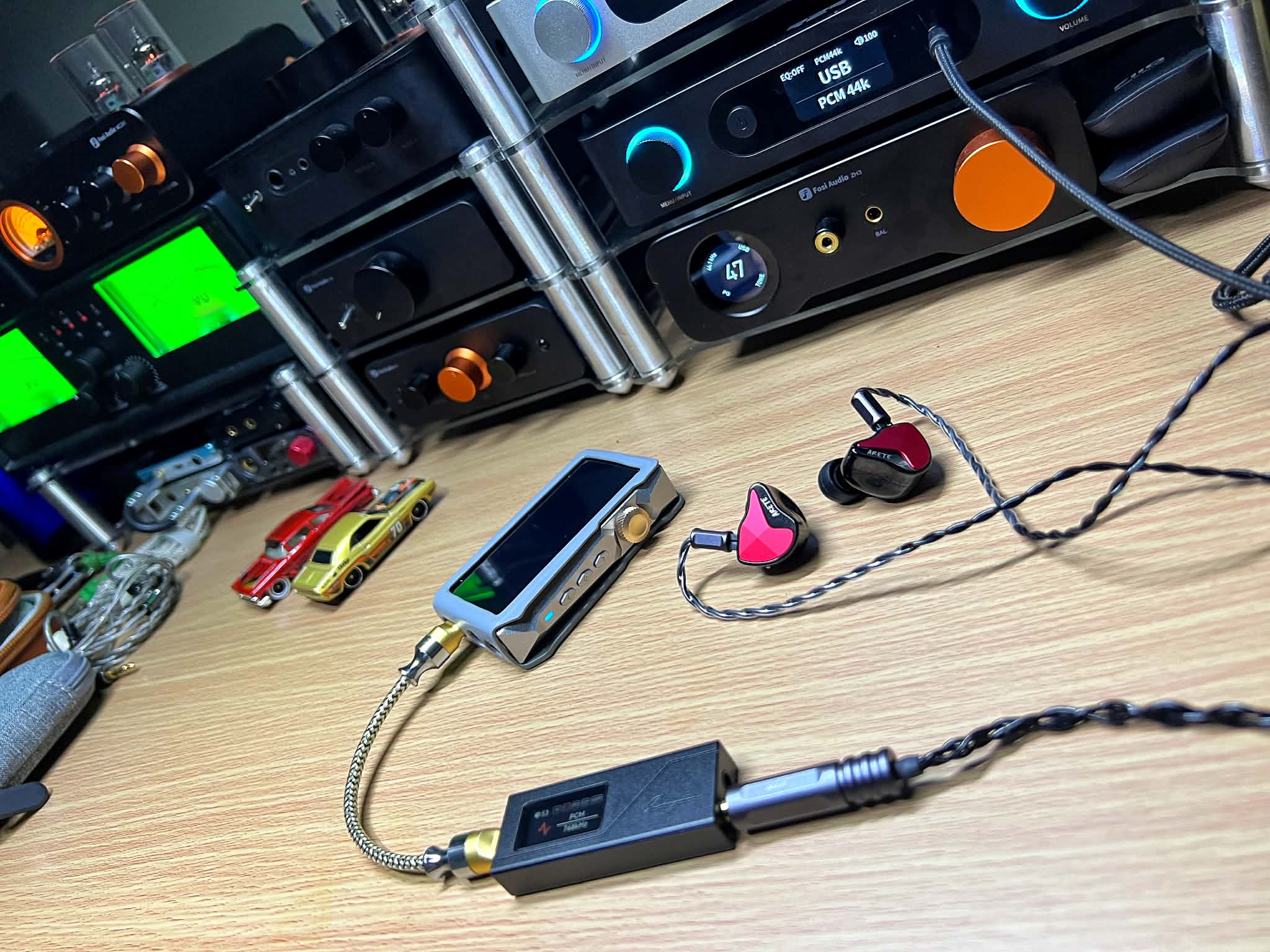
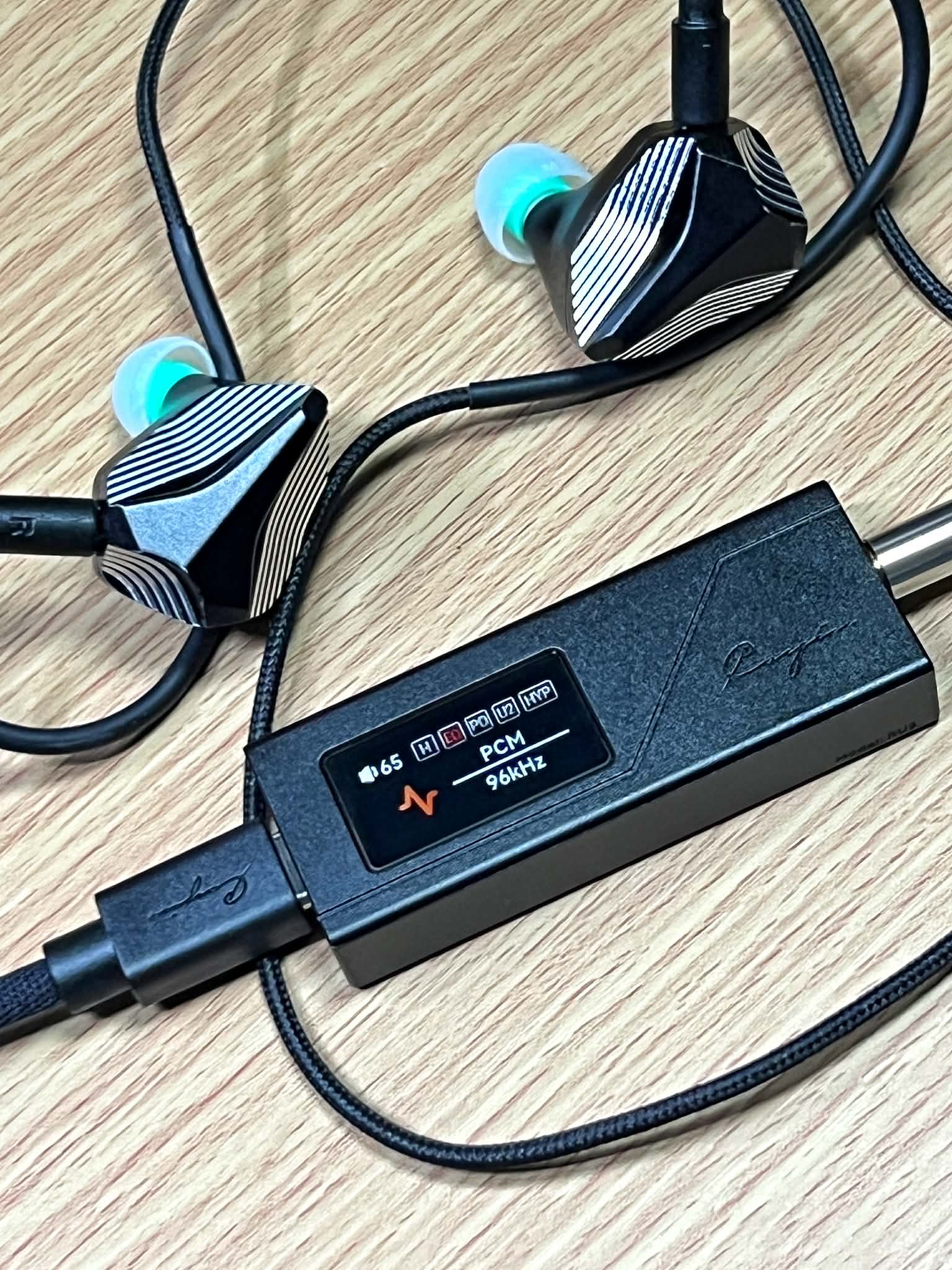
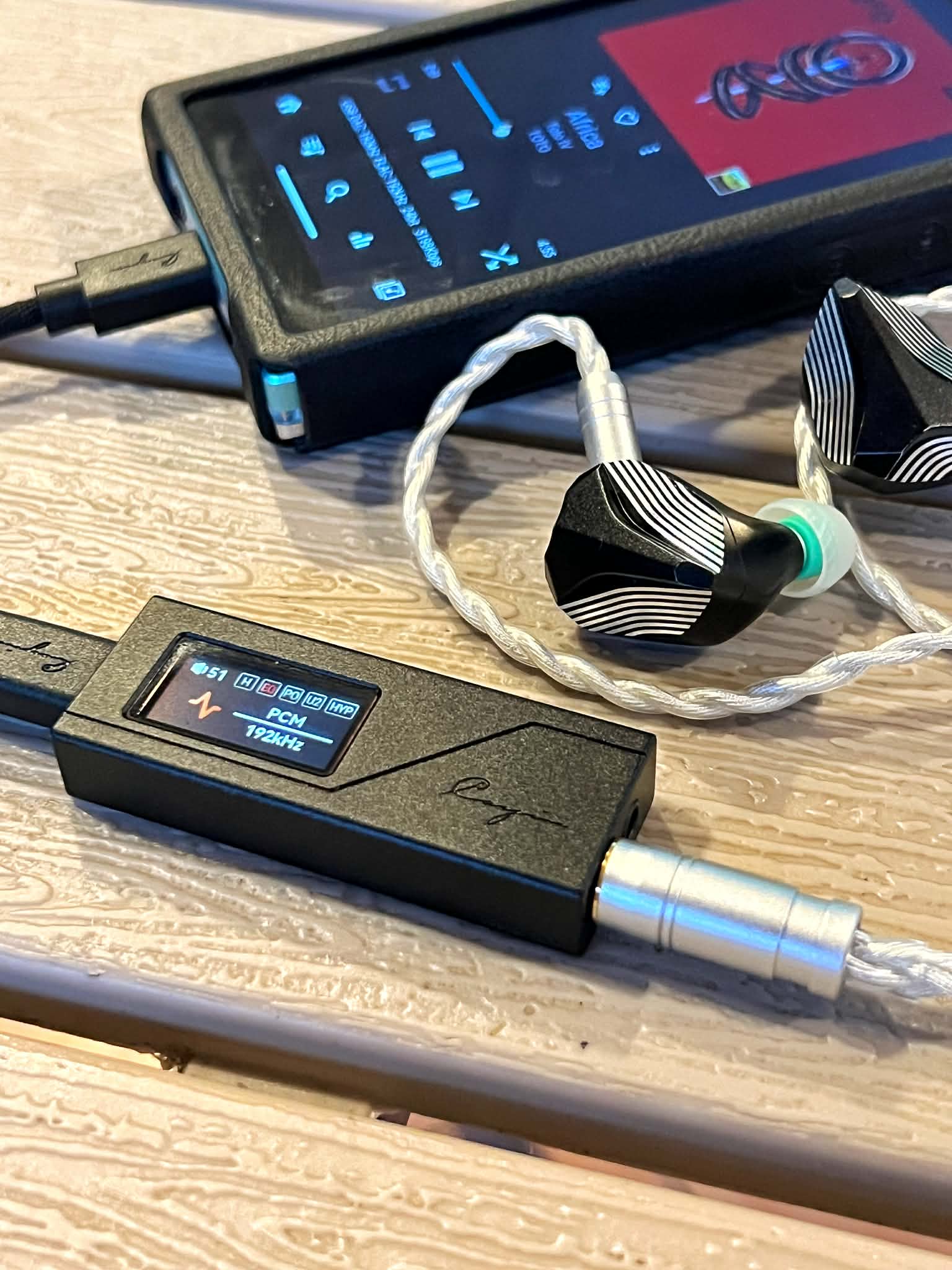
Paired with my Hidizs MP145 Pro, the RU3 really shows what it can do. It brings out the headroom, energy, and detail that planars crave. The MP145 Pro sounds more alive, more dynamic, and better controlled, especially in the low end. This pairing alone makes a strong case for the RU3 as a budget planar-friendly dongle.
Final thoughts
The Cayin RU3 honestly left a much bigger impression on me than I expected going in. It is one of those rare pieces of gear that quietly proves its value the longer you live with it. Compact, solidly built, and thoughtfully designed, it never feels like a budget compromise. Instead, it feels deliberate, like every decision was made with real-world listening in mind.
What stands out most is how complete the RU3 feels as a product. The hardware is serious, the power on tap is more than enough for planars, the controls are intuitive, and the app support is actually useful rather than something you ignore after the first day. Most importantly, the sound quality is excellent. Clean, natural, dynamic, and musical, it avoids the trap of trying too hard to impress. It just delivers, consistently.
Paired with planars or sensitive IEMs, the RU3 remains composed and confident. It has the muscle when you need it, the finesse when you do not, and a tuning that lets you enjoy music without constantly analyzing it. That balance is not easy to get right, especially at this price point.
If you are looking for a dongle DAC amp that feels genuinely finished, not a stepping stone or a stopgap, the RU3 is an easy recommendation. It does not feel like you are settling for less. Instead, it feels like a smart, well-judged purchase that simply makes enjoying your music easier.
- Get link
- X
- Other Apps
- Get link
- X
- Other Apps
Comments
Post a Comment