Gold, Power, and Precision: TinHifi P2 Ultra Review
* Gorgeous, high-end build with genuine 24k gold plating and premium leather case
* 3rd-gen 12mm planar driver delivers clean, fast, and textured sound
* Neutral, reference-leaning tuning that remains musical and engaging
* Excellent midrange density and realism; vocals and instruments feel natural
* Controlled, extended treble with detail and air, fatigue-free for long sessions
* Tight, linear bass with sub-bass extension and precise mid-bass definition
* Impressive technical performance: precise imaging, clear separation, and well-proportioned soundstage
* Scales well with proper amplification, rewarding a clean, powerful source
Cons:
* Demanding to drive; underpowered sources limit dynamics and bass impact
* Flagship price and bold gold finish may not appeal to everyone
TinHiFi has a bit of quiet history behind its name, especially when it comes to planar drivers in IEMs. Long before planars became the hot thing in the ChiFi scene, TinHiFi was already experimenting with the tech. The original P1, released back in 2019, is widely regarded as the first widely recognized ChiFi planar IEM. It was not perfect, but it was important. Neutral, mid-focused, a little demanding in terms of power, and clearly aimed at listeners who cared more about fidelity than instant wow factor. At the time, it felt bold.
To put that into perspective, planar IEMs did exist before the P1, but they were firmly in the high-end niche. The Unique Melody ME.1 from 2017 is often cited as the true first planar IEM, but at around 800 dollars, it was never going to reach the mainstream. The TinHiFi P1 was different. It brought planar technology down to a price point that normal hobbyists could actually afford, and in doing so, it helped spark the planar wave we are still riding today. Models like the P1 Plus, 7Hz Timeless, and LETSHUOER S12 all owe some part of their existence to that early gamble.
That is what makes the P2 Ultra interesting. It feels like TinHiFi coming back to a space they helped start, but this time with the benefit of hindsight and a much more competitive market. Planar IEMs are no longer a novelty. Expectations are higher, tuning preferences have shifted, and technical performance is scrutinized harder than ever. The question now is simple but important: can TinHiFi take that legacy and turn it into something that still matters today? That is exactly what I wanted to find out with the P2 Ultra.
I did not spend a ton of time with the original P1, P1 plus and the OG P2, the P2 Ultra feels like the culmination where everything finally clicks. This is their new flagship planar, and it is easily the most ambitious and unapologetically premium release they have put out so far. You can feel that intent right away. This is not a “safe” release or a crowd-pleaser tuned to chase current trends. TinHifi clearly had a specific goal in mind here.
From the materials to the overall tuning philosophy, the P2 Ultra is aimed squarely at a more serious, reference-leaning listener. Everything about it feels deliberate and confident. The design, the driver choice, even the way it presents music all point to a company that knows exactly who this IEM is for. It is not trying to win you over with boosted bass or flashy treble tricks. Instead, it leans into accuracy, control, and realism, the kind of sound that rewards careful listening and a good source.
What stands out to me is that this does not feel like TinHifi simply refining an older idea. The P2 Ultra feels like a proper reset, a statement piece that says, “this is what we can really do with planar.” It has a sense of maturity that was not always present in their earlier efforts. Rather than feeling experimental for the sake of it, the tuning comes across as thoughtful and purposeful, built for listeners who value honesty and balance over instant wow factor.
The P2 Ultra feels less like another planar experiment and more like TinHifi planting their flag in the flagship space. It is confident, focused, and clearly designed for people who want a reference-style planar IEM that takes its job seriously, without losing the enjoyment factor that keeps you coming back for one more track.
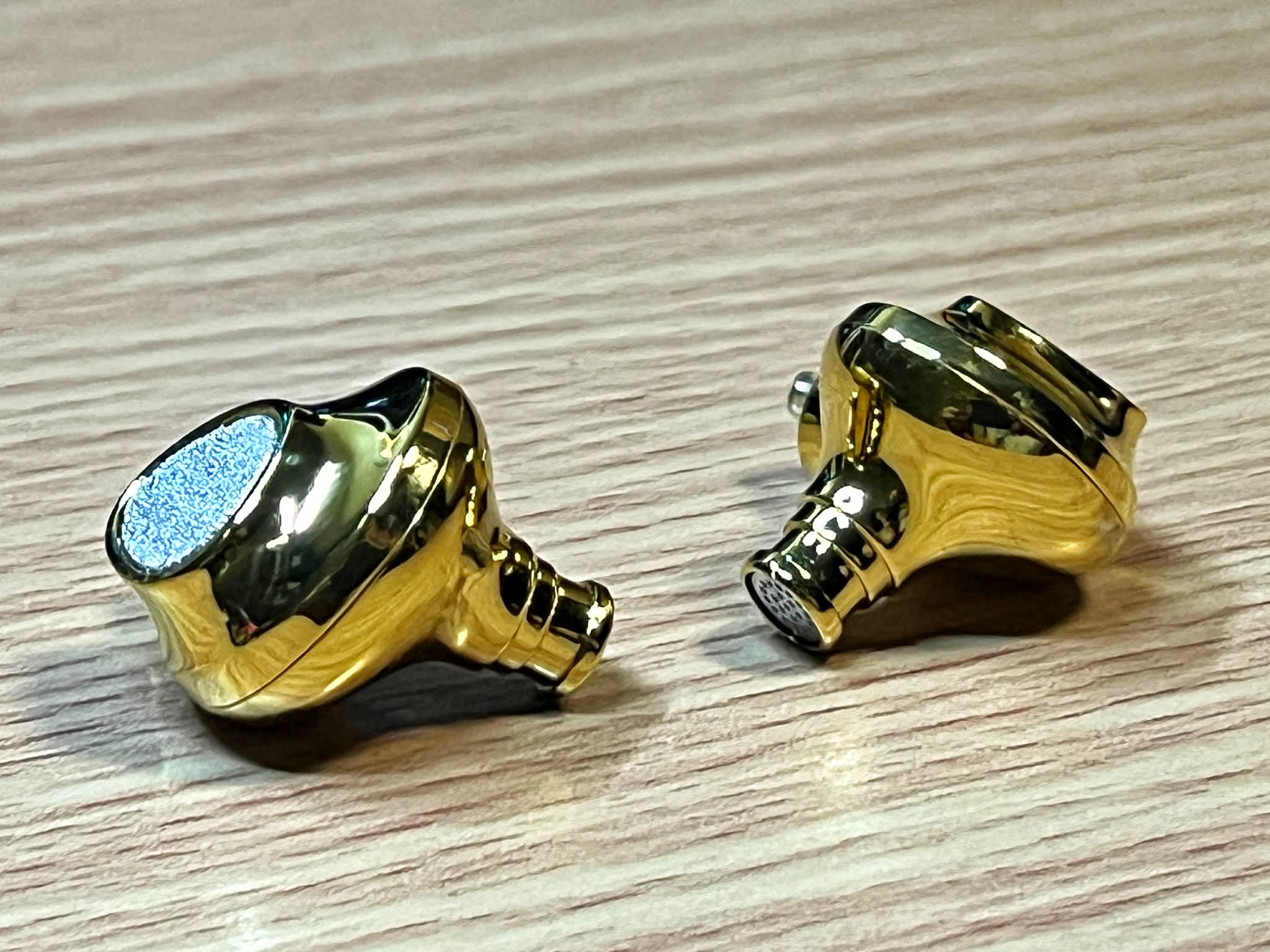
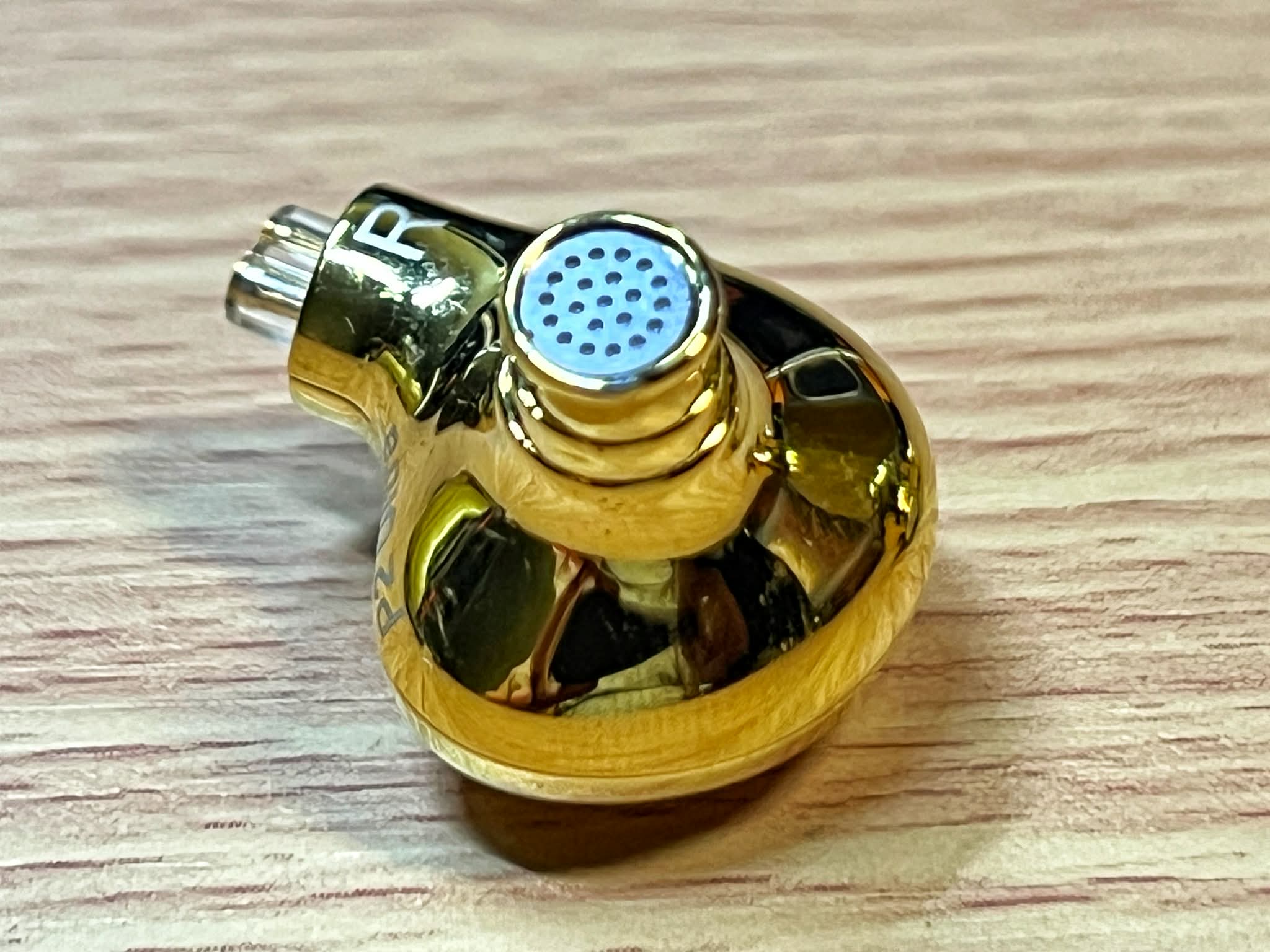
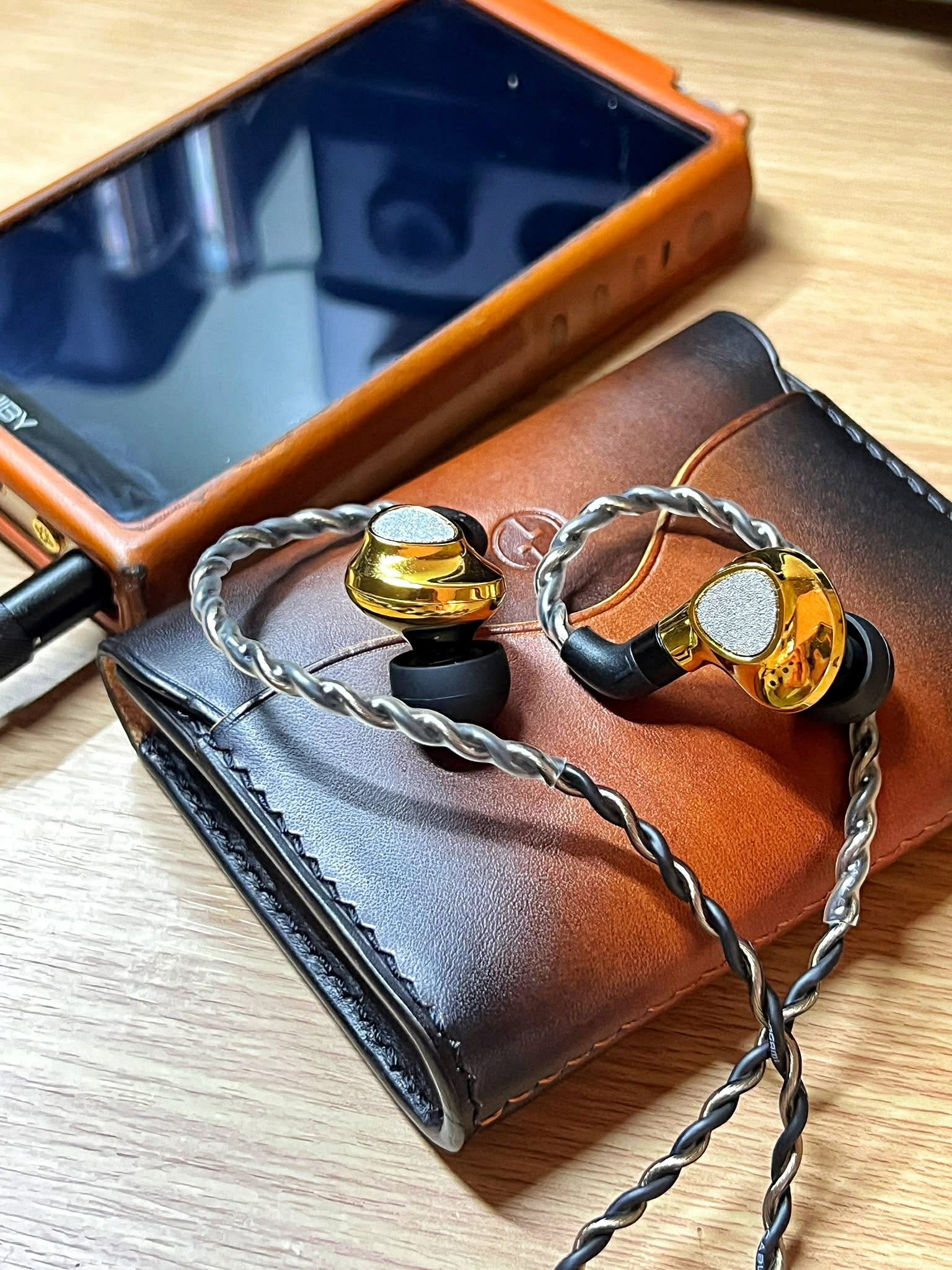
Let’s get the obvious flex out of the way first. The P2 Ultra shells are finished in genuine 24k gold heavy plating. Not gold-colored, not gold-inspired, not “gold-ish” under the light, but actual gold. And yes, you feel it the moment you pick them up. There is a real sense of density in the hand, It feels solid, confident, and premium.
This is not an IEM that tries to be subtle about its flagship status. It does not whisper. It walks into the room and makes eye contact. The gold finish is bold, maybe even a little over-the-top for some, but it suits the whole idea behind the P2 Ultra. TinHifi clearly wanted this to feel special, like something above and beyond their usual lineup, and they absolutely succeeded on that front.
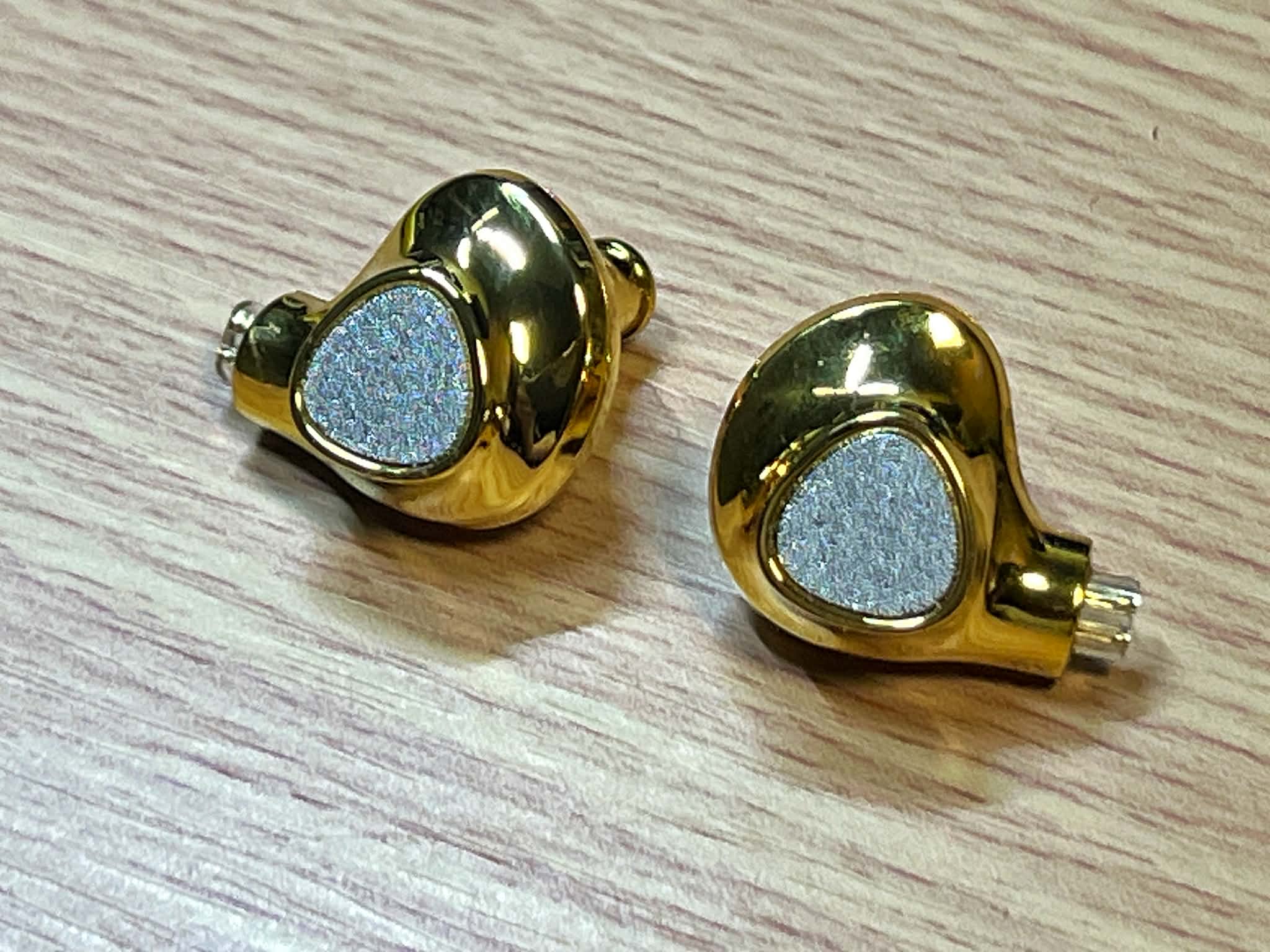
What impressed me most is that despite the flashy exterior, the build quality still feels purposeful. The shells are well-finished with clean lines, smooth edges, and no weird seams or rough spots. Everything feels carefully put together, the kind of craftsmanship you notice when you rotate the shells in your hand or fit them into your ears.
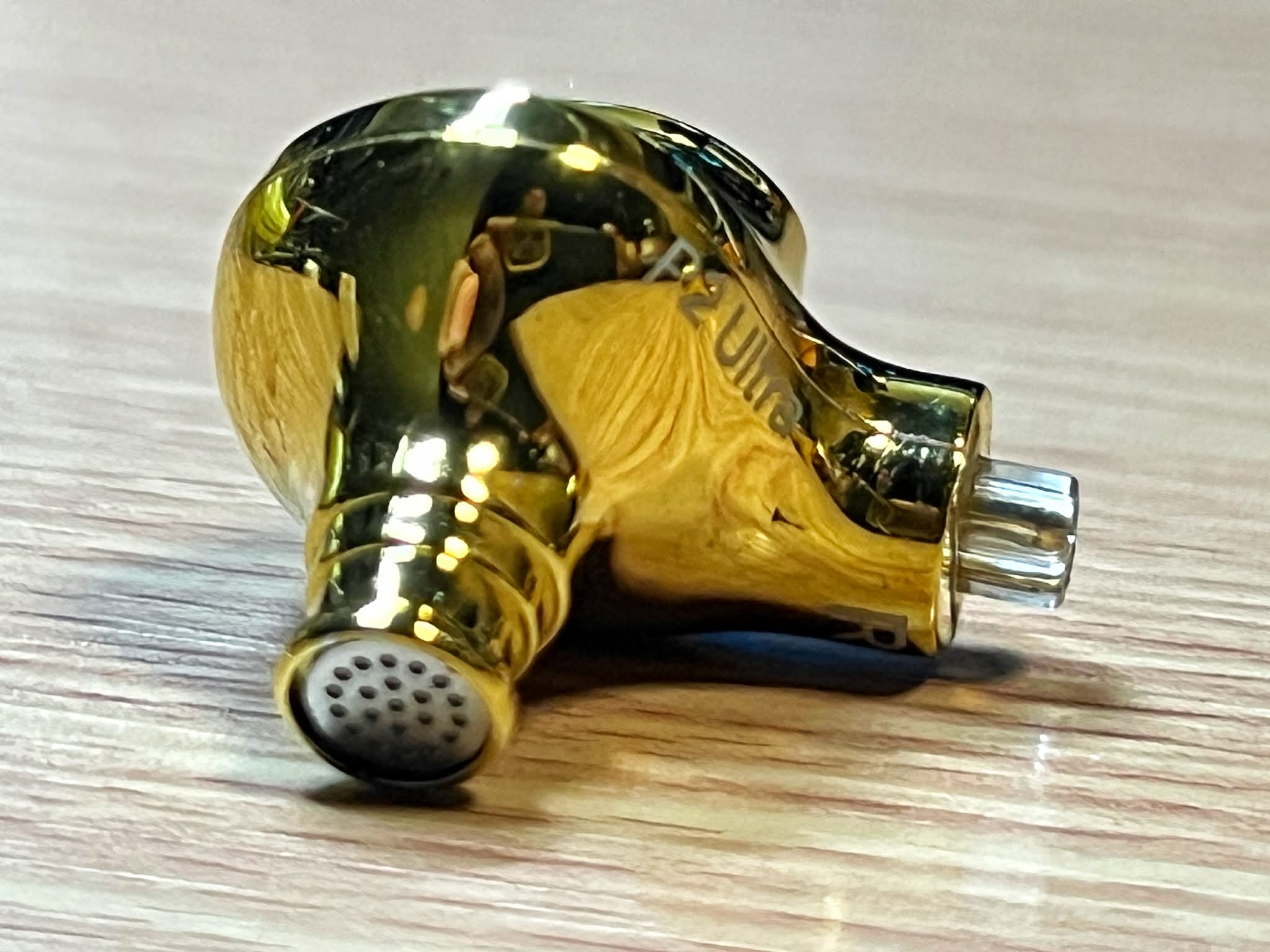
More importantly, it never comes across as a showpiece that forgot its job. The P2 Ultra still feels like a serious listening tool first and a luxury object second. The weight is reassuring rather than awkward, the shape feels practical, and nothing about the design gets in the way of actually enjoying music. It looks like a flagship, it feels like a flagship, but it never forgets that it is meant to be worn, used, and listened to for hours at a time.
Inside sits TinHifi’s third-generation ultra-thin 12mm planar driver, which they claim is their most refined implementation yet. Based on my listening, that claim is not just marketing talk. This is easily the most mature and coherent planar tuning I have heard from TinHifi on any brand to date. The driver feels fast, controlled, and surprisingly natural, avoiding many of the common planar pitfalls.
Whats in the box? checkout my short unboxing video.
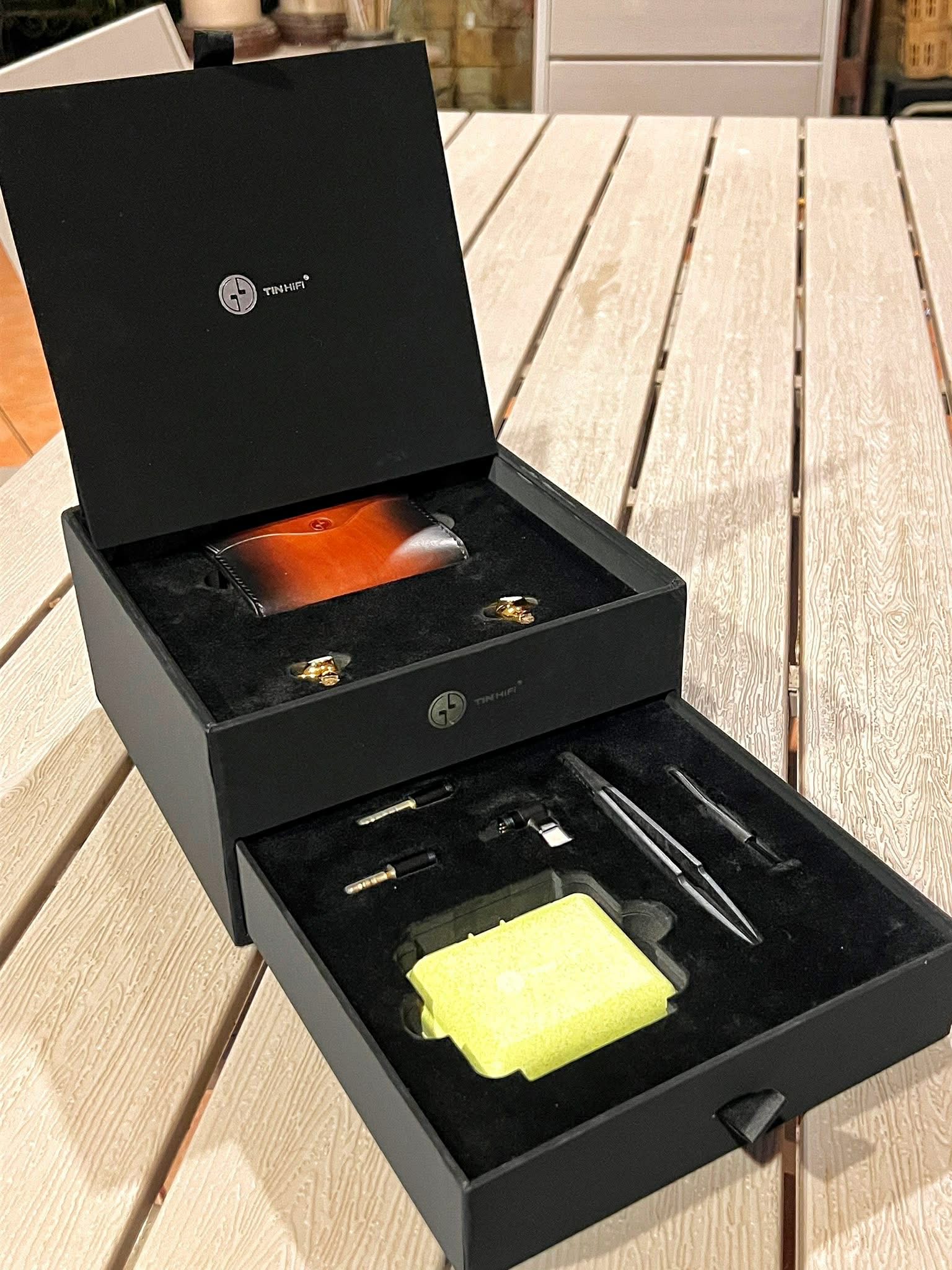
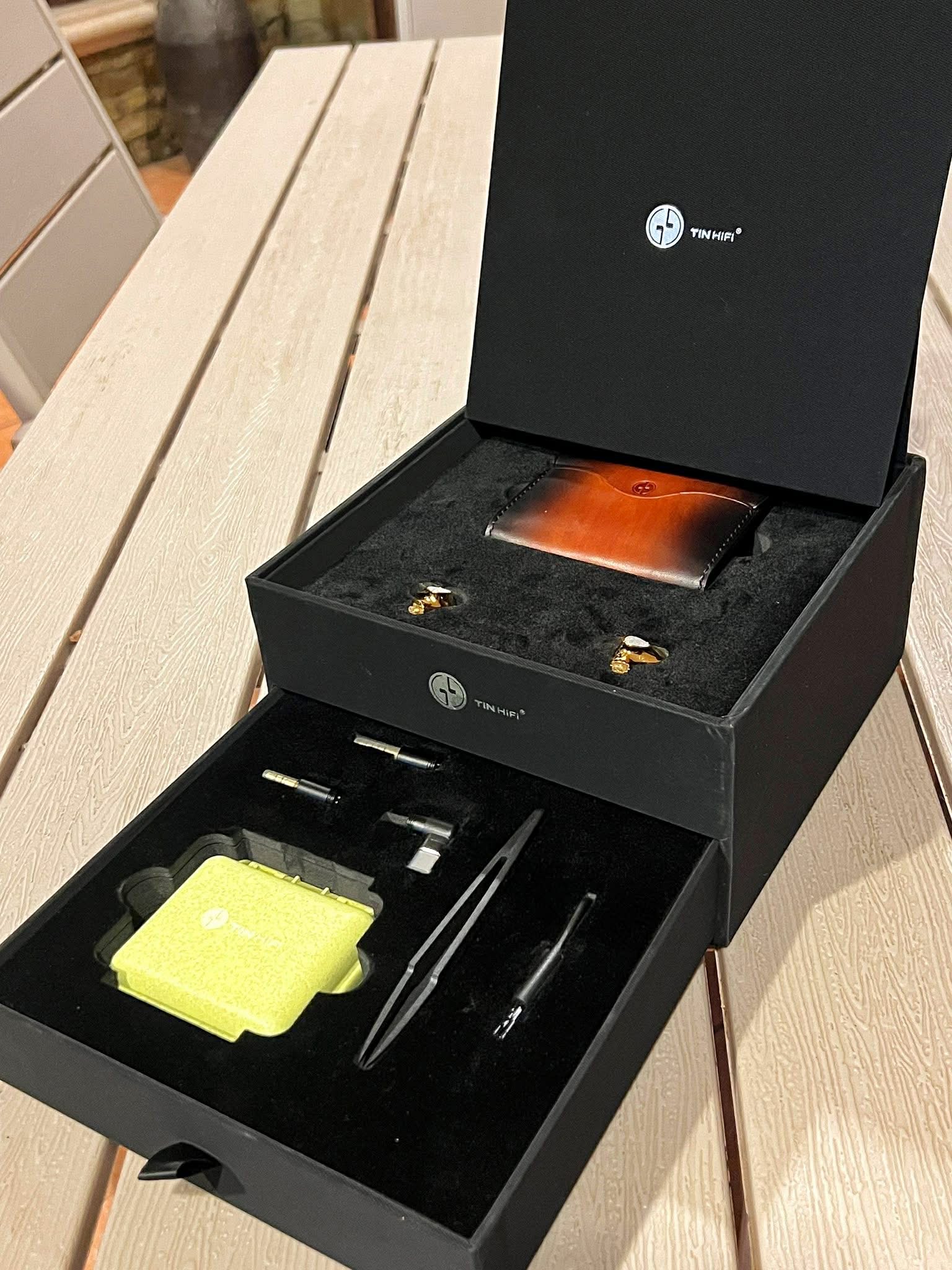
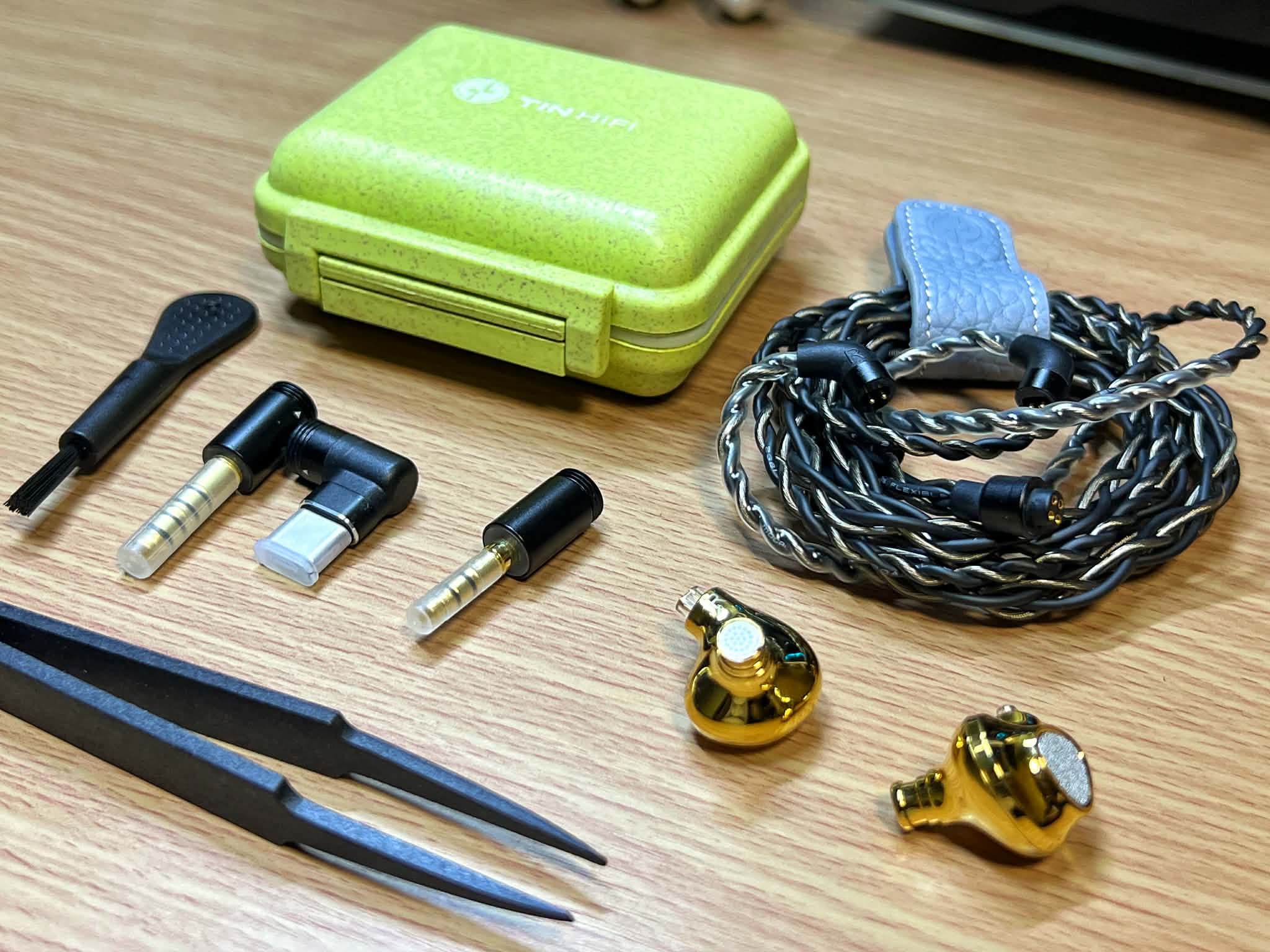
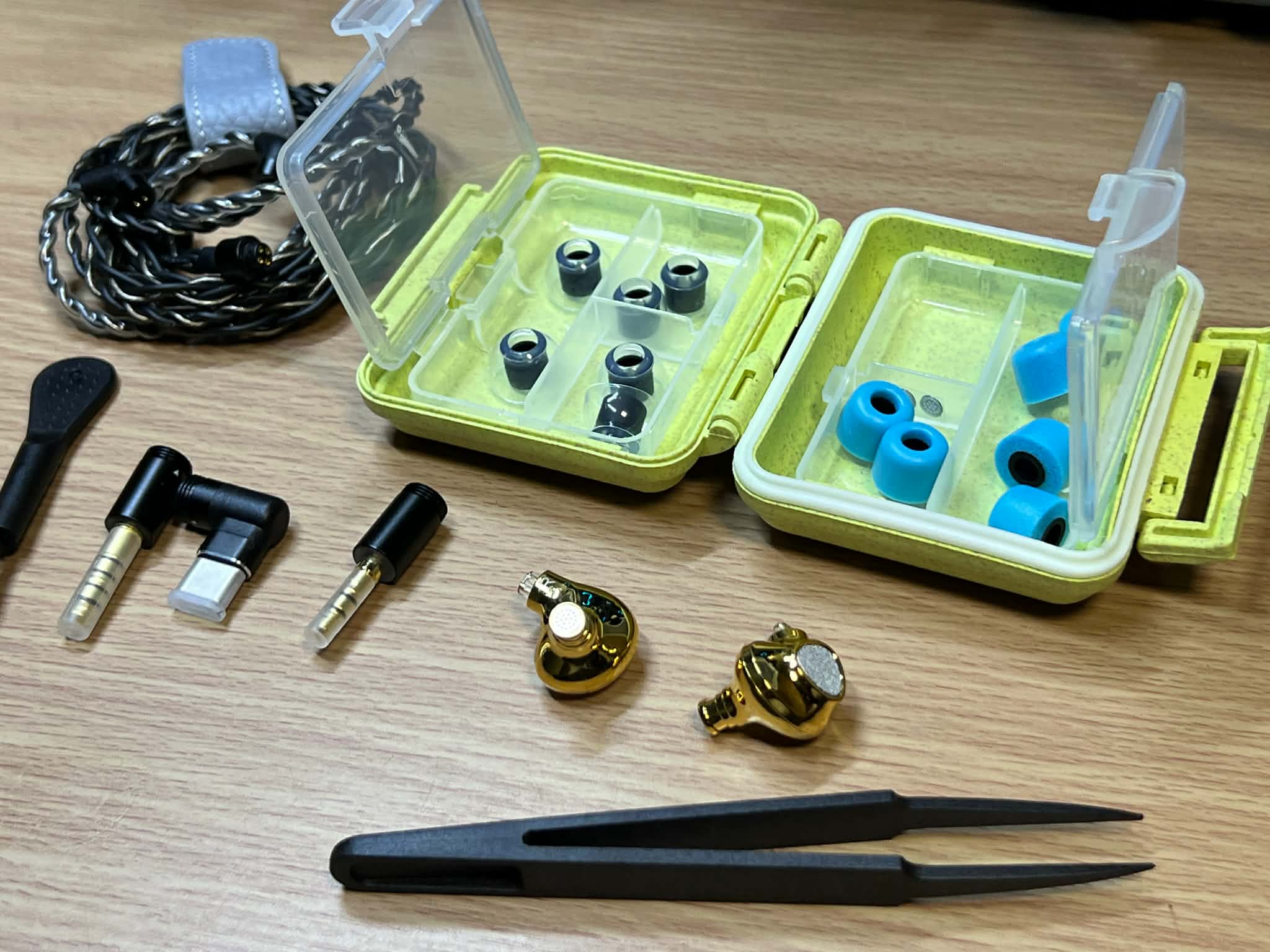
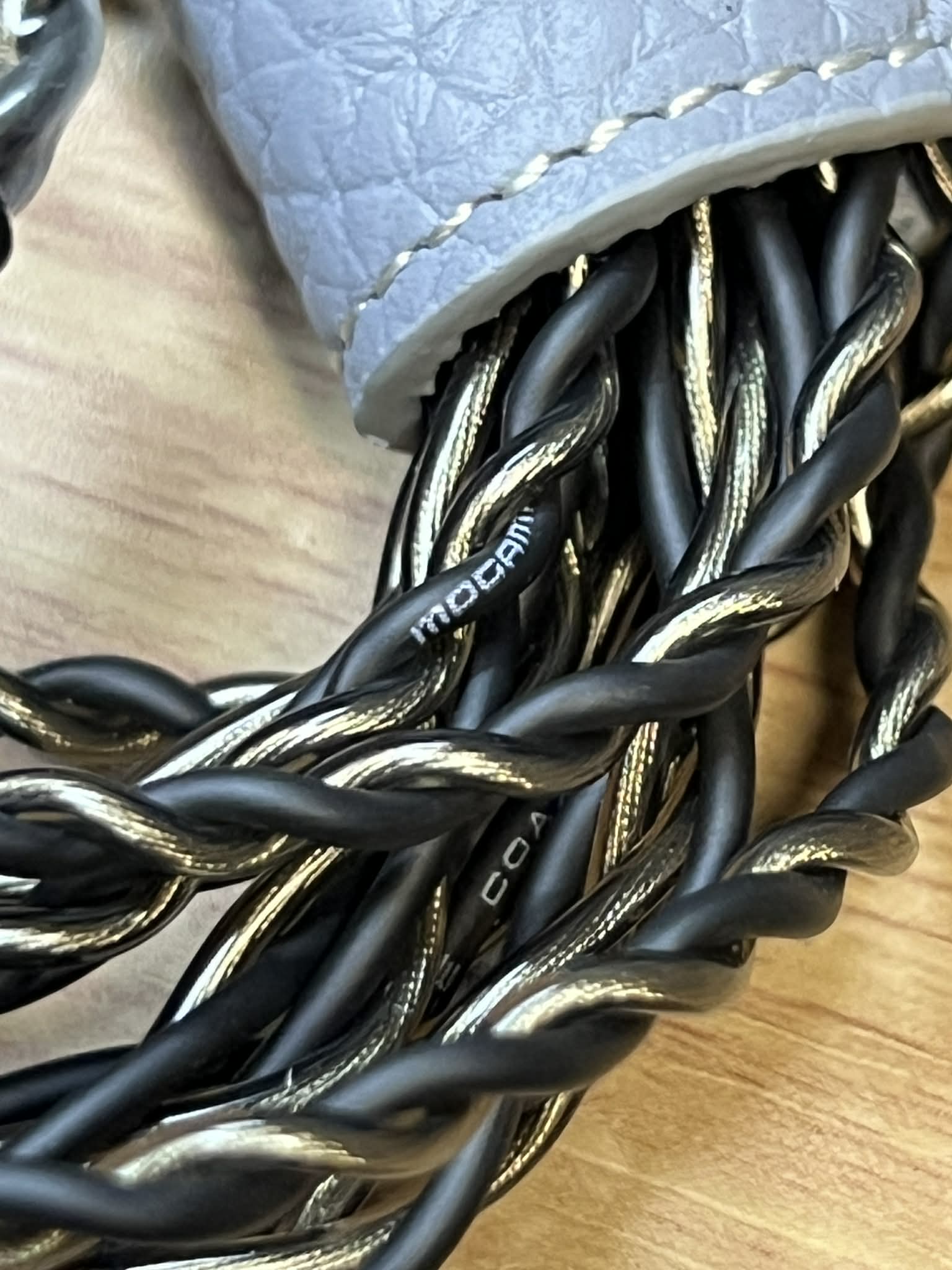
The accessories reinforce the flagship positioning. The included Japanese Mogami coaxial core cable is a genuinely nice surprise. Mogami cables are more commonly found in professional studio environments, and seeing one bundled with an IEM is rare. It is well-built, flexible, and pairs nicely with the P2 Ultra both aesthetically and sonically. The leather case is another standout. Made from French calfskin of the same grade used by Hermès, it feels luxurious without being impractical. This is one of those cases you actually want to use rather than toss into a drawer.
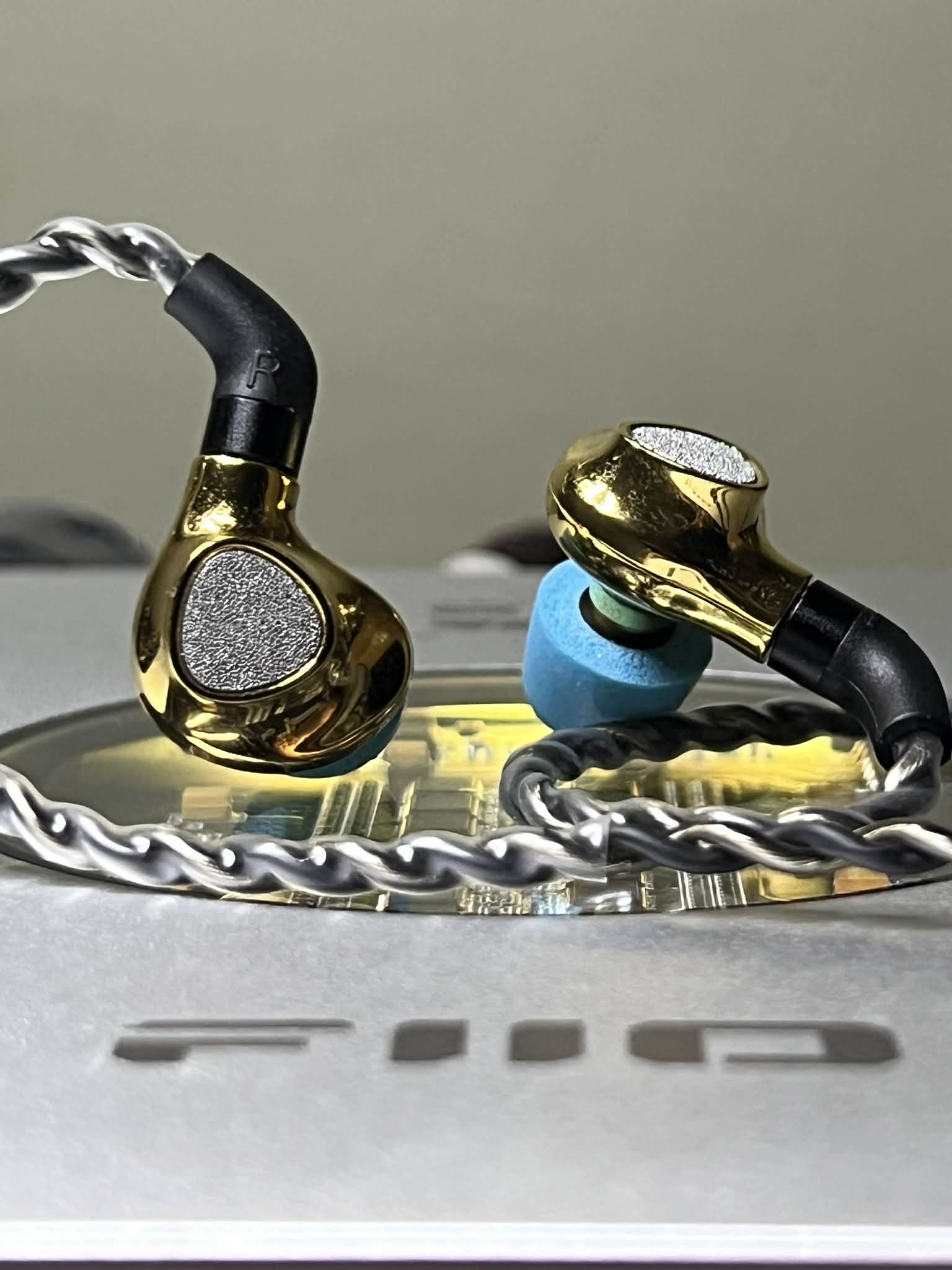
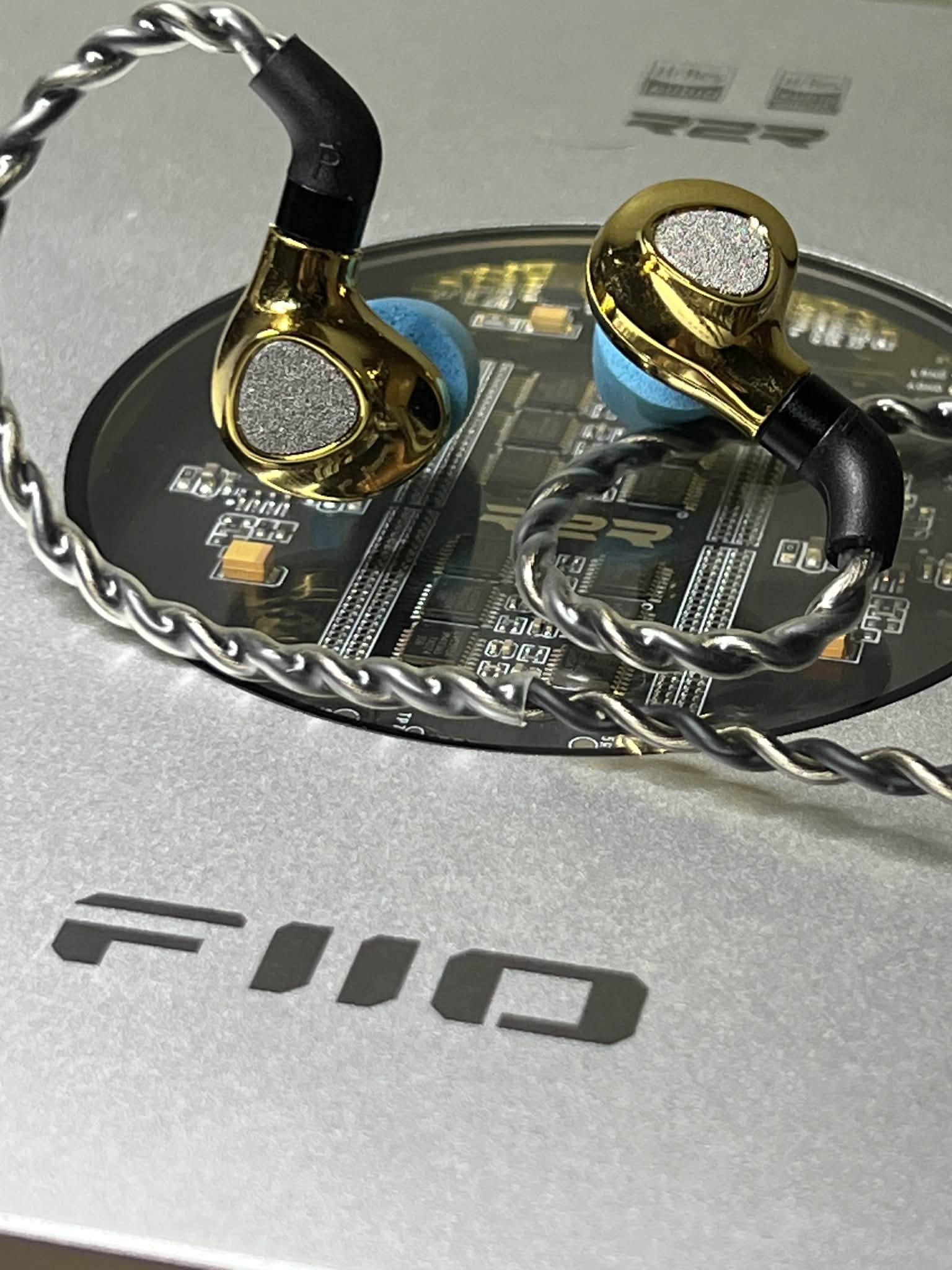
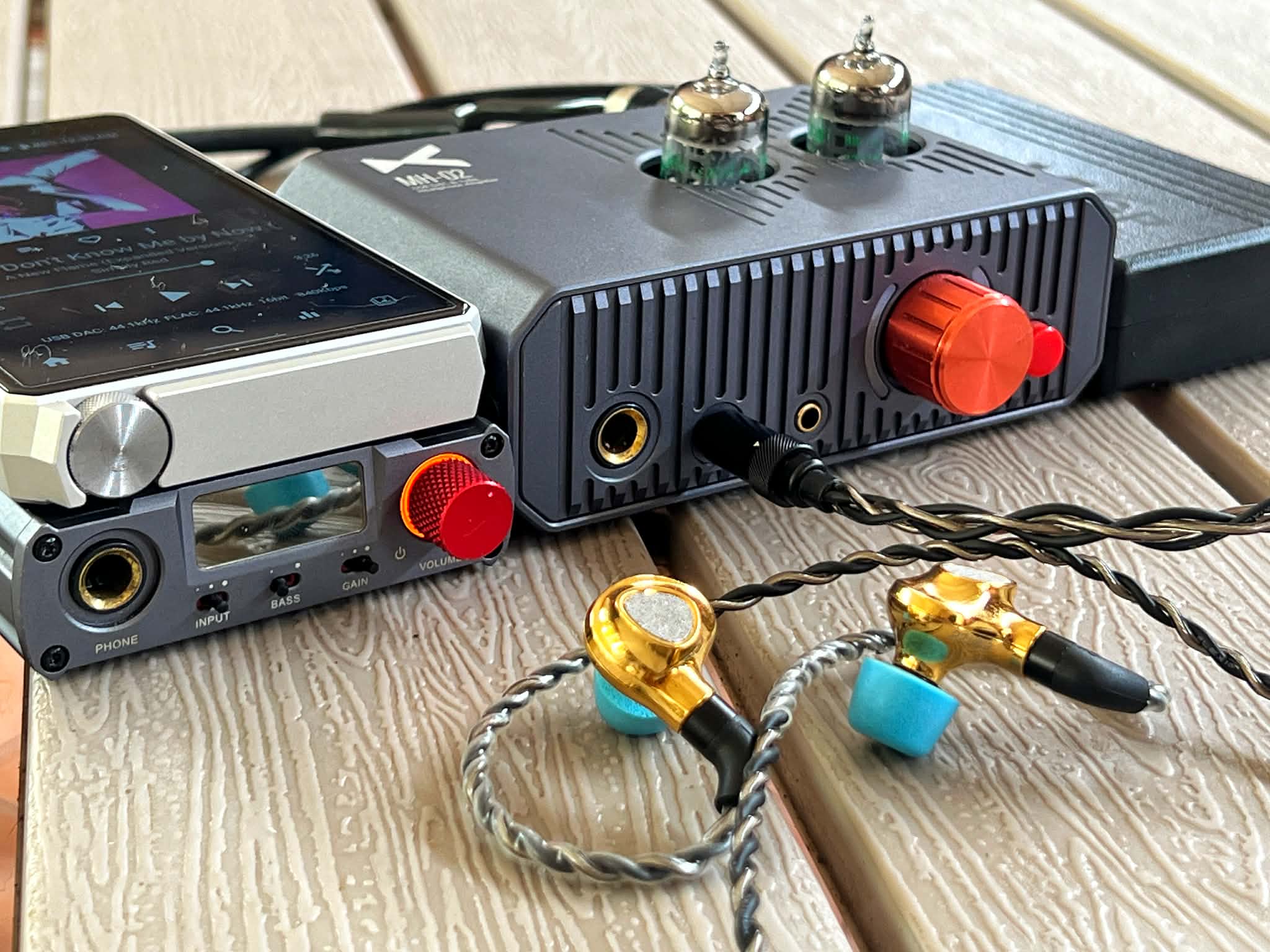
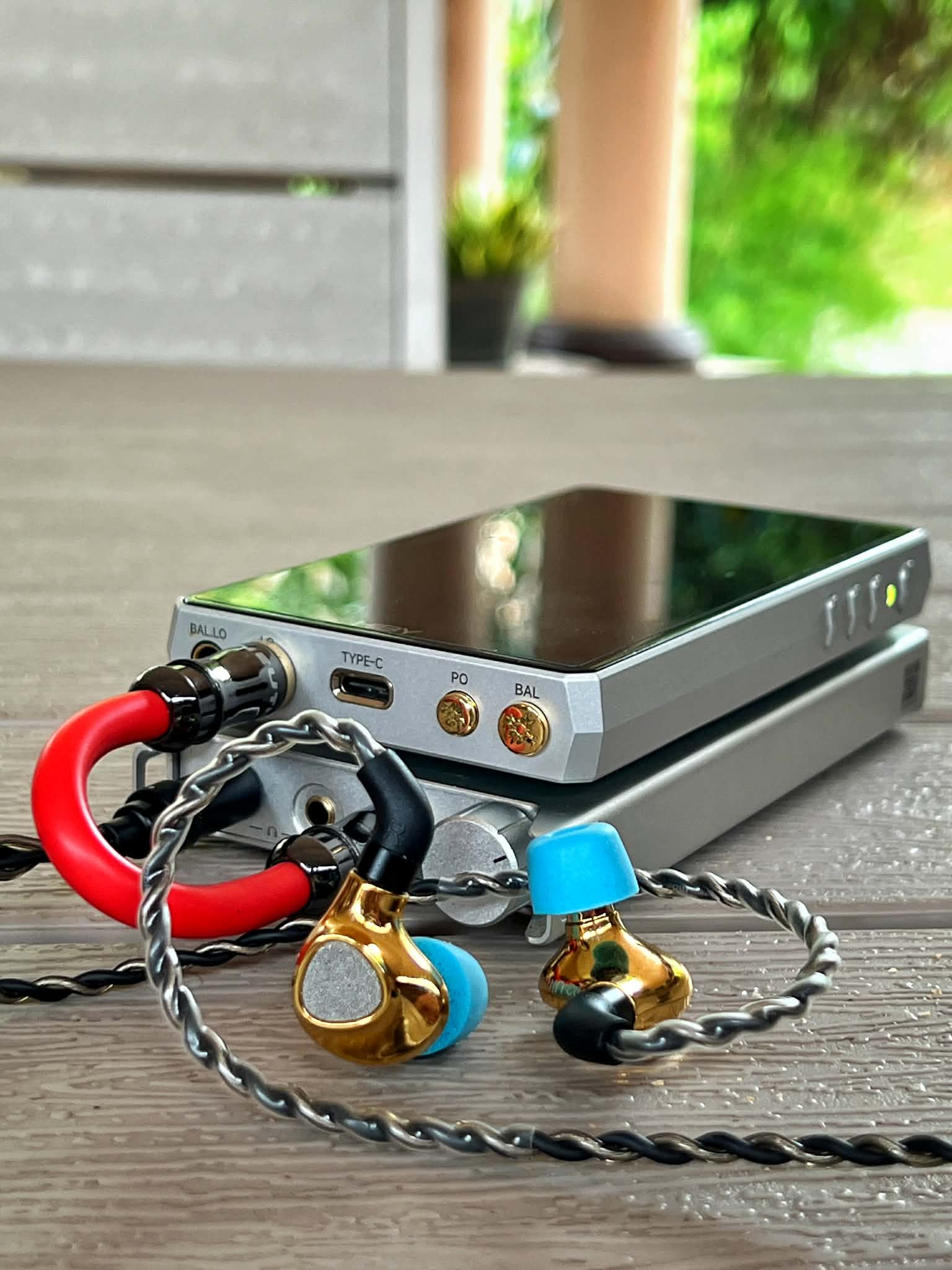
For listening, I spent most of my time pairing the P2 Ultra with my desktop dac amp, FiiO k13 R2R, fiio jm21 dap as transpot paired with FiiO QX13, HiBy R6 III stacked with topping nx7 amp, i also use it with my Fosi Audio GR70 pure tube amp with the Fosi Q6 AKM dac, Across all these chains, one thing became immediately clear. The P2 Ultra is not a casual, plug-and-play IEM. This set wants power, and it scales noticeably with better amplification. On the HiBy R6 III DAP, I was hovering around 75 to 85 on high gain, which already tells you this is a demanding planar. It will play on a capable DAP, but once you feed it proper current from a stronger amp or desktop setup, it truly wakes up.
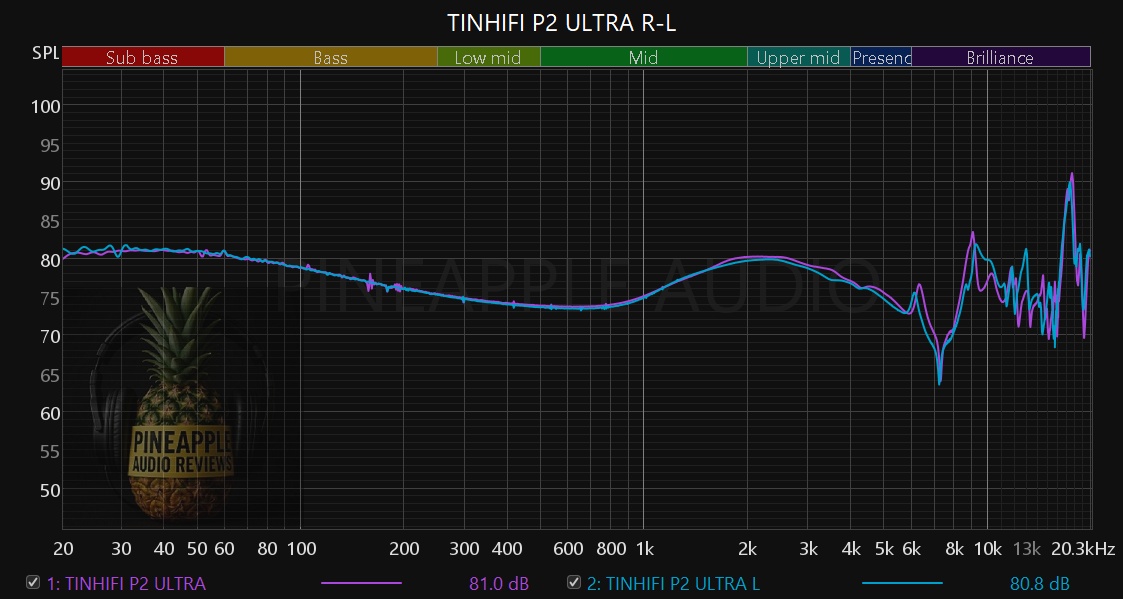
Sound-wise, the P2 Ultra sets a new personal benchmark for neutral planar tuning. This is a clean, fast, and highly resolving IEM, but it never crosses into sterile or lifeless territory. The neutrality here feels intentional and musical rather than clinical. There is no artificial warmth added to soften the presentation, no boosted bass to fake excitement, and no exaggerated treble to create a false sense of detail. What you get is an honest, transparent window into the recording.
Bass
Bass on the P2 Ultra is all about control and honesty. It is tight, clean, and very linear from top to bottom. This is not the kind of bass that tries to impress you in the first 10 seconds with sheer slam. If you are coming from a bass-boosted dynamic driver set, this will sound more restrained at first. But give it a bit of time and the quality of the low end really starts to show itself.
What stands out is the texture and speed. Notes start and stop exactly where they should, with no overhang or bloom. Sub-bass digs deep when the recording asks for it, delivering a proper sense of extension and rumble, but it never feels exaggerated or disconnected from the rest of the spectrum. It is there to support the music, not to dominate it. Mid-bass is equally disciplined, staying tight and well-shaped with absolutely no bleed into the lower mids. Kick drums sound clean and defined, bass guitars have clear note separation, and nothing feels smeared or soft around the edges.
Power also plays a big role here. On weaker sources, the bass can come across as a little polite. Feed the P2 Ultra with a capable amp and things change noticeably. The low end gains weight and authority, hitting with more conviction while keeping that planar speed and control intact. Electronic tracks benefit from the added punch, while acoustic bass lines sound articulate and natural, with each note clearly outlined. It is a bass presentation that rewards good amplification and careful listening, favoring precision and realism over brute force.
Midrange
The midrange is where the P2 Ultra starts to show its maturity. Vocals and instruments have a sense of density and realism that I often find missing in planar IEMs, especially ones that lean too hard into sounding clean or analytical. Here, notes feel full, grounded, and properly weighted, not thin, papery, or overly etched just to create the illusion of detail.
Both male and female vocals come through naturally and sit exactly where they should in the mix. There is no weird push or recession, no artificial sweetness added on top. Timbre sounds right, whether it is the body of a male vocal, the air in a female vocal, or the natural resonance of acoustic instruments. Clarity is excellent, but it never crosses into sounding clinical. You hear details because they are there in the recording, not because the IEM is forcing them forward.
What really impressed me is how effortless the presentation feels. The planar driver handles complex passages with ease, even when the track gets dense or layered. Busy mixes stay organized, with instruments clearly separated and vocals never getting buried. There is no sense of strain, compression, or congestion, even at higher volumes. Everything just flows naturally, giving the music a relaxed yet confident presentation that makes long listening sessions easy and genuinely enjoyable.
Treble
The treble on the P2 Ultra is one of those areas that quietly grows on you the longer you listen. At first, it might not jump out as flashy or immediately exciting, but that is exactly the point. It is tuned with a lot of maturity and self-control, giving you a clean, extended top end without resorting to exaggerated sparkle or sharp peaks just to sound impressive.
Detail retrieval is excellent, but it never feels forced. You hear the fine texture in cymbal work, the subtle overtones in strings, and the breath and bite in brass instruments without any sense of grain or glare. Cymbals in particular are handled beautifully. The initial hit has good snap, followed by a natural, airy decay that fades smoothly instead of cutting off abruptly or turning splashy. It sounds like metal vibrating in space, not a digital approximation of it.
String instruments come through with clarity and proper bite, but without that brittle edge that can make violins or acoustic guitars fatiguing over time. There is a nice balance between articulation and smoothness, letting you hear finger movement, bowing, and resonance without the sound becoming sharp or thin. Brass instruments are another highlight. Something like Miles Davis’ trumpet has the right amount of energy and bite, with that unmistakable brassy character intact, but it never tips into harshness, even when the recording itself has some edge to it.
What really sells this treble tuning is how consistent and well-behaved it remains across volume levels. You can turn the P2 Ultra up without the top end suddenly becoming aggressive or shouty. That makes a huge difference for longer listening sessions. It is the kind of treble that respects your ears, allowing you to stay immersed in the music rather than constantly adjusting volume to avoid fatigue.
There is also a nice sense of air and openness up top that helps with imaging and separation. High-frequency details are clearly defined, contributing to a clean sense of space between instruments without making the presentation feel thin or overly airy. Everything stays grounded and cohesive.
In the end, this is a treble that prioritizes realism and long-term enjoyment over instant wow factor. It does not scream for attention, but it does its job exceptionally well. For listeners who value natural tone, proper extension, and fatigue-free listening, the P2 Ultra’s treble tuning feels thoughtful, refined, and very easy to live with.
Technicalities
On a technical level, the P2 Ultra is genuinely impressive, and this is where its flagship status really starts to make sense. Transients are quick and well-defined, with notes snapping into place cleanly and disappearing just as neatly. There is no smearing or softness around the edges, which gives the entire presentation a very composed and confident feel. Attacks sound natural and controlled rather than sharp or forced, striking a nice balance between precision and musicality.
Imaging is another strong point. Instrument placement is precise and stable, making it easy to lock onto individual elements in the mix. You can clearly tell where everything sits without having to strain or over-focus. Instrument separation is excellent as well, especially in busy tracks. Even when the arrangement gets dense, the P2 Ultra keeps things organized, allowing each layer to breathe without collapsing into a wall of sound.
The soundstage itself is not artificially stretched or exaggerated, and I actually appreciate that. Instead of chasing width for the sake of sounding “big,” the P2 Ultra focuses on proportion and realism. The stage feels well-balanced with good depth and a natural sense of space. There is clear separation between foreground and background elements, which adds to the overall realism and makes live recordings and well-mixed tracks especially enjoyable.
What really sets the P2 Ultra apart, though, is how dynamic and alive it sounds for a neutral planar IEM. A lot of neutral or reference-tuned sets end up sounding a bit too polite, almost emotionally distant, like they are more interested in being correct than being engaging. That is not the case here. The P2 Ultra has a sense of drive and energy that keeps the music feeling alive and expressive. Microdynamics are handled well, with subtle shifts in intensity coming through clearly, while macrodynamics have enough punch to make crescendos and drops feel satisfying.
Because of that, listening never feels like an exercise in analysis, unless you want it to be. You can sit back and enjoy the music, get pulled into the flow of a track, and forget about the gear for a while. That is something I value a lot, especially with a reference-leaning IEM.
The one real caveat is drivability. This is not an IEM you can casually plug into a weak dongle and expect it to perform at its best. It demands current and clean power. On underpowered sources, it can sound a bit restrained and less dynamic than it should. Feed it properly, though, and the difference is immediately noticeable. Dynamics open up, bass gains more authority, and the entire presentation tightens and becomes more cohesive. The P2 Ultra clearly scales with better amplification, and it does not apologize for it. If you are willing to meet it halfway with a capable chain, it rewards you with a level of performance that feels every bit flagship.
Comparison: TinHifi P2 Ultra vs Sivga Nightingale Pro
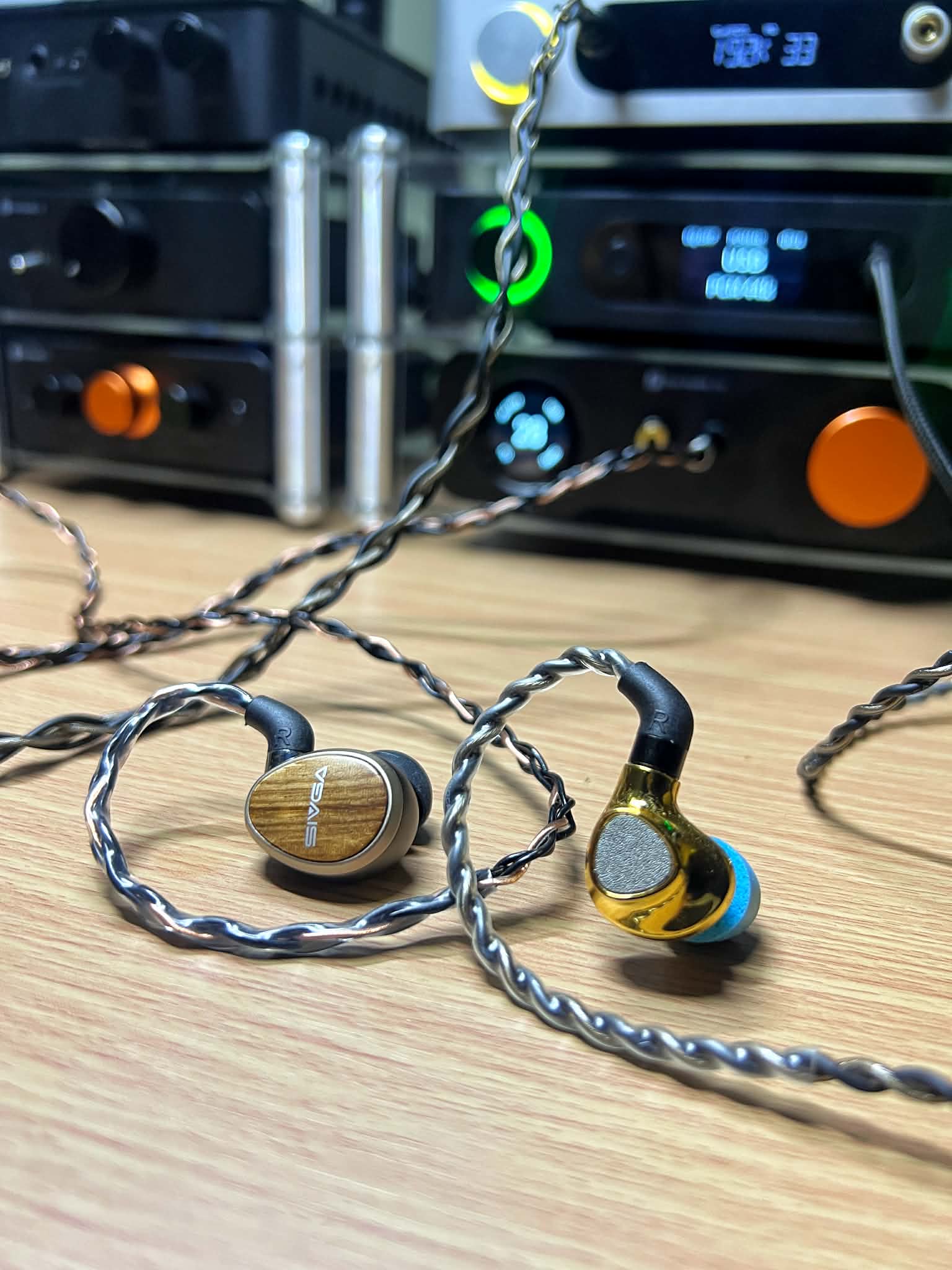
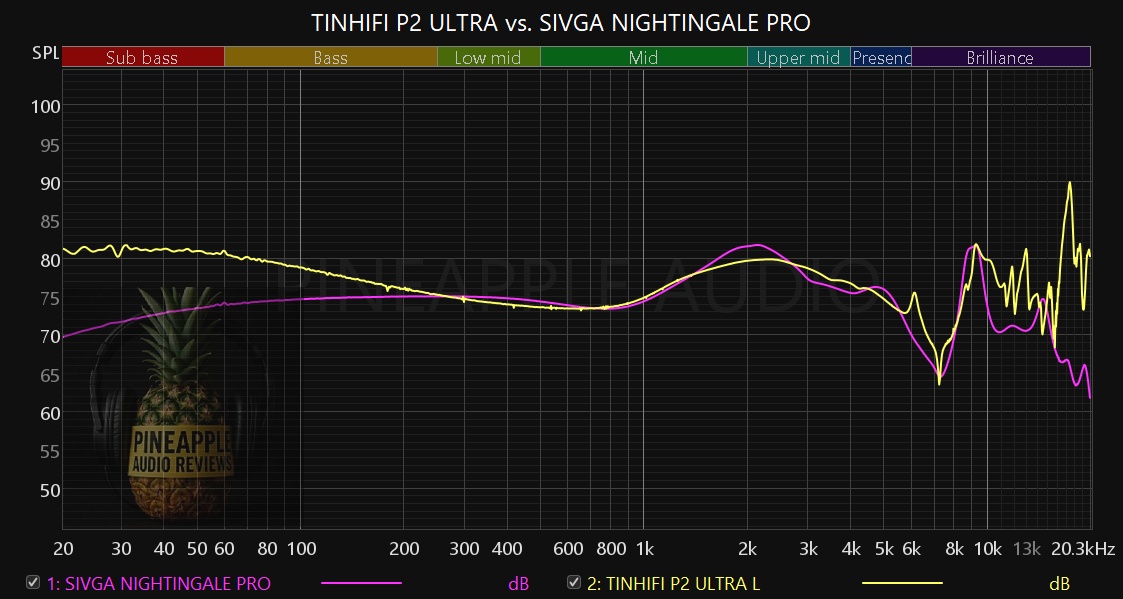
The Sivga Nightingale Pro is Sivga’s current flagship planar IEM, built around a large 14.5mm planar driver, and it makes for an interesting contrast to the P2 Ultra. On paper and on the graph, the Nightingale Pro shows a noticeable bass roll-off, which might raise some eyebrows at first glance. In actual listening, though, the low end is very much present. It is tight, controlled, and well-behaved, just not pushed forward in the mix.
That bass tuning gives the Nightingale Pro a slightly more mid-focused presentation. The midrange comes through with a bit more emphasis, putting vocals closer to the listener without sounding shouty or overly aggressive. Vocals have good body and presence, and the overall presentation feels intimate and engaging, especially for vocal-centric tracks. There is also a pleasant sense of warmth and lushness in the mids that makes the Nightingale Pro sound smooth and inviting, particularly with acoustic music and softer genres.
Compared to that, the P2 Ultra feels more balanced and even across the frequency range. Its tuning is smoother from top to bottom, with less emphasis on any single region. The low end on the P2 Ultra has more authority and extension when properly amped, while the mids sit a bit more neutrally in the mix. It does not push vocals forward as much as the Nightingale Pro, but instead presents them with a more reference-style balance.
Where the P2 Ultra really pulls ahead is in resolution and detail retrieval. Fine nuances, micro-details, and low-level information come through more clearly, giving it a more transparent and revealing presentation overall. The Nightingale Pro sounds rich and musical, with a pleasing warmth and vocal focus, but the P2 Ultra feels more technically capable, especially in complex tracks where layering and separation matter.
In short, the Nightingale Pro leans toward a warmer, more vocal-forward and lush sound, while the P2 Ultra goes for a cleaner, more balanced, and more resolving approach. If you value warmth and midrange intimacy, the Sivga has a lot of appeal. If you want higher resolution, better overall balance, and a more reference-leaning planar presentation, the P2 Ultra clearly has the edge.
Final Thoughts
In the end, the TinHifi P2 Ultra really comes across as a statement piece, the kind of release that clearly marks a turning point for the brand. It looks like a flagship the moment you see it, feels like a flagship when you pick it up, and most importantly, it sounds like a flagship once you start listening. Nothing about it feels half-baked or experimental for the sake of it. Every decision, from the build to the tuning, feels intentional and well thought out.
What makes the P2 Ultra stand out is its sense of maturity. This is not an IEM trying to win you over with gimmicks, exaggerated tuning, or short-term wow factor. Instead, it leans into honesty, realism, and long-term musical enjoyment. The planar driver is used in a way that highlights its strengths without falling into the usual traps of sounding thin, sterile, or emotionally distant. It manages to stay neutral and reference-leaning while still feeling engaging, textured, and alive.
This is an IEM clearly aimed at listeners who care about sound quality first and are willing to meet it on its own terms. Give it proper amplification and a clean source, and it rewards you with a level of refinement, control, and musicality that is hard to ignore. It scales, it responds to better gear, and it encourages you to slow down and really listen.
TinHifi didn’t just live up to its planar legacy here, it clearly pushed it forward. This feels like a brand that took everything it learned from its early planar experiments and refined it to the edge of what this tech can realistically deliver at the price. There’s a sense of confidence in how this is executed, like TinHifi knows exactly what it wants its planar to sound like and isn’t second-guessing itself anymore.
- Get link
- X
- Other Apps
- Get link
- X
- Other Apps
Comments
Post a Comment