Kiwi Ears Orchestra II : A Masterclass in All-BA Tuning
* Clean, well-balanced tuning with a mature, confident sound
* Impressive subbass depth and control for an all-BA IEM
* Midbass is punchy, textured, and well separated from the mids
* Natural, well-bodied lower mids with convincing timbre
* Clear, articulate vocals with good layering
* Airy, extended treble that adds detail without fatigue
* Strong separation, imaging, and overall coherence
* Excellent build quality with a solid, premium resin shel
Cons:
* Bass slam still won’t fully satisfy die-hard dynamic driver fans
* Soundstage is more controlled than expansive
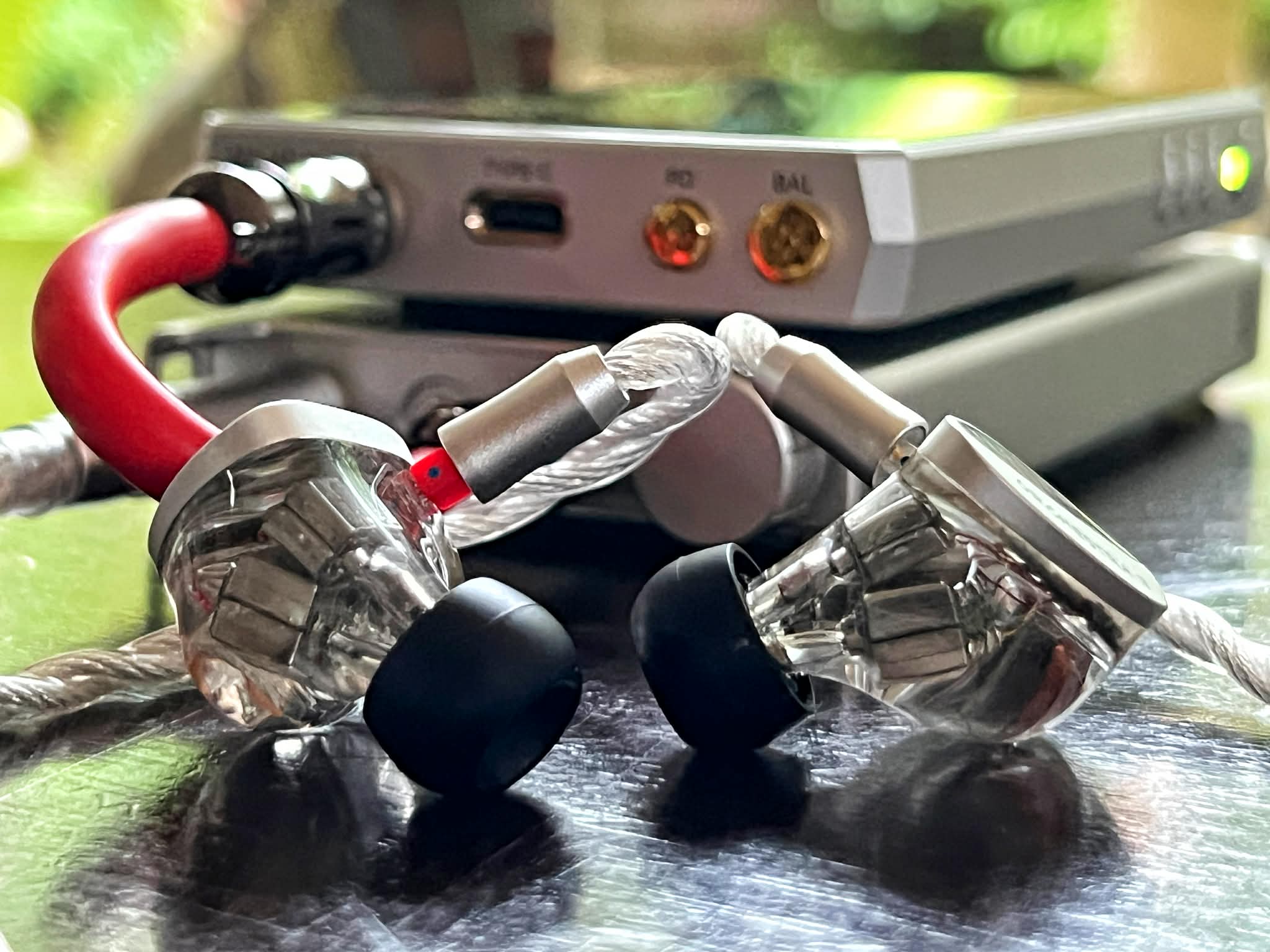
I haven’t spent time with the original Orchestra or the Orchestra Lite, so I came into the Orchestra II with genuinely fresh ears and zero expectations. No mental comparisons, no nostalgia, no preconceived tuning bias. Just plug it in and listen. And honestly, that made this experience even better.
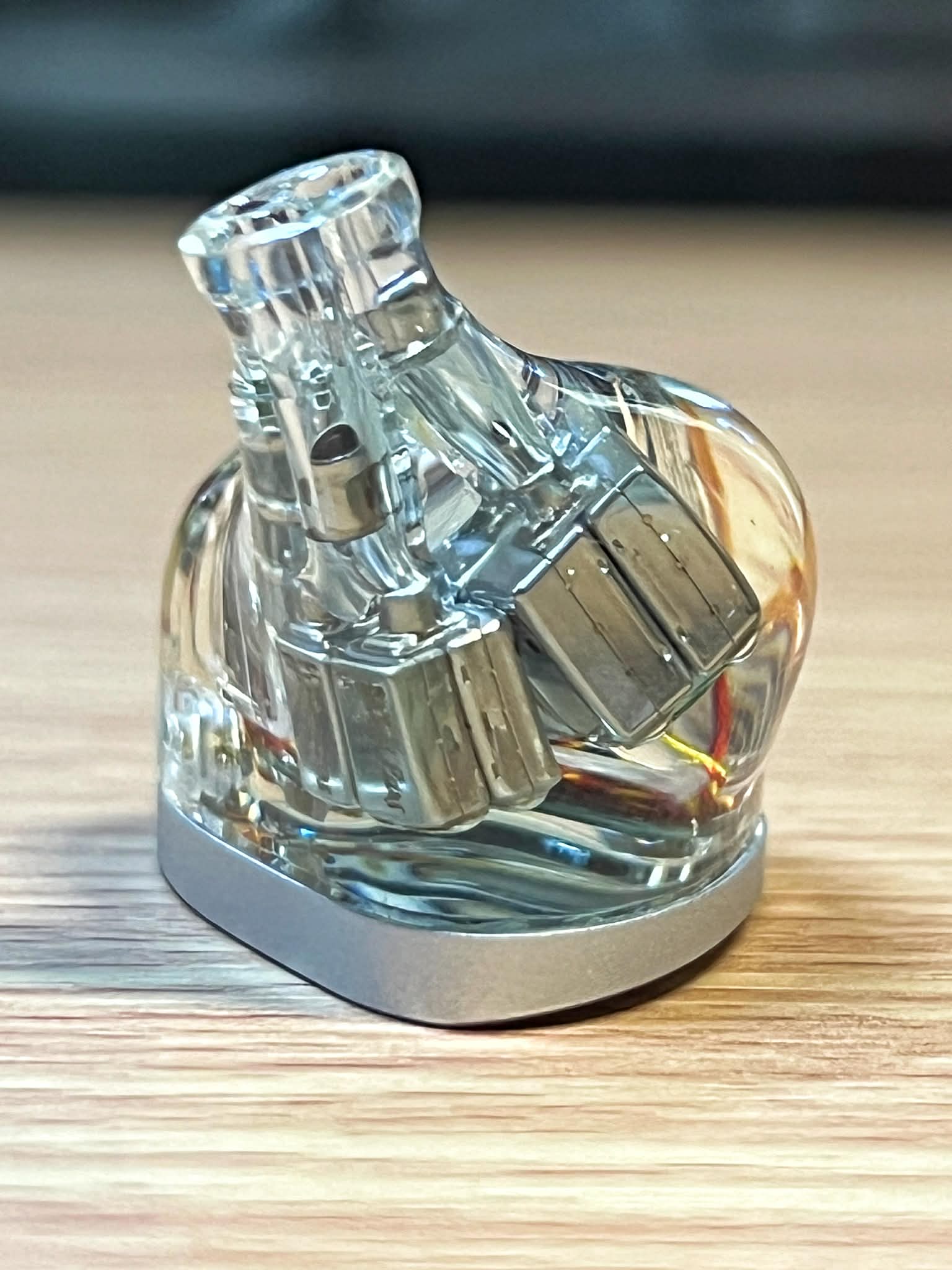
The Kiwi Ears Orchestra II is a full-send, no-compromise all balanced armature design. Ten BA drivers per side paired with a proper four-way crossover is not subtle at all. This set is clearly about control, separation, and precision. This is a deliberate design choice, and you can hear that intent almost immediately.
Based on Kiwi Ears’ tuning history, I went in expecting something clean, disciplined, and mid-focused, with a mild bass lift for balance and a strong emphasis on technical performance over pure fun. Basically, something that leans more analytical than emotional. On paper, that’s exactly what the Orchestra II looks like. A set built for layering, coherence, and accuracy, the kind of IEM you reach for when you want to hear into a mix rather than just vibe and enjoyment.
What caught me off guard is how engaging it actually is. Yes, it’s clean. Yes, it’s controlled. Yes, the technicalities are clearly a priority. But it doesn’t sound dry, sterile, or lifeless the way some all-BA sets can. There’s a musicality here that sneaks up on you. It has weight where it needs it, energy in the right places, and a natural flow that makes you want to keep listening instead of constantly analyzing.
The Orchestra II manages to strike that rare balance where you can enjoy it casually, then flip a switch and start paying attention to micro-details, imaging, and layering without feeling like you’re listening to a lab instrument. That’s not easy to pull off with an all-BA configuration, especially one this complex. It feels intentional, confident, and very well thought out, which honestly sets the tone for everything that follows once you really settle into the sound.
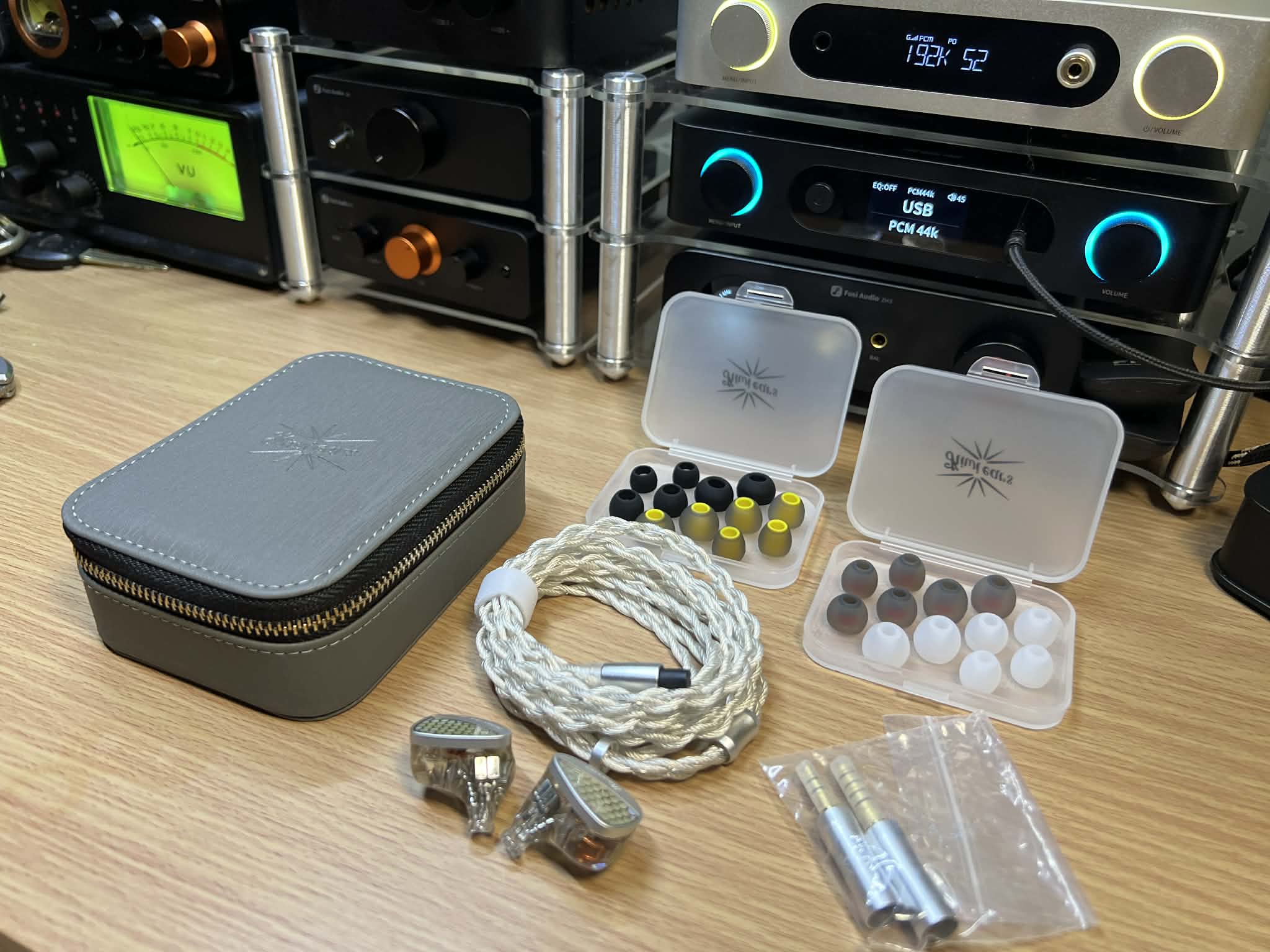
Whats inside the box? checkout my short unboxing video.
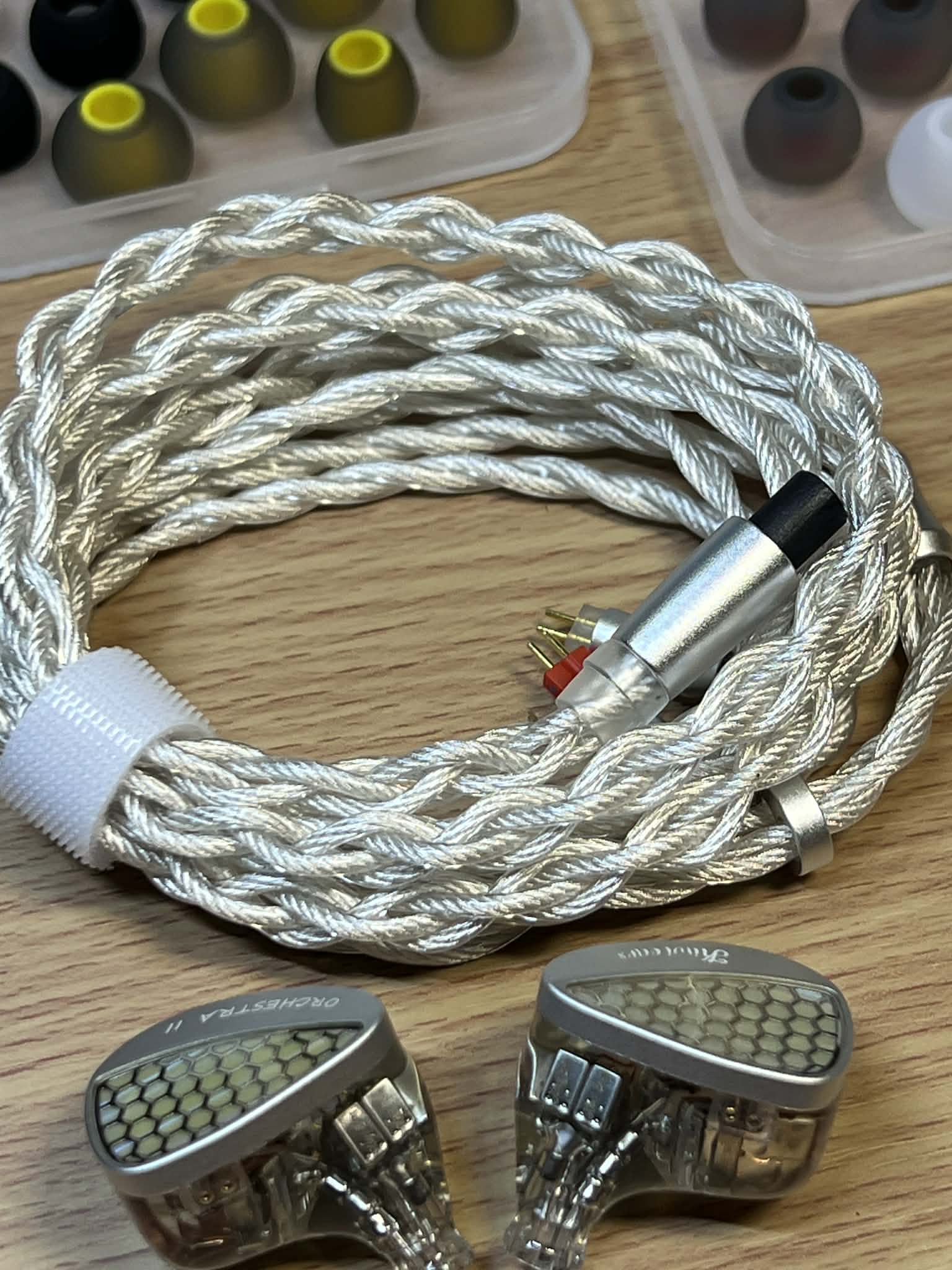
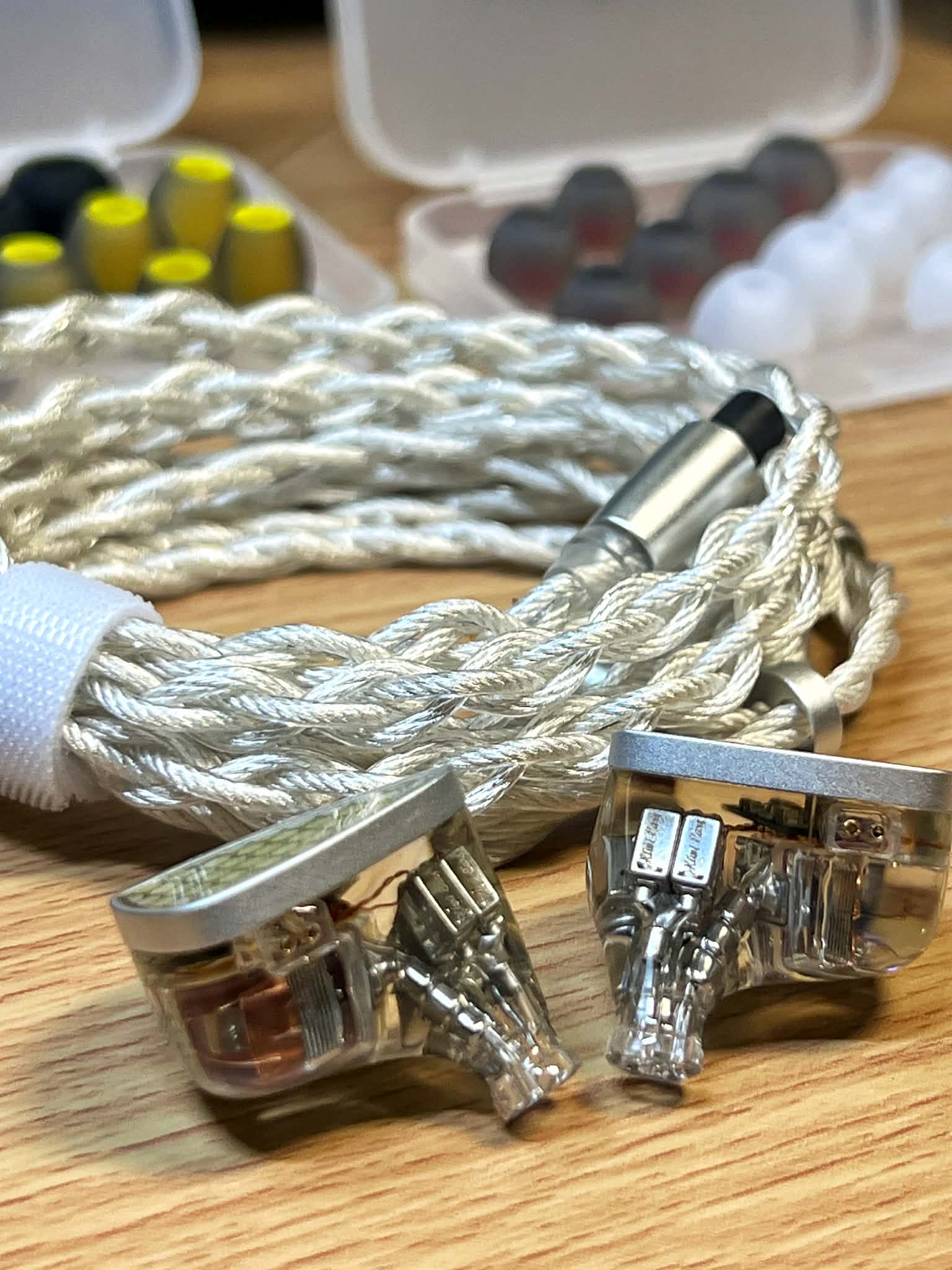
Build, Design, and Craftsmanship
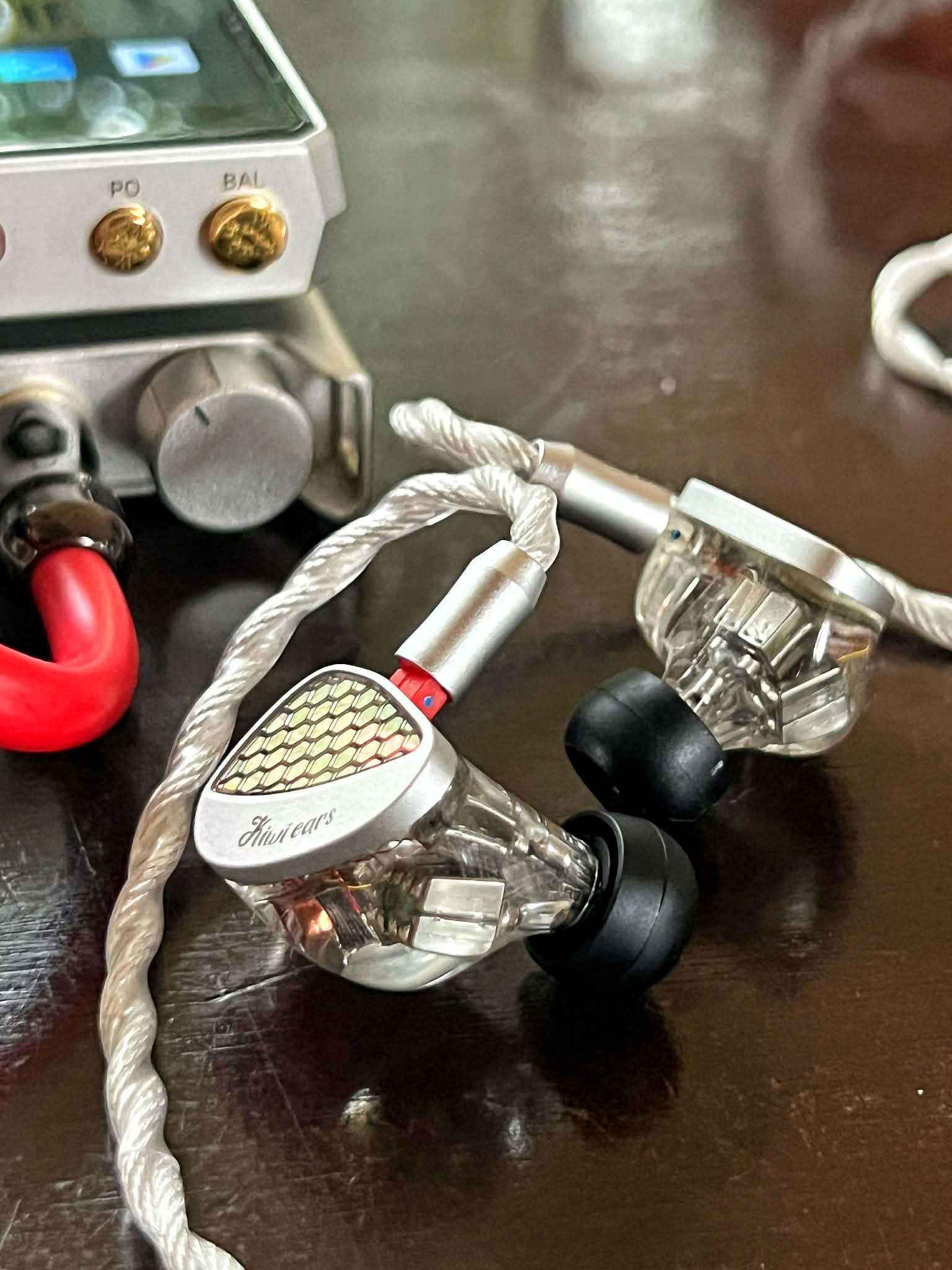
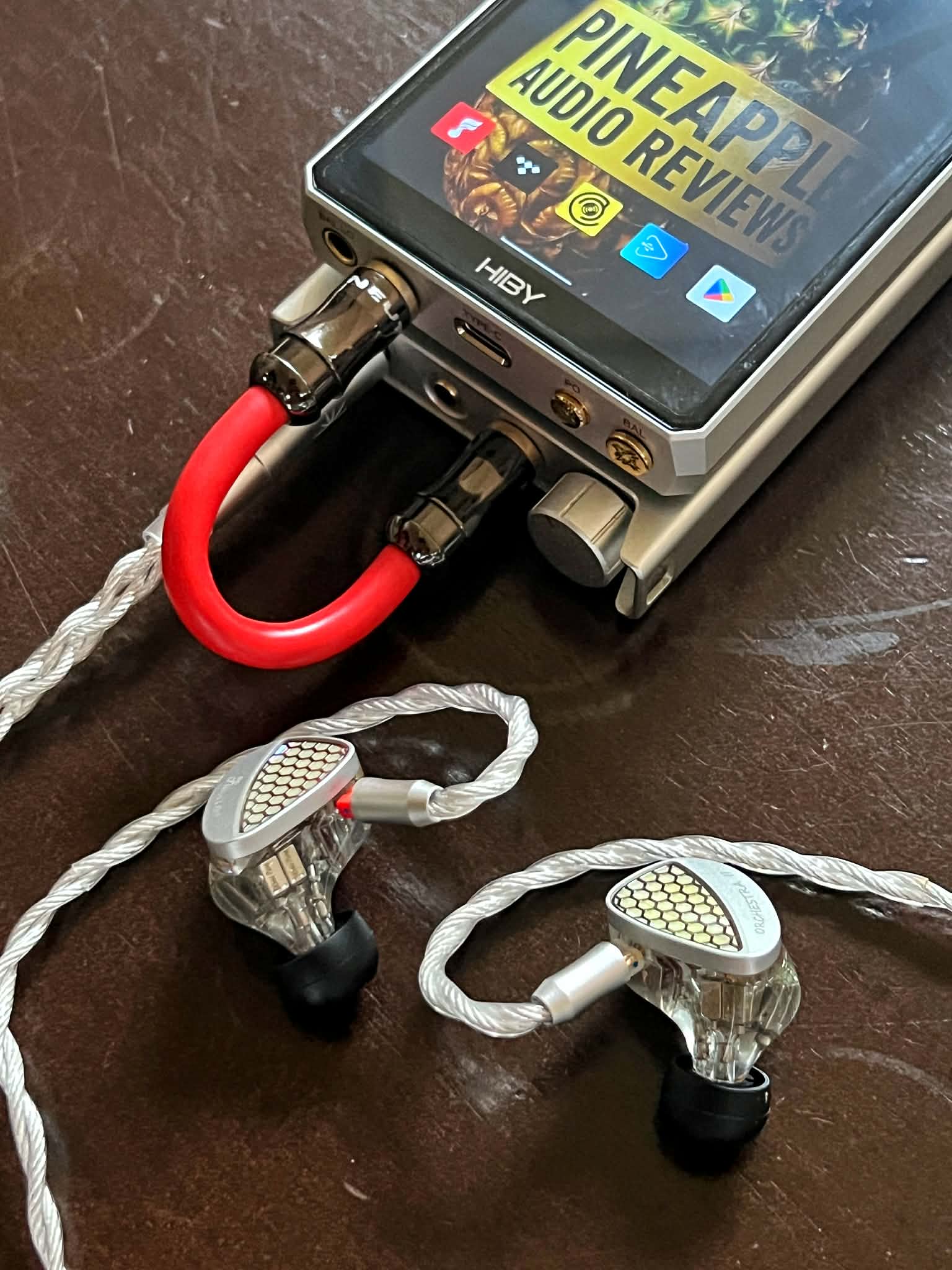
Most photos you’ll see online focus on the faceplate, and to be fair, it really does look great. It’s clean, classy, and that abalone-like finish has a subtle color shift that changes depending on how the light hits it. It’s tasteful rather than flashy, the kind of design that feels premium without screaming for attention.
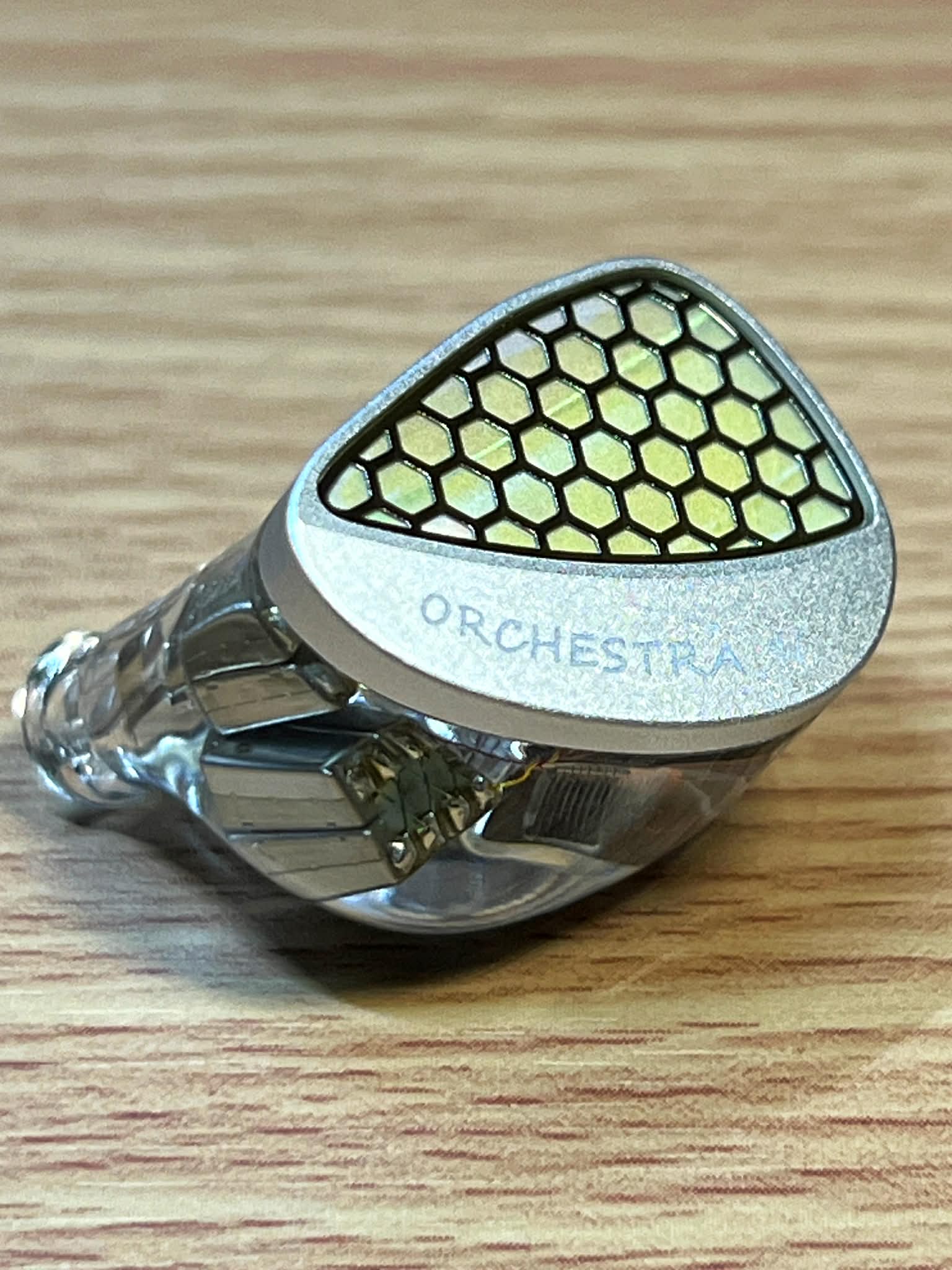
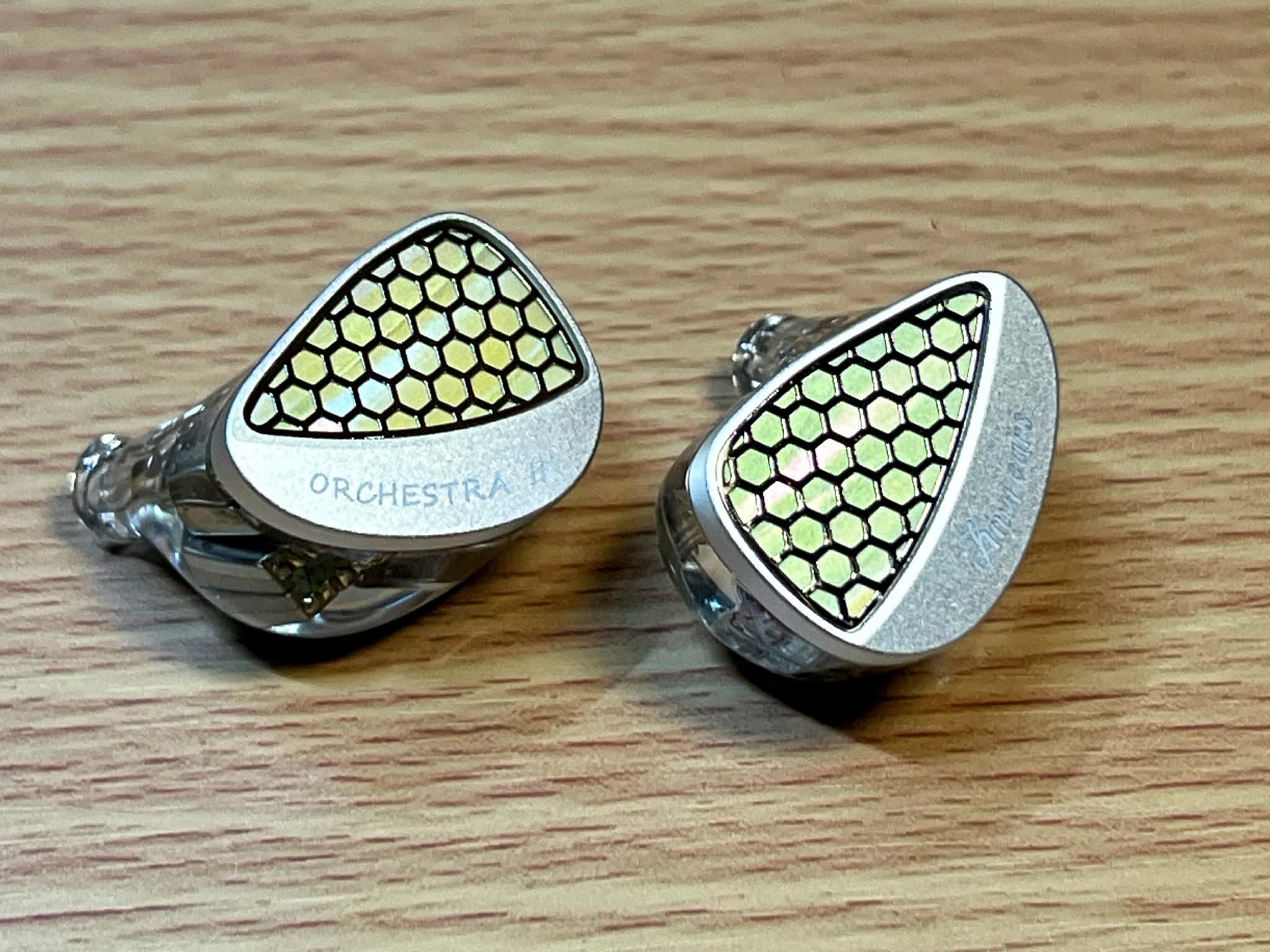
But honestly, the faceplate is only half the story. The real magic happens when you look at the filled resin shell up close.
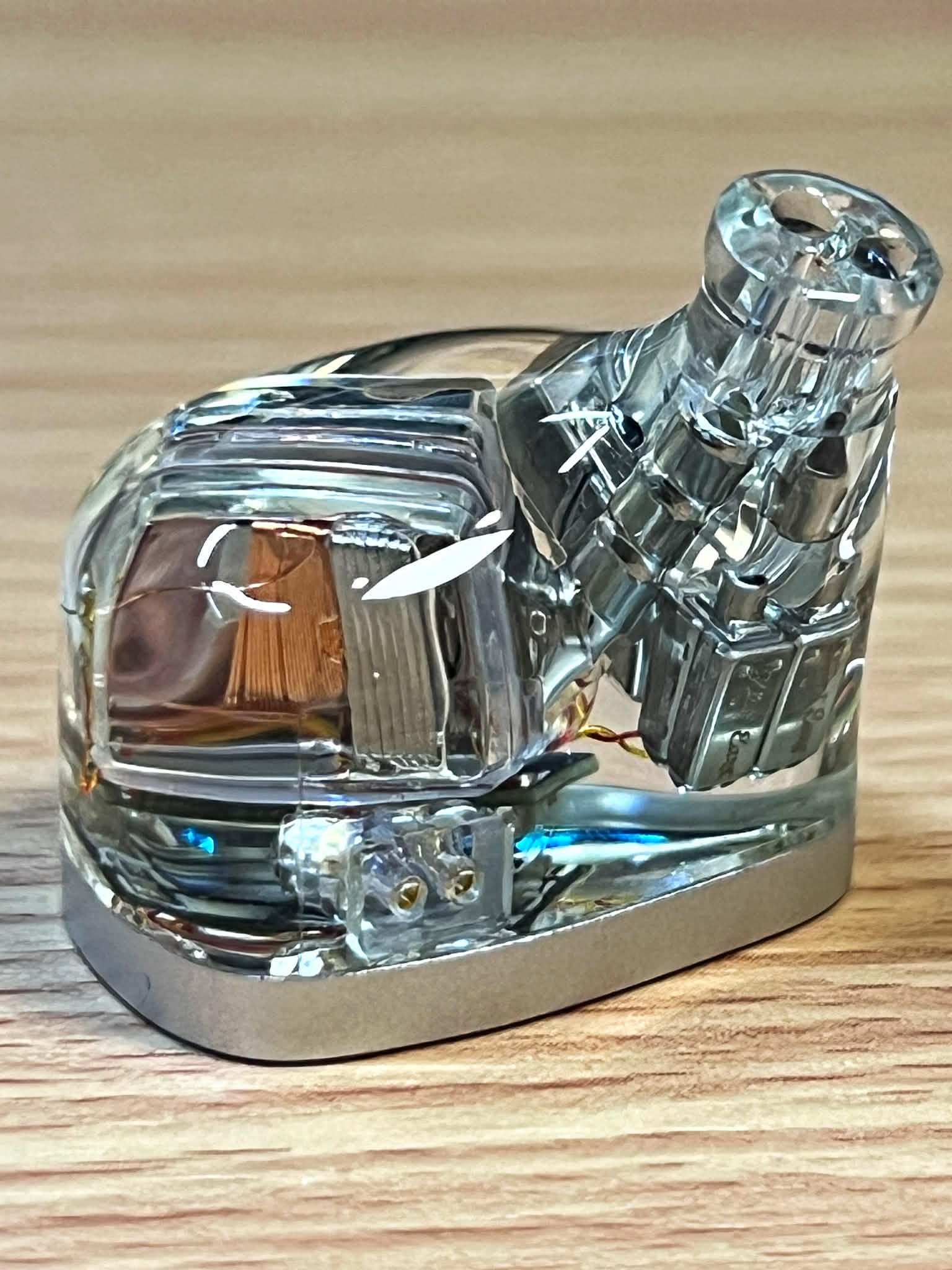
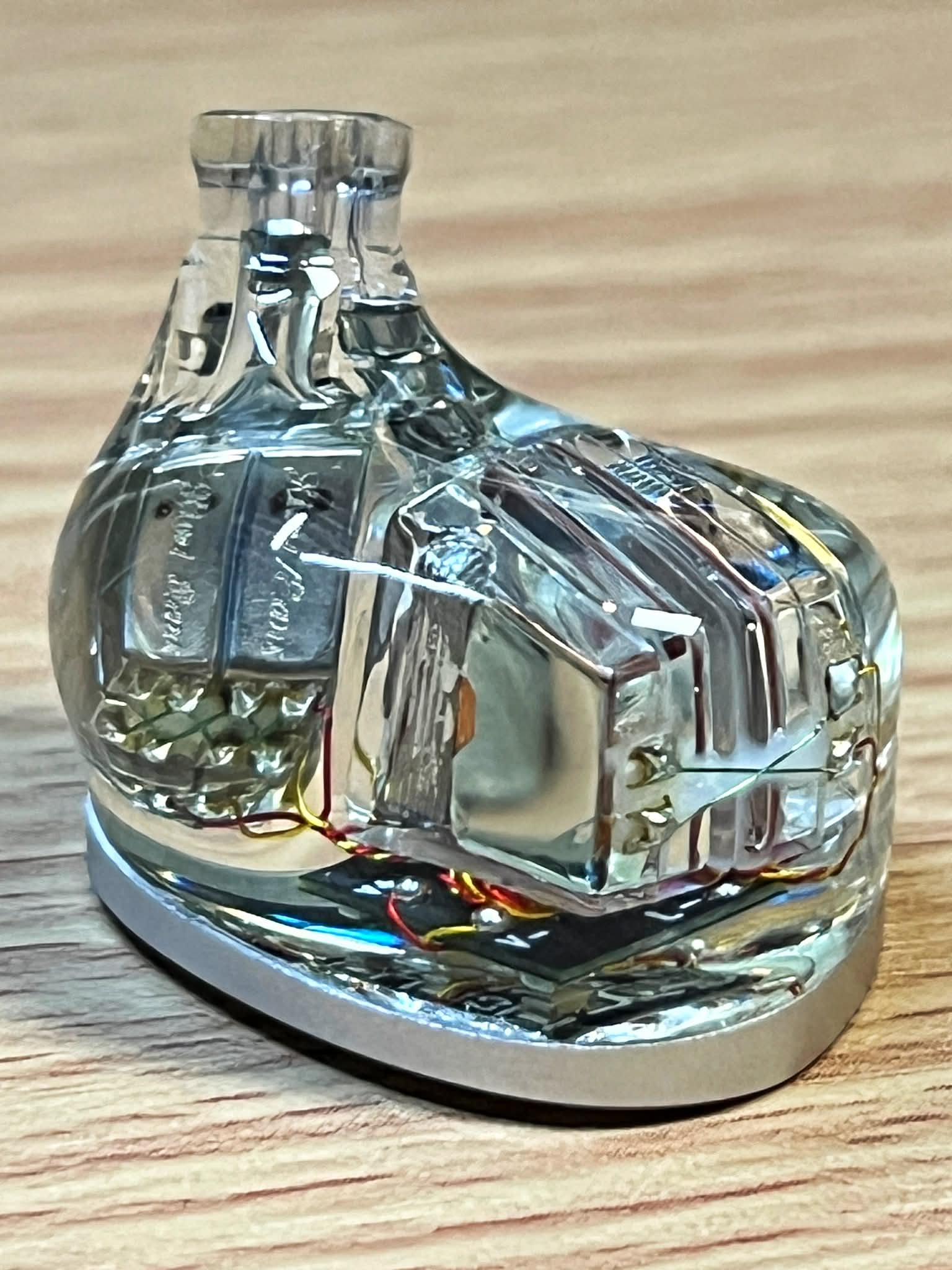
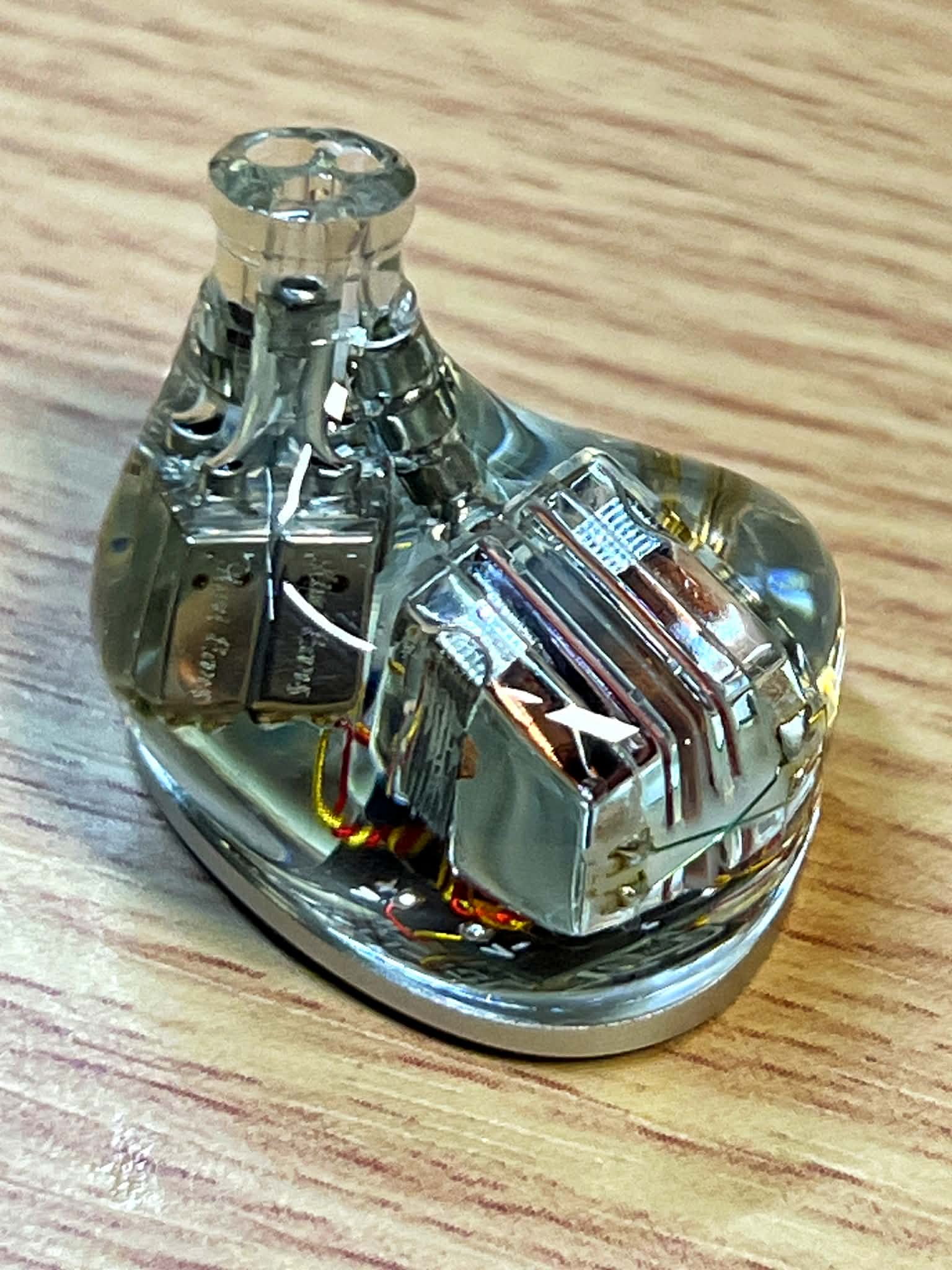
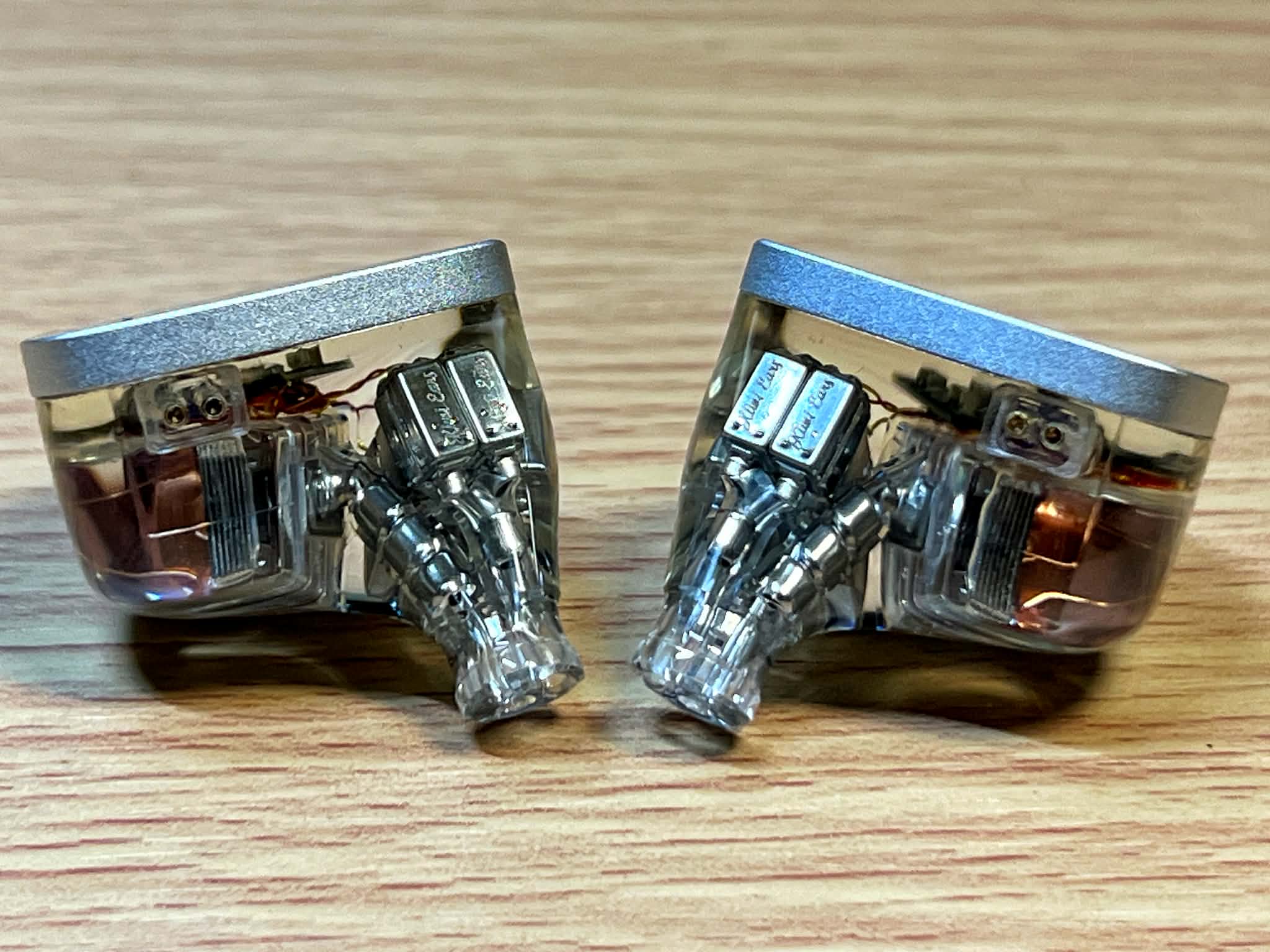
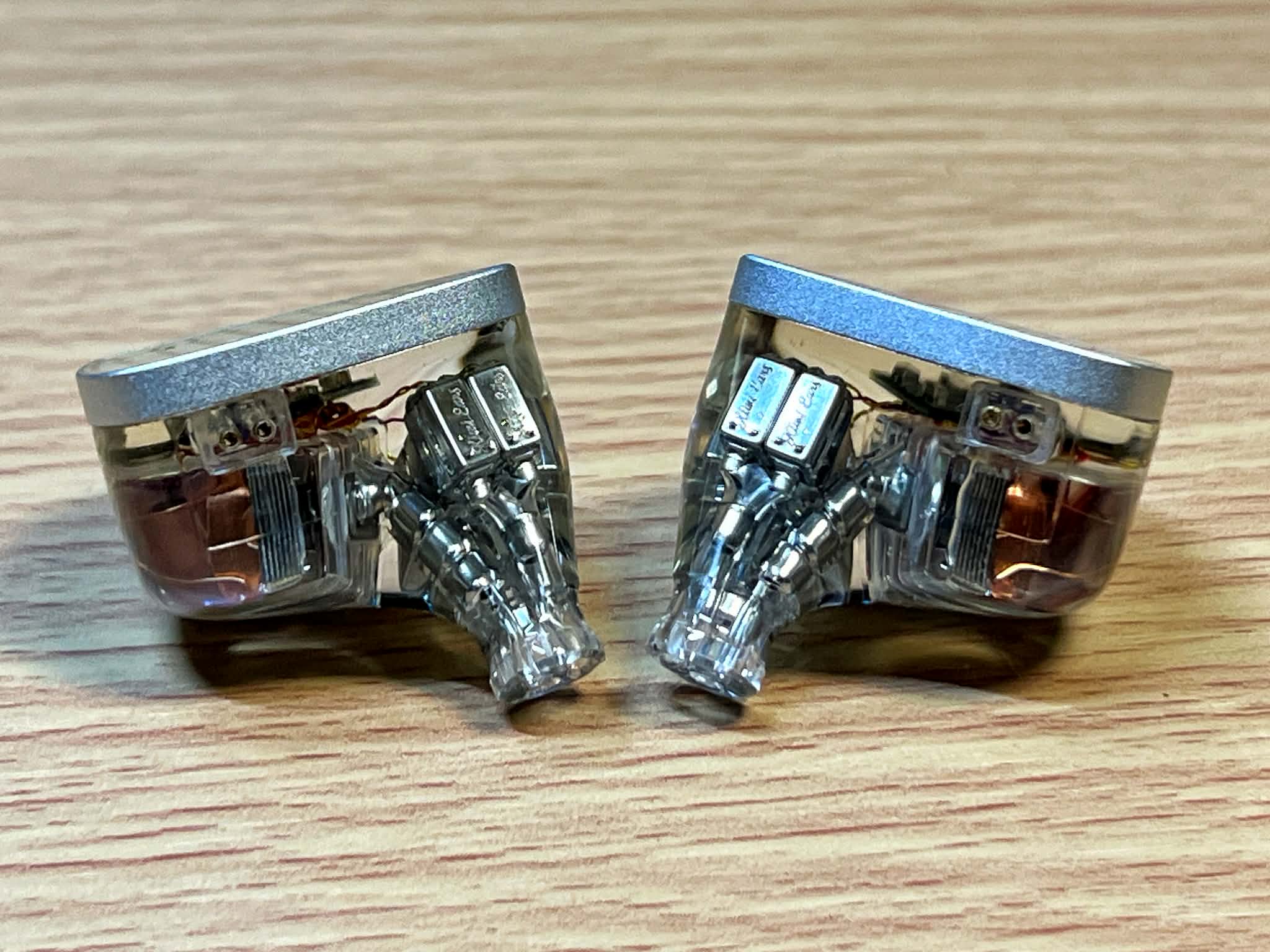
This is one of those IEMs where you catch yourself pausing the music just to stare at what’s going on inside. The transparent resin gives you a clear view of all ten balanced armature drivers, and you can actually see the Kiwi Ears branding printed on each BA. It’s not just cool to look at, it’s reassuring. It shows confidence in their work and pride in the engineering.
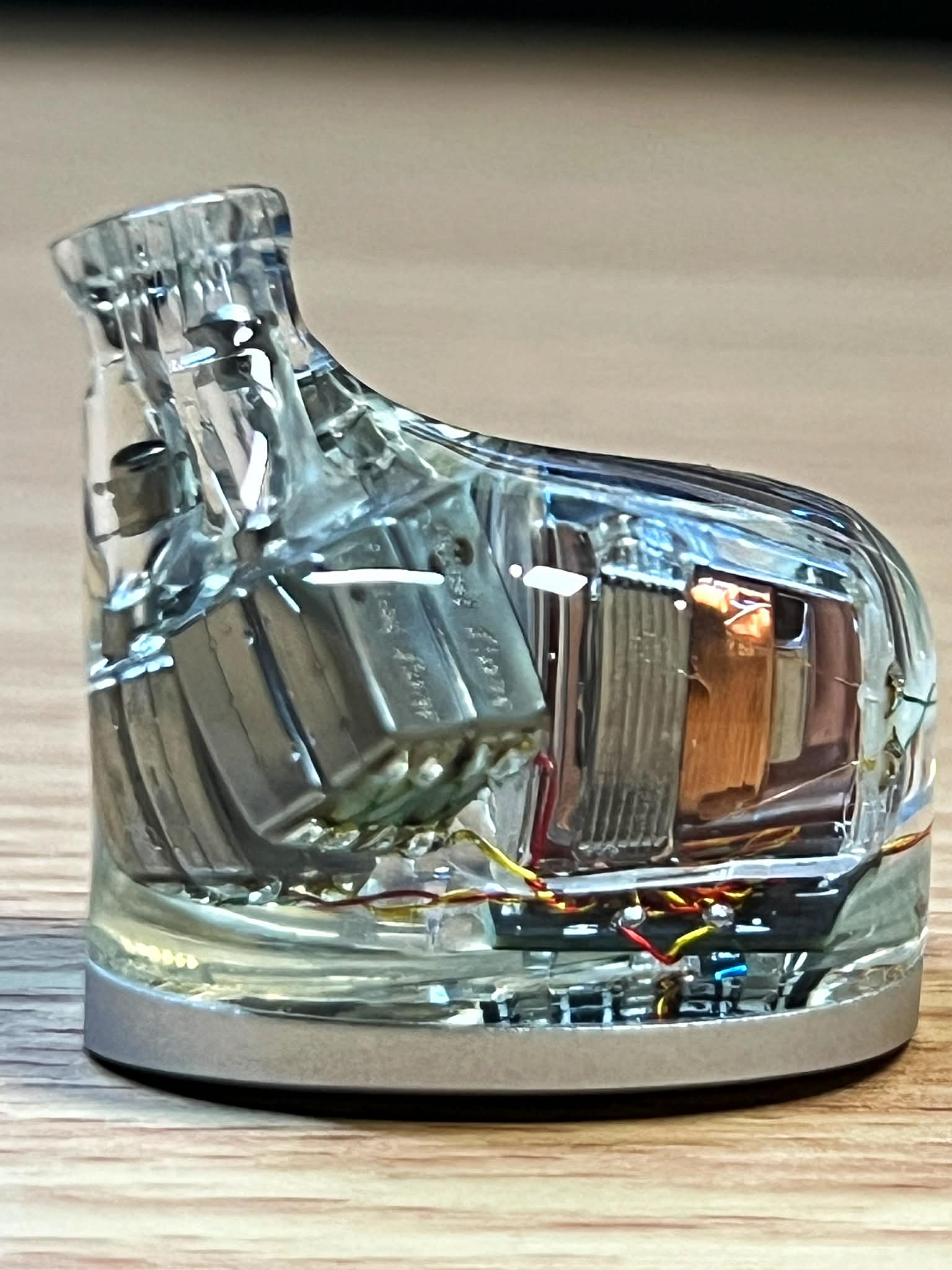
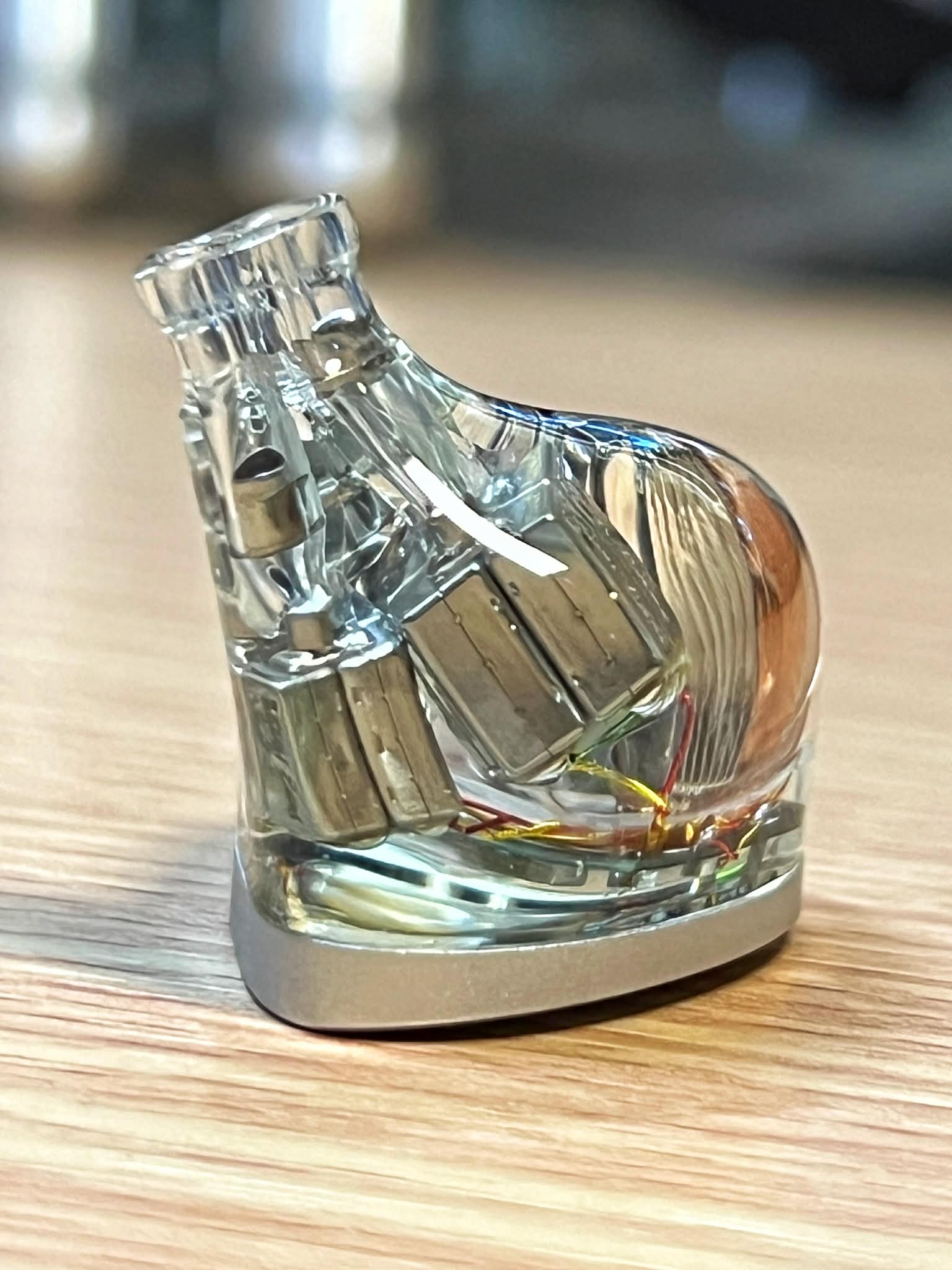
The internal layout is clean and very deliberate. The large, see-through bass-dedicated BA woofers stand out immediately, and you can tell they weren’t just squeezed in wherever they fit. Everything is arranged with purpose and tied together through a true four-way crossover, which goes a long way in explaining how coherent and well-separated the sound ends up being.
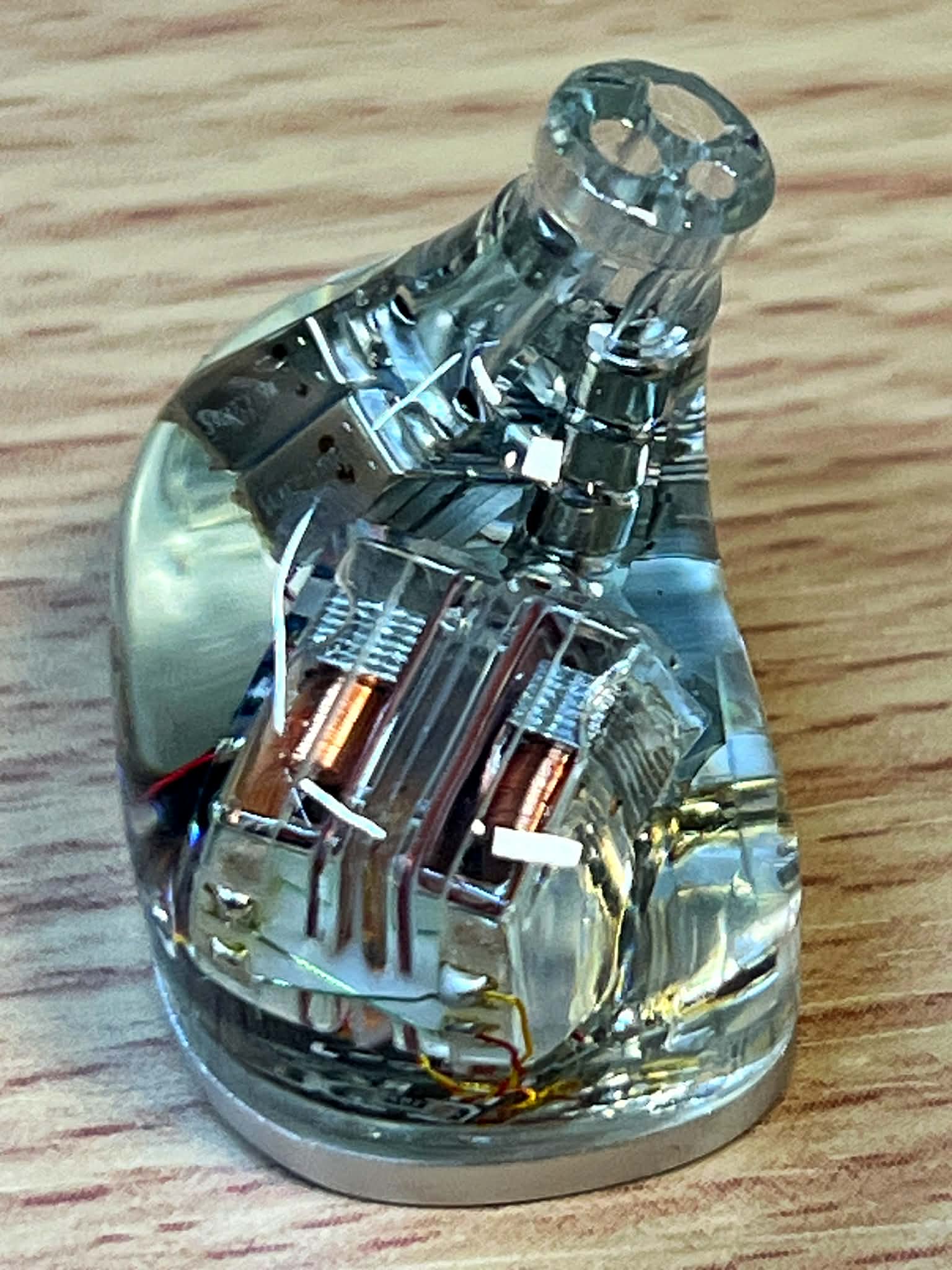
Then there’s the wiring. Silver-colored copper wires are neatly routed through the shell, carefully placed and almost artistic in how compact and organized everything looks. Nothing feels messy or rushed. It’s the kind of internal build that makes you think, yeah, someone actually cared about how this went together.
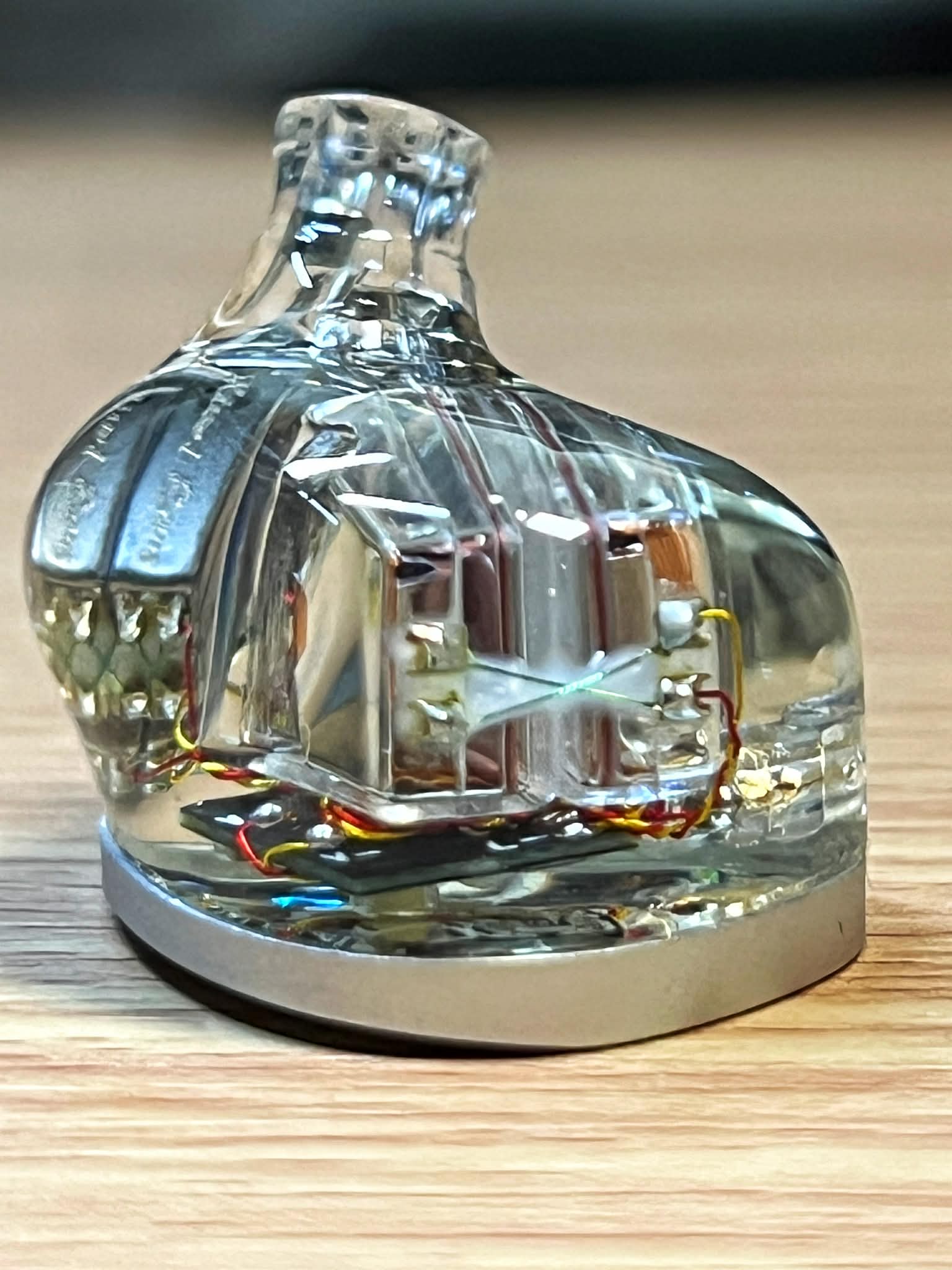
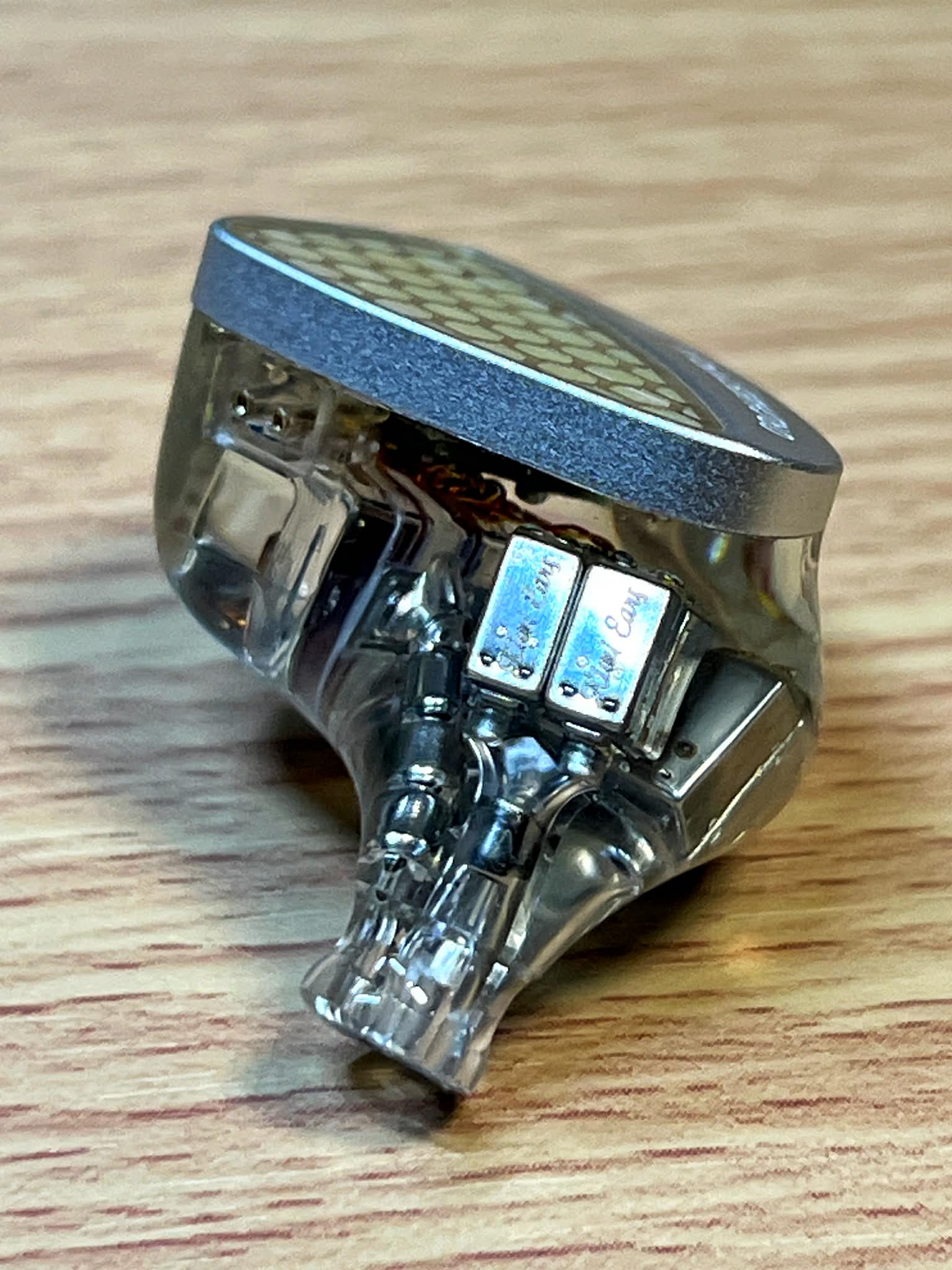
At no point does the Orchestra II feel like a pile of drivers dropped into a shell and sealed up (hello KZ). It feels engineered. Thoughtful. Properly handmade in the best sense of the word. This was one of those moments where I completely stopped thinking about tuning, price, or driver count and just appreciated the craftsmanship on display.
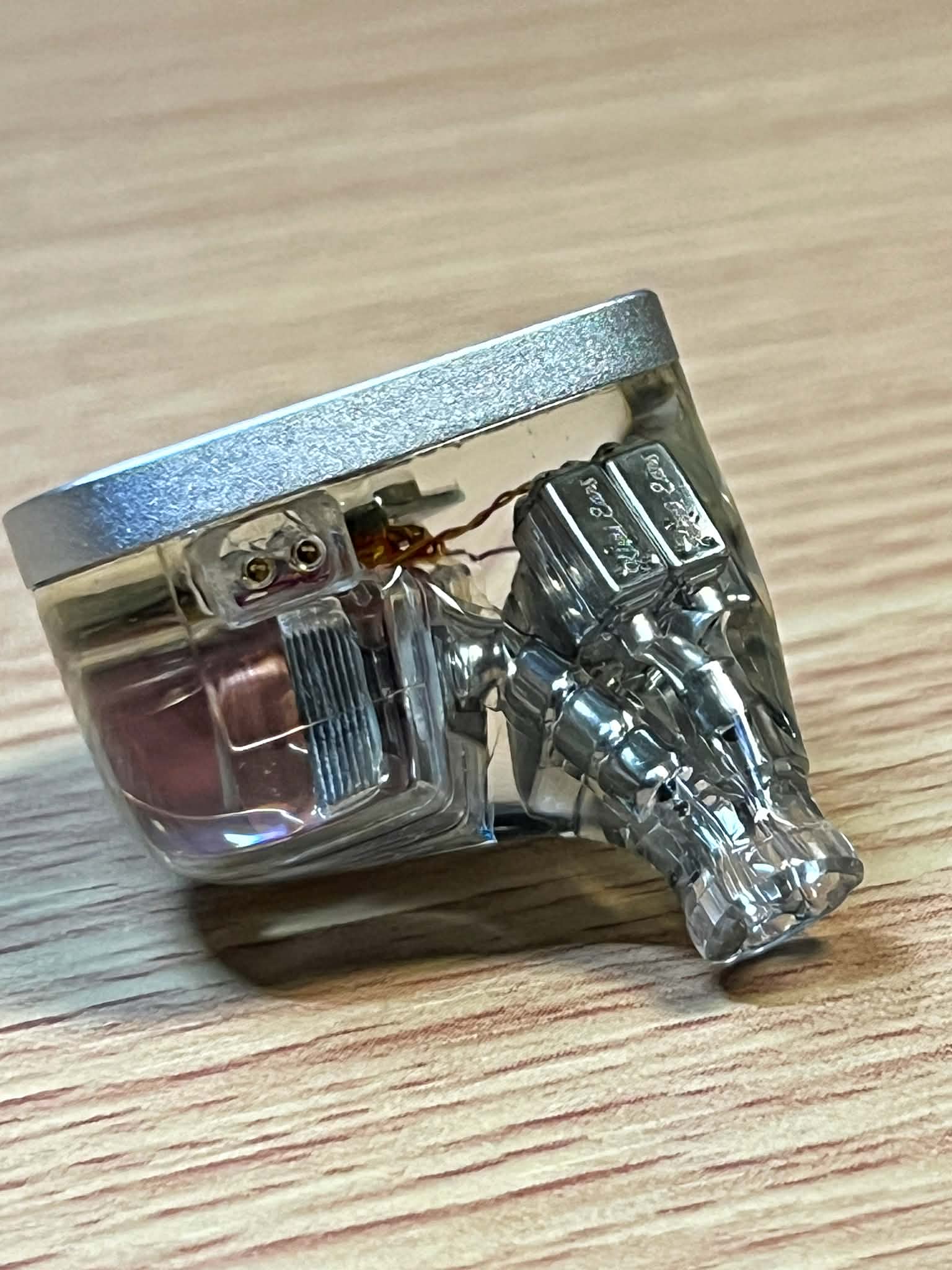
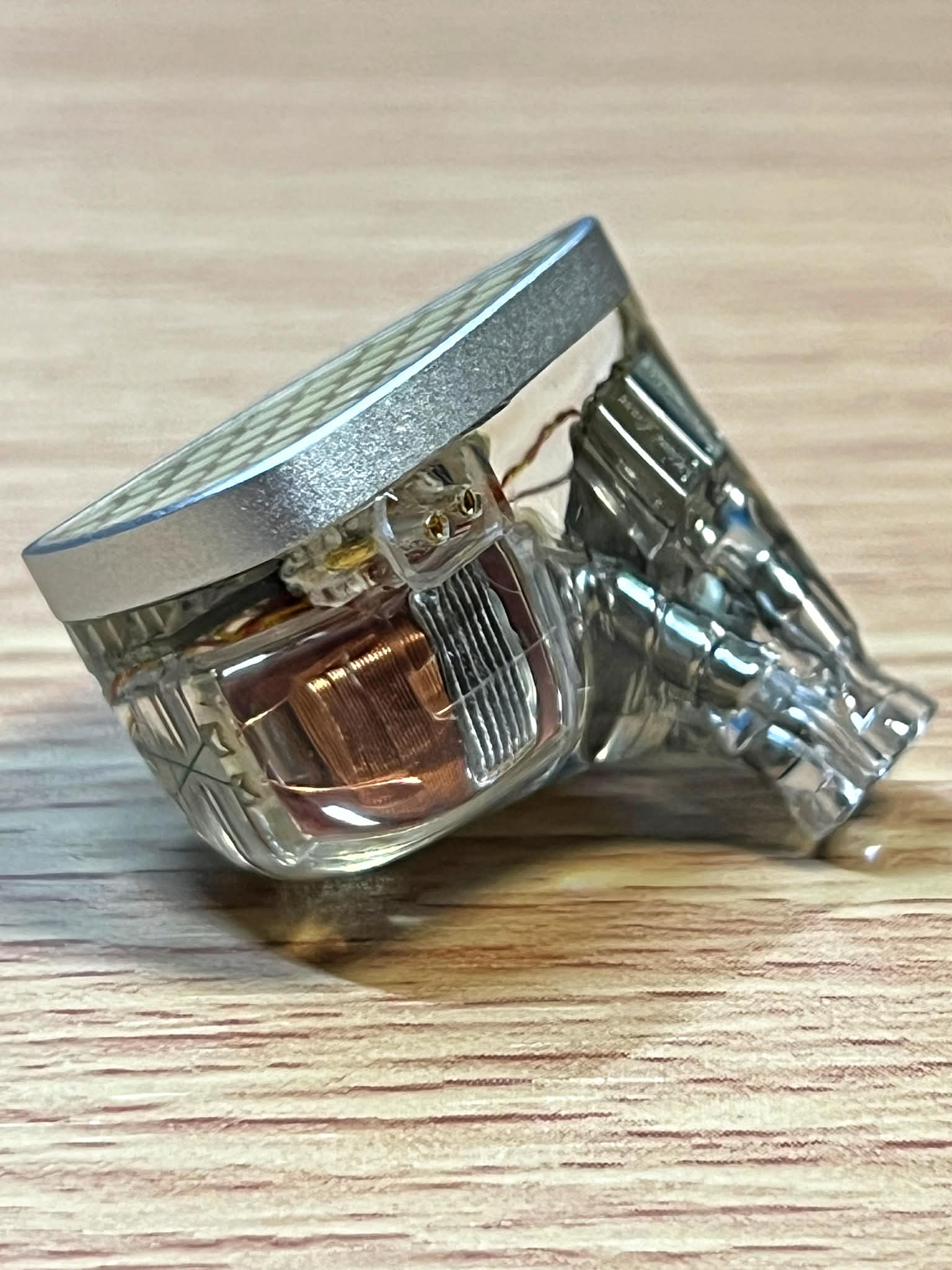
The Orchestra II really gives you a deeper respect for how much work, precision, and patience goes into building a serious multi-BA IEM. It’s not just about numbers on a spec sheet. It’s about execution, and here, Kiwi Ears absolutely nailed it.
Comfort and Fit
Despite packing ten drivers per side, the shells don’t feel overly bulky in the ear. The filled resin body is smooth, well-shaped, and sits comfortably for long sessions. Isolation is solid, and weight distribution is good enough that you forget about them once the music starts. No pressure points, no awkward angles. For a flagship-leaning all-BA set, comfort is better than expected.
Sound Signature Overview
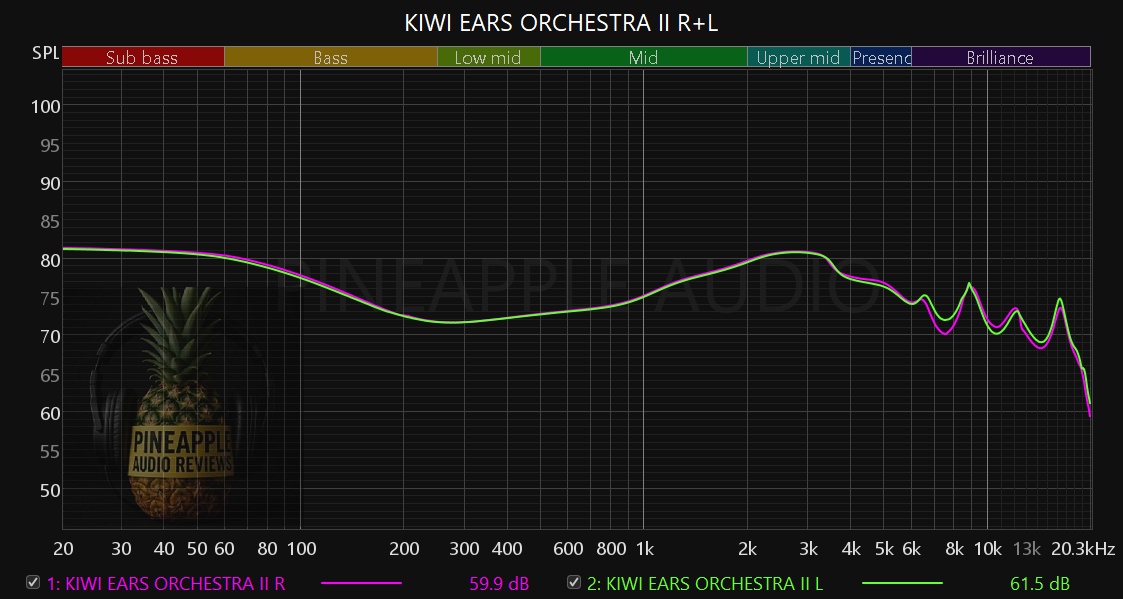
If I had to sum up the Orchestra II’s tuning in one idea, it would be balance through contrast. Yin and Yang feels like the perfect description here. It walks a fine line between fun and analytical, and somehow makes both sides feel natural instead of forced.
This isn’t a sterile studio monitor, but it’s also not a bass-first guilty pleasure set. It knows exactly when to be engaging and when to be disciplined.
Subbass
For an all-BA setup, the subbass on the Orchestra II is impressive. those 2 beautiful see through balance armatures that works as a subwoofer is not just there for formality. It actually digs deep and delivers real weight when the track asks for it. You get a proper sense of rumble and pressure, the kind that you can feel rather than just hear, which is not something you can say about most BA-only IEMs.
What really sells it is the speed and control. Notes hit with authority, roll out a clean, satisfying rumble, and then pull back quickly without lingering or getting loose. There’s no wooliness, no overhang, and no artificial swelling to fake impact. It comes across tight and disciplined, with an almost planar-like cleanliness to the way low notes start and stop.
Separation is excellent as well. The subbass stays clearly distinct from the midbass, so you never get that blurred, bloated low end that can creep into multi-BA designs when tuning isn’t spot on. There’s zero bloom pushing upward into the mids, and that sense of control immediately sets the foundation for the rest of the tuning. It gives the entire presentation a confident, well-anchored feel right from the bottom.
Midbass
The midbass on the Orchestra II hits a really nice balance between warmth, punch, and control. There’s enough body here to give the sound a satisfying sense of weight and groove, but it never tries to take over the presentation. Notes have good texture and definition, so bass lines feel shaped and intentional rather than just a soft thump underneath everything.
Kick drums come through with clear attack and a solid sense of impact, while bass guitars remain articulate and easy to follow, even in busy mixes. You can hear the pluck, the decay, and the space around each note, which keeps the low end feeling lively and musical instead of blunt or one-note.
What really stands out, though, is the discipline or restraint. The midbass stays firmly in its lane and doesn’t creep into the mids. Vocals and instruments above it remain clean and unaffected, which speaks volumes about how well the crossover is implemented. This kind of separation isn’t accidental. It’s the result of careful tuning and good driver integration. The end result is a low end that supports the music, adds drive and rhythm, and lets everything else breathe exactly the way it should.
Lower Midrange
The lower mids on the Orchestra II come across as very natural and well presented. There’s a gentle warmth here that gives instruments and male vocals proper weight and presence, so nothing sounds hollow or stripped of body. Guitars have a nice woody tone, pianos sound full without being bloated, and vocals feel grounded and believable.
What stands out is how controlled this region is. The warmth never turns into thickness, and things don’t pile up when tracks get busy. Even with layered arrangements, the lower mids stay clean and organized, which says a lot about the tuning and crossover work going on behind the scenes. It’s warm enough to sound musical, but disciplined enough to avoid congestion.
This is also where the Orchestra II really shows its maturity. It doesn’t cheat by overstuffing the mids to sound rich, and it doesn’t pull them back just to chase clarity and edge. Instead, it lands right in that comfortable middle ground where timbre feels right and long listening sessions stay enjoyable. Acoustic instruments and vocals, in particular, sound honest and natural, which makes the whole presentation feel confident and well thought out rather than tuned to impress at first listen.
Upper Midrange
Upper mids are energetic but well-controlled. Vocals and guitars come forward nicely, especially as you turn the volume up, but it never crosses into shouty or fatiguing territory. Sibilance is kept in check, which is not always easy with an all-BA tuning like this.
Female vocals have presence and clarity without sounding sharp. Electric guitars have bite without glare. It stays clean and composed, even on brighter recordings.
Treble
The treble on the Orchestra II is one of its quieter strengths. It’s airy and nicely extended, with just enough sparkle to keep things sounding open and lively. You get a good sense of air up top, cymbals have a clean shimmer, and small details like reverb trails and subtle background textures come through clearly without being shoved in your face.
What I really like here is the restraint. The treble doesn’t try to impress by being sharp or overly energetic. Instead, it focuses on clarity and refinement. It lifts the overall presentation, adds separation, and helps with that sense of space without ever sounding edgy or brittle. Even on brighter recordings, it stays composed and controlled.
Because of that tuning choice, fatigue is basically a non-issue. You can listen for hours without feeling that usual treble glare creeping in. It keeps the sound fresh and articulate, but never demands your attention. It’s the kind of treble that does its job quietly and effectively, supporting the rest of the tuning rather than stealing the spotlight.
Vocals
The Orchestra II isn’t mid-forward in the traditional sense, but it is vocal-forward in a very pleasing way. Vocals sit front and center, with instruments placed just slightly behind them. This creates a layered, natural presentation that works beautifully across genres.
Vocals feel intimate without being in your face. They’re clear, well-textured, and emotionally engaging, which makes this set especially strong for vocal-centric music.
Soundstage and Imaging
Soundstage isn’t massive, but it’s far from closed-in. There’s enough width and depth to let the presentation breathe, and this is where the Orchestra II really flexes its technical muscles.
Imaging is excellent. Placement is precise, separation is strong, and the overall presentation feels almost holographic at times. You can easily pick out where each instrument sits in the mix, even in busy tracks.
Resolution and Dynamics
Resolution is strong, with plenty of fine detail and texture throughout the frequency range. Being an all-BA setup, the Orchestra II also delivers a wide dynamic range and very snappy transients. Attacks are quick, notes are well-defined, and the overall presentation feels clean and responsive.
It has that effortless sense of control where nothing sounds strained, even when the music gets complex.
Final Thoughts
The Kiwi Ears Orchestra II is one of those IEMs that manages to be both enjoyable and technically impressive without leaning too hard in either direction. It has enough low-end presence to keep things fun, but enough control, clarity, and layering to satisfy when you want to listen critically.
It’s thoughtfully designed, beautifully built, and carefully tuned from the inside out. This isn’t just a showcase of driver count. It’s a showcase of execution.
If you’re looking for an all-BA IEM that balances musicality with precision, and does so in a very mature, confident way, the Orchestra II absolutely deserves your attention.
Link: https://www.linsoul.com/products/ki...de8ECJWQouPrg1WVRJ1Ol7xWjv9qcQoRd3HymPqfO6PEk
- Get link
- X
- Other Apps
- Get link
- X
- Other Apps
Comments
Post a Comment