Inawaken Twilight DS: The 24-Driver Beast That Actually Delivers
* Clean, forward mids and detailed treble that stay smooth without harshness
* Subbass rumble is deep, textured, and addictive
* Excellent separation, precise imaging, and well-layered soundstage
* Surprisingly comfortable for a chunky, titanium-topped shell
* Technical performance punches well above its price
Cons:
* Midbass lacks punch, so low-end impact feels more rumble than slam
* Large, protruding design may not suit small ears or those who prefer discreet IEMs
* Price might feel steep for casual listeners compared to simpler IEMs
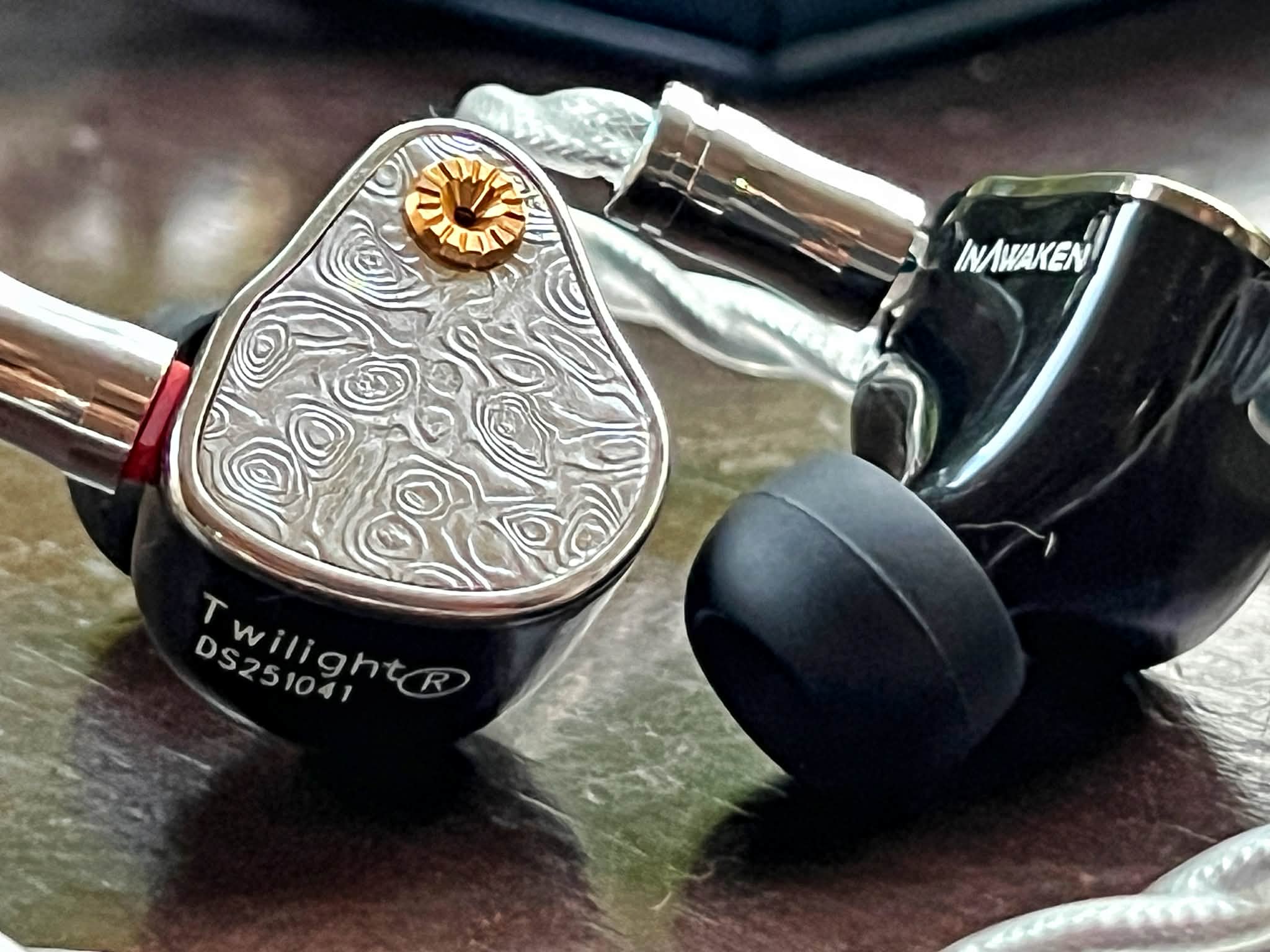
The Twilight DS is only Inawaken’s second big release after the Dawn MS, but you can tell they weren’t interested in easing their way up the ladder. The Dawn already felt like their “watch what we can do at fifty bucks” moment with that purple diaphragm driver and warm, punchy tuning. But the Twilight DS? This is them skipping a few steps and going straight for a flagship flex.
You’re looking at a full 24-driver setup—twelve drivers per ear—with four dynamic drivers stacked coaxially like some tiny, overengineered piston chamber, and eight custom BAs handling everything from the mids to the upper air. It’s one of those designs where you look at the internal structure and think, “Yeah, this is either going to sound incredible or it’s going to explode.” Thankfully, it’s the first one.
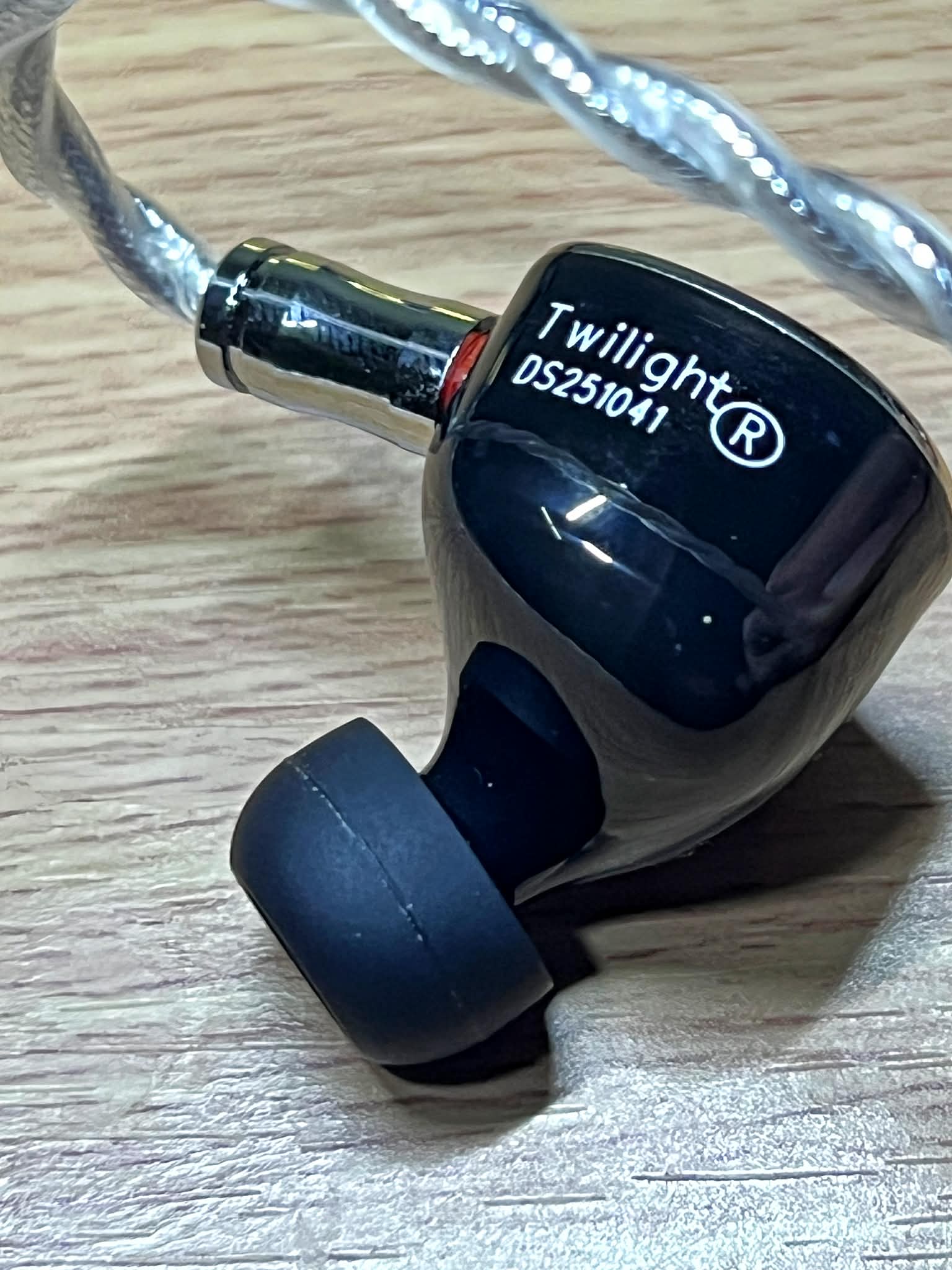
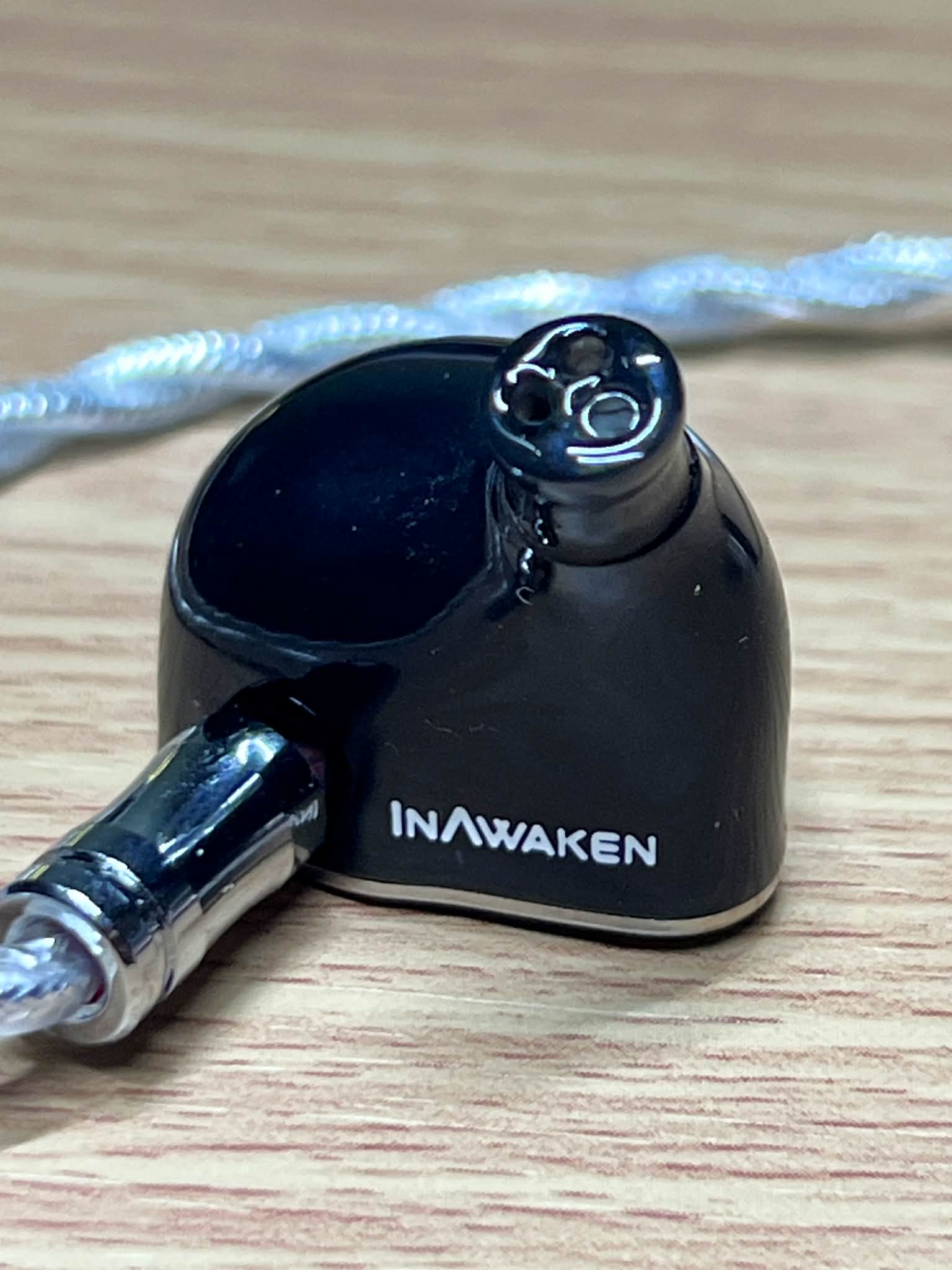
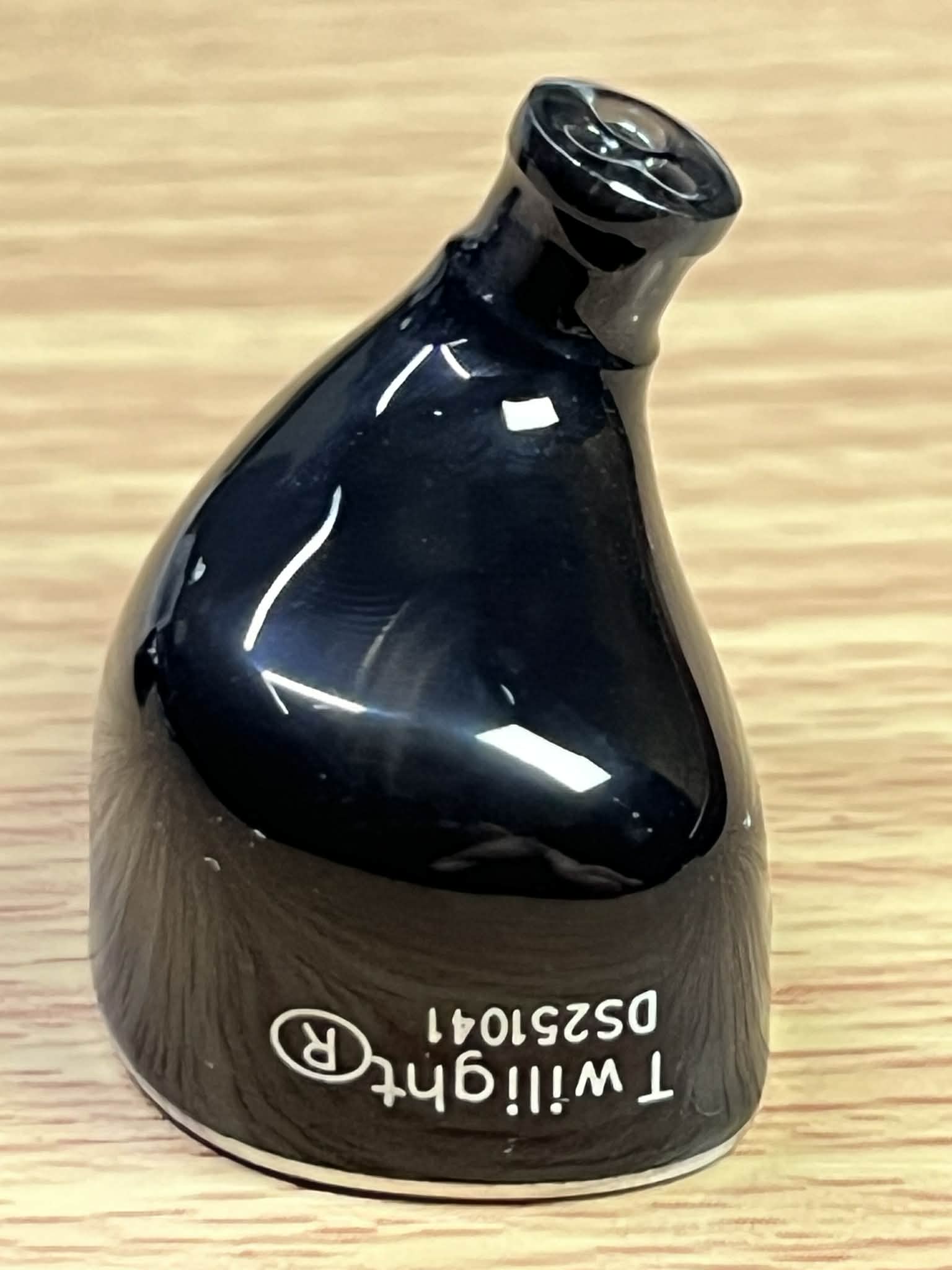
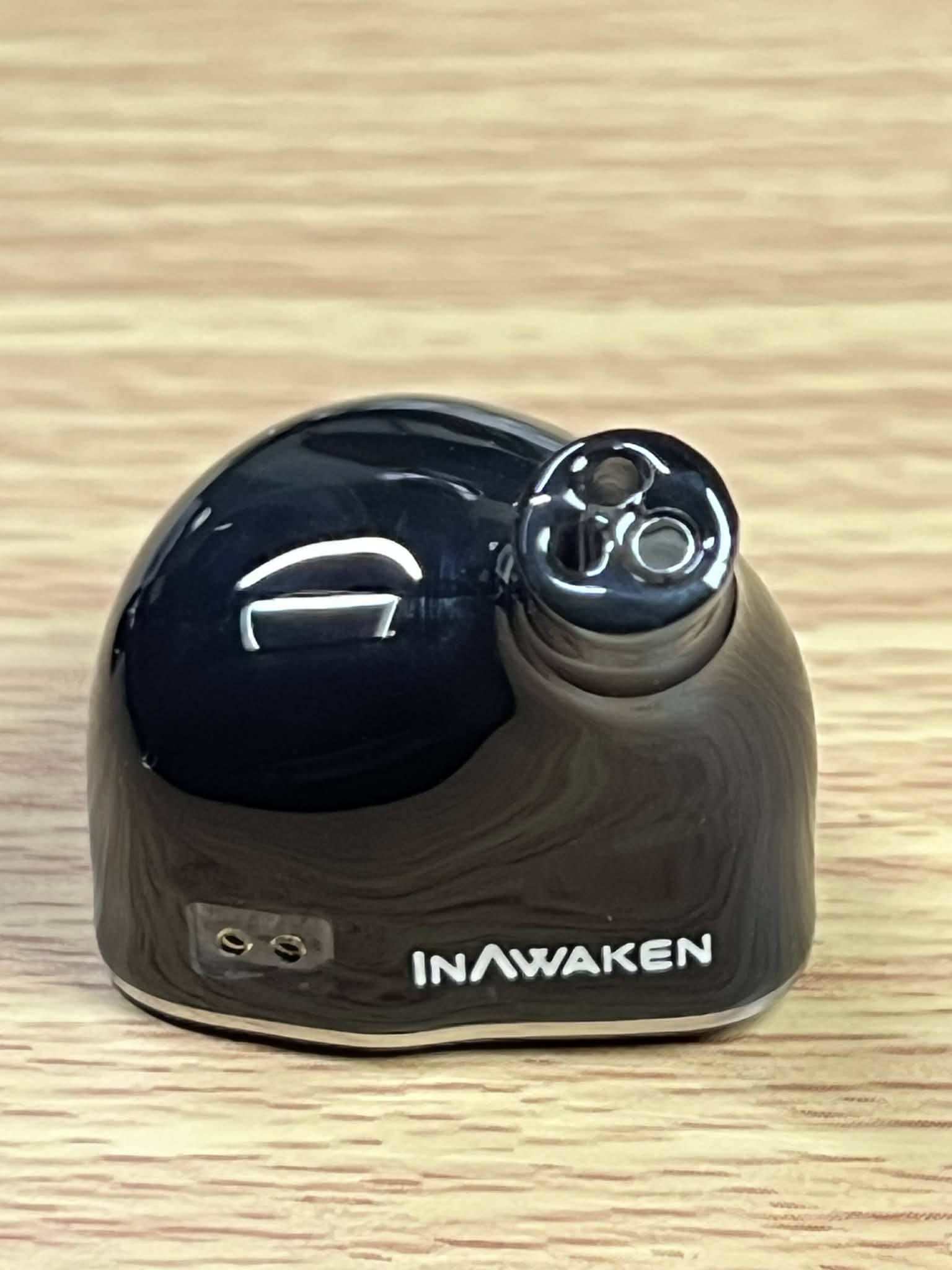
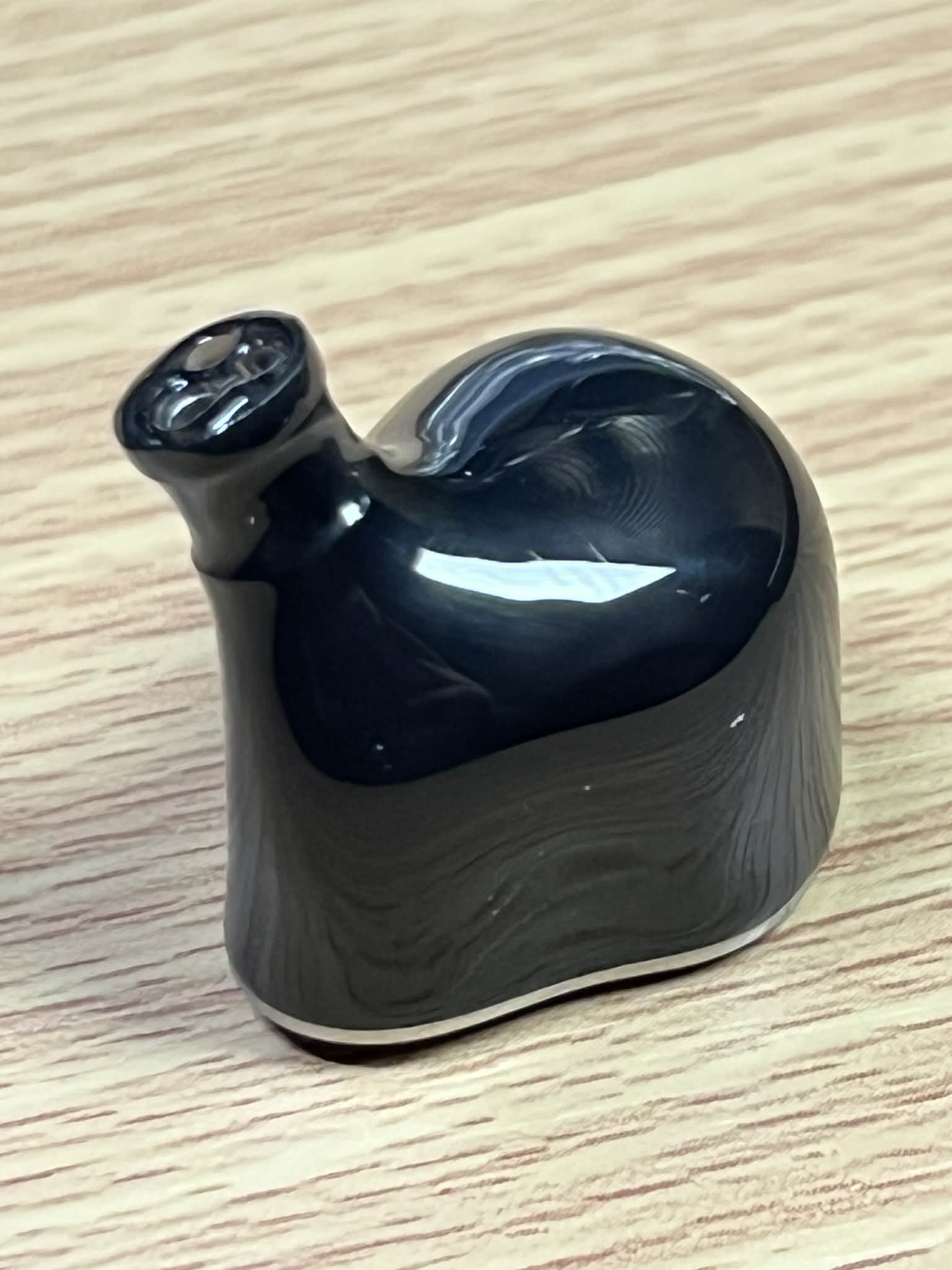
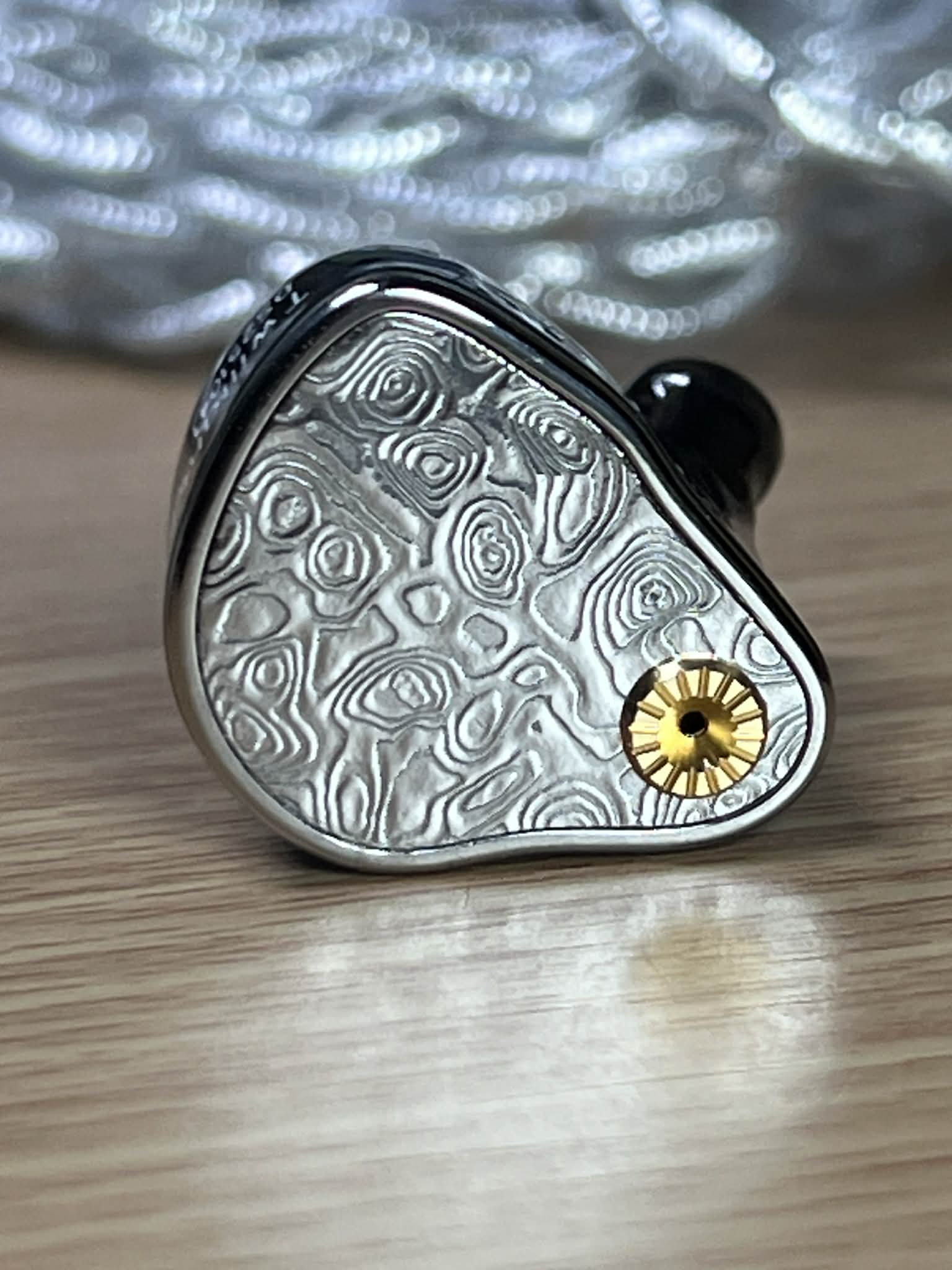
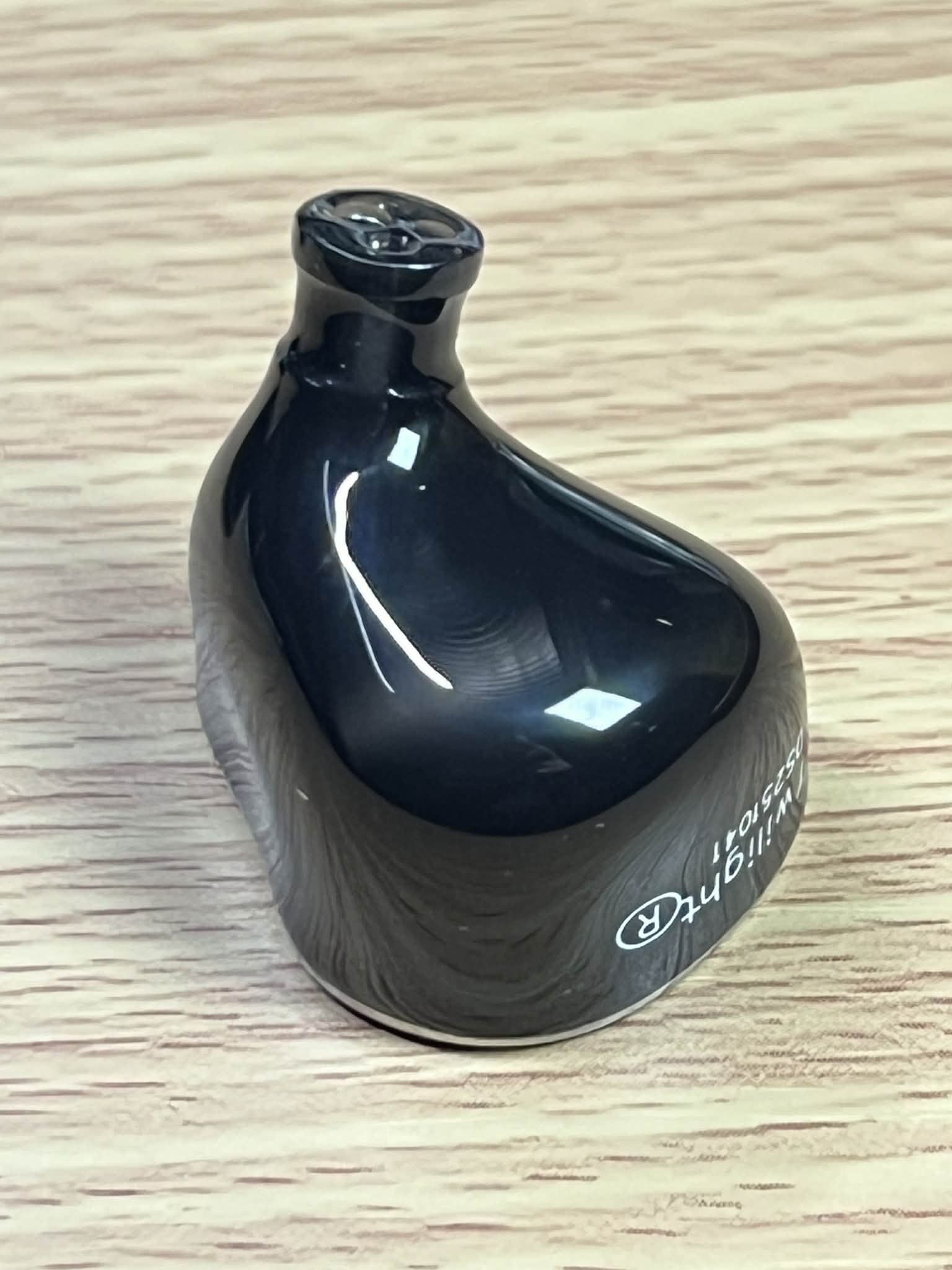
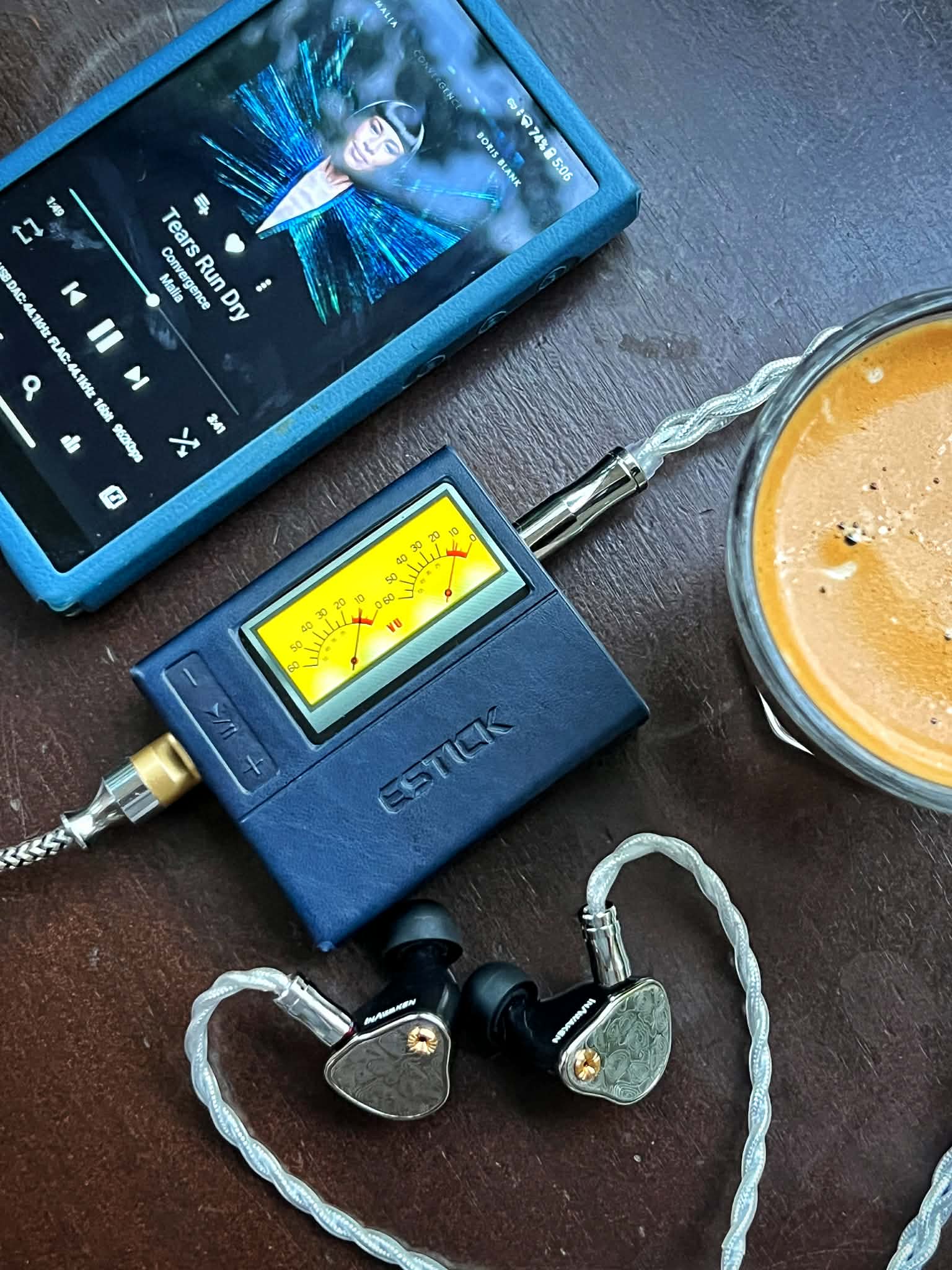
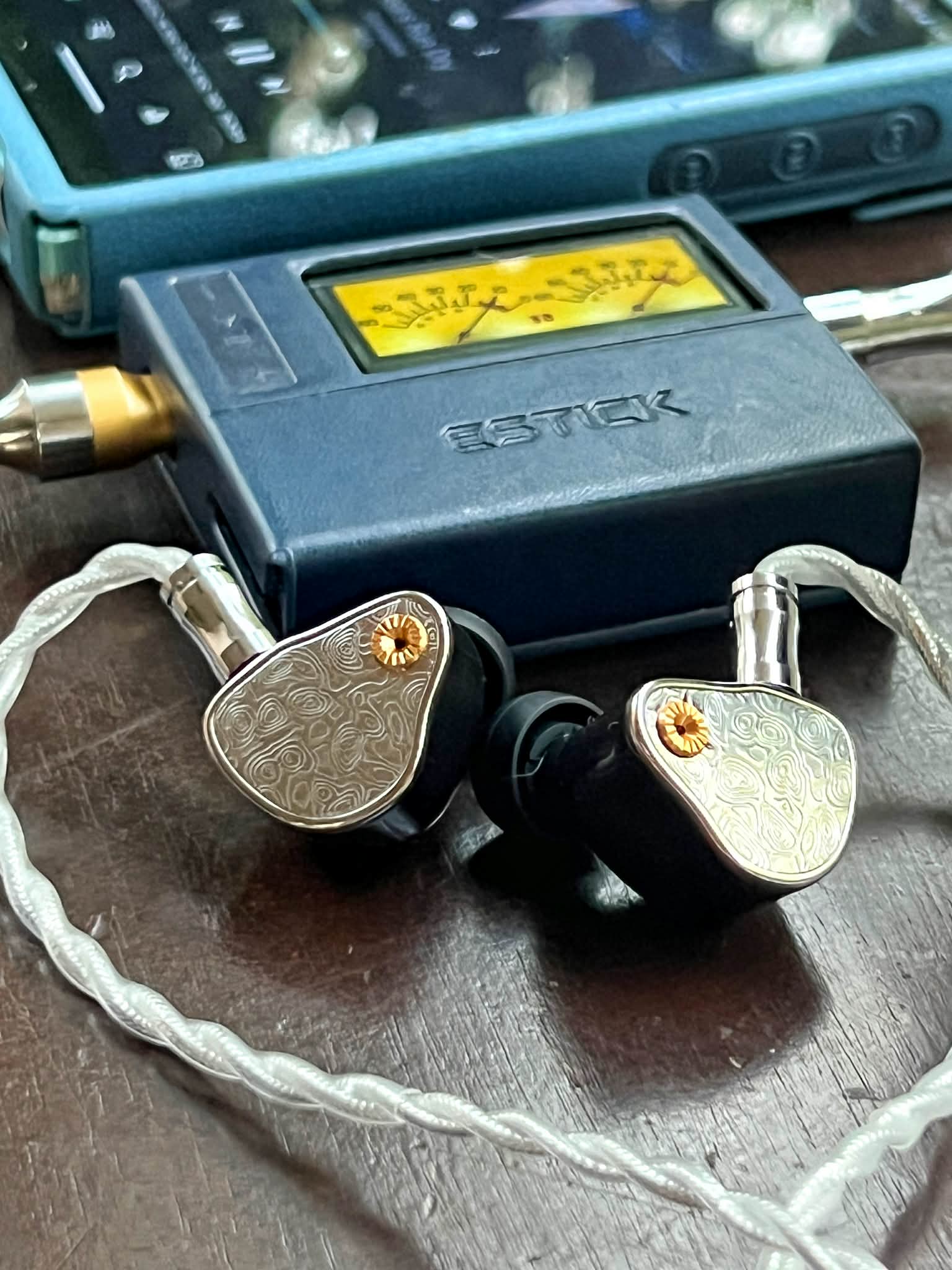
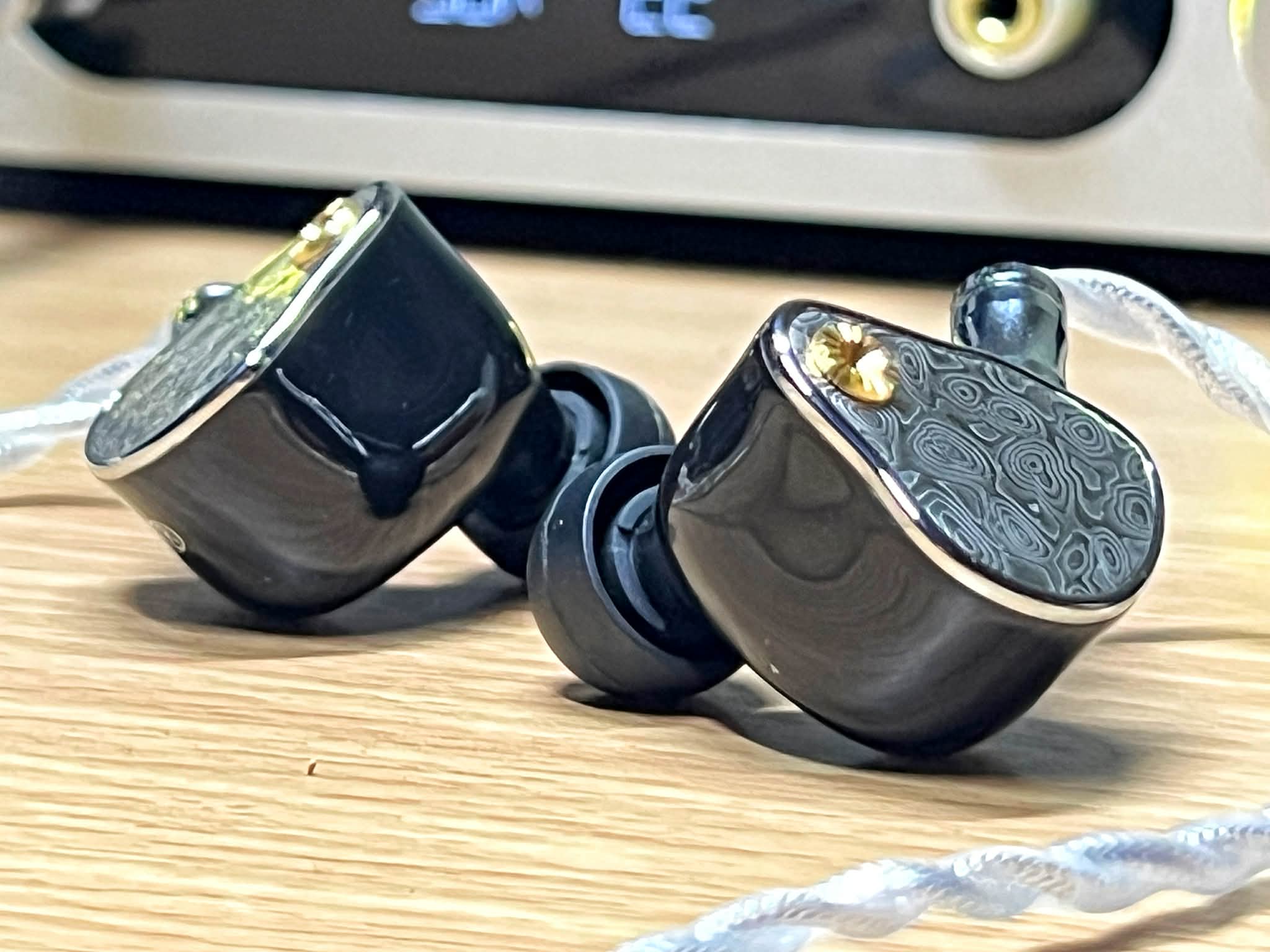
The shell is resin, but it’s capped with a titanium faceplate shaped in a Damascus-style pattern that gives off that premium look, It’s a thick, tall, unapologetically chunky IEM—half of it sticks out like I’m trying to broadcast a signal to space. But somehow, the ergonomics work. It doesn’t stab your concha, it doesn’t press weirdly against your outer ear, and it doesn’t develop hotspots over longer sessions. Despite its size, it wears lighter than it looks.
And here’s the part that really gets me: shine a flashlight through the shell and you’ll see this massive metal capsule inside—basically the heart of the coaxial quad-DD setup. The whole assembly gives you this mini isobaric-speaker vibe, like Inawaken tried to sneak a subwoofer cabinet into an IEM. It’s one of those rare times where the internal engineering actually looks as cool as it sounds.
Whats in the box? checkout my short unboxing video of the inawaken twilight.
Sound Summary: Technical, Clean, and Packing a Subbass Surprise
The Twilight DS doesn’t follow the Dawn’s warm and easygoing approach. This one is tuned with confidence. It leans clean, clear, and technical, but without that sterile, clinical vibe that kills musicality.
Vocals sit forward and focused, instruments pop with clarity, and the treble has just the right amount of shimmer. You get good air, good sparkle, and extension that reaches high without stabbing your eardrums.
But the bass—this thing’s bass—is a whole personality.
Bass
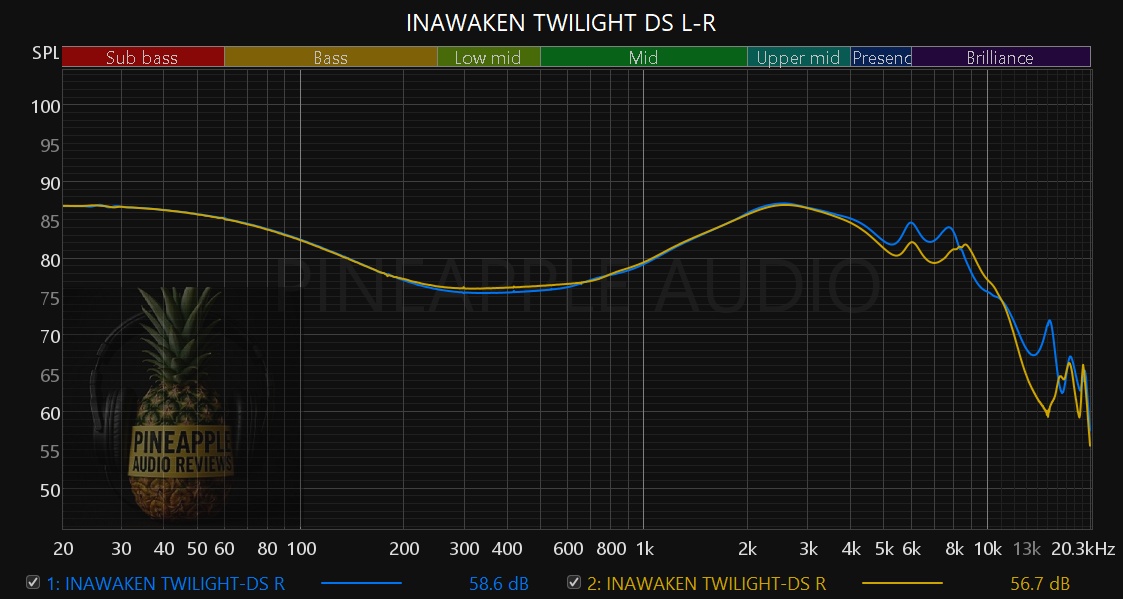
On first listen, you might think the Twilight DS is aiming for that balanced, almost neutral low end with a neat and tidy midbass. It comes off clean, tight, and well behaved. The midbass has just enough warmth to give instruments some body, but it’s not trying to punch you in the chest or shake your jaw. It’s polite. Controlled. Maybe a little too well mannered.
But once you settle in, you realize the Twilight isn’t built around midbass impact at all—it’s a subbass creature through and through. The low end drops deep, and the rumble has that thick, layered texture you can feel in your throat. When a track dips into true low-frequency territory, the Twilight wakes up like it’s been waiting for its moment. It gives you that long, satisfying quake under the mix instead of the quick, percussive jab of midbass.
If I’m being honest, a small bump in the midbass would’ve added a nice bit of extra energy and physicality. A little more punch would give kicks a harder edge and help the overall bassline feel more dynamic. The foundation is already solid; it just needs that touch of slam to make it feel more complete.
Still, even with the leaner midbass, the subbass more than makes up for it. It digs deep, stays clean, and delivers a rumble that feels controlled rather than bloated. It’s the kind of low end that sneaks up on you and then hangs in the air, filling space without swallowing the mids. For a set built around a coaxial four-DD stack, that satisfying subterranean presence feels intentional—and honestly, pretty addictive.
Then the subbass hits.
And when it hits, it hits. Deep, thick, tactile, and confident. It comes out of nowhere like a sleeper heavyweight. The way the subbass rises is almost cinematic—it rumbles underneath the mix instead of flooding it. There’s a clean gap between subbass and midbass, so you get physicality without mud or bleed.
When pushed, it gets dangerously close to being boomy or pillowy, but it never loses control. It feels like the four DD coaxial setup was built specifically to flex in moments like these.
Mids
The mids on the Twilight DS sit in that sweet spot where everything feels clear without drifting into that sterile, over-scrubbed territory. They’re clean, well lit, and easy to follow, almost like someone adjusted the lighting on your music so each instrument gets its own spotlight.
Vocals sit slightly forward, which gives them a nice sense of presence without making them feel artificially boosted. Whether it’s male or female vocals, they come through with good texture and enough separation to keep them from getting swallowed by the busy midrange instruments.
The lower mids lean a bit on the lighter side. That keeps the overall presentation open and avoids that congested, overly warm thickness some multi-driver sets fall into. Guitars, pianos, cello—they all sound defined without bleeding into each other. There’s space between notes, and the layering feels intentional.
The upper mids have just enough energy to bring out harmonics and detail. They stay crisp but stop short of going shouty or sharp. This balance lets you pick out microdetails—like string plucks, reverb trails, or throatiness in a vocal—without feeling like the set is pushing treble glare into your face.
It’s not the lush, buttery type of midrange that wraps you up like a blanket, but it’s also not thin or papery. It lives in that natural middle ground where instruments sound honest, voices sound real, and the entire range feels coherent. Nothing sticks out awkwardly. Nothing feels artificially boosted. It’s simply well executed, with a focus on clarity, texture, and separation.
If the bass gives the Twilight its weight and the treble gives it its shine, the mids are the backbone steady, clear, and confident
Treble
The treble on the Twilight DS leans lively, but it never crosses into that sharp, eye-squinting territory. It’s energetic enough to keep the sound bright and engaging, yet controlled enough that you don’t feel like you’re being punished for liking cymbals. There’s real detail retrieval here—those tiny sparkles and air pockets around instruments show up without you having to strain for them.
What stands out most is how open the top end feels. It doesn’t try to force brightness or artificial air. Instead, the treble breathes naturally, giving instruments room to extend and decay without sounding splashy or brittle. You can follow hi-hats, ride cymbals, and upper harmonics easily, and they have that “lit from above” clarity—bright, but never harsh.
Transients are quick and tidy. Notes snap into place with good definition, which pairs well with the set’s overall technical lean. You can hear how fast the drivers react, especially with busy tracks where lesser sets might smear the upper frequencies or make everything sound like a metallic blur.
The treble also plays nicely with the mids. It adds just enough bite to edge out details like vocal texture and string shimmer without turning them thin. It complements the tuning instead of competing with it.
Overall, the Twilight DS delivers a crisp, airy, articulate top end that gives the whole sound signature its sense of clarity and speed. It’s bright in the right ways, smooth in the right places, and never oversteps its boundaries. It keeps the presentation lively without inviting fatigue, which is harder to pull off than most people think.
Technicalities
This is the part where the Twilight DS stops being polite and starts showing off. You can tell the whole 24-driver system isn’t just for marketing photos. The technical performance is genuinely strong, and you hear it immediately.
Separation
Separation is one of its biggest strengths. Every instrument sits in its own pocket, and you don’t get that mushy overlap where guitars smear into vocals or cymbals wash out the background. Even on tracks with multiple layers stacked harmonies, busy percussion, synth lines running under everything the Twilight keeps each element distinct. You can pick things apart without losing the musical flow.
Imaging
Imaging is very precise. Left and right placement feels locked in, so instruments feel anchored instead of drifting around. The center image is solid too, which gives vocals and main instruments a stable, realistic presence. You can almost “see” where everything is coming from in the mix, which makes live tracks and acoustic recordings especially fun.
Soundstage
The stage isn’t the widest out there, but it has good proportions. It stretches enough to avoid feeling boxed in, but the real magic is in the depth. Front-to-back layering is clear, almost stepped—you can hear which sounds are up front, which sit mid-layer, and which hang in the back. That sense of depth helps everything breathe, and it keeps complex tracks from collapsing into a wall of sound.
Dynamics
Dynamics are another strong point. Microdynamics the small volume shifts and subtle changes in phrasing are easy to catch. You can hear the way a singer eases into a word or how a drummer softens a hit. Macrodynamics, the big slam and swell of a track, hit with good authority too. It doesn’t feel compressed or flat; it reacts to the music with actual energy.
Speed and Control
With four dynamic drivers and eight BAs per side, speed could’ve easily gone wrong. But the Twilight DS handles fast passages like it’s nothing. Rapid percussion, fast double kicks, dense electronic layering it stays composed. No smearing, no congestion, no choking up when the mix gets heavy. The drivers keep up without losing control, and that adds to the overall clarity.
Versatility
Because of all this, the Twilight DS works with almost anything you throw at it. Rock stays tight and punchy. EDM gets that deep subbass rumble without losing detail on the top. Orchestral pieces benefit from the depth and layering. Jazz feels clean and spacious. It doesn’t specialize in one genre it just performs well across the board.
Overall, the technical side of the Twilight DS shows that Inawaken really put in the work. It’s fast, clean, layered, and controlled in a way that feels confident rather than showy. It’s the kind of performance that grows on you the longer you listen, because you keep catching new details without ever feeling overwhelmed.
Final Thoughts
The Inawaken Twilight DS really feels like the brand planting a flag and saying, “Alright, we’re not just dabbling in this anymore.” It’s a full-on statement piece. Everything about it is big from the shell to the driver count to the way it carries itself but the sound isn’t reckless or showy. It’s refined, confident, and surprisingly mature for a company on only their second major release.
If the Dawn MS was Inawaken proving they could deliver a fun, warm, budget banger, the Twilight DS is them stepping into the higher-end ring and showing they can hang. The tuning leans clean and technical rather than soft or cozy. The mids and treble have that crisp, well lit presentation that makes vocals, guitars, and upper harmonics snap into focus. Nothing feels hazy or smeared.
Then there’s the subbass, which honestly steals the show. It’s not the kind of low end that shoves itself forward all the time. Instead, it sits quietly until the music calls for it, then hits with that deep, weighty rumble that feels like it’s rising up from under the floor. It’s addictive in that “just one more track” way, especially with electronic or cinematic music.
Imaging and separation are on point, and the technicalities land harder than you’d expect from a brand still finding its identity. The Twilight DS handles busy tracks with a level of control and speed that shows the multi-driver setup isn’t just for marketing it’s actually doing the work.
It’s definitely a chunky IEM, no denying that, but the fit is comfortable and the sound doesn’t carry any of the usual compromises you might expect from such a big shell. It feels like a serious attempt at building a flagship, not a spec-sheet experiment.
So yeah the Twilight DS is Inawaken leveling up. Clean, muscular, subbass-powered, and confidently tuned. It’s the kind of set that makes you think, “If this is only their second big release… what’s coming next?
Link: https://www.linsoul.com/products/in...fcvpikTAC_8r_awa8mko25dlr9bIYDBtObNX-Kt940RBw
- Get link
- X
- Other Apps
- Get link
- X
- Other Apps
Comments
Post a Comment