Bass With Attitude: Punch Audio Portazo Review
*Fast, punchy bass with serious impact and energy
*Excellent treble extension and air for a bass-focused tuning
*Stays surprisingly clean and coherent even at higher volumes
*Easy to drive and pairs well with most sources
*Compact, lightweight, and fun as hell for bass-heavy genres
Cons:
*Sub bass depth is strong but not class-leading compared to Martilo
*Clearly tuned for fun over absolute balance or reference use
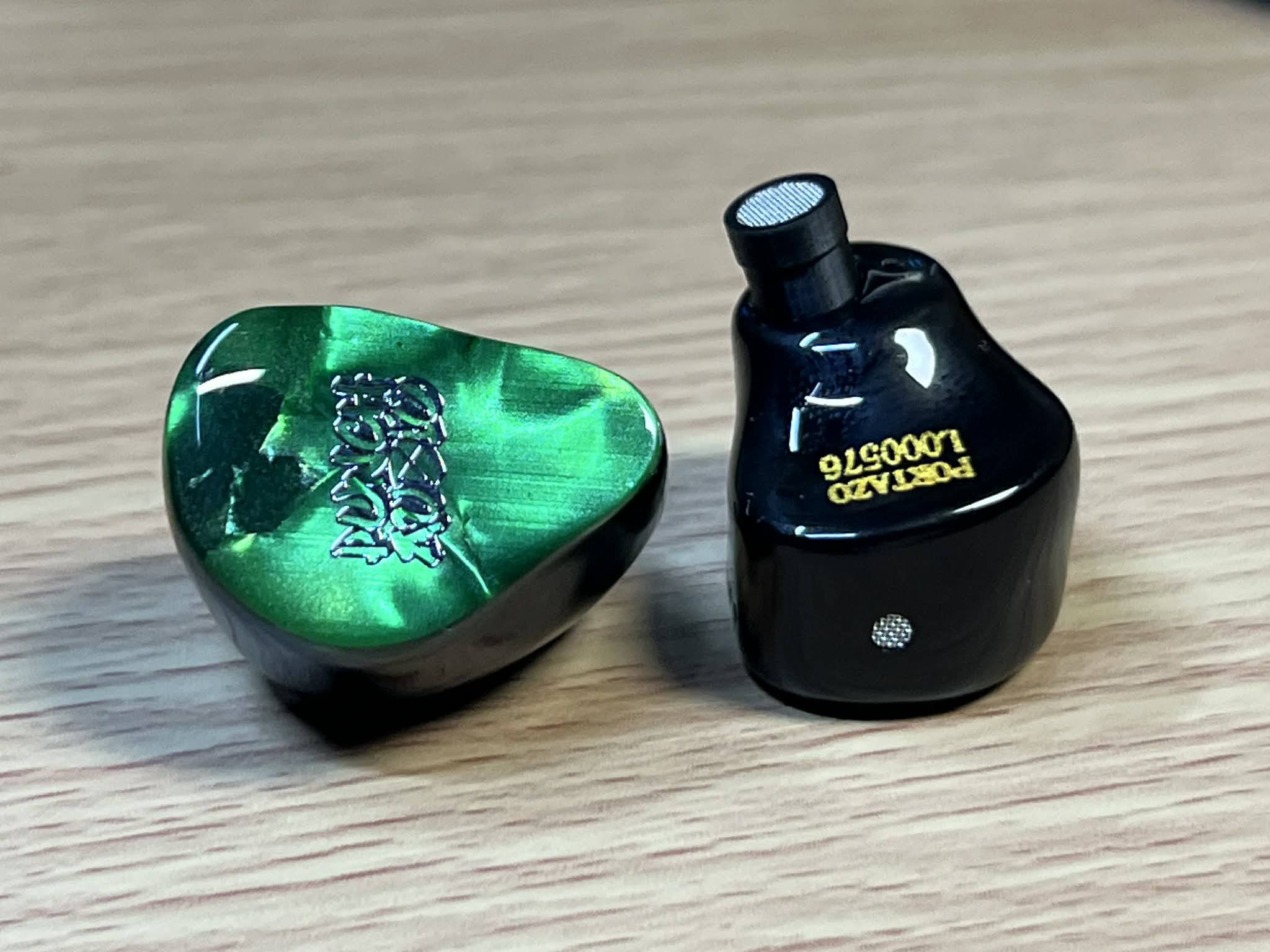
Punch Audio is carving out its own lane in the IEM space by committing fully to one idea and not watering it down. This brand is about fun first, bass always, and zero apologies. There is no attempt to chase neutral targets or please everyone, and honestly, that is refreshing. After spending a lot of time with the Martilo, which easily became one of my favorite basshead IEMs of 2025, my expectations were already high. So when I heard Punch Audio had a second model coming before the year ended, I was more than ready.
That brings us to the Portazo. Think of it as the smaller, feistier sibling in the Punch Audio family. It is still very much a basshead IEM at heart, but it approaches things with a slightly different attitude. The tuning is tighter, punchier, and more aggressive in the mid bass, while the overall form factor is scaled down to something more compact and easier to live with day to day. It feels like Punch Audio took what worked with the Martilo, trimmed the excess, sharpened the edges, and turned it into a grab-and-go bass machine you can enjoy anywhere without overthinking your setup.
The Portazo does not try to replace the Martilo. Instead, it complements it. Where the Martilo goes for sheer depth and rumble, the Portazo focuses on speed, impact, and immediacy. It is built for listeners who want that instant hit of energy the moment they press play, whether they are at home, on the move, or plugged into nothing more than a simple dongle. In short, it feels like Punch Audio growing more confident in its identity and showing that they know exactly who they are building these IEMs for.
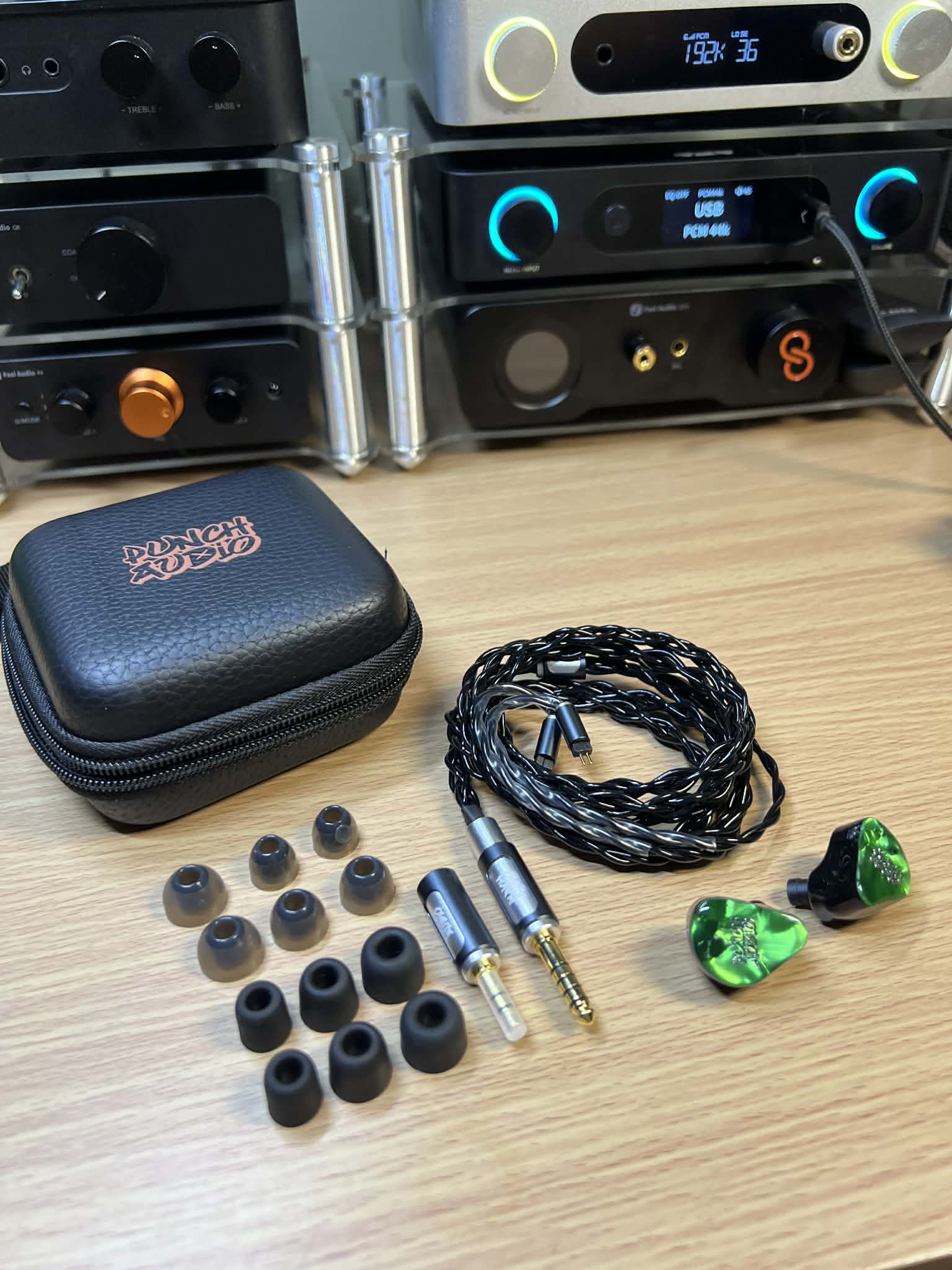
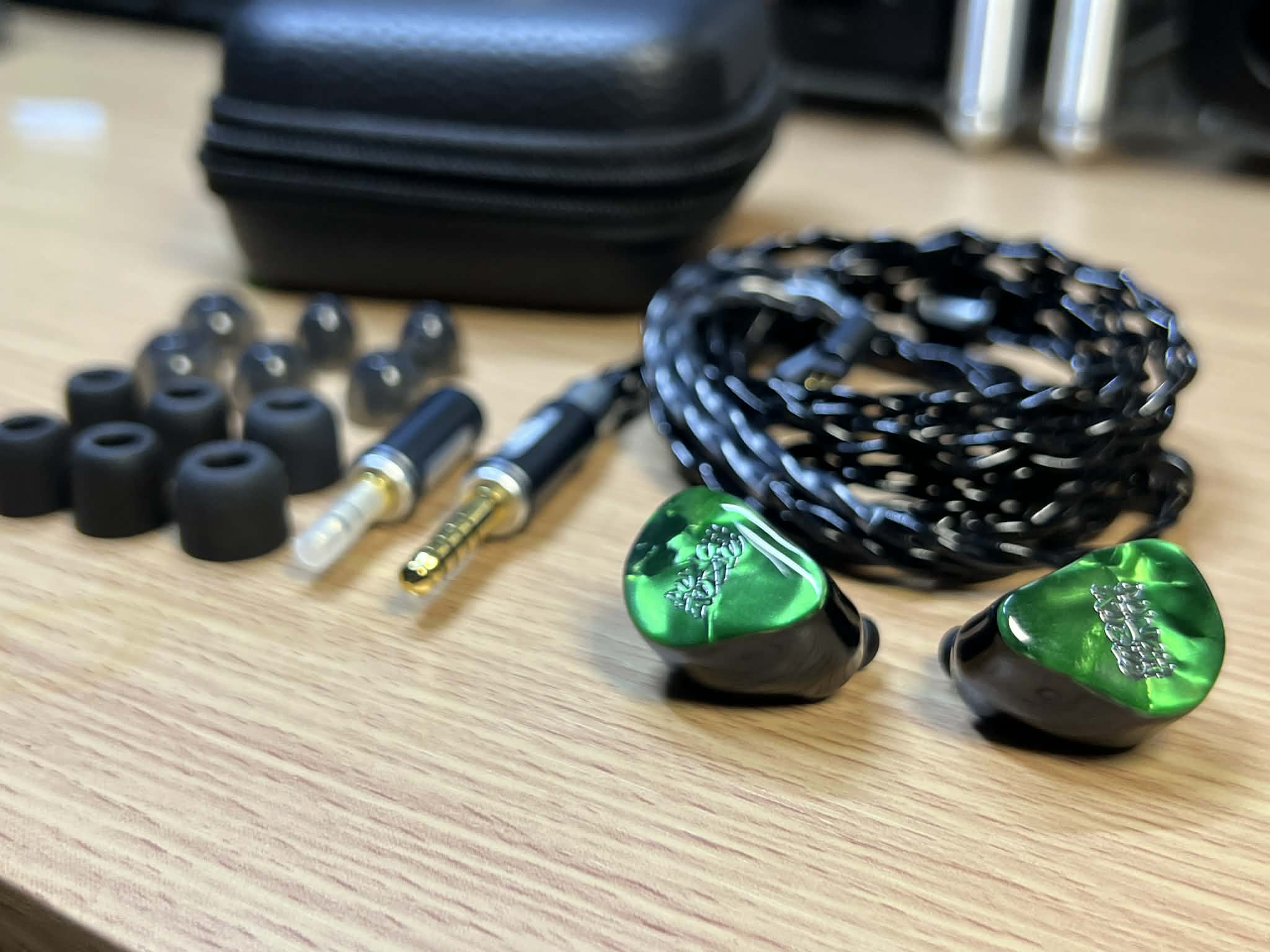
Whats in the box? checkout my short unboxing of the Portazo:
Design and Build
The Portazo sticks with a familiar resin shell design, and honestly, that is a smart move. The shape is safe, ergonomic, and should fit most ear shapes without any fuss. There are no sharp edges or awkward angles here, and it does not feel bulky in the ear at all. Once it is in, it kind of disappears, even during longer listening sessions, which is exactly what you want from a daily driver IEM. Comfort is clearly a priority, and it shows.
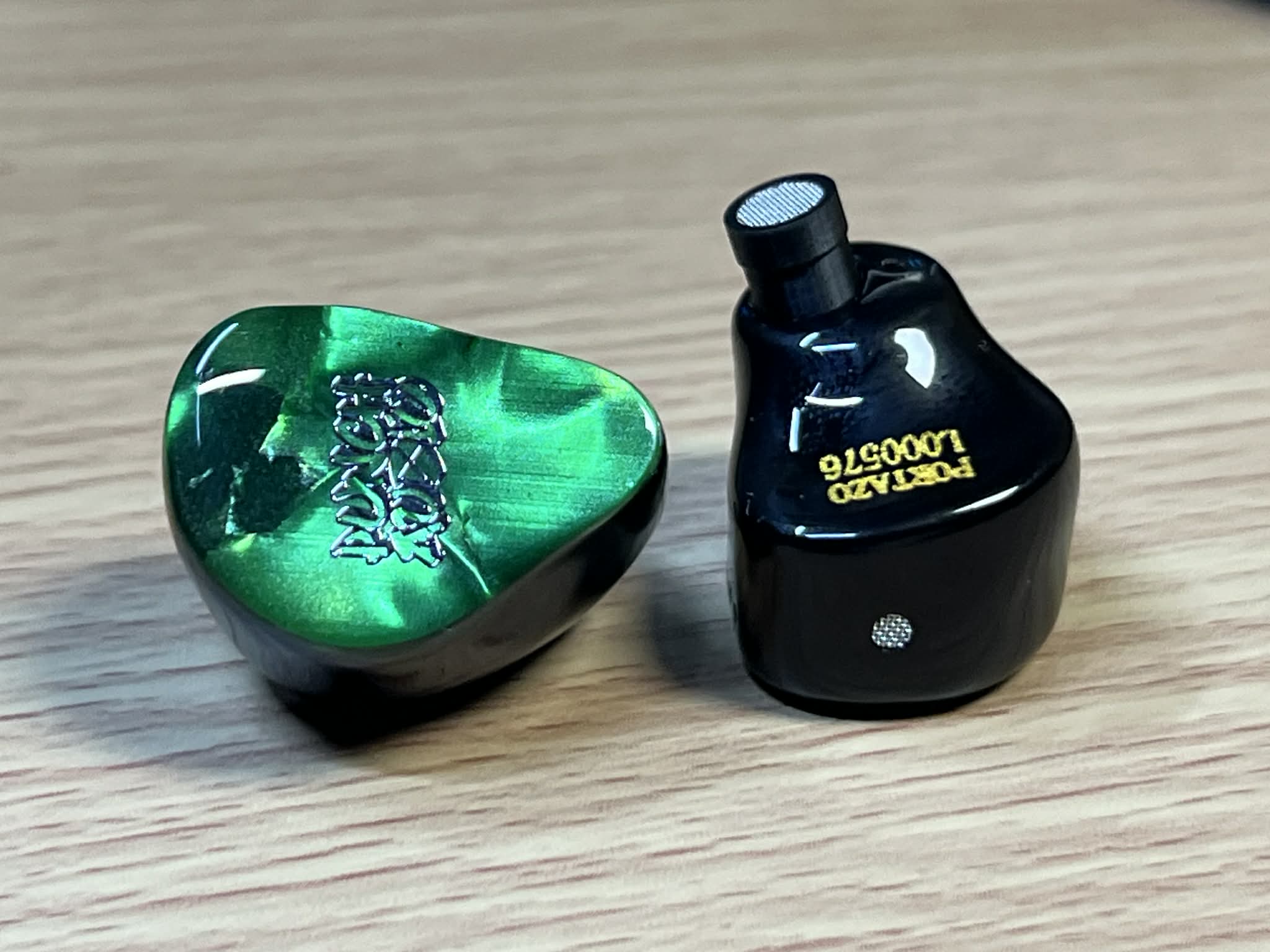
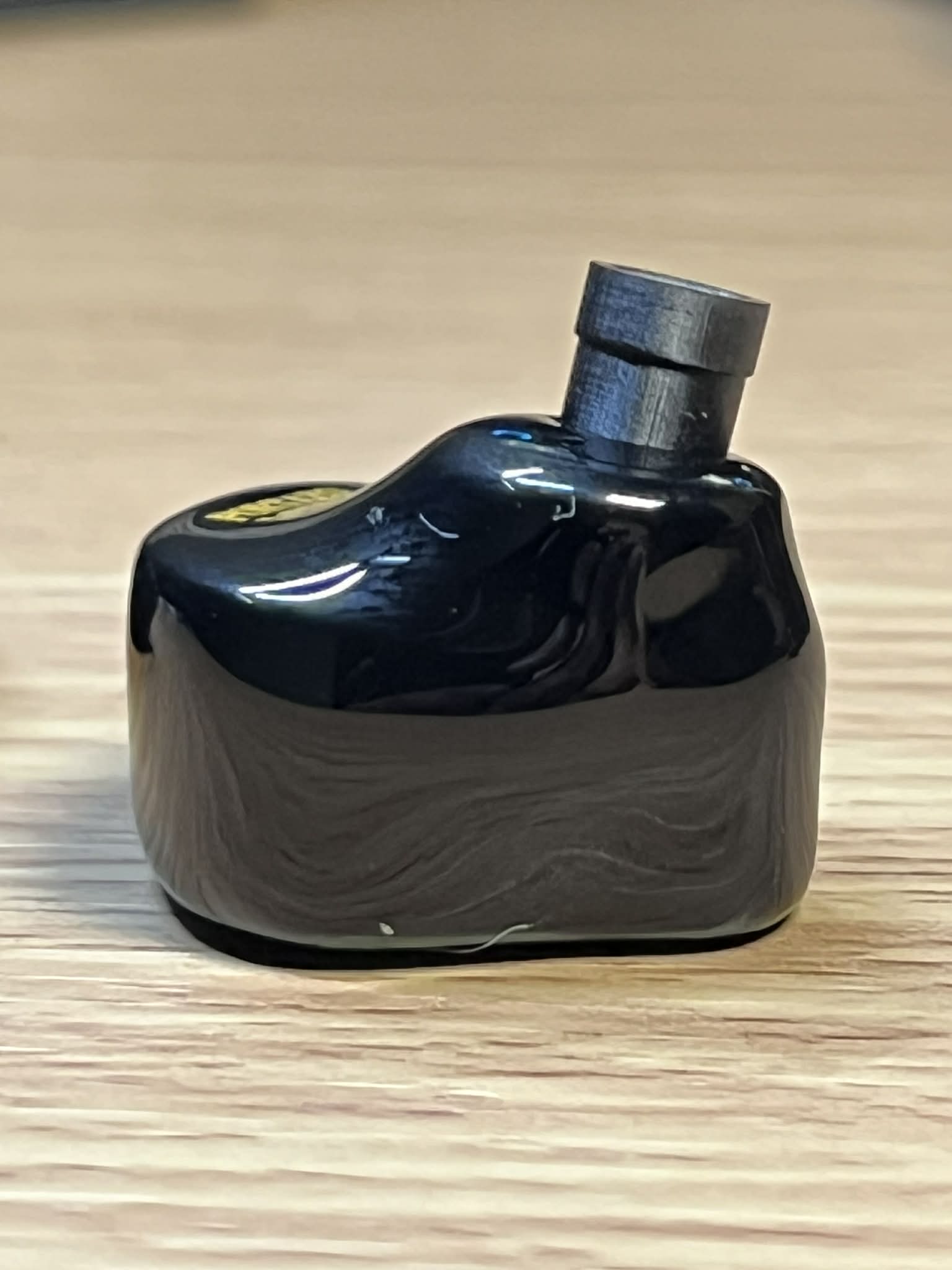
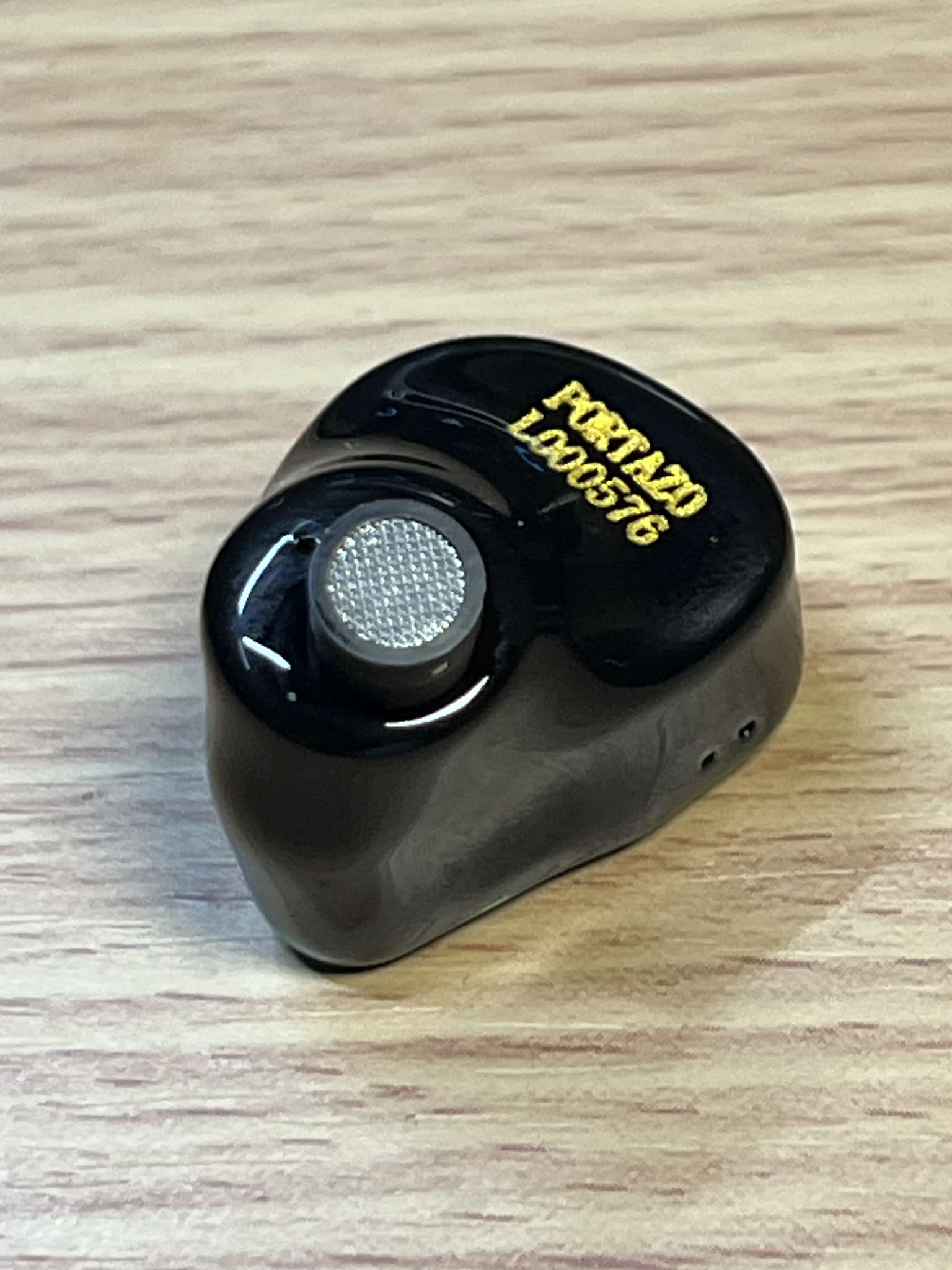

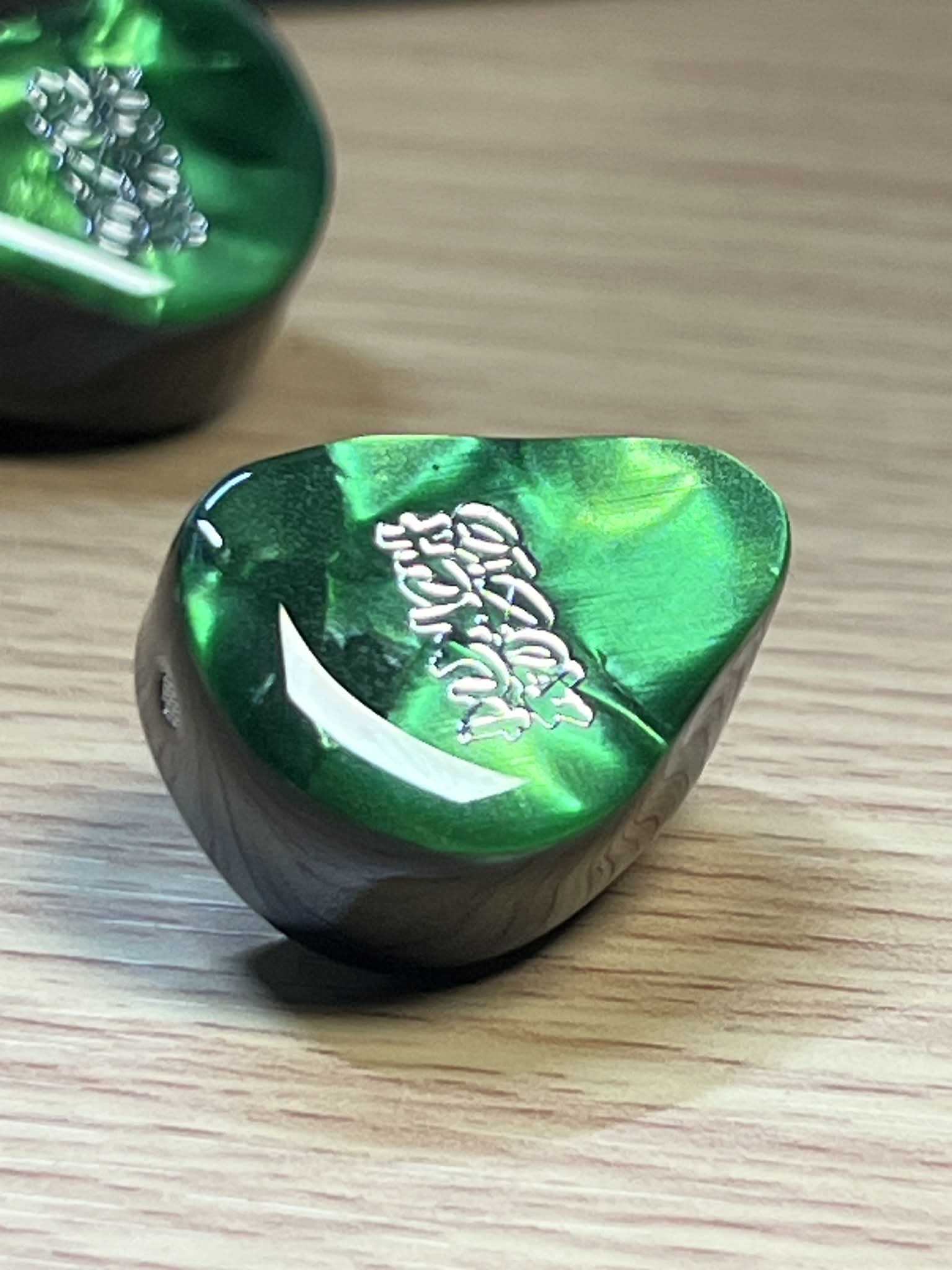
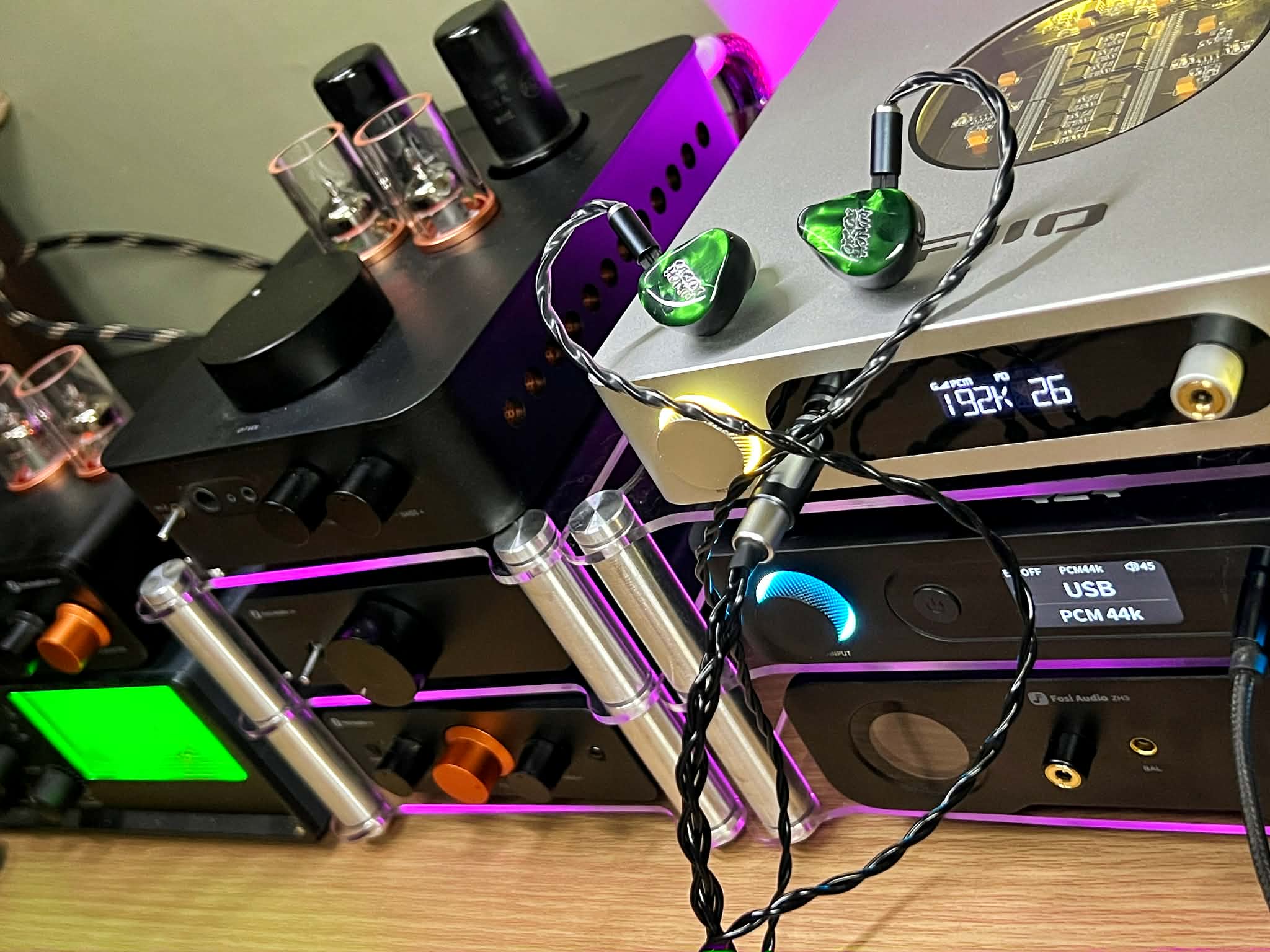
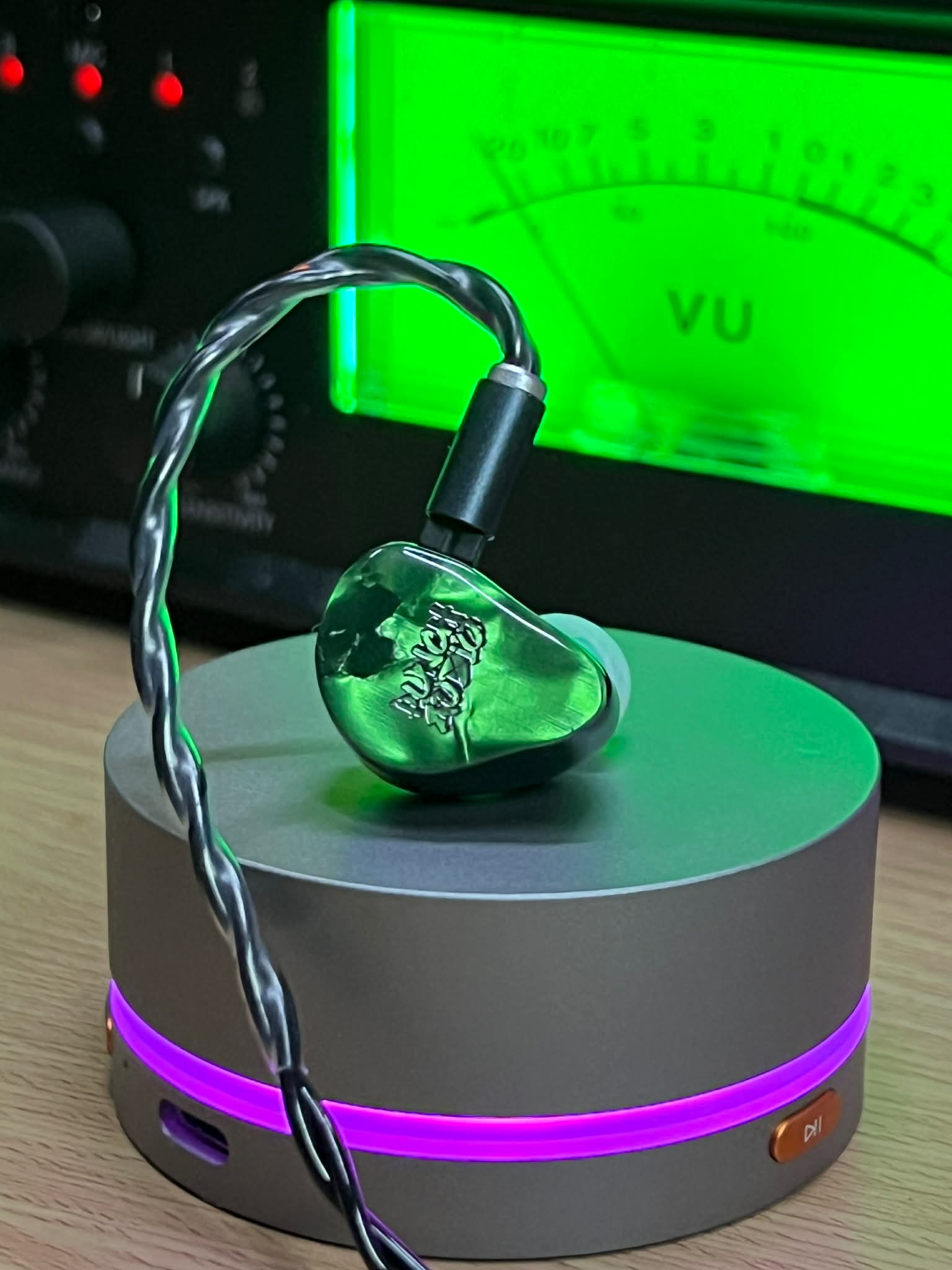
The faceplate is where the Portazo really shows some personality. That bright emerald green finish looks fantastic in person and immediately stands out without looking cheap or overdone. It has a playful, eye-catching vibe, but it is still clean and tasteful. It feels fun, not flashy for the sake of it, which fits the whole Punch Audio identity really well.


Accessories are exactly the same as what you get with the Martilo, and I see that as a win. You get the same set of tips, the same carrying case, and most importantly, the same thick, high-quality modular cable. This cable deserves special mention. It feels solid in the hand, has good weight without being stiff, and gives off zero cost-cutting vibes.
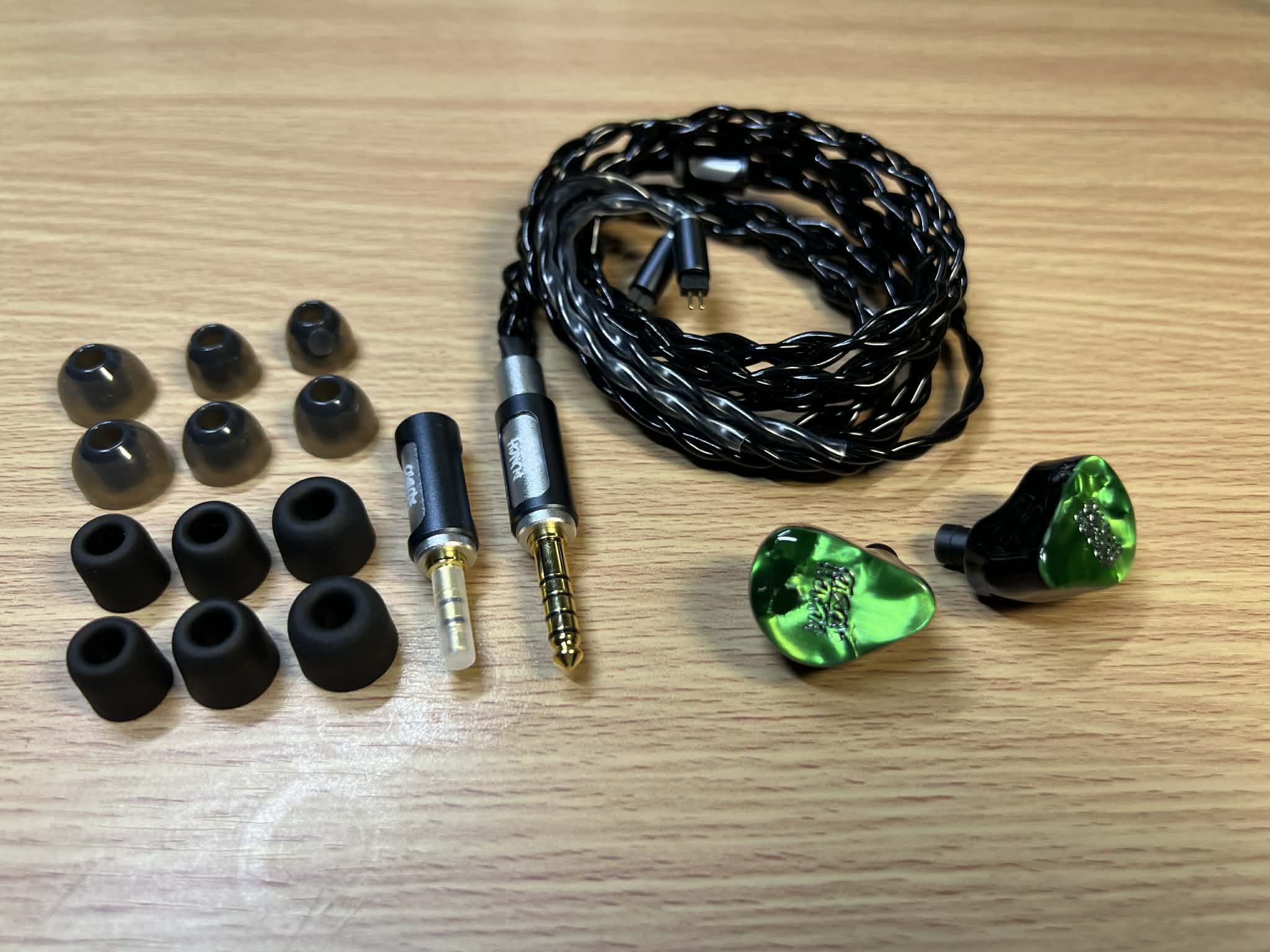
The modular system is practical, especially if you switch sources often, and it just feels like a cable you can trust long term. Reusing it for the Portazo makes perfect sense and helps reinforce that this is still a premium, well-thought-out package despite the smaller form factor.

Driver Configuration
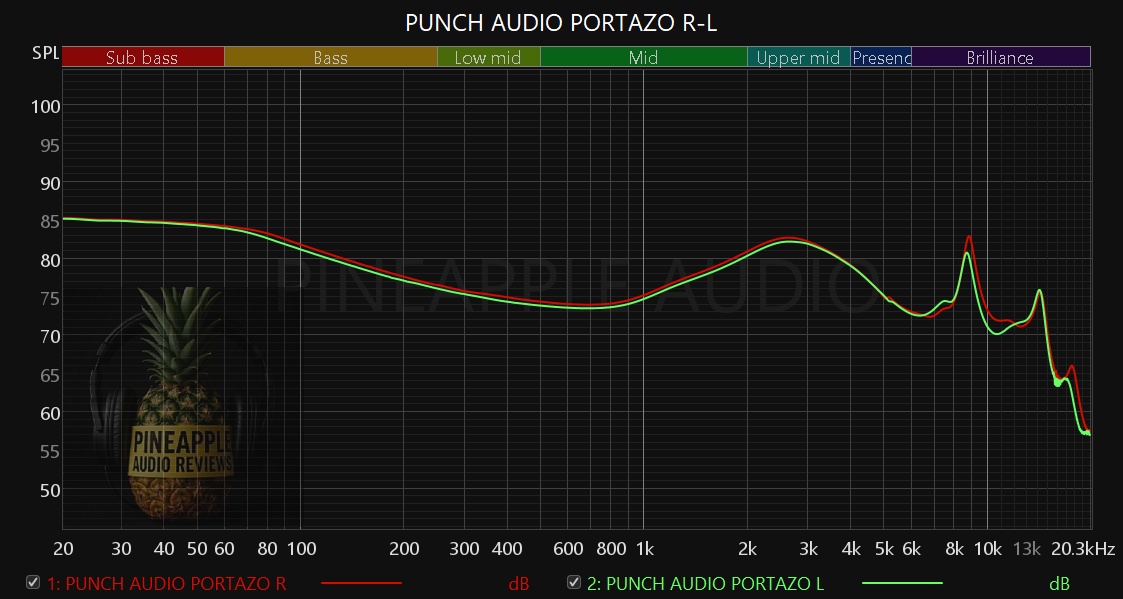
Inside, the Portazo runs a hybrid setup with one dynamic driver handling the lows, using a liquid silicone and LCP diaphragm combo. On top of that are two micro planar drivers, one for the upper mids and one acting as a tweeter. The headline spec is the roughly 15 dB sub bass lift, which already tells you exactly who this IEM is for.
Bass
Let’s not dance around it. The Portazo is a straight-up bass monster. From the first few seconds, it makes its intentions very clear. The sub bass goes deep and hits with real authority, delivering that low-end weight you feel more than hear. There is proper rumble here, the kind that fills the space and gives electronic tracks, hip hop, and modern pop that satisfying foundation.
What really defines the Portazo, though, is its mid bass. Compared to the Martilo, it gives up a bit of that sheer sub bass depth in exchange for speed, impact, and punch. The bass hits fast, hits hard, and gets out of the way cleanly. Kick drums slam with conviction and stop on a dime, bass lines have excellent drive and rhythm, and everything feels tight and controlled despite the sheer amount of low-end energy on tap. There is a physicality to the sound that keeps things exciting and makes it very hard not to nod along.
The other big surprise is just how easy the Portazo is to drive. Even at low to mid volume on a simple dongle or a basic DAP, it already comes alive and delivers that bone-rattling impact. You do not need to crank the volume, stack an amp, or worry about power at all. Plug it in, press play, and it just goes. That makes the Portazo dangerously fun for casual listening. It is the kind of IEM that gives you instant gratification with zero effort, perfect for those moments when you just want to enjoy your music without overthinking the setup.
Midrange
For a set with this much low-end energy, the midrange is handled better than you might expect. The Portazo manages to keep its mids sounding natural and well-defined instead of letting them get swallowed by the bass. Clarity is solid across the board, and transients are clean, especially in the upper mids where detail and articulation really matter.
Vocals come through clearly and with good presence. They are not pushed way back, nor do they sound muffled or veiled. Male vocals have enough body to feel grounded, while female vocals cut through the mix with clarity and good articulation. Instruments also come across with accurate tone and believable timbre, which helps the Portazo avoid that hollow or overly colored sound some basshead sets struggle with.
There is a slight lift in the upper mids, giving the presentation a brighter edge, but it works in the Portazo’s favor. That bit of energy helps counterbalance the massive bass shelf and keeps the overall tuning from turning thick or congested. Instead of sounding bloated, the mids stay lively, defined, and energetic. This is not a warm, syrupy midrange meant for laid-back listening. It is clean, punchy, and engaging, doing just enough to keep the Portazo sounding balanced and fun without losing its basshead identity.
Treble
The treble is easily one of the Portazo’s strongest suits. That planar driver really shows its strengths here. You get a clean, airy, well-extended top end that sounds fast and precise without feeling sharp or forced. Transients are snappy, cymbals have that natural shimmer and decay you want, and there’s enough sparkle up top to keep things lively and engaging without tipping into sibilance or fatigue.
What I like most is how purposeful the treble tuning feels. It is not just there for sparkle points. It actually plays a big role in keeping the whole signature in check. With the amount of low-end energy the Portazo can throw at you, the treble steps in to add air, contrast, and clarity, preventing the sound from collapsing into a one-note V-shaped bass monster.
Even when the bass is hitting hard, the top end stays composed and controlled. Detail retrieval remains intact, micro details still come through, and nothing feels smeared or overshadowed. There’s a sense of cohesion here that you don’t always get with bass-forward sets. The treble doesn’t fight the tuning, it anchors it. That balance is what makes the Portazo feel intentional and well thought out rather than just loud and flashy.

Technical Performance
Resolution & Separation: Resolution is surprisingly solid. You can pick out individual instruments even in dense mixes, and the separation doesn’t collapse when the bass is doing its thing. Tracks that usually sound messy on other bass-heavy IEMs stay clean here, which is a big win for something this fun-focused.
Soundstage: The soundstage is better than I expected. It’s not gigantic or airy like a planar, but it has decent width and a nice sense of depth. When you’re listening to live recordings or tracks with some space in the mix, instruments don’t feel smashed together. It gives the music breathing room while keeping the energy tight.
Imaging: Imaging is solid enough for casual gaming and live sessions. While it’s not a reference-grade pinpoint, you can still sense where instruments or effects are coming from. It’s precise enough to track elements without getting lost in the bass surge, which keeps it engaging rather than fatiguing.
Dynamics: Dynamics are excellent, and honestly, this is where the Portazo really shines. The bass isn’t just loud it’s lively, punchy, and responsive. It hits hard when it needs to but also has subtlety for quieter passages. That liveliness makes tracks feel alive, not just bass-heavy.
Overall, for a bass-first IEM, the Portazo manages to be both fun and technically competent. It’s energetic and impactful without turning into a wall of sound, which is a tricky balance that it handles surprisingly well.

Comparisons and Final Thoughts
Putting the Portazo side by side with the Martilo and the Hidizs MK12 x Ducbloke is basically a basshead playground. All three are unapologetically fun, but they go about it in very different ways, and that’s what makes this comparison interesting.

The Martilo is still the undisputed king when it comes to sheer sub bass depth. That rumble digs deep and lingers, the kind of low end you don’t just hear but physically feel. It has that slow, seismic pressure that rolls under the track and hits you in the chest. If sub bass presence is your top priority, the Martilo still wears the crown.
The Portazo takes a different approach. Instead of chasing the deepest rumble, it leans hard into speed, punch, and energy. The mid bass hits faster and harder, with a more aggressive attack that gives drums and bass lines a real sense of momentum. Notes start and stop quickly, which makes the whole presentation feel more lively and adrenaline-fueled. It sounds more explosive, more in your face, and honestly more playful. This is the set you reach for when you want impact and excitement, not just depth.
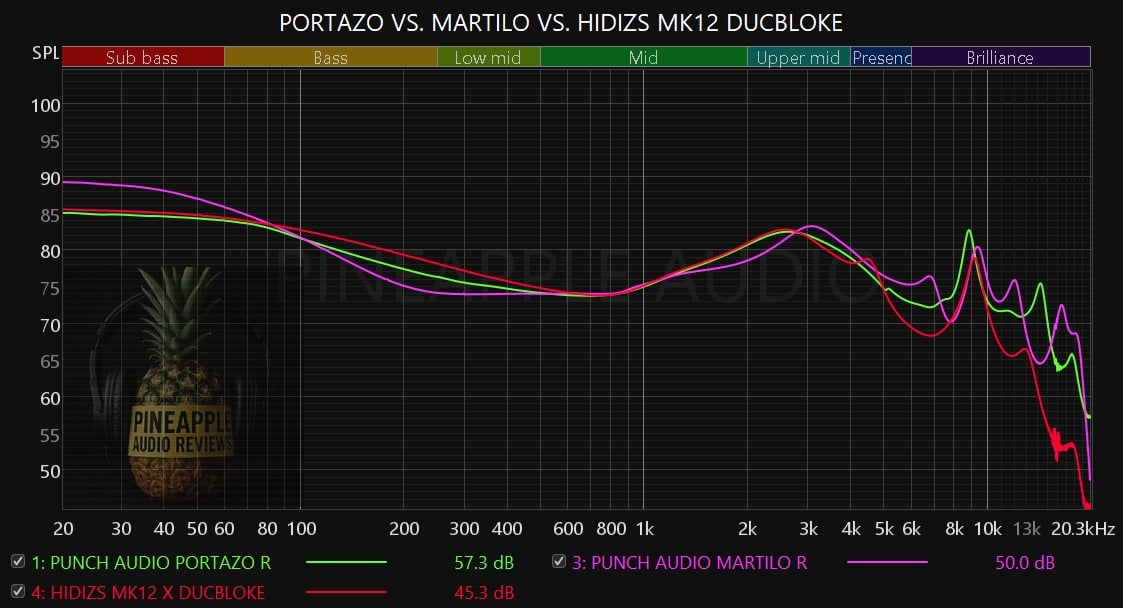
The Hidizs MK12 x Ducbloke, especially when you listen to it without its custom PEQ, comes across as the most refined and balanced of the trio. On paper and on graphs it looks pretty close to the Portazo, but in actual listening the difference is obvious. The MK12’s bass feels more sculpted and intentional, with smoother transitions into the mids and a calmer overall delivery. It is weighty without being wild, controlled without feeling boring. There’s a sense of polish here that makes it easier to listen to for longer sessions.
At the end of the day, all three are pure fun, just tuned for different moods and playlists. If your rotation is heavy on rap, EDM, techno, and anything that thrives on raw impact and high energy, the Punch Audio brothers are the clear picks. They are built to slam, plain and simple. If your library leans more toward hip hop, R&B, rock, or bass-forward vocal tracks where you still want authority down low but with better control and smoothness, the MK12 x Ducbloke makes a lot of sense.
The Portazo, though, has its own special kind of charm. It’s compact, easy to drive, and hits way harder than it has any right to. Despite all that low-end aggression, it stays surprisingly clean and composed, never completely losing its grip on the rest of the mix. This little thing is an absolute bass goblin in the best way possible, and it knows exactly what it wants to be.
Final Thoughts
The Portazo feels like Punch Audio doubling down on what they do best and refining it into a smaller, more accessible package. It does not try to be a reference set, and it is not chasing neutrality or studio accuracy. Instead, it focuses on delivering pure, unapologetic fun, and it does that extremely well.
What really sells the Portazo for me is how complete the tuning feels despite the massive bass lift. The sub bass hits hard, the mid bass punches fast, the mids stay clear and natural, and the treble does the heavy lifting to keep everything balanced and lively. That is not easy to pull off, especially on a basshead IEM, but Punch Audio nailed it here.
The other big win is drivability. You can plug this straight into a dongle or a modest DAP and immediately get that full, energetic experience without cranking the volume or adding extra gear. That makes the Portazo perfect for everyday listening, travel, or those moments when you just want to hit play and smile.
If you loved the Martilo but want something smaller, punchier, and more aggressive in the mid bass, the Portazo makes a lot of sense. And if you are a basshead who still cares about clarity, balance, and a well-thought-out tuning, this is an easy recommendation.
Punch Audio is clearly listening to its audience, and the Portazo feels like a confident step forward for the brand. Loud, fun, and addictive in all the right ways.
- Get link
- X
- Other Apps
- Get link
- X
- Other Apps
Comments
Post a Comment