• Exceptional output power for the price at 4.6W per channel (balanced)
• Clean, neutral-bright sound with excellent transparency and detail
• Outstanding synergy with planar magnetic headphones
• High-current discrete Class AB design delivers excellent control and dynamics
• Tight, authoritative bass with effortless headroom
• Compact, solidly built chassis with a clean industrial design
• 3.5mm and 4.4mm headphone outputs, plus RCA and 3.5mm line inputs
• Excellent value for money
Cons:
• Neutral-bright tuning may not pair as well with already bright headphones
• Pure amplifier only, so you'll need an external DAC or source with line out
• Requires a USB-C PD power supply, which is not included.
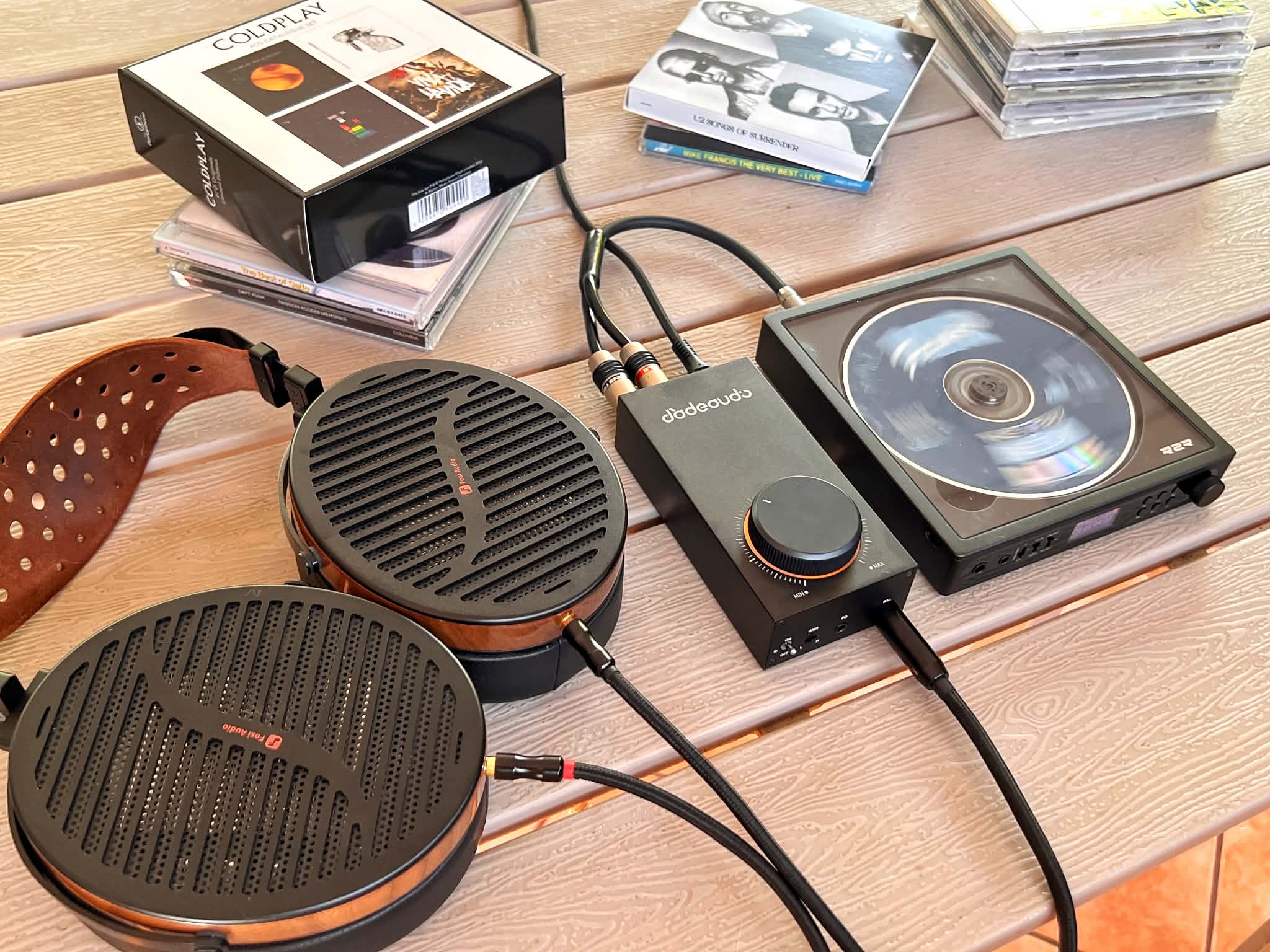
When I first saw the JadeAudio GIGAS 1, I honestly had to double-check the specs. A fully discrete desktop headphone amplifier pushing around 4.6W of balanced output for roughly $50 USD almost sounded too good to be true. After spending quite a bit of time with it, I can confidently say this is one of the most impressive budget desktop amplifiers I've used.
The name "GIGAS" comes from the Greek word for "giant," and it fits perfectly. Despite its compact size, this thing delivers power that you normally expect from amplifiers costing several times more.
Why the GIGAS Series Exists
The GIGAS lineup was created alongside the FIIO JT7 planar headphones. Planar magnetic headphones are known for their lower sensitivity and higher power requirements. While there are plenty of powerful desktop amplifiers available, many of them are expensive enough to discourage newcomers from trying full-size planars.
The goal behind the GIGAS series is simple: give people enough clean power to properly drive demanding headphones without breaking the bank.
The lineup currently consists of three models:
GIGAS 1: Pure desktop headphone amplifier.
GIGAS 2: Portable battery-powered amplifier with a removable battery.
GIGAS 3: Desktop headphone amplifier with a built-in DAC.
For me, the GIGAS 1 is probably the most interesting of the three because it focuses on doing one job exceptionally well.
Whats in the box? check out my video for a closer look at the Gigas 1.
Build Quality
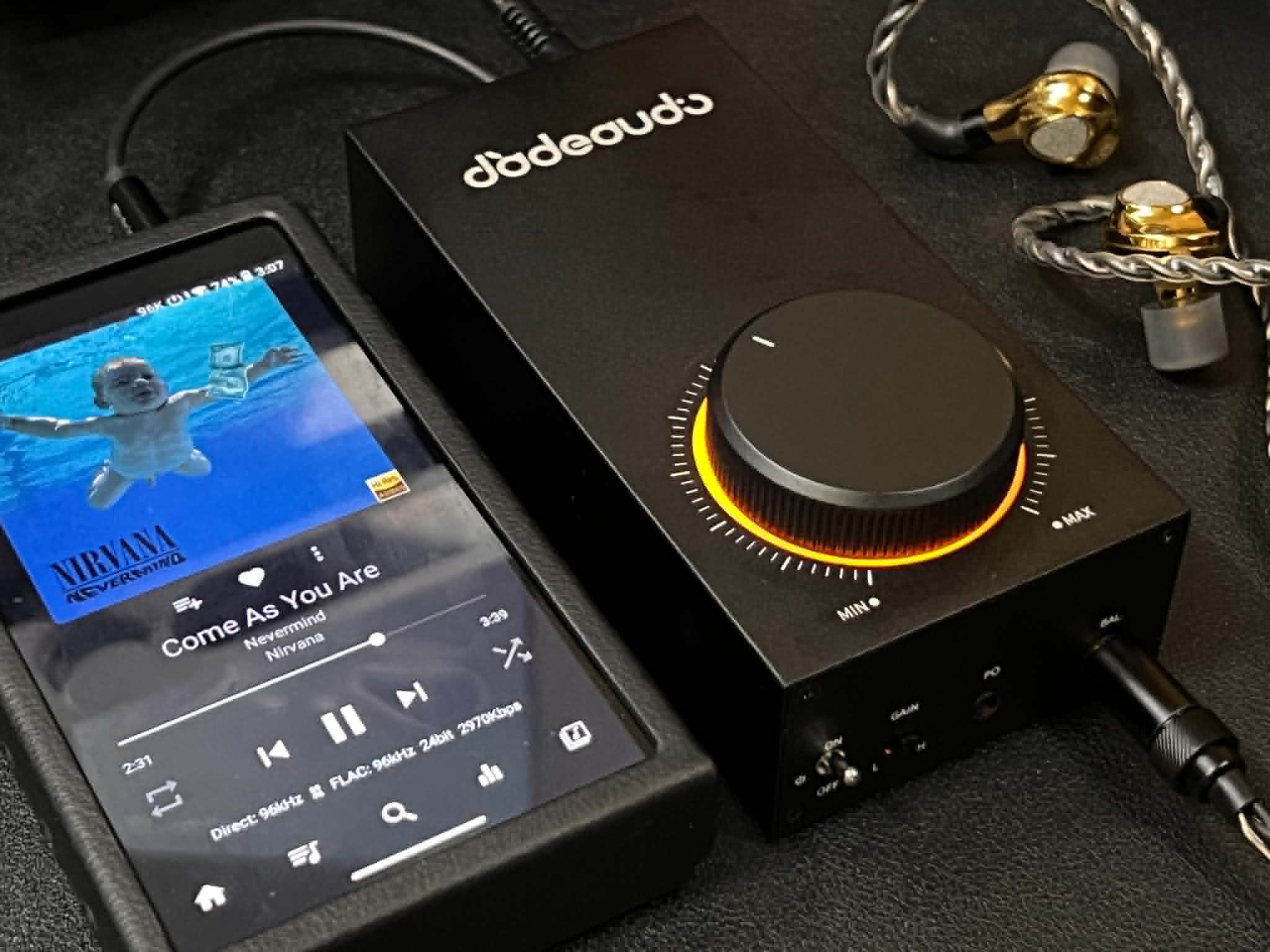
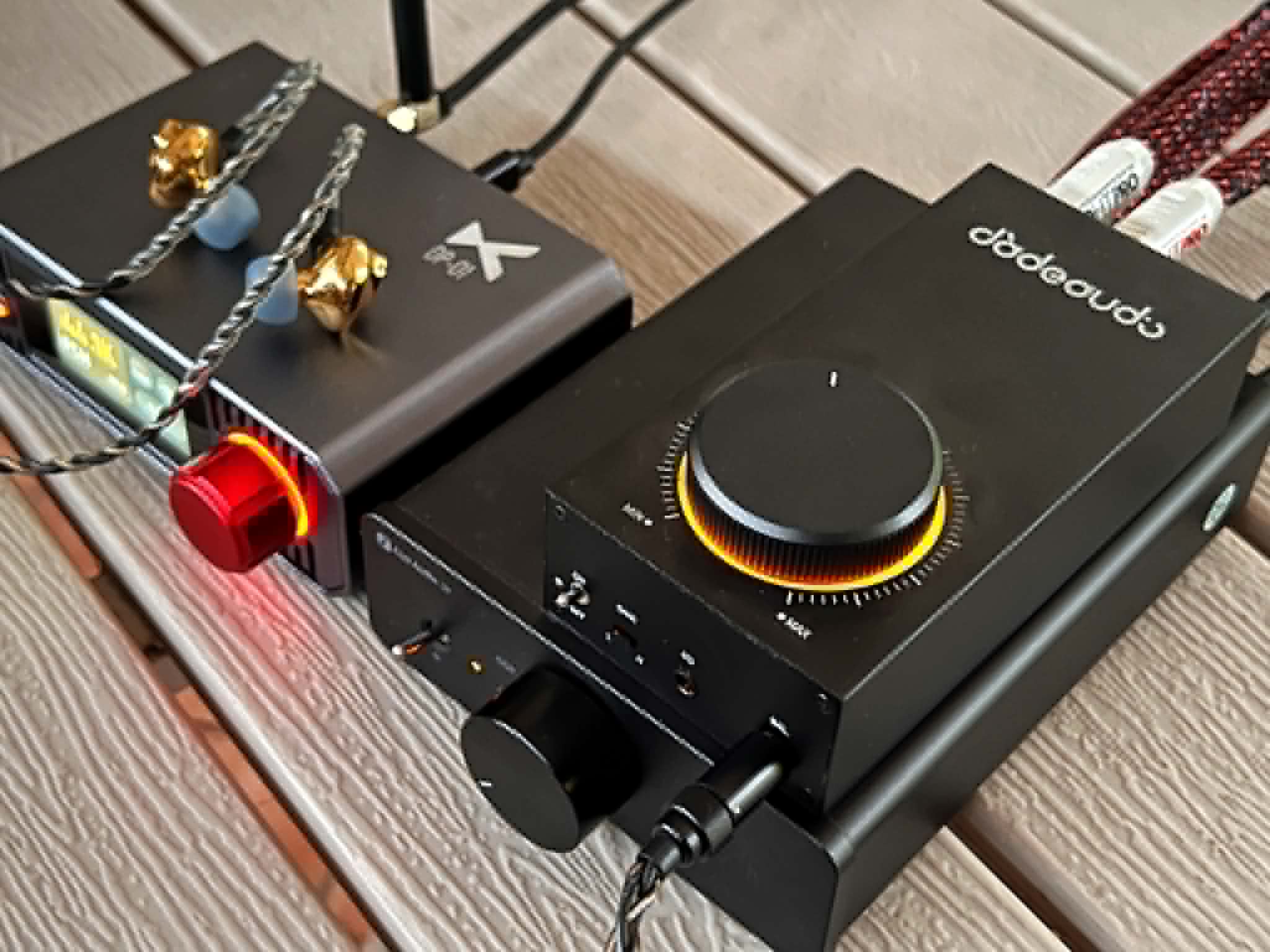
The first thing that caught me off guard was just how compact the GIGAS 1 is. It's roughly the size of a small brick, taking up very little desk space, but once you pick it up, it feels surprisingly dense and well-built. It has a reassuring weight to it that immediately gives the impression of a proper desktop amplifier rather than just another lightweight budget box.
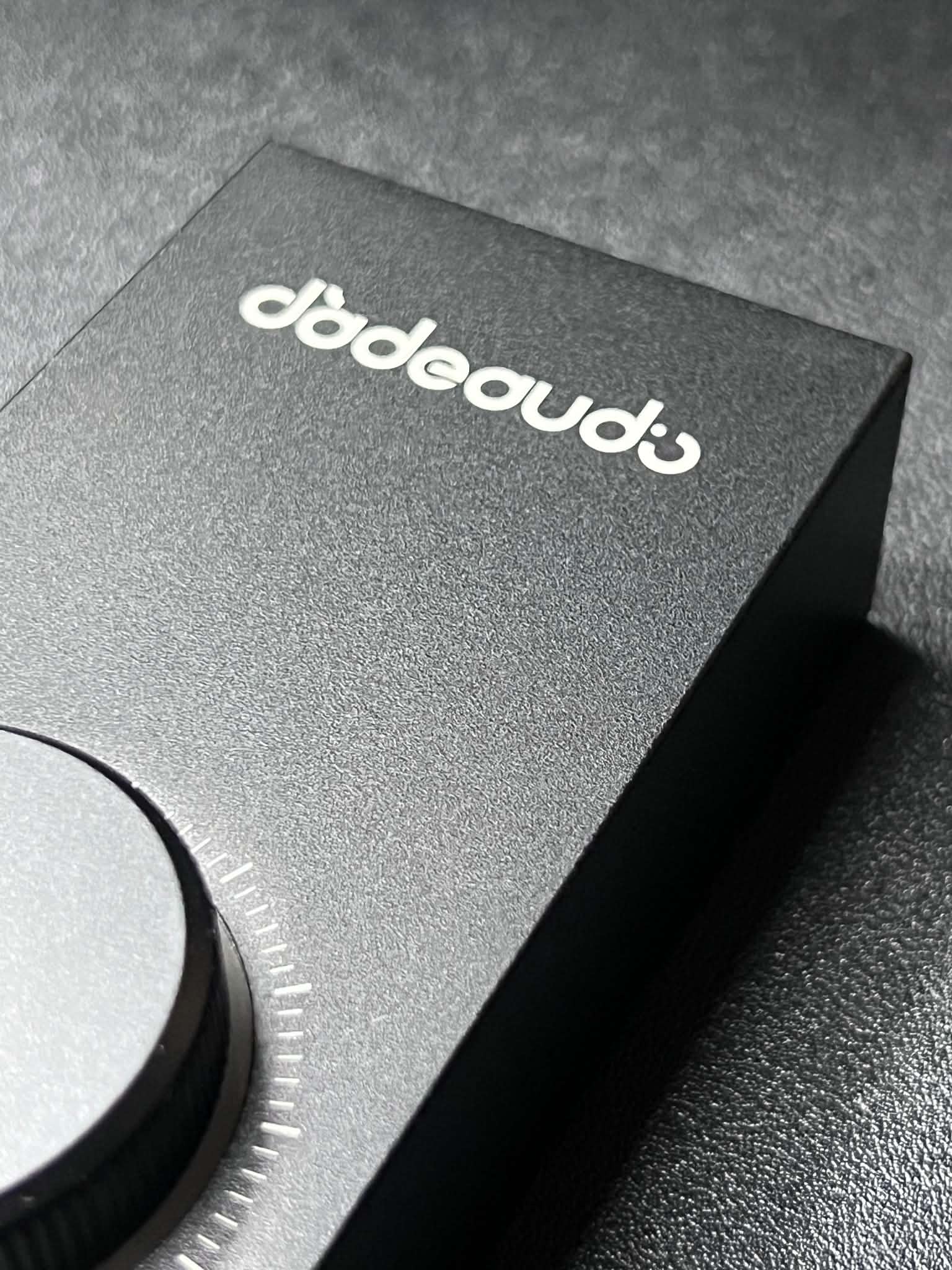
I really like the design. It's clean, understated, and has that classic industrial hi-fi look. There are no flashy accents, RGB lights, or unnecessary styling. It's simply a functional piece of audio gear that looks like it was designed with performance in mind. Personally, I prefer this kind of no-nonsense aesthetic because it feels timeless and fits naturally into any desktop setup.
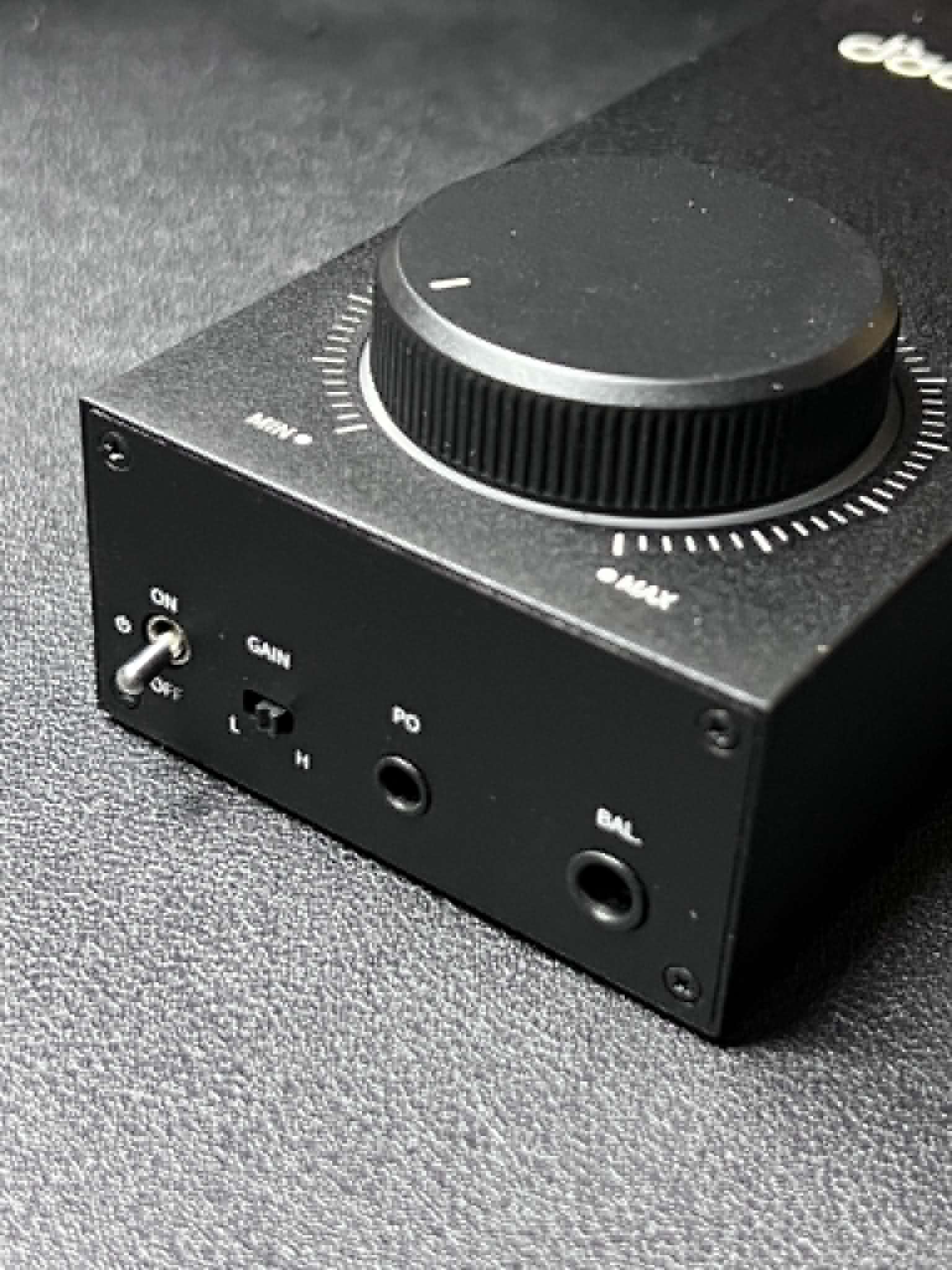
One of my favorite little touches is the physical toggle power switch. It might seem like a small detail, but there's something satisfying about flipping a real switch instead of pressing another soft-touch button. It adds a bit of old-school charm that I think a lot of audio enthusiasts will appreciate.
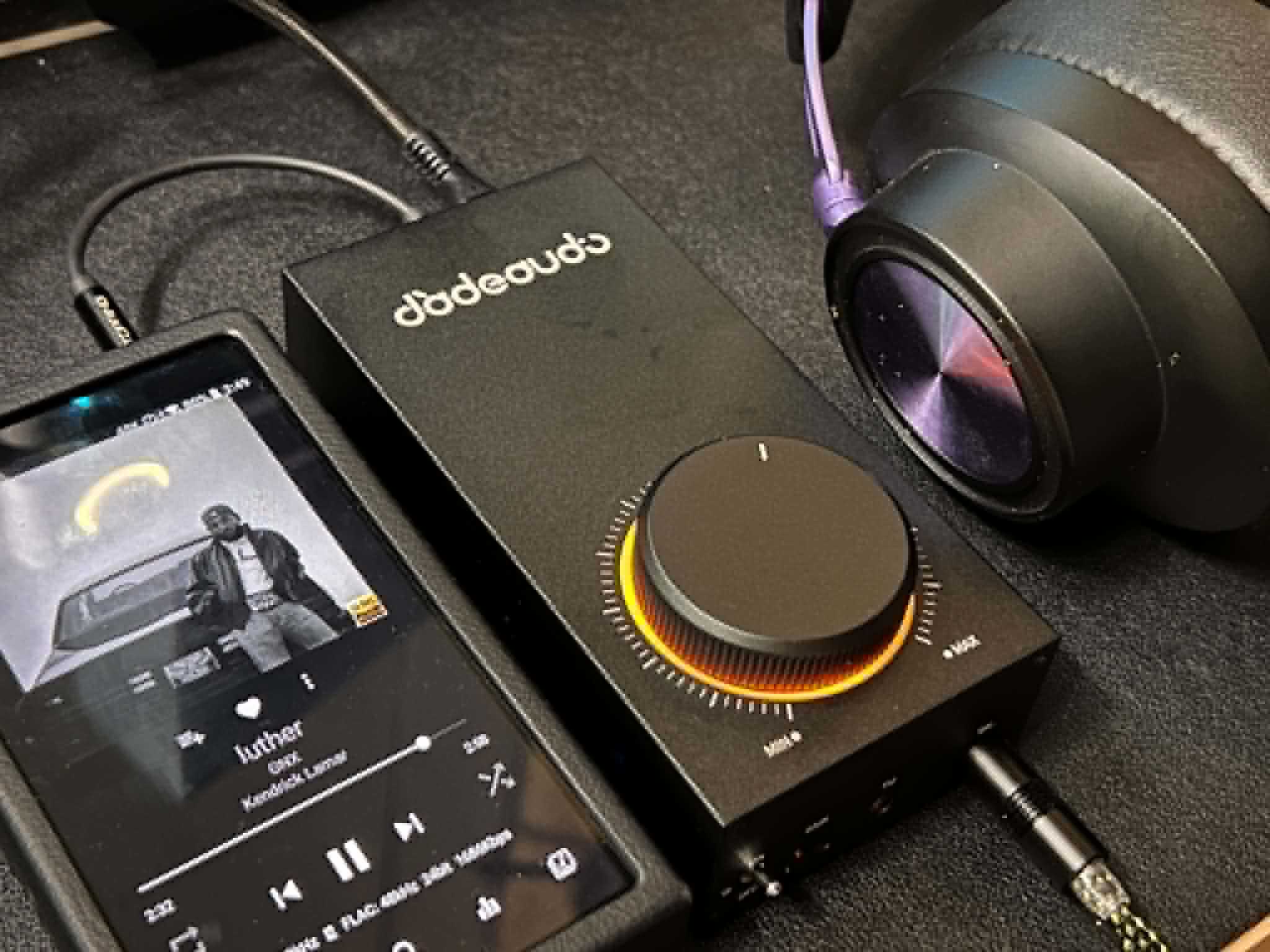
What really impressed me, though, is how FIIO managed to pack this much hardware into such a compact chassis. The GIGAS 1 delivers an impressive 4.6W per channel through the balanced output, yet it barely occupies any space on the desk. Looking at its size, you'd never guess it has this much power on tap.
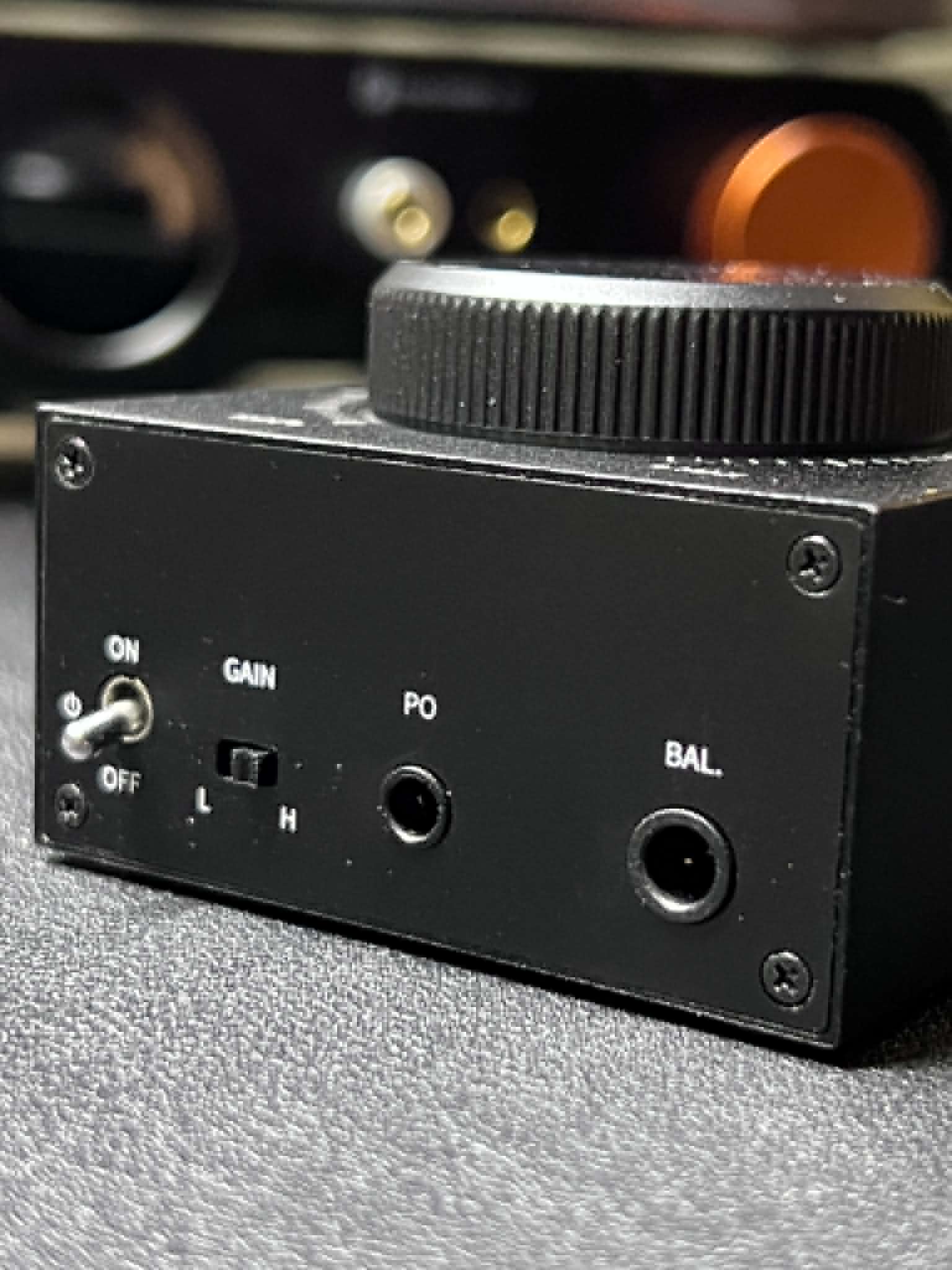
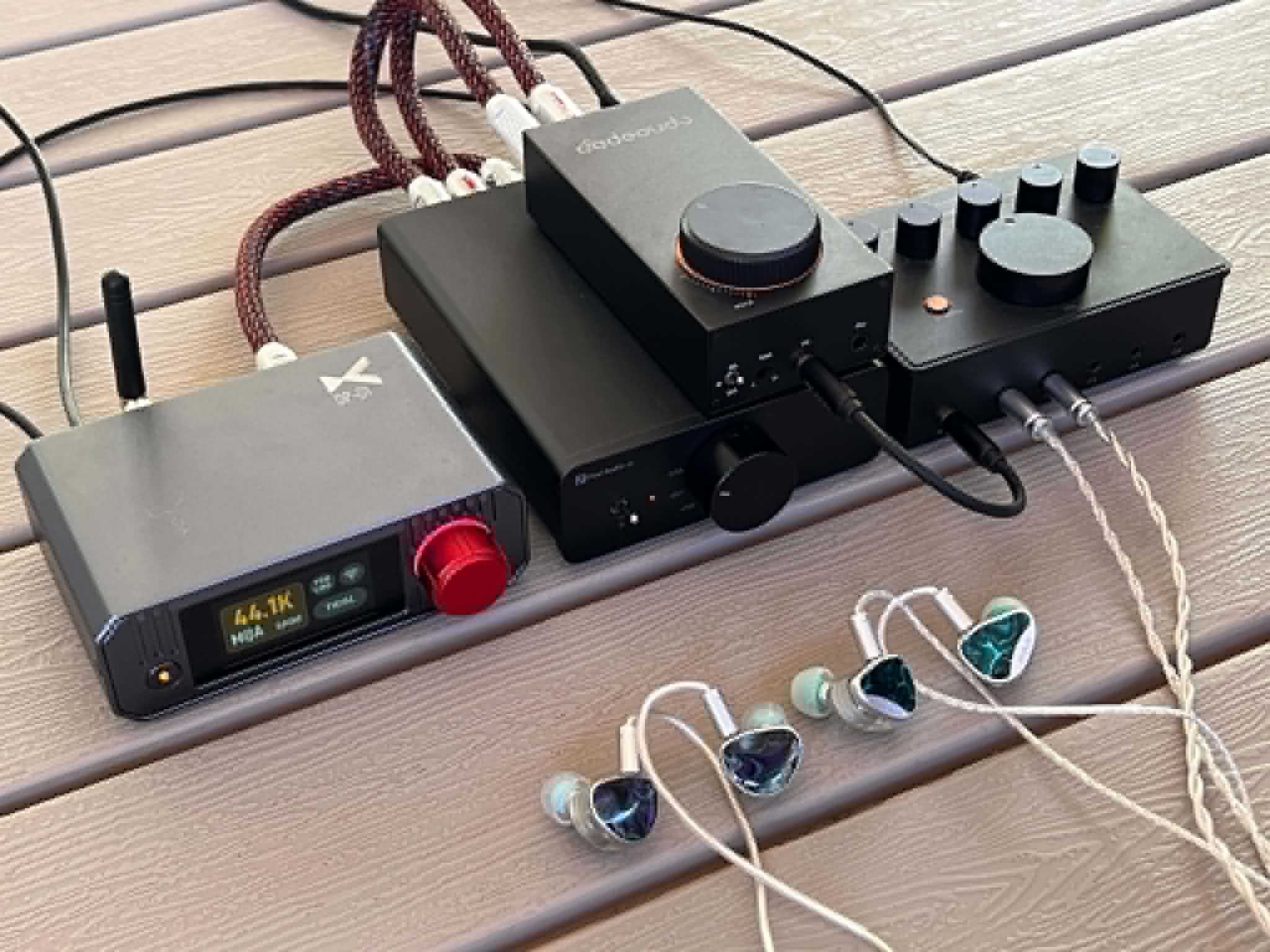
The front panel is straightforward and easy to use. You get both a 3.5mm single-ended output and a 4.4mm balanced output, making it compatible with almost any headphone or IEM. A nice bonus is that the 3.5mm jack supports CTIA microphone passthrough, so if you're using a headset for gaming or voice calls, you don't lose microphone functionality.
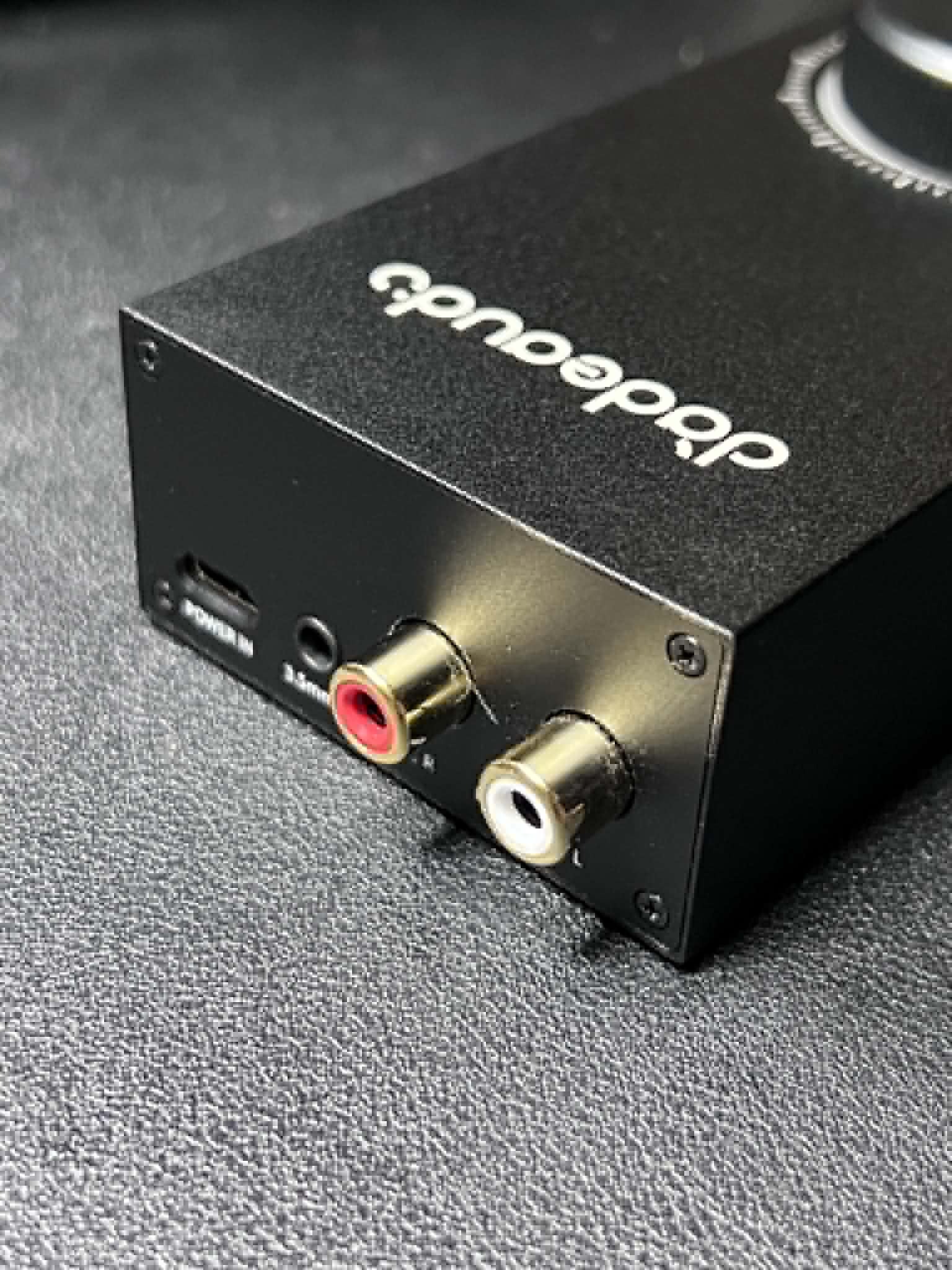
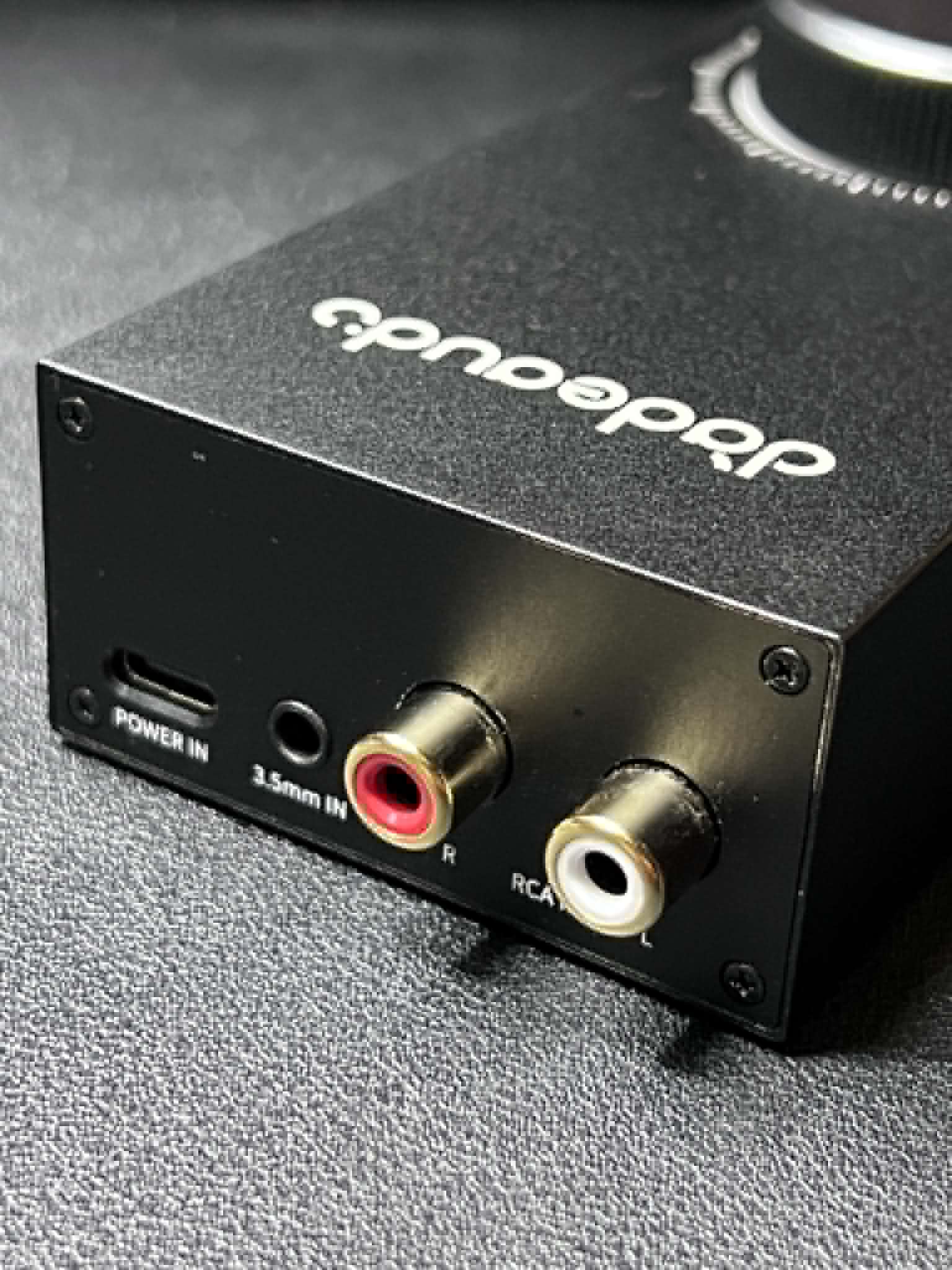
Around the back, you'll find RCA and 3.5mm line inputs, giving you the flexibility to pair it with dedicated DACs, desktop streamers, portable players, or even a dongle DAC. Power is supplied through USB-C with support for both 5V and 12V Power Delivery, making it easy to power from a compatible USB-C PD adapter. Using a 12V PD unleashes the 4.5W balance output power but it get a little warm after a few hours of use.
I really like how practical the GIGAS 1 is. It's compact enough to fit on almost any desk, simple enough that anyone can set it up in minutes, and solid enough that it feels like it'll last for years. It's a great example of FIIO focusing on what actually matters: good build quality, smart design, and serious performance without making things unnecessarily complicated.
Under the Hood
The GIGAS 1 isn't one of those amps that simply throws out impressive power numbers on a spec sheet. After spending time with it, it's clear there's some serious engineering behind it. Instead of using a typical all-in-one amplifier chip, FIIO went with a fully discrete Class AB design, combining an op-amp for voltage gain with a discrete transistor output stage built around the tried-and-tested onsemi MJE243G and MJE253G power transistors.
In simple terms, the op-amp handles the incoming audio signal, while the discrete transistors do the heavy lifting. This allows the GIGAS 1 to deliver much higher current with better control than many entry-level amps that rely solely on integrated amplifier chips. The result is an amplifier that stays composed even when driving more demanding headphones.
This design makes perfect sense when you consider why the GIGAS series was created. Planar magnetic headphones aren't necessarily difficult because they need extremely high volume. What they really demand is clean current delivery. Without enough current, they can sound flat, lacking dynamics and bass authority. Give them a capable amplifier, and they suddenly come alive with tighter bass, faster transients, better dynamics, and a more effortless presentation.
The GIGAS 1 is clearly built with that in mind. It features a low-impedance, high-current output stage capable of delivering an impressive 4,600mW per channel through the balanced output. That's an incredible amount of power for an amplifier this compact, and honestly, something I wouldn't have expected at this price point.
Considering it sells for around $50 USD, the specifications alone are already impressive. But after actually listening to it, I can say the performance backs them up. This isn't just about having more volume. It's about having enough clean power and current reserve to let demanding headphones perform the way they were meant to. For the price, the amount of engineering packed into this little amp is genuinely hard to ignore.
Sound Impressions
The first thing that stood out to me wasn't the power. It was the way the GIGAS 1 presents music. From the first few tracks, it has a clean, neutral-bright character that immediately gives the impression of a very transparent amplifier. It doesn't try to color the sound or add warmth. Instead, it focuses on delivering a clear, energetic, and highly resolving presentation while still sounding natural and enjoyable. It never came across as harsh or overly analytical during my listening sessions.
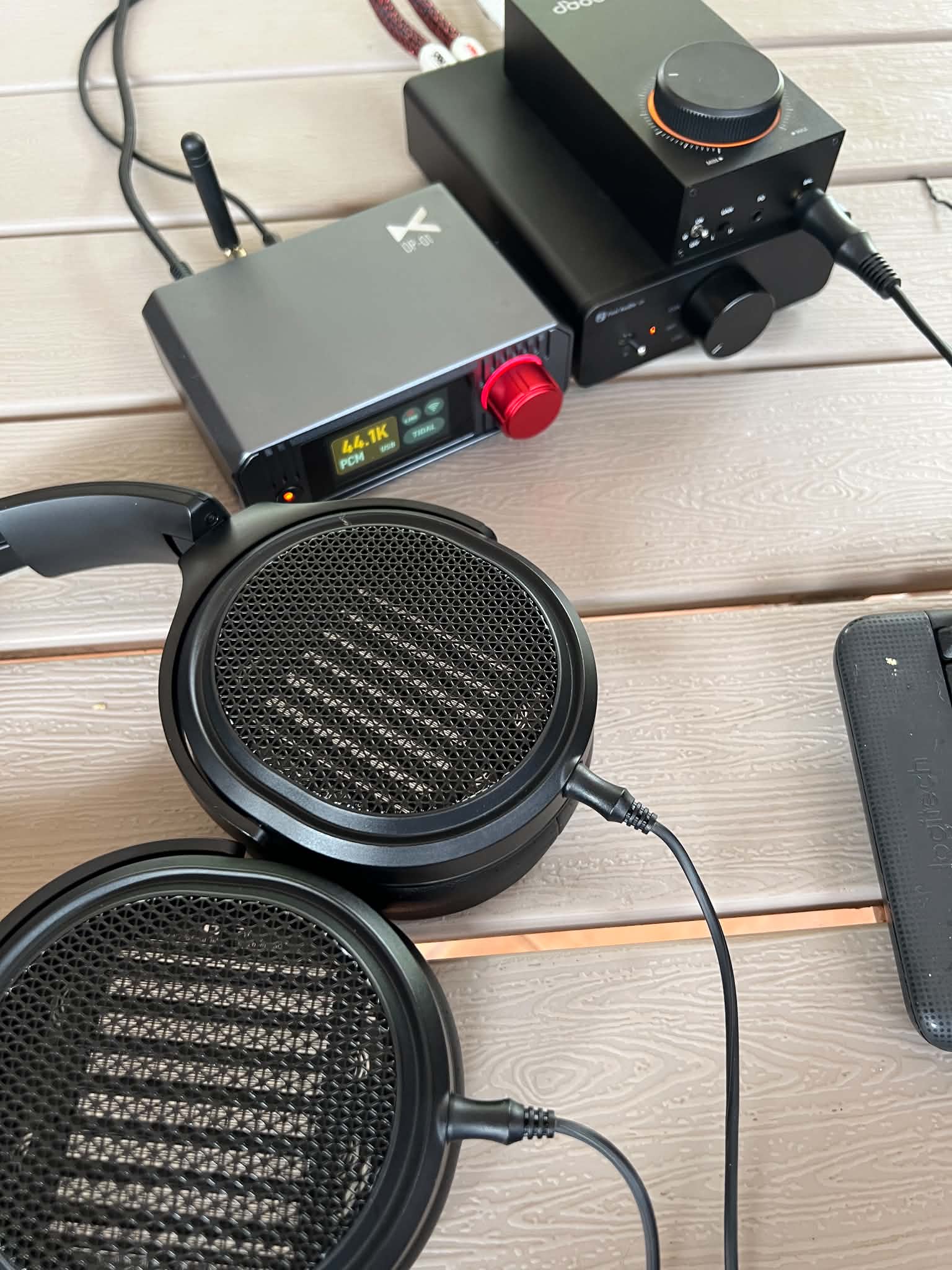
After spending quite a bit of time pairing it with the FIIO JT7, I finally understood why FIIO developed this amplifier alongside that headphone. The JT7 naturally leans toward a warm, smooth, and organic presentation. Pairing it with the GIGAS 1 creates excellent synergy because the amp complements the headphone instead of exaggerating its warmth.
The first thing I noticed was the increase in overall clarity. Fine details become easier to pick out, vocals sound more defined, and instruments occupy their own space with better separation. The sound opens up without becoming artificially bright. It's simply cleaner and more focused.
Dynamics also take a noticeable step forward. Drum hits have more impact, bass notes start and stop with greater precision, and fast passages sound more effortless. The transient response feels quicker, giving music a stronger sense of speed and energy. Microdetails that were previously sitting in the background become easier to hear, making familiar tracks sound more engaging.
What impressed me most is how the GIGAS 1 brings out the strengths of planar magnetic drivers. Planars are known for their speed, low distortion, and excellent detail retrieval, but they only perform at their best when they're given enough current. That's exactly where the GIGAS 1 shines. It provides the current headroom needed for the JT7 to really stretch its legs.
The bass becomes tighter and more controlled with better texture rather than simply adding more quantity. The midrange stays clean and transparent, allowing vocals and instruments to come through with excellent clarity, while the treble gains a bit more sparkle and air without becoming fatiguing. Overall, the presentation feels more dynamic, more effortless, and simply more alive.
Listening through the JT7 with the GIGAS 1 honestly felt like hearing the headphone at its full potential. It wasn't changing the character of the headphone, it was simply allowing it to perform the way it was meant to.
Driving Power
This is where the GIGAS 1 really separates itself from most amplifiers in its price range.
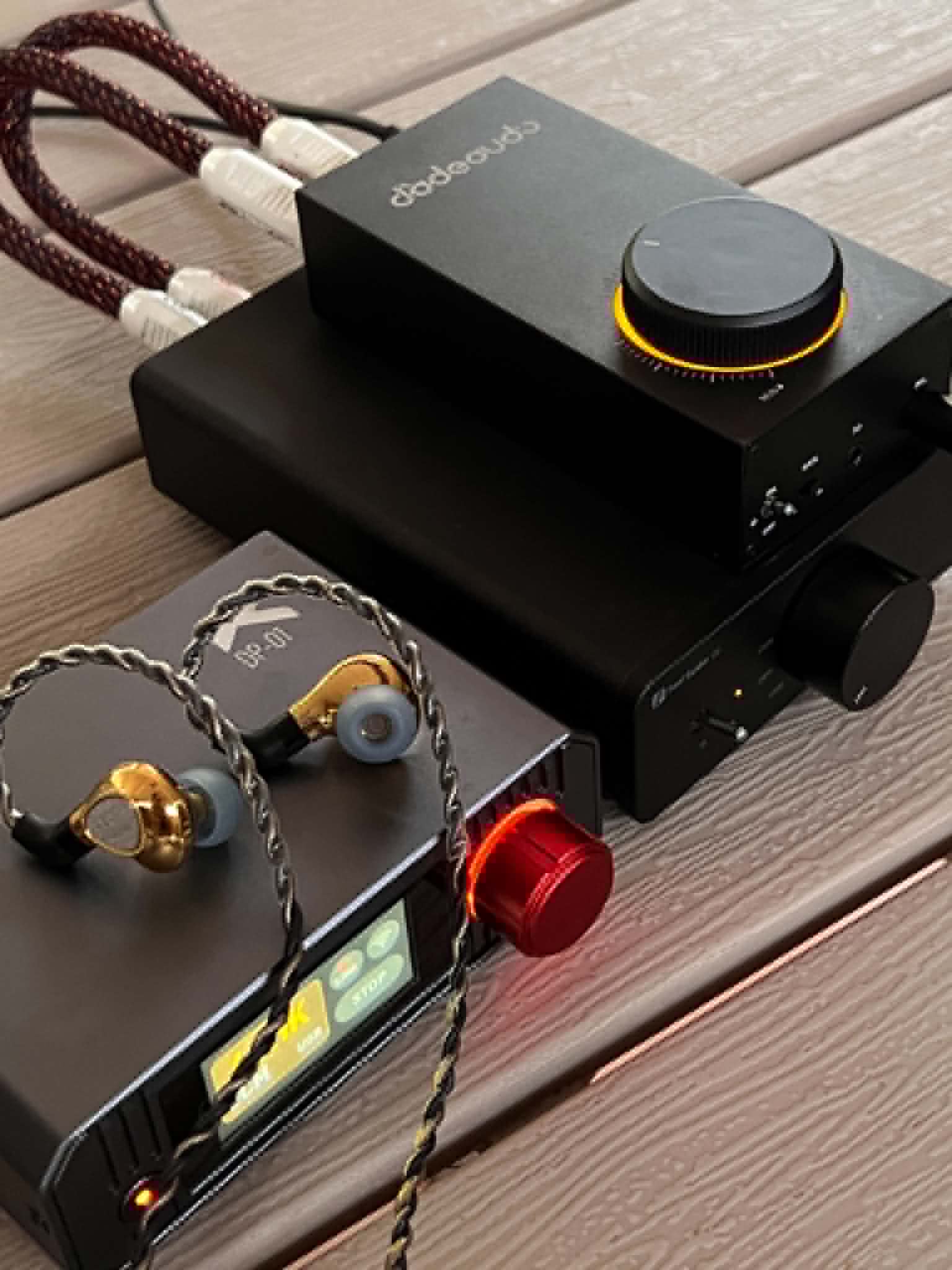
I've tested plenty of dongle DACs, portable amps, and desktop amplifiers over the years, and it's honestly hard to believe this much power is coming from something this compact. Looking at the chassis, you'd never expect it to deliver 4.6 watts per channel through the balanced output, but it does it with confidence.
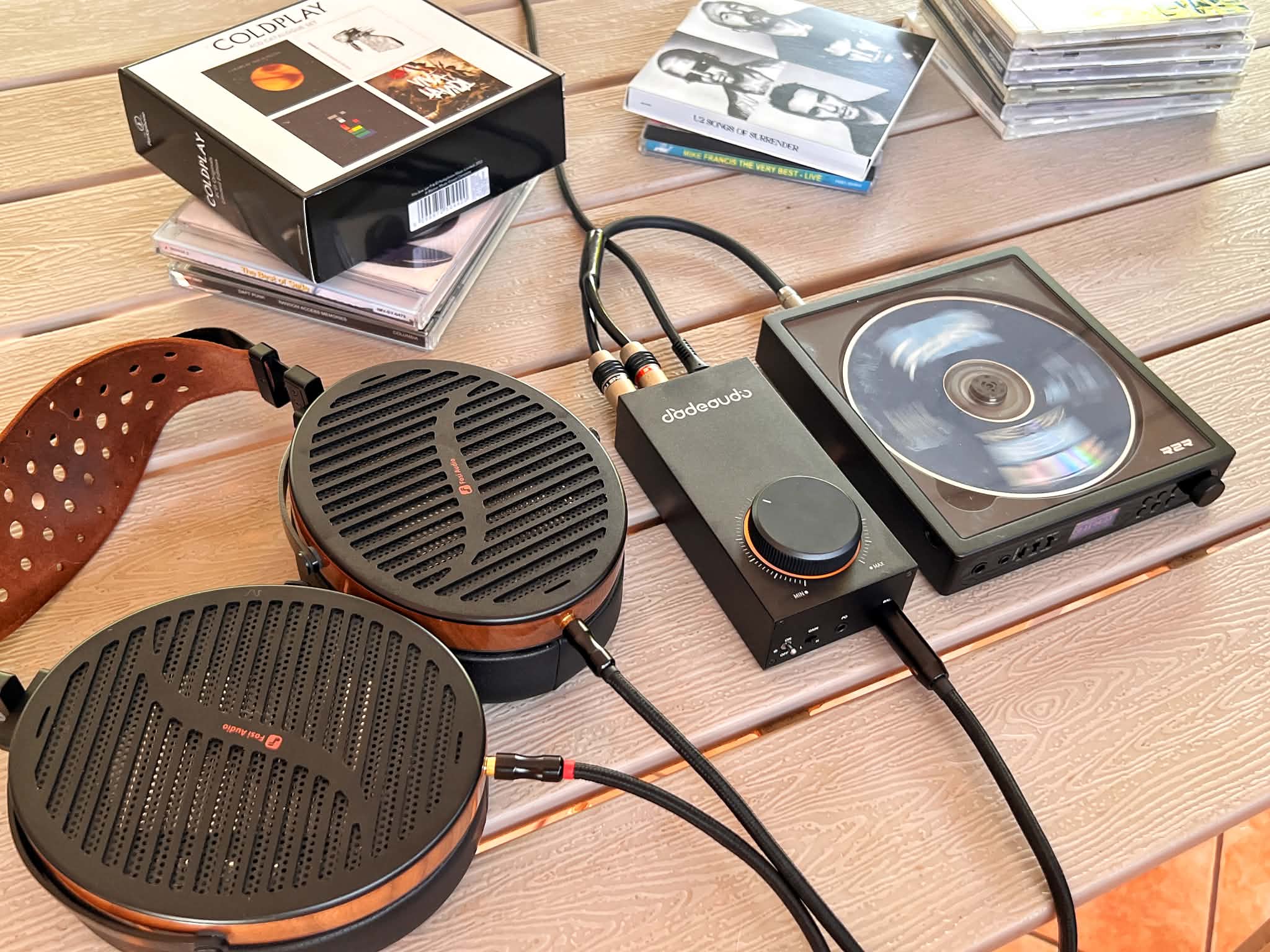
No matter what I connected to it, the GIGAS 1 never sounded like it was working hard. With demanding planar headphones, there was always plenty of headroom left in reserve. Even when listening at higher volumes, the amplifier remained composed and controlled. There was no sense of compression or strain. Instead, the sound stayed clean, dynamic, and effortless.
The extra power isn't just about playing louder. It's about maintaining control over the drivers. Bass stays tight and punchy instead of becoming loose, complex orchestral passages remain well-layered without collapsing into congestion, and fast rock or metal tracks retain their speed and separation. The amplifier always feels like it's in complete control of the headphone.
Even efficient dynamic headphones benefit from the GIGAS 1's high-current design. They sound more authoritative, with improved bass grip, better dynamics, and a stronger sense of effortlessness. The amplifier gives the impression that there's always more power available whenever the music demands it.
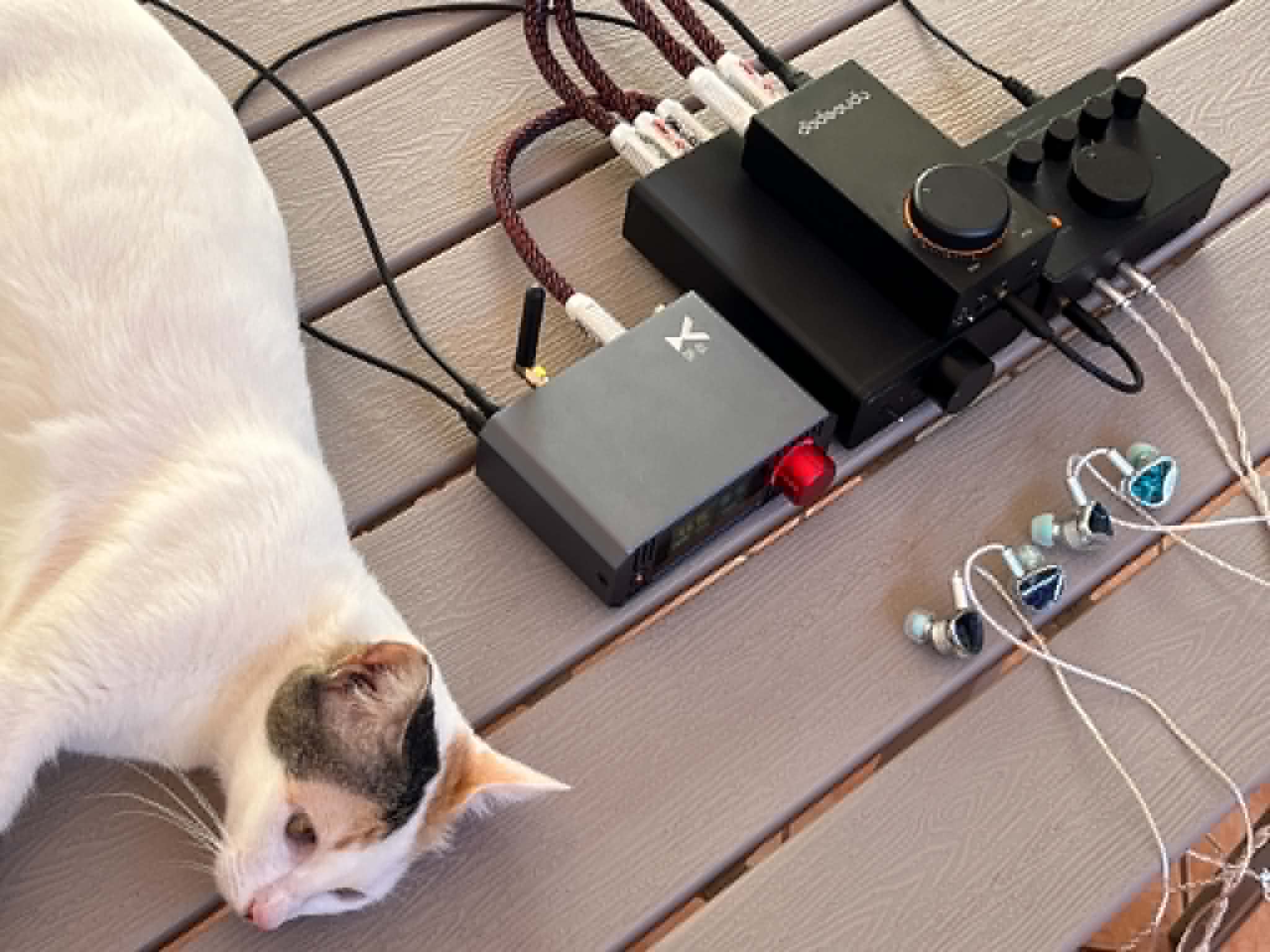
I also tried it with a few power-hungry IEMs and my hardest to drive Tinhifi P2 Ultra and it drove them effortlessly. Of course, because this amp has so much power on tap, you'll want to be careful with highly sensitive IEMs. A small adjustment on the volume knob goes a long way.
For me, that's what makes the GIGAS 1 so impressive. It isn't powerful just for the sake of impressive specifications. That power translates into better control, improved dynamics, and a more confident presentation that you can actually hear, especially with demanding planar headphones.
Final Thoughts
The JadeAudio GIGAS 1 genuinely surprised me.
At around $50, I wasn't expecting this level of performance, power, or build quality.
What impressed me most isn't simply the numbers on the spec sheet. Plenty of products advertise impressive output figures. The difference here is that the GIGAS 1 actually delivers a confident, controlled sound that makes demanding headphones come alive.
If you're planning to get into full-size planar headphones but don't want to spend hundreds of dollars on an amplifier, this is easily one of the best values I've come across.
It's compact, well-built, surprisingly powerful, and sounds clean and dynamic.
For anyone looking for an affordable desktop amplifier that punches far above its price class, the JadeAudio GIGAS 1 absolutely lives up to its name. It's a little giant that has every chance of shaking up the entry-level desktop amplifier market.
Comments
Post a Comment