Pros:
• Beautiful handcrafted faceplates with excellent overall build quality.
• Comfortable ergonomic shell with excellent fit and passive isolation.
• Clever chin slider that doubles as tuning nozzle storage. One of the most practical filter systems I've used.
• Refined, musical tuning with deep, controlled bass and natural, organic mids.
• Clean, well-extended treble with impressive air and detail for a single dynamic driver.
• Noticeably improved technical performance over the original Dawn MS, with a wider soundstage, better imaging, layering, and separation.
• Two tuning nozzles offer useful sound adjustments without changing the IEM's core character.
• High-quality stock silver-plated cable.
• Excellent value for its level of craftsmanship, engineering, and sound quality.
Cons: .
• Slightly larger than normal nozzle.
I've been following INAWAKEN since the release of their first IEM, the original Dawn MS. Since then, I've also spent a lot of time with their flagship 12-driver Twilight DS, and now their latest release, the Dawn Mistwood. Having owned and extensively listened to all three, I've become very familiar with what I consider the INAWAKEN house sound.
Despite having only three IEMs in their lineup, the tuning across all of them has been remarkably consistent. They all share a musical, engaging presentation with deep, authoritative bass, a natural and organic midrange, and smooth, well-controlled treble that delivers good detail without becoming overly analytical or fatiguing. It's a tuning philosophy that prioritizes musical enjoyment over chasing maximum resolution, and it happens to align very closely with my own listening preferences.
The original Dawn MS impressed me with its fun, energetic sound and powerful low end. The Twilight DS took that same tuning philosophy and elevated it with better technical performance, refinement, and resolution. The Dawn Mistwood continues that progression.
Rather than creating an entirely new sound signature, INAWAKEN focused on improving what already worked. The Mistwood keeps the same musical DNA that made the Dawn MS so enjoyable, but upgrades nearly every aspect of its performance. The bass is cleaner and better controlled, the midrange sounds more refined and natural, the treble has better extension and air, and the technical performance takes a noticeable step forward with improvements in soundstage, imaging, separation, and dynamics.
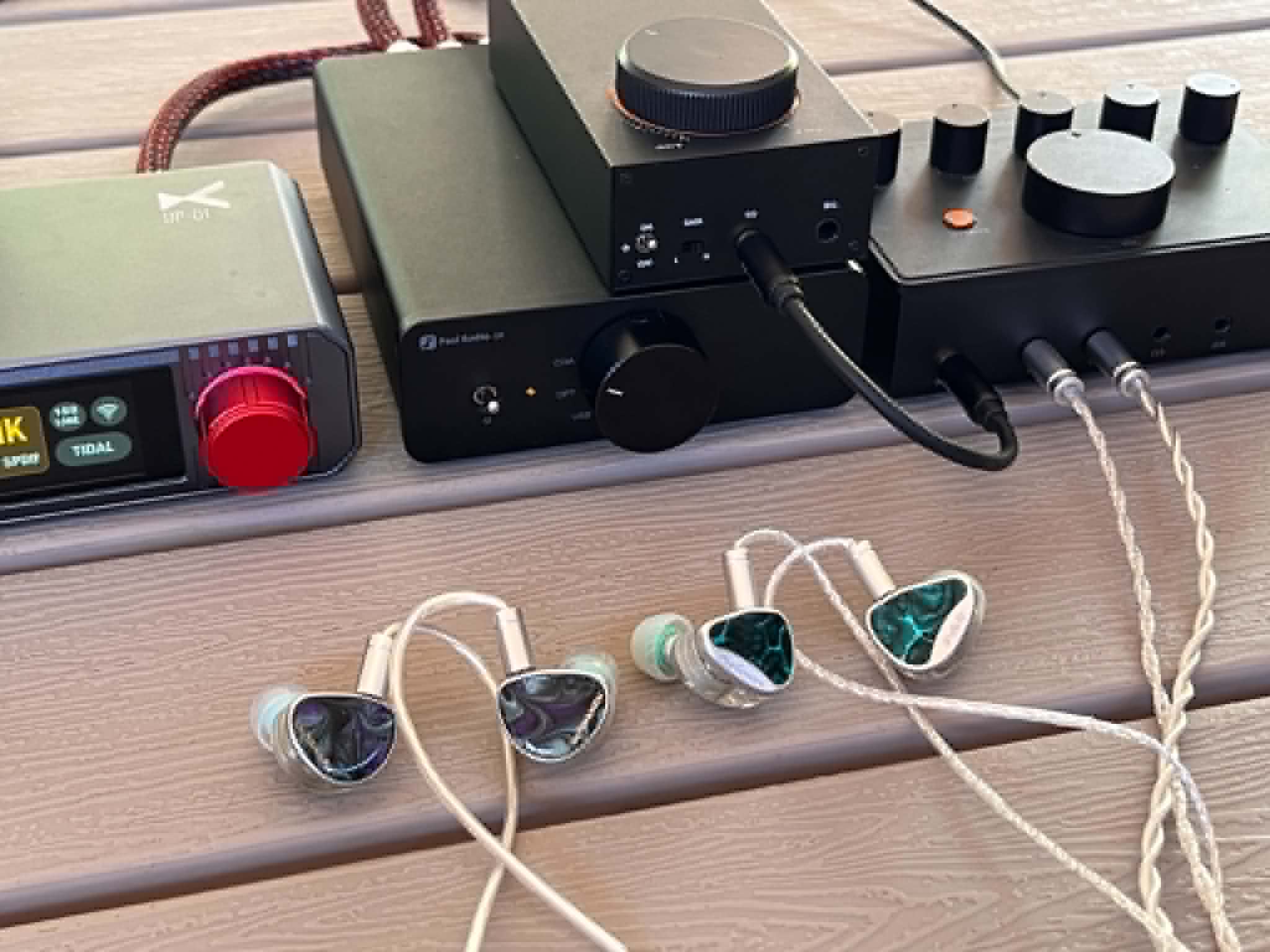
After spending considerable time comparing the Dawn MS and the Mistwood side by side, it's clear that this isn't just a refresh with a new faceplate or minor driver update. It feels like a carefully refined second generation of the Dawn MS. The familiar tuning is still there, but everything sounds cleaner, more mature, and more technically capable.
To me, that's exactly how a successor should be done. Instead of changing the identity of the product, INAWAKEN preserved what made the original special while making meaningful improvements across the board.
Whats in the box? checkout my quick unboxing video and take a closer look.
Build Quality & Design
The first thing that immediately caught my attention was the appearance.
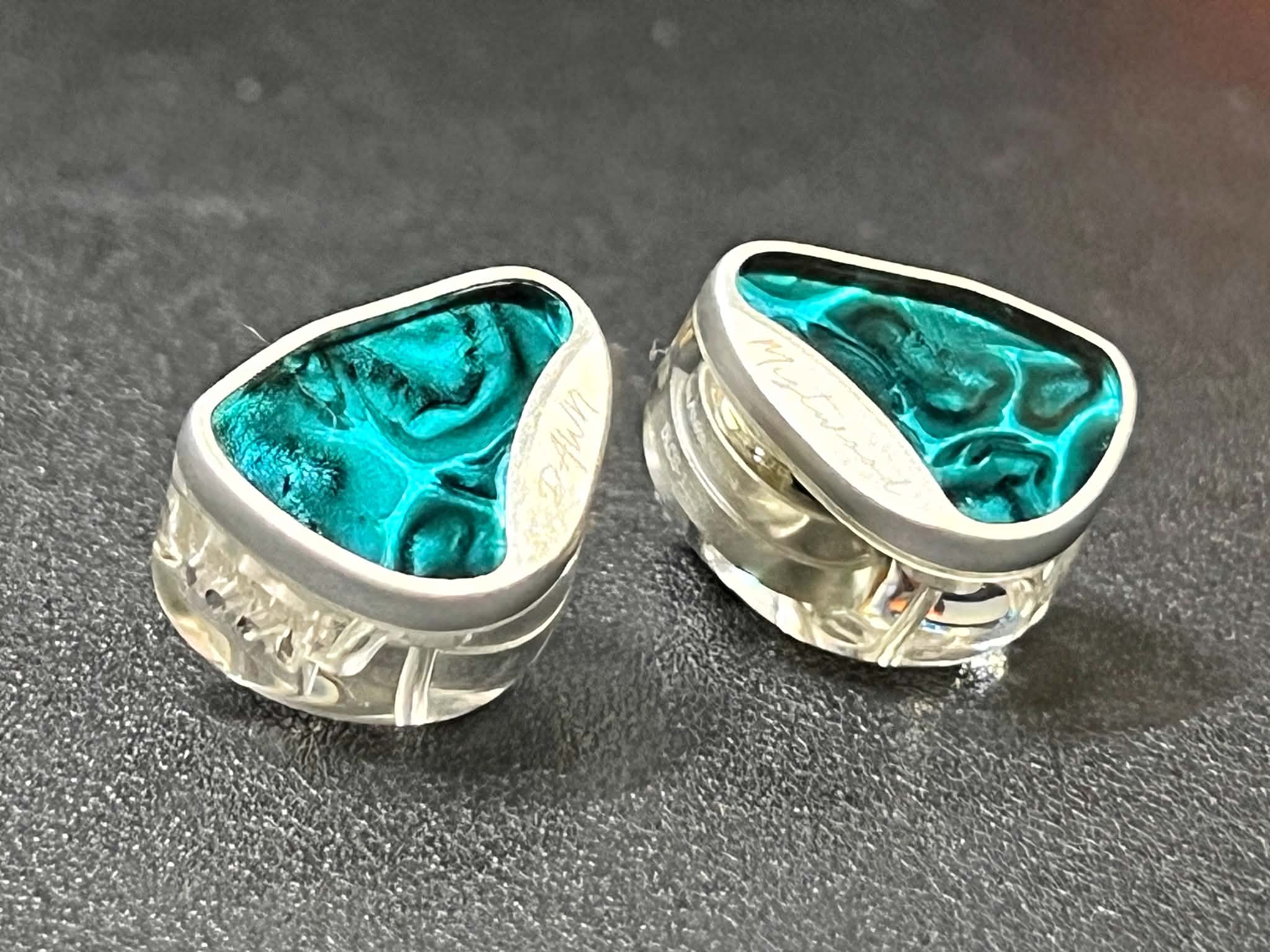
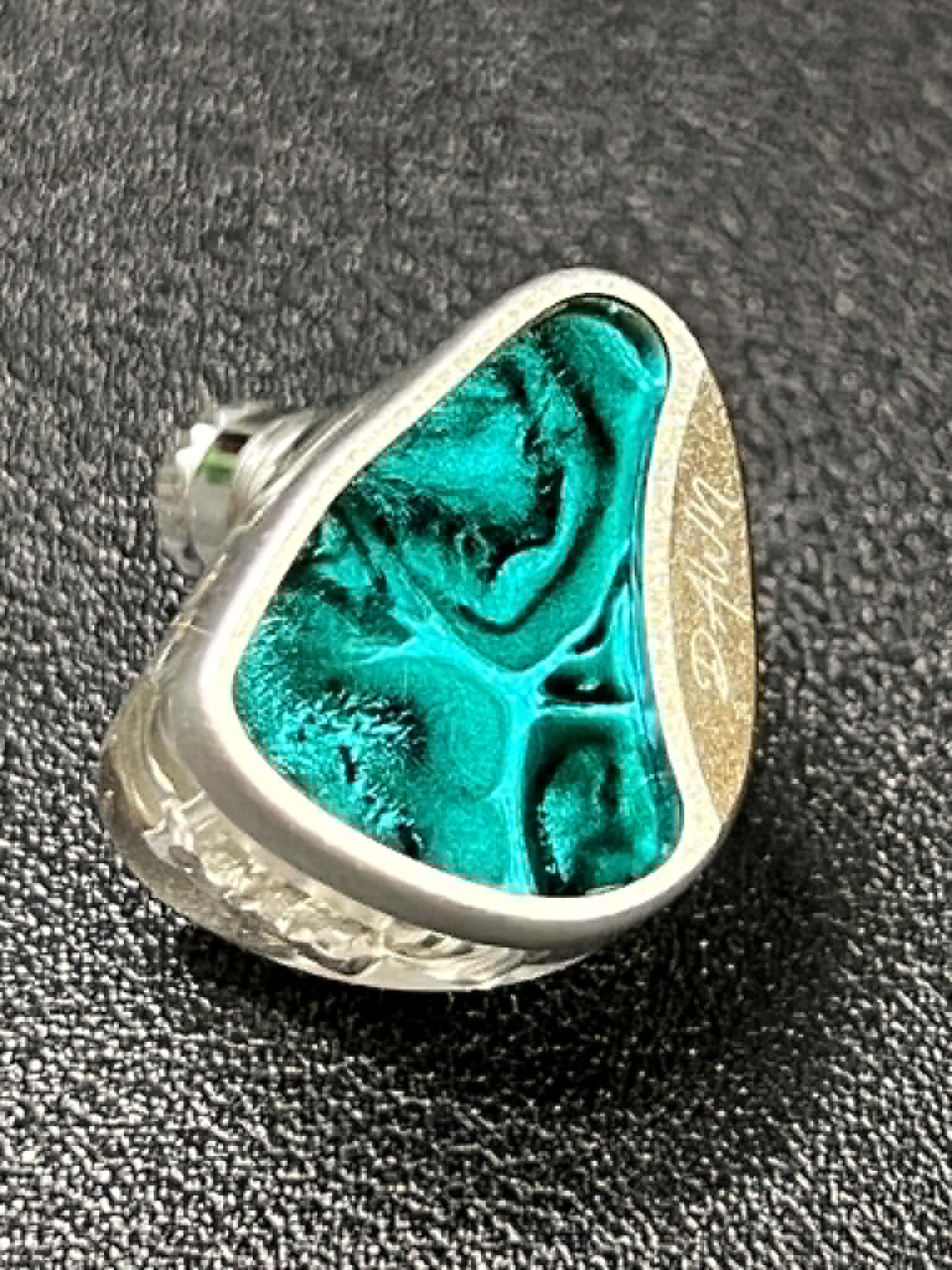
Simply put, this is one of the prettiest faceplate design I've seen.
Pictures honestly don't do it justice. The moment I took it out of the box, it was one of those products that made me stop for a second just to admire the craftsmanship before even plugging it in.
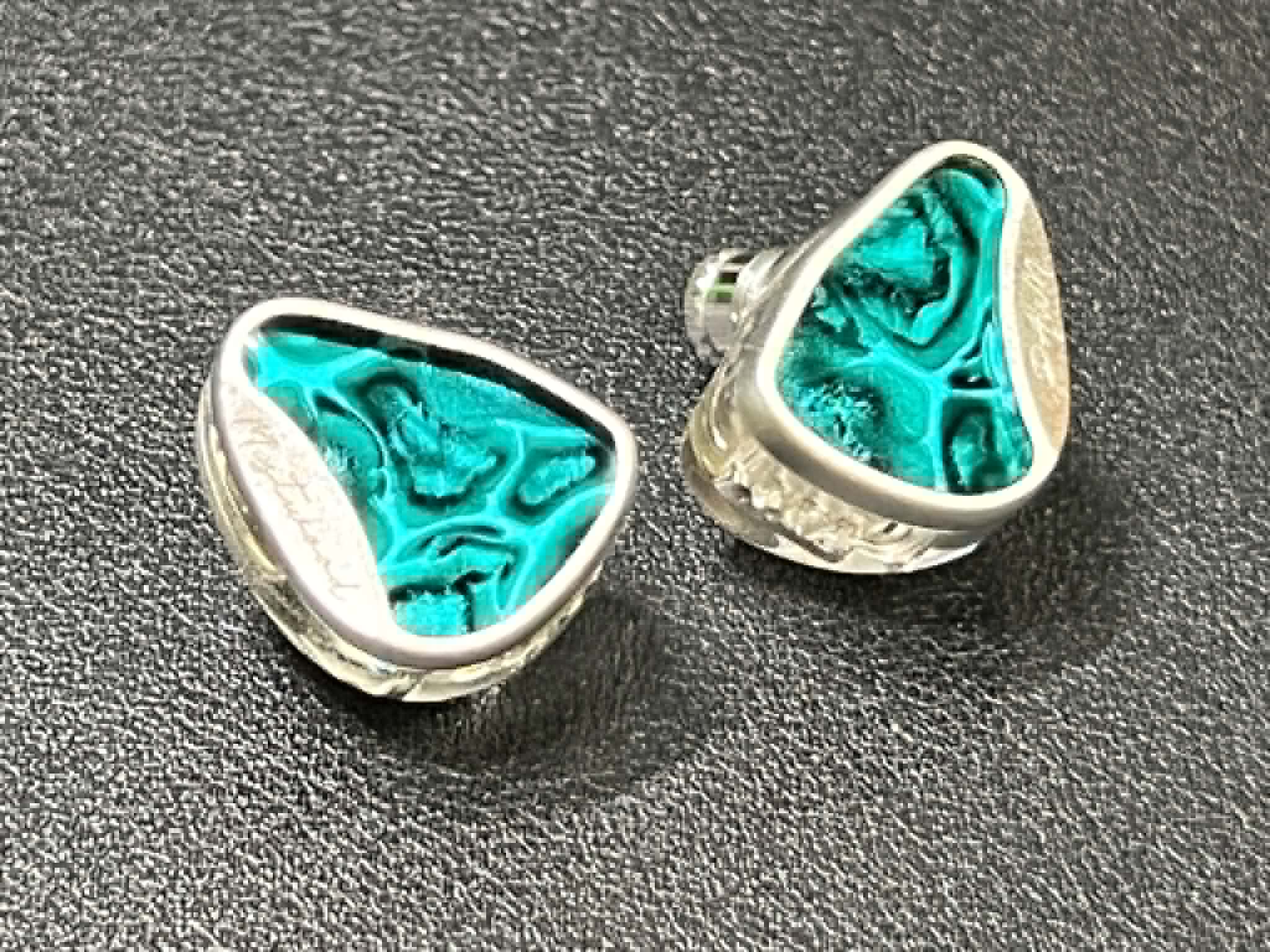
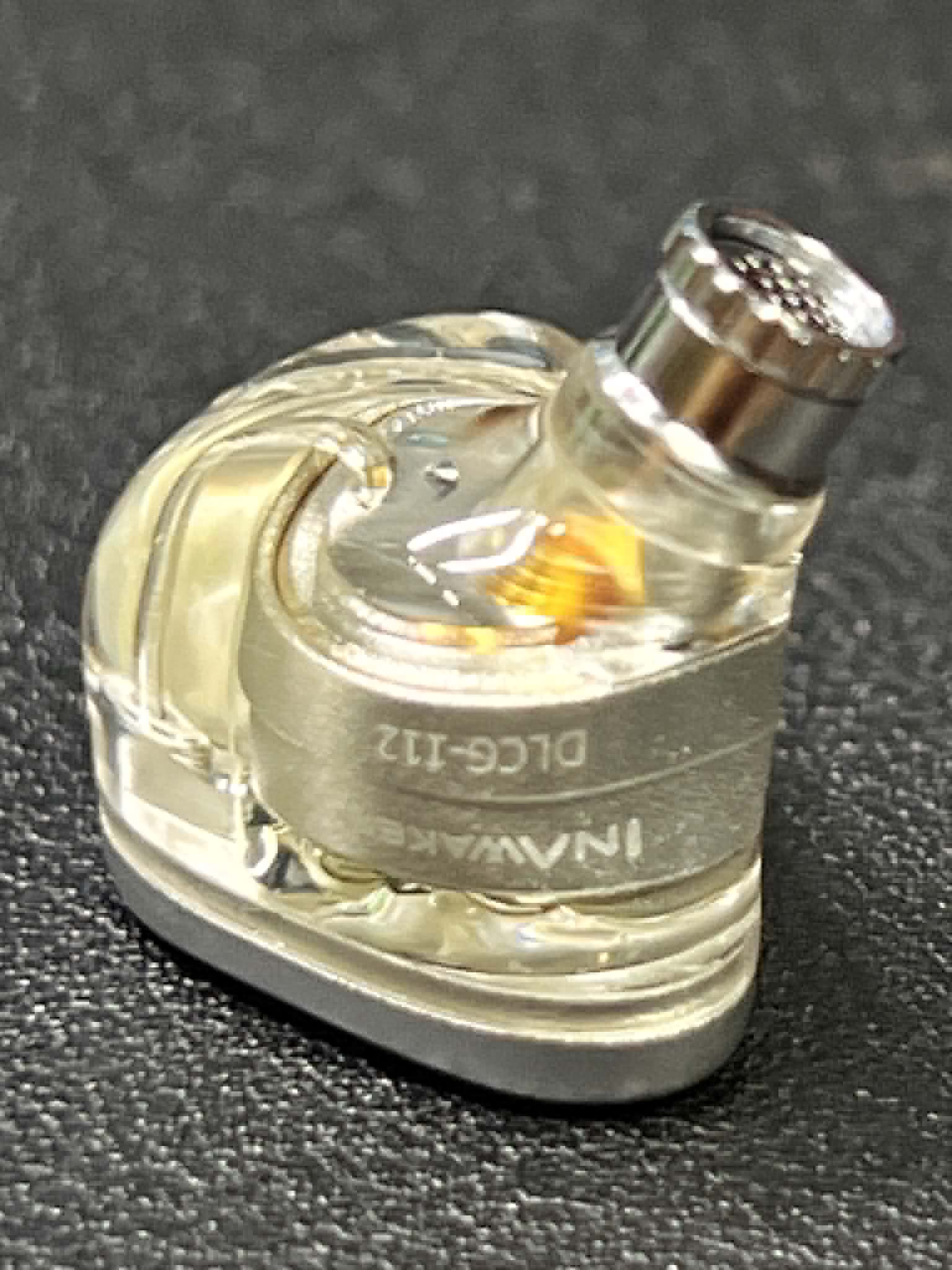
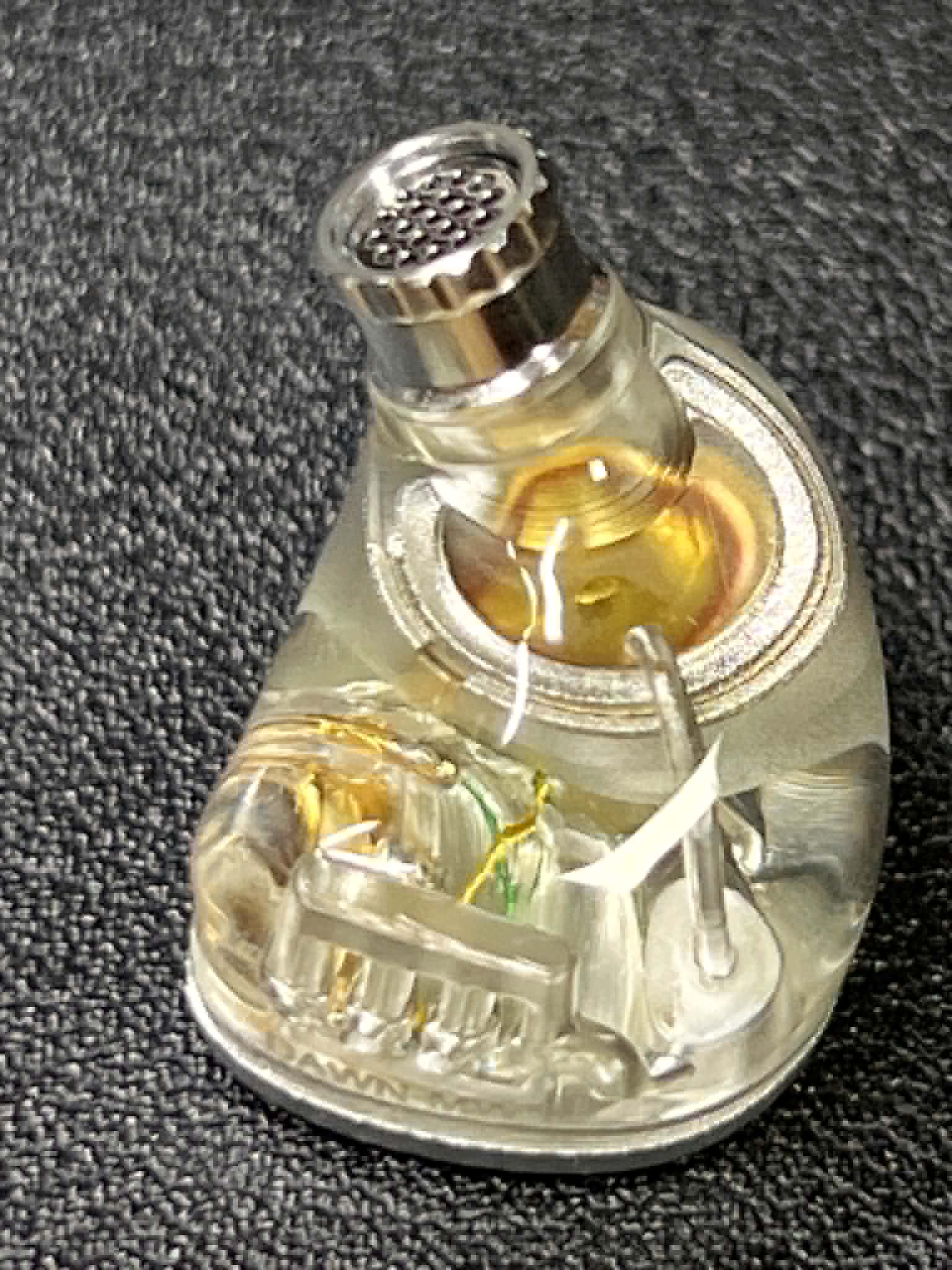
The Mistwood combines a CNC-machined aluminum frame with a high-precision 3D printed resin shell, giving it a premium feel while keeping the weight surprisingly light. The machining is clean, the seams are perfectly aligned, and the overall construction feels solid without feeling bulky in the ear. It strikes a nice balance between durability and comfort.
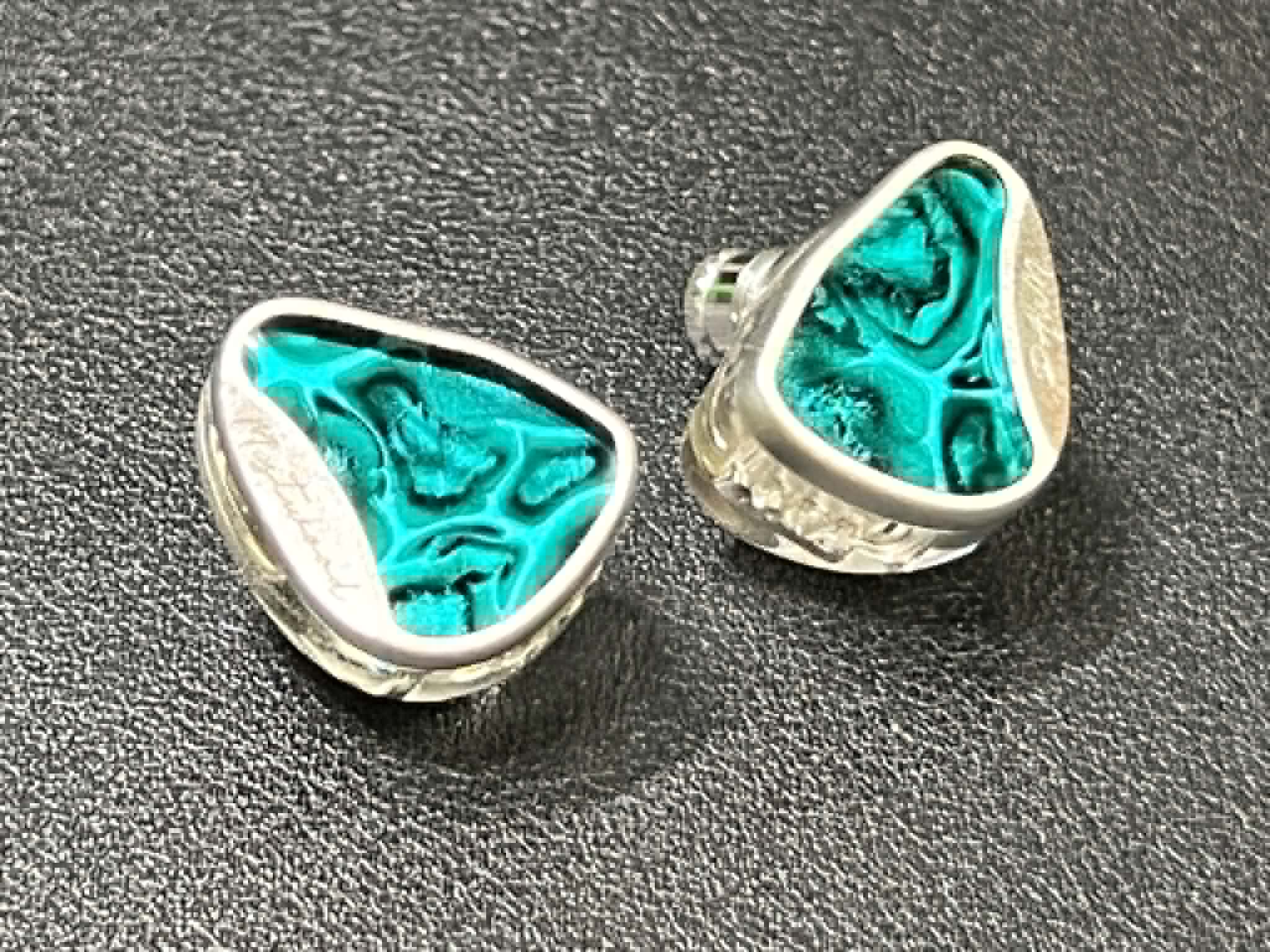
The real highlight, though, is the faceplate.
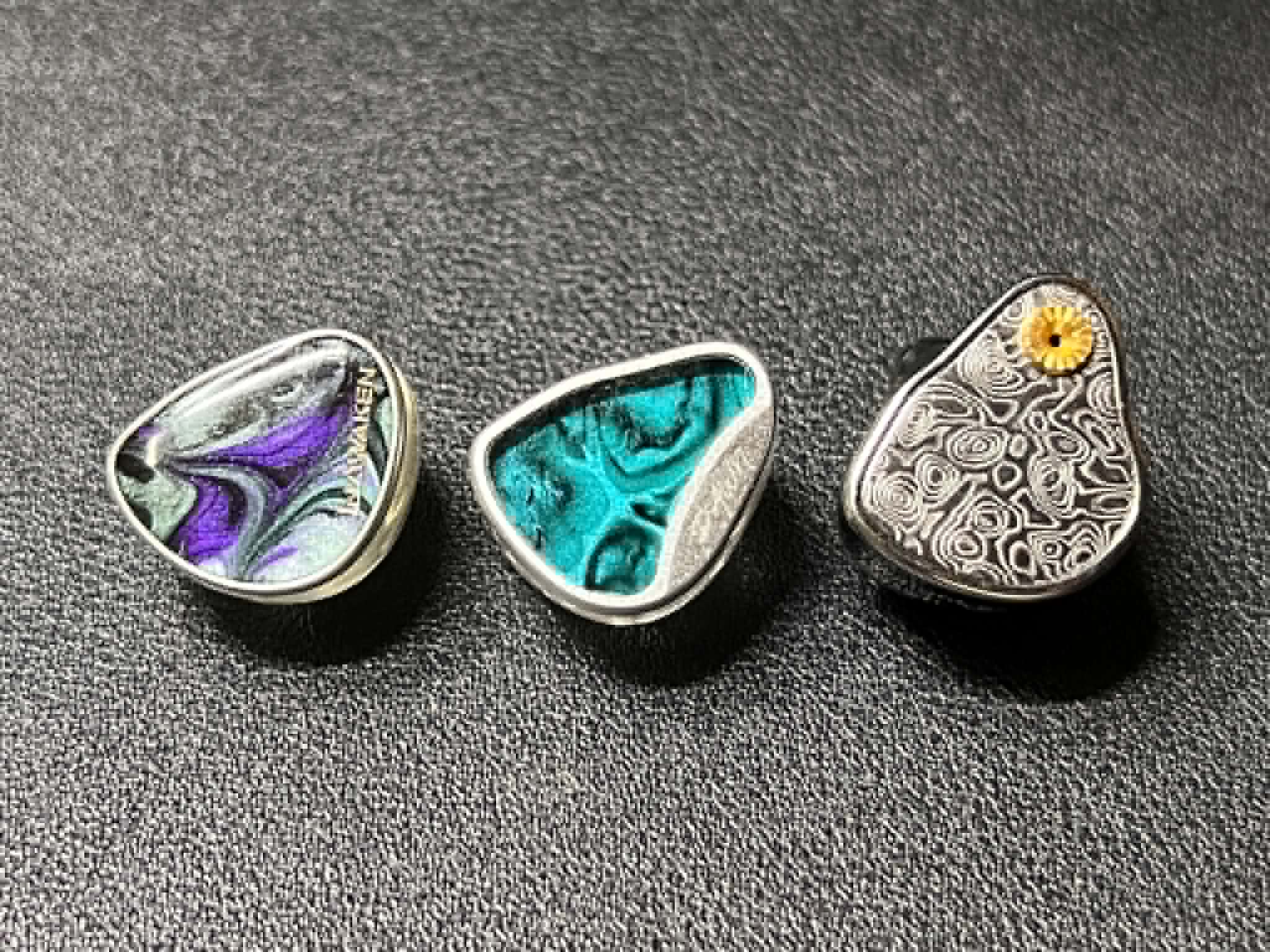
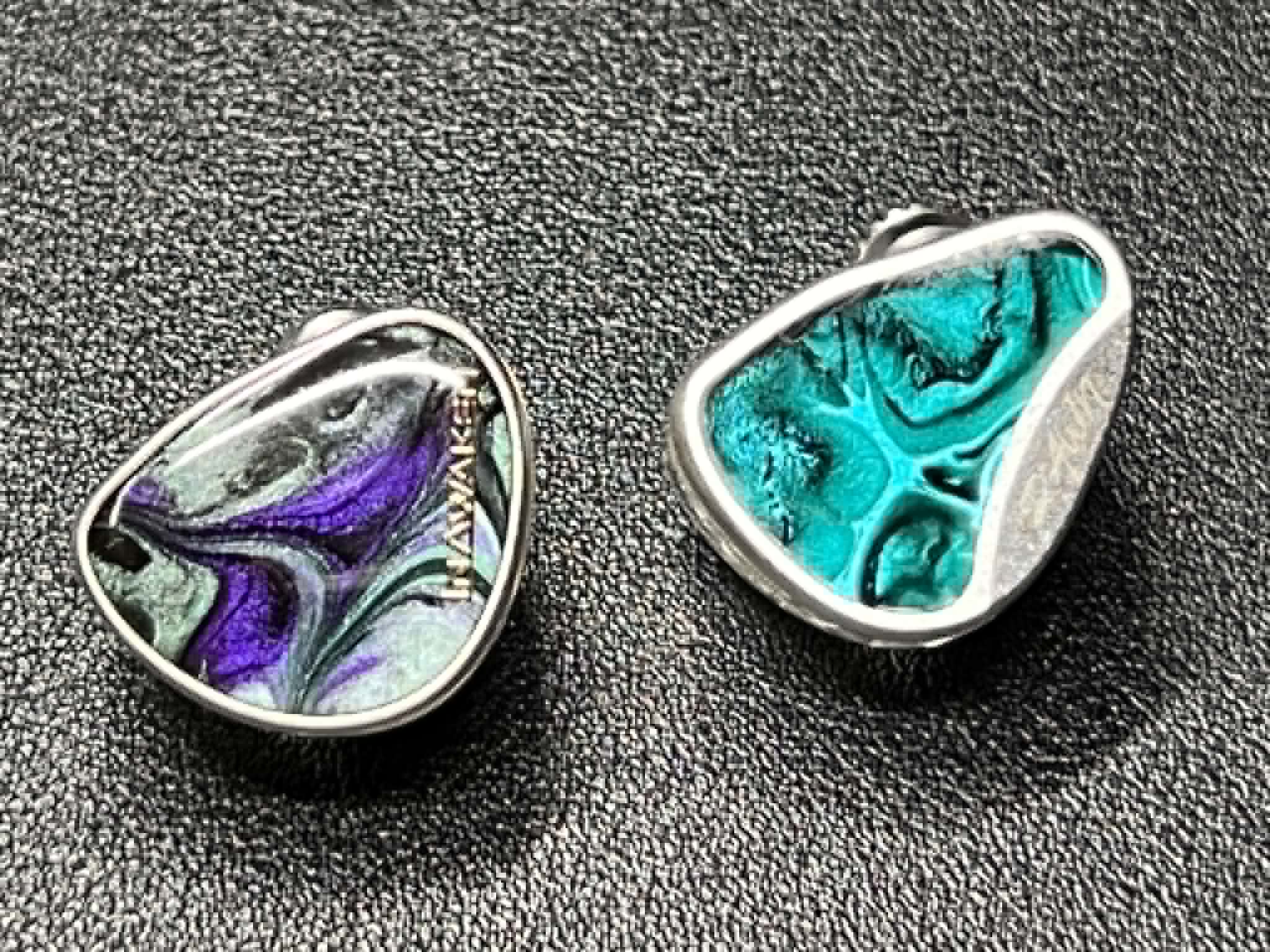
Each translucent faceplate is individually hand-painted with a woodland-inspired mist pattern, which means every single pair is unique. No two sets share exactly the same pattern, giving each unit its own personality. Under different lighting conditions, the colors shift subtly, and the layers underneath create a beautiful sense of depth. In natural light especially, the faceplates almost seem to glow, with the mist-like swirls appearing to float beneath the clear resin. It looks less like a mass-produced audio product and more like a handcrafted collectible.
I also appreciate that INAWAKEN didn't go overboard with flashy branding. The overall design is tasteful and elegant, allowing the artwork on the faceplate to take center stage.
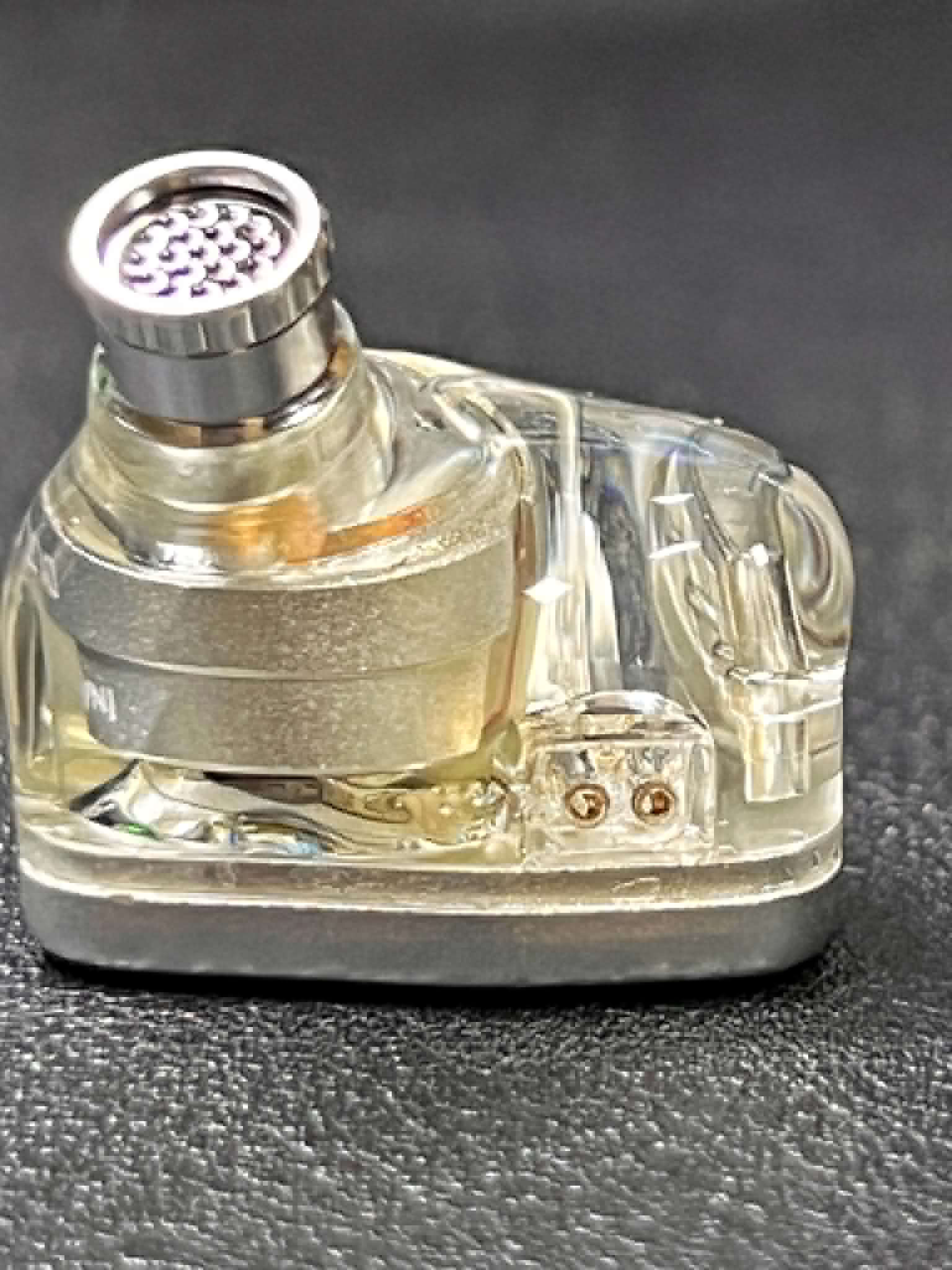
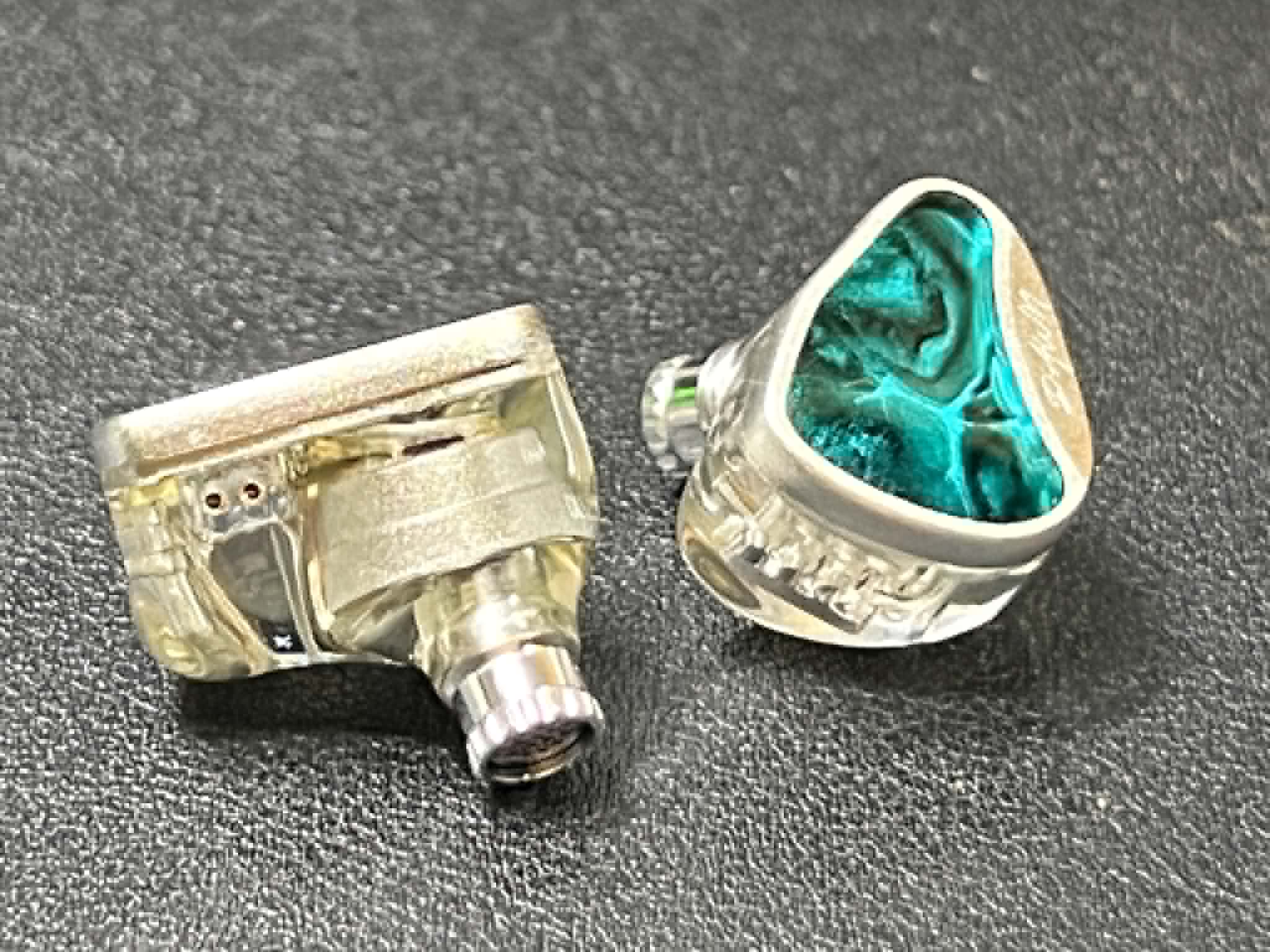
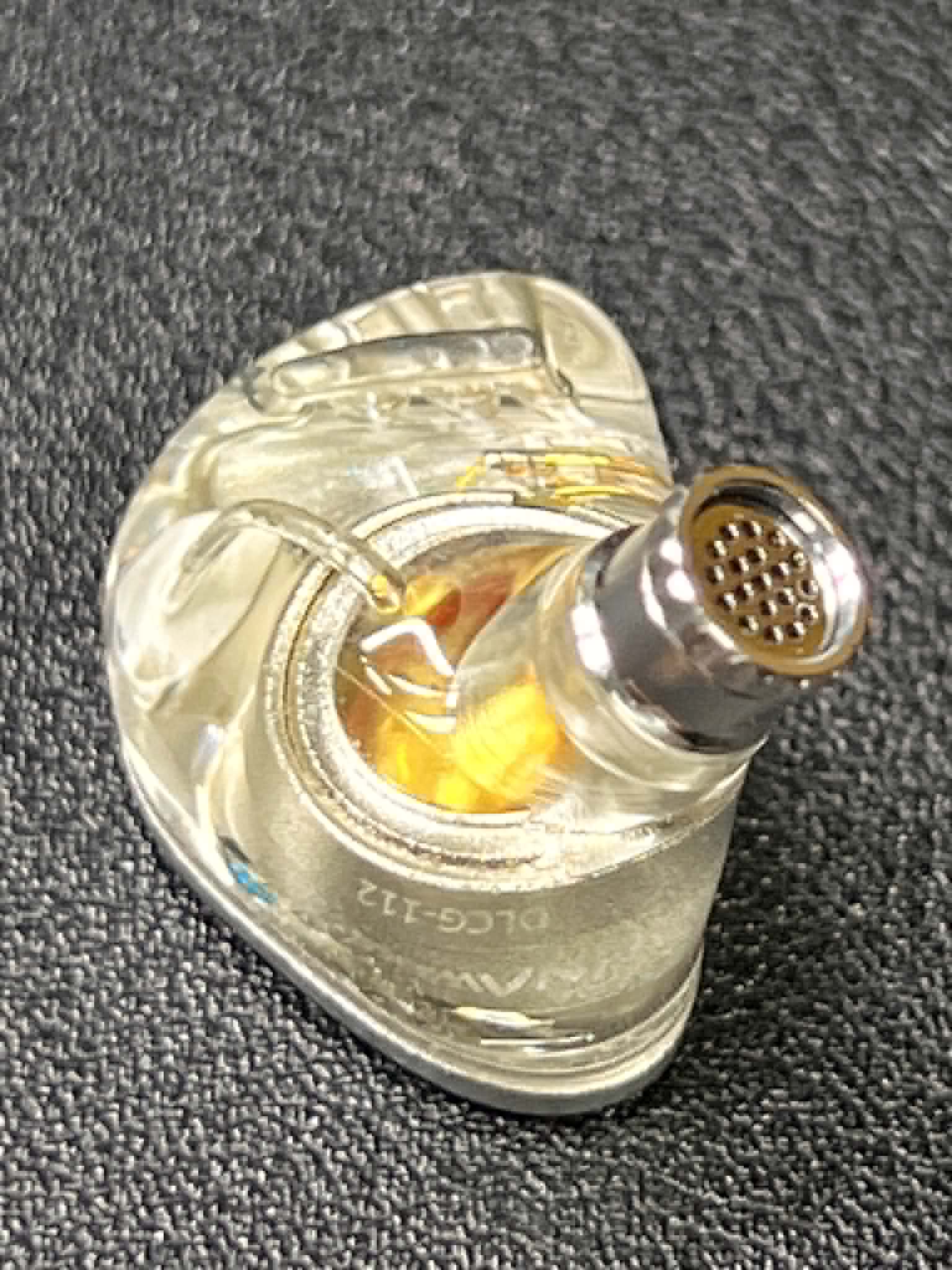
Comfort is equally impressive.
INAWAKEN partnered with HEYGEARS, one of the industrys leading high-precision 3D printing companies to manufacture the shell. That attention to detail is immediately noticeable once you wear them. The ergonomic shape follows the natural contour of the ear extremely well, distributing pressure evenly instead of creating hot spots like some larger resin shells tend to do.
Despite spending several hours listening during my comparison sessions, I never experienced discomfort or fatigue. The shells almost disappear once they're seated properly, making them easy to forget you're even wearing. The lightweight construction also helps, especially during longer listening sessions where heavier metal shells can sometimes become tiring.
Fit is secure enough that I never felt the need to constantly readjust them, even while moving around. Combined with the excellent passive isolation, outside noise is reduced enough to let me focus entirely on the music without needing excessive volume. Whether listening indoors or outside, the Mistwood creates a very immersive listening experience.
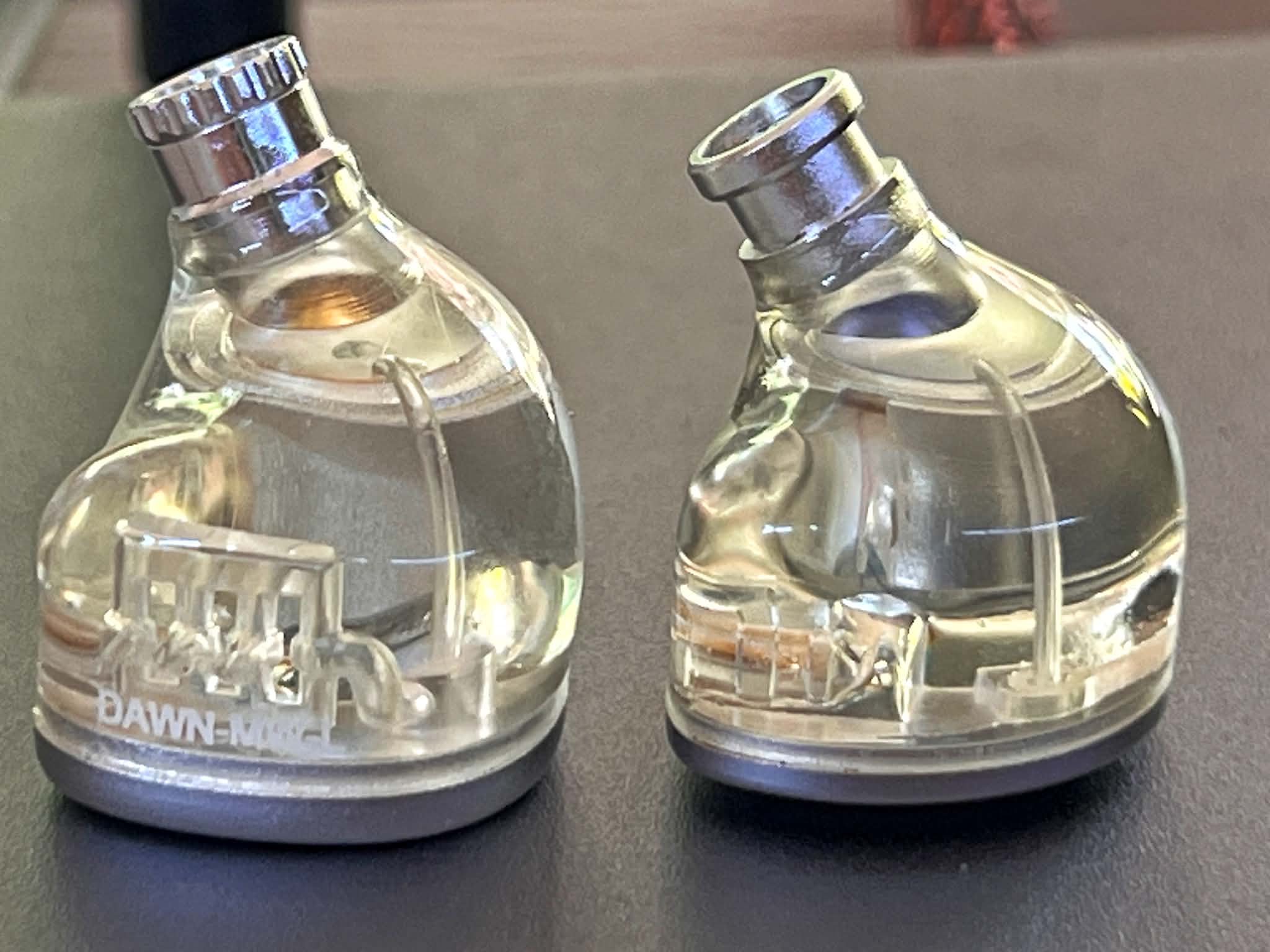
Nozzles same as the OG Dawn MS are on the larger side but it a non issue for me.
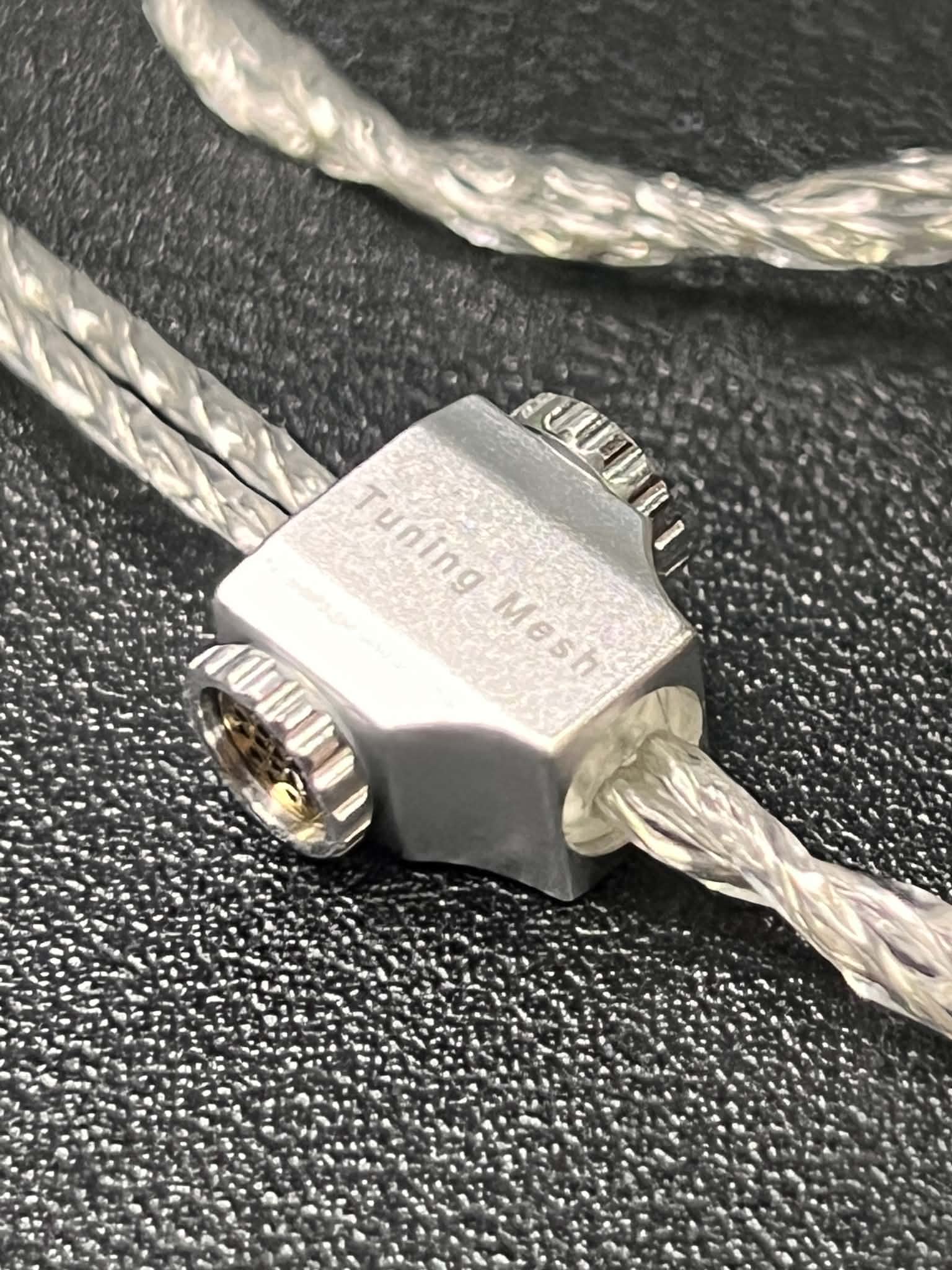
A Very Clever Cable Design
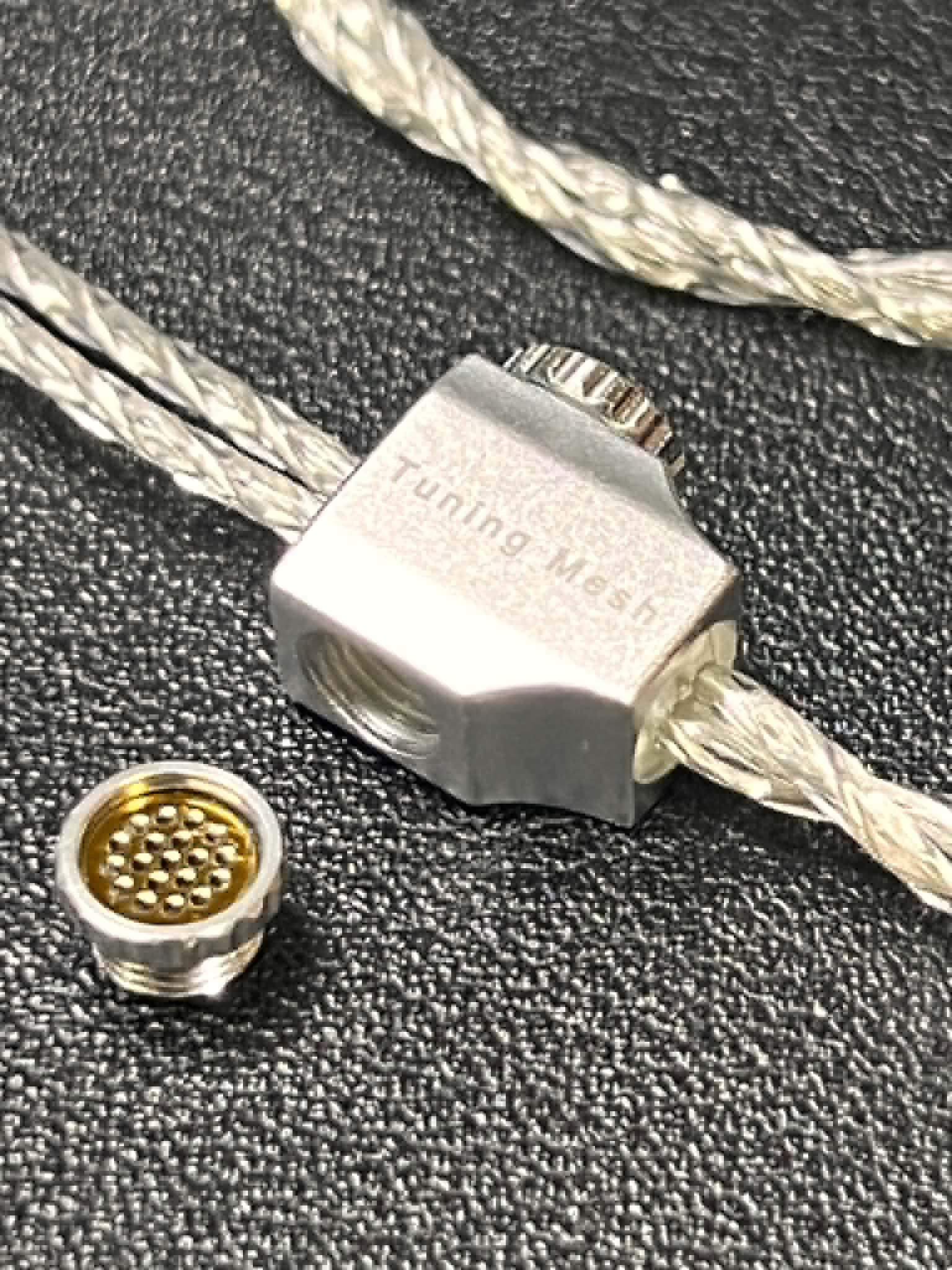
One of my favorite features of the Dawn Mistwood has nothing to do with its sound. It's the cable.
INAWAKEN came up with one of the smartest solutions I've seen for interchangeable tuning filters. Instead of including a separate plastic case that you'll probably misplace after a few weeks, they integrated the storage directly into the cable. The chin slider doubles as a holder for the spare tuning nozzles, keeping them secure and always within reach.
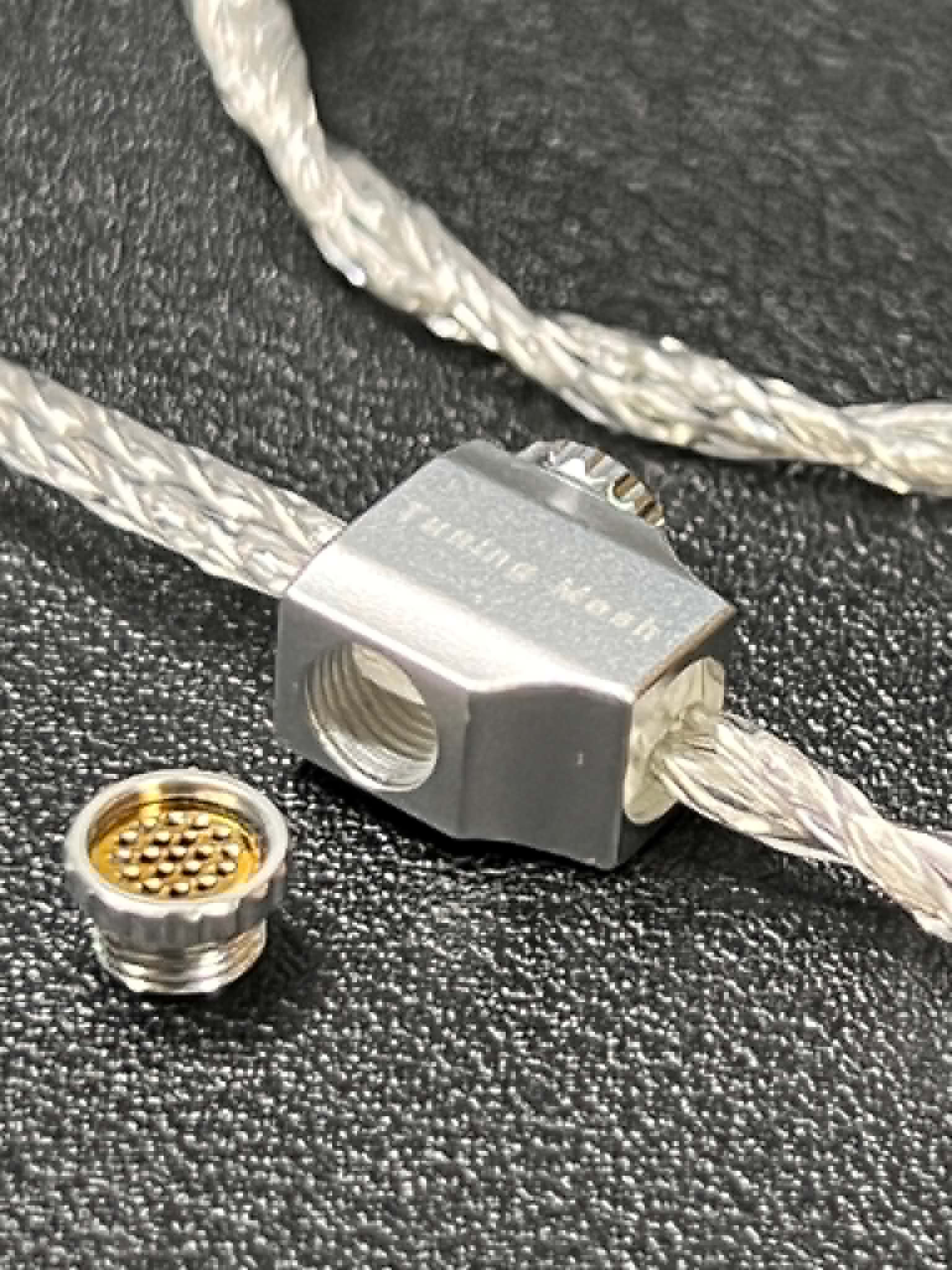
It's such a simple idea, but it's incredibly practical.
Changing nozzles is quick and convenient. I don't have to look for a table, open a tiny container, or worry about dropping a filter while swapping them. I can simply unscrew the spare nozzle from the chin slider, replace the one on the IEM, and continue listening. It makes experimenting with the different tunings much more enjoyable because the process takes only a few seconds.
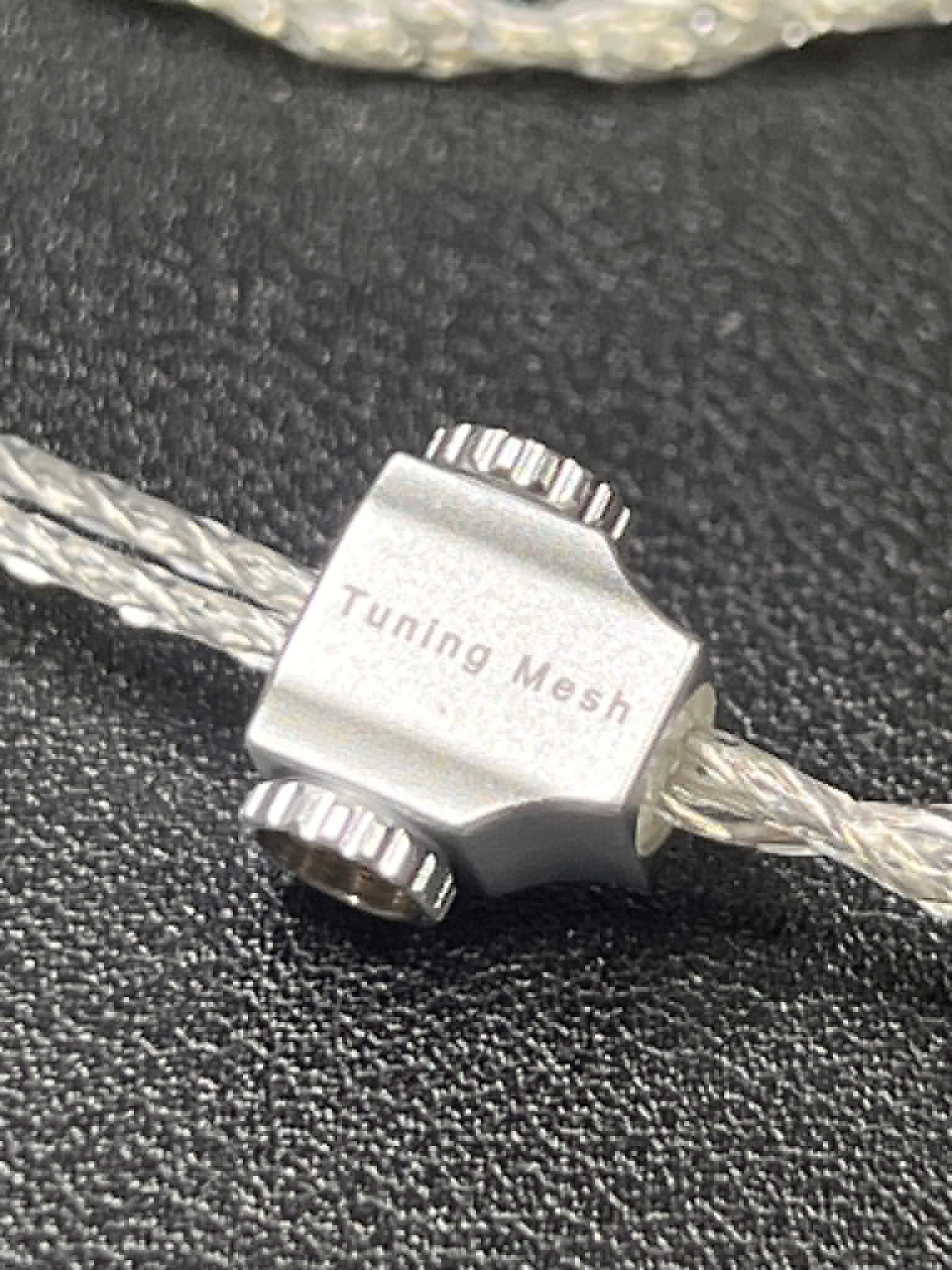
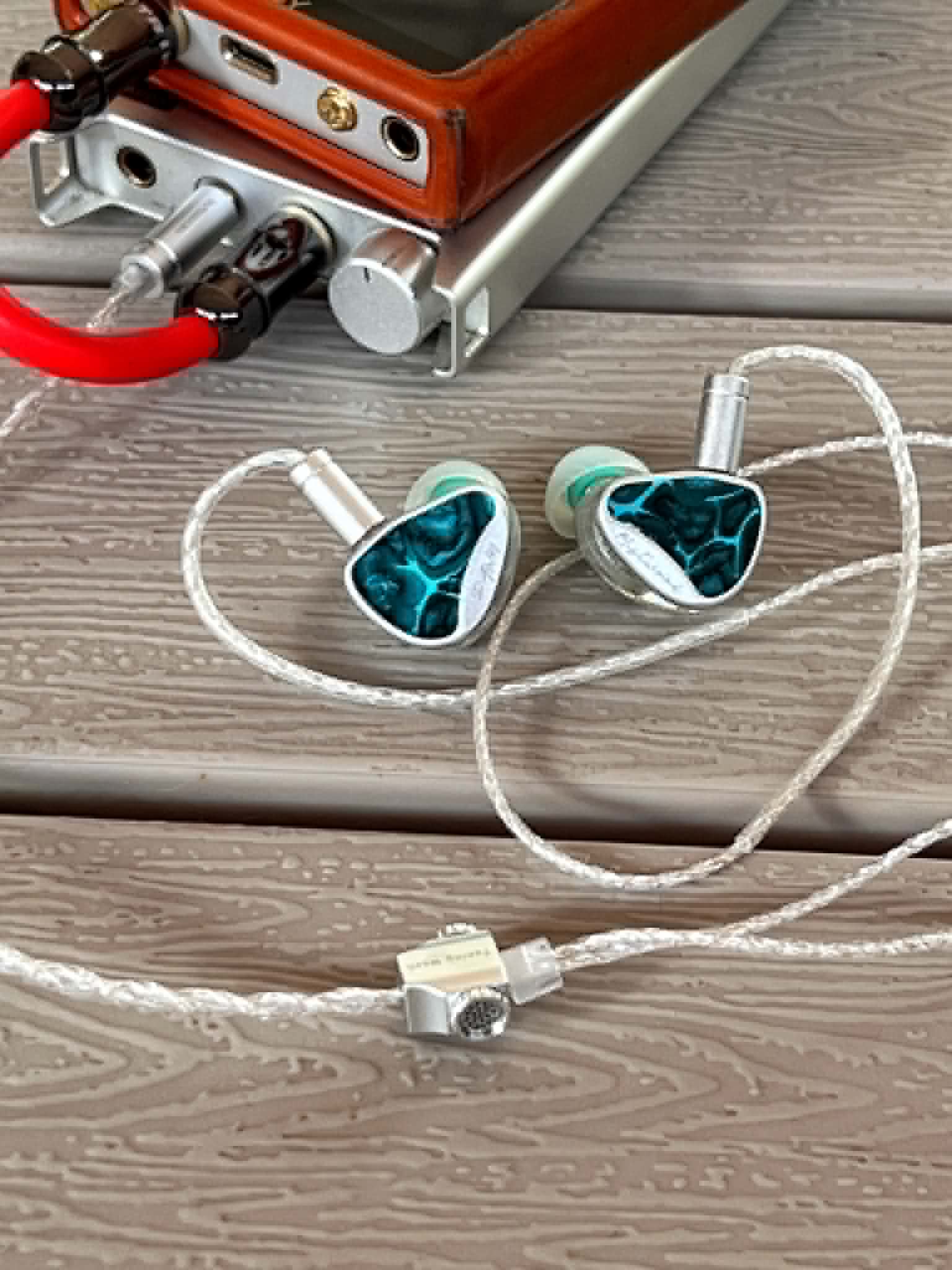
As someone who has reviewed a lot of IEMs over the years, I've lost more tuning filters than I'd like to admit. In fact, I have what I jokingly call a "tuning filter graveyard," a small box filled with spare filters from different IEMs. At this point, most of them are mixed together, and I honestly couldn't tell you which filter belongs to which IEM anymore.
The Dawn Mistwood completely solves that problem. Since the spare nozzle is stored on the cable itself, it stays with the IEM wherever you take it. There's no separate container to carry around, nothing extra to keep track of, and almost no chance of accidentally mixing it up with filters from another set.
It's a small feature, but it's one of those thoughtful quality-of-life improvements that makes a real difference in everyday use. Sometimes the best ideas aren't the most complicated ones, they're simply the ones that solve a problem everyone has accepted for years. After using the Mistwood, I honestly hope more manufacturers adopt this design because it just makes so much sense.
Driver & Engineering
At first glance, it might seem like the Dawn Mistwood is simply using the same driver as the original Dawn MS since both are built around an 11.2mm custom dynamic driver. However, once you dig a little deeper, you'll find that the similarities pretty much end with the driver size.
The original Dawn MS uses INAWAKEN's custom Gold Purple diaphragm, which already delivered an enjoyable, musical presentation with impressive bass performance. The Mistwood, however, introduces a completely redesigned Diamond-Gold diaphragm paired with a PU (polyurethane) suspension. The new diaphragm is designed to be both lighter and more rigid, allowing it to respond faster to changes in the audio signal while minimizing unwanted flex during larger bass excursions. The PU suspension also plays an important role by controlling the driver's movement more precisely, helping maintain consistency across the entire frequency range while reducing distortion, especially at higher listening volumes.
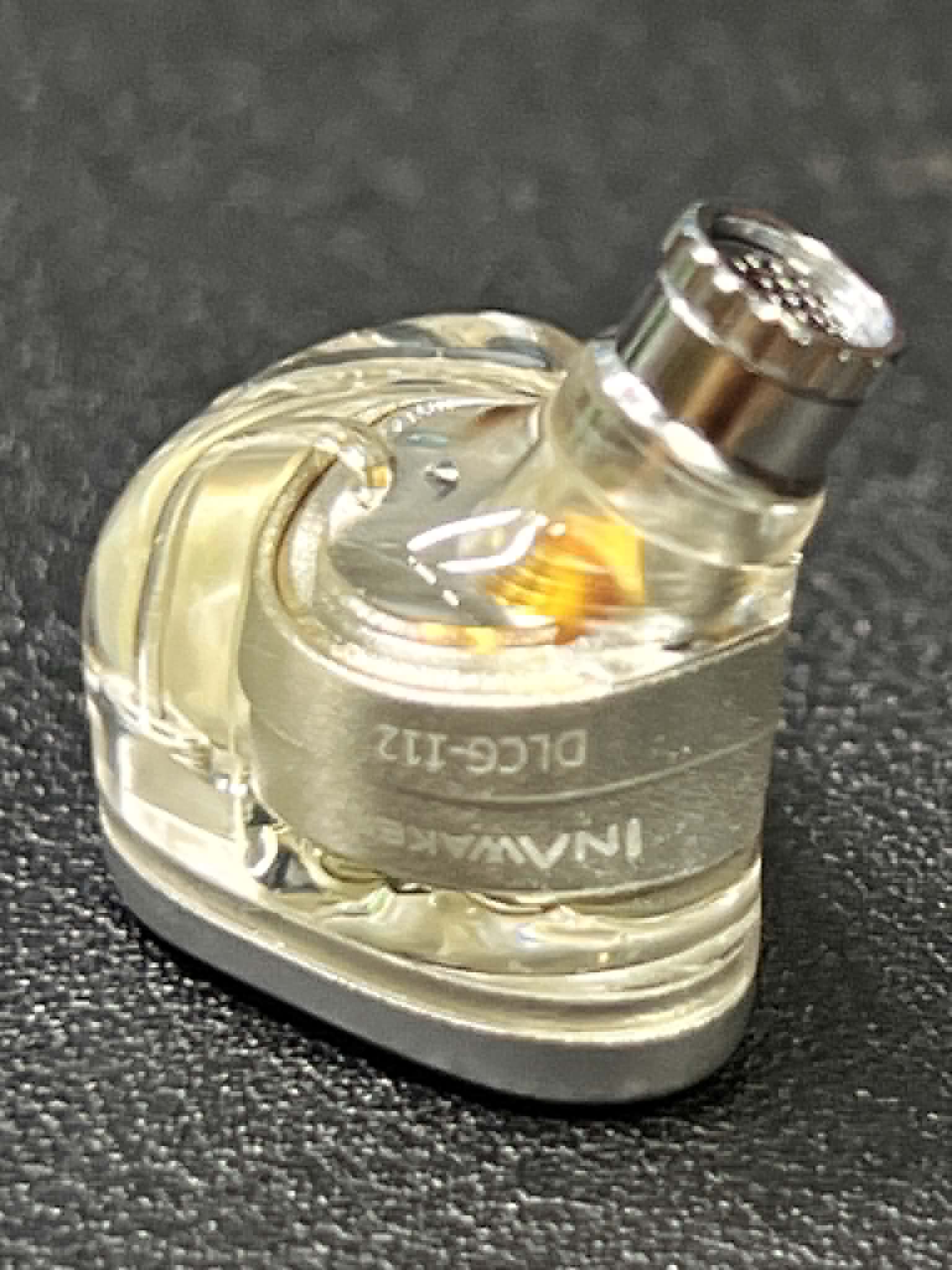
The driver itself is housed inside a CNC-machined aluminum frame, which provides greater structural rigidity than conventional molded driver housings. A more rigid structure means less unwanted vibration and resonance generated by the driver itself, allowing more of the energy to be converted into sound rather than being lost as mechanical vibration. While this isn't something you'll immediately notice by looking at the specifications, it becomes apparent once you start listening. Notes sound cleaner, transients feel more precise, and the overall presentation has a greater sense of control compared to the original Dawn MS.
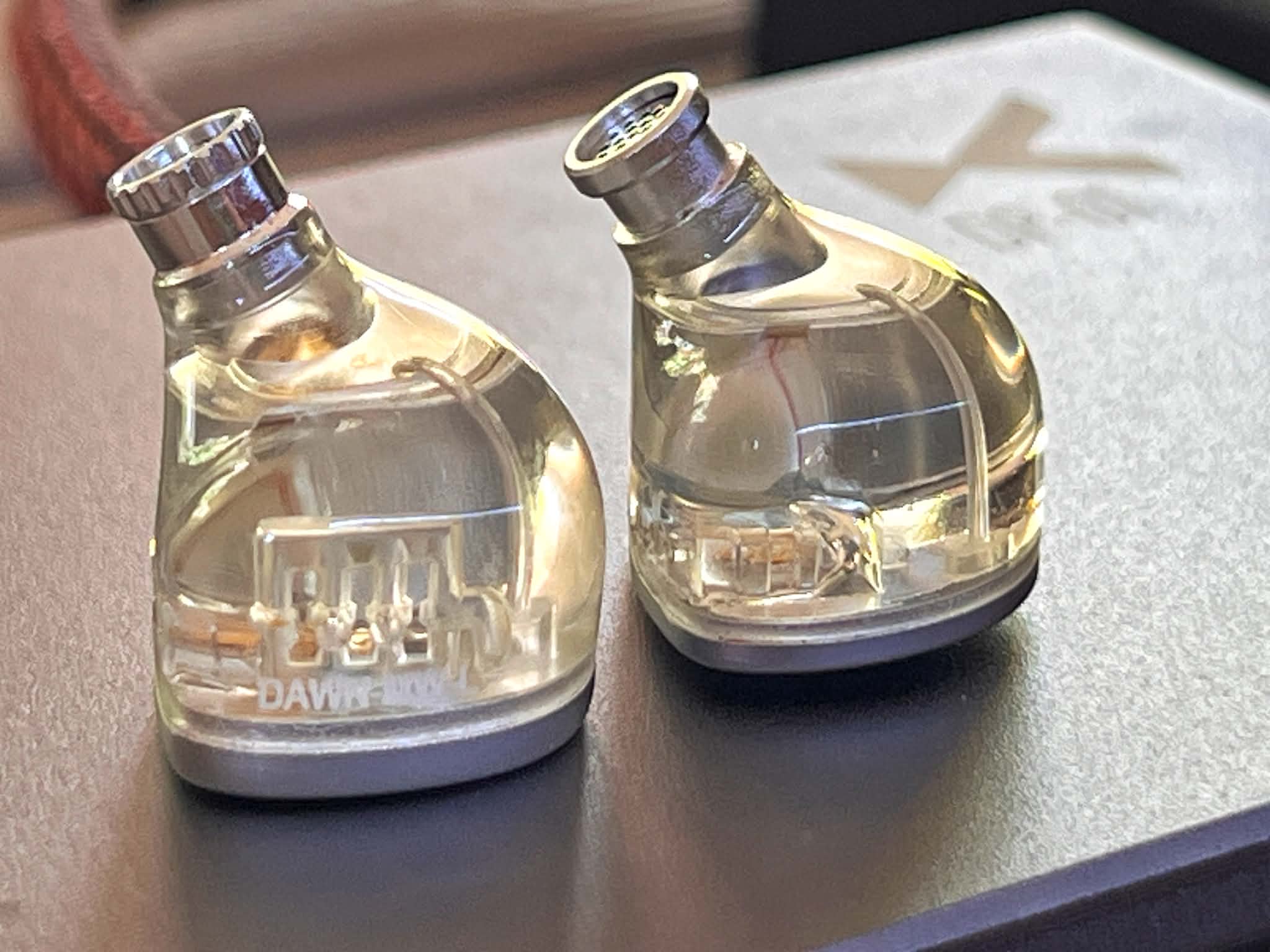
What really separates the Mistwood from its predecessor, though, is its acoustic engineering.
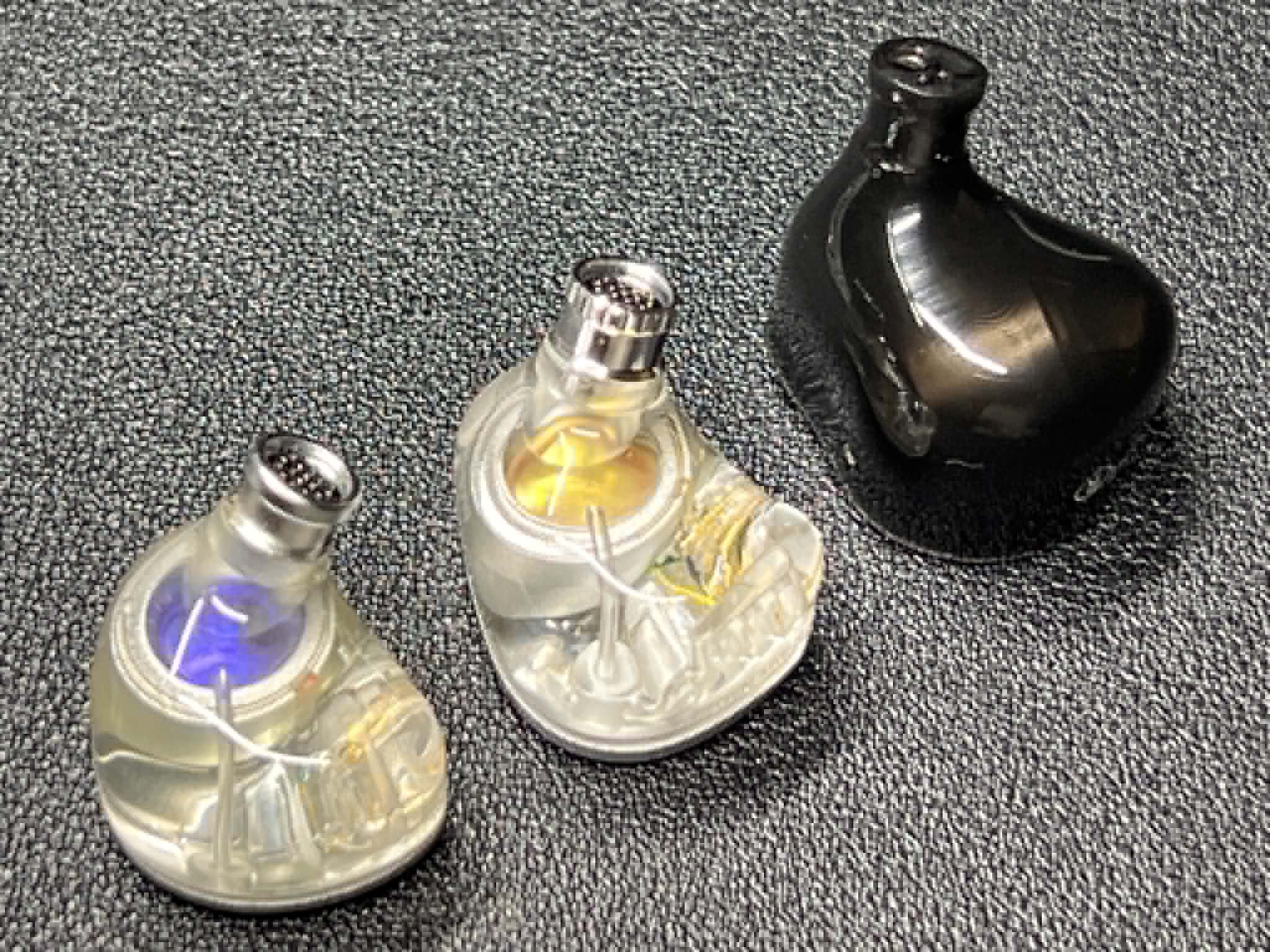
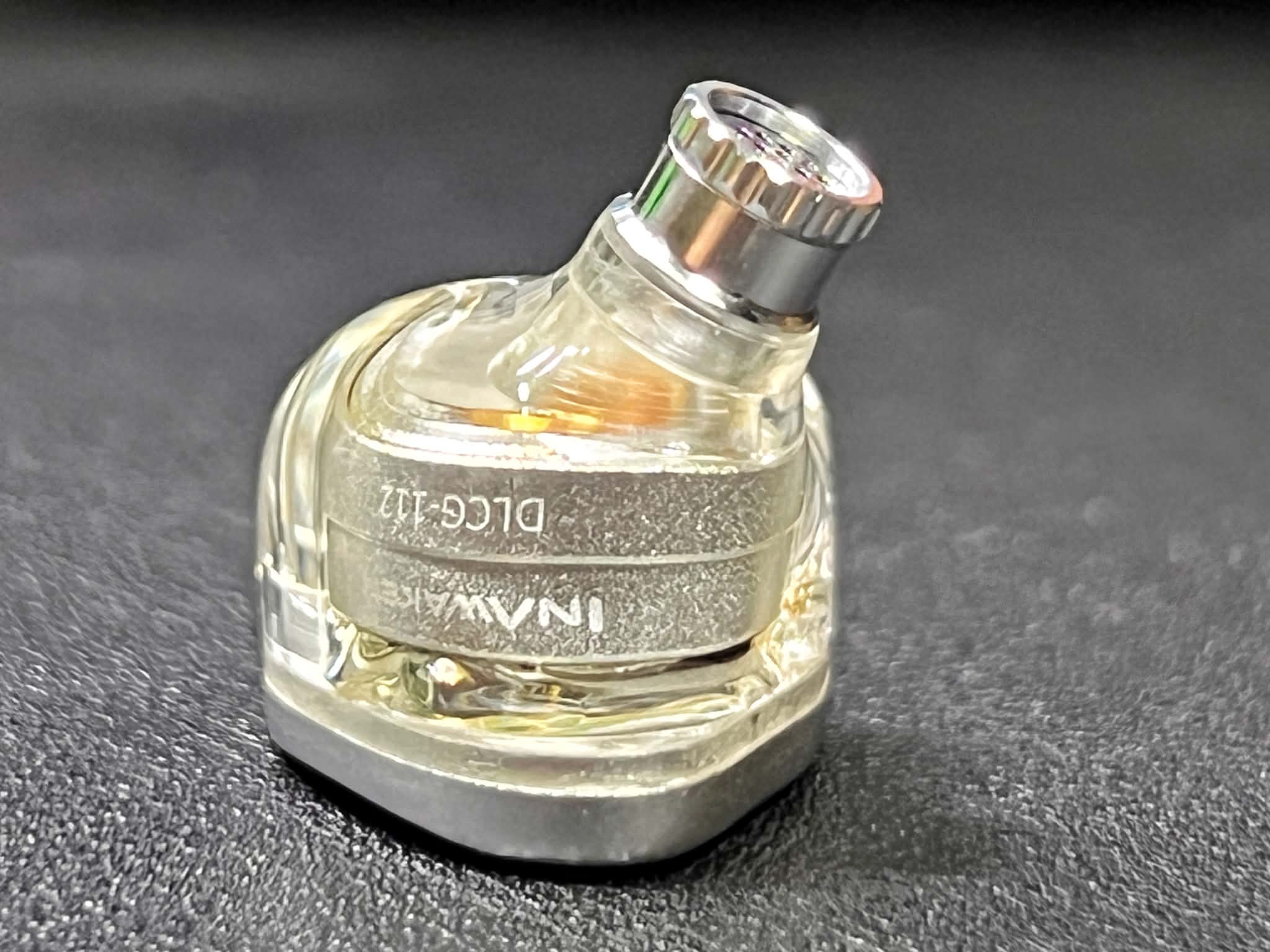
One of the first things you'll notice when looking through the transparent shell is a series of intricate internal channels that resemble a small maze. This is INAWAKEN's acoustic labyrinth, and unlike many decorative internal structures seen on some IEMs, this one serves a genuine acoustic purpose.
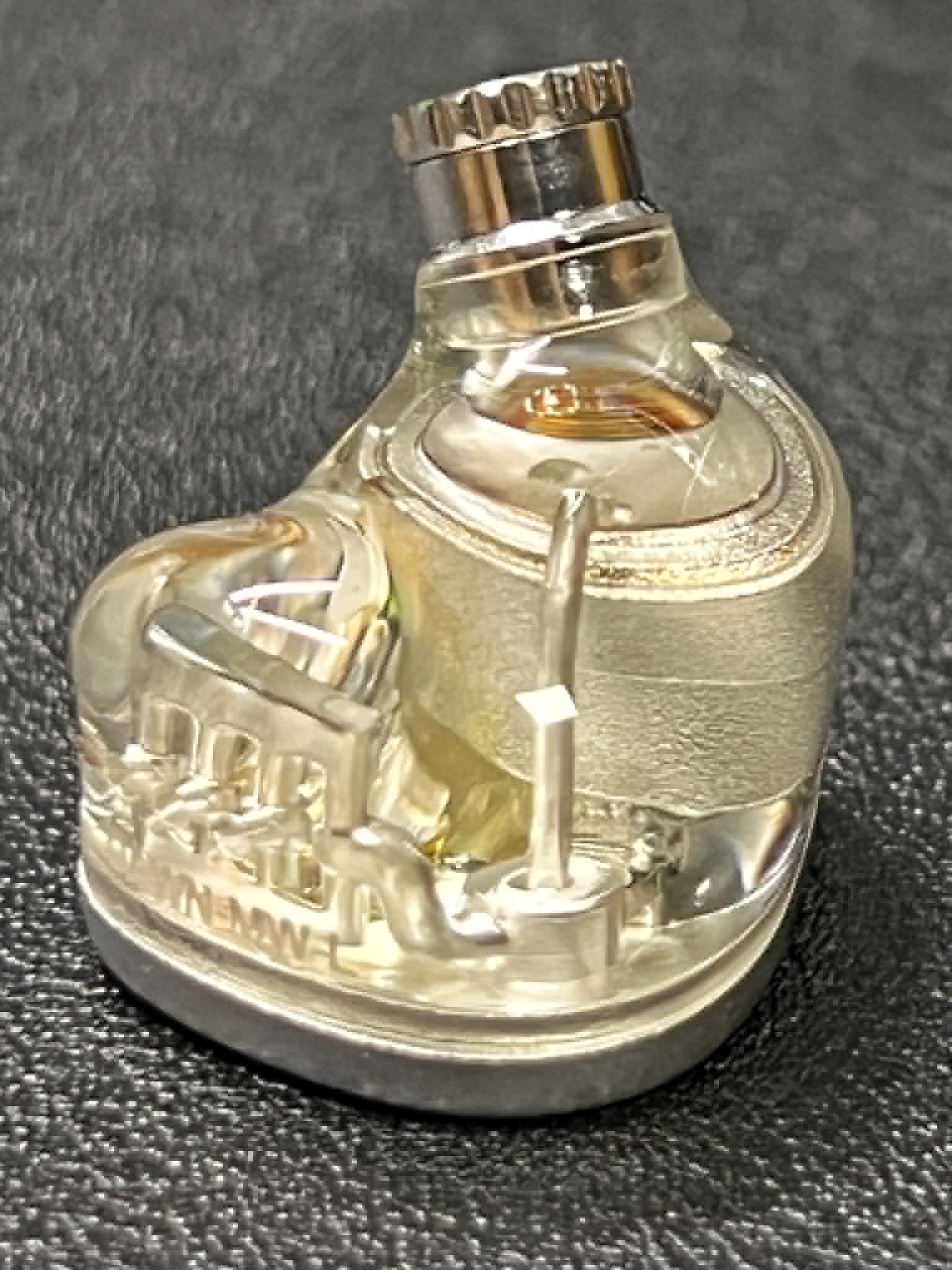
The Mistwood uses a refined rear acoustic chamber built around a stacked multi-port transmission line design. As the rear wave generated by the dynamic driver travels through these carefully calculated pathways, the chamber gradually manages and dissipates unwanted sound energy before it can reflect back toward the diaphragm. This helps reduce standing waves and internal resonance, two common factors that can smear transients and add unwanted coloration to the sound.
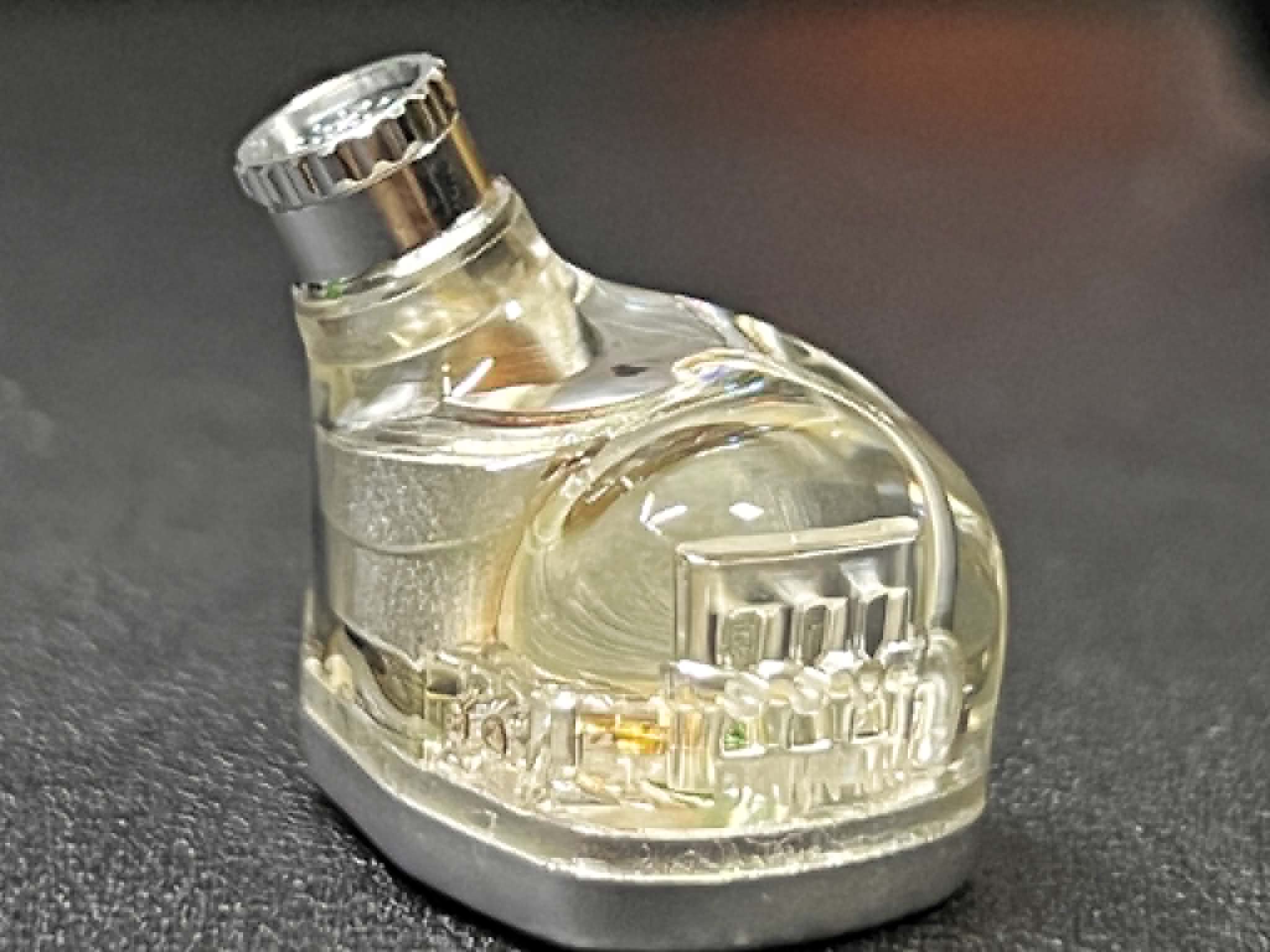
The chamber also features a triple-port venting system that regulates airflow behind the driver. By controlling the air pressure more effectively, the driver is able to move with greater precision, resulting in smoother diaphragm motion and better overall control. This not only improves bass response but also reduces airflow turbulence and pressure buildup, making the presentation sound cleaner and more effortless.
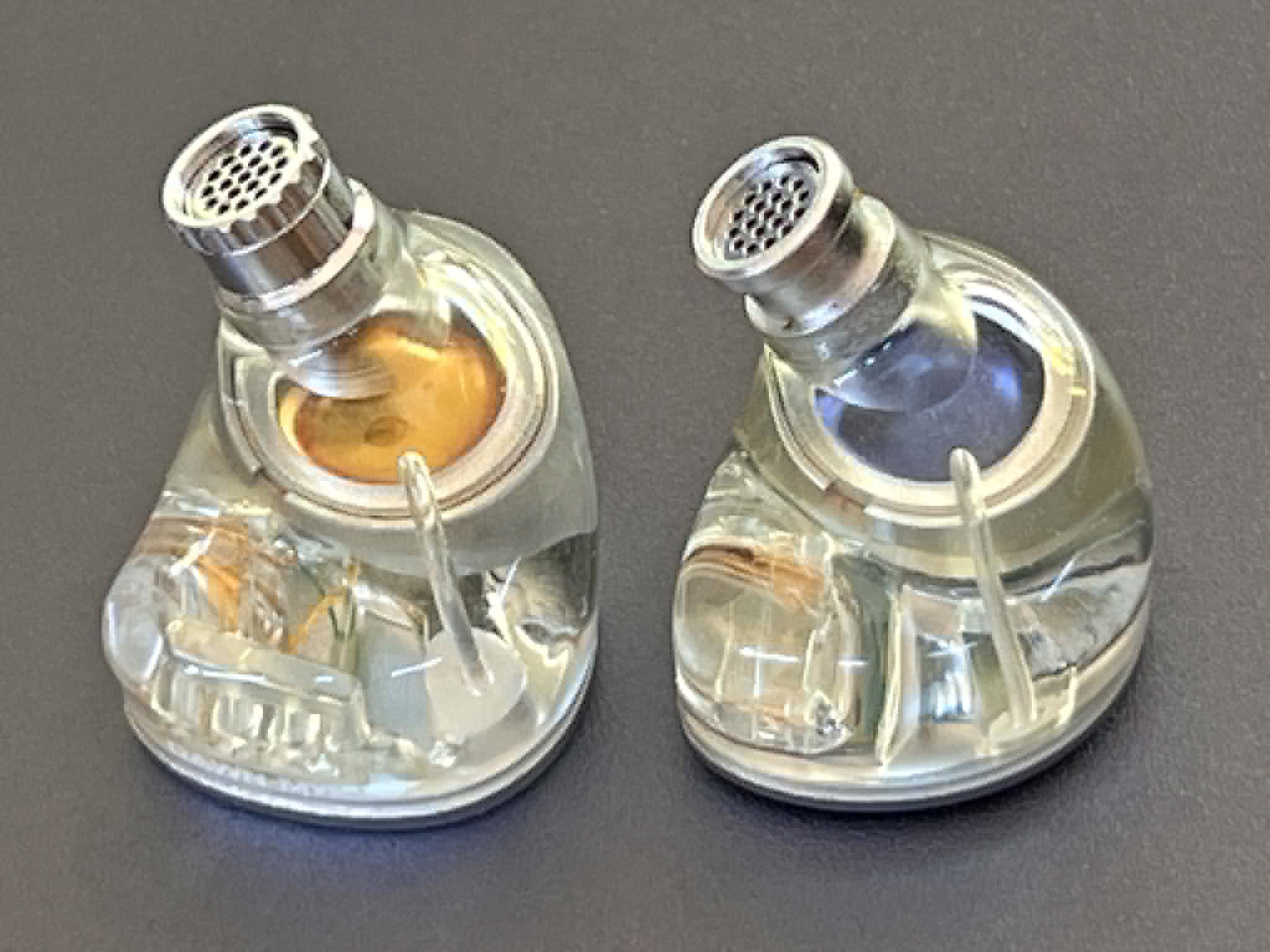
Compared directly with the original Dawn MS, the improvements are immediately noticeable. The Mistwood sounds cleaner from top to bottom, with noticeably better separation between instruments and less congestion during complex passages. Bass notes start and stop with greater precision, vocals occupy a more clearly defined space within the mix, and fine details emerge more naturally without sounding artificially boosted.
Perhaps the most impressive improvement is how this acoustic chamber affects the overall sense of space. The soundstage feels wider, deeper, and more open than the original Dawn MS. Instead of instruments clustering closer together, each element has more room to breathe, creating a presentation that feels less confined and more speaker-like. Imaging also benefits from the cleaner acoustic environment, making it easier to pinpoint where instruments and vocals are positioned across the stage.
It's one of those engineering changes that goes beyond marketing terminology. You can genuinely hear what the new driver and acoustic labyrinth are doing. Rather than changing the familiar INAWAKEN tuning, they refine it, preserving the musical character of the original Dawn MS while elevating its technical performance in almost every aspect. To me, that's what makes the Dawn Mistwood feel less like a replacement and more like the true evolution of the Dawn MS.
Sound
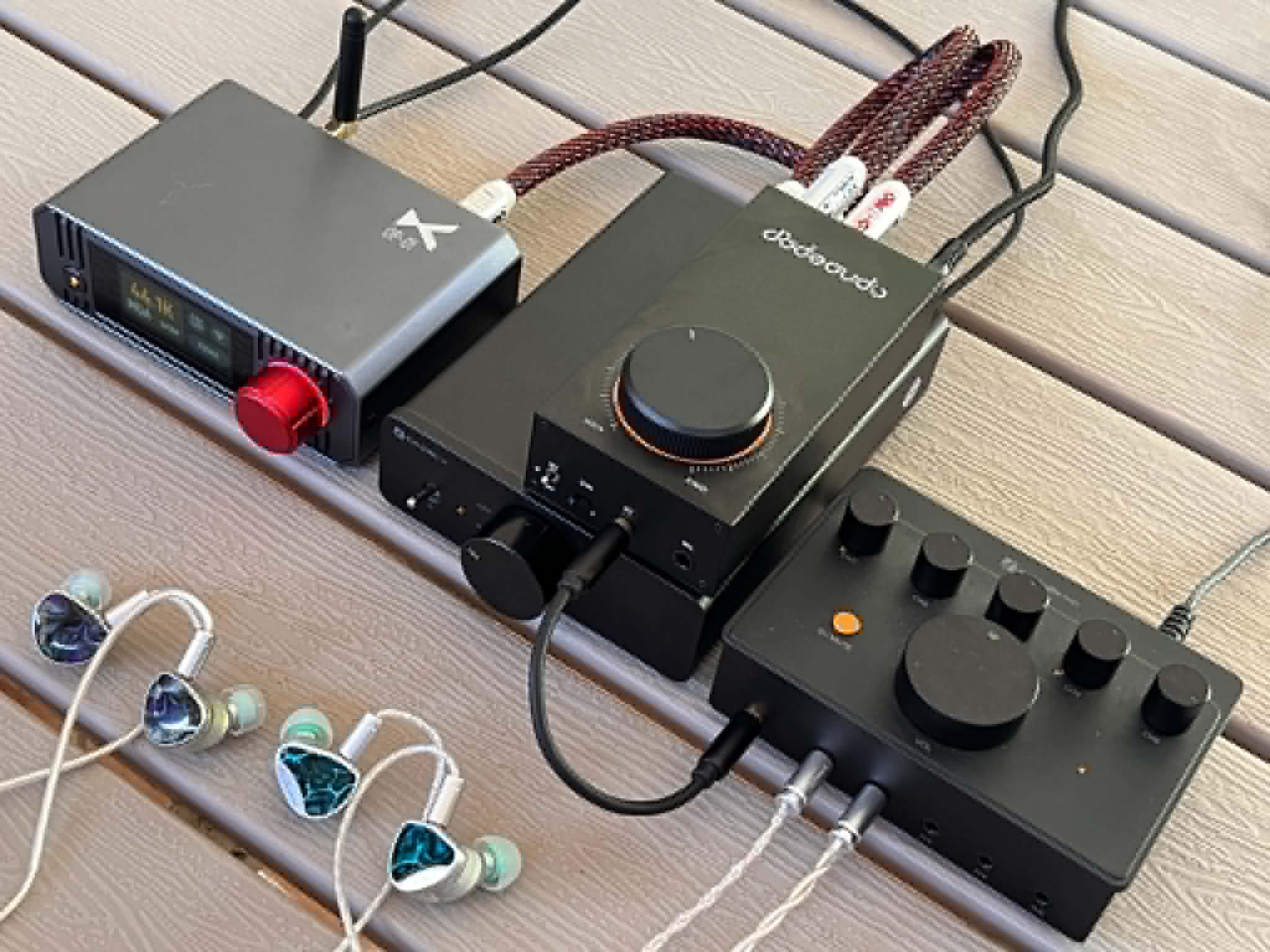
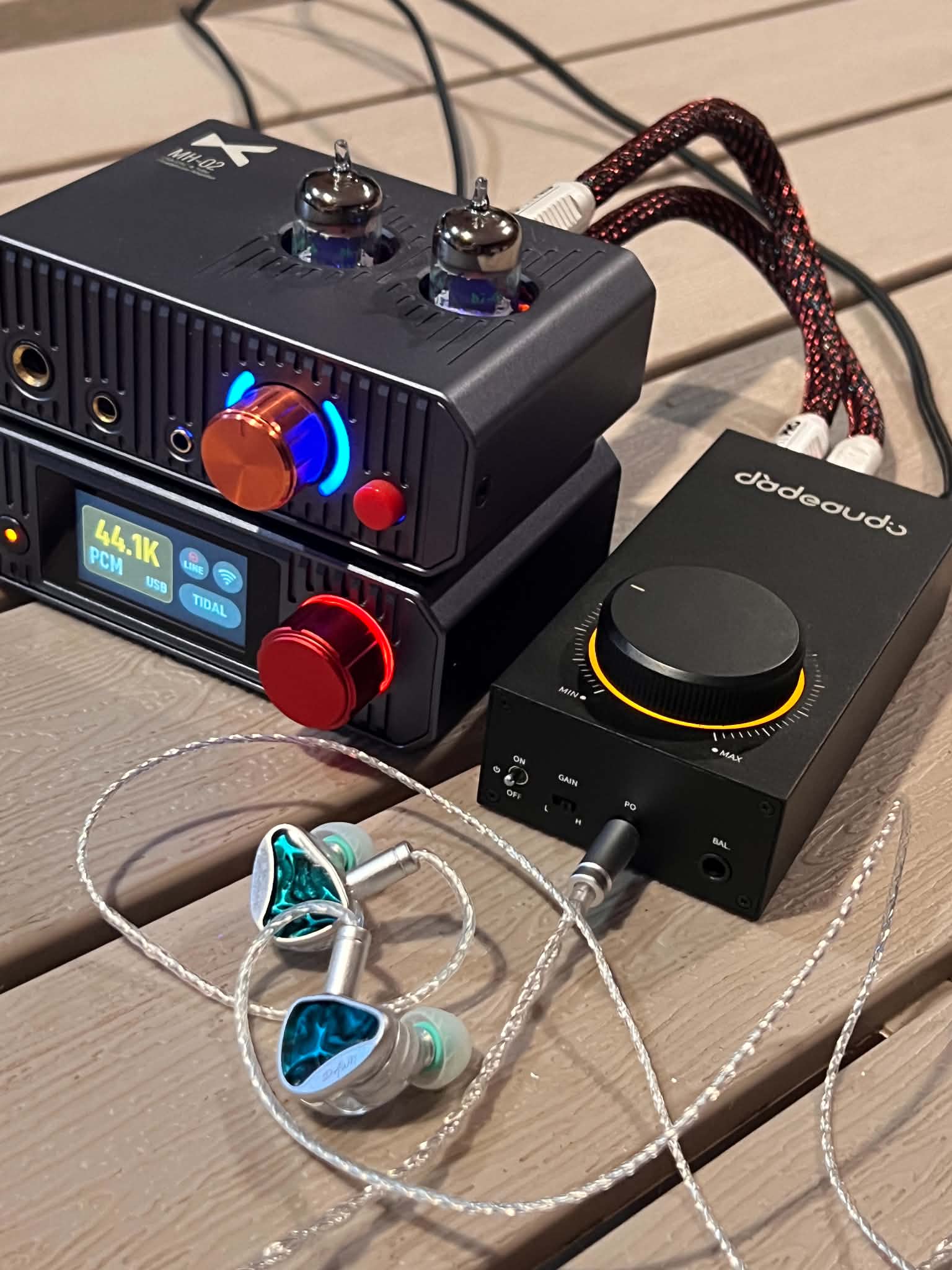
For this review, I spent several days doing direct A/B comparisons between the new Dawn Mistwood and the original Dawn MS. My source chain consisted of the xDuoo DP-01 network streamer feeding the Fosi Audio Q6 Pure AKM DAC through coaxial, then into the JadeAudio GIGAS 1, which was connected to the Fosi PH05 headphone amplifier. This setup allowed me to have both IEMs plugged in and playing simultaneously, making it easy to switch back and forth within seconds. That kind of instant comparison makes even subtle differences much easier to hear.
The Dawn MS has always been one of my favorite single dynamic driver IEMs. It has a fun, musical tuning with deep, satisfying bass, natural mids, and enough detail to keep things engaging without sounding analytical. It was already an easy IEM to enjoy, so I was curious to see how INAWAKEN would improve on something that already worked so well.
After spending a lot of time comparing the two, the answer became pretty clear.
The Dawn Mistwood isn't a different tuning. It's a refined version of the Dawn MS.
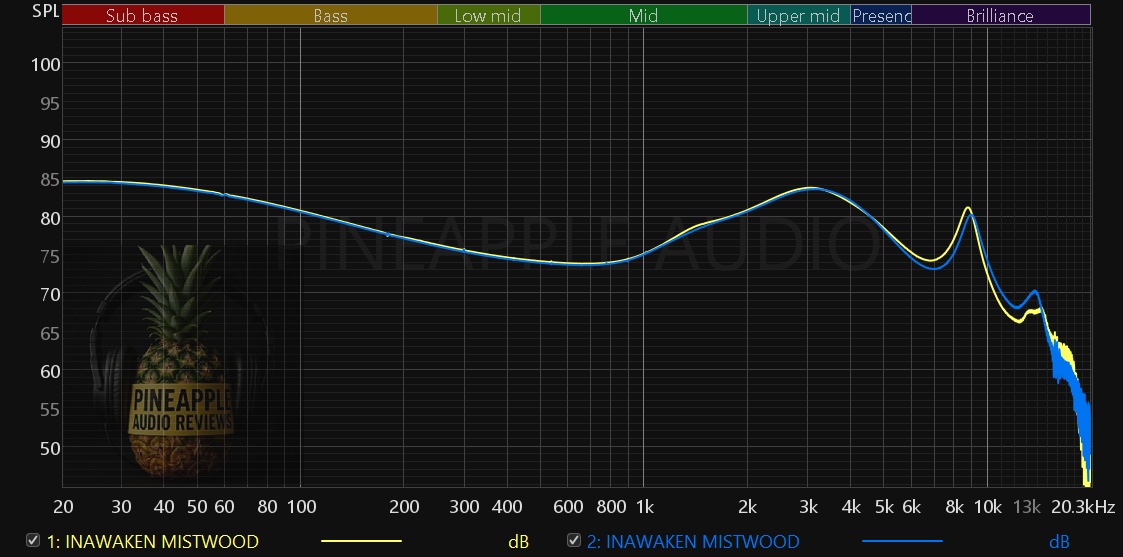
Everything I liked about the original is still here, but nearly every aspect has been improved. The bass is tighter and more textured, the midrange sounds cleaner and more natural, the treble has better extension and resolution, and the overall presentation feels more open and spacious. The improvements aren't the kind that jump out at you during the first few minutes, but the longer you listen and switch between the two, the more obvious they become.
The biggest difference is refinement. The Mistwood sounds cleaner from top to bottom, with better control across the entire frequency range. Notes are more defined, transients are faster, and instruments are separated more clearly. There's less congestion in busy passages, making complex tracks easier to follow without losing the fun, musical character that made the Dawn MS so enjoyable in the first place.
Dynamics have also improved. Music feels more energetic and expressive, with stronger contrast between soft and loud passages. Drum hits carry more impact, bass lines have better authority, and vocals feel more alive. The presentation has a greater sense of effortlessness, as if the driver is working with less strain even when the music becomes demanding.
What impressed me most is that INAWAKEN didn't sacrifice its house sound in pursuit of technical performance. The Dawn Mistwood still delivers the warm, engaging, and musical presentation I've come to expect from the brand. It simply adds a higher level of refinement, resolution, and technical ability. To my ears, this is exactly how an upgrade should be done. It stays true to what made the original great while improving the areas that matter most.
Bass
Bass has always been one of INAWAKEN's strengths, and the Mistwood continues that tradition.
The quantity remains very satisfying, but the quality has taken a significant step forward.
Sub-bass extends effortlessly with excellent rumble and authority. It reaches deep without sounding loose or bloated, delivering satisfying physical impact while remaining remarkably controlled.
Mid-bass is where the biggest improvement happens.
The bass carries excellent texture and definition with a tactile punch that feels cleaner than the original Dawn MS.
Notes start and stop faster, giving kick drums and bass guitars more realism and better separation from the rest of the mix.
The original Dawn MS already leaned toward basshead territory.
The Mistwood keeps that fun factor while becoming noticeably more disciplined.
Midrange
The midrange is one of my favorite parts of the Mistwood.
It sounds natural, organic, and incredibly lifelike.
Male vocals have excellent body and weight, while female vocals come through with clarity and emotion without becoming overly forward.
Instrument timbre is exceptionally convincing.
Pianos, guitars and brass instruments all carry a realistic tonal balance that reminds me more of reference-oriented dynamic drivers than typical fun-tuned IEMs.
Upper mids have enough energy to sound lively, but they're carefully controlled, avoiding the shoutiness or harshness that many modern tunings suffer from.
It's musical without sacrificing accuracy.
Treble
The treble surprised me.
If I didn't know this was a single dynamic driver, I could easily believe there was a dedicated balanced armature handling the highs.
Treble extension is excellent.
Transient response is fast and crisp, with plenty of air and sparkle that brings out micro-details without becoming fatiguing.
Cymbals sound clean and realistic.
Hi-hats have satisfying bite.
The upper treble remains smooth while adding openness and resolution across the entire presentation.
It's one of the most refined treble implementations I've heard from a single dynamic driver in this price range.
Technical Performance
The biggest improvement the Dawn Mistwood brings over the original Dawn MS is its technical performance. The tuning is still unmistakably INAWAKEN, but everything around it has been refined. The new driver and acoustic labyrinth don't dramatically change the sound signature, they simply allow the driver to perform at a much higher level.
The first thing I noticed during my A/B comparisons was the soundstage. The Mistwood presents music with noticeably more width, depth, and openness than the original Dawn MS. Instruments have more space around them, making the presentation feel less confined and more immersive. It's not just wider from left to right, but also deeper, giving vocals and instruments a stronger sense of front-to-back positioning. Among the three INAWAKEN models I've used, the Mistwood has the most spacious presentation, and in some tracks, it comes surprisingly close to the expansive staging of the flagship Twilight DS.
Imaging is another area where the Mistwood takes a clear step forward. Positioning across the stage is precise, making it easy to identify where individual instruments are located. Whether it's a guitar sitting slightly off-center, backing vocals placed behind the lead singer, or cymbals extending toward the outer edges of the stage, everything is presented with convincing accuracy. This becomes especially noticeable when listening to live recordings or well-produced orchestral and acoustic music.
Layering has also improved significantly. On busy tracks with multiple instruments playing simultaneously, the Mistwood keeps everything organized instead of blending sounds together. Each instrument occupies its own space within the mix, making it much easier to follow individual performances without losing sight of the overall presentation. Even dense rock, metal, or large orchestral pieces remain composed and easy to listen to.
Instrument separation benefits greatly from the redesigned acoustic chamber. Since unwanted internal resonance is better controlled, notes don't bleed into one another as much. Bass remains distinct from the midrange, vocals stay clean and focused, and higher-frequency details maintain their clarity even during complex passages. The result is a presentation that sounds cleaner and more effortless without becoming overly analytical.
The Mistwood also delivers excellent resolution for a single dynamic driver. Small background details, room ambience, subtle reverb trails, and fine textures are easier to pick out than on the original Dawn MS. It doesn't force detail into your face, but presents it naturally within the music, which makes long listening sessions much more enjoyable.
Dynamics are another standout. The contrast between soft and loud passages is well defined, giving music a stronger sense of energy and realism. Bass hits have satisfying impact, snare drums carry convincing attack. The driver responds quickly to changes in volume and intensity, making the presentation feel lively and engaging across every genre I tried.
Transient response is also noticeably improved. Notes start and stop with greater precision, particularly in the bass and treble regions. Kick drums sound tighter, bass lines are more articulate, and fast percussion retains its definition even during rapid passages. This contributes to the Mistwood's cleaner overall presentation and prevents the sound from becoming sluggish or smeared.
Silver vs.Gold nozzles
Tuning Nozzles
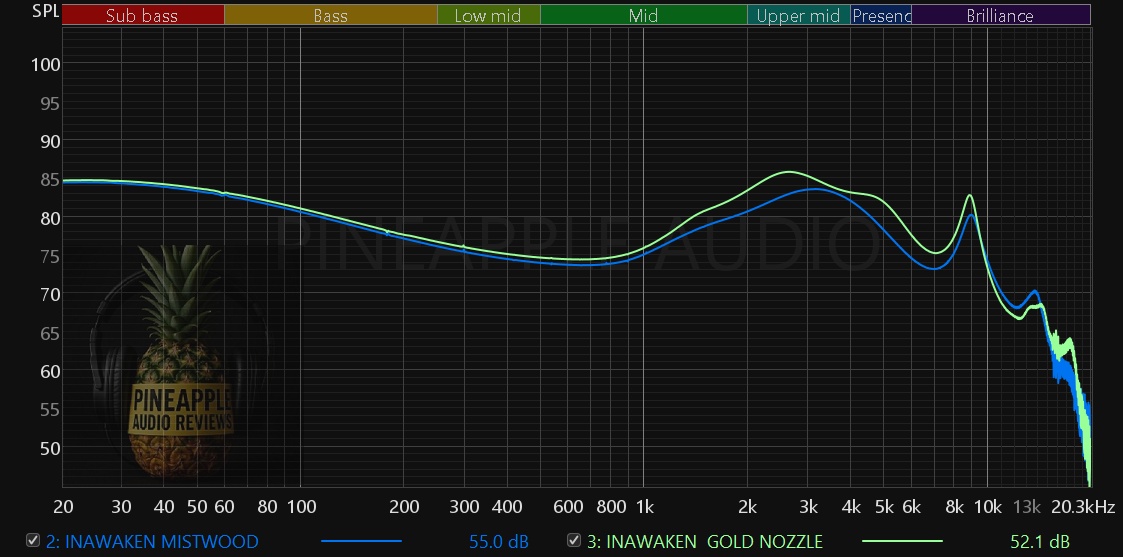
The Dawn Mistwood comes with two interchangeable tuning nozzles, giving you the option to fine-tune the sound depending on your listening preferences. Unlike some IEMs where changing nozzles completely transforms the tuning, the Mistwood keeps its core sound intact. Instead, each nozzle makes subtle but meaningful adjustments that let you tailor the presentation without feeling like you're listening to a different IEM.
For this review, I spent almost all of my listening time with the silver nozzle, as I found it to be the best representation of what the Mistwood is designed to deliver. It provides the most balanced presentation, combining deep, controlled bass with natural mids and clean, well-extended treble. It has excellent versatility and works well across almost every genre I threw at it, from pop, rock, jazz, electronic, and hip-hop to orchestral recordings. If you're only going to use one nozzle, this would be my recommendation.
The gold nozzle shifts the tuning toward the midrange. Vocals become slightly more forward, fuller, and warmer, giving singers a bit more presence in the mix. The bass remains satisfying, but the emphasis moves away from impact and toward vocal intimacy. This makes the gold nozzle a great option for acoustic recordings, singer-songwriter tracks, ballads, jazz vocals, and other music where the vocal performance is the main focus. It creates a more intimate presentation without sacrificing the Mistwood's overall clarity.
What I like most is that neither nozzle feels like a gimmick. The differences are noticeable enough that you'll hear the change after a few songs, but they're also restrained enough that the Mistwood never loses its identity. No matter which nozzle you choose, you still get the same musical INAWAKEN house sound. You're simply choosing whether you want a more balanced presentation or one that gives vocals a little more spotlight.
Of course, the biggest highlight isn't just the tuning filters themselves, but how INAWAKEN chose to store them. Instead of including a tiny plastic container that's easy to lose, the spare nozzle is stored directly inside the cable's chin slider. It's an incredibly practical solution that makes changing filters quick and convenient, whether you're at your desk or listening on the go. It's one of those thoughtful design touches that genuinely improves the ownership experience and is something I hope more manufacturers adopt in the future.
Final Thoughts
The Dawn Mistwood is not a completely different IEM from the original Dawn MS.
It's something better.
It's what happens when a company takes an already successful formula and refines every aspect without losing what made it special in the first place.
Build quality has improved.
The craftsmanship is stunning.
The new Diamond-Gold driver and acoustic labyrinth bring meaningful gains in refinement, dynamics, separation, and soundstage.
Bass remains deep and addictive but is now tighter and more textured.
The mids sound wonderfully natural, while the treble delivers an impressive level of extension and detail that you wouldn't expect from a single dynamic driver.
Then there's the tuning filter storage built into the cable's chin slider, which is honestly one of the smartest quality-of-life features I've seen in years.
After spending considerable time with all three INAWAKEN models and going back and forth between the original Dawn MS and the new Dawn Mistwood, I can confidently say that the Dawn Mistwood is my favorite expression of the company's house sound so far.
It still carries that unmistakable INAWAKEN DNA that made me enjoy the Dawn MS and Twilight DS, but everything feels cleaner, more mature, and more technically capable.
If you've enjoyed previous INAWAKEN releases, this is an easy recommendation.
And if you're looking for a beautifully crafted single dynamic driver with a musical tuning, excellent technical performance, and one of the smartest tuning systems currently available, the Dawn Mistwood absolutely deserves a spot on your shortlist.
Link : https://www.linsoul.com/products/inawaken-dawn-mistwood?srsltid=AfmBOopWeBDmeivdorEekcyoSTSfWJu16C8ZkrTkMQC_Lp5M9eY0jJu_
Comments
Post a Comment