Pros:
* Excellent compact and space-saving design
* Premium aluminum alloy build quality
* Seamlessly stacks with the MH-02 and MX-02
* Stable AirPlay, DLNA, and UPnP lossless streaming
* Very easy to set up and use
* Excellent implementation of the CS43198 DAC
* Dual-band WiFi and Ethernet connectivity
* Informative and easy-to-read TFT display
* Supports high-resolution PCM, DSD, and MQA playback
* Runs cool and consumes very little desk space
Cons:
* No remote control included
* Display is informative but not interactive
* No dedicated companion app from xDuoo
* RCA output is more musical than ultra-analytical for those chasing maximum neutrality
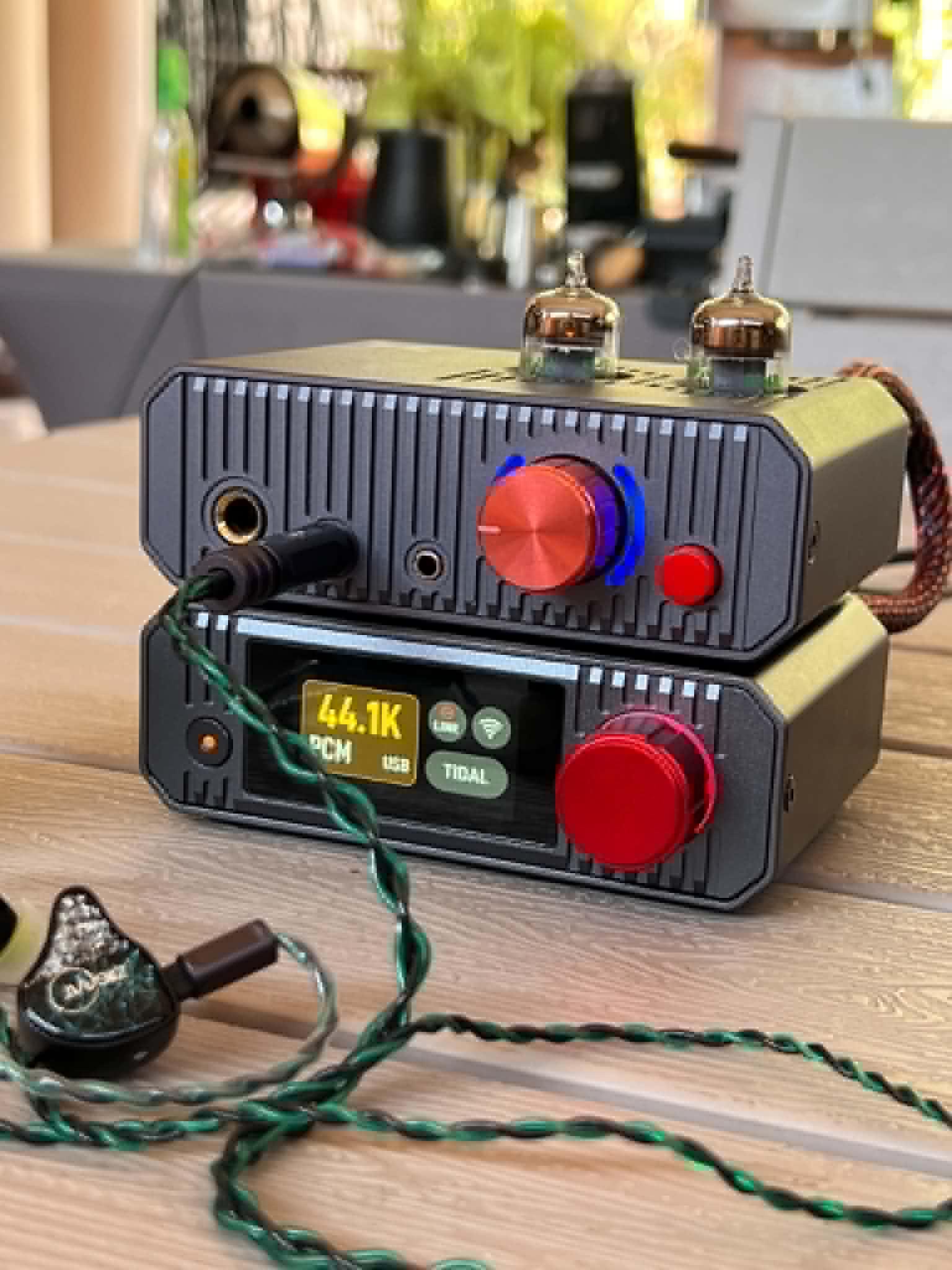
There is something oddly satisfying about a compact audio setup. Maybe it's because I've spent years surrounded by stacks of DACs, amps, streamers, cables, and enough power supplies to start a small electronics shop. So when I first unboxed the xDuoo DP-01, my immediate reaction was, "That's it?" The thing is tiny.
In fact, the xDuoo DP-01 is by far the most compact HiFi network streamer I've personally owned, and possibly one of the smallest dedicated lossless streamers currently available. Yet despite its small footprint, it manages to pack a surprisingly complete set of features and connectivity options into a chassis larger than a portable DAC or DAP.
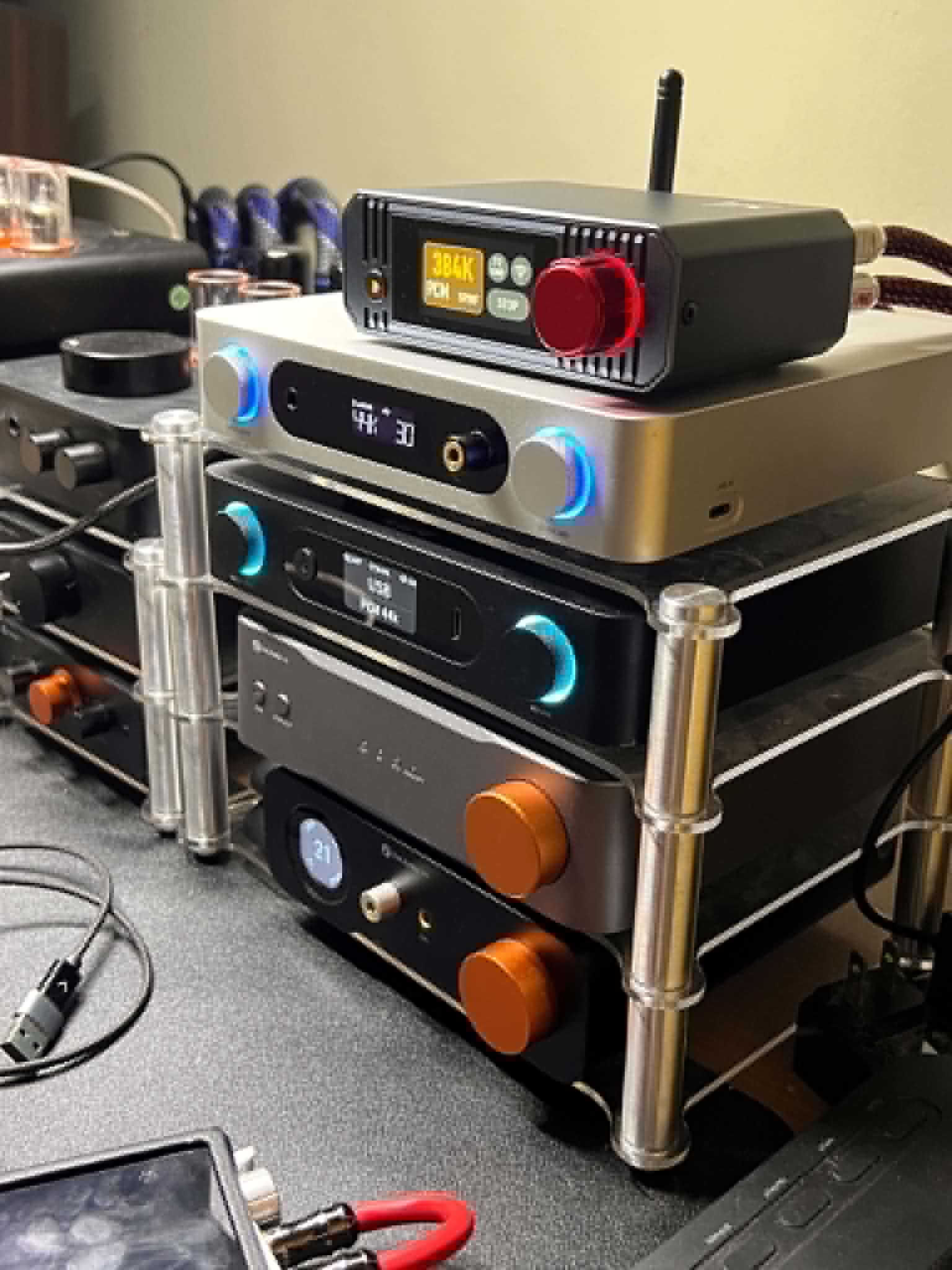
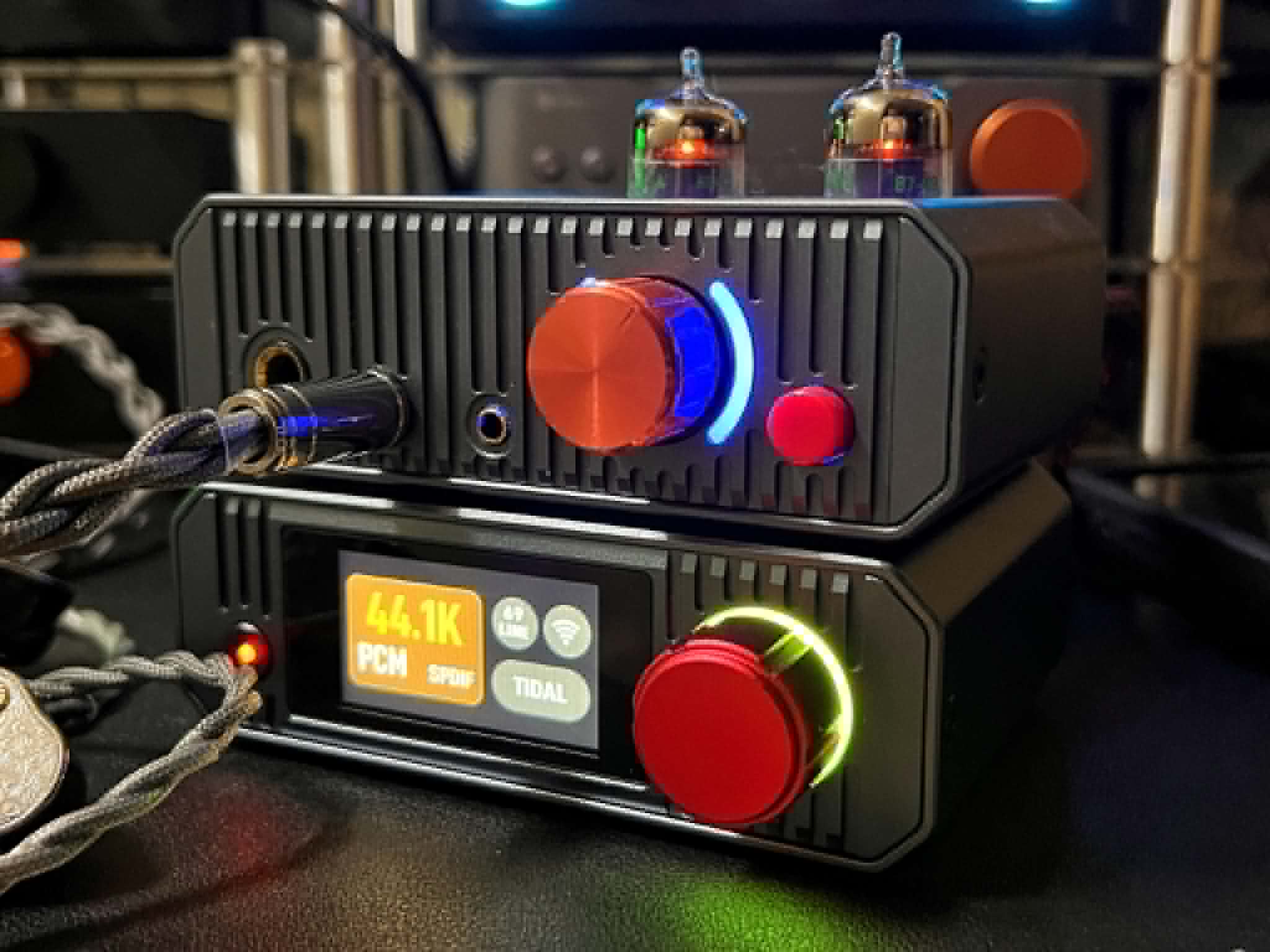
What makes it even more interesting is that xDuoo designed it to share the same chassis and aesthetic as the MH-02 tube DAC/amp and the MX-02 lossless Bluetooth transmitter. At first glance, this may seem like a simple design choice, but once you stack all three together, it becomes obvious what xDuoo had in mind.
The DP-01 acts as the streaming source, the MH-02 serves as the headphone amplifier and DAC, while the MX-02 handles wireless transmission duties. Together they form a complete desktop HiFi system that takes up less space than some DACs I've reviewed. For those working with limited desk space, that's a genuinely attractive proposition.
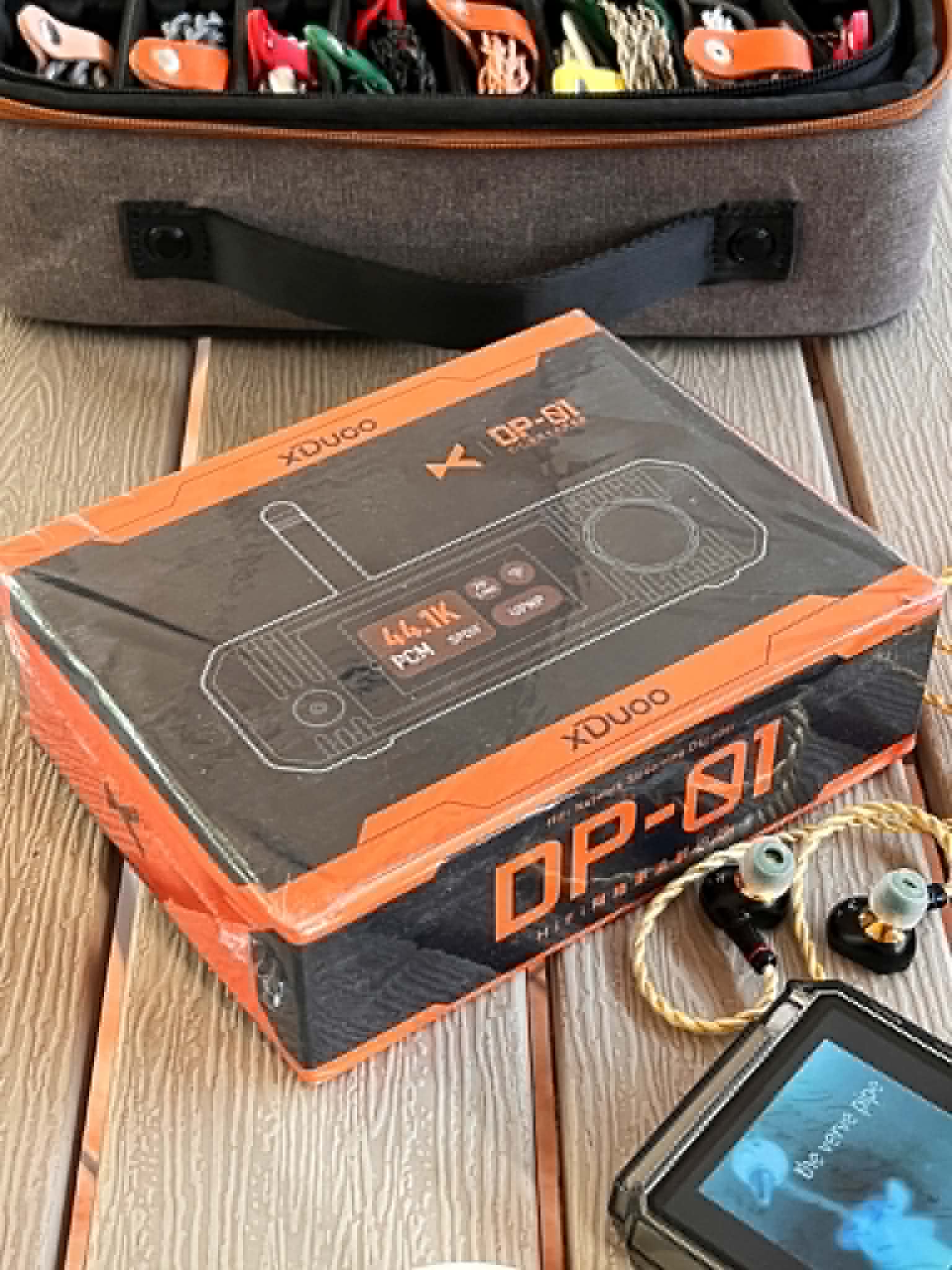
Whats in the box? checkout my quick unboxing video and tale a c;loser look ant the DP-01.
Build Quality and Design
The first thing that surprised me about the xDuoo DP-01 was its size. Photos online honestly don't do it justice because when you finally have it in your hands, you immediately realize just how tiny this thing actually is.
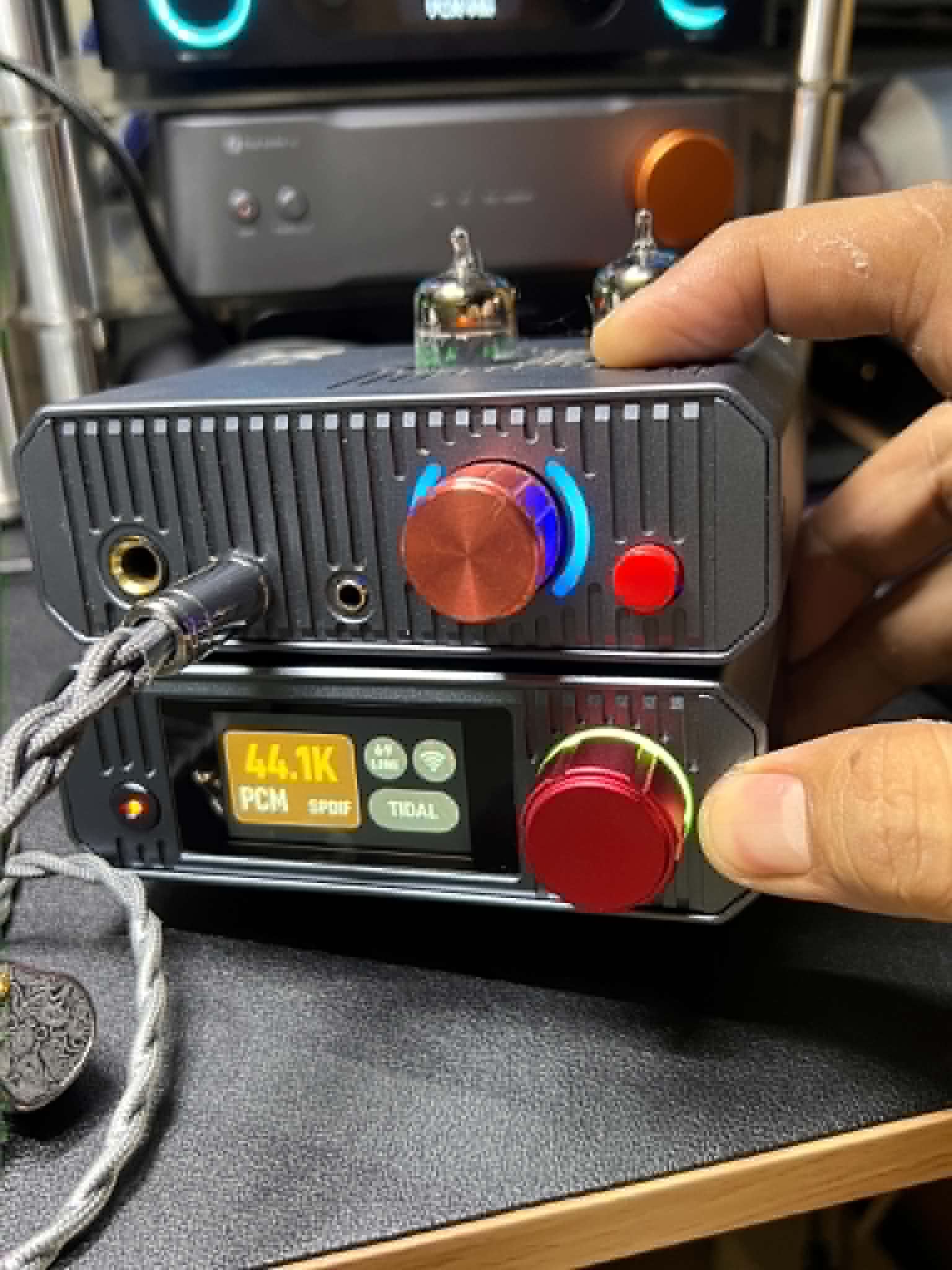
This is by far the most compact HiFi network streamer I've personally owned. There is something refreshing about having a dedicated streamer that doesn't dominate your desk space. For once, I don't have another giant black box competing for space beside my DACs, amplifiers, headphones, coffee mug, and the random pile of cables that somehow always accumulates around my setup.
Despite its compact footprint, it never feels cheap.
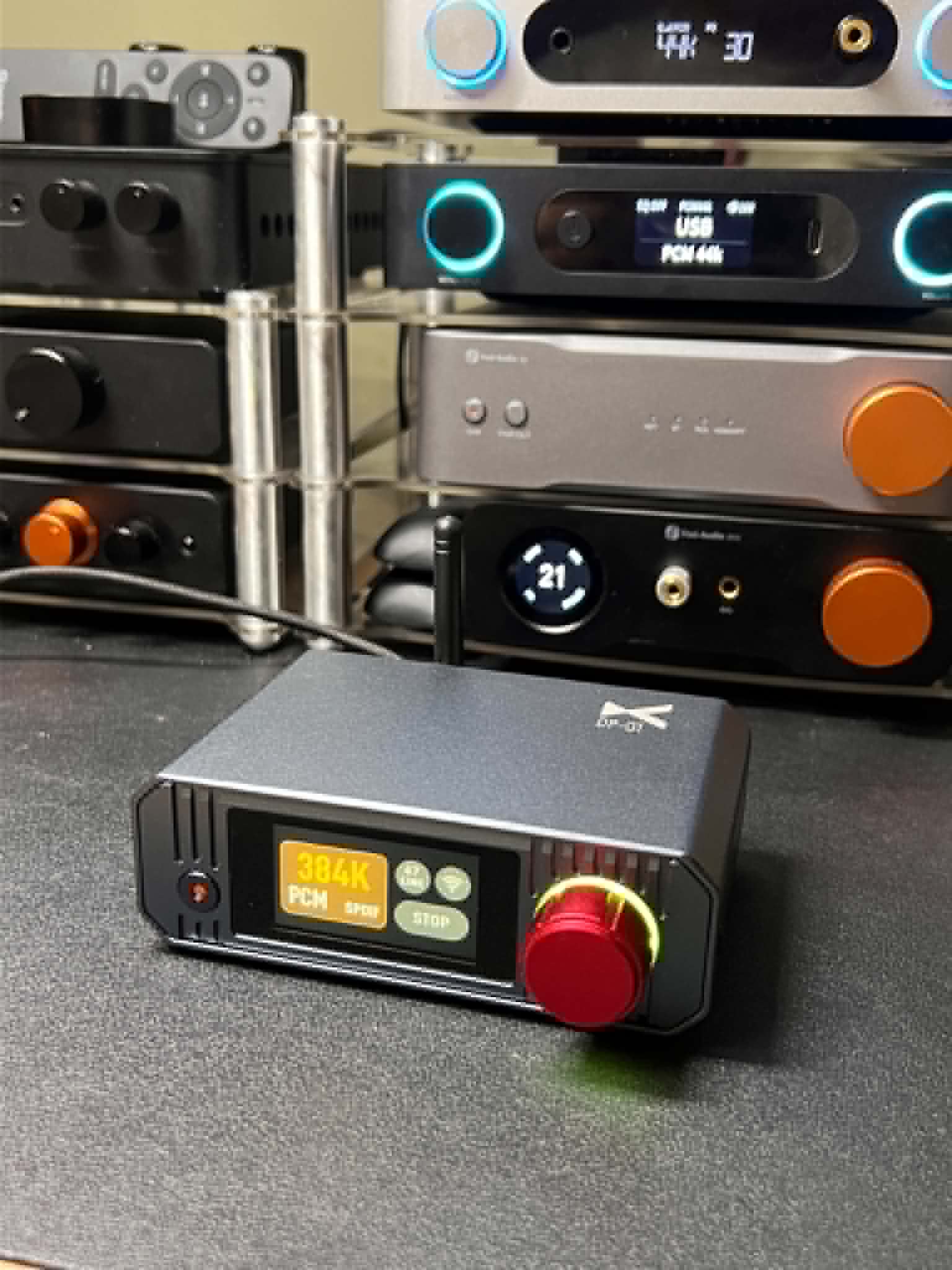
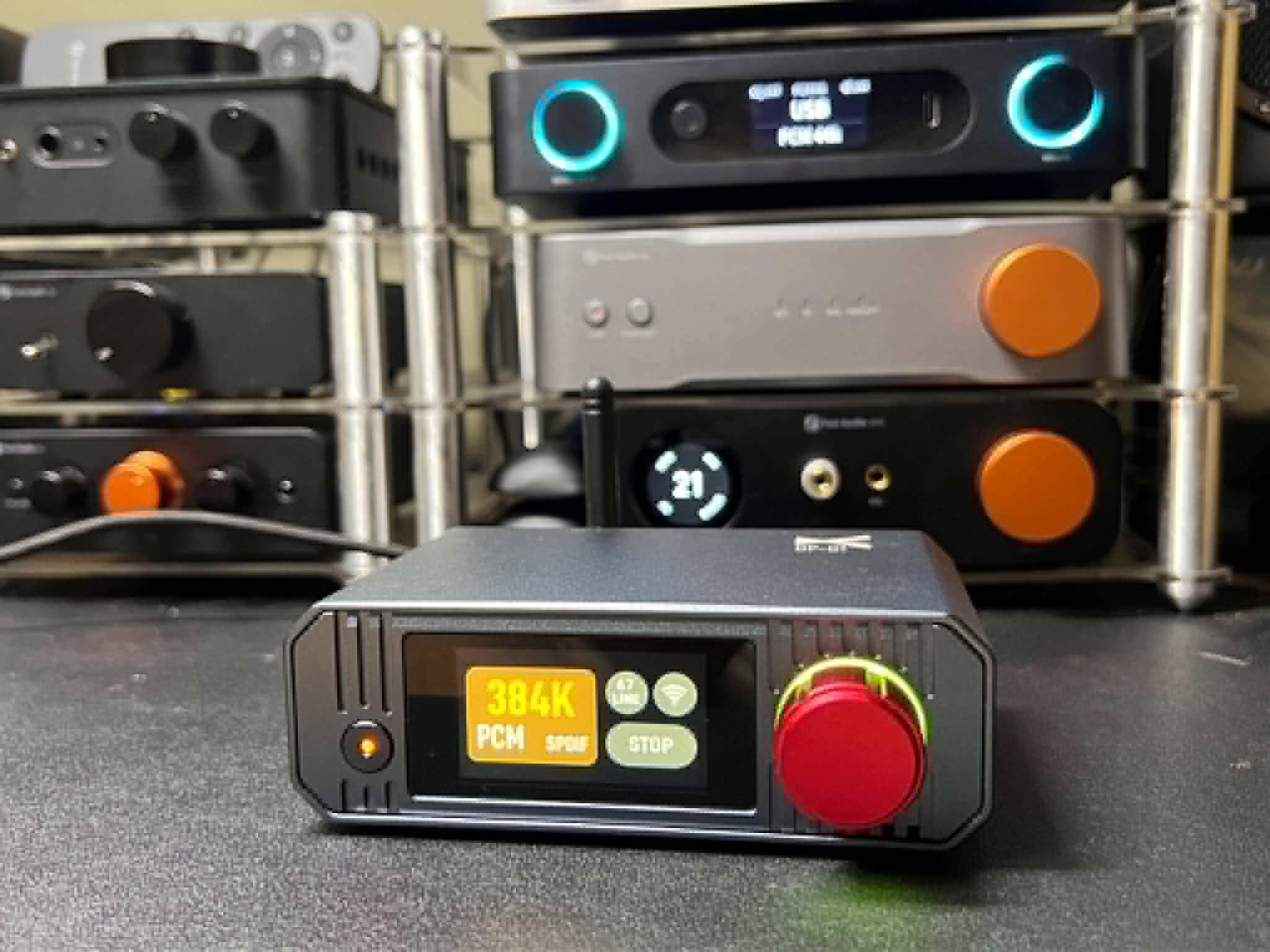
The entire chassis is constructed from aluminum alloy and feels surprisingly dense and solid for its size. It has that familiar xDuoo build quality that I've always appreciated over the years. There are no creaks, no flexing panels, and no parts that feel fragile. Everything feels properly assembled and purposeful.
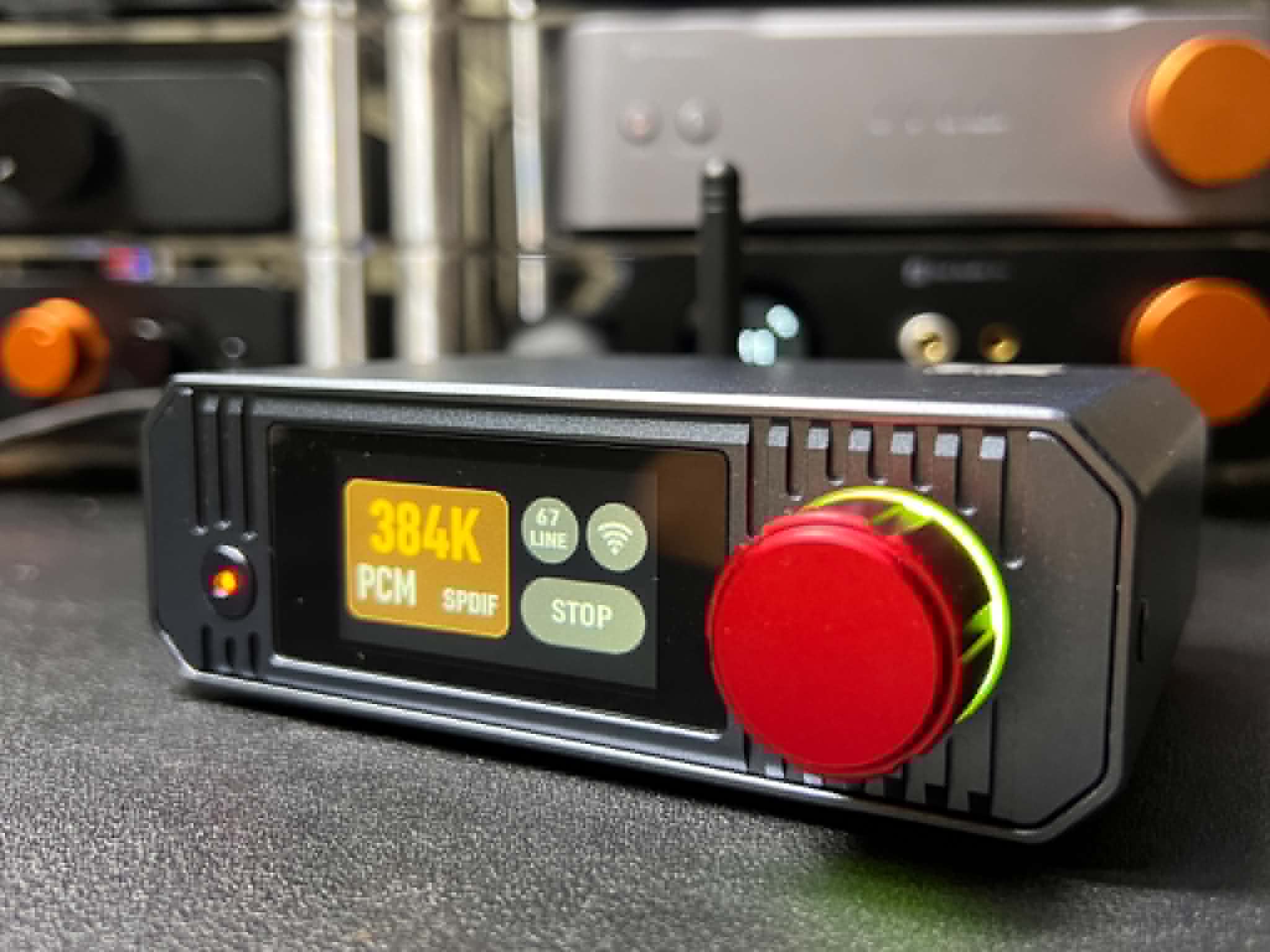
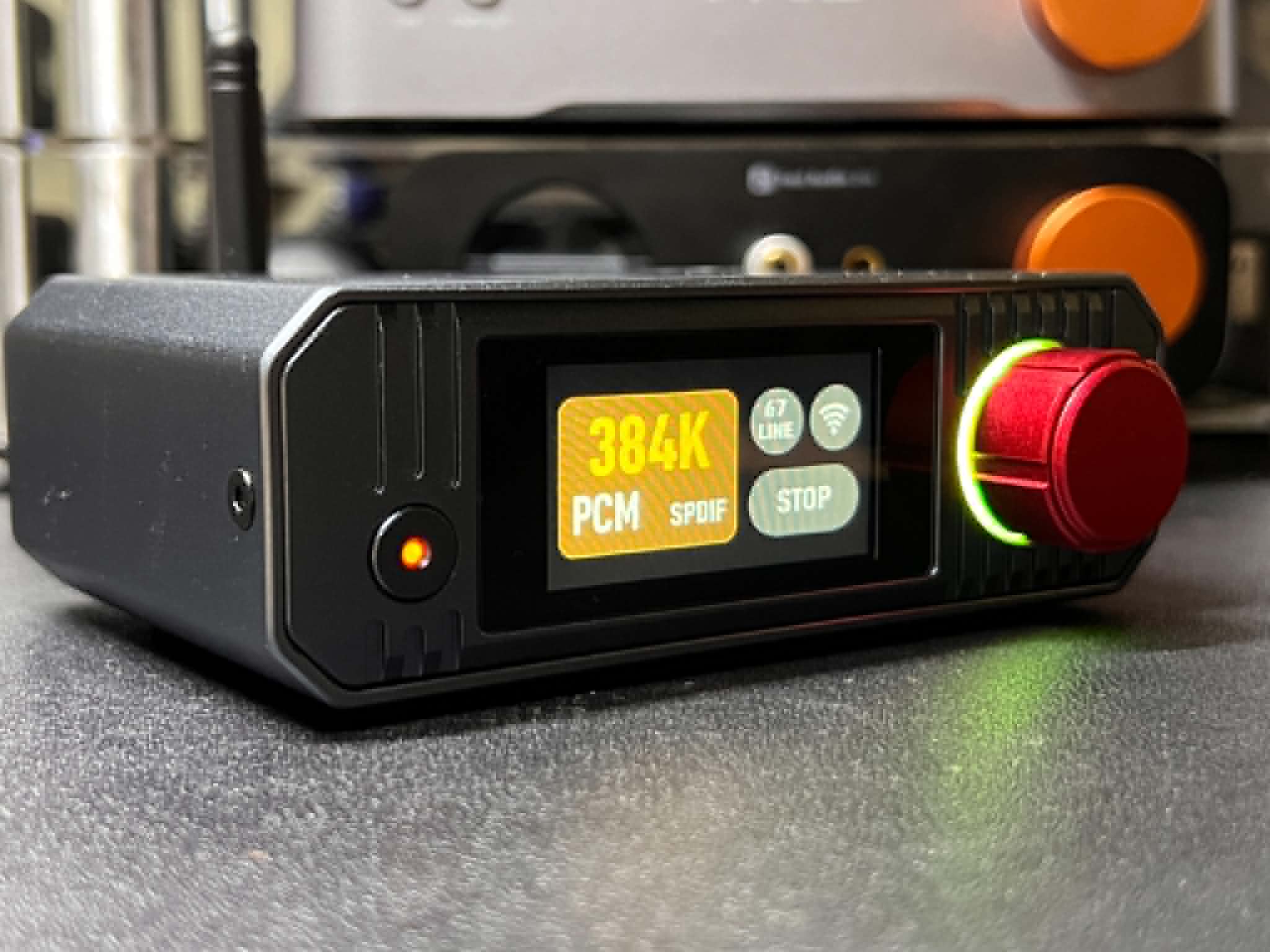
The aluminum enclosure also serves a more technical purpose beyond aesthetics. Since this is a network streamer that constantly handles wireless communication, digital processing, and audio signal transmission simultaneously, proper shielding becomes important. The metal chassis helps reduce electromagnetic interference and unwanted electrical noise, contributing to a cleaner overall signal path and lower noise floor, especially when paired with sensitive audio equipment.
One thing I really appreciate is how xDuoo kept the design simple and functional instead of overcomplicating it.
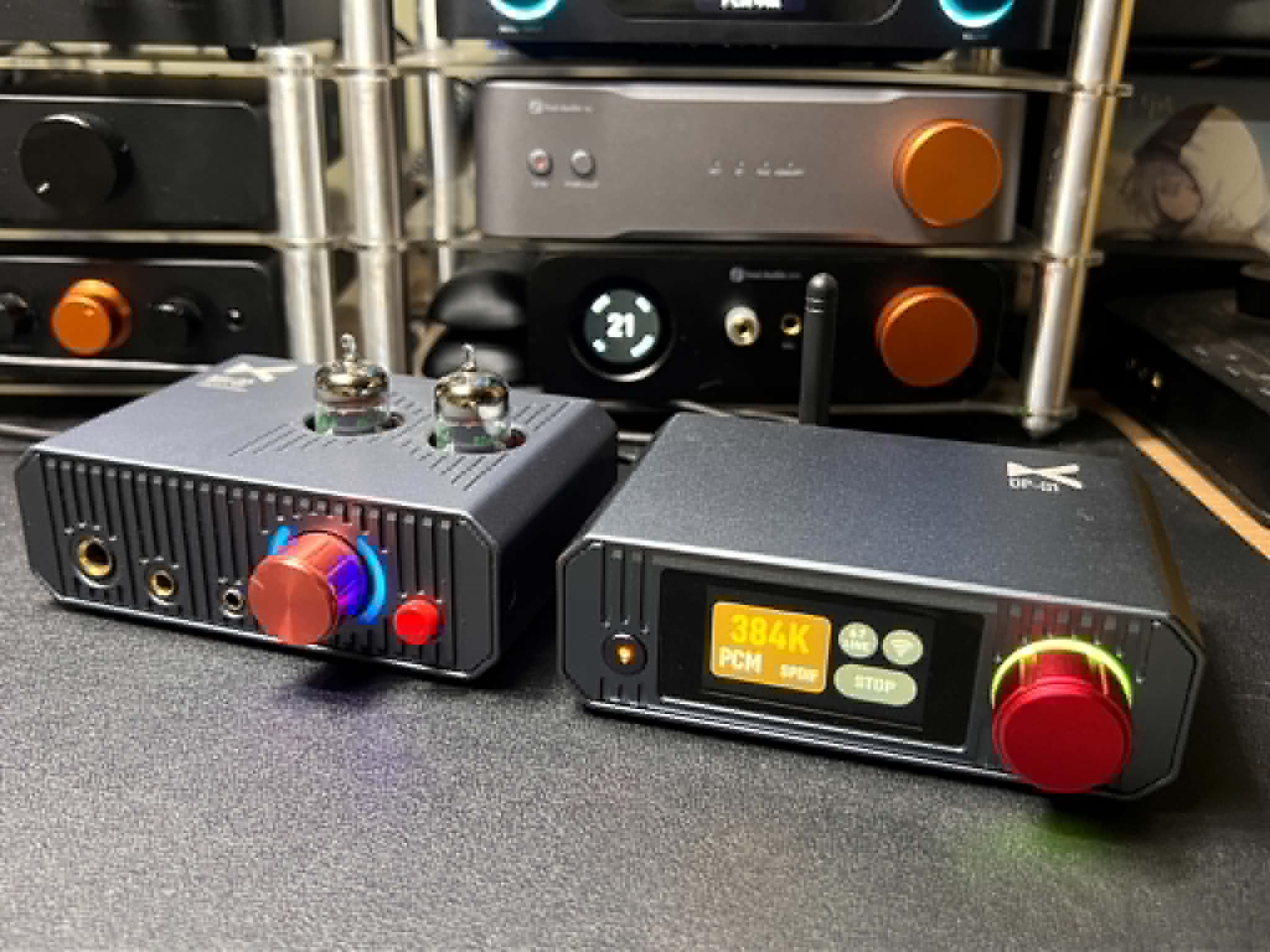
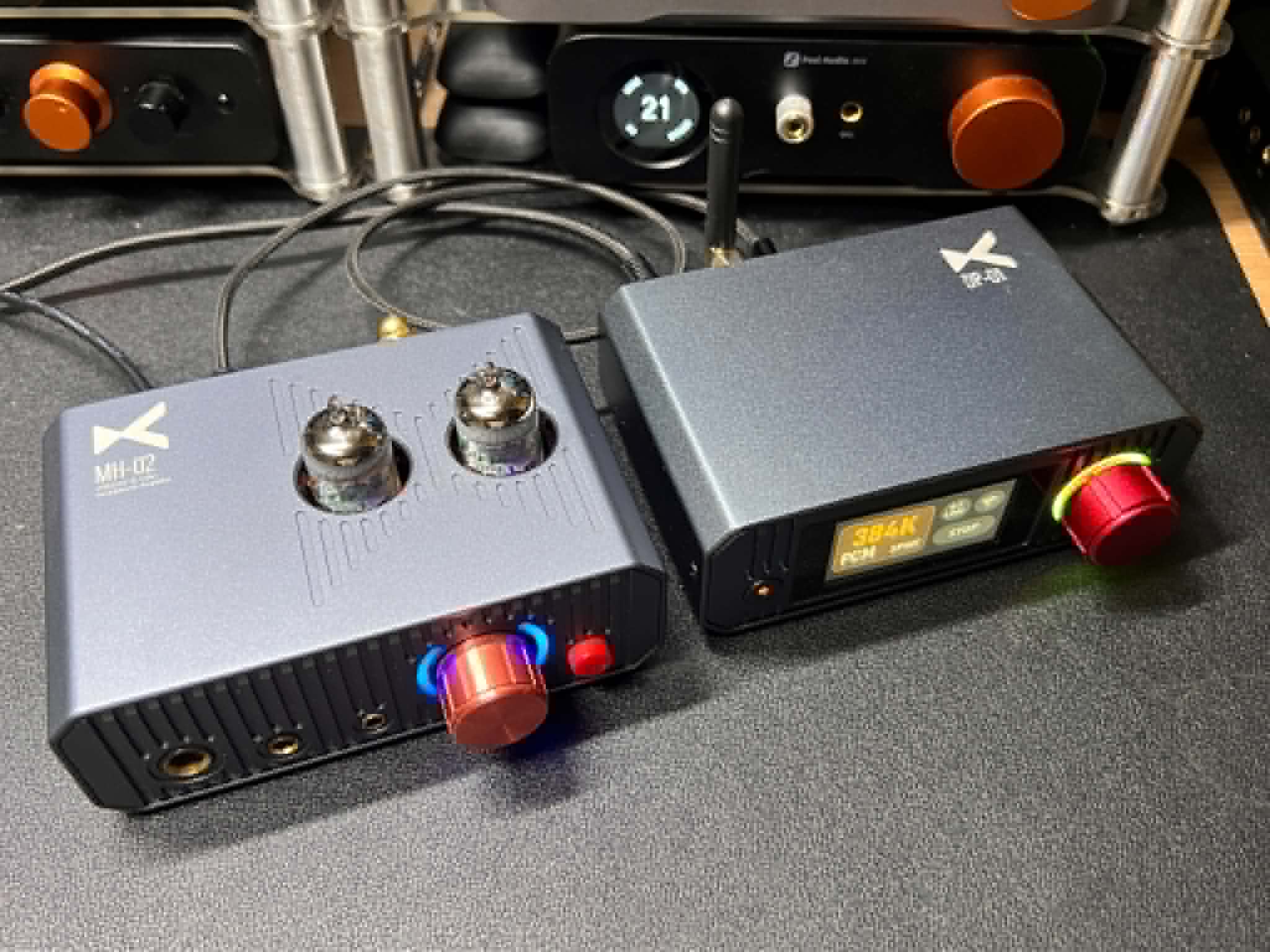
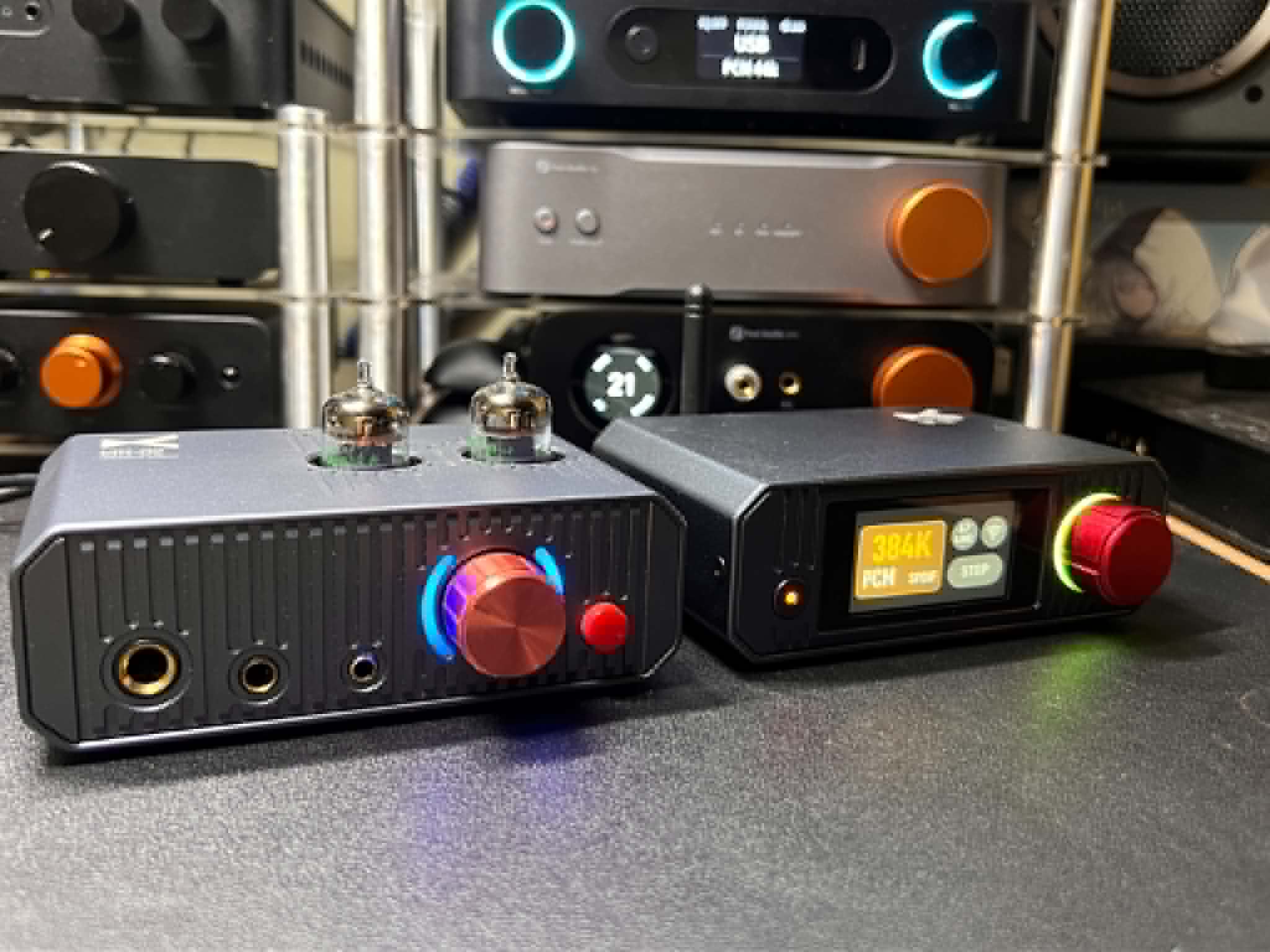
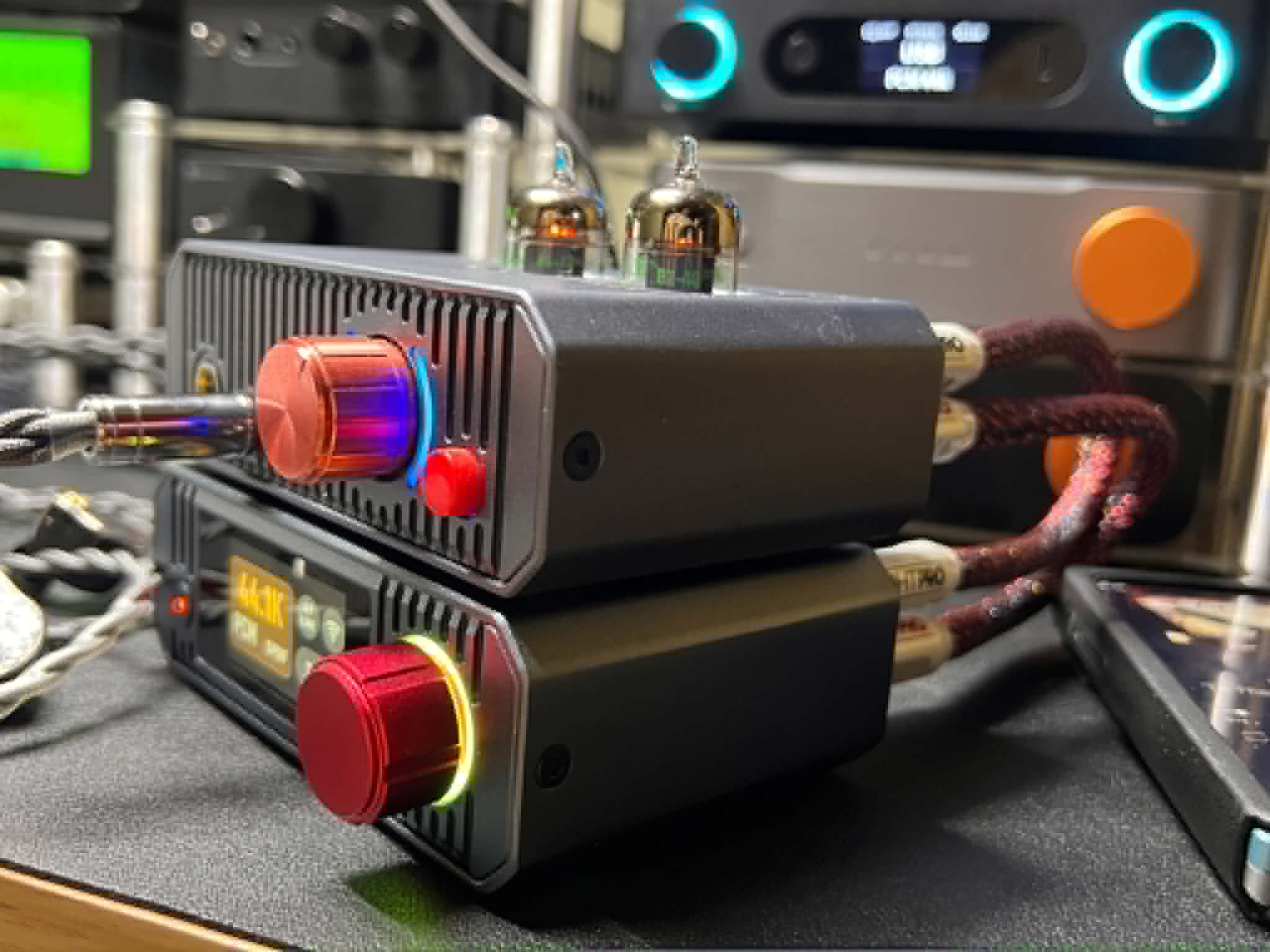
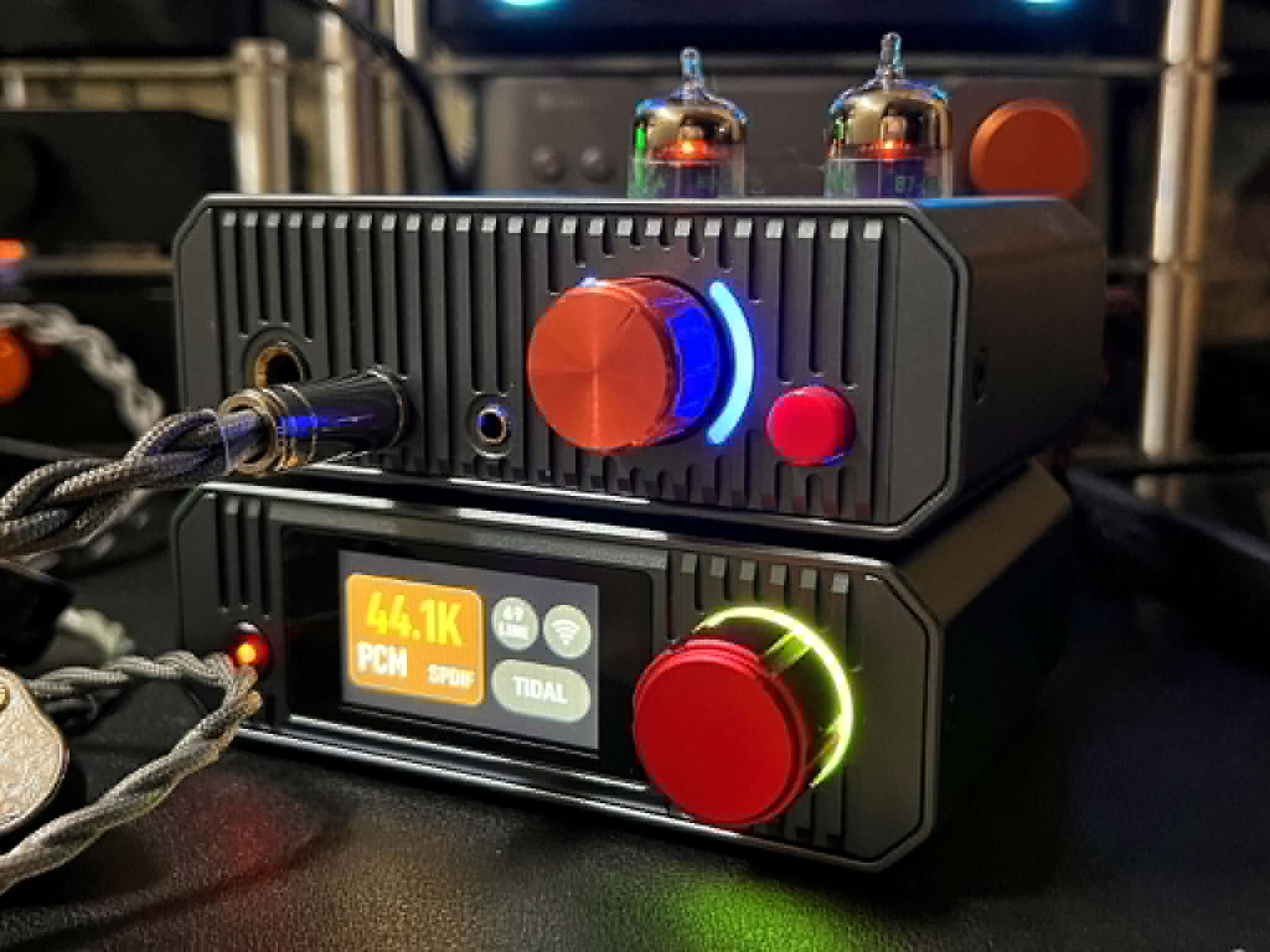
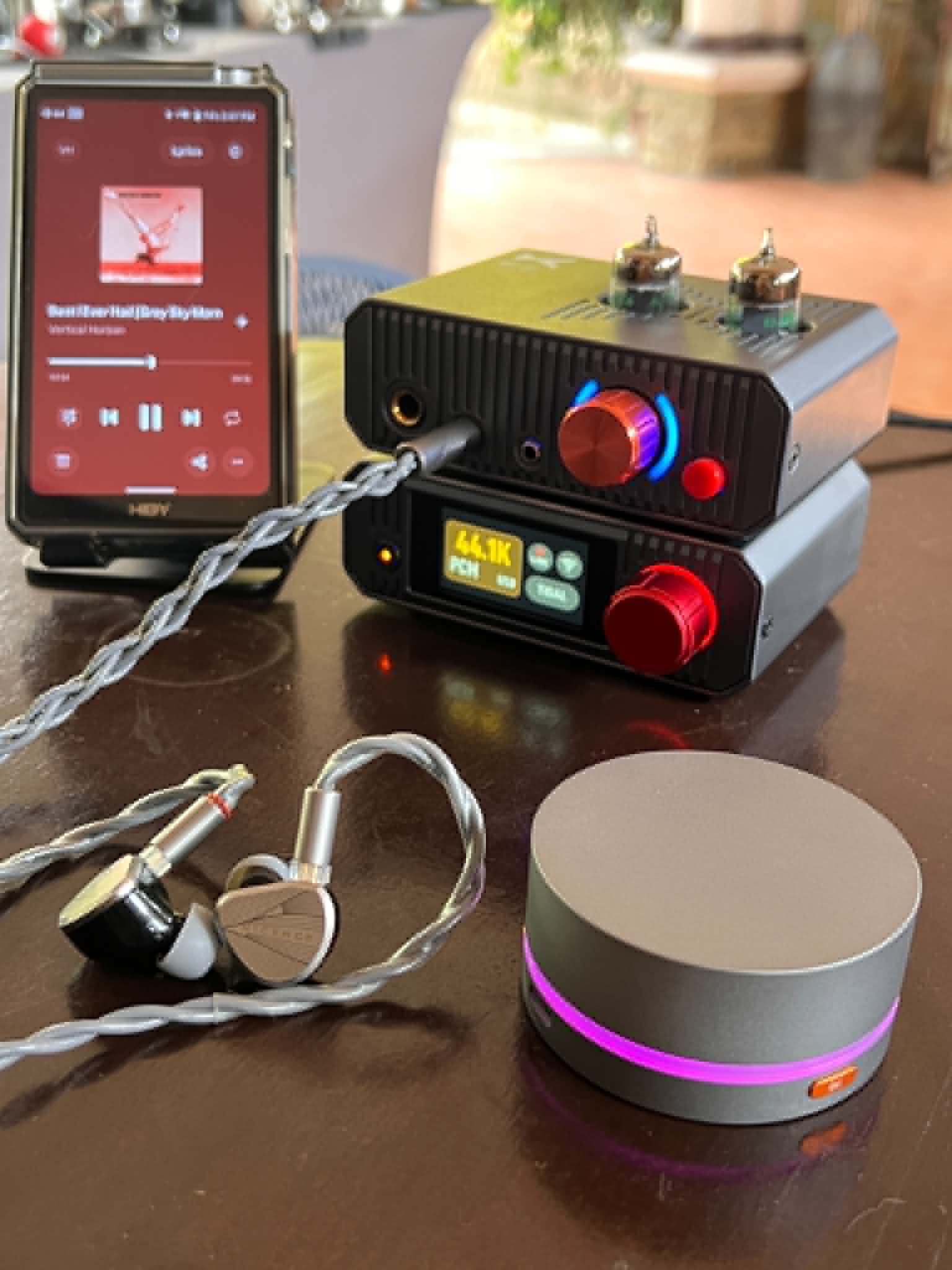
The DP-01 shares the exact same design language and chassis dimensions as the MH-02 tube DAC amp and the MX-02 lossless Bluetooth transmitter. This may seem like a small detail at first, but after stacking all three together, it becomes obvious that xDuoo intentionally designed them as a complete ecosystem.
Honestly, they stack beautifully.
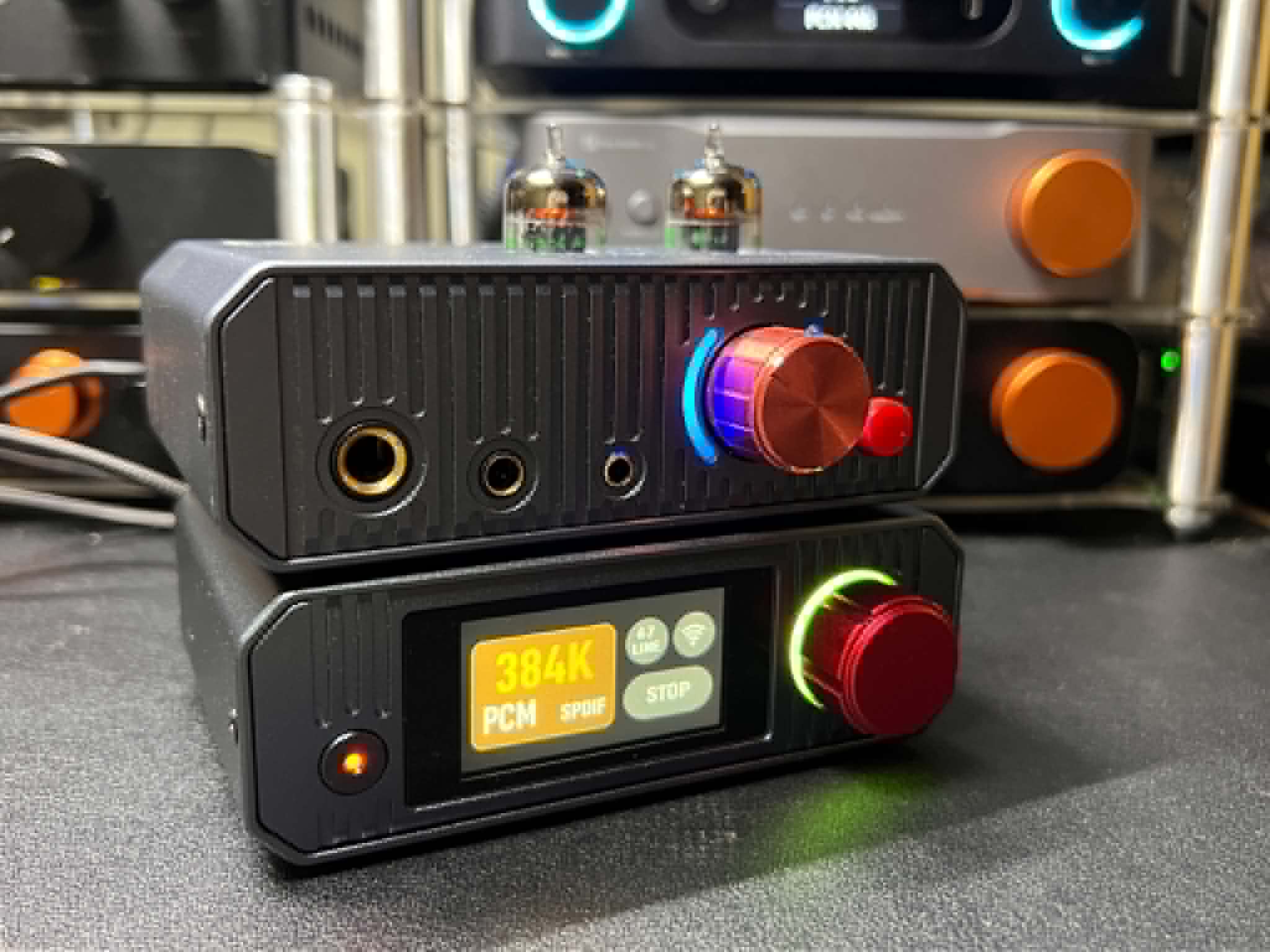
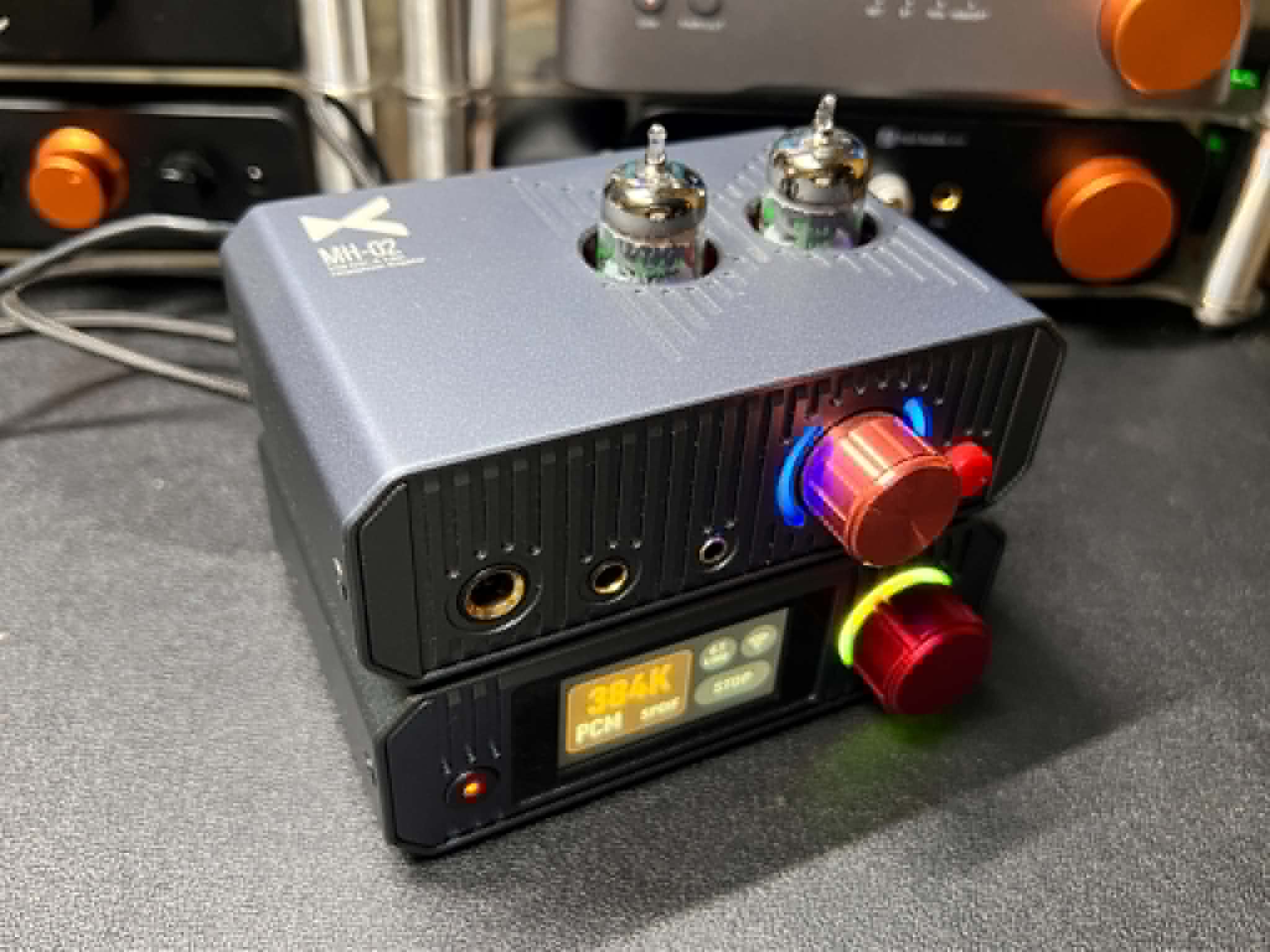
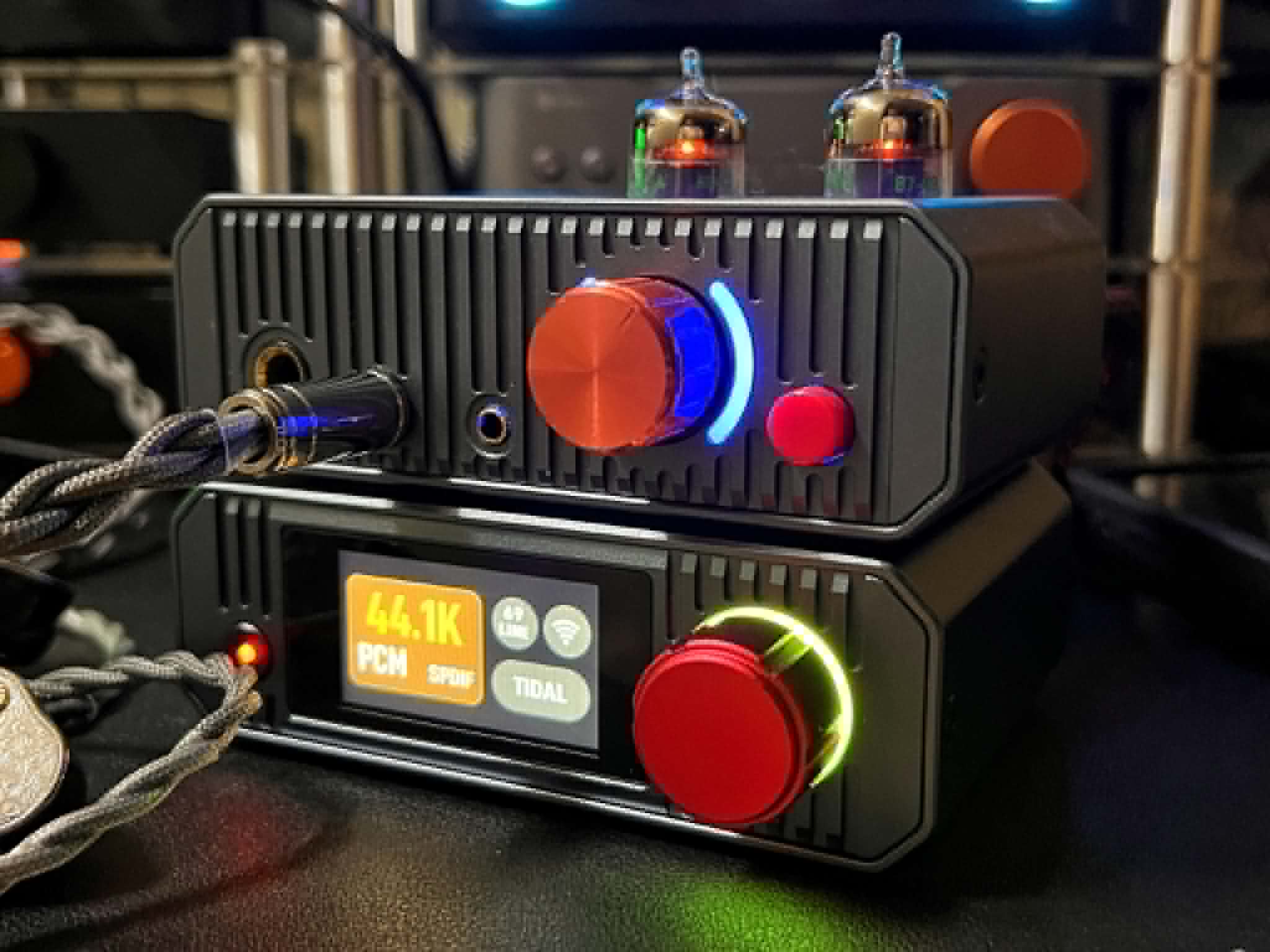
When paired together, they almost look like a miniature HiFi tower. The DP-01 acts as the streaming source, the MH-02 handles amplification duties, and the MX-02 takes care of wireless transmission if you want to expand your setup further.
I actually love this approach because not everyone has room for a full-sized HiFi rack at home. This entire stack takes up very little desk space while still delivering the functionality of a much larger system.
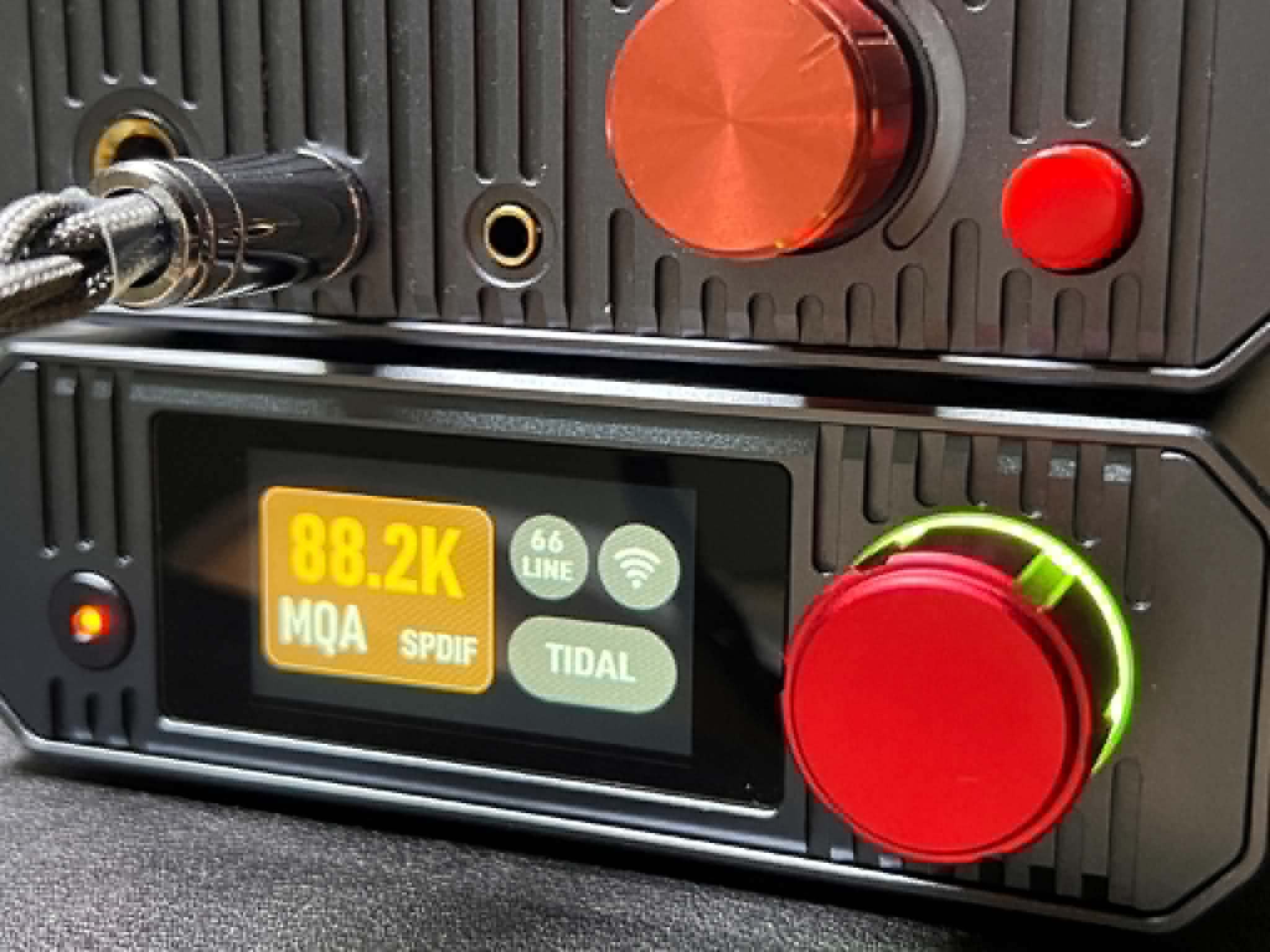
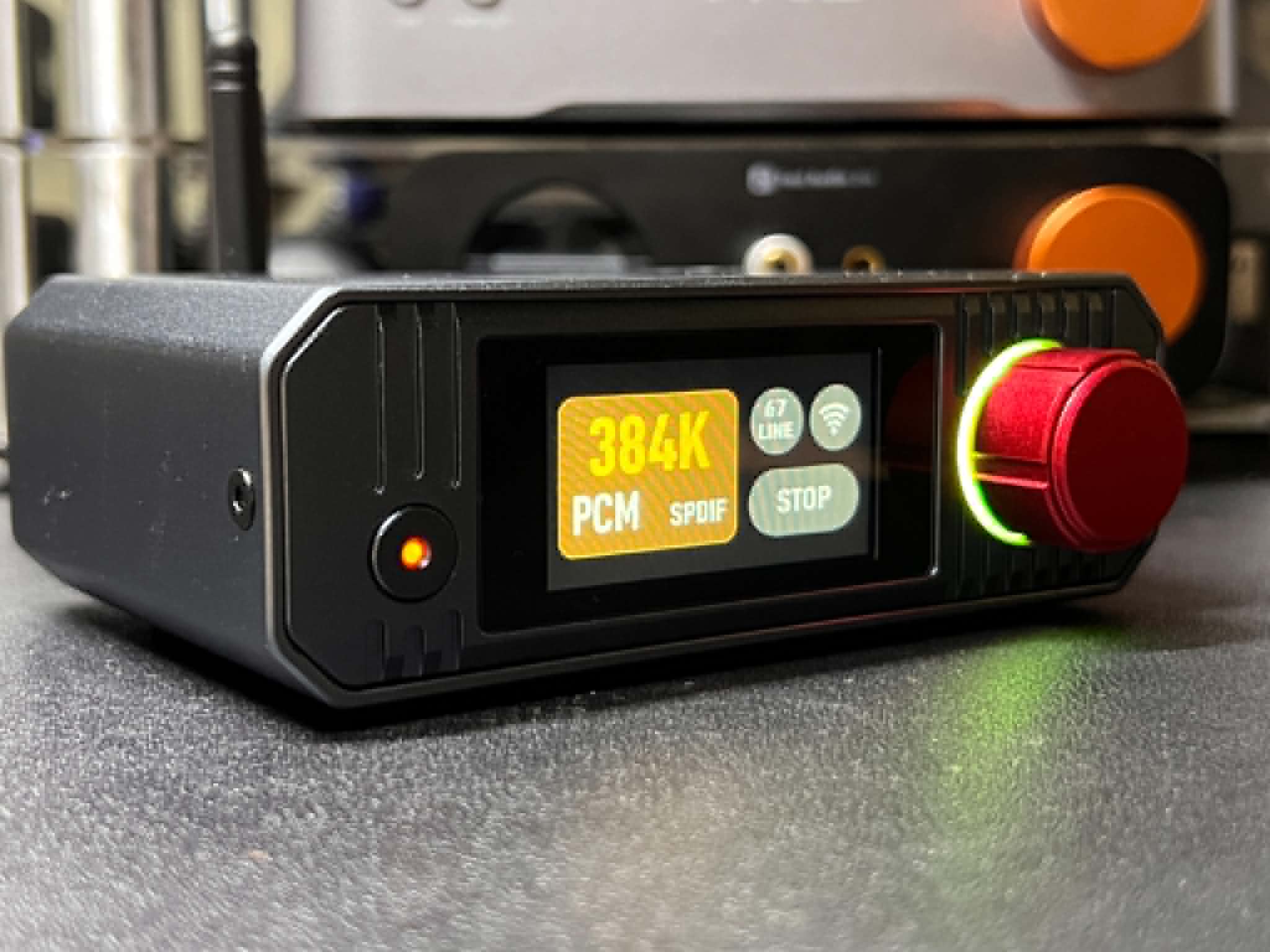
The front panel houses a 1.9-inch TFT color display, and I ended up appreciating it more than I initially thought I would.
No, it isn't huge, and thankfully xDuoo didn't try to turn this into a giant touchscreen interface. It simply gives you the information you need without unnecessary distractions.
The display shows:
• Network connection status
• Playback information
• Audio source
• Sample rate
• File format
• Volume level
• Playback status
The screen itself is bright, crisp, and easy to read from a reasonable listening distance. During my usage, I could quickly glance at it from my chair and immediately know what was playing without needing to walk over to the device.
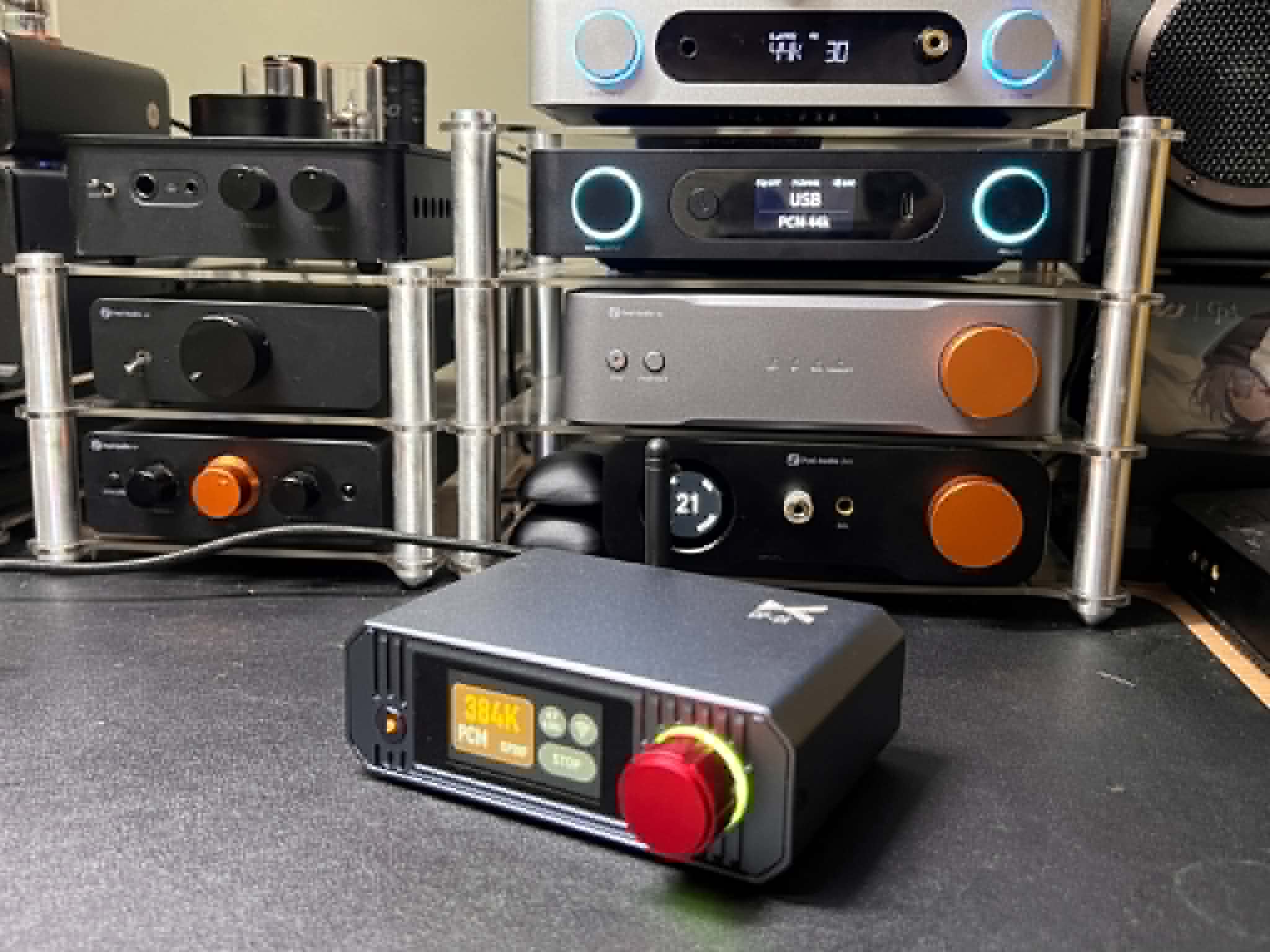
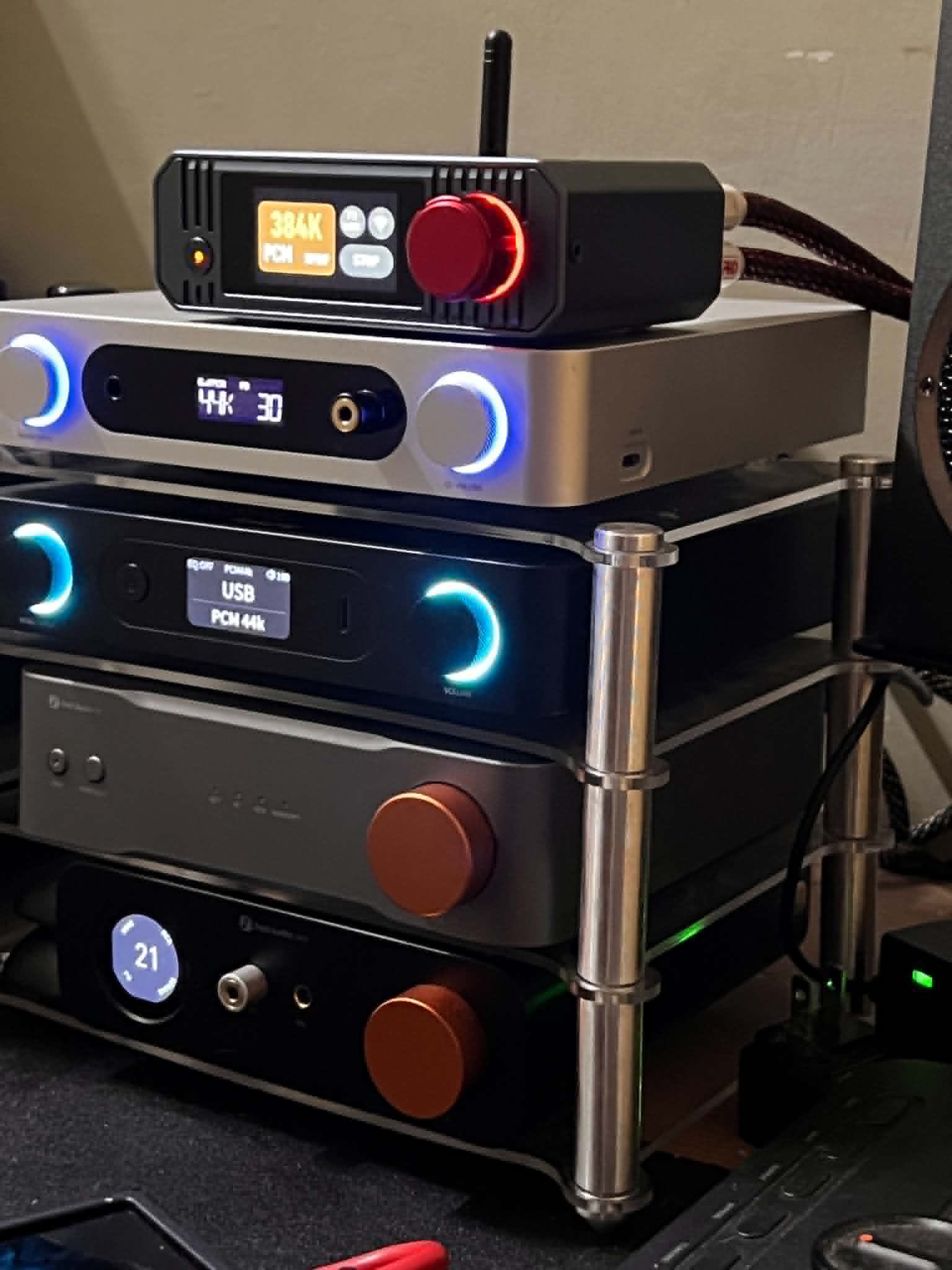
Dimension-wise, the DP-01 measures only 12 x 7.8 x 4 cm and weighs just 350 grams.
To put that into perspective, some desktop DACs are larger than an entire DP-01 setup.
It practically disappears on the desk, and I mean that in the best possible way. It's easy to tuck beside powered speakers, underneath a monitor, or integrate into an existing setup without making everything look cluttered.
Setup is also wonderfully simple.
Screw in the included WiFi antenna, connect the USB-C power cable, choose your preferred output, connect it to your speakers, DAC, or amplifier, and you're essentially ready to start streaming.
I personally appreciate products that don't require spending an hour reading manuals before listening to music.
The DP-01 is very much a plug-it-in-and-enjoy-it type of device.
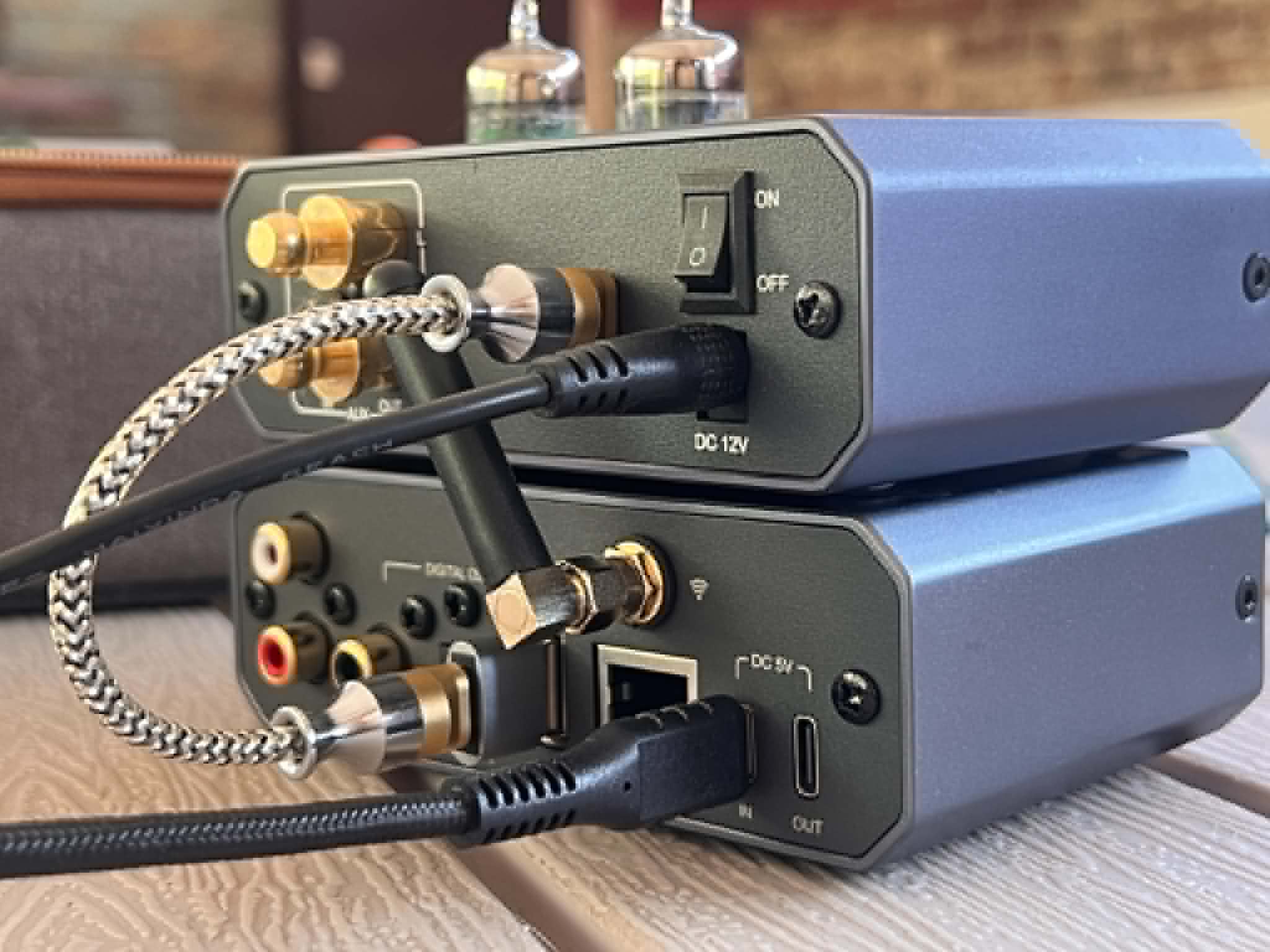
Another small detail I enjoyed was how cool and quiet it runs. Even after several hours of continuous streaming, the unit barely gets warm, which speaks to the efficiency of the internal quad-core ARM Cortex-A7 processor and overall system optimization.
There are no fans, no mechanical noises, and absolutely nothing distracting your listening sessions.
Honestly, that's probably one of the DP-01's biggest strengths overall.
It doesn't demand attention.
It quietly sits there doing its job while delivering stable lossless streaming throughout the day. Sometimes that's exactly what you want from a source component. The best source gear often ends up being the one you completely forget about because it simply works every single time.
And for a device this small, that's actually pretty impressive.
Features and Connectivity
The DP-01 is designed as a dedicated network streamer, supporting multiple streaming protocols including AirPlay, DLNA, and UPnP.
This means you can stream music directly from:
• Smartphones
• Tablets
• Computers
• NAS drives
• Shared network storage
• Roon-compatible environments
• Various streaming applications that support casting
For Android users, streaming is particularly convenient since many music applications already support DLNA or casting functionality.
Networking options include:
• 2.4GHz WiFi
• 5GHz WiFi
• 100Mbps Ethernet
I primarily used the DP-01 over WiFi and had no stability issues during my testing. Playback remained consistent even when streaming high-resolution files from my local library and Tidal.
For users who prefer maximum reliability, Ethernet is also available and provides a rock-solid connection.
The DP-01 additionally supports multi-room playback, allowing synchronized audio streaming to multiple compatible devices while maintaining independent volume control for each zone. While not something I personally use often, it is a welcome feature for larger home setups.
Internal Hardware
Inside the DP-01 sits a quad-core ARM Cortex-A7 processor responsible for network management and audio processing.
More importantly, xDuoo equipped the DP-01 with some genuinely capable audio hardware.
The digital section utilizes an XMOS XU316 USB processor, supporting:
• PCM up to 32-bit/768kHz
• DSD512
• MQA
For digital-to-analog conversion, xDuoo selected the flagship Cirrus Logic CS43198 DAC chip.
The CS43198 remains one of my favorite Cirrus implementations when executed properly. It combines excellent technical performance with a natural tonality that avoids sounding sterile or overly analytical.
Supporting components include audio-grade Japanese ELNA capacitors which help reduce noise and improve overall refinement.
Measured performance is impressive:
More importantly, xDuoo equipped the DP-01 with some genuinely capable audio hardware.
The digital section utilizes an XMOS XU316 USB processor, supporting:
• PCM up to 32-bit/768kHz
• DSD512
• MQA
For digital-to-analog conversion, xDuoo selected the flagship Cirrus Logic CS43198 DAC chip.
The CS43198 remains one of my favorite Cirrus implementations when executed properly. It combines excellent technical performance with a natural tonality that avoids sounding sterile or overly analytical.
Supporting components include audio-grade Japanese ELNA capacitors which help reduce noise and improve overall refinement.
Measured performance is impressive:
• SNR: 127dB
• THD: 0.0003%
Whether those numbers matter to you or not, they indicate a very low noise floor and highly transparent signal reproduction.
Outputs
The DP-01 offers a surprisingly versatile set of outputs.
Analog RCA Output
Supports:
• PCM up to 32-bit/384kHz
• DSD256
• MQA
This is the output I spent most of my time using.
USB Audio Output
Supports:
• PCM up to 32-bit/768kHz
• DSD512
• MQA
Perfect for feeding an external DAC.
Optical and Coaxial Outputs
Supports:
• PCM up to 24-bit/192kHz
• DSD64
These outputs allow integration with virtually any modern DAC or amplifier.
The flexibility here is excellent. You can use the DP-01 as a complete streamer and DAC, or simply as a digital transport feeding a higher-end external DAC.
Sound Performance
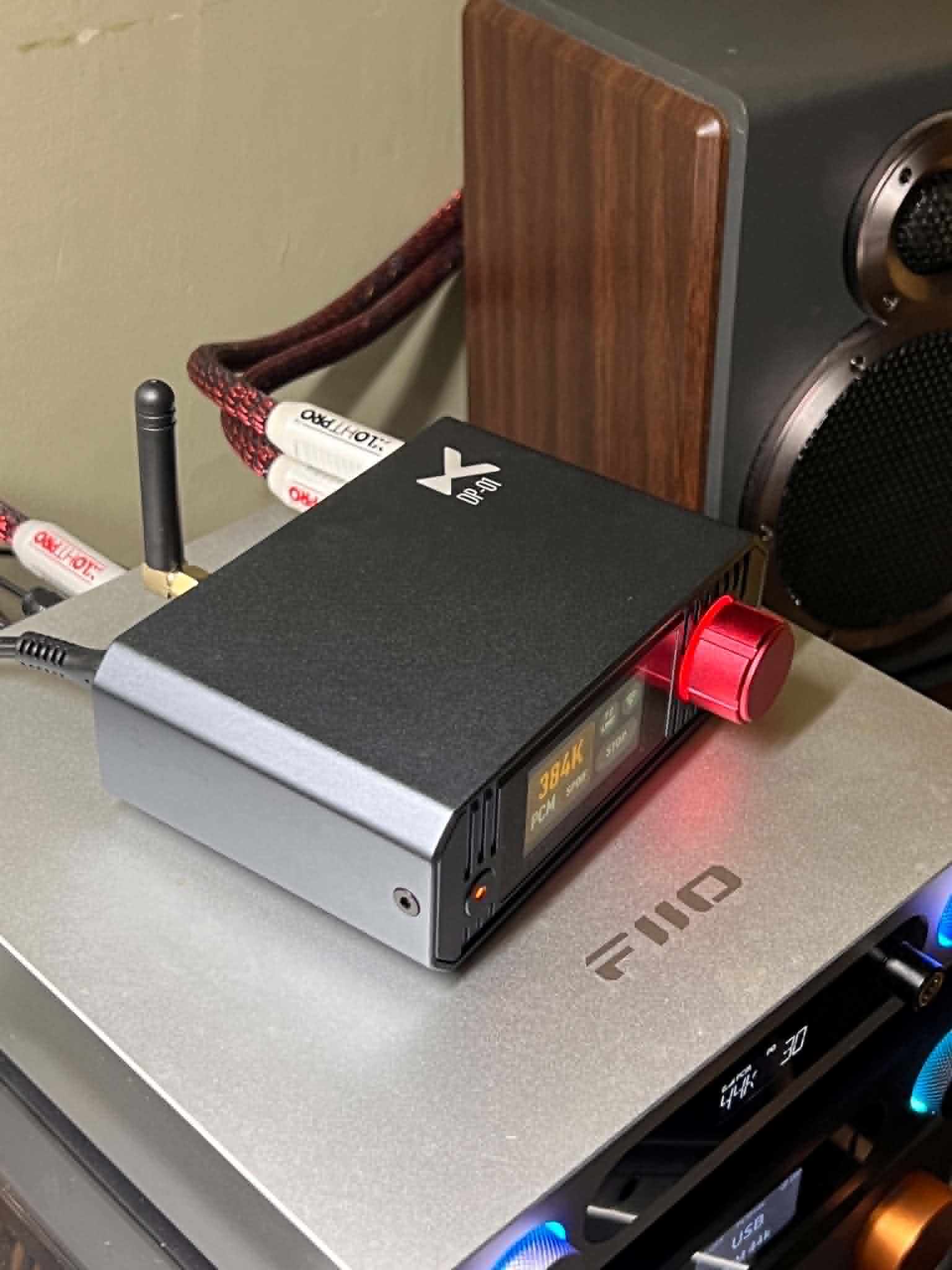
RCA Output Into the FiiO SA1
Most of my listening sessions started with the DP-01 connected directly to my FiiO SA1 powered speakers via the RCA outputs, and honestly, this was the setup that immediately made me appreciate what xDuoo was trying to achieve here.
The very first thing that stood out was how balanced and mature the overall tuning sounded. There was no exaggerated bass boost, no artificial treble sparkle trying to impress you within the first few minutes, and no analytical sharpness that some digital streamers can sometimes exhibit. Instead, the DP-01 simply sounded natural.
The implementation of the Cirrus Logic CS43198 is excellent here.
I've listened to plenty of devices that use Cirrus DAC chips over the years, and while the DAC itself certainly plays a role, implementation always matters more than the chip name.
Thankfully, xDuoo did a very good job here. The DP-01 leans toward a neutral presentation but injects just enough warmth into the overall tonality to keep things sounding organic and musical rather than sterile and lifeless.
It has this very effortless character to its presentation. The kind of sound where you stop thinking about the gear after a while and simply enjoy album after album.
Bass
The bass performance is surprisingly satisfying.
Sub-bass extension reaches deep and carries enough authority to properly reproduce modern recordings, electronic music, movie soundtracks, and bass-heavy genres without feeling restrained.
What I particularly liked was its control.
Sub-bass notes don't simply rumble for the sake of creating quantity. Instead, they remain layered and textured. You can distinguish multiple bass notes from one another instead of hearing a large wall of low-frequency energy.
There's enough physicality to make kick drums and electronic beats feel impactful, but it never overshadows the rest of the presentation.
The mid-bass is equally impressive.
It has a nice balance between punch and cleanliness. Bass guitars sound articulate and easy to follow, kick drums have a realistic attack, and percussion instruments possess a natural sense of body without sounding overly thick.
Decay is also well-controlled.
The DP-01 doesn't exaggerate note sustain, which helps preserve overall clarity and prevents bass from bleeding into the midrange. This contributes significantly to its clean and refined presentation.
I would describe the bass as mature rather than exciting for the sake of excitement. It's not trying to be a basshead machine, but it's certainly far from sounding thin.
Midrange
Vocals simply sound right.
Male vocals have good density and chest resonance without becoming too thick, while female vocals sound open, energetic, and expressive without crossing into shouty territory.
There is a very natural balance throughout the entire vocal range.
One thing I kept noticing during longer listening sessions was how believable instruments sounded.
Acoustic guitars have proper body and resonance. You can hear the subtle texture of fingers moving along guitar strings. Piano notes carry convincing weight and harmonic richness instead of sounding overly digital. Violins have sweetness without becoming piercing.
This is where the slight warmth of the CS43198 implementation really helps.
It adds a subtle sense of smoothness and organic texture to instruments that makes the overall presentation feel less mechanical.
The DP-01 also reproduces microdetails very well.
Breaths between vocal phrases, subtle room reverberations, and small recording nuances remain audible without being artificially pushed forward.
It's detailed without sounding like it's trying too hard to show off.
Treble
Treble performance is excellent for long listening sessions.
The DP-01 takes a more refined approach rather than an aggressively revealing one.
There is enough energy to keep things lively and detailed, but never to the point of becoming fatiguing.
Cymbals have realistic metallic shimmer and natural decay. Hi-hats maintain good separation, and background details remain easy to pick apart.
There is also a good sense of air in the upper frequencies.
Nothing feels congested or boxed in.
What I appreciate most is that the treble avoids becoming overly crisp or artificially boosted. Some devices attempt to create an illusion of higher resolution by pushing upper frequencies forward, but the DP-01 doesn't fall into that trap.
Instead, detail retrieval comes naturally through better layering and cleaner separation.
This makes it a very easy device to listen to for several hours without experiencing listening fatigue.
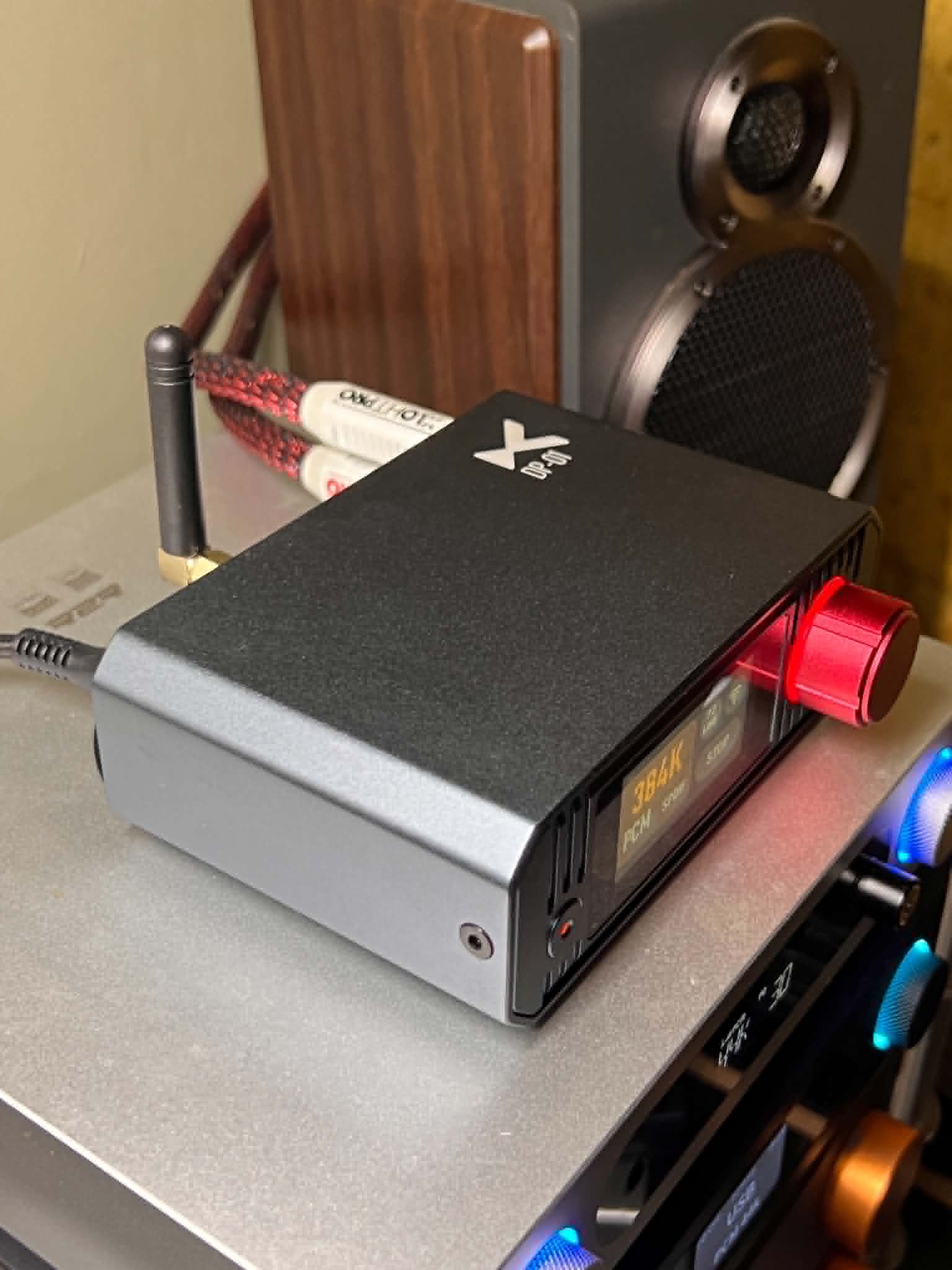
Technical Performance
Technically speaking, the DP-01 performs very well for a streamer at this price point.
The first thing I noticed was the low noise floor. The background is impressively black, allowing small details to emerge effortlessly throughout the presentation.
Dynamic range is also excellent.
The transition between soft and loud passages feels fluid and expressive. Music doesn't sound compressed or overly restrained.
Imaging is precise, with instruments occupying clearly defined positions within the stereo field. You can easily track individual instruments without everything collapsing toward the center.
Soundstage is moderately spacious rather than massive, but it is proportioned very naturally.
Width extends nicely beyond the speakers while depth reproduction is surprisingly good. Layering is another strength here, making complex recordings easy to follow without becoming messy.
What impressed me most was how cohesive everything sounded.
Nothing feels disconnected from one another. Bass, mids, and treble blend together seamlessly into one coherent presentation.
Sometimes highly technical equipment can sacrifice musicality in pursuit of ultimate resolution, but that isn't the case here.
The DP-01 strikes a very nice balance between technical competence and musical enjoyment.
And honestly, that's probably why I kept coming back to it.
It doesn't force you into critical listening mode every time you sit down. Instead, it simply invites you to relax, put on an album, and enjoy the music. Before you know it, you've been listening for three hours straight while your coffee is already cold beside you. That's usually a very good sign.
USB Output Into the MH-02
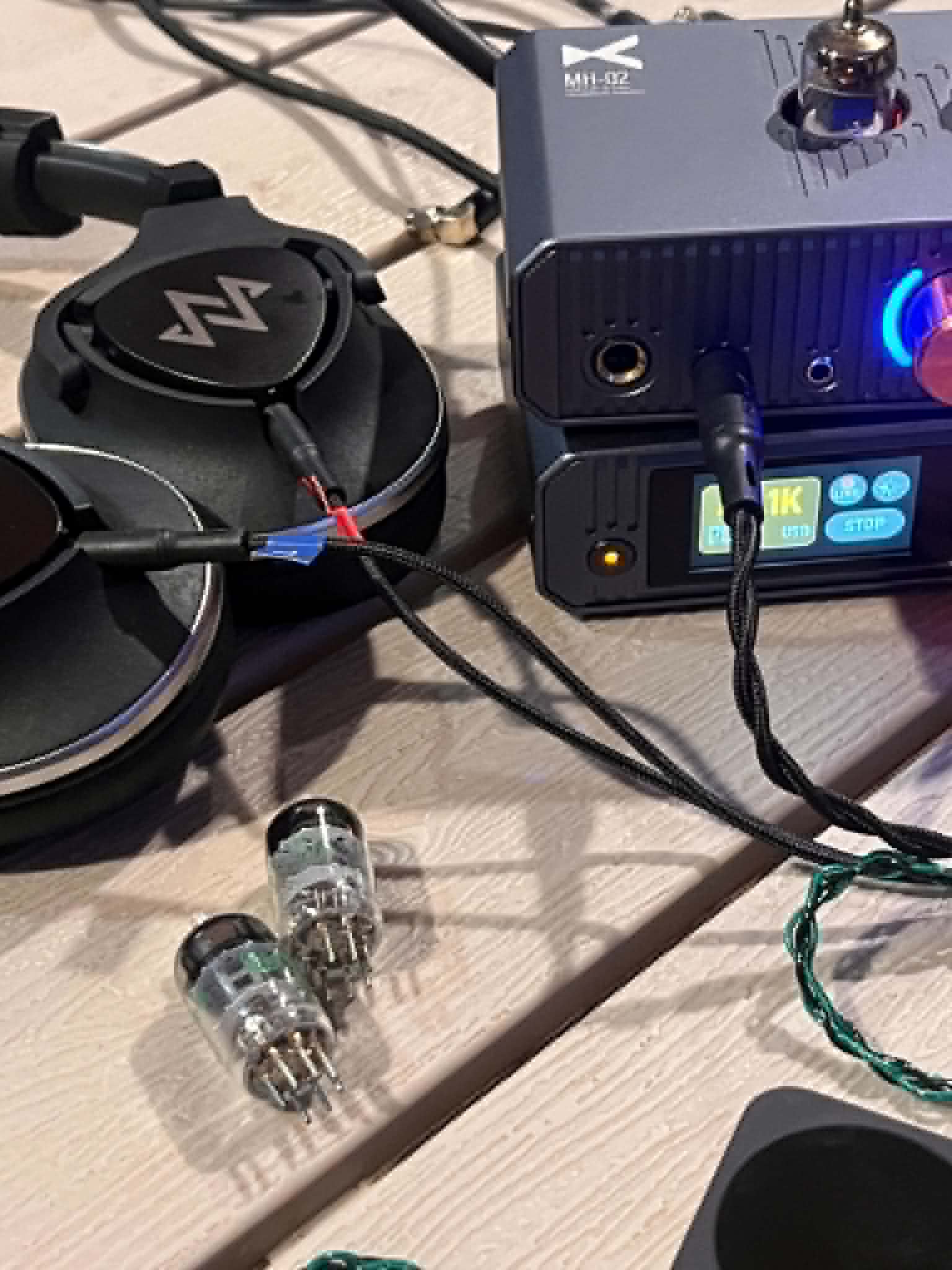
The most fascinating setup involved connecting the DP-01 to the MH-02 through USB.
In this configuration, the DP-01 functions purely as a digital transport, bypassing its internal CS43198 DAC and allowing the MH-02's CS43131 DAC stage to handle conversion.
I'm extremely familiar with the CS43131 since it appears in countless dongle DACs and portable devices.
Typically, the CS43131 can sound slightly brighter and somewhat more sterile depending on implementation.
That is not what happened here.
Combined with the tube stage of the MH-02, the sound transformed dramatically.
After roughly 30 minutes to an hour of warm-up, the MH-02 begins to reveal its character.
Bass becomes thicker and weightier.
The lower midrange gains richness.
Vocals develop a tube-like sweetness that makes long listening sessions incredibly enjoyable.
The overall presentation becomes warm, lush, and unmistakably analog.
Sub-bass can occasionally become slightly loose depending on the recording, but honestly, that is part of the charm.
This isn't a setup for those chasing absolute neutrality.
This is a setup for sitting back, forgetting about measurements, putting on a favorite album, and enjoying the music.
And frankly, I found myself doing exactly that more often than I expected.
Daily Usage
One feature I ended up appreciating more than expected is the 100-level stepless volume control.
Volume adjustments are smooth and precise, making it easy to dial in exactly the right listening level.
One thing I genuinely miss, and probably my biggest complaint about the DP-01, is the lack of a remote control.
I know xDuoo designed this primarily as a network streamer that works alongside your phone, tablet, or computer. In practice, most users will likely control playback directly from their preferred streaming app, whether that's through AirPlay, DLNA, UPnP, Roon, or a local music player. From that perspective, the decision makes sense.
Still, after living with the DP-01 for a while, I found myself wishing for even a basic remote. Nothing fancy. Just simple controls for play/pause, track skipping, volume adjustment, and source selection would have gone a long way in improving the day-to-day experience.
There were plenty of evenings where I had the DP-01 connected to my FiiO SA1 speakers or the MH-02 tube amp, sitting comfortably in my chair with a coffee beside me, enjoying a playlist, only to realize I needed to get up and reach over to the unit to make a quick adjustment. It's hardly a dealbreaker, but once you're settled into a listening session, especially with a good album playing, the last thing you want to do is keep interrupting the moment.
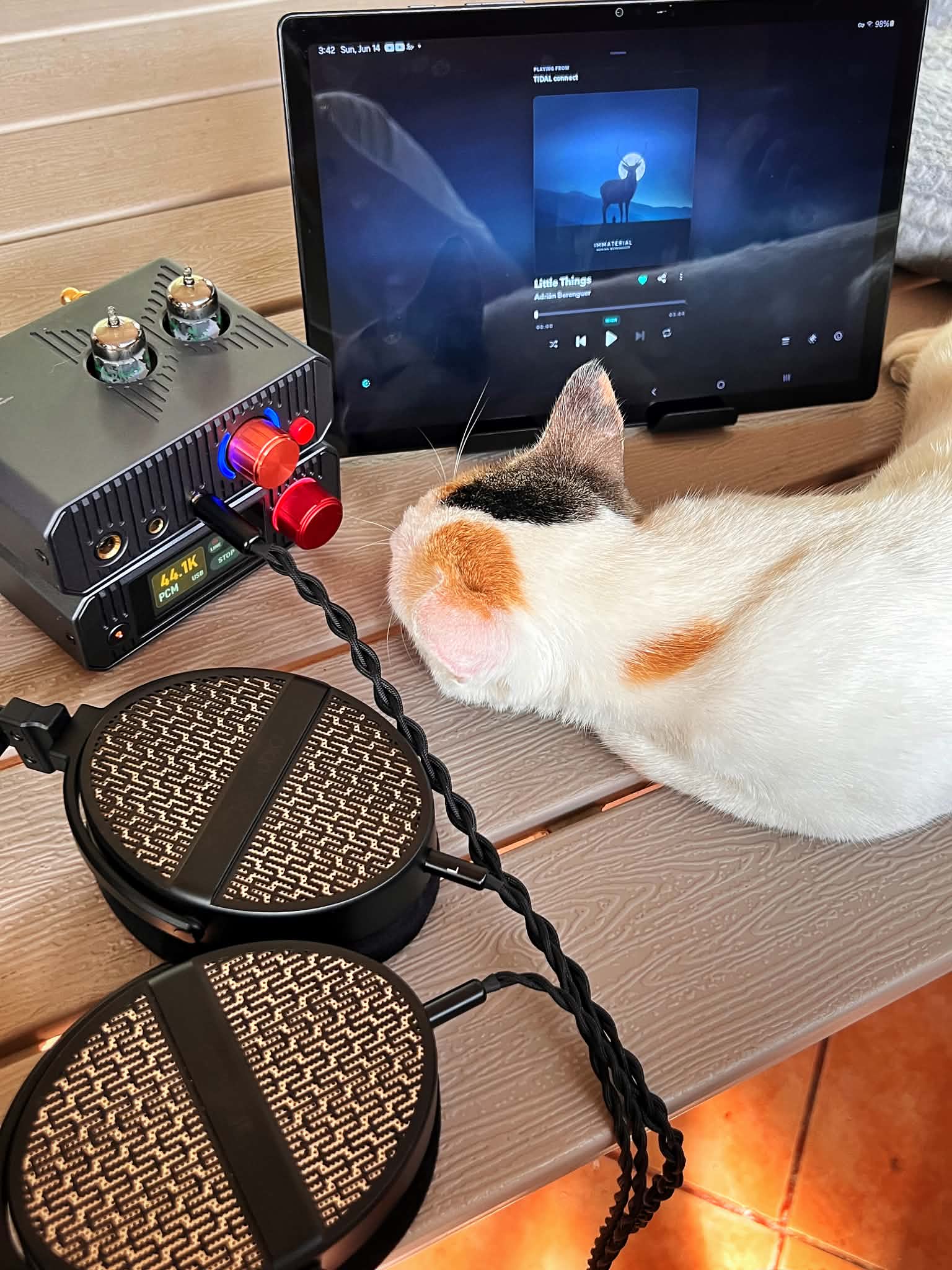
In my case, I often use a tablet as my streaming source and simply leave it beside the DP-01. When I'm across the room or leaning back in my chair, having a small remote would honestly be more convenient than reaching for either the tablet or the streamer itself. It would make the DP-01 feel more like a traditional HiFi component rather than just a network endpoint.
Considering that the DP-01 already includes a display, onboard volume control, multiple outputs, and enough features to serve as the centerpiece of a desktop or living room setup, the absence of a remote feels like a missed opportunity. It is one of those little quality-of-life features that doesn't affect sound quality in any way, but it absolutely affects how enjoyable and effortless the overall user experience can be.
Thankfully, the streaming functionality itself works well enough that this never became a major frustration. Most of the time I simply controlled everything from my phone or tablet. Still, if xDuoo ever releases a future version with an included remote or even optional remote support, that would easily be one of the first items on my wishlist.
Final Thoughts
The xDuoo DP-01 is one of those products that quietly does everything right.
It doesn't try to overwhelm you with flashy marketing or unnecessary complexity. Instead, it focuses on delivering stable lossless streaming, excellent connectivity, flexible outputs, and genuinely enjoyable sound quality in an incredibly compact package.
The CS43198 implementation offers a clean, natural, slightly warm presentation with excellent dynamics and musicality. Combined with AirPlay, DLNA, UPnP support, dual-band WiFi, Ethernet connectivity, USB digital output, and multi-room functionality, the DP-01 becomes far more capable than its small size suggests.
What surprised me most is how seamlessly it integrated into my listening routine. Whether feeding my FiiO SA1 directly, acting as a transport for external DACs, or pairing with the wonderfully warm MH-02, it consistently delivered a reliable and enjoyable listening experience.
If you're looking for a compact streamer that takes up almost no space yet offers serious HiFi capability, the xDuoo DP-01 deserves a spot on your shortlist. Small enough to disappear on a desk, but capable enough to become the heart of your desktop audio system.
Comments
Post a Comment