* Excellent implementation of MEMS technology with genuinely noticeable improvements in transient speed, resolution, and layering
* Deep, cinematic subbass response with strong physical rumble and excellent extension
* Bass remains clean and controlled despite the fun-oriented tuning
* Natural and organic midrange with balanced vocal placement
* Female vocals sound airy and detailed without becoming shouty or fatiguing
* Treble is highly resolving yet surprisingly smooth and refined
* Outstanding imaging, separation, and microdetail retrieval
* Very coherent tuning for a tribrid configuration
* Excellent stock modular cable with soft handling and zero microphonics
* Easy to enjoy for long listening sessions despite strong technical performance
* Fun, energetic tuning without sounding messy or overly aggressive
Cons:
* Not a neutral or reference-style tuning for those seeking studio accuracy
* Slight lower midbass roll-off may leave some bassheads wanting more slam and warmth
* Soundstage is well-balanced but not exceptionally massive or holographic
* Isolation is good but not class-leading compared to deeper resin shell designs
* The highly resolving nature can expose poor recordings and compression artifacts
* Premium tuning and technology will likely place it outside strict budget-tier pricing expectations

The MEMS war is officially starting to get interesting, and the Kiwi Ears Halcyon feels like one of the first real signs that this technology might actually have a serious future in the IEM space. We’ve seen MEMS drivers floating around the headphone scene for years now, and on IEMs mostly appearing as concept products, engineering showcases, or niche experimental releases that felt more like proof-of-concept than something genuinely competitive in the current market. A lot of them focused too heavily on the novelty of the technology itself without really integrating it properly into an enjoyable listening experience.
This is one of the first times I’ve personally tried a MEMS driver implemented into a proper tribrid configuration alongside a dynamic driver and multiple balanced armatures in a way that actually feels cohesive and mature instead of experimental. The driver setup consists of 1 dynamic driver, 3 custom balanced armatures, and 1 MEMS driver.
The dynamic driver handles the low-end duties, functioning almost like a dedicated subwoofer responsible for weight, physicality, and bass texture. The balanced armatures cover the midrange, bringing vocal articulation and instrument separation, while the MEMS driver takes over the upper frequencies where its strengths in transient speed, precision, and low distortion can really shine. Instead of fighting each other, each driver type seems to operate within the range it naturally performs best in, and that probably explains why the Halcyon sounds surprisingly coherent for something using three completely different driver technologies.
What makes MEMS particularly interesting from a technical standpoint is how fundamentally different it behaves compared to traditional dynamic drivers or balanced armatures.
A dynamic driver works through a voice coil moving a diaphragm with magnetic force, while balanced armatures rely on a tiny reed-like mechanism pivoting inside a magnetic field. MEMS drivers, on the other hand, are silicon-based microelectromechanical systems. They’re manufactured using semiconductor-style fabrication processes, meaning the tolerances and precision are insanely tight compared to traditional driver manufacturing.
In simpler terms, MEMS drivers are basically ultra-miniature precision actuators capable of extremely fast and highly controlled diaphragm movement. Because of that, they can achieve incredibly low distortion and extremely rapid transient response. The speed at which they start and stop is noticeably different from most conventional drivers.
One thing I noticed almost instantly is how clean and “organized” the treble presentation feels. A lot of IEMs chase perceived detail retrieval by boosting the upper treble aggressively, which creates artificial sharpness that tricks your brain into hearing more detail. The downside is that it often comes across metallic, fatiguing, or overly analytical after longer listening sessions.
Instead of forcing clarity through brightness, the MEMS driver extracts detail through sheer speed and control. Tiny nuances, trailing reverbs, background textures, cymbal decays, and micro information come through effortlessly, but without sounding edgy or piercing. The attack and decay behavior feels extremely precise. Notes appear and disappear very quickly, which improves separation and layering without needing exaggerated treble peaks.
That’s probably the biggest technical advantage I’m hearing from the MEMS implementation here. The detail retrieval doesn’t sound artificially boosted. It sounds naturally resolved.
There’s also a certain cleanliness to the upper frequencies that’s hard to describe until you hear it yourself. The treble has this almost electrostatic-like smoothness and precision, but with better body and less thinness than some EST implementations I’ve heard. It feels refined, controlled, and incredibly stable even during busy passages where a lot of hybrid sets start sounding congested or messy.
Another thing worth mentioning is consistency. Because MEMS drivers are manufactured using semiconductor-level precision, unit variation should theoretically be far lower compared to traditional driver manufacturing. That could become a really big deal long term if MEMS technology continues to evolve in the audio space. Better consistency between units means more reliable tuning accuracy from set to set, which is honestly something audiophiles rarely think about but absolutely matters.
What impresses me most though is that Kiwi Ears didn’t tune the Halcyon like some sterile “look how technical we are” showcase ( just like the other "worlds first mems iem")
 They could’ve easily leaned into a hyper-analytical tuning to flex the MEMS driver’s capabilities, but instead they went for something musical, immersive, and genuinely fun.
The technical performance is there, but it’s supporting the enjoyment factor rather than dominating it.
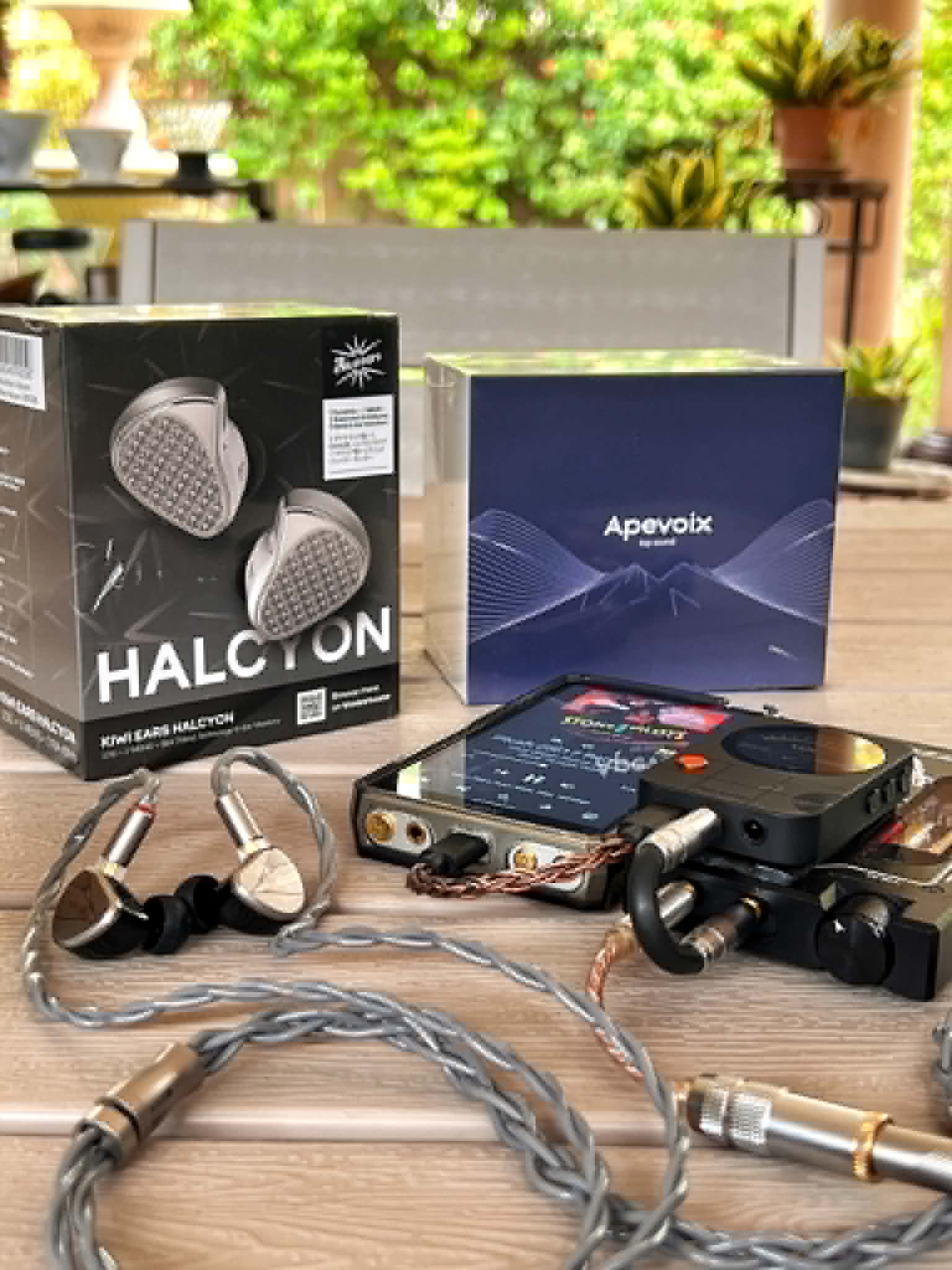
Whats in the box? checkout my short unboxing video for a closer look at the Halcyon.
Build Quality and Cable
The moment you pick up the Kiwi Ears Halcyon, it immediately gives off that “proper solid and premium” feeling. Not just visually, but physically too. Kiwi Ears clearly put a lot more attention into the industrial design and finishing here compared to some of their older models. The shell is fully CNC-machined aluminum, and the execution honestly feels excellent for the price bracket this thing sits in.
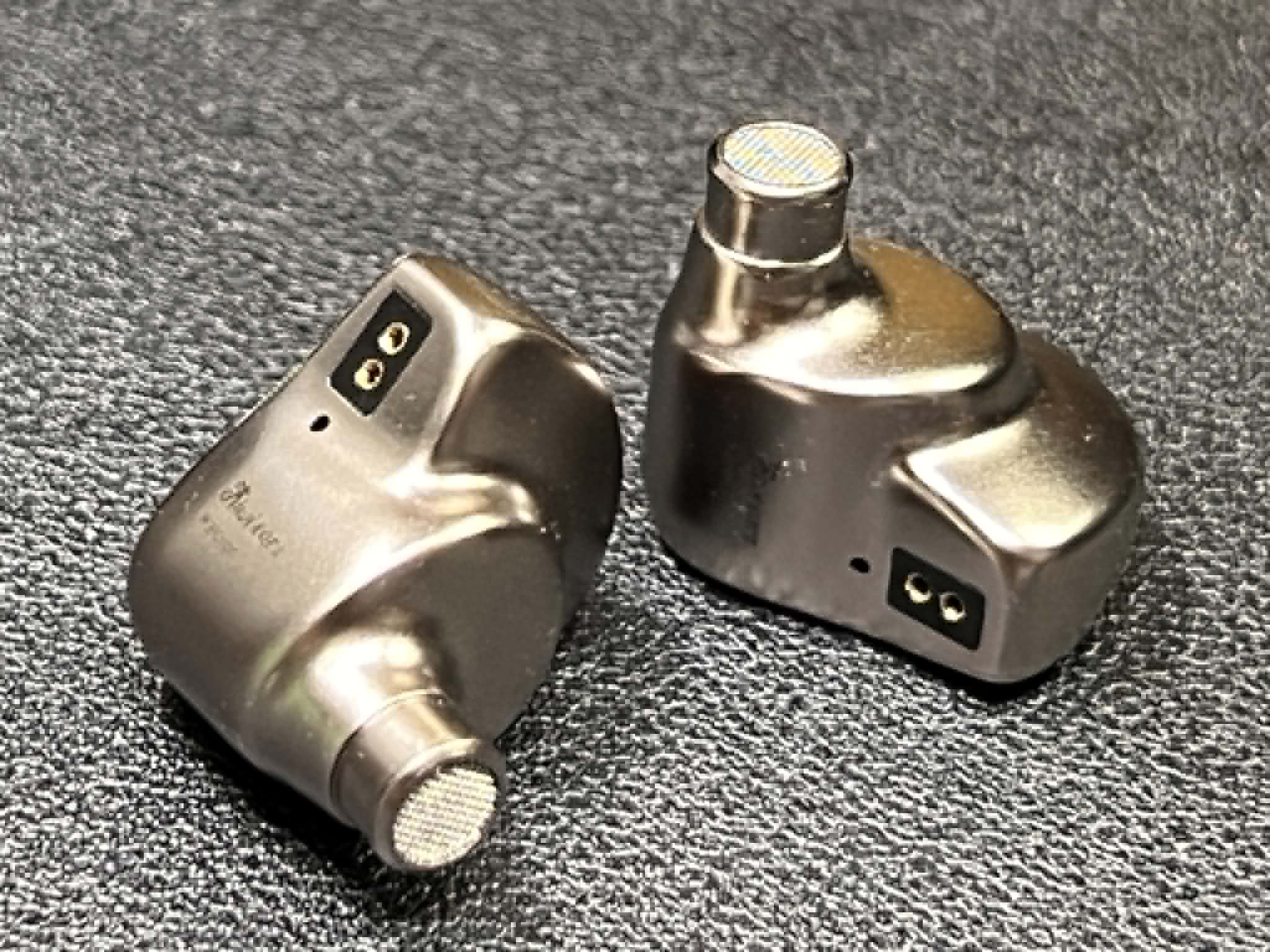
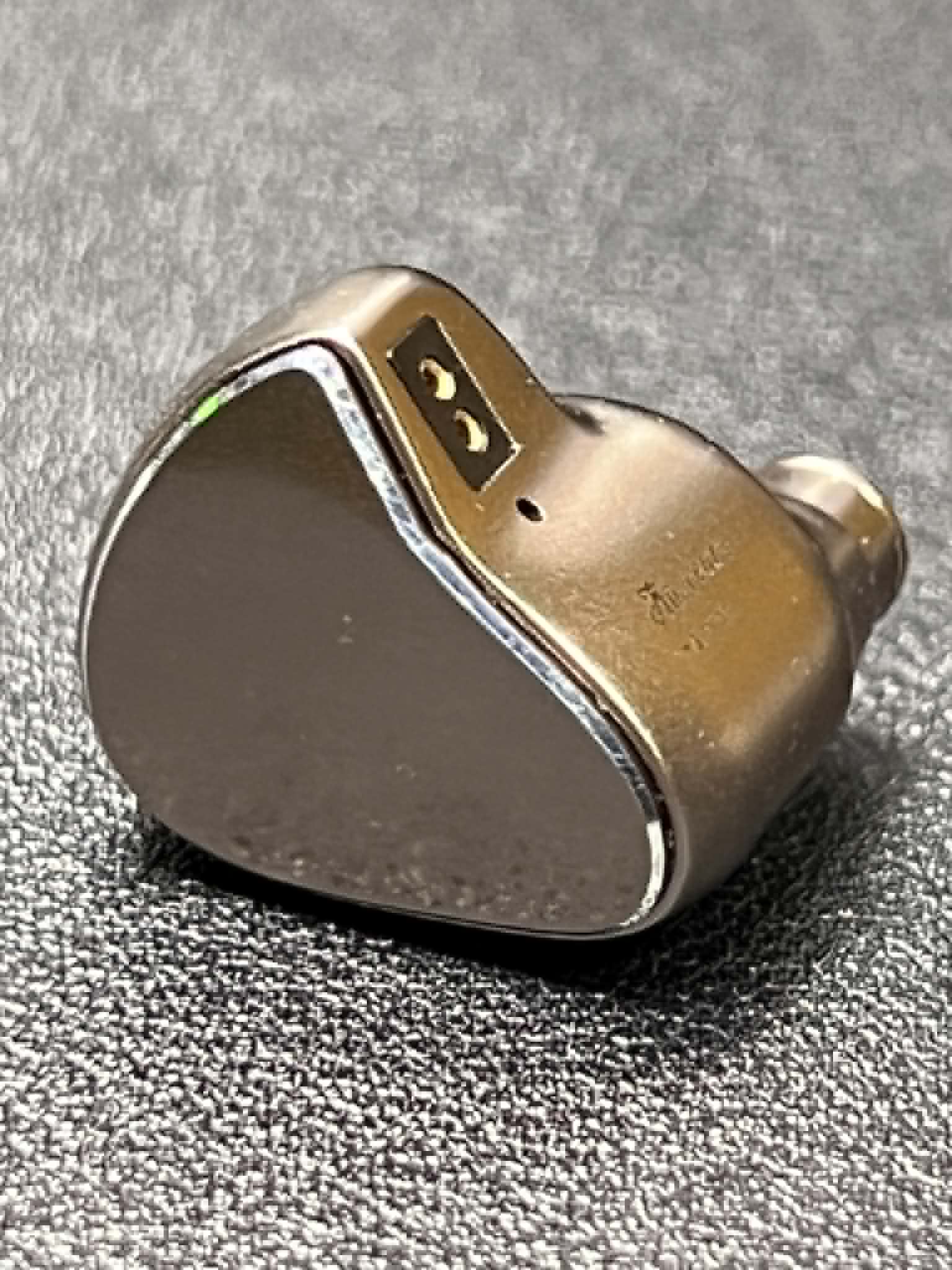

Despite being an all-alloy shell, it’s surprisingly lightweight and compact. The density is there when you hold it in your hand, giving it that reassuring solid feel, but once it’s in the ear it almost disappears. Kiwi Ears did a really good job balancing durability and comfort here.
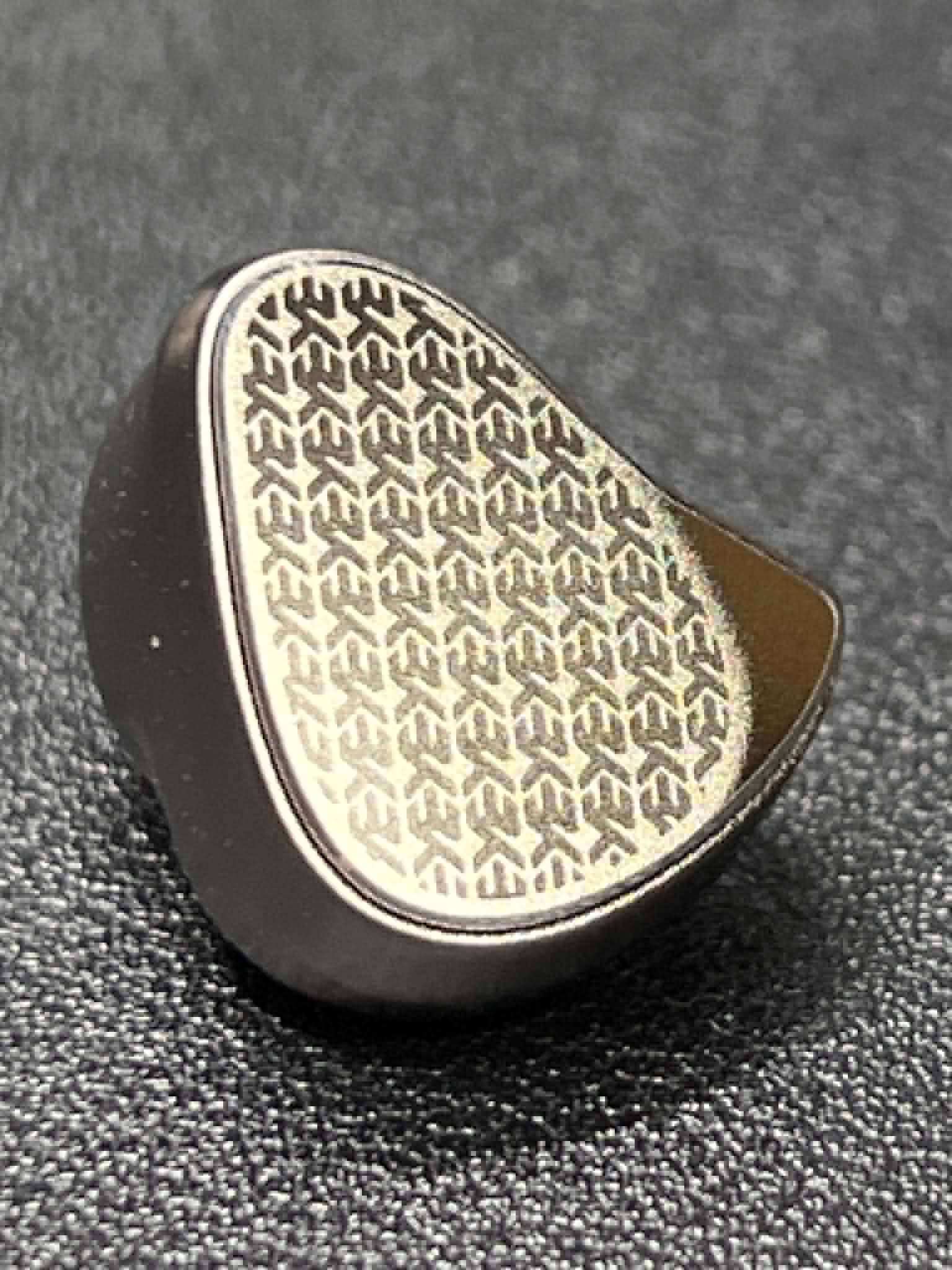
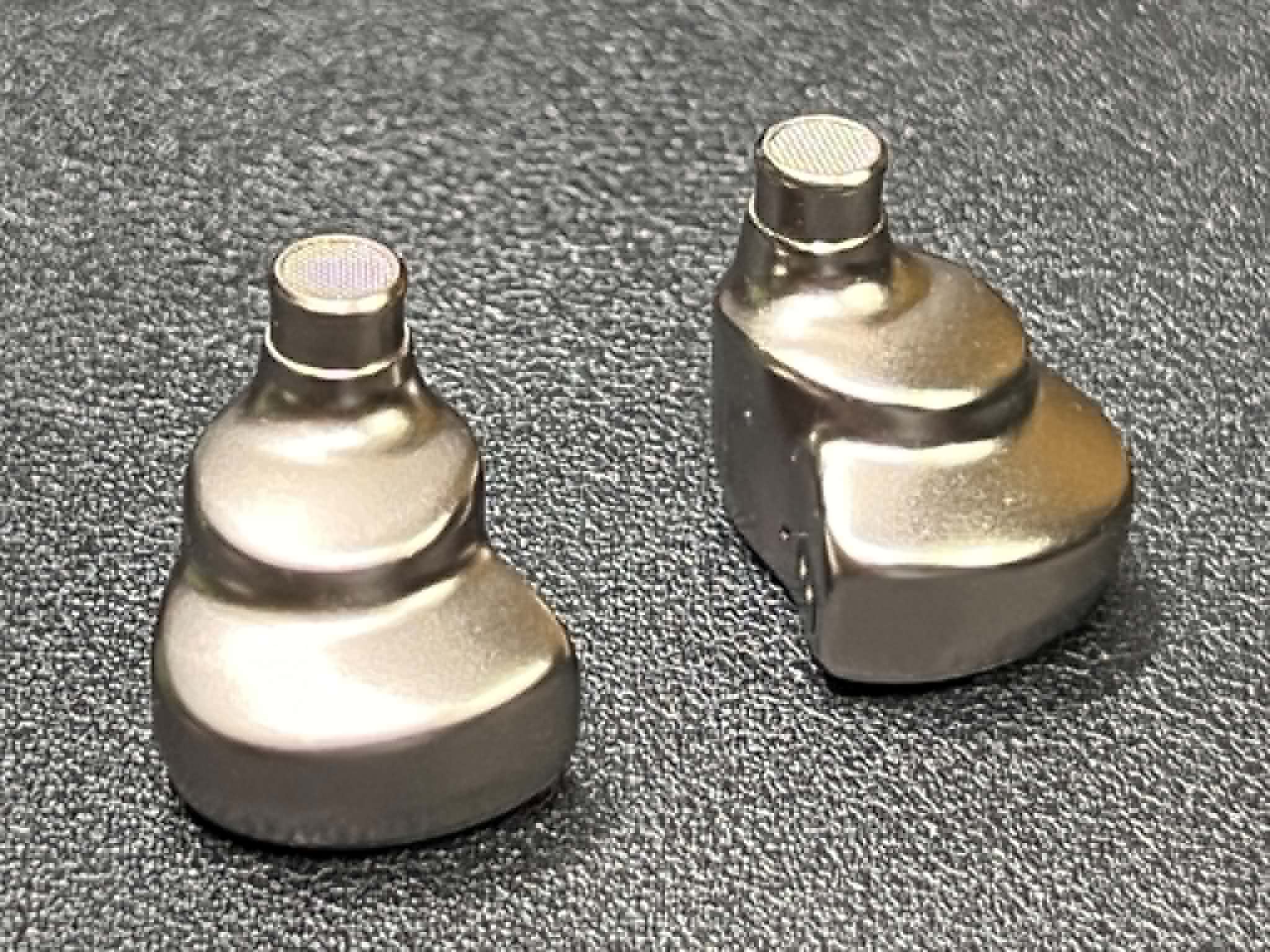
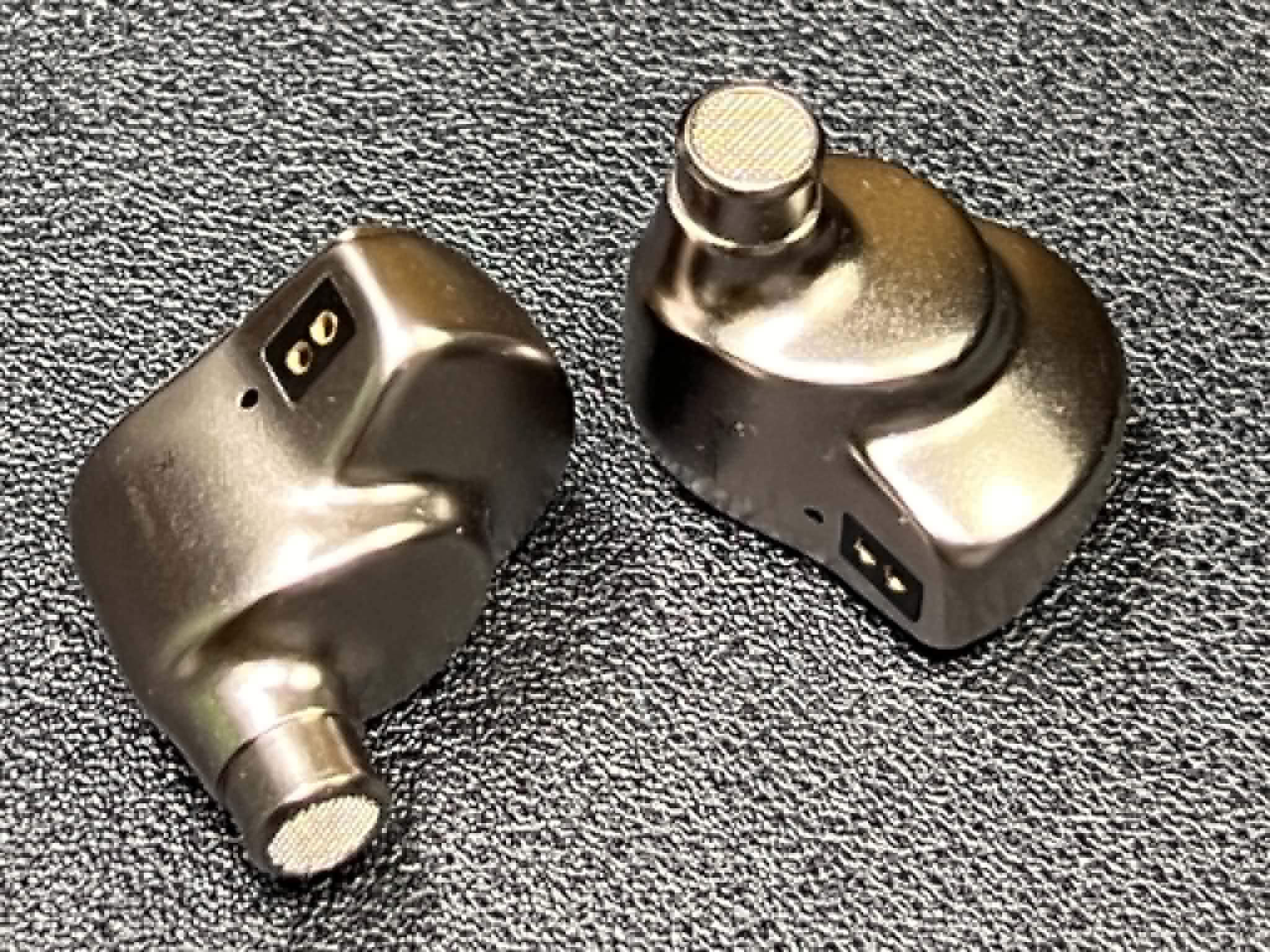
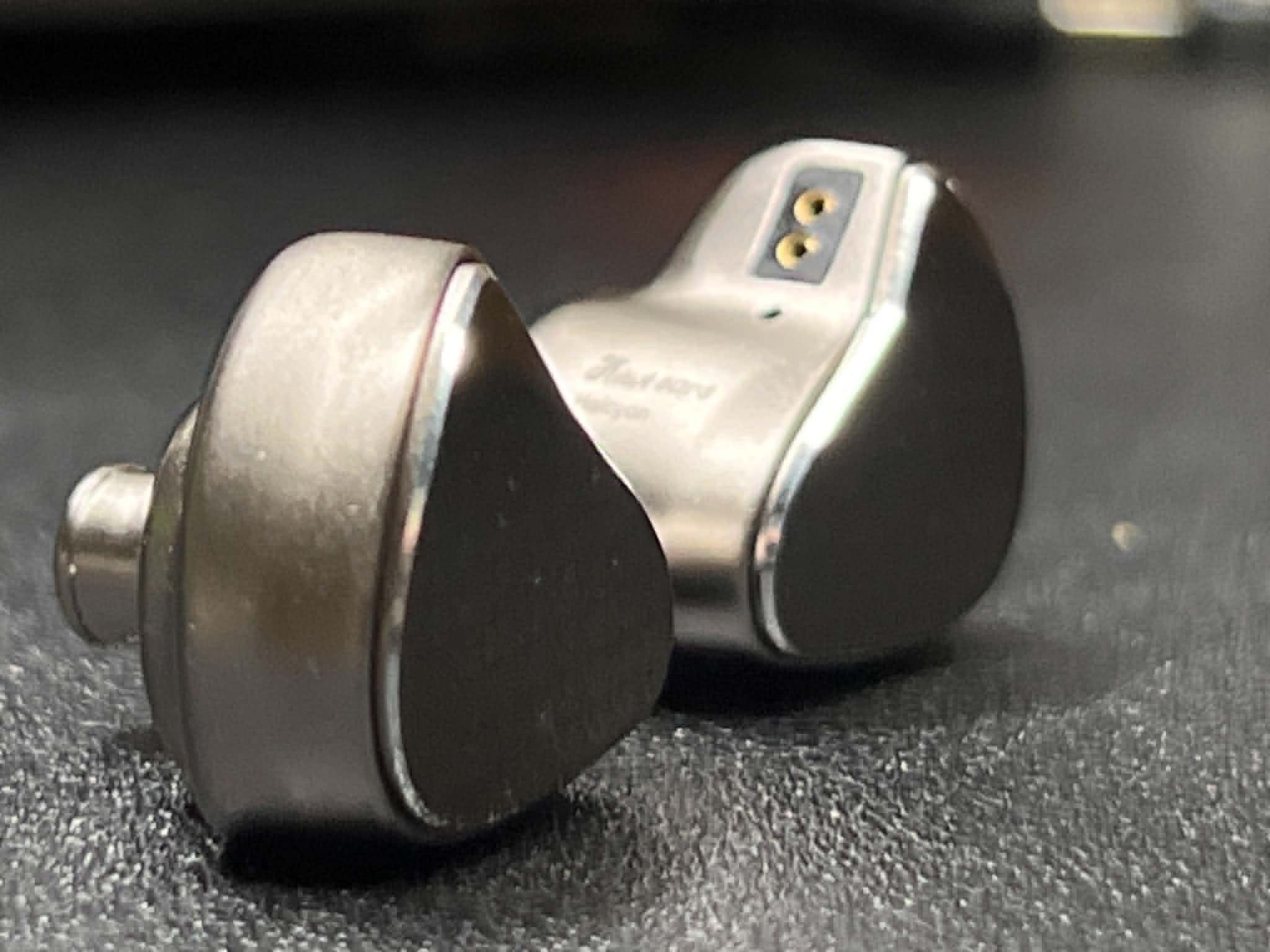
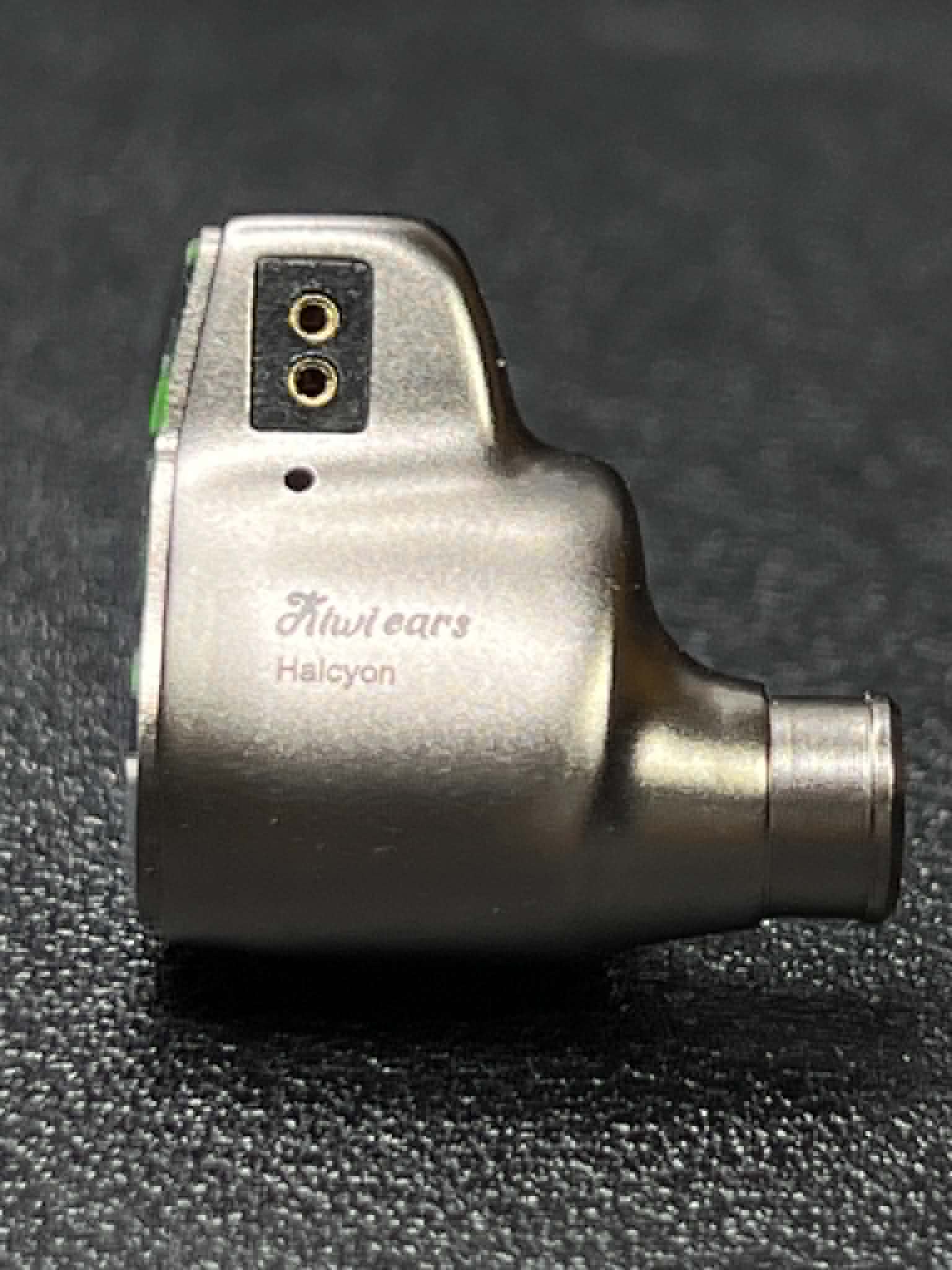
The ergonomics are especially impressive. The shell shape has this smooth contoured curve that naturally follows the ear without creating weird pressure points. The nozzle angle also feels well calculated because insertion depth lands in a very natural spot without requiring constant adjustment. I used the Halcyon for several longer listening sessions and never ran into the usual fatigue issues that some metal shells can cause around the concha area.
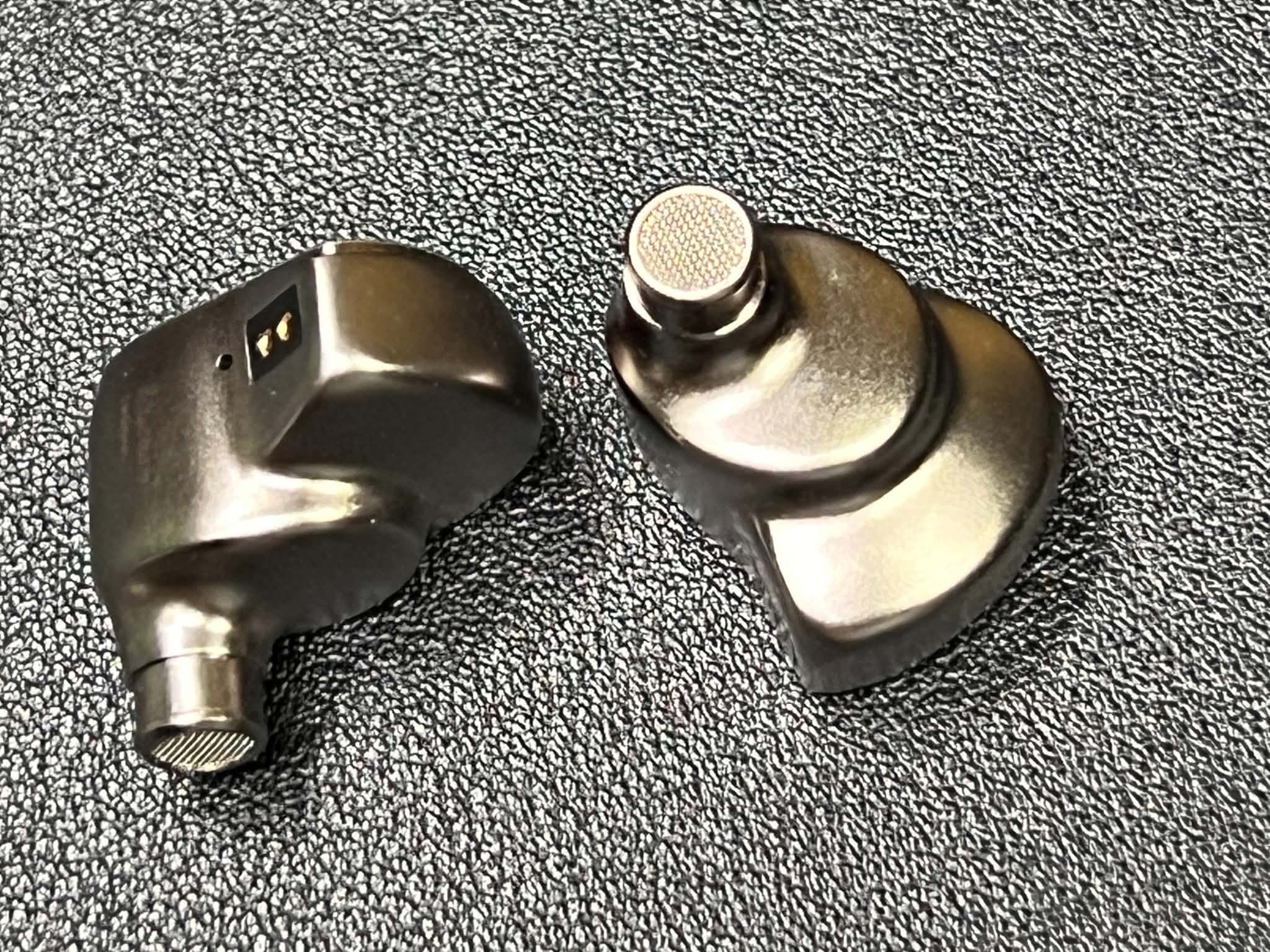
And honestly, fit matters more than people think when it comes to technical performance. A stable seal directly affects bass consistency, imaging precision, and overall tonal balance. The Halcyon maintains that seal very well even while moving around, which probably contributes to why the low-end sounds so controlled and why imaging stays locked in.

Isolation is pretty solid too considering this is a fully metal shell. It’s not completely blackout-level isolation like some deep-fitting full resin custom-style IEMs, but it blocks enough outside noise for commuting, casual travel, or focused listening sessions without issue. Because the shell is compact and sits flush, passive isolation remains consistent without needing to constantly readjust the fit.
Design-wise, Kiwi Ears went with a very modern minimalist approach, and honestly I’m glad they resisted the urge to overdesign it. No giant logos screaming for attention, no glitter explosions, no fake “gaming” aesthetic, and thankfully no anime waifu faceplates trying to attack me visually every time I take the IEM out of the case.
The Halcyon looks clean, mature, and refined.
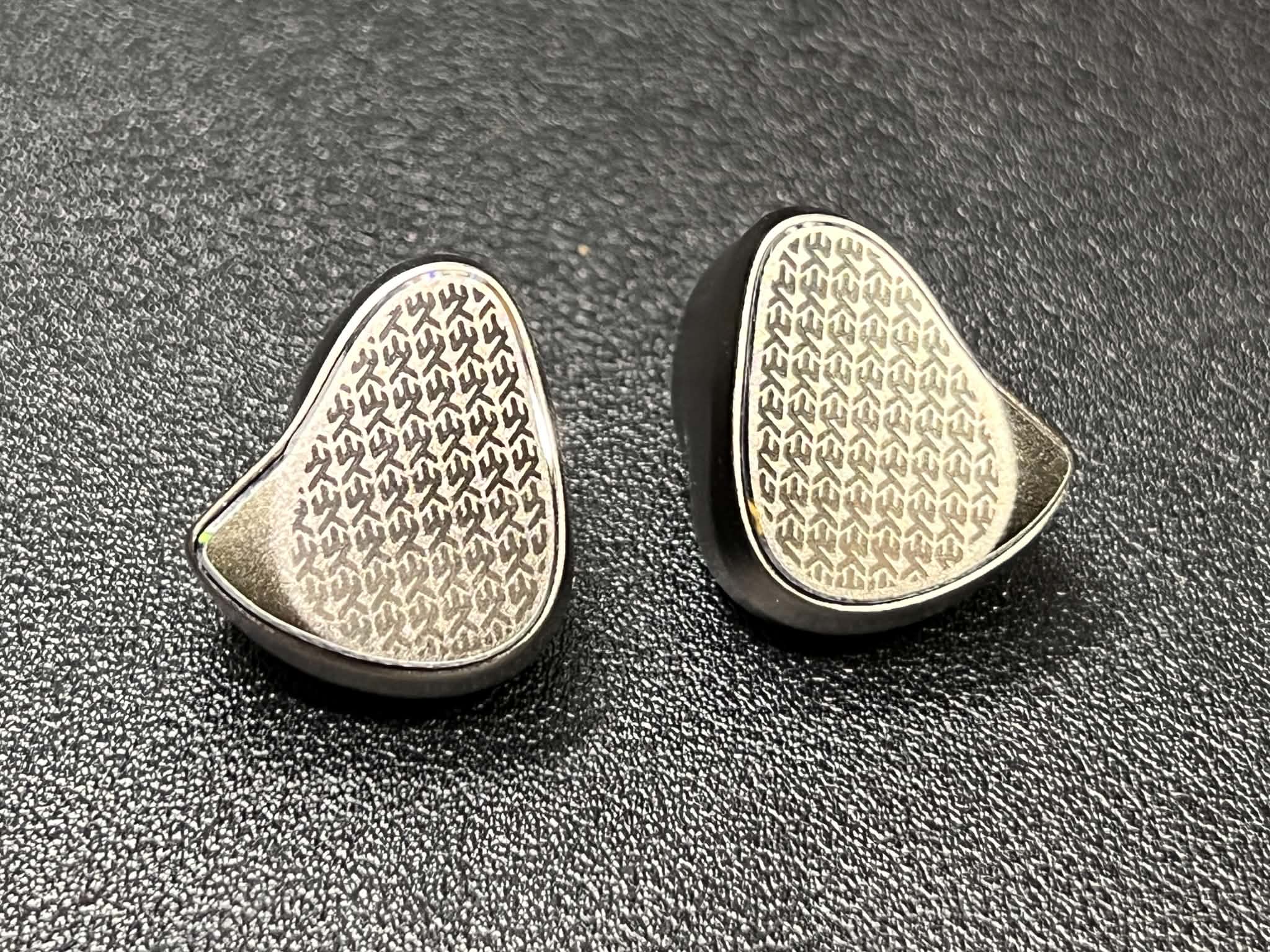
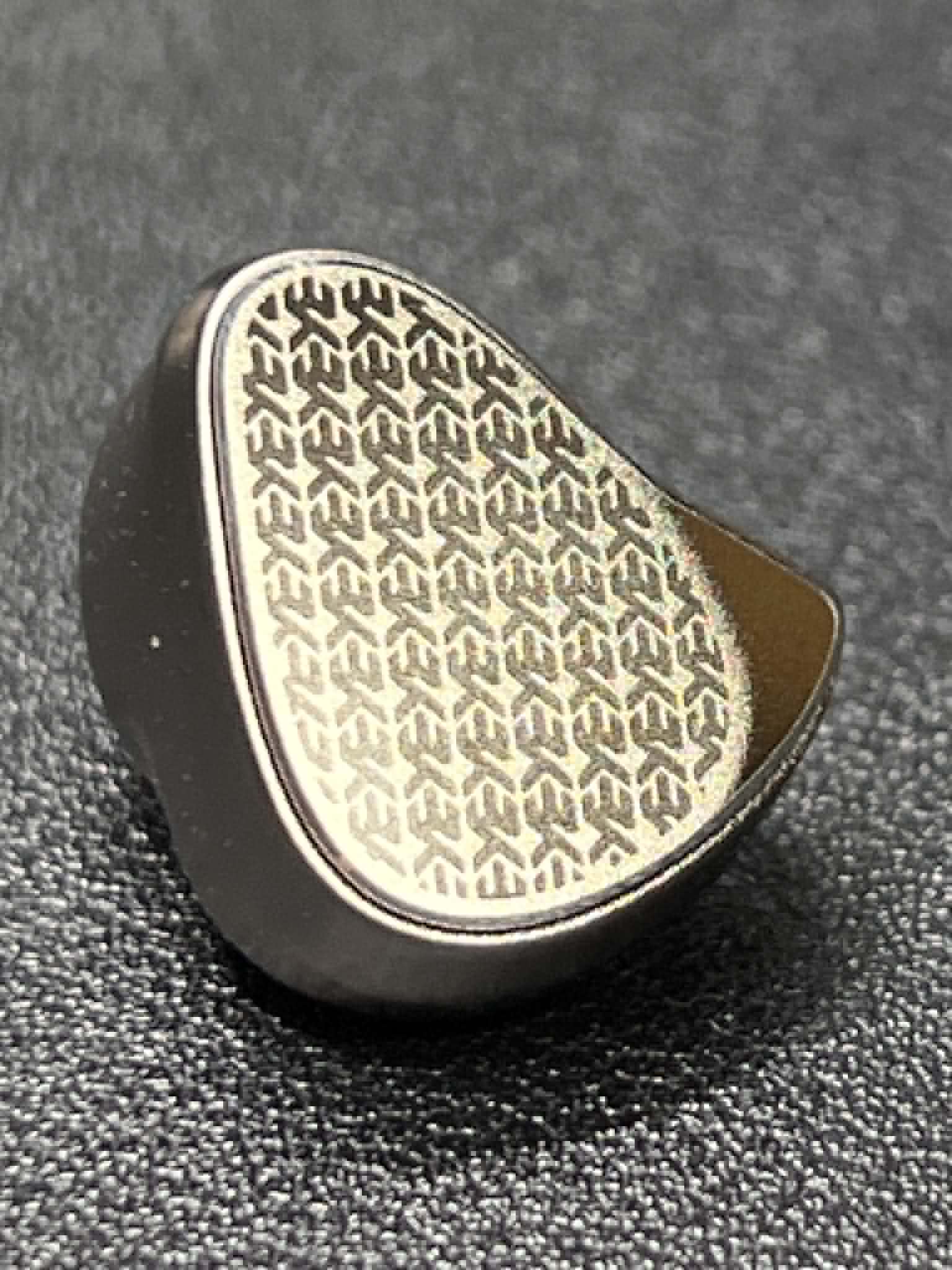
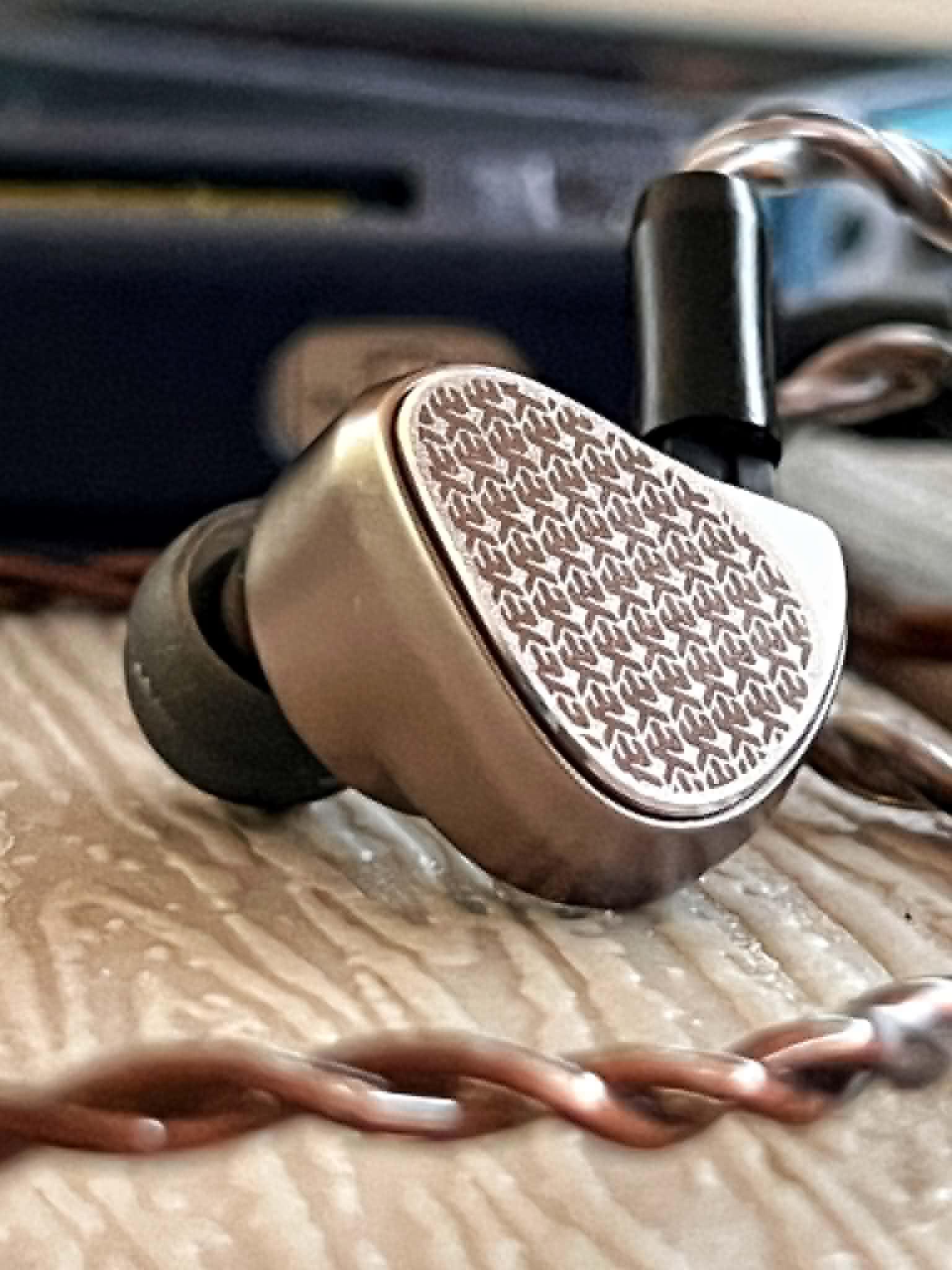
The faceplate design uses these subtle etched patterns that add texture and depth without becoming distracting. Under lighting, the machining details catch reflections nicely and give the shell a very sleek industrial appearance. It almost feels more like a precision tech product than a typical audiophile accessory.

One thing that genuinely surprised me was the actual finish color in person. Online photos made the Halcyon look closer to a matte silver, almost flat gray, but in reality it’s much nicer looking. The finish is closer to a matte gunmetal or titanium-like shade with a darker metallic tone that shifts slightly depending on lighting.
In person it looks significantly more premium.
There’s this stealthy, understated industrial vibe to it that perfectly matches the futuristic MEMS concept inside. The overall aesthetic feels very cohesive. The modern shell design, the metallic finish, the clean lines, even the subtle branding all tie into that advanced “next-gen audio tech” identity Kiwi Ears seems to be aiming for with the Halcyon.

Then there’s the cable, which honestly deserves its own praise because this is easily one of the better stock cables Kiwi Ears has included with any of their sets so far.

It’s noticeably thicker than the usual stock cables bundled with older Kiwi Ears models, but somehow still remains incredibly soft and pliable. The handling is genuinely impressive. It drapes naturally, doesn’t spring back awkwardly, and never fights you when wrapping or storing it.
Zero cable memory too, which immediately made daily use more enjoyable. You take it out of the case and it simply falls into place instead of looking like it just survived a wrestling match inside your pocket.
Microphonics are also basically nonexistent. Even while walking around or moving frequently, I barely noticed any cable noise transferring into the shells. That’s something a lot of people overlook until they actually use an IEM daily outside a desk setup.
The modular termination system is another huge plus. Swapping between different terminations feels secure and well-machined without wobbling or feeling fragile. It adds flexibility for people like me who uses and switches multiple sources regularly.
And if I’m not mistaken, this appears to be the same cable Kiwi Ears uses for the Terras 4N OCC upgrade cable, which makes the overall package feel even more premium. Instead of throwing in a basic placeholder cable expecting users to upgrade later, Kiwi Ears included something that already feels genuinely aftermarket-grade straight out of the box.
Sound Impressions
I have been holding off on this review for almost a month because this was my first real experience with a MEMS-equipped IEM, and I wanted enough time to separate the novelty factor from the actual performance.
After spending proper time with it, I can confidently say the Halcyon is not chasing neutrality, studio accuracy, or reference tuning. This is a full-on musical enjoyment set, and it commits hard to that philosophy.
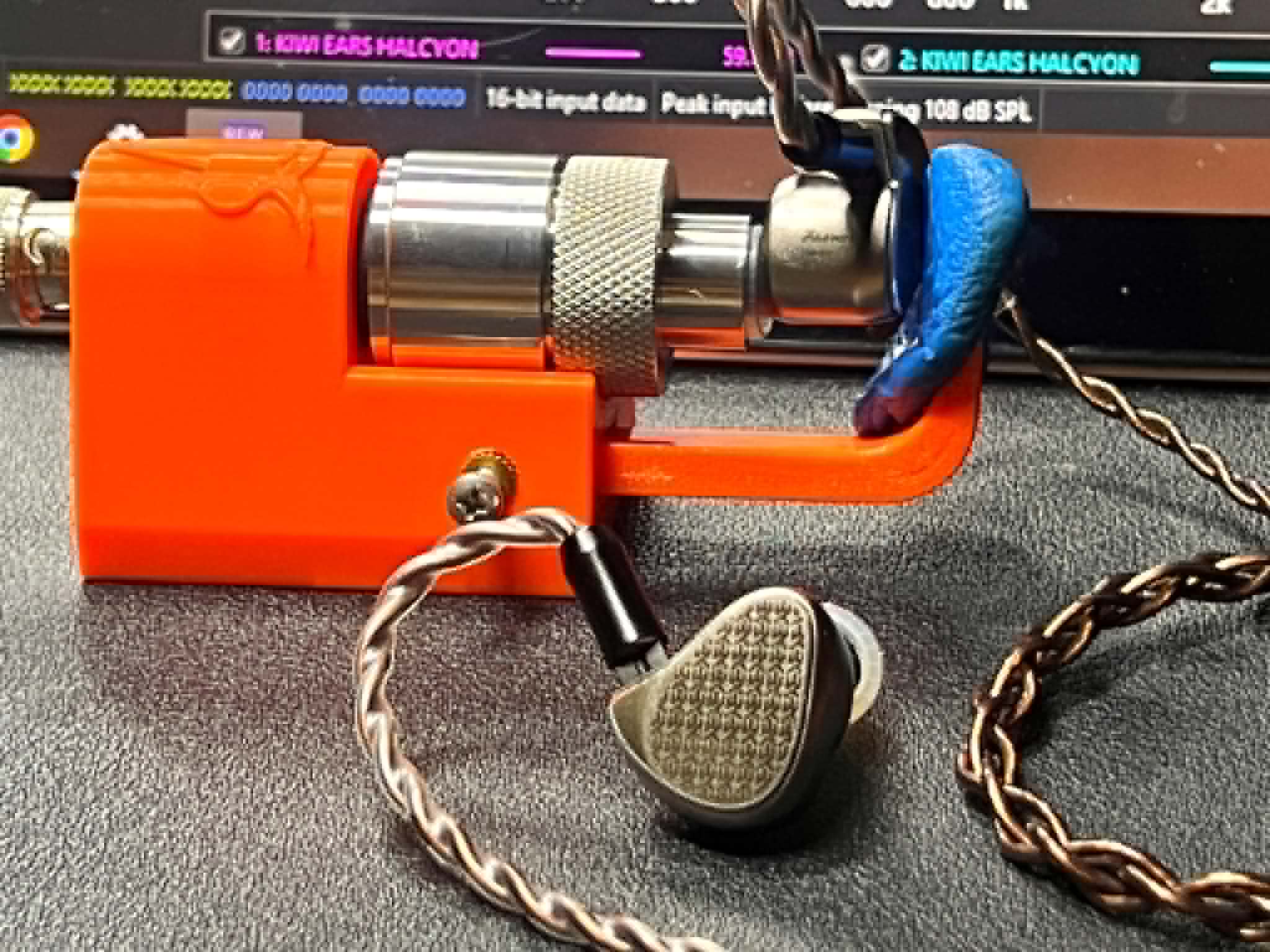
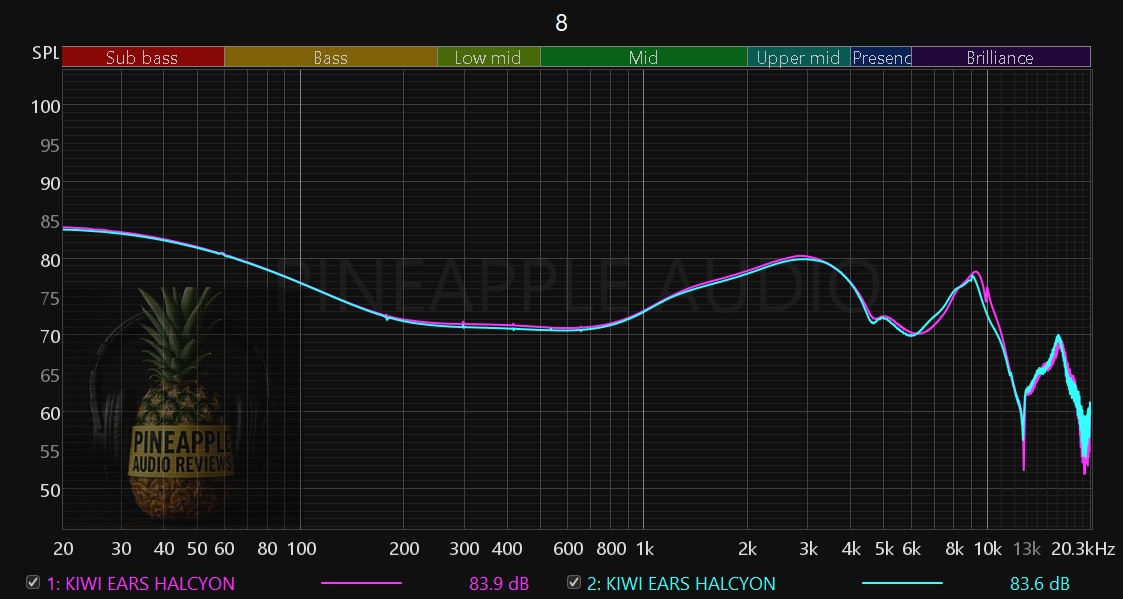
The FR graph lines up almost perfectly with what I’m hearing. This thing is tuned to maximize engagement and emotional impact without completely sacrificing technical performance. It’s energetic, immersive, fun, and honestly addicting.
Bass
The low-end performance on the Kiwi Ears Halcyon is honestly one of the biggest reasons this set sounds so addictive and engaging. Kiwi Ears made a very smart decision with the bass tuning here because instead of chasing exaggerated midbass punch or that overly warm “wall of bass” presentation a lot of fun-tuned IEMs go for, they tuned the dynamic driver more like a dedicated subwoofer system.
The focus is clearly centered on subbass extension and low-end depth rather than bloated midbass quantity. The result is a bass presentation that feels massive and cinematic without smearing itself across the entire frequency range.
Listening to “Magnetic Lies” by Malia instantly shows what the Halcyon is capable of. The opening subbass notes hit with this deep physical rumble that you don’t just hear, you genuinely feel it. There’s a tactile quality to the low-end that gives electronic basslines, synth drops, and cinematic tracks a satisfying sense of physicality.
What impressed me most though is how the Halcyon maintains composure while delivering that amount of low-end energy.
A lot of bass-heavy IEMs create the illusion of impact simply by boosting the midbass aggressively, which can initially sound exciting but eventually turns messy, bloated, and fatiguing because everything starts bleeding into the mids. The Halcyon avoids that trap.
There’s a very intentional shaping happening here. The subbass shelf extends deep into the lower registers with excellent authority, but the lower midbass region has a slight controlled roll-off. Because of that, the bass presentation stays surprisingly clean and disciplined despite the quantity.
Instead of sounding thick and congested, the Halcyon sounds tight, textured, and well-separated.
Kick drums carry satisfying impact without becoming overly pillowy. Bass guitars maintain definition and layering instead of turning into a warm blur underneath the mix. Electronic basslines have weight and density, but they don’t swallow the midrange whole.
The bass texture itself is also really well done. You can actually distinguish between different bass instruments and note structures rather than hearing one-note low-end thump. There’s enough detail retrieval in the bass region to pick up subtle variations in bass guitar plucks, synth modulation, and drum resonance.
That’s something I really appreciate because some “fun” tunings sacrifice bass definition entirely in favor of sheer quantity. The Halcyon somehow manages to stay entertaining while still sounding technically capable.
Another thing I noticed is how dynamic the low-end feels. The driver has very good macrodynamic expression, meaning volume swings and bass transitions carry convincing energy and movement. When tracks suddenly drop into heavy bass sections, the Halcyon responds with real authority instead of sounding compressed or flat.
The driver also scales surprisingly well depending on the recording quality and source power. Cleaner sources tighten the bass response further and improve layering noticeably. You start hearing even better separation between subbass rumbles and midbass punch, which helps the low-end sound even more refined.
For a fun-oriented bass presentation, the Halcyon remains impressively controlled. Notes don’t linger unnecessarily long, and the bass never becomes sluggish or wooly. There’s enough decay to preserve natural body and warmth, but it stops quickly enough to maintain clarity during busy passages.
This becomes especially noticeable in faster genres like metal, progressive rock, or complex electronic tracks where slower bass tuning can easily become a muddy mess. The Halcyon keeps up surprisingly well. Double kick drums remain articulate, layered basslines stay separated, and rapid low-frequency transitions don’t collapse into each other.
What is interesting is that despite the strong subbass emphasis, the Halcyon never sounds basshead-level excessive to me. It’s elevated for sure, but the tuning feels calculated rather than reckless. Kiwi Ears clearly wanted excitement and immersion, but they still kept enough control to prevent the bass from overwhelming the rest of the presentation.
The overall low-end presentation ends up feeling very modern in the best possible way. Deep, cinematic, textured, physical, and energetic, but still clean enough to preserve resolution and separation across the mix.
It’s the kind of bass tuning that makes music sound larger and more immersive without constantly screaming for attention. You notice it, you feel it, and most importantly, you enjoy it without getting fatigued after a few tracks.
Midrange
The midrange on the Kiwi Ears Halcyon is very well implemented because Kiwi Ears somehow managed to balance musicality and technical performance without letting one destroy the other.
That’s not easy to pull off, especially on a highly resolving tribrid setup like this.
Despite the strong technical performance surrounding it, the midrange still sounds natural, organic, and believable.
Vocals are positioned extremely well in the mix. They sit right in that sweet spot where they feel present and engaging without becoming unnaturally pushed forward. Kiwi Ears didn’t recess the mids behind the bass and treble for a fake V-shaped “wow factor,” but they also didn’t force vocals aggressively into your face either.
Male vocals have enough warmth, density, and chest presence to sound convincing and full-bodied. Baritone and lower-register male voices carry good weight and texture without sounding overly thick. There’s a slight warmth coming from the lower mids that adds richness and musicality, but it never crosses into excessive coloration.
Listening to acoustic-heavy tracks, jazz recordings, or slower vocal-centric music really highlights how naturally the Halcyon reproduces male vocals, on Chris Cornells version of Nothing Compares 2 U you can hear proper note weight behind his voice, and you can hear subtle vocal textures and breathiness without the presentation becoming overly analytical.
Female vocals are equally impressive but handled differently. The upper midrange has enough energy and lift to give female vocals clarity, openness, and articulation, but Kiwi Ears controlled the pinna gain region surprisingly well. Because of that, female vocals sound vivid and detailed without becoming shouty, piercing, or fatiguing.
That balance is honestly one of the Halcyon’s biggest strengths.
A lot of modern tunings overcook the upper mids in an attempt to create “clarity,” but what you often end up with is artificial sharpness that becomes exhausting over time. The Halcyon maintains excitement and vocal presence while still sounding smooth and listenable during longer sessions.
There’s also a really nice sense of air surrounding vocals. Singers don’t sound trapped in the center of the mix. Instead, vocals breathe naturally with enough space around them to feel open and layered.
Acoustic instruments maintain realistic body and tonal texture. Guitars sound appropriately resonant, piano notes carry natural decay, and string instruments retain enough warmth and harmonic richness to avoid sounding sterile. The Halcyon doesn’t completely chase that ultra-clinical “studio monitor” presentation. There’s still musicality and emotional weight in the way instruments are reproduced.
Electric guitars especially sound fantastic on this set. There’s enough bite and crunch in distorted guitars for rock and metal tracks, but the presentation never turns overly sharp or thin. You still get body behind riffs and solos, which helps preserve the emotional energy of the performance.
The layering capability in the mids is also genuinely impressive.
Because of the speed and resolution coming from the overall driver configuration, the Halcyon separates instruments extremely well even during busy arrangements. Complex mixes remain organized without sounding artificially dissected. Instruments occupy distinct spaces within the stage while still blending together cohesively as a full musical presentation.
That’s an important distinction.
Some technical IEMs separate instruments so aggressively that the music starts sounding disconnected, almost like individual isolated tracks instead of a coherent performance. The Halcyon maintains separation while still preserving musical flow and cohesiveness.
The lower mids also deserve credit for how they balance warmth and cleanliness. There’s enough body to prevent the tuning from sounding cold or sterile, but Kiwi Ears avoided adding too much thickness that could muddy the presentation.
The slight warmth helps vocals and instruments sound richer and more natural, especially during longer listening sessions.
Meanwhile, the upper mids inject enough energy and clarity to keep the overall presentation lively and engaging. Vocals cut through the mix properly, lead instruments remain articulate, and the entire midrange carries a nice sense of openness without becoming aggressive.
Technically, the midrange resolution is excellent too. Microdetails within vocals come through clearly, subtle background harmonies are easy to pick apart, and small nuances inside recordings remain audible even at lower listening volumes. The Halcyon doesn’t force detail into your face, but it constantly reveals information naturally as you listen.
And honestly, that’s probably the best compliment I can give the midrange here.
It sounds highly resolving without sounding artificial.
The Halcyon manages to walk this very difficult line between fun tuning and technical capability. The mids retain emotional engagement and musicality while still benefiting from the speed, separation, and precision of the overall tribrid configuration. That balance is a huge part of why this set sounds so addictive across different genres instead of only excelling at analytical listening sessions.
Treble and MEMS Performance
This is where the Kiwi Ears Halcyon really starts showing why the MEMS driver matters and why this set feels genuinely different from a lot of traditional tribrids I’ve heard recently.
The moment you start listening carefully to the upper frequencies, the first thing that immediately stands out is the transient speed. The Halcyon reacts incredibly fast to incoming information. Notes attack sharply, decay rapidly, and disappear with a level of precision that gives the entire presentation this very clean, highly organized character.
It almost feels like the treble has less inertia compared to traditional driver implementations.
Cymbal hits, hi-hats, string plucks, reverbs, trailing harmonics, and micro textures all emerge with remarkable speed and clarity. But unlike a lot of “technical” IEMs that achieve this by simply cranking the upper treble to dangerous levels, the Halcyon somehow manages to sound highly resolving without becoming artificially sharp or fatiguing.
That is the most impressive part of the tuning.
A lot of brands still confuse brightness with detail retrieval. They’ll throw a giant treble peak into the upper frequencies to create the illusion of clarity, and initially it can sound impressive because your brain interprets extra sharpness as increased resolution. The problem is that over time it becomes exhausting. Cymbals start sounding metallic, vocals become brittle, and the entire presentation loses naturalness.
The Halcyon takes the opposite approach.
Its treble presentation is actually surprisingly rounded and refined. There’s no aggressive piercing edge constantly attacking your ears, no excessive splashiness, and no exaggerated artificial sparkle trying too hard to grab your attention. Instead, detail retrieval comes from the sheer speed and precision of the MEMS driver itself.
That distinction becomes very obvious during longer listening sessions.
The Halcyon reveals an absurd amount of information from recordings, but it does so effortlessly and naturally. Tiny nuances inside tracks emerge almost passively. You start noticing subtle room reverbs, background ambient cues, faint vocal layering, soft harmonic trails, and microdynamic fluctuations that lesser sets tend to blur together.
The MEMS driver retrieves information with this very “black background” type of presentation where details emerge clearly from silence without sounding artificially highlighted. The cleanliness between notes is excellent, and that contributes heavily to the perception of resolution.
Another thing I immediately noticed was how clean cymbal reproduction sounds.
On many hybrid IEMs, cymbals can become splashy, grainy, or metallic once the treble gets pushed hard. The Halcyon handles cymbal decay with remarkable control. Hi-hats sound crisp and articulate without turning harsh, crash cymbals retain shimmer without excessive splash, and ride cymbals maintain realistic metallic texture instead of becoming white noise bursts.
The treble reaches high enough to create a convincing sense of air and openness, but Kiwi Ears avoided overemphasizing the uppermost regions just for fake spaciousness. Because of that, the air region sounds smooth and refined rather than artificially boosted.
This balance gives the Halcyon a very mature sounding treble presentation. It sounds energetic and highly detailed, but not immature or overly aggressive.
And honestly, the more I listen to it, the more I think the biggest advantage of MEMS technology isn’t necessarily “more detail,” but rather how that detail is delivered.
The resolution here comes from transient precision, low distortion, and speed rather than sheer brightness. That’s why the Halcyon can sound highly resolving while still remaining musical and easy to listen to for long sessions.
The driver simply recovers information extremely quickly.
Fast transient response also improves perceived separation and layering dramatically. Because notes start and stop so cleanly, instruments don’t smear into each other as much during busy passages. The result is a presentation that feels highly organized even when tracks become dense or chaotic.
The layering capability is genuinely impressive. Complex arrangements remain cleanly separated, and the positioning inside the stage feels almost effortless. Even during heavily layered tracks with multiple instruments competing simultaneously, the Halcyon maintains composure remarkably well.
Instead of collapsing into congestion, individual elements remain identifiable within the mix.
You can follow separate vocal layers independently, track background synth textures more easily, and pinpoint instrument placement with surprising precision. Imaging stability is especially impressive because instruments stay “locked” in their positions instead of drifting or blurring together.
That strong sense of organization gives the Halcyon a very high-end technical character.
What I also appreciate is that despite all this speed and resolution, the treble still retains musicality. Some ultra-fast driver setups can sound overly dry or sterile because everything becomes hyper-defined to the point of losing natural flow. The Halcyon avoids sounding robotic.
There’s still enough smoothness and body in the upper frequencies to keep music sounding alive and engaging rather than clinical.
String overtones carry natural harmonic richness, percussion retains realistic decay behavior, and vocal air sounds open without becoming artificially etched. The overall treble presentation strikes this really satisfying balance between technical precision and listenability.
Another area where the MEMS driver seems to help is dynamic contrast within small details. Subtle changes in volume, texture, and transient intensity become easier to perceive. Quiet microdetails don’t get buried underneath louder instruments as easily, which enhances the sensation of resolution even further.
And that’s what keeps impressing me about the Halcyon.
It doesn’t sound detailed because it’s screaming treble at you. It sounds detailed because the driver itself is simply resolving information more efficiently and more cleanly.
The end result is a treble presentation that feels advanced, refined, highly technical, yet still musical enough to enjoy casually for hours. Kiwi Ears could’ve easily tuned the Halcyon into an overly analytical showcase piece just to flex the MEMS driver, but instead they used the technology to improve refinement, separation, and resolution while still keeping the overall sound signature fun and engaging.
That’s probably why the Halcyon works so well as an everyday listening set instead of just a “technical demo” IEM you admire for ten minutes before putting back in the box.

Technical Performance
Imaging and resolution are easily among the highlights of this set. Directional cues are sharp and accurate, and the separation between instruments feels extremely defined. The MEMS driver definitely contributes heavily to the perceived clarity and transient precision.
Soundstage is also tuned very well. It’s not artificially massive or exaggerated, but it doesn’t sound intimate either. The stage sits in a very natural middle ground with enough width and depth to sound spacious while still maintaining focus and coherence.
The biggest thing though is how effortless the technical performance sounds. The Halcyon never feels like it’s trying too hard to impress you with detail. It simply presents information cleanly and confidently.
Final Thoughts
The Kiwi Ears Halcyon is one of the most exciting IEMs I’ve heard recently, not just because of the MEMS driver, but because Kiwi Ears actually implemented the technology properly instead of using it as a marketing experiment.
This isn’t some sterile tech demo pretending to be musical. The Halcyon is unapologetically fun, energetic, immersive, and engaging while still delivering genuinely impressive technical performance.
Detailed without sounding harsh. Fast without sounding thin. Resolving without relying on treble murder.
That balance is hard to pull off.
If this is the direction MEMS technology is heading in the IEM world, things are about to get really interesting. The Halcyon feels less like a prototype of the future and more like the first real glimpse of what MEMS can actually bring to high-performance portable audio when the tuning and implementation are done right.
Absolute banger of a set.
Link: https://www.linsoul.com/products/ki...5xFMpJCRBaUp44twZ5XmR0zGXUIbmmXgNDB4she87e23q
Comments
Post a Comment