Pros:
* Reference-leaning sound – clean, neutral, and very well-balanced without sounding boring.
* Scales well with sources – clearly reflects DAC/amp changes
* Solid all-metal build – premium, durable, and well-constructed
* Comfort is well-managed – good clamp, no hotspots, breathable velour pads
* Practical design – folds flat, slim carry case is actually usable
* Low microphonics cable – durable, soft and easy to handle
Cons:
* Not for bassheads – prioritizes accuracy over impact and slam
* Can sound reserved at first – no immediate “wow” factor
* Weight is noticeable – slight movement when shifting your head
* No balanced cable included – only 3.5mm + 6.3mm adapter
* Carbon fiber headband aesthetic – feels slightly out of place
* Limited pad options (for now) – pad rolling potential not fully supported yet
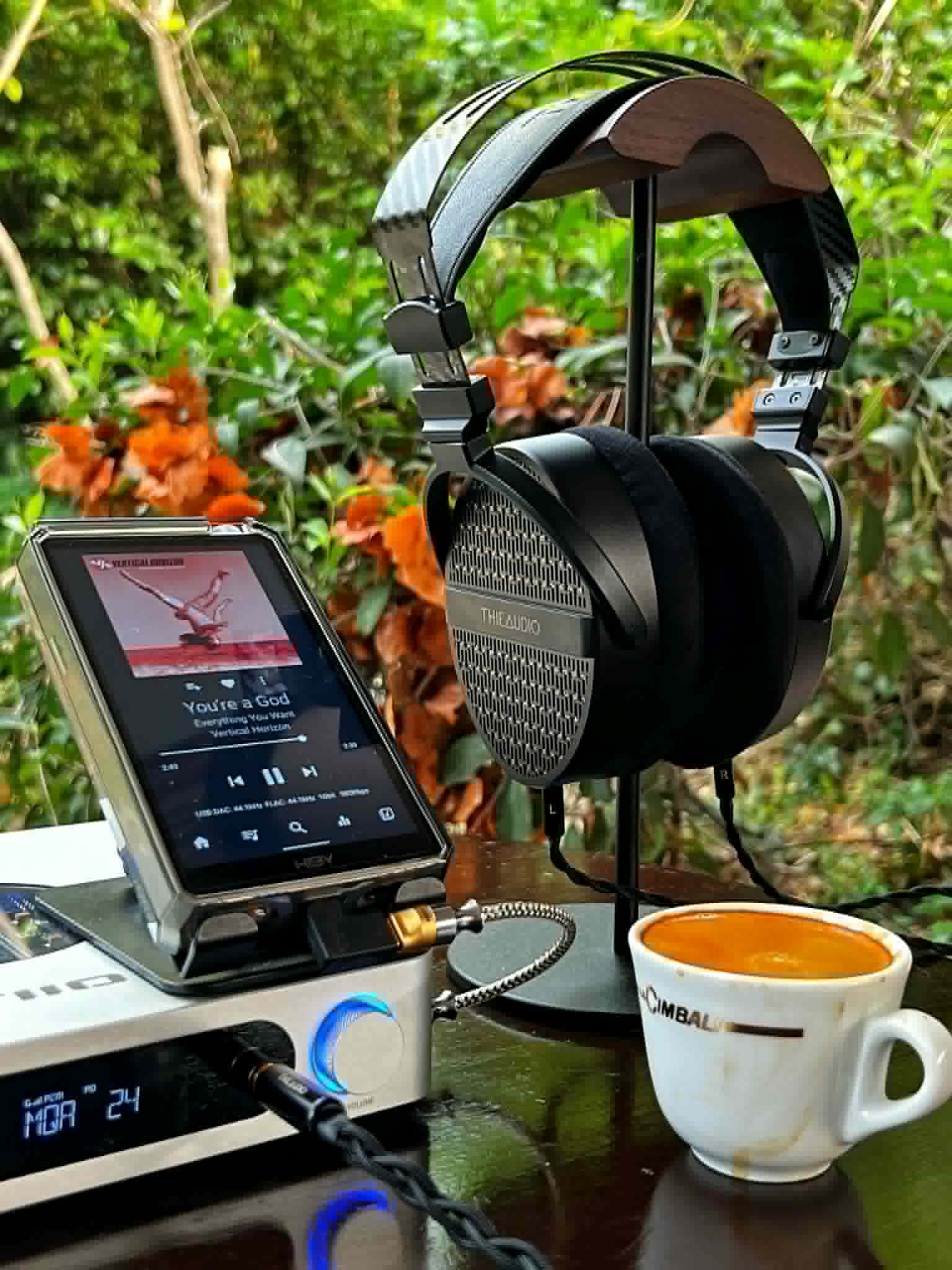
A proper reference headphone that earns your attention the longer you listen
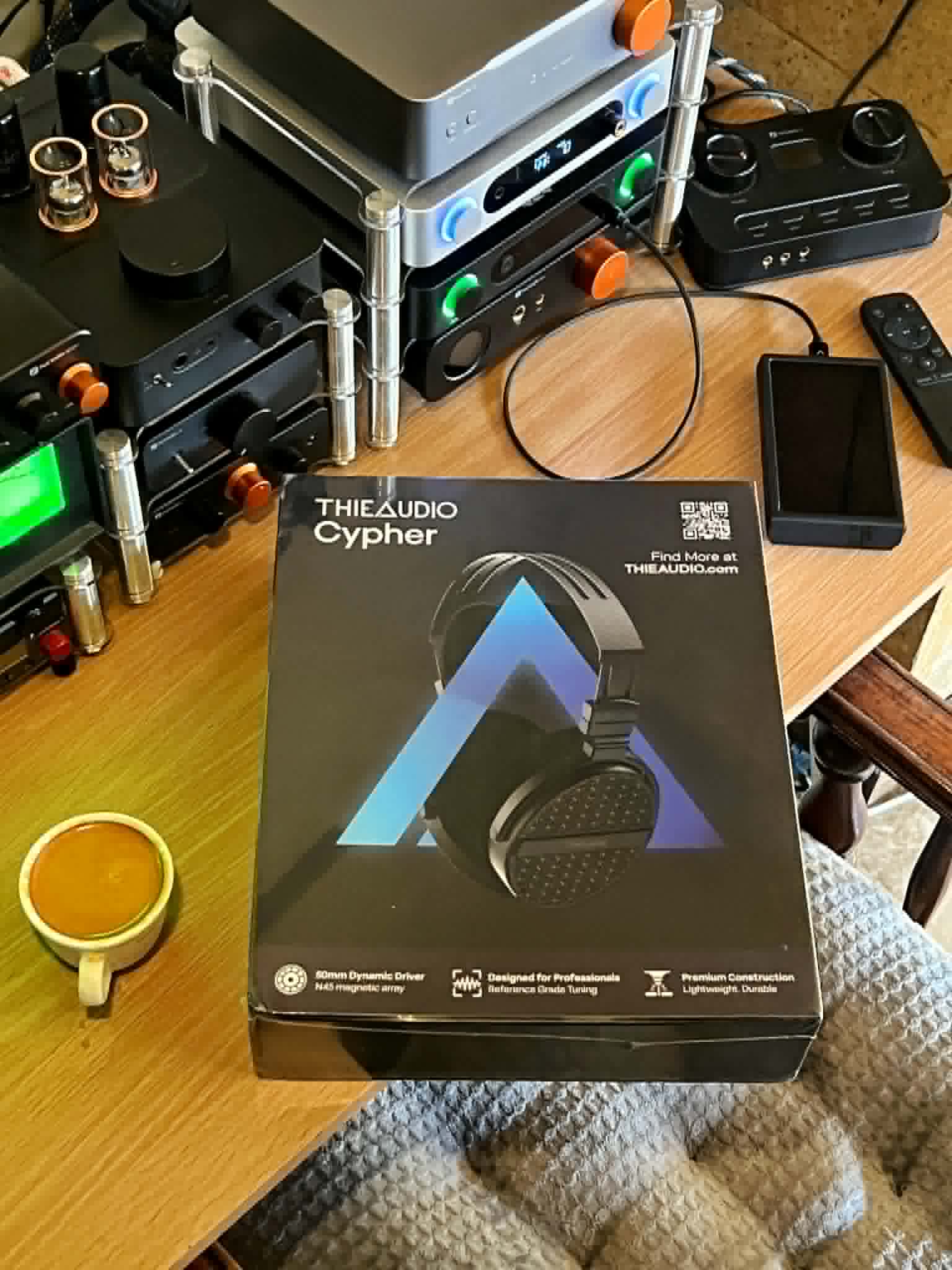
The Thieaudio Cypher showed up in what’s probably the flattest box I’ve ever seen for a full-size headphone, and honestly, that already sets the tone. No oversized packaging, no layered foam and silk wrap drama, no “luxury unboxing experience” trying to impress you before you even hear the thing. It’s clean, minimal, and straight to the point. In a way, it mirrors the Cypher’s whole philosophy. Function first, everything else second.
Open it up and you’re greeted with a very no-nonsense layout. The headphone sits neatly packed, alongside a detachable cable and a leather portfolio-style case that, surprisingly, ends up being one of the most practical inclusions here. Most headphone cases are either too bulky or too fragile to actually bring around. This one hits a sweet spot. It’s slim, structured enough to protect the headphones, and doesn’t take up unnecessary space.
One thing I didn’t expect though, the moment I opened it, there was this surprisingly pleasant scent coming from the case and even the headphones themselves, not the usual "new gear smell" It almost feels intentional, like they added a subtle cologne or treatment during packaging and yes i actually like to smell my gears when i first unbox it

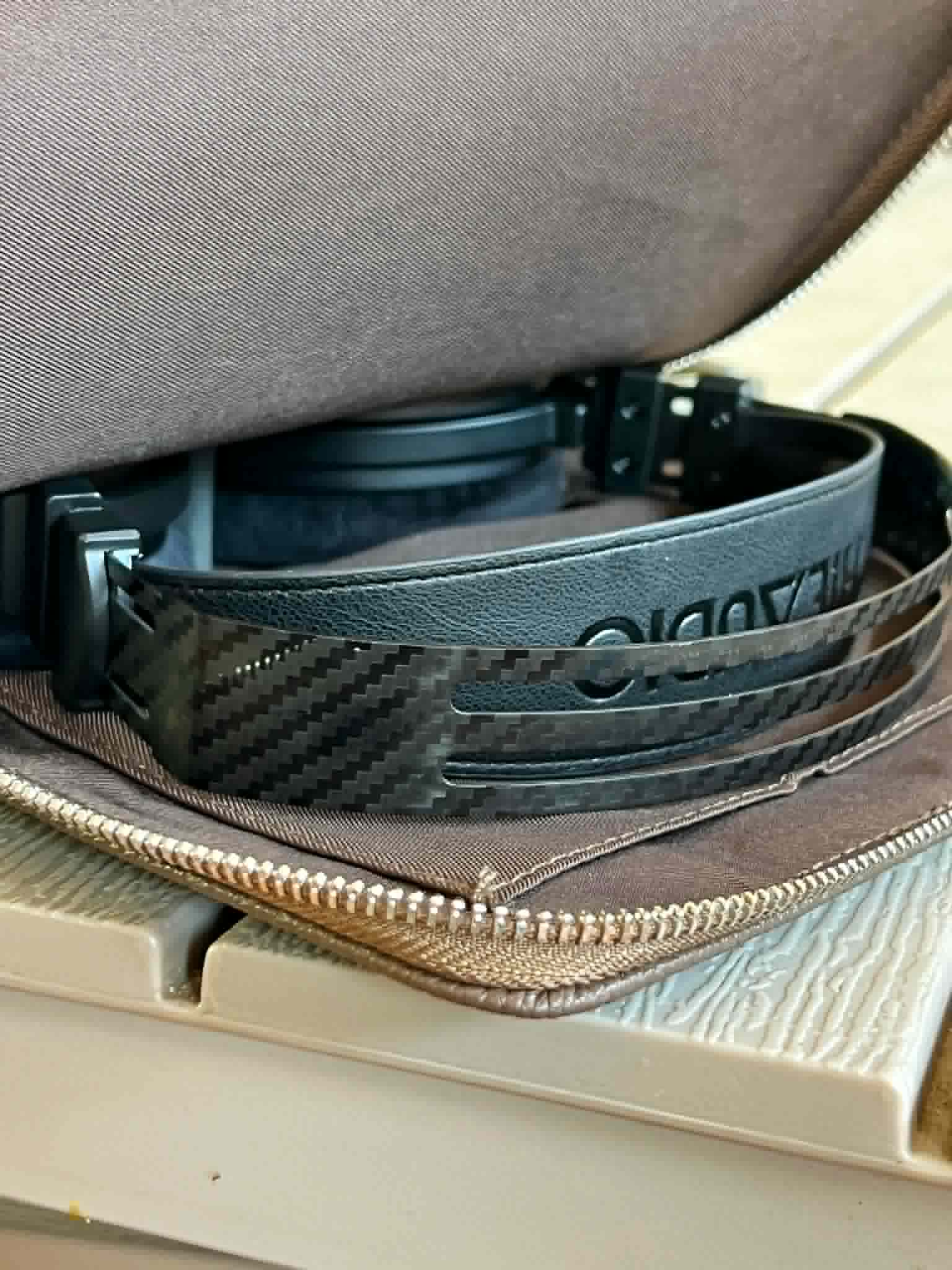
Also what I like about the slim case is how usable it is in real life. You can literally slide it into a messenger bag or backpack like a document sleeve. No awkward bulge, no need to reorganize your whole carry just to fit a headphone case. It feels like something designed by someone who actually carries their gear around.
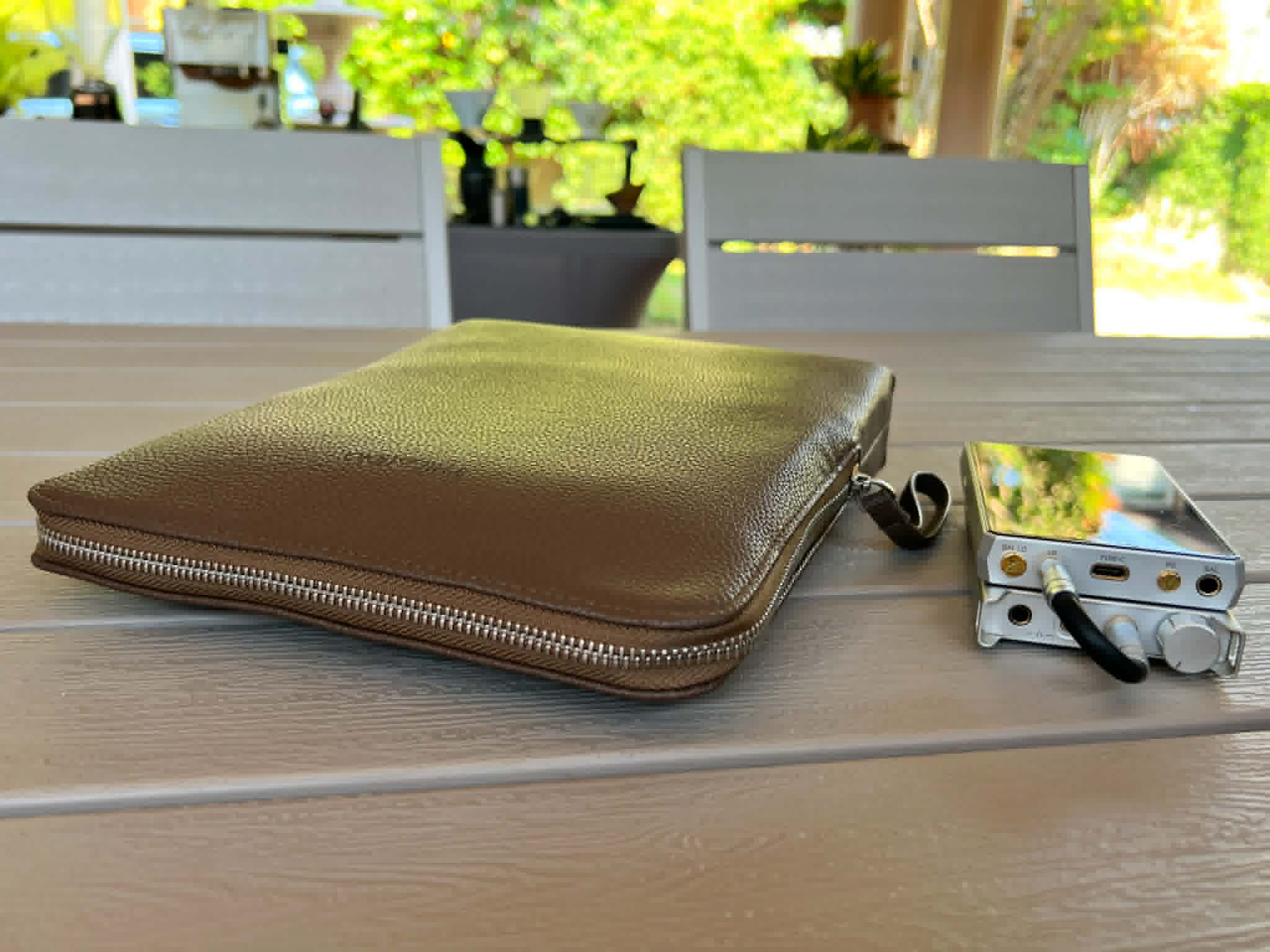
Even the cable reflects that same mindset. It’s detachable, straightforward, and built with a braided fabric sleeve that keeps it from tangling while also minimizing microphonics.
The whole unboxing experience doesn’t try to wow you, but it quietly tells you what kind of product you’re dealing with. The Cypher is not about presentation gimmicks. It’s about getting straight to the point and focusing on the actual listening experience.
Whats in the box? Checkout my quick unboxing video of the Cypher.
Build Quality & Design
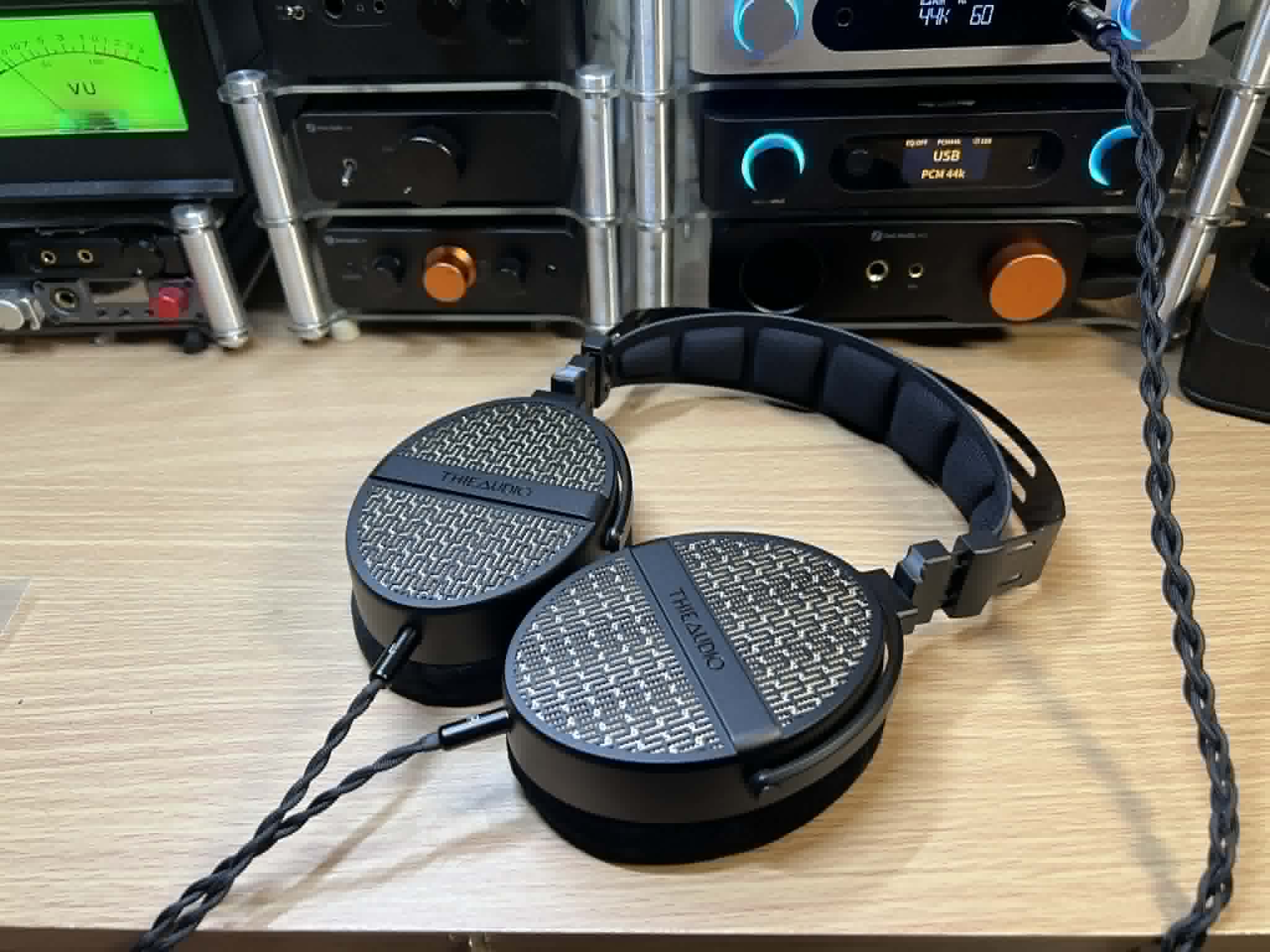
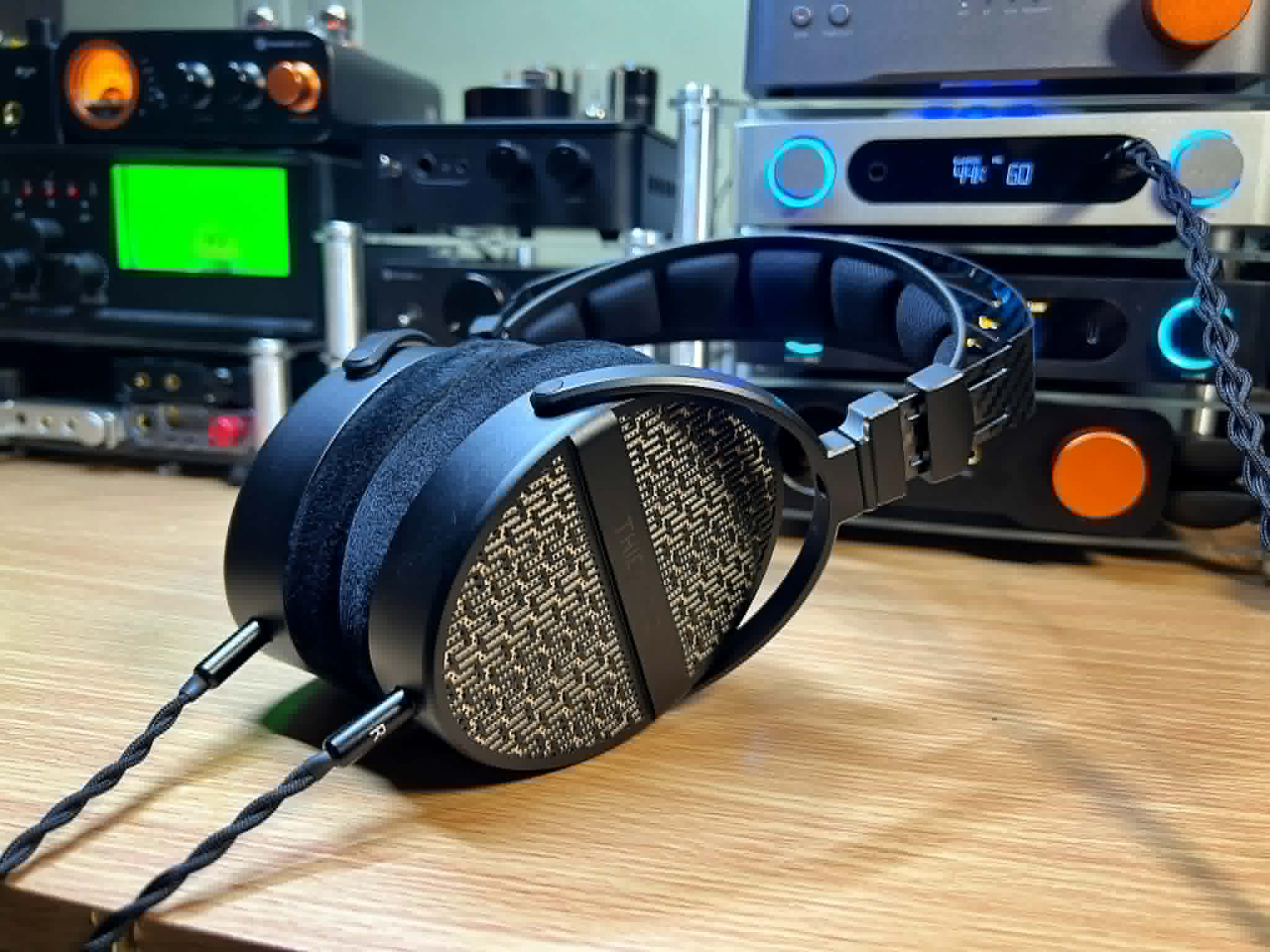
The Cypher uses CNC-machined single-block aerospace-grade aluminum for the earcups, and you can immediately feel that density. At 411g, it’s not light, but the weight feels intentional. There’s no hollow sensation, no creaking. Everything feels tight, rigid, and well put together. Structurally, this is one of those headphones you don’t worry about longevity.
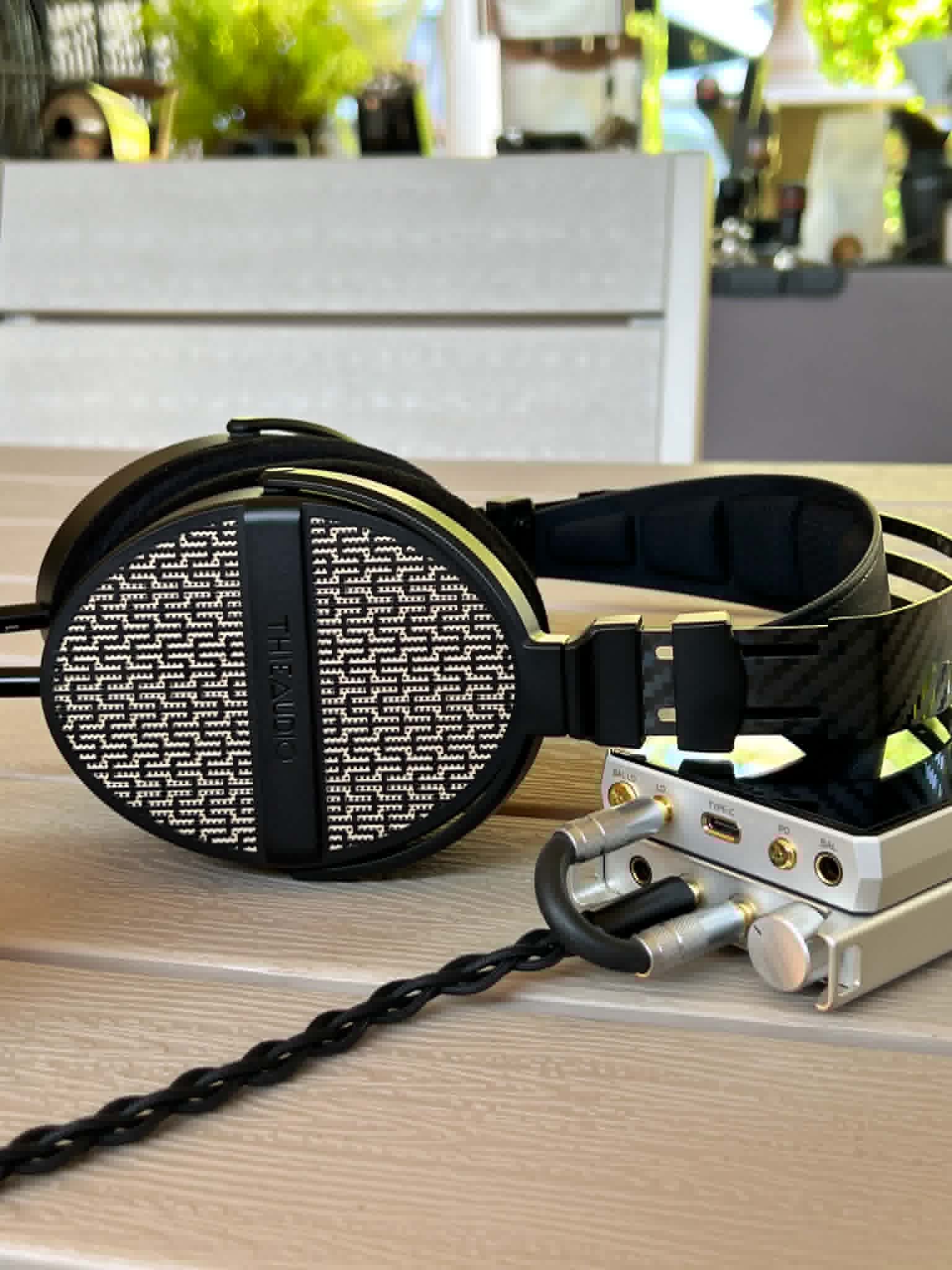
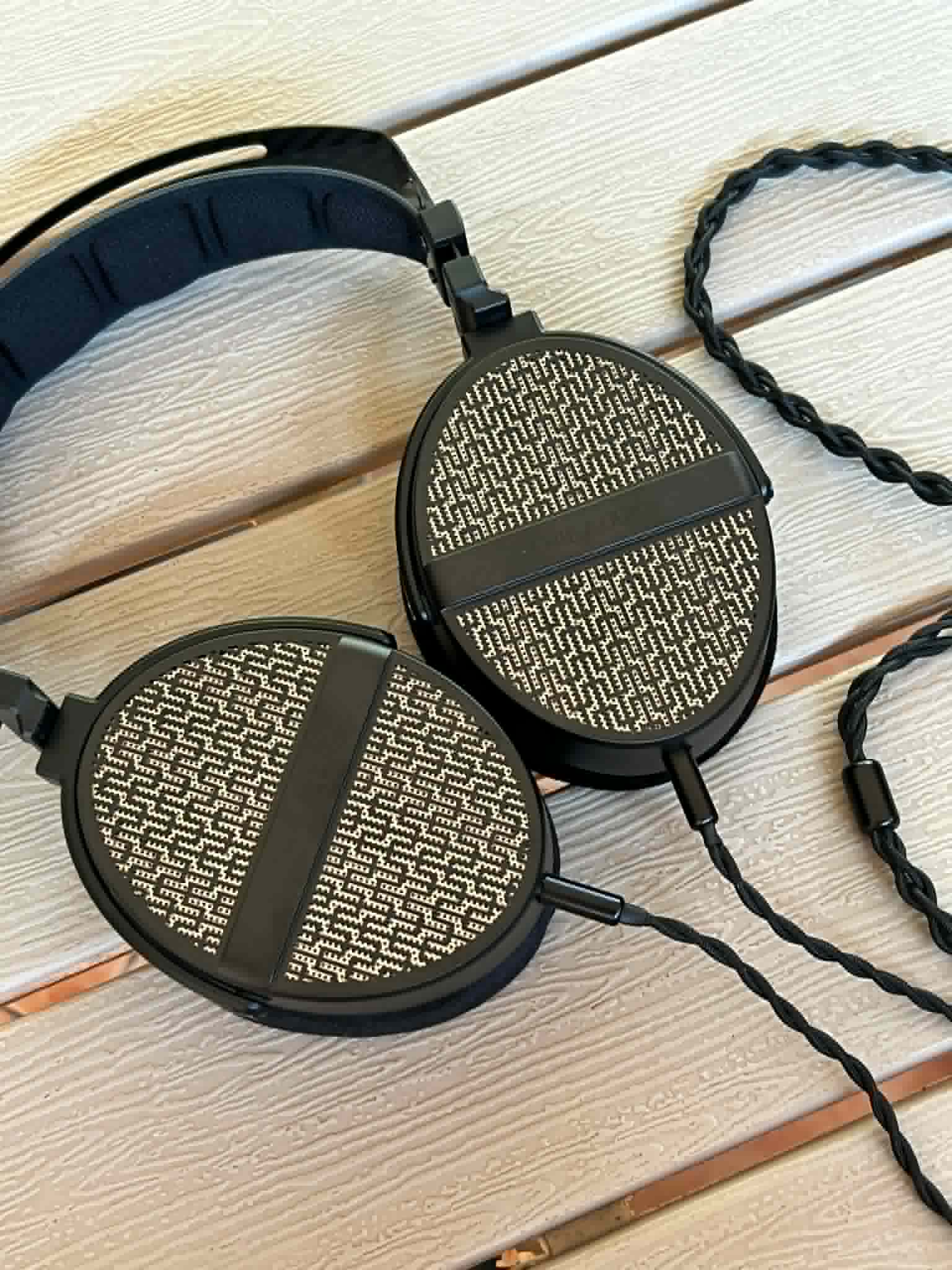
The headband combines stainless steel with a carbon fiber-style finish and a genuine lambskin lining underneath. Comfort-wise, it works really well. Weight distribution is even, clamp force is controlled, and it sits securely without creating pressure points. Even on longer sessions, it doesn’t turn into a fatigue machine.
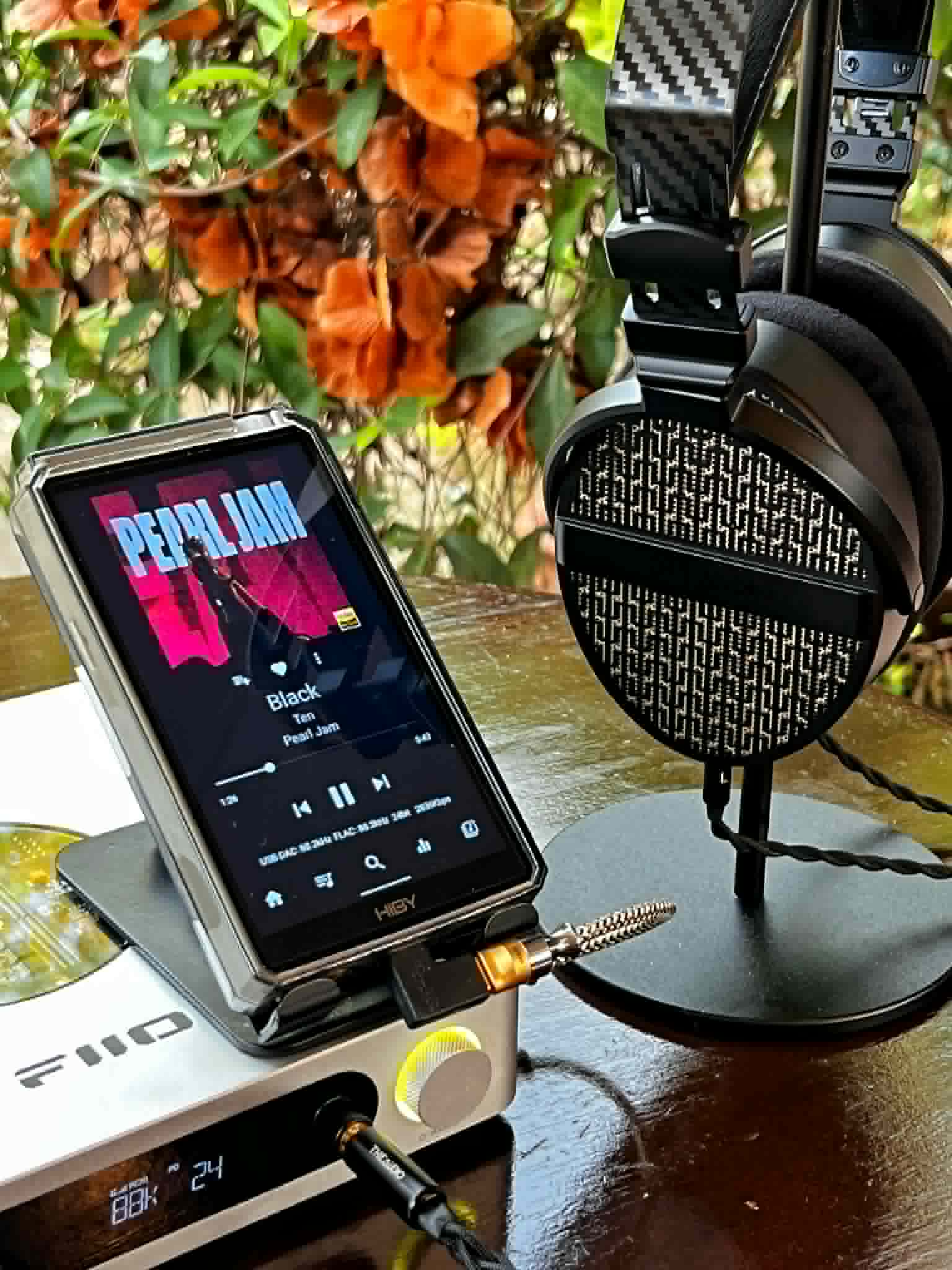
That said, design-wise, I’m a bit split on the carbon fiber styling. The rest of the Cypher leans toward a clean, timeless aesthetic. Understated, almost studio-classic. The carbon fiber pattern adds a slightly modern, almost “hi-tech” vibe that doesn’t fully match the rest. I would’ve preferred a simpler matte or brushed finish. Not a deal breaker, just something that stood out.
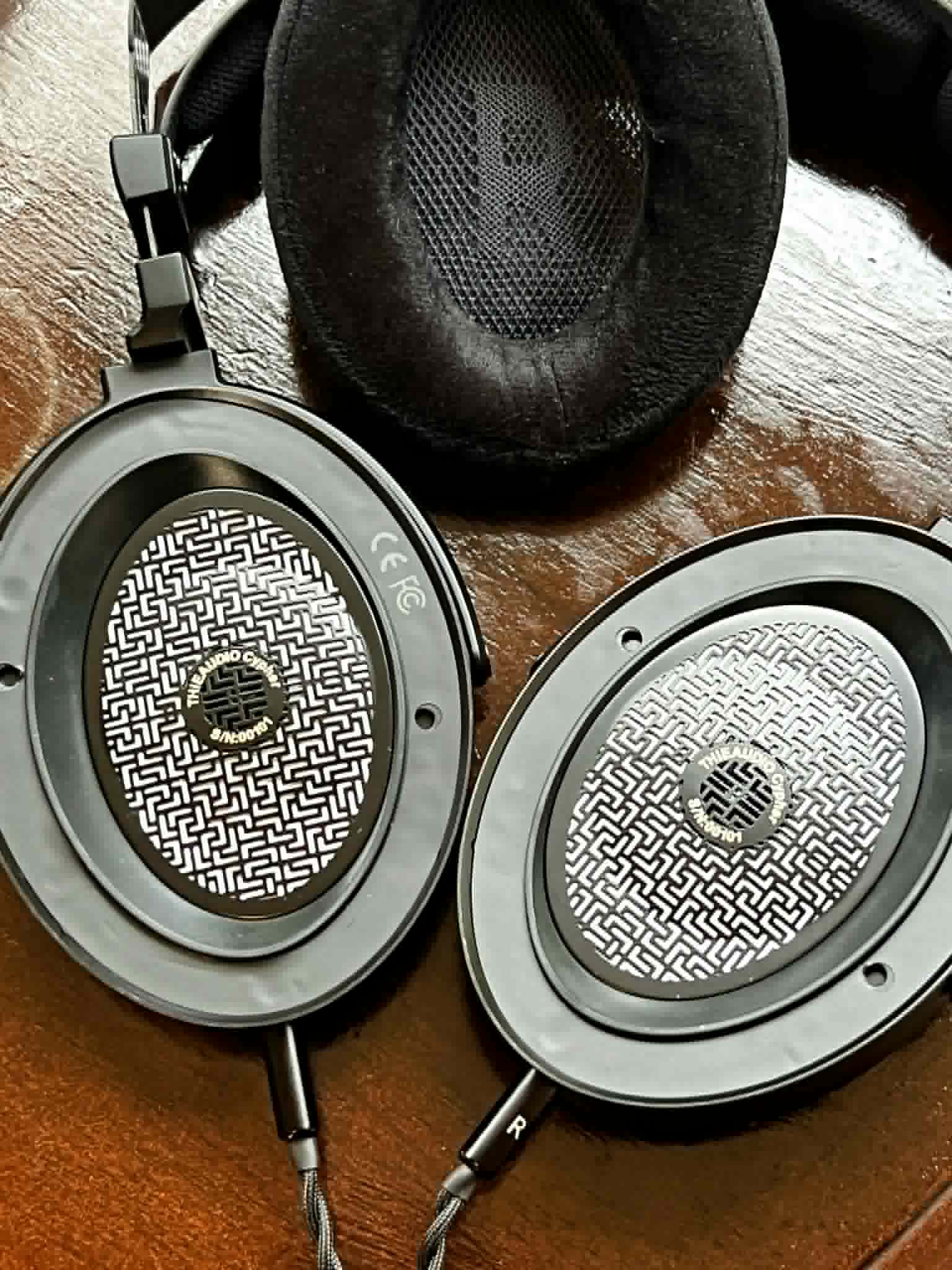
The velour earpads with memory foam are a great choice here. They’re breathable, soft, and don’t trap heat like leather pads. The magnetic mounting system is also a nice touch. Pad swapping is quick, and for people who like to fine-tune comfort or sound, that’s a big plus.
Clamp force on the Cypher hits a really nice middle ground, at least for my head. It’s not squeezing too hard, but it’s also not so loose that it feels unstable during normal listening. That balance is important, especially for a 400g+ all-metal headphone like this. Too much clamp and it becomes fatiguing fast, too little and you lose both comfort and acoustic seal.
That said, because of the weight, i did noticed a bit of movement when i turn my head quickly or shifting around a lot. It’s not slipping off or anything dramatic, but there’s a slight “settling” feel as the mass shifts. Pretty normal behavior for a heavier, metal-built headphone, but worth mentioning if you tend to move around while listening.
The headband itself does a good job distributing that weight. The leather lining adds a bit of cushion, and more importantly, it spreads pressure evenly across the top of the head. No hotspots for me, even on longer sessions, which tells me the padding density and contact area are well thought out.
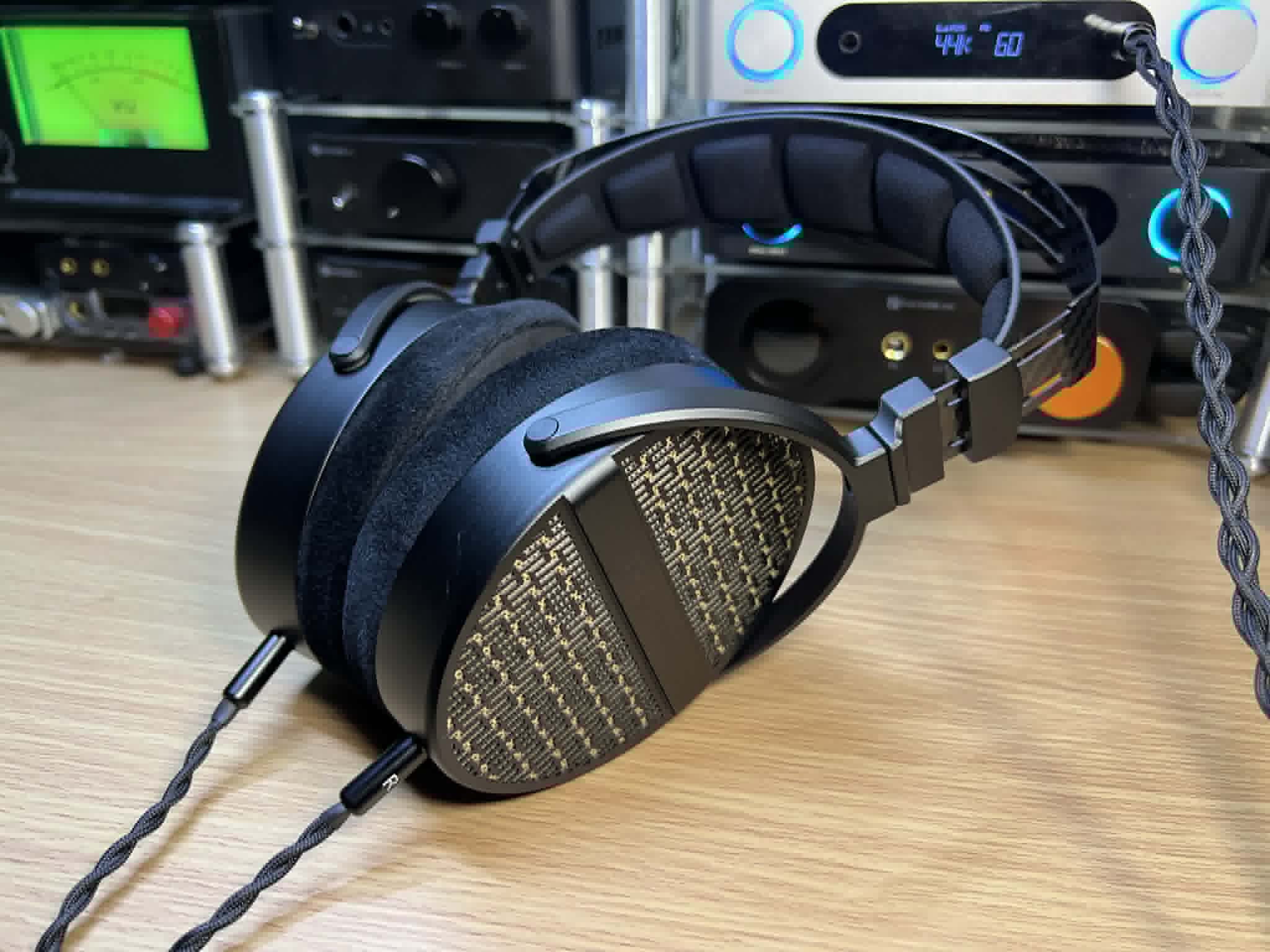
The stock velour pads are comfortable and breathable, which helps a lot with long listening. But personally, I’d love to see Thieaudio release optional pads down the line, maybe a slightly thicker variant or even different materials. Pad rolling on headphones is very similar to tip rolling on IEMs. It’s not just about comfort, it actually changes the sound in meaningful ways.
Pad thickness, density, and material all affect how the driver interacts with your ear. A thicker pad can slightly increase ear-to-driver distance, which can open up the stage a bit and smooth out upper mids or treble. Denser foam can improve seal and slightly reinforce bass. Even switching from velour to something like hybrid or leather can shift the tonal balance and perceived dynamics.
The Cypher already has a solid baseline tuning, so having pad options would make it even more flexible depending on personal preference.
Cable & Usability
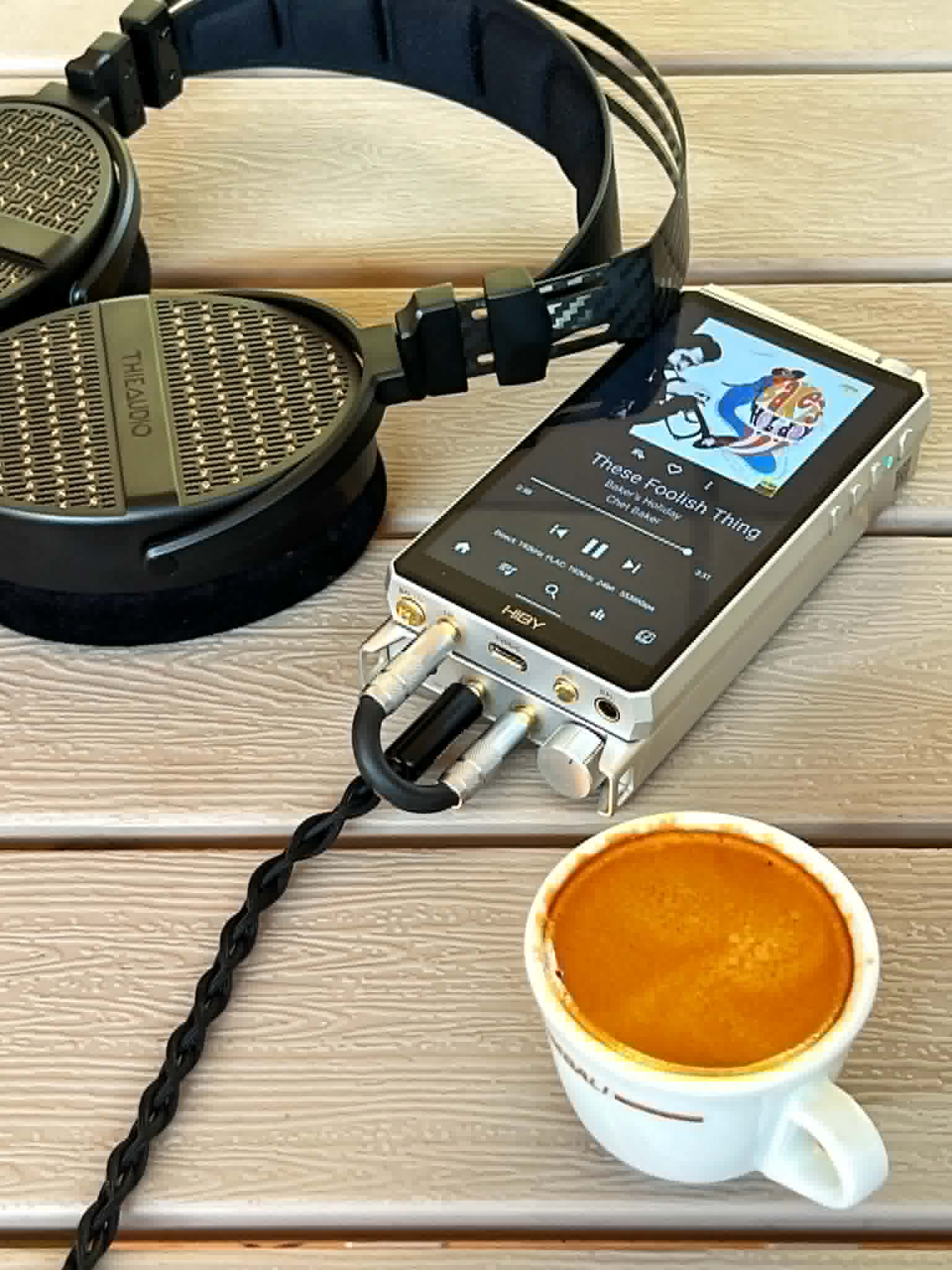
The included cable is a 1.5-meter braided copper cable with a nylon fabric sleeve, and it’s clearly built with practicality in mind. It’s not trying to be flashy, but it gets the fundamentals right. The braid is tight, the outer sleeve has just enough rigidity to resist tangling, and it lays flat naturally instead of coiling up on itself. In daily use, that matters more than people think.
Microphonics are basically a non-issue here. Even when the cable rubs against clothing or the desk, there’s no noticeable noise փոխանց into the earcups, which tells me the internal damping and outer sheath are doing their job well. It’s the kind of cable you don’t have to think about, and that’s exactly how it should be.
Termination is single-ended 3.5mm, with a 6.3mm adapter included. No 4.4mm balanced cable in the box, which some might expect at this level, but it makes sense when you look at how the Cypher is positioned. This is clearly leaning toward a studio/reference use case, where 6.3mm outputs are still the norm and balanced isn’t always a priority.
The good thing is, the headphone uses dual 3.5mm connectors at the earcups, so upgrading or swapping cables is very easy. You’re not locked into a proprietary system, which is always a win. If you want to run balanced or experiment with different cable builds, it’s a simple swap.
From a usability standpoint, I also really like how the Cypher folds flat. It doesn’t collapse into a super compact form, but the flat fold makes a big difference when packing it. Paired with that slim portfolio-style case, it becomes genuinely portable in a practical sense. You can carry it around without needing to dedicate half your bag space to it, which isn’t something I can say for most full-size headphones in this category.
Driver & Acoustic Design
At the core of the Cypher is a 50mm dynamic driver, It uses a 20-core N45 magnetic array paired with a semi-crystalline polymer and rubber composite diaphragm. That’s a pretty deliberate combination, and you can hear it in how controlled the presentation is.
Using multiple magnet segments helps create a more uniform magnetic field across the voice coil. In practice, that translates to better driver control, especially during complex passages. You get cleaner transients, more stable imaging, and less distortion when the driver is pushed. It also helps maintain consistency across the diaphragm surface, so you don’t get uneven movement or breakup at higher volumes.
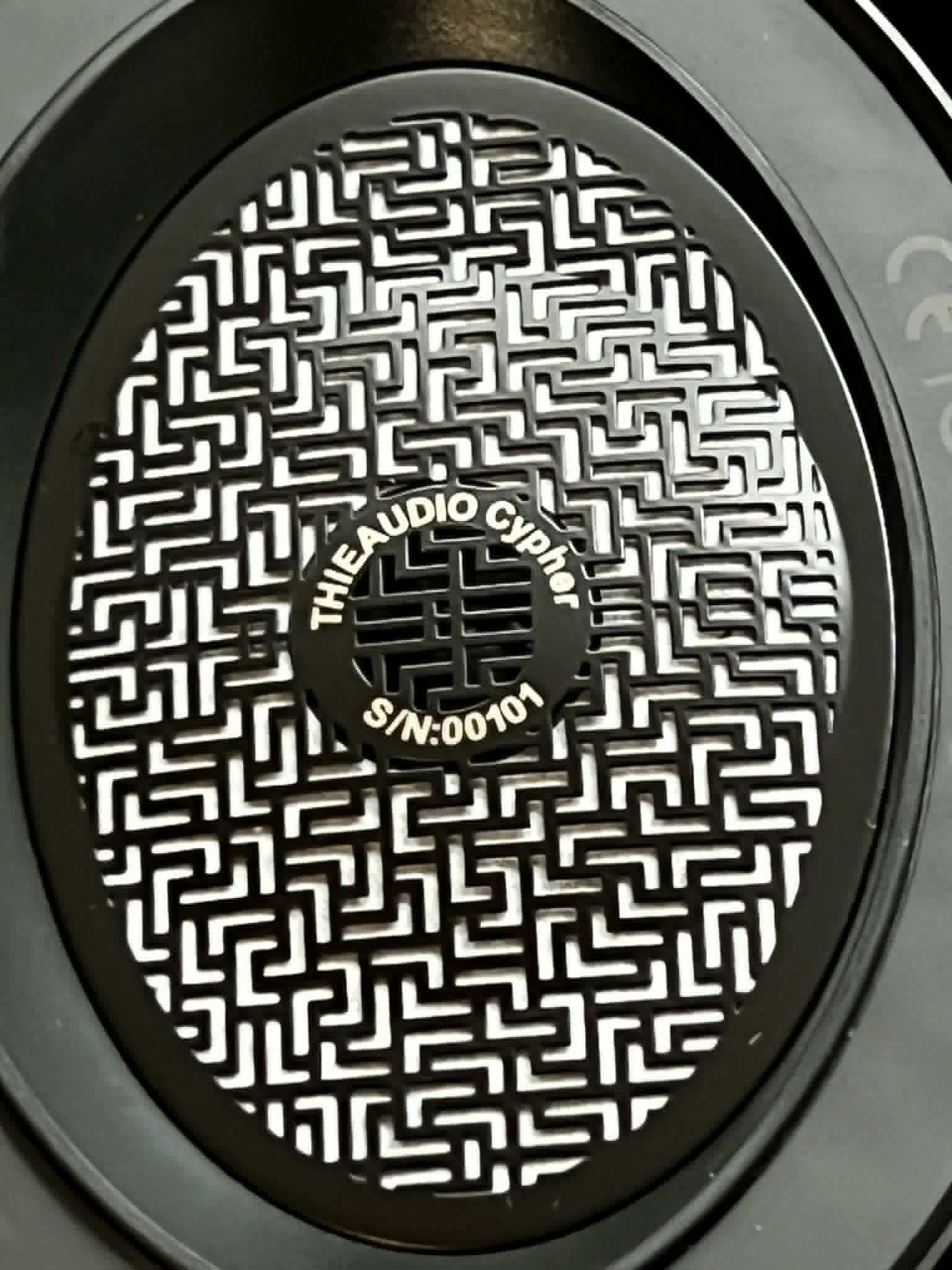
A semi-crystalline polymer diaphragm gives it enough stiffness to maintain shape during fast changes in movement, while the rubber component adds damping. That balance is key. Too stiff and the driver can sound dry or metallic. Too soft and you lose control, especially in the bass. The Cypher lands right in that sweet spot. Attack is quick and well-defined, but decay remains natural without that “overdamped” feeling.
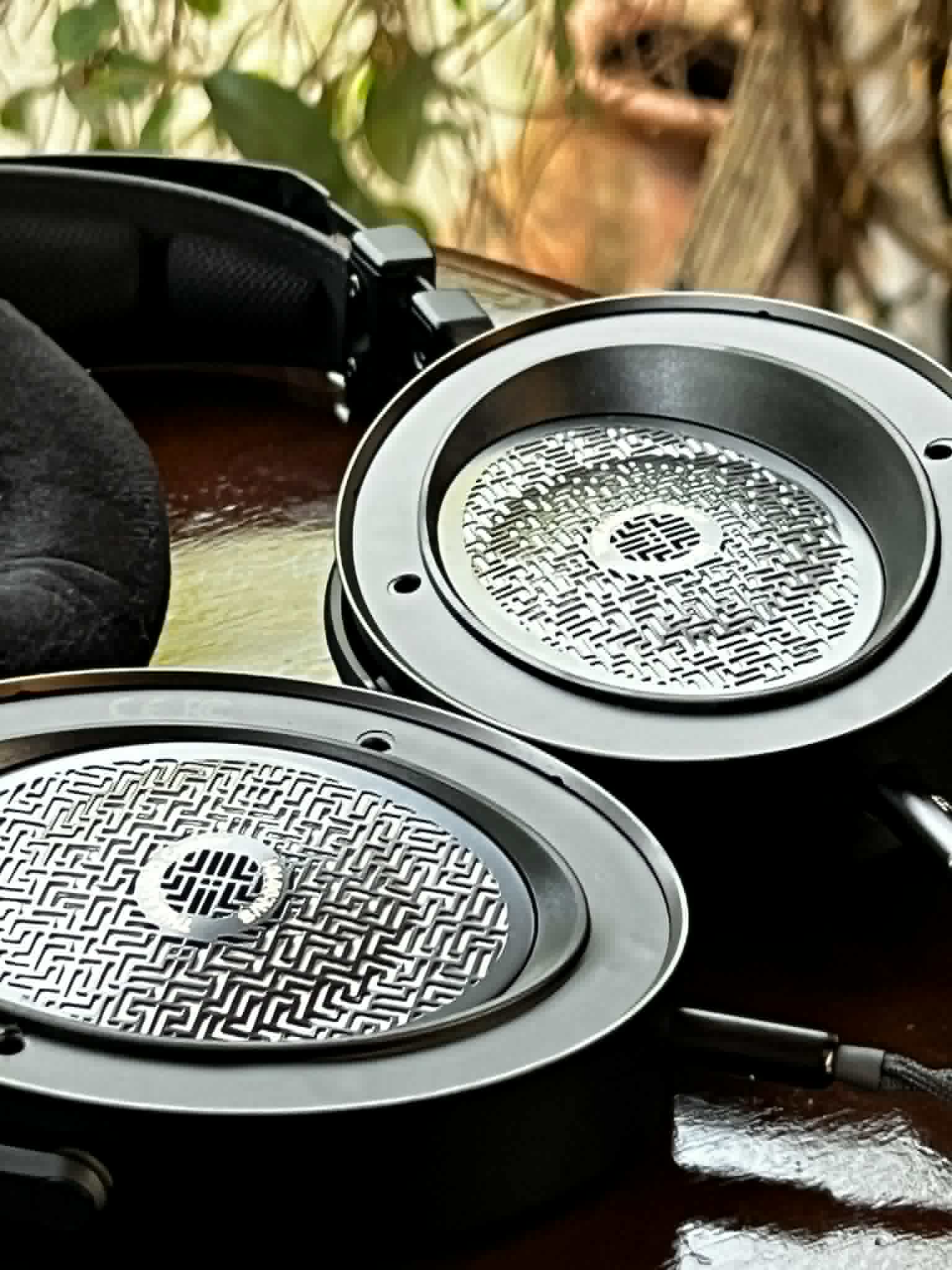
You can hear this clearly in how it handles transients. Notes start cleanly, with good edge definition, but they don’t sound artificially sharp. There’s a sense of control without sounding clinical.
The semi-open back design also plays a big role in the overall presentation. It allows for better airflow behind the driver, which reduces pressure buildup and helps with more natural diaphragm movement. That translates into a more open, less congested sound compared to closed-back designs.
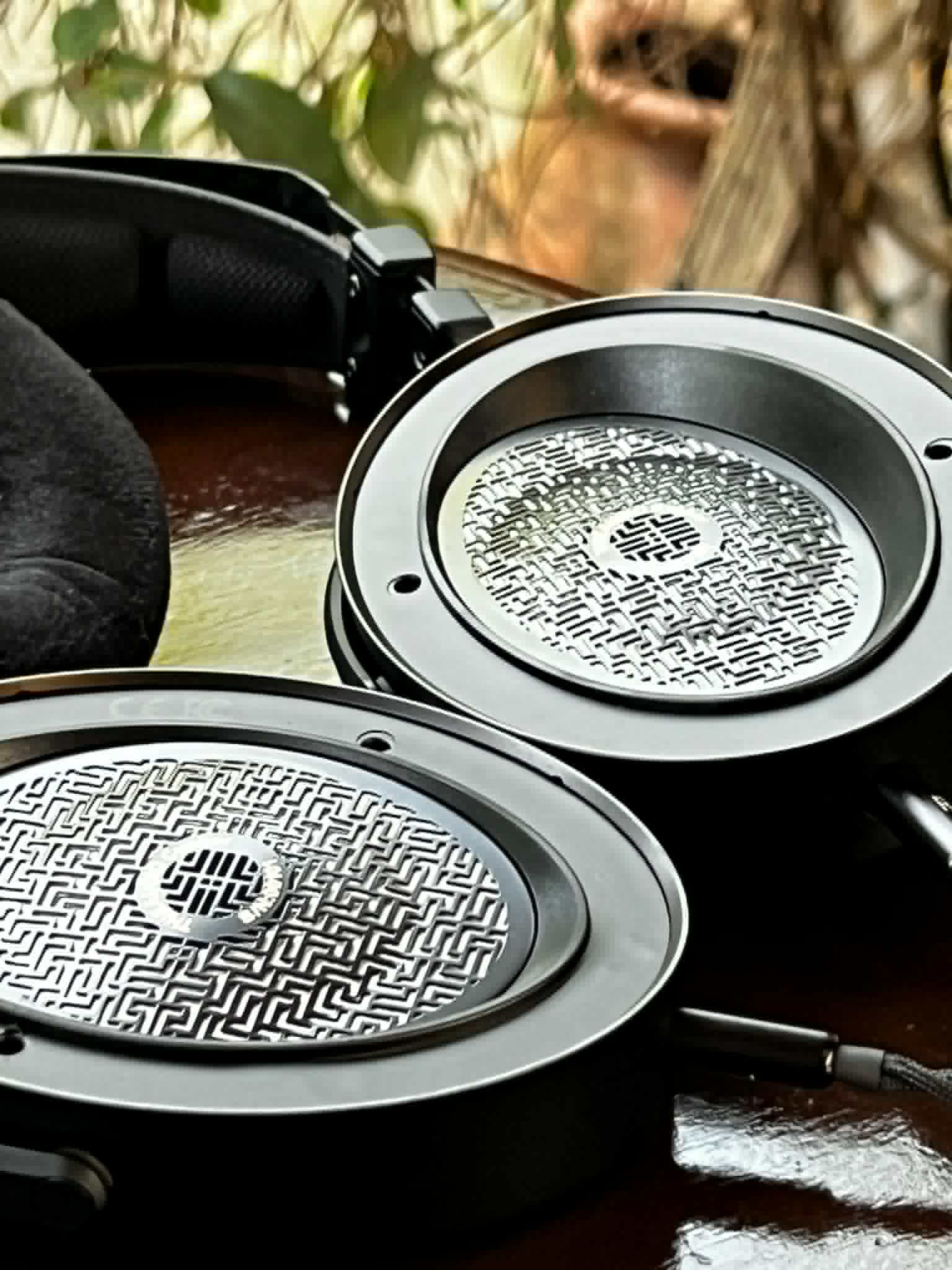
At the same time, it doesn’t go fully open, so you still retain some level of acoustic control. Bass remains tight and focused, and you don’t completely lose isolation. It’s a nice middle ground. You get a sense of space and air, but with better low-end stability and a bit more versatility in different listening environments.
Internally, the rigid aluminum earcups also contribute here. A solid, resonance-resistant enclosure minimizes unwanted vibrations and reflections, which helps preserve clarity and tonal accuracy. Combined with the driver design, it creates a very clean acoustic environment where what you’re hearing is mostly the driver itself, not the enclosure coloring the sound.
Source Pairing & Power
On paper, the Cypher sits at 32Ω with a sensitivity of 96dB, which puts it in that “easy to drive, but not forgiving” category. You can run it off a phone or a basic dongle, and it will get loud enough, but you’re not really hearing what the driver is capable of. It scales, and it scales in a way that’s very easy to notice once you start feeding it a better chain.
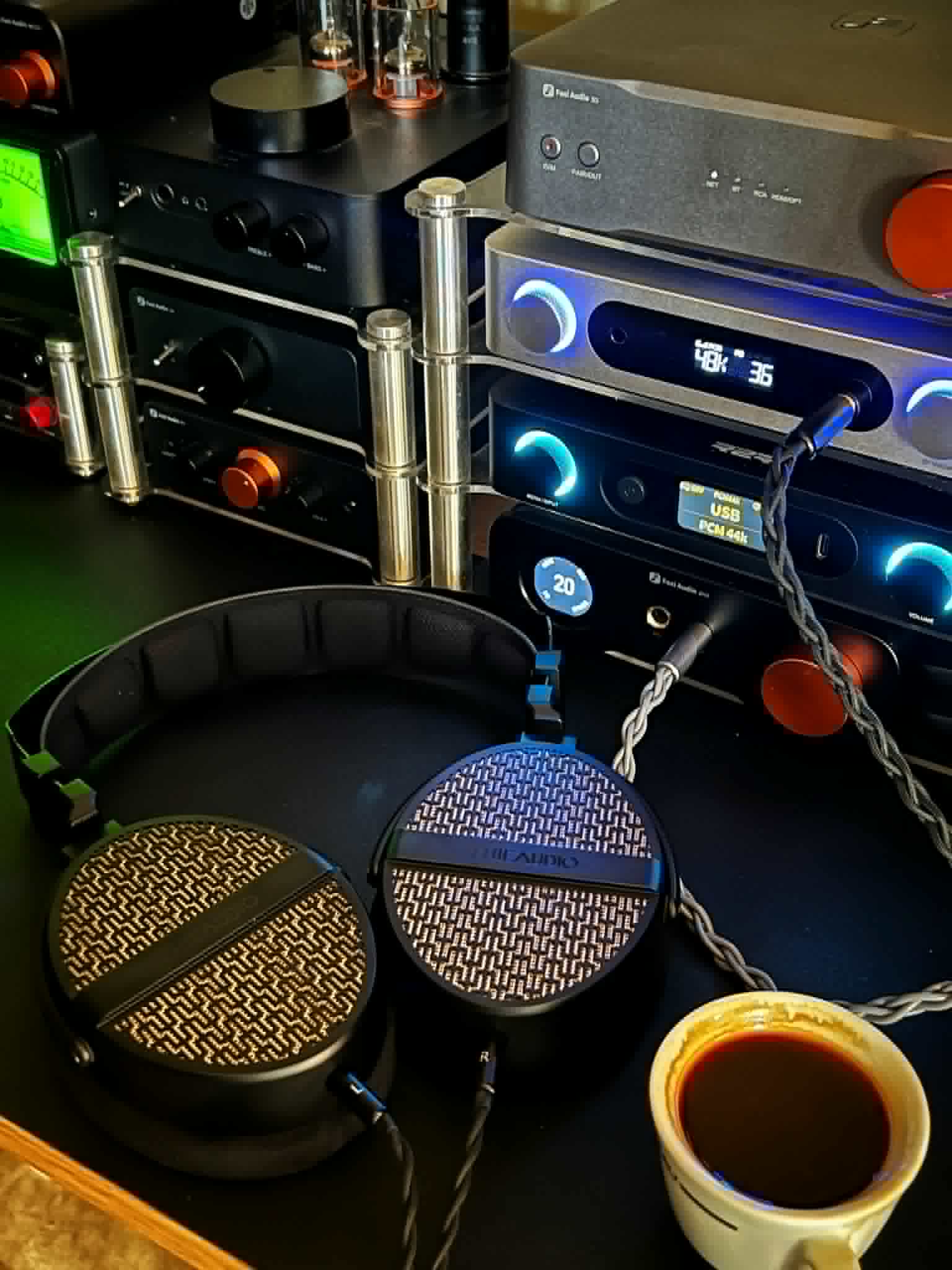
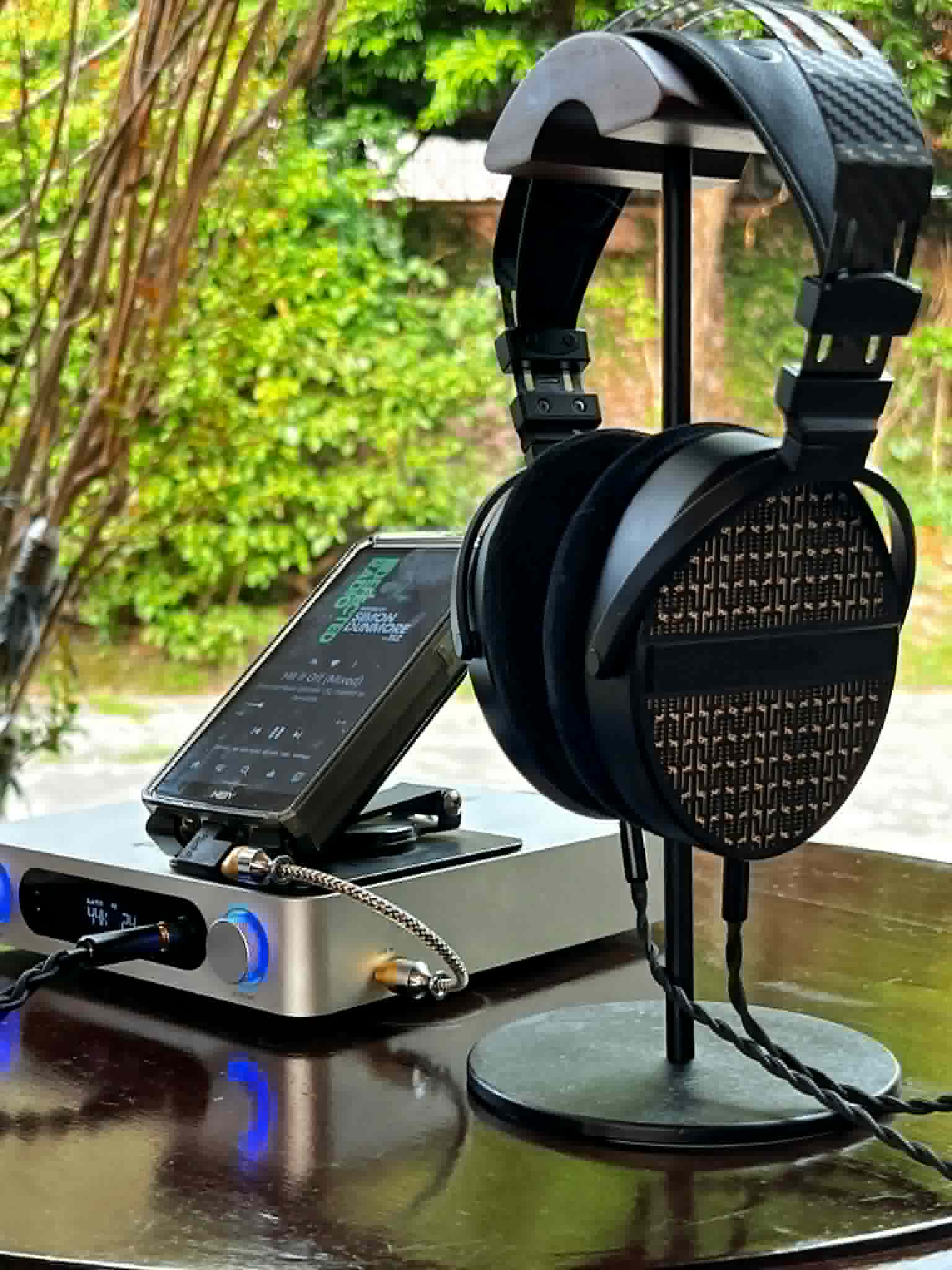
I’ve been running it primarily on the FiiO K13 R2R, using the HiBy R6 III and the Fosi Audio S3 as source and transport. This setup hits a really nice balance. The R2R implementation on the K13 brings in that slightly denser, more organic presentation. Notes have a bit more body, edges are a touch softer, and there’s a natural sense of flow to the sound. It pairs really well with the Cypher’s neutral tuning because it adds just enough weight and musicality without shifting the tonal balance too far.
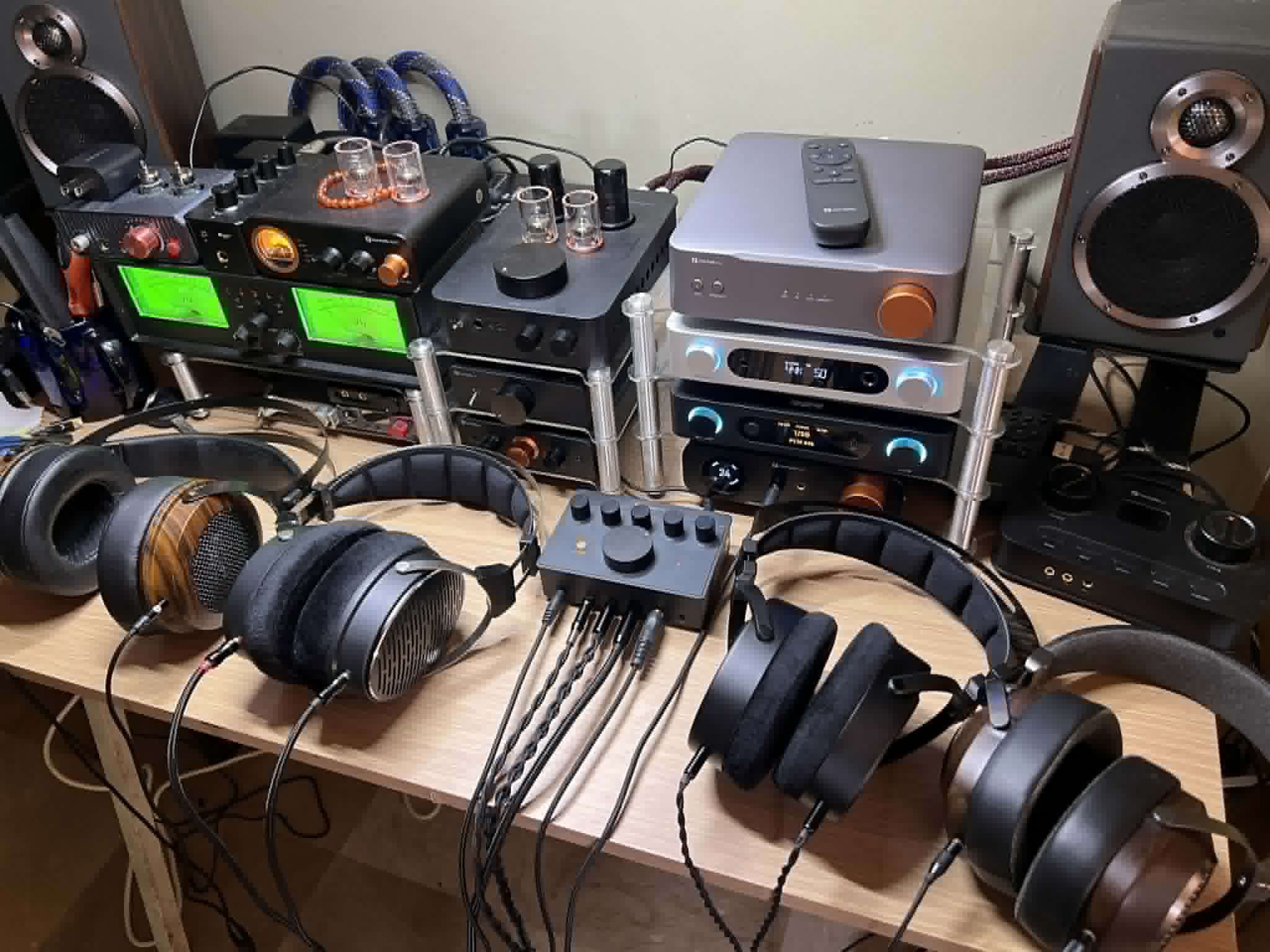
Switching over to the Fosi S3 with its AKM DAC gives a slightly different flavor. It leans cleaner and a bit more linear, with that familiar AKM smoothness up top. Transients feel a bit tighter, and the background comes across a bit “blacker,” which helps with perceived separation. Between the two, the Cypher makes those differences pretty obvious, which tells you it’s resolving enough to reflect upstream changes instead of smoothing them over.
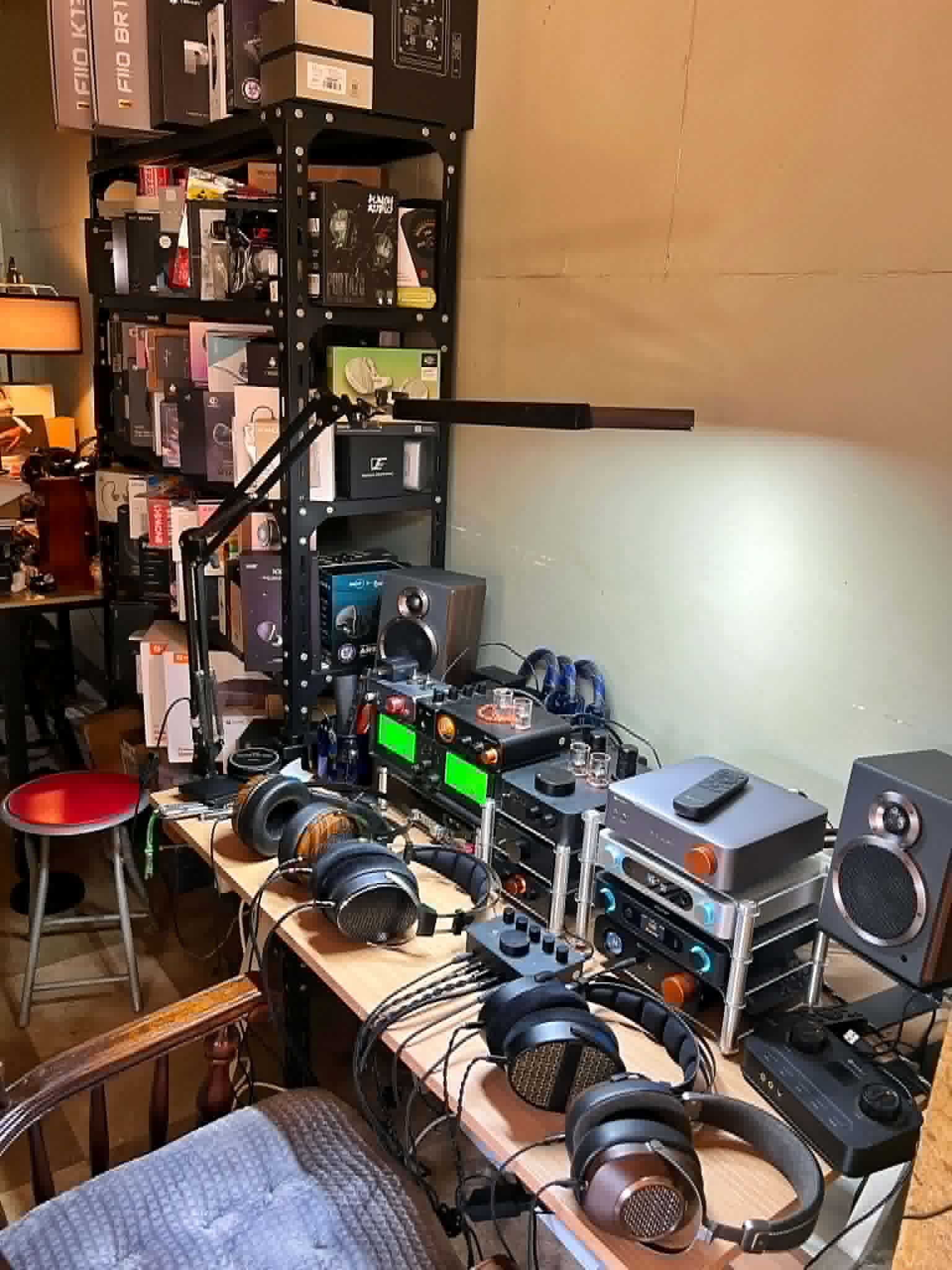
Now, adding something like the Fosi Audio GR70 quad tube amp or the portable tube Nobsound P10 Pro into the chain takes things in another direction. This is where you start hearing that classic tube influence. There’s added harmonic richness, a bit more density in the midrange, and a subtle bloom around notes that makes vocals and instruments feel more textured. The top end smooths out slightly, not in a way that dulls detail, but more like rounding off the edges just enough to make longer listening sessions even easier.
What I like is that the Cypher doesn’t lose its identity when you change sources. It doesn’t suddenly become warm or overly colored. Instead, it takes on the character of the chain while keeping its core neutrality intact. That’s usually a sign of a well-controlled driver with good resolving capability.
Power-wise, it doesn’t demand a lot, but it benefits from clean amplification. Give it decent voltage swing and a low-noise floor, and it opens up. Dynamics feel more expressive, bass tightens up, and the stage gains a bit more depth.
In short, it’s not a picky headphone, but it definitely rewards you for pairing it well. And for something positioned as a reference monitor, that kind of scalability is exactly what you want.
Sound Impressions
Overall Tuning
The Cypher is unapologetically reference-leaning, and I mean that in the proper sense, not the “light V-shape with a marketing label” kind. There’s no boosted bass shelf to give you instant punch, no upper-mid lift to fake vocal clarity, and no treble spike to create that illusion of detail. What you get instead is a very linear, controlled, and honest presentation from top to bottom.
On first listen, it can come across a bit reserved, especially if you’re coming from more colored or fun-leaning headphones. It doesn’t jump out at you. There’s no immediate wow factor. But give it some time, let your ears settle, and you start to notice how well everything is actually dialed in. The balance across the frequency range is very cohesive. Nothing sticks out, and more importantly, nothing feels missing.
Tonally, it sits close to neutral with a very slight touch of warmth. It’s subtle, but it matters. That bit of warmth adds just enough density to the lower mids and bass to keep instruments from sounding thin or clinical. It prevents that overly dry, sterile character that some strict reference tunings fall into.
What I appreciate here is how it handles transitions across the spectrum. The shift from bass to mids is smooth, with no abrupt dips or humps. The upper mids are present but controlled, so vocals come through clearly without sounding shouty or forced. Then into the treble, it extends naturally without any obvious peaks trying to grab your attention.
It’s a very “even-handed” tuning. The Cypher doesn’t try to reinterpret the track. It presents it as-is, and that means the experience changes depending on the recording. Well-mastered tracks sound open, layered, and detailed. Poor recordings? You’ll hear that too. It doesn’t mask flaws.
That’s really the core of it. This is not a headphone that imposes a personality. It adapts. It reflects what you feed into it.
And over longer listening sessions, that’s where it really starts to shine. Because nothing is exaggerated, nothing becomes fatiguing. You can just sit back and listen without constantly being reminded of the headphone itself.
Bass
Bass on the Cypher is all about control and restraint. It’s not trying to impress you with quantity, it’s focused on accuracy and how well it tracks the signal.
Subbass extends properly down low, and you can tell the driver is capable. There’s a clean, linear roll-off with no artificial boost to exaggerate rumble. When a track has real subbass content, you hear it clearly with good depth and layering. But when it’s not there, the Cypher doesn’t try to fake it. It just stays out of the way, which is exactly what a reference tuning should do.
What stands out is how clean that low-end extension is. There’s no bloom creeping into the midbass, no sense of pressure buildup. It stays tight and controlled even on deeper notes, which tells me the damping and driver control are well executed.
Midbass is where the definition really shows. It’s tight, punchy in a very measured way, and carries good textural detail. You can follow bass guitar lines easily, pick up subtle variations in kick drum hits, and distinguish layers in more complex mixes without things smearing together.
Decay is on the faster side, but not unnaturally fast. Notes don’t linger longer than they should, which helps keep the lower mids clean and prevents any kind of bleed. This is especially noticeable in busy tracks where bass can easily muddy the presentation on less controlled sets.
This is definitely not a basshead tuning. If you’re looking for slam and physical impact, this isn’t that kind of headphone. But if you care about accuracy, timing, and how bass integrates with the rest of the mix, the Cypher does a really good job.
It prioritizes definition and realism over sheer quantity, and once your ears adjust, it’s hard to go back to something more exaggerated.
Midrange
Tonality here is very well implemented. It sounds natural, balanced, and most importantly, believable. There’s no obvious coloration or tuning trickery trying to push certain elements forward. What you get is a clean, accurate representation of how things were recorded.
The lower mids have just the right amount of body. There’s enough density to give instruments a proper sense of weight and physicality, but it never tips into thickness. Guitars have that natural woodiness, pianos carry a realistic note weight with proper harmonic structure, and strings come through with texture without sounding overly lush or smeared. It doesn’t artificially warm things up, but it also avoids sounding thin,clinical or cold.
The upper mids is very smooth. There’s no sudden rise that makes vocals jump out unnaturally, and no dip that pulls them back. It’s a very linear progression, which is why everything feels well integrated and coherent.
Upper mids are handled with a lot of control. This is usually where things can go wrong with “reference” tunings, either becoming shouty or overly forward. The Cypher avoids both. There’s enough presence to maintain clarity and articulation, especially for vocals and lead instruments, but it never crosses into glare.
Female vocals in particular are done really well here. They come through clean, detailed, and airy, but without that sharp edge or sibilant bite that can make longer sessions fatiguing. You still get the energy and articulation, just without the harshness.
Vocal placement is also very neutral. It sits dead center in the mix, properly scaled relative to everything else. Not pushed forward for emphasis, not recessed behind the instruments. It’s that classic studio monitor presentation where nothing is trying to grab your attention, but everything is exactly where it should be.
What I like most is how consistent it is across different recordings. Whether it’s a dense mix or a simple acoustic track, the midrange stays composed and natural. It doesn’t reshape the presentation, it just reveals it.
Treble
Treble on the Cypher is handled with a lot of restraint and control, and that’s honestly one of its biggest strengths. It’s extended, airy, and resolving, but it never feels like it’s trying to impress you with brightness.
There’s a good amount of upper treble presence, enough to bring out microdetails and spatial cues like room reverb, trailing harmonics, and subtle overtones. You can pick up those fine details in recordings without needing to focus too hard. But the key thing is, it doesn’t push those details forward artificially. They’re just there, naturally integrated into the presentation.
What I really appreciate is how smooth the overall treble response is. There are no obvious peaks or hot spots that jump out and grab your attention. No splashiness, no forced sparkle. A lot of headphones try to simulate “detail” by boosting certain frequencies, which can sound impressive at first but gets fatiguing over time. The Cypher avoids that completely.
Cymbals, for example, sound very convincing. You get that natural shimmer and metallic sheen, but it’s controlled. The decay is realistic, not cut short, not overly prolonged. You can hear the texture of the strike and how it fades into the mix, which adds to the sense of realism.
High-frequency instruments like violins, flutes, and even electronic synths retain their clarity and energy without turning sharp or brittle. There’s a good sense of air between elements, which helps with separation and staging, but it never feels exaggerated.
It’s the kind of treble tuning that doesn’t call attention to itself, and that’s exactly why it works so well. You can listen for hours without any fatigue, but at the same time, you’re not missing out on detail. It’s all there, just presented in a very natural, unforced way.
Technical Performance
Technically, the Cypher comes across as very composed and mature. It’s not chasing exaggerated traits to sound impressive. Instead, it focuses on accuracy, stability, and coherence, which in the long run is a lot more valuable.
Soundstage is a good example of that approach. It’s not artificially wide or stretched out. Width and depth feel proportionate to the recording. Well-mastered tracks open up nicely with a believable sense of space, while more intimate recordings stay appropriately close. There’s also a decent sense of front-to-back layering, not just left and right, which helps create a more three-dimensional presentation.
Imaging is precise and very stable. Once an element is placed in the mix, it stays locked in. You can track instruments across the stage without them shifting or blurring, even in busy passages. This kind of positional accuracy usually comes down to good driver control and consistent phase behavior, and the Cypher handles both well.
Layering is another strong point. In complex tracks, especially with multiple instruments competing in the same frequency range, the Cypher keeps things organized. It doesn’t smear elements together, but it also doesn’t over-separate them in a way that feels unnatural. Everything has its own space, but it still sounds cohesive as a whole.
Resolution is definitely there, but it’s not presented in an aggressive way. It doesn’t throw detail at you or highlight every micro-element to grab your attention. Instead, it presents information naturally, and you end up noticing more the longer you listen. Subtle background details, reverb tails, and low-level textures come through clearly, but without disrupting the overall musical flow.
Transient response also plays a role here. Attack is clean and well-defined, which helps with clarity and separation, while decay is controlled enough to avoid congestion. This balance keeps the presentation articulate without sounding overly analytical.
Overall, the Cypher’s technical performance isn’t about standing out in one specific area. It’s about everything working together in a controlled, consistent way. And that’s what makes it feel refined.
Dynamics & Transients
One thing that really stood out to me with the Cypher is how it handles dynamics. It doesn’t feel locked into a single presentation. It reacts to the recording in a way that feels natural, almost like it’s scaling its behavior depending on what you feed it.
On softer, more laid-back tracks, it comes across smooth and fluid. Notes have a gentle leading edge, decay feels a bit more relaxed, and everything flows in a very cohesive way. Switch over to something more aggressive or fast-paced, and you can hear it tighten up. Transients become snappier, edges get a bit more defined, and the overall presentation leans more analytical without becoming harsh.
That kind of dynamic contrast tells me the driver has good control over excursion and damping. It’s not compressing the signal or smoothing everything into one character. Instead, it preserves the differences in recording intensity, which is exactly what you want from a reference-leaning set.
Transient response is clean and well-balanced. Attack is quick enough to give notes proper definition, especially on percussive elements like snare hits or plucked strings, but it never crosses into that overly sharp or “etched” territory. There’s no artificial edge being added just to create the illusion of detail.
Decay is just as important here, and the Cypher handles it well. Notes don’t linger longer than they should, but they also don’t get cut off prematurely. You get a natural trailing edge, which helps preserve the body and texture of instruments.
Macro dynamics, like shifts from quiet to loud passages, are handled with good headroom. It doesn’t feel compressed or constrained when the track opens up. Micro dynamics are also nicely resolved. Small variations in volume and intensity, like subtle vocal inflections or light cymbal taps, come through clearly.
That flexibility is what makes the Cypher work across different genres. It doesn’t impose a fixed character. It adapts to the music, and that makes it a very reliable reference tool.
Listening Experience
I spent a good few hours just rotating through different genres to see how the Cypher holds up when you throw very different recordings at it. From high-energy electronic with Steve Aoki and deadmau5, to more nuanced, intimate recordings from Dave Brubeck, Chet Baker, and the operatic weight of Angela Brown.
What stood out is how consistent the Cypher is across all of them.
With electronic tracks, it doesn’t try to exaggerate the energy. Instead, it keeps everything tight and controlled. You still get the drive and rhythm, but it’s coming from clean transients and proper layering rather than boosted bass or hyped treble. It feels more like you’re hearing the structure of the track rather than just the impact.
Switch over to jazz, and that’s where the Cypher really starts to shine. You hear the space between instruments, the air in the recording, the subtle textures in brass and vocals. There’s a natural sense of timing and phrasing that comes through clearly. Nothing feels forced or overly highlighted.
With classical and operatic pieces, especially something like Angela Brown’s soprano, the Cypher handles scale and control really well. Vocals have presence and power, but they don’t turn sharp or overwhelming. You can follow dynamic shifts and subtle nuances without the presentation collapsing or becoming congested.
What I like most is that it never breaks character. It keeps that reference-level accuracy intact no matter the genre. But at the same time, it doesn’t come across as dry or lifeless. There’s still a sense of musicality in how it presents notes, how it handles decay, and how it lets the recording breathe.
It’s not trying to entertain you with coloration. It keeps things honest. And because of that, it stays engaging in a more natural, long-term way.
Tube Pairing Impressions
Running the Cypher through the Fosi Audio GR70 adds that subtle tube character that actually complements its tuning really well. The Cypher already starts from a clean, neutral baseline, so when you introduce a tube stage, you’re not fixing anything. You’re just layering a bit of character on top.
The first thing you notice is the added harmonic density. Notes feel a bit fuller, especially through the midrange. Vocals gain a touch more body and texture, almost like there’s a bit more “meat” around the edges. It’s not a dramatic shift, but it’s enough to make things feel a little more organic and less clinical.
There’s also a slight change in how transients are presented. Attack softens just a bit, not in a way that reduces clarity, but more like rounding off the leading edge. It gives the presentation a smoother, more relaxed flow. Decay feels a bit more lingering as well, which adds a sense of space and naturalness, especially with acoustic instruments and vocals.
Treble benefits from this pairing too. The top end becomes a touch smoother, with less bite on sharper recordings. Importantly, it doesn’t kill extension or detail. You still get the air and microdetail, but it’s delivered in a less aggressive way. It’s more about refinement than reduction.
What I like here is that the Cypher doesn’t lose its identity. It doesn’t suddenly become a warm, colored headphone. The core neutrality is still intact. Imaging stays precise, separation remains clean, and overall clarity is preserved. The tube just adds a bit of dimensionality and tonal richness on top.
This kind of pairing works because the Cypher has enough resolving capability to reflect upstream changes. If the driver wasn’t capable, everything would just blur together. Instead, you hear exactly what the tube stage is doing.
It’s not the most practical setup, obviously. But when you’re sitting down, focused, maybe with a good cup of coffee, this combo just clicks. It adds a bit of emotion and texture without compromising what makes the Cypher a solid reference headphone in the first place.
Final Thoughts
The Thieaudio Cypher is not the kind of headphone that tries to win you over in the first five minutes. There’s no boosted bass, no hyped treble to grab your attention right away. Instead, it leans into accuracy, consistency, and control, and that approach makes a lot more sense the longer you spend with it.
What it does really well is get the fundamentals right. Tonal balance is very even across the spectrum, transitions are smooth, and nothing feels out of place. It doesn’t exaggerate or mask anything, which means it reflects the recording as it is. Good recordings sound open, layered, and detailed. Poor ones, you’ll hear the flaws too. That level of honesty is exactly what you want from something positioned as a reference headphone.
Technically, it’s just as solid. Imaging is precise, layering is clean, and transients are well controlled. It doesn’t try to impress by stretching the stage or over-separating elements. Everything feels natural and properly scaled. It’s the kind of presentation that lets you focus on the music rather than the headphone itself.
What makes the Cypher stand out, at least for me, is how easy it is to keep coming back to. Because nothing is overdone, there’s no fatigue. You can listen for hours without feeling like you need a break. At the same time, it never comes across as flat or lifeless. There’s still enough energy and dynamic variation to keep things engaging.
It also scales well with better sources, which adds to its long-term value. You can run it on a modest setup and get good performance, but give it a cleaner chain or a different flavor like tubes, and it responds in a meaningful way without losing its core character.
If you’re looking for a headphone that adds flavor or color, this probably isn’t it. But if you want something that lets you hear your music clearly, consistently, and without interference, the Cypher delivers that really well.
It’s a proper reference headphone, but one that still manages to stay musical and enjoyable, and that balance is not easy to get right.
Non Affiliated Link:
https://www.linsoul.com/products/th...DtbicBlnHiqh9A873N7TLIVw5zCjvWNoCj6bUW2Yhfhp2
Comments
Post a Comment