Pros:
* Excellent vocal timbre with a natural, unforced presentation
* Clean, well-controlled planar bass with good layering and zero midbass bleed
* Fast transient response with strong overall technical performance
* Precise imaging and stable instrument placement
* Treble is well-extended but smooth, avoids planar glare or harshness
* Cohesive tuning that stays musical and easy to listen to long sessions
Cons:
* Bass lacks physical slam and weight for bass-heavy preferences
* Upper treble air could use a bit more openness for extra sparkle
* Slightly reserved dynamics compared to more V-shaped or energetic sets
* Not ideal if you want a fun, bass-forward or highly colored signature
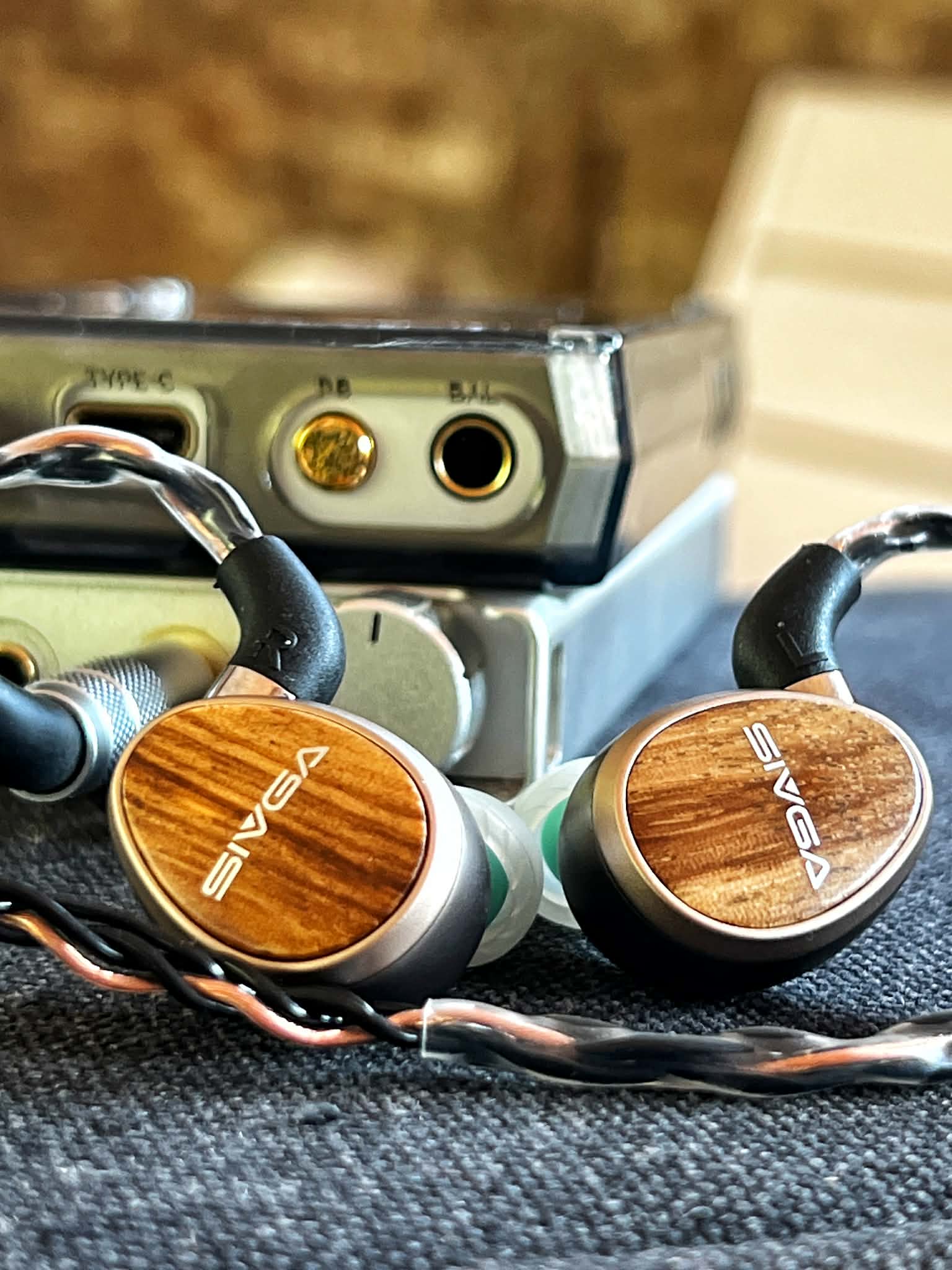
Sivga has always leaned into that balance between craftsmanship and musicality. You see it in their materials, you hear it in how they tune their gear. The Nightingale Pro feels like a more mature take on that identity. Less about showing off, more about refining what actually matters when you sit down and listen.
On paper, it reads like a typical planar play. Big 14.5 mm driver, multi-magnet array, ultra-thin diaphragm, premium housing, all the right buzzwords. The kind of spec sheet that usually tells you to expect speed, detail, and a bit of that classic planar “wow” factor. Clean transients, sharp edges, maybe a slightly clinical tilt if we’re being honest.
But once you actually spend time with it, that’s not really the direction Sivga took here.
What stands out pretty quickly is that the Nightingale Pro doesn’t chase that hyper-etched, overly analytical presentation that a lot of planar IEMs fall into. Instead, it feels like they tuned the driver to behave more like a well-controlled dynamic, but with planar-level speed and precision sitting underneath.
The multi-magnet structure plays a big role here. By keeping the magnetic force more evenly distributed across the diaphragm, you get a more uniform movement, less breakup, and better control over microdynamics. Pair that with an ultra-thin diaphragm and a lightweight aluminum trace, and you end up with a driver that reacts fast, but doesn’t sound rushed or forced.
That’s probably why the Nightingale Pro comes across smoother and more cohesive than you’d expect. Transients are quick, but not aggressive. Detail is there, but it’s not thrown at you. Everything feels controlled, almost deliberate.
And then you get to the vocals, which is really where this set starts to separate itself.
There’s a certain honesty in how it presents the human voice. Not overly warmed up, not artificially sweetened, and definitely not pushed into that shouty upper-midrange territory that a lot of IEMs rely on to fake clarity. It just sounds… right. Clean, present, and natural in a way that feels less like a tuning trick and more like a conscious design goal.
It’s the kind of presentation that doesn’t immediately try to impress you with fireworks. Instead, it pulls you in slowly. You notice how voices sit in the mix, how they carry texture, how they breathe. And before you realize it, you’re not analyzing anymore, you’re just listening.
That, to me, is what makes the Nightingale Pro interesting. It’s still very much a planar IEM in terms of technical capability, but it doesn’t lean on that as its main selling point. It’s using that technical foundation to support a more natural, vocal-focused tuning, and that’s not something you see done this well very often.
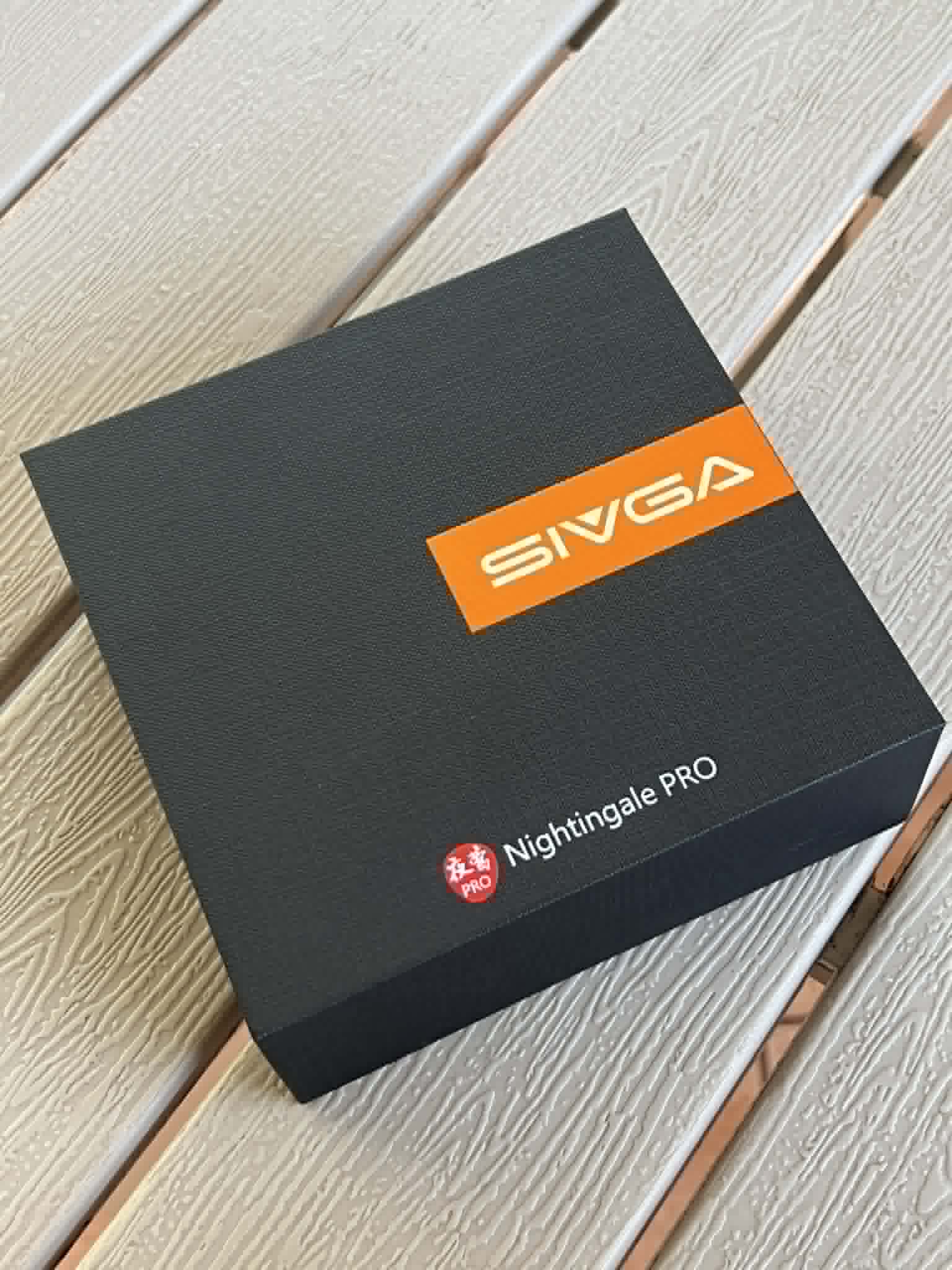
Whats in the box? checkout my quick unboxing video of the nightingale pro.
Build, Design, and Ergonomics
The first thing that really stands out with the Nightingale Pro is how deliberate the material choice feels. It’s not just thrown together to look premium. There’s a clear intention behind combining organic and industrial elements.
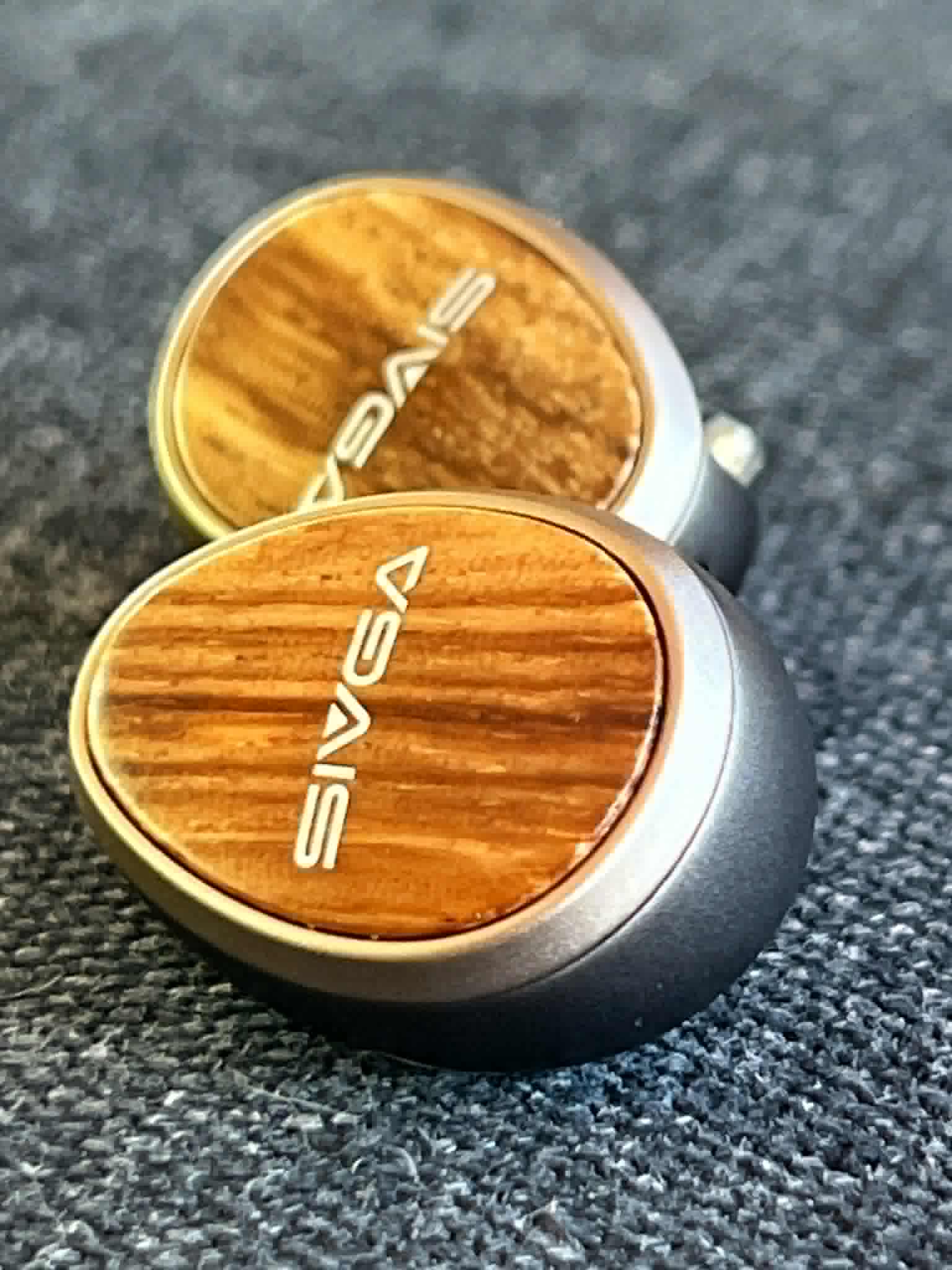
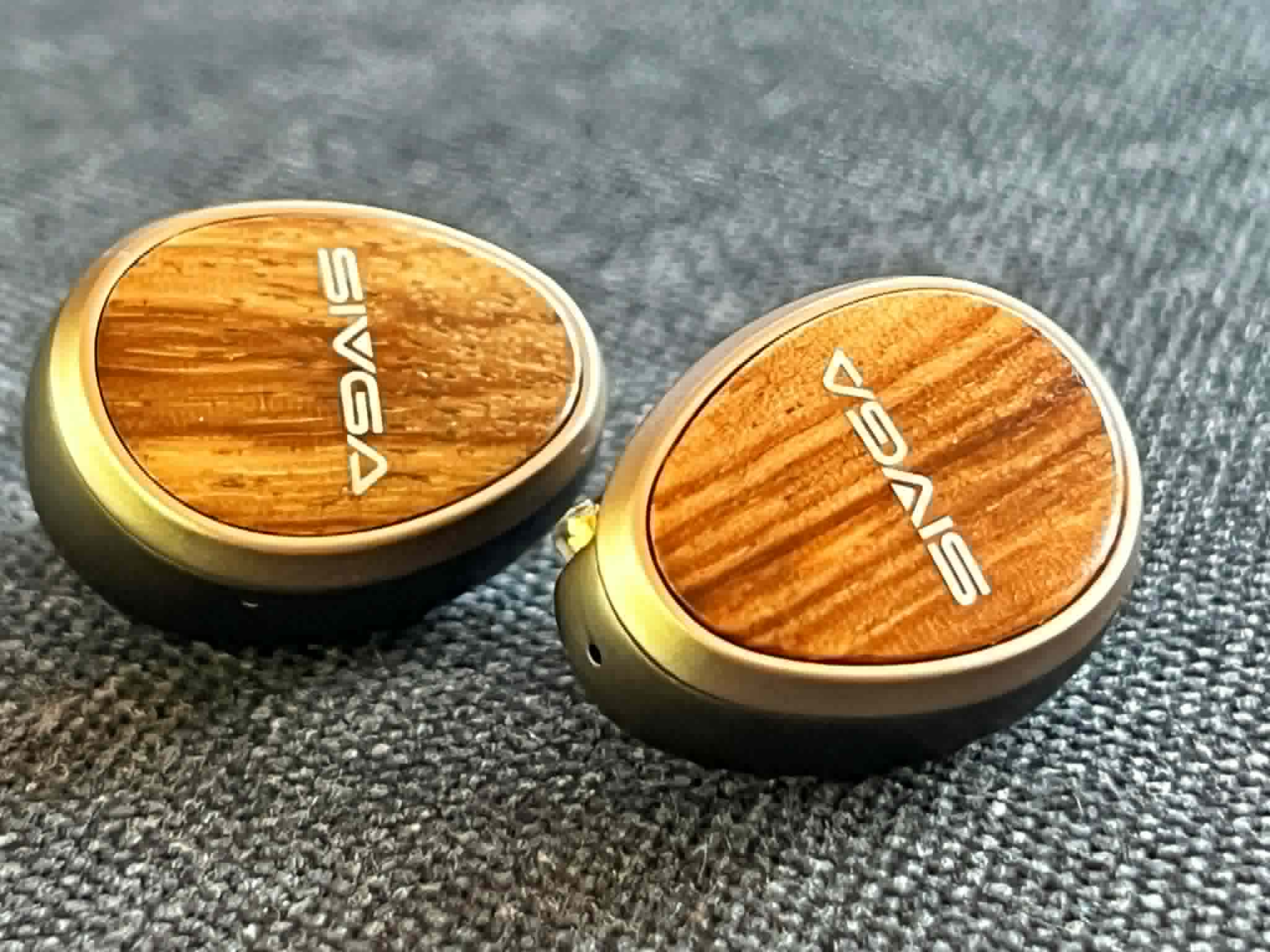
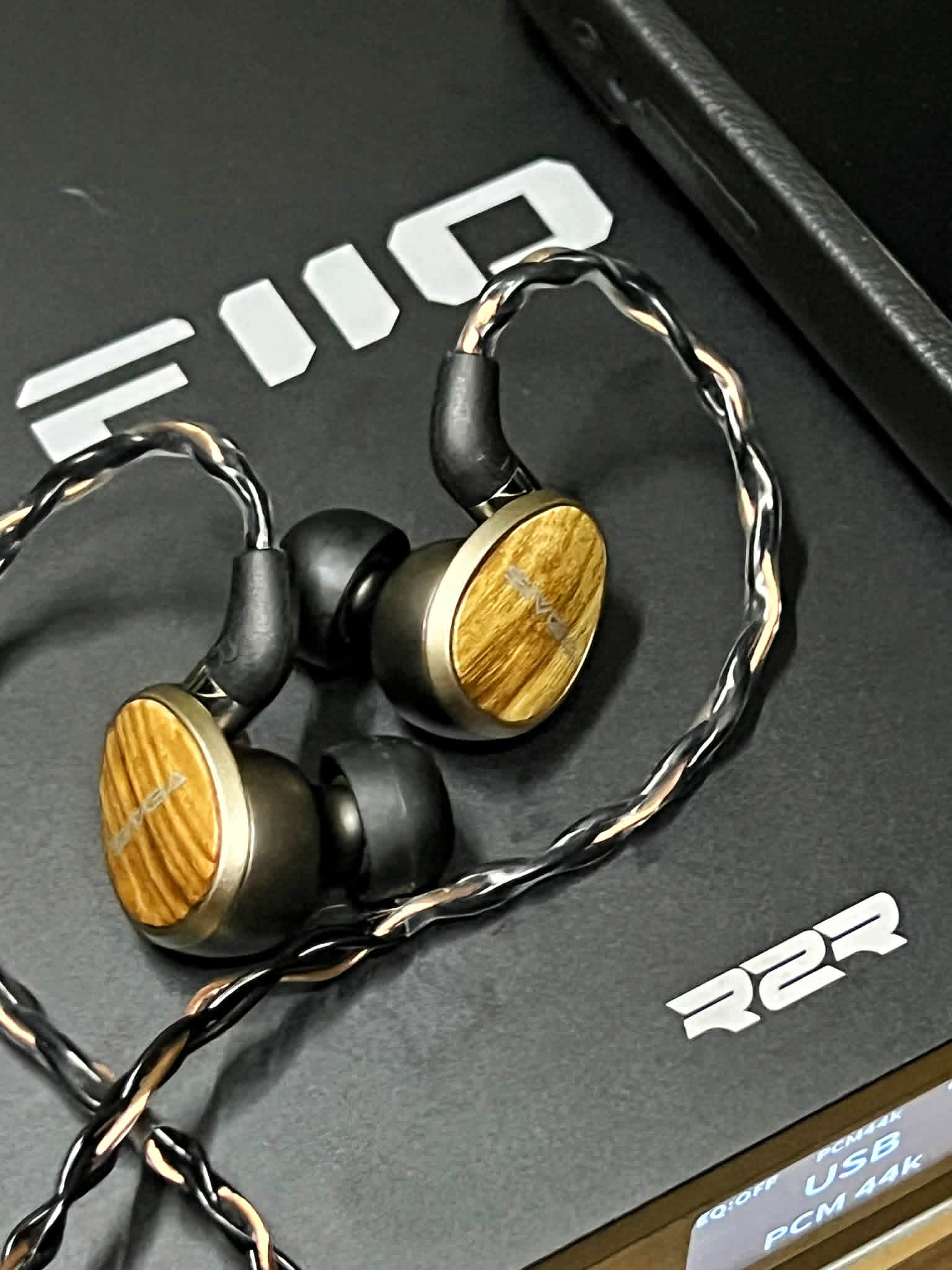
The zebrawood faceplate is the obvious visual hook, but it’s more than just decoration. Compared to a full metal shell, that wood layer subtly changes how the shell behaves in terms of resonance. Wood tends to damp higher frequency ringing a bit more naturally, which can help smooth out reflections before they bounce back into the chamber. You don’t hear it as a “colored” effect, but it contributes to that slightly more relaxed, natural presentation up top. And yeah, aesthetically, it gives each unit a bit of personality. No two grain patterns are exactly the same, which is a nice touch in a market full of identical metal shells.
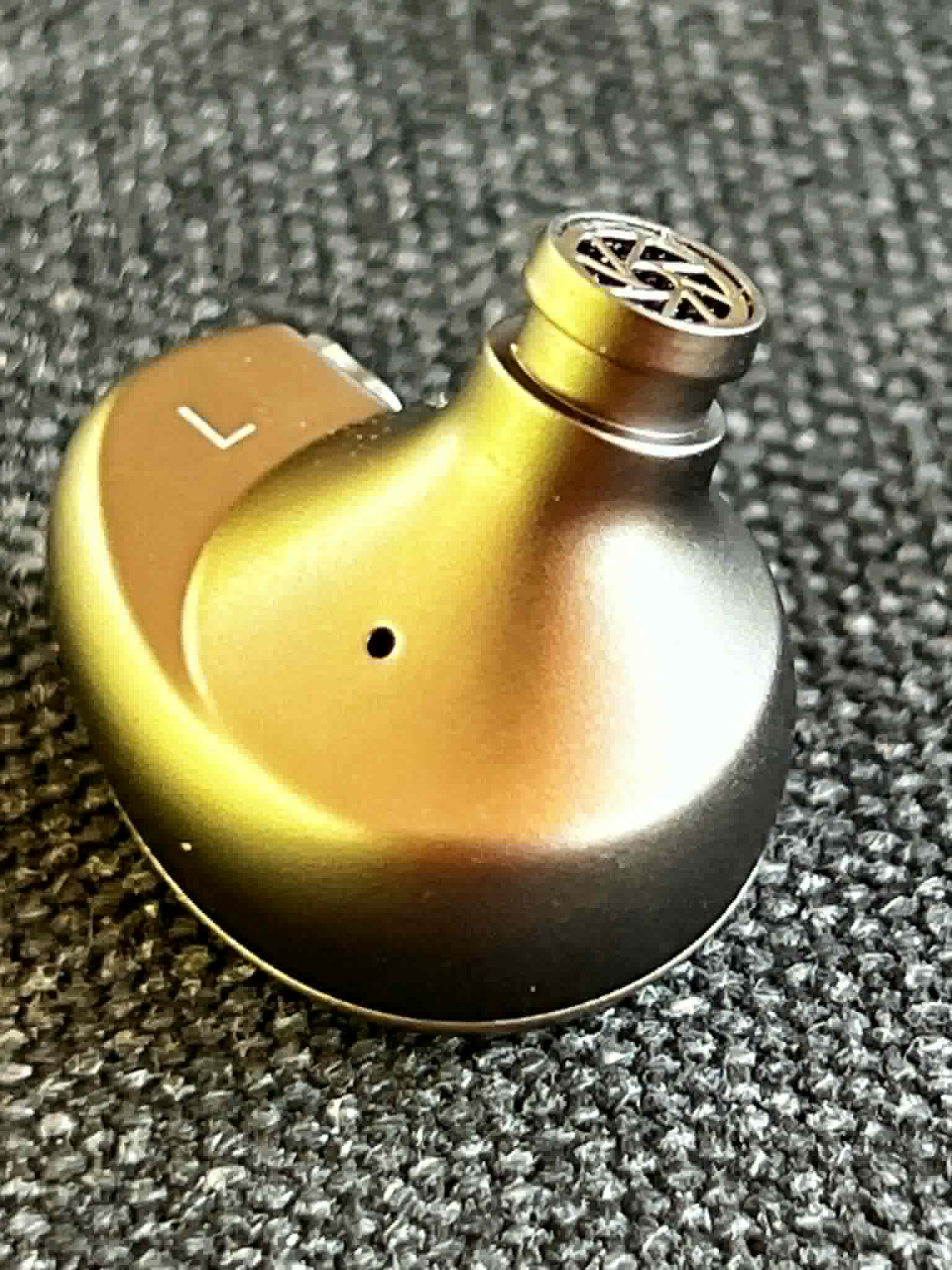
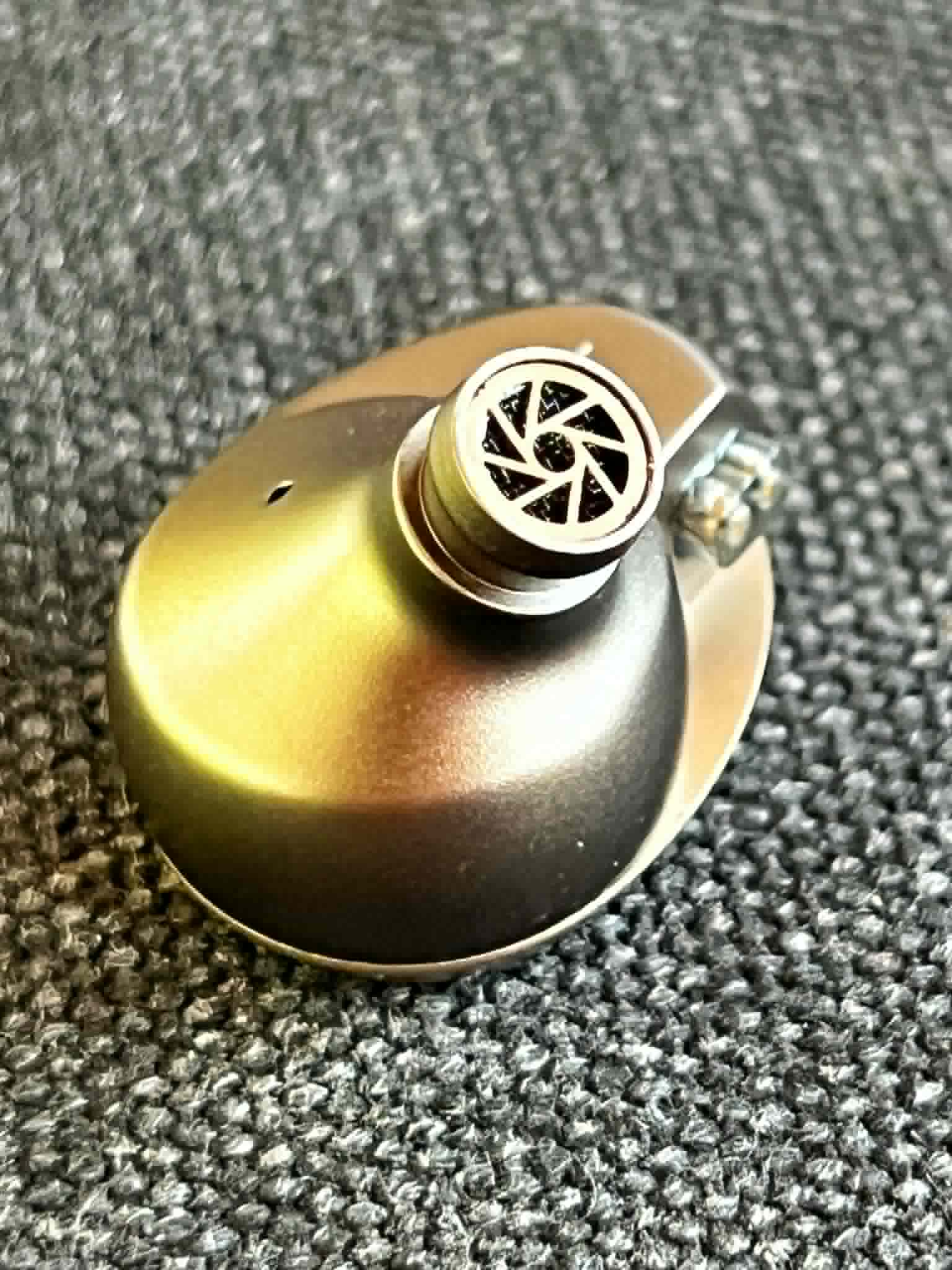
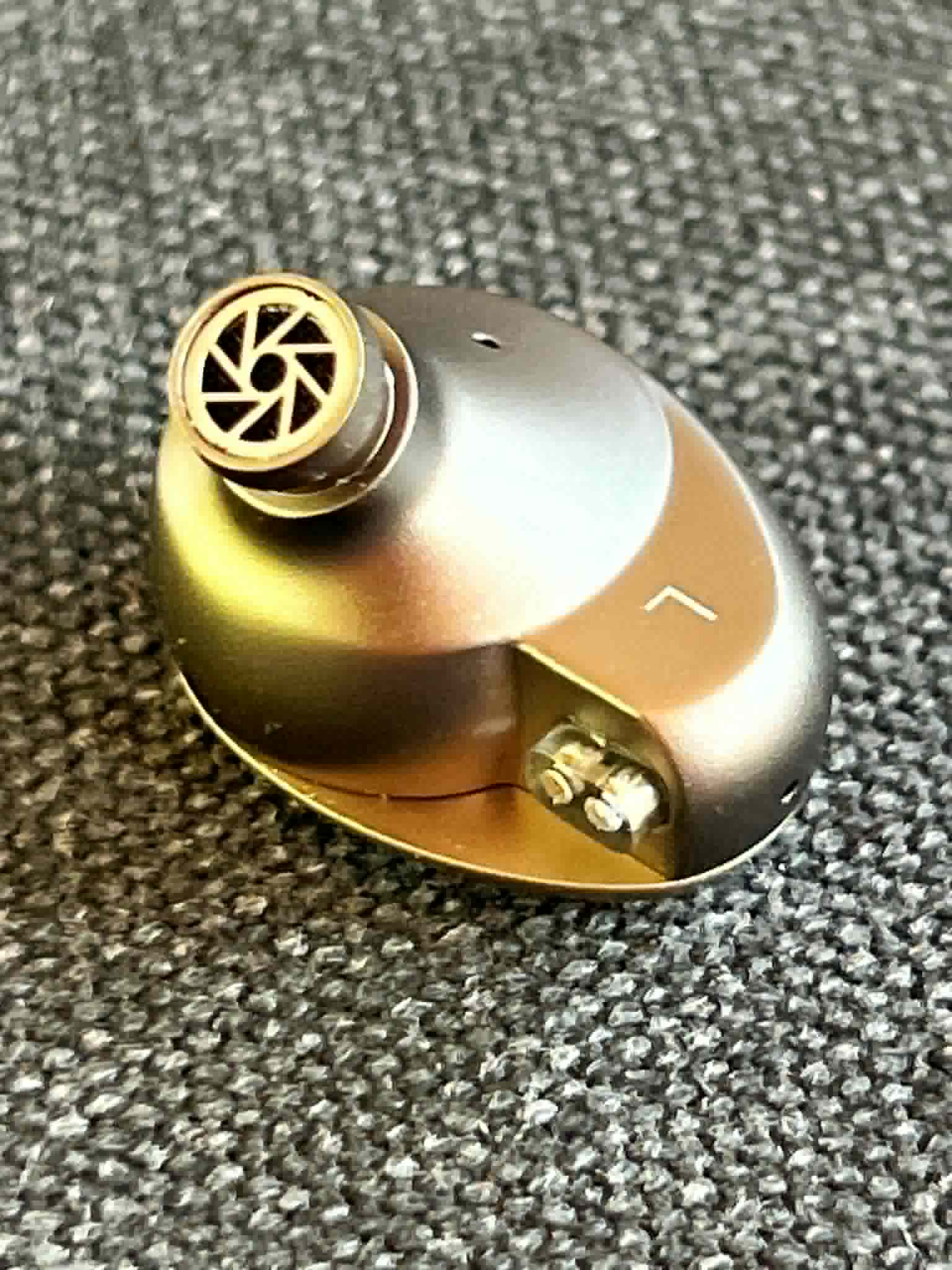
The main housing is a CNC-machined aluminum-magnesium alloy, and this part feels properly engineered. Aluminum keeps things rigid and lightweight, while magnesium helps with damping and reduces that hollow, metallic resonance you sometimes get with cheaper all-aluminum builds. The end result is a shell that feels dense and solid in hand, but not fatiguing when worn. There’s no unnecessary bulk here, especially considering it’s housing a fairly large planar driver.
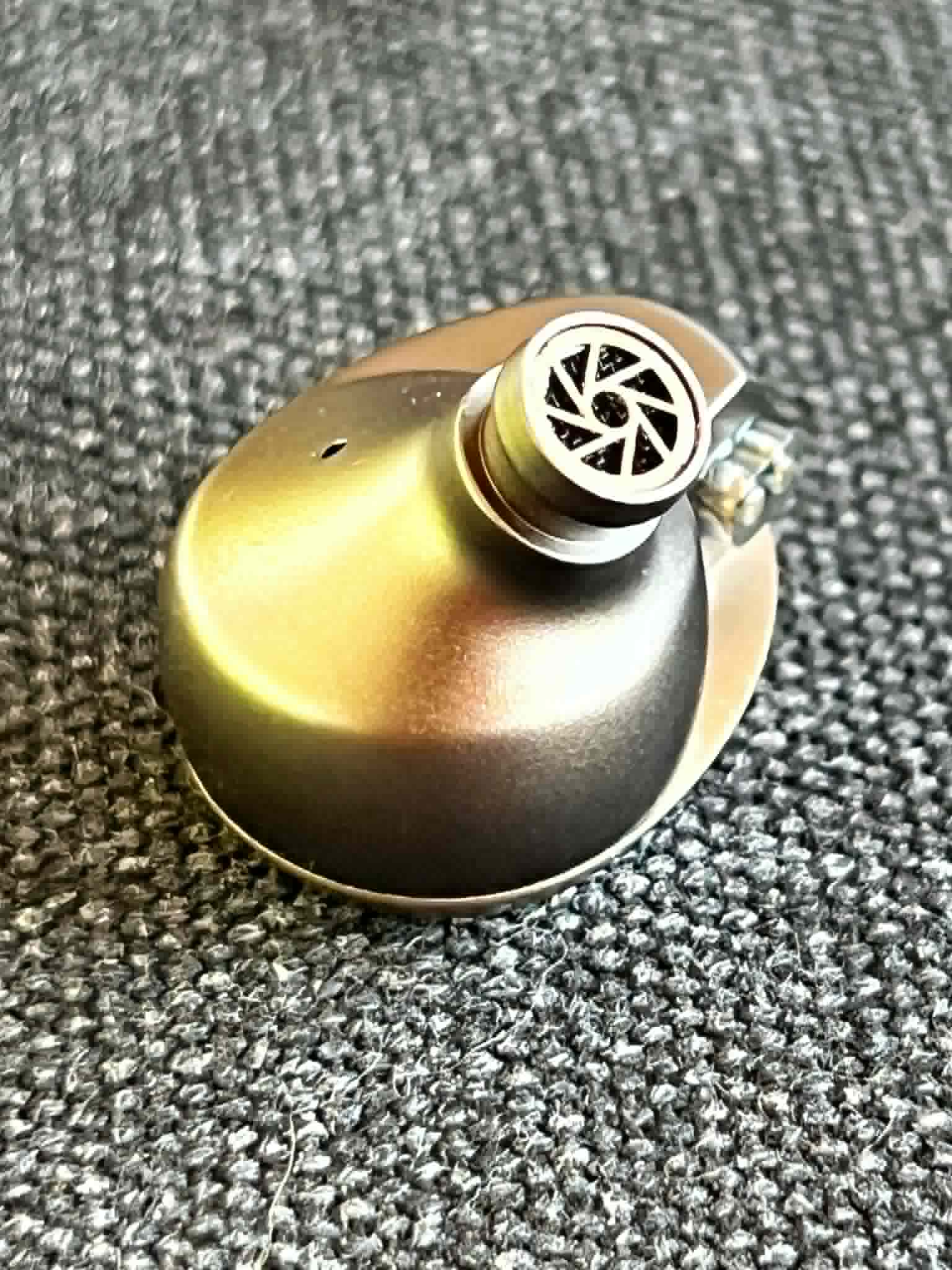
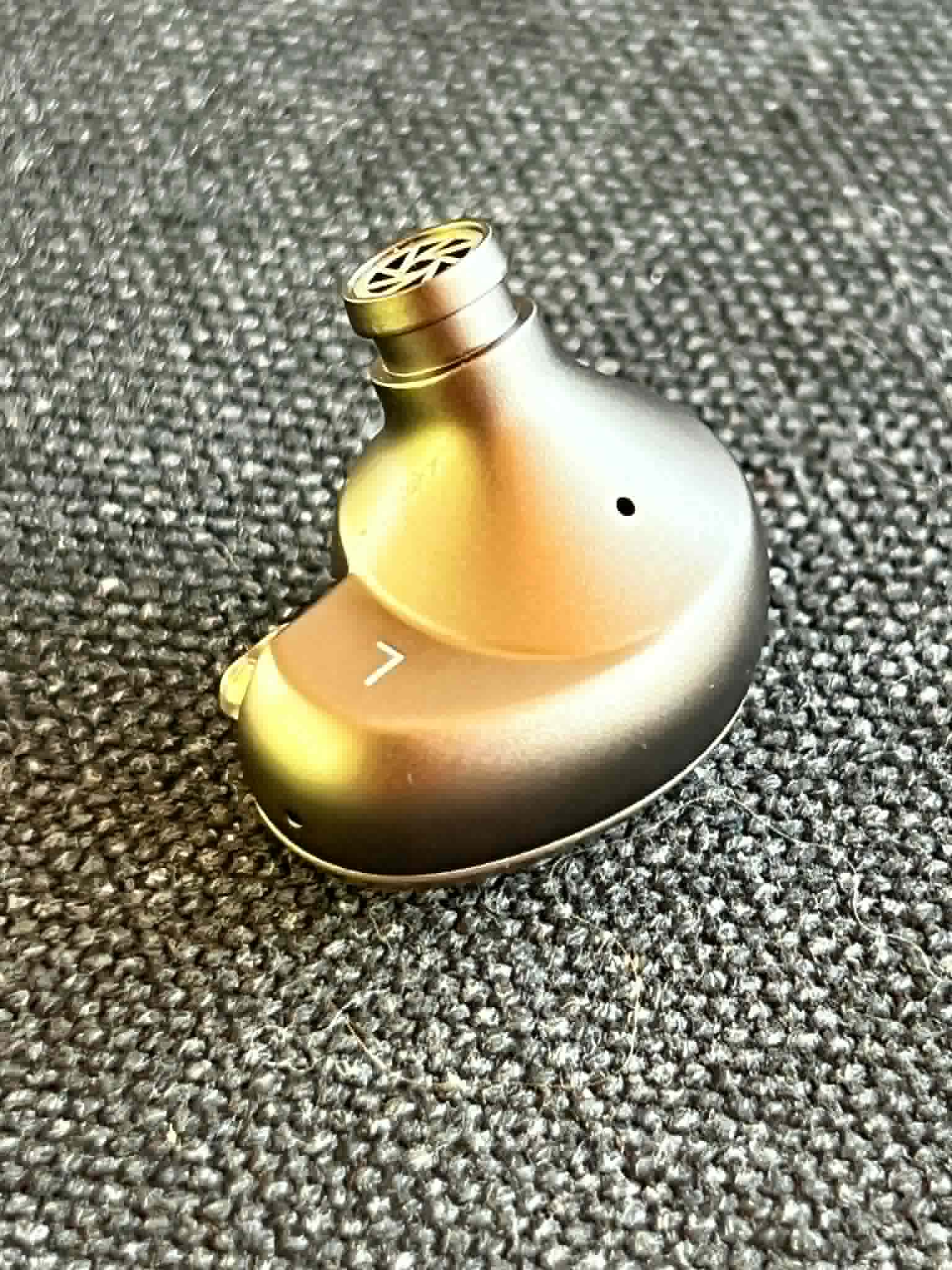
Ergonomically, this is where I think Sivga did a good job of keeping things practical. Planar IEMs can get awkward because of driver size, but the Nightingale Pro manages to sit quite naturally in the ear. The contour follows the ear well, and the nozzle angle feels spot on, so you’re not fighting for a proper seal. Weight distribution is handled nicely too. It doesn’t feel front-heavy, which is usually the issue with larger driver setups. I’ve had no problem running this for longer listening sessions without needing to readjust every few minutes.
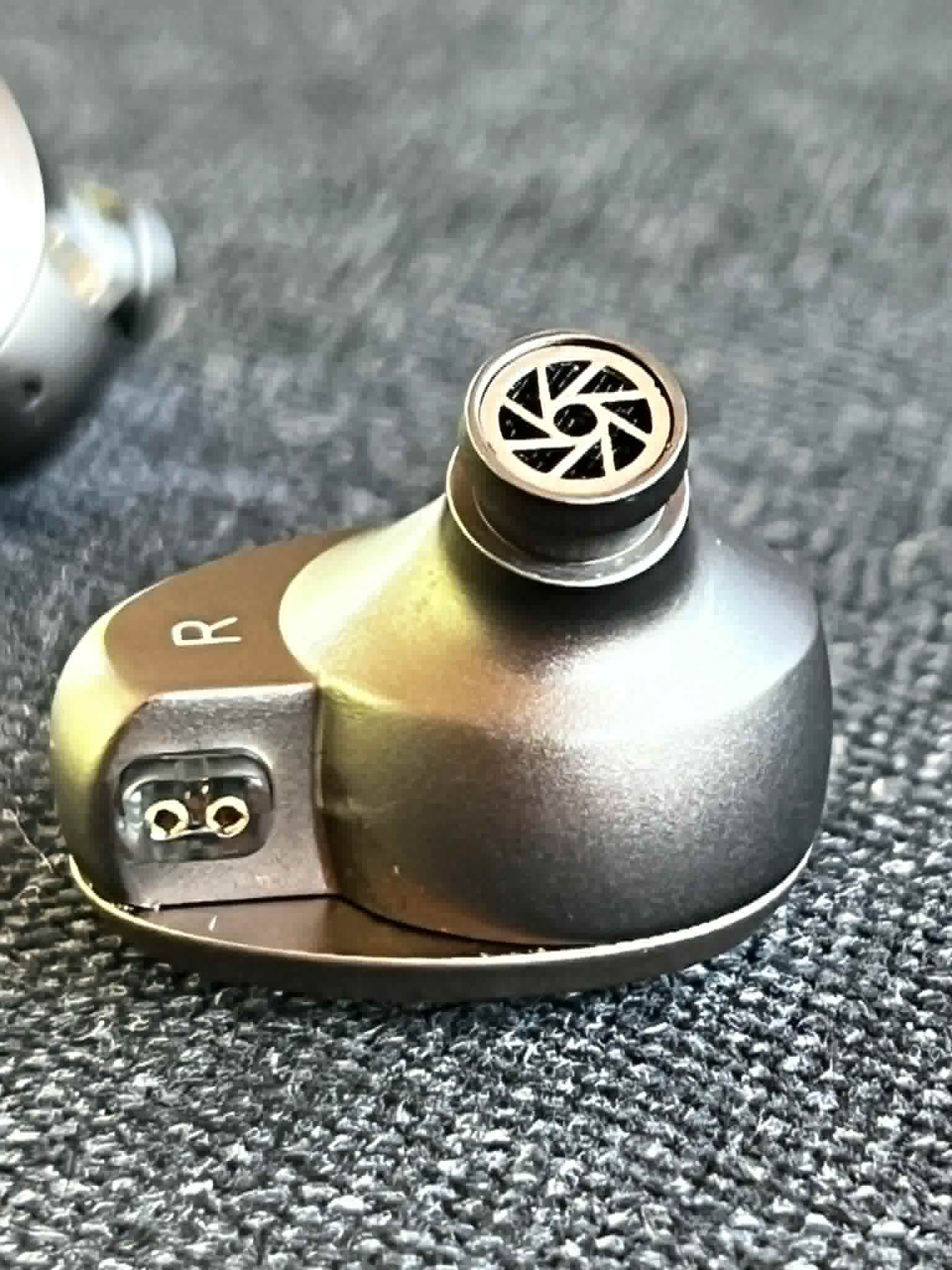
Isolation is about what you’d expect from a semi-vented planar design. It’s not going to block out the world like a deep-insertion BA set, but it’s more than usable for everyday listening. Enough to keep you focused on the music without completely cutting you off from your surroundings.
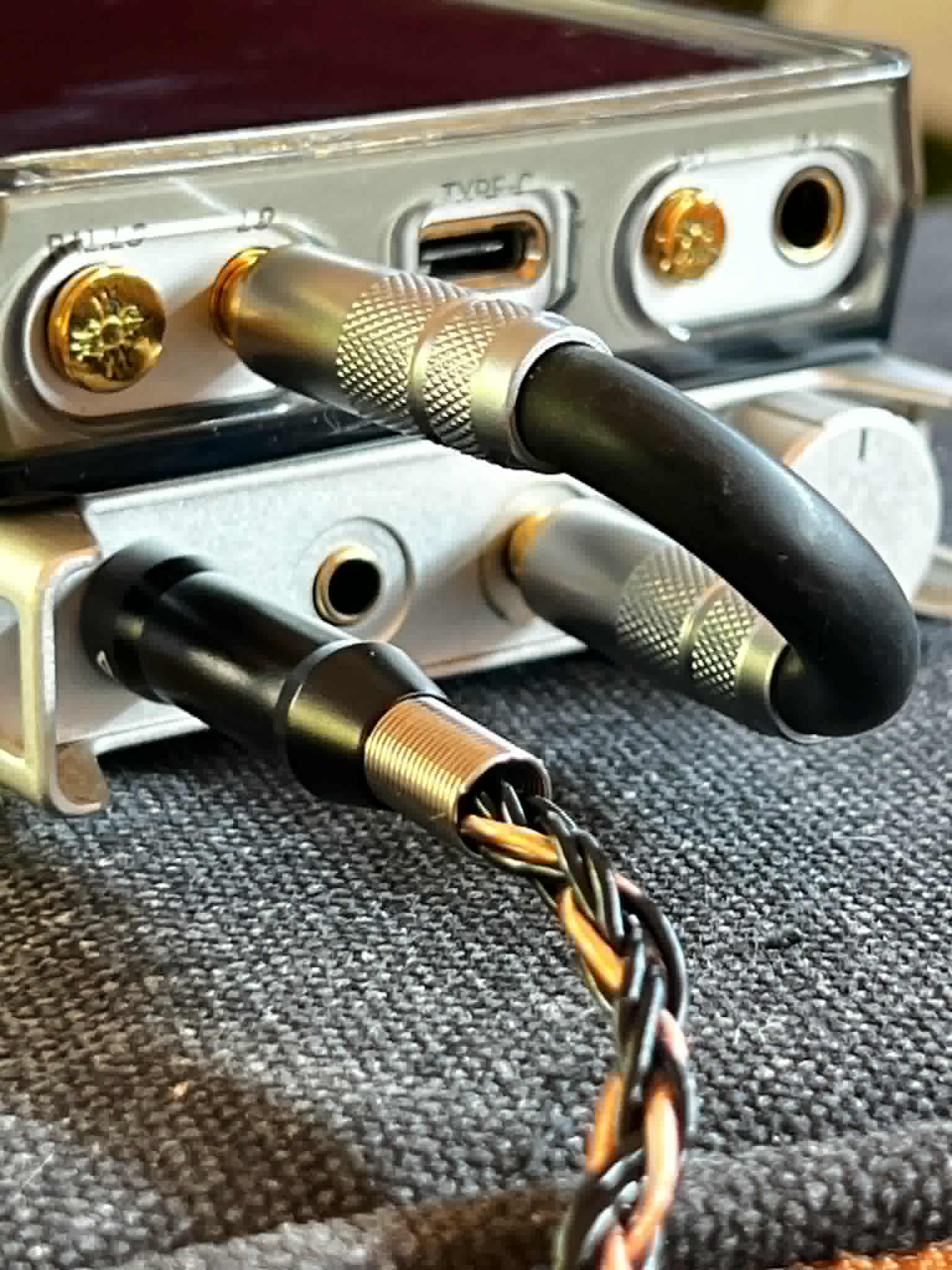
The included cable is an 8-core Litz configuration using a mix of single-crystal copper and silver-plated single-crystal copper. That combination tends to balance things out nicely. Copper keeps the body and weight in the sound, while the silver plating adds a bit of edge definition and perceived clarity.

In use, the cable is soft, flexible, and behaves well. No annoying memory, minimal microphonics, and it doesn’t tangle easily.
The build and ergonomics feel well thought out from both a design and acoustic standpoint. It’s not just about looking premium. Everything here, from the materials to the shell geometry to the cable choice, feels like it’s working toward a cohesive goal.
Driver Configuration and Technical Design
At the heart of the Nightingale Pro is a 14.5 mm planar magnetic driver, and this isn’t just about going big for the sake of it. The size gives the diaphragm more surface area to move air, which directly affects how effortlessly it handles low frequencies and overall dynamic range. But what really matters here is how that diaphragm is being controlled.
Sivga went with a multi-magnet array using high-efficiency neodymium magnets, and this is where things start to get interesting. Instead of relying on a simpler magnet structure, the multi-magnet layout creates a more evenly distributed magnetic field across the entire diaphragm surface. In practice, that means the diaphragm doesn’t just move, it moves more uniformly.
That uniformity is a big deal. It reduces localized stress points and minimizes distortion, especially during complex passages where multiple frequencies are hitting at once. You end up with cleaner note edges, more stable imaging, and better control over transients. It’s the kind of thing you don’t immediately notice as a “feature,” but you definitely hear it in how composed the sound stays when things get busy.
The diaphragm itself is extremely thin at 0.008 mm, which is right in line with what you’d expect from a modern high-performance planar. A thinner diaphragm means less mass, and less mass means it can start and stop faster. That’s where that signature planar speed comes from. Transients feel quick, but more importantly, they feel precise. There’s less overhang, less smearing between notes.
Paired with that is a 0.006 mm aluminum ribbon conductor. This is what carries the signal across the diaphragm, and keeping it this thin helps maintain that low-mass advantage while ensuring efficient current flow. The benefit here is better responsiveness at low signal levels, which translates to improved microdetail retrieval. Subtle textures, small dynamic shifts, and fine nuances in recordings come through more clearly without needing to artificially boost the upper frequencies.
What I like about how Sivga implemented this driver is that it doesn’t lean into that overly aggressive planar presentation. You still get the speed and resolution, but it’s controlled. There’s a sense of refinement in how notes are delivered. Attacks are clean, decays are natural, and nothing feels exaggerated.
The housing also plays a supporting role in all of this. The aluminum-magnesium shell isn’t just there for durability. Its rigidity helps reduce unwanted vibrations, while the material’s damping properties keep internal resonances in check. Combined with the internal acoustic design, it helps manage airflow behind the driver, which is critical for a planar setup.
That control over airflow is part of why the Nightingale Pro sounds as clean as it does. Even in dense tracks, where lesser designs can start to blur or compress, this one stays composed. Instruments remain separated, and the overall presentation doesn’t collapse under pressure.
Sound Impressions
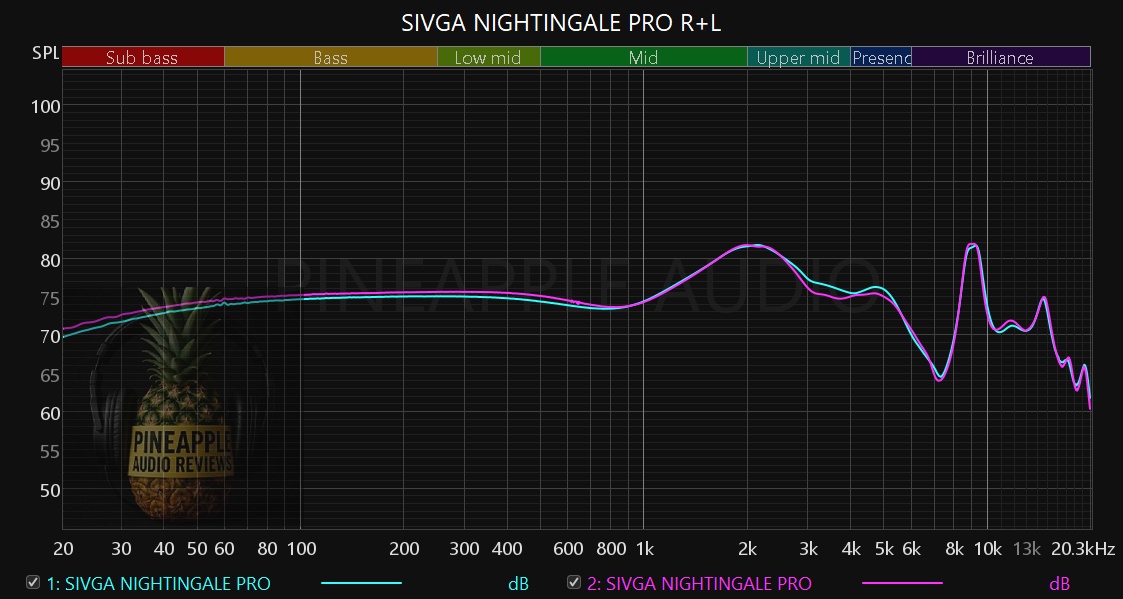
Tonality Overview
This is not your typical “planar wow” tuning. It doesn’t go for exaggerated detail or a hyper-analytical presentation. Instead, it leans toward a natural, slightly intimate, vocal-forward tuning with good balance across the spectrum.
Bass
The low end on the Nightingale Pro leans more toward control and accuracy than outright impact, and that’s very much in line with how a well-tuned planar should behave.
Subbass is handled with a steady hand. It extends low enough to give you that satisfying foundation, but it’s kept very clean and composed. When a track calls for rumble, it delivers, but it’s a tight, well-defined rumble, not the kind that spreads and lingers. There’s no bloom, no unnecessary lift. It comes in, does its job, and steps back without muddying the rest of the mix.
What stands out here is how “clean” the subbass feels. You’re not just hearing low frequencies, you’re hearing structure within them. There’s a clear sense of pitch and texture, especially on well-recorded tracks. That’s where the planar driver really shows its strength. The diaphragm moves with precision, so even deep bass notes don’t smear or collapse into each other.
There’s also a noticeable sense of restraint. It doesn’t try to dominate or grab your attention right away. Instead, it sits properly in the mix, supporting everything else rather than competing with it. For some listeners, especially those used to elevated low-end tunings, this might come across as a bit reserved at first. But spend more time with it, and you start to appreciate how intentional that tuning is.
Midbass follows the same philosophy. It’s present, but not overcooked. There’s enough punch to give kick drums and bass guitars some weight, but it avoids that thick, rounded slam you typically get from boosted dynamic driver setups. Instead, it focuses on speed and definition.
Attack is quick, and decay is even quicker. Notes don’t hang around longer than they should, which keeps the presentation tight and controlled. This also helps a lot with complex or fast-paced tracks where bass can easily turn into a blur on less controlled sets.
One of the strongest aspects here is the separation between subbass and midbass. They’re clearly defined as two distinct regions, which isn’t always the case even in higher-end sets. Subbass sits lower and provides depth, while midbass handles punch and rhythm. Because of that separation, bass lines remain articulate and easy to follow.
More importantly, there’s virtually no bleed into the midrange. Vocals and instruments stay clean, unaffected by the low end. That’s a big deal, especially for a set that already leans heavily into vocal performance.
Overall, the bass here is more about discipline than dominance. It doesn’t try to impress with sheer quantity, but it wins you over with control, layering, and texture. If you give it time, you start to realize it’s doing exactly what it’s supposed to do, nothing more, nothing less.
Midrange
This is really where the Nightingale Pro separates itself, and honestly, where it makes the strongest case for what it’s trying to do.
The midrange is clearly the focal point of the tuning, especially when it comes to vocals. They’re placed front and center, but not in that forced, overly forward way that some IEMs use to fake clarity. Instead, there’s a gradual, well-controlled rise through the upper mids that brings voices forward naturally. It doesn’t jump out at you, it just settles into a position that feels right.
There’s no shout, no glare, and no artificial edge. Even on tracks that are already a bit hot in the upper mids, the Nightingale Pro manages to keep things composed. That tells me the gain region is carefully tuned, likely with a smoother slope rather than a sharp peak, which helps maintain presence without introducing fatigue.
What really stands out, though, is the timbre.
There’s a certain rawness to how vocals are presented. Not in a rough or unrefined way, but in the sense that it doesn’t try to beautify everything. You’re hearing the texture of the voice, the small imperfections, the breath, the slight grain in a singer’s delivery. It doesn’t smooth those over or add extra warmth just to make things sound more “pleasant.”
Male vocals come through with solid body and weight. There’s enough lower midrange presence to give them that chesty foundation without sounding thick or congested. You can hear the resonance in deeper voices, and it doesn’t feel hollow or thinned out.
Female vocals, on the other hand, benefit from that upper midrange lift. They come across clear, open, and well-articulated, but still controlled. There’s energy there, enough to make them engaging and expressive, but it never crosses into sharpness or sibilance unless the recording itself is pushing it.
The overall presentation leans intimate, but not in a closed-in way. It feels more like the vocalist has taken a step closer to you, rather than the entire stage collapsing inward. There’s still space around the voice, still air in the mix, but the focus is very clearly on that central performance.
From a technical standpoint, the planar driver helps here with its speed and resolution. Microdetails in the midrange come through cleanly. Subtle vocal inflections, dynamic shifts, and layering between multiple vocal tracks are easy to pick apart without effort. It doesn’t feel analytical, but the information is all there.
Instruments in the midrange are handled just as well. Guitars have a nice, clean attack with enough bite to sound lively, but without turning sharp or metallic. You can hear the difference between electric and acoustic textures quite clearly.
Pianos sound especially natural. There’s a good balance between the weight of the lower keys and the clarity of the upper registers. Notes have a proper sense of body and decay, which helps them feel grounded rather than thin or artificial.
Overall, nothing in the midrange feels plasticky, hollow, or overly processed. It’s a very honest presentation. Clean, natural, and focused, with just enough warmth to keep things musical.
If you care about vocal timbre and that sense of realism in the midrange, this is where the Nightingale Pro really delivers.
Treble
The treble on the Nightingale Pro is handled with a lot of control, and that’s probably one of the reasons it comes across as easy to listen to even over long sessions.
Extension is solid. There’s enough reach into the upper treble to give the presentation air and openness, but it doesn’t feel like it’s pushing for exaggerated brilliance. You still get that sense of space and separation up top, just without the glare that some planar sets tend to introduce when they chase detail too aggressively.
What I immediately noticed is how clean the treble sounds. There’s no grain, no splashiness, and more importantly, none of that sharp, metallic edge that planar drivers can sometimes fall into if not tuned carefully. That usually happens when the upper mids and lower treble are overemphasized, but here, the transition feels smooth and well-managed.
The ultra-thin diaphragm plays a big role in this. Because it’s so light, it reacts very quickly to signal changes, which gives treble notes that fast, snappy attack. Transients are crisp, but they’re not forced. You get definition without harshness, which is not always easy to pull off with planar implementations.
Cymbals, for example, come through with a natural shimmer. You can hear the initial strike, the body of the hit, and the trailing decay without it turning splashy or overly bright. There’s enough energy to keep things engaging, but it stays controlled, even on tracks that are already treble-heavy.
There’s also a good sense of air in the upper registers. It doesn’t feel compressed or closed in. Instruments have space to breathe, and that helps with overall separation and layering. You can pick out subtle details like reverb tails and background textures without them getting lost or masked.
At the same time, it doesn’t overdo it. There’s no artificial lift just to create a sense of “detail.” It’s more of a natural extension rather than a boosted one. Because of that, it never feels fatiguing or sharp, even after extended listening.
If anything, the Nightingale Pro leans slightly on the smoother side of neutral in the treble. It gives you enough information to stay resolving and engaging, but it prioritizes listenability. That balance between detail and comfort is what makes it work so well, especially when paired with its vocal-focused midrange.

Technical Performance
The first thing that really stands out with the Nightingale Pro is how deliberate the material choice feels. It’s not just thrown together to look premium. There’s a clear intention behind combining organic and industrial elements.
The zebrawood faceplate is the obvious visual hook, but it’s more than just decoration. Compared to a full metal shell, that wood layer subtly changes how the shell behaves in terms of resonance. Wood tends to damp higher frequency ringing a bit more naturally, which can help smooth out reflections before they bounce back into the chamber. You don’t hear it as a “colored” effect, but it contributes to that slightly more relaxed, natural presentation up top. And yeah, aesthetically, it gives each unit a bit of personality. No two grain patterns are exactly the same, which is a nice touch in a market full of identical metal shells.
The main housing is a CNC-machined aluminum-magnesium alloy, and this part feels properly engineered. Aluminum keeps things rigid and lightweight, while magnesium helps with damping and reduces that hollow, metallic resonance you sometimes get with cheaper all-aluminum builds. The end result is a shell that feels dense and solid in hand, but not fatiguing when worn. There’s no unnecessary bulk here, especially considering it’s housing a fairly large planar driver.
Ergonomically, this is where I think Sivga did a good job of keeping things practical. Planar IEMs can get awkward because of driver size, but the Nightingale Pro manages to sit quite naturally in the ear. The contour follows the ear well, and the nozzle angle feels spot on, so you’re not fighting for a proper seal. Weight distribution is handled nicely too. It doesn’t feel front-heavy, which is usually the issue with larger driver setups. I’ve had no problem running this for longer listening sessions without needing to readjust every few minutes.
Isolation is about what you’d expect from a semi-vented planar design. It’s not going to block out the world like a deep-insertion BA set, but it’s more than usable for everyday listening. Enough to keep you focused on the music without completely cutting you off from your surroundings.
The included cable is an 8-core Litz configuration using a mix of single-crystal copper and silver-plated single-crystal copper. That combination tends to balance things out nicely. Copper keeps the body and weight in the sound, while the silver plating adds a bit of edge definition and perceived clarity.
In use, the cable is soft, flexible, and behaves well. No annoying memory, minimal microphonics, and it doesn’t tangle easily.
The build and ergonomics feel well thought out from both a design and acoustic standpoint. It’s not just about looking premium. Everything here, from the materials to the shell geometry to the cable choice, feels like it’s working toward a cohesive goal.
Driver Configuration and Technical Design
At the heart of the Nightingale Pro is a 14.5 mm planar magnetic driver, and this isn’t just about going big for the sake of it. The size gives the diaphragm more surface area to move air, which directly affects how effortlessly it handles low frequencies and overall dynamic range. But what really matters here is how that diaphragm is being controlled.
Sivga went with a multi-magnet array using high-efficiency neodymium magnets, and this is where things start to get interesting. Instead of relying on a simpler magnet structure, the multi-magnet layout creates a more evenly distributed magnetic field across the entire diaphragm surface. In practice, that means the diaphragm doesn’t just move, it moves more uniformly.
That uniformity is a big deal. It reduces localized stress points and minimizes distortion, especially during complex passages where multiple frequencies are hitting at once. You end up with cleaner note edges, more stable imaging, and better control over transients. It’s the kind of thing you don’t immediately notice as a “feature,” but you definitely hear it in how composed the sound stays when things get busy.
The diaphragm itself is extremely thin at 0.008 mm, which is right in line with what you’d expect from a modern high-performance planar. A thinner diaphragm means less mass, and less mass means it can start and stop faster. That’s where that signature planar speed comes from. Transients feel quick, but more importantly, they feel precise. There’s less overhang, less smearing between notes.
Paired with that is a 0.006 mm aluminum ribbon conductor. This is what carries the signal across the diaphragm, and keeping it this thin helps maintain that low-mass advantage while ensuring efficient current flow. The benefit here is better responsiveness at low signal levels, which translates to improved microdetail retrieval. Subtle textures, small dynamic shifts, and fine nuances in recordings come through more clearly without needing to artificially boost the upper frequencies.
What I like about how Sivga implemented this driver is that it doesn’t lean into that overly aggressive planar presentation. You still get the speed and resolution, but it’s controlled. There’s a sense of refinement in how notes are delivered. Attacks are clean, decays are natural, and nothing feels exaggerated.
The housing also plays a supporting role in all of this. The aluminum-magnesium shell isn’t just there for durability. Its rigidity helps reduce unwanted vibrations, while the material’s damping properties keep internal resonances in check. Combined with the internal acoustic design, it helps manage airflow behind the driver, which is critical for a planar setup.
That control over airflow is part of why the Nightingale Pro sounds as clean as it does. Even in dense tracks, where lesser designs can start to blur or compress, this one stays composed. Instruments remain separated, and the overall presentation doesn’t collapse under pressure.
Sound Impressions
Tonality Overview
This is not your typical “planar wow” tuning. It doesn’t go for exaggerated detail or a hyper-analytical presentation. Instead, it leans toward a natural, slightly intimate, vocal-forward tuning with good balance across the spectrum.
Bass
The low end on the Nightingale Pro leans more toward control and accuracy than outright impact, and that’s very much in line with how a well-tuned planar should behave.
Subbass is handled with a steady hand. It extends low enough to give you that satisfying foundation, but it’s kept very clean and composed. When a track calls for rumble, it delivers, but it’s a tight, well-defined rumble, not the kind that spreads and lingers. There’s no bloom, no unnecessary lift. It comes in, does its job, and steps back without muddying the rest of the mix.
What stands out here is how “clean” the subbass feels. You’re not just hearing low frequencies, you’re hearing structure within them. There’s a clear sense of pitch and texture, especially on well-recorded tracks. That’s where the planar driver really shows its strength. The diaphragm moves with precision, so even deep bass notes don’t smear or collapse into each other.
There’s also a noticeable sense of restraint. It doesn’t try to dominate or grab your attention right away. Instead, it sits properly in the mix, supporting everything else rather than competing with it. For some listeners, especially those used to elevated low-end tunings, this might come across as a bit reserved at first. But spend more time with it, and you start to appreciate how intentional that tuning is.
Midbass follows the same philosophy. It’s present, but not overcooked. There’s enough punch to give kick drums and bass guitars some weight, but it avoids that thick, rounded slam you typically get from boosted dynamic driver setups. Instead, it focuses on speed and definition.
Attack is quick, and decay is even quicker. Notes don’t hang around longer than they should, which keeps the presentation tight and controlled. This also helps a lot with complex or fast-paced tracks where bass can easily turn into a blur on less controlled sets.
One of the strongest aspects here is the separation between subbass and midbass. They’re clearly defined as two distinct regions, which isn’t always the case even in higher-end sets. Subbass sits lower and provides depth, while midbass handles punch and rhythm. Because of that separation, bass lines remain articulate and easy to follow.
More importantly, there’s virtually no bleed into the midrange. Vocals and instruments stay clean, unaffected by the low end. That’s a big deal, especially for a set that already leans heavily into vocal performance.
Overall, the bass here is more about discipline than dominance. It doesn’t try to impress with sheer quantity, but it wins you over with control, layering, and texture. If you give it time, you start to realize it’s doing exactly what it’s supposed to do, nothing more, nothing less.
Midrange
This is really where the Nightingale Pro separates itself, and honestly, where it makes the strongest case for what it’s trying to do.
The midrange is clearly the focal point of the tuning, especially when it comes to vocals. They’re placed front and center, but not in that forced, overly forward way that some IEMs use to fake clarity. Instead, there’s a gradual, well-controlled rise through the upper mids that brings voices forward naturally. It doesn’t jump out at you, it just settles into a position that feels right.
There’s no shout, no glare, and no artificial edge. Even on tracks that are already a bit hot in the upper mids, the Nightingale Pro manages to keep things composed. That tells me the gain region is carefully tuned, likely with a smoother slope rather than a sharp peak, which helps maintain presence without introducing fatigue.
What really stands out, though, is the timbre.
There’s a certain rawness to how vocals are presented. Not in a rough or unrefined way, but in the sense that it doesn’t try to beautify everything. You’re hearing the texture of the voice, the small imperfections, the breath, the slight grain in a singer’s delivery. It doesn’t smooth those over or add extra warmth just to make things sound more “pleasant.”
Male vocals come through with solid body and weight. There’s enough lower midrange presence to give them that chesty foundation without sounding thick or congested. You can hear the resonance in deeper voices, and it doesn’t feel hollow or thinned out.
Female vocals, on the other hand, benefit from that upper midrange lift. They come across clear, open, and well-articulated, but still controlled. There’s energy there, enough to make them engaging and expressive, but it never crosses into sharpness or sibilance unless the recording itself is pushing it.
The overall presentation leans intimate, but not in a closed-in way. It feels more like the vocalist has taken a step closer to you, rather than the entire stage collapsing inward. There’s still space around the voice, still air in the mix, but the focus is very clearly on that central performance.
From a technical standpoint, the planar driver helps here with its speed and resolution. Microdetails in the midrange come through cleanly. Subtle vocal inflections, dynamic shifts, and layering between multiple vocal tracks are easy to pick apart without effort. It doesn’t feel analytical, but the information is all there.
Instruments in the midrange are handled just as well. Guitars have a nice, clean attack with enough bite to sound lively, but without turning sharp or metallic. You can hear the difference between electric and acoustic textures quite clearly.
Pianos sound especially natural. There’s a good balance between the weight of the lower keys and the clarity of the upper registers. Notes have a proper sense of body and decay, which helps them feel grounded rather than thin or artificial.
Overall, nothing in the midrange feels plasticky, hollow, or overly processed. It’s a very honest presentation. Clean, natural, and focused, with just enough warmth to keep things musical.
If you care about vocal timbre and that sense of realism in the midrange, this is where the Nightingale Pro really delivers.
Treble
The treble on the Nightingale Pro is handled with a lot of control, and that’s probably one of the reasons it comes across as easy to listen to even over long sessions.
Extension is solid. There’s enough reach into the upper treble to give the presentation air and openness, but it doesn’t feel like it’s pushing for exaggerated brilliance. You still get that sense of space and separation up top, just without the glare that some planar sets tend to introduce when they chase detail too aggressively.
What I immediately noticed is how clean the treble sounds. There’s no grain, no splashiness, and more importantly, none of that sharp, metallic edge that planar drivers can sometimes fall into if not tuned carefully. That usually happens when the upper mids and lower treble are overemphasized, but here, the transition feels smooth and well-managed.
The ultra-thin diaphragm plays a big role in this. Because it’s so light, it reacts very quickly to signal changes, which gives treble notes that fast, snappy attack. Transients are crisp, but they’re not forced. You get definition without harshness, which is not always easy to pull off with planar implementations.
Cymbals, for example, come through with a natural shimmer. You can hear the initial strike, the body of the hit, and the trailing decay without it turning splashy or overly bright. There’s enough energy to keep things engaging, but it stays controlled, even on tracks that are already treble-heavy.
There’s also a good sense of air in the upper registers. It doesn’t feel compressed or closed in. Instruments have space to breathe, and that helps with overall separation and layering. You can pick out subtle details like reverb tails and background textures without them getting lost or masked.
At the same time, it doesn’t overdo it. There’s no artificial lift just to create a sense of “detail.” It’s more of a natural extension rather than a boosted one. Because of that, it never feels fatiguing or sharp, even after extended listening.
If anything, the Nightingale Pro leans slightly on the smoother side of neutral in the treble. It gives you enough information to stay resolving and engaging, but it prioritizes listenability. That balance between detail and comfort is what makes it work so well, especially when paired with its vocal-focused midrange.
Technical Performance
This is where the planar foundation really shows, but what I like is how it’s being used. It’s not just fast for the sake of being fast.
Transient response is one of the stronger aspects here. The Nightingale Pro reacts quickly to changes in the signal, so notes have a very defined start and stop. Attacks are clean, decays are properly managed, and there’s very little overhang. On busy tracks, especially ones with layered percussion or fast passages, everything stays organized. You don’t get that smearing or blending of notes that can make complex mixes feel messy. Instead, each element holds its shape, which gives the whole presentation a sense of structure and control.
That speed also helps with microdynamics. Small shifts in volume and intensity come through clearly, so the music feels more expressive rather than flat or compressed.
Imaging is another area where it performs really well. Placement is precise without feeling artificial. Instruments and vocals lock into position naturally, and you can easily track where things are coming from in the mix. Left to right transitions are smooth and accurate, and there’s a convincing sense of layering from front to back. It doesn’t just spread things wide, it gives them proper spacing and depth.
Soundstage is well-proportioned. It’s not trying to create an exaggerated, out-of-head experience, but it still feels open and spacious. There’s a good balance between width and depth, so the stage has a natural shape rather than feeling stretched in one direction. More importantly, it maintains that space even when the mix gets dense. Instruments don’t collapse into each other, and there’s enough air between them to keep everything separated.
That sense of air plays a big role in how resolving the set feels. It gives room for details to exist without being masked.
Resolution and detail retrieval are strong for this price range. It’s not a hyper-analytical presentation where detail is pushed forward aggressively. Instead, it takes a more natural approach. The information is there, but it’s presented in a way that doesn’t feel forced.
You can pick up subtle textures in vocals, background elements, and small nuances in recordings without having to focus too hard, but at the same time, it doesn’t throw everything at you all at once. It’s the kind of detail that reveals itself the longer you listen, rather than trying to impress you in the first few seconds.

Overall Thoughts
The Nightingale Pro comes across as a planar that’s been tuned with long-term listening in mind rather than instant impact. It doesn’t try to grab you in the first few minutes with boosted extremes or exaggerated detail. Instead, it settles into a presentation that feels balanced, controlled, and easy to stay with for hours.
What really defines this set is how it handles vocals. There’s a level of honesty here that you don’t usually associate with planar IEMs. It doesn’t add gloss, it doesn’t smooth things over, and it doesn’t rely on upper-mid emphasis to fake clarity. Voices come through with a natural tone, proper weight, and a sense of presence that feels intimate without being forced. It’s the kind of presentation where you start paying attention to phrasing, breath, and texture rather than just volume or position in the mix.
From a tuning standpoint, everything feels deliberate. The bass is disciplined and well-controlled, prioritizing texture and separation over sheer impact. The midrange is clearly the focus, delivering that vocal-forward presentation without crossing into shouty territory. Treble is clean and extended, giving you enough air and detail to keep things engaging, but without introducing fatigue.
Technically, it holds its ground. You’re getting the speed and precision you’d expect from a planar driver, along with solid imaging, good spatial definition, and a level of resolution that reveals detail without overemphasizing it. More importantly, all of that technical ability is integrated into a presentation that still feels cohesive and musical. It doesn’t sound like a collection of strengths, it sounds like a complete tuning.
What I appreciate most is that it doesn’t try to be everything at once. It knows what it wants to do, and it sticks to that. If you’re after heavy bass or an aggressively analytical signature, this probably isn’t the one. But if your library leans toward vocals, acoustic recordings, or anything where timbre and realism matter, the Nightingale Pro makes a very strong case.
Right now, it sits comfortably as one of the more convincing vocal-focused planar IEMs I’ve spent time with. Not because it tries to impress, but because it consistently gets the fundamentals right, and that’s what keeps you coming back.
Comments
Post a Comment