FiiO EH11: Simple, Smart, Musical
* Warm, musical tuning that makes most genres enjoyable and easy to listen to
* Impressive bass performance for an on-ear design, with good punch and satisfying depth
* Lightweight and very comfortable at around 93g, great for long listening sessions
* Innovative rotating faceplate controls that feel intuitive and easy to use
* LDAC support for higher-quality Bluetooth streaming
* Semi-open acoustic design helps create a more airy presentation than typical closed on-ears
* Long battery life of around 30 hours
* Customizable sound options via the FiiO Control
* Detachable and swappable ear pads for easy maintenance and personalization
Cons: .
* Treble has a slight roll-off, which limits the sense of sparkle and micro-detail
* On-ear fit means isolation is limited compared to full over-ear designs
* Soundstage is moderately wide but not expansive
* Relaxed midrange presentation may feel a bit laid-back for listeners who prefer more forward vocals
* Treble has a slight roll-off, which limits the sense of sparkle and micro-detail
* On-ear fit means isolation is limited compared to full over-ear designs
* Soundstage is moderately wide but not expansive
* Relaxed midrange presentation may feel a bit laid-back for listeners who prefer more forward vocals
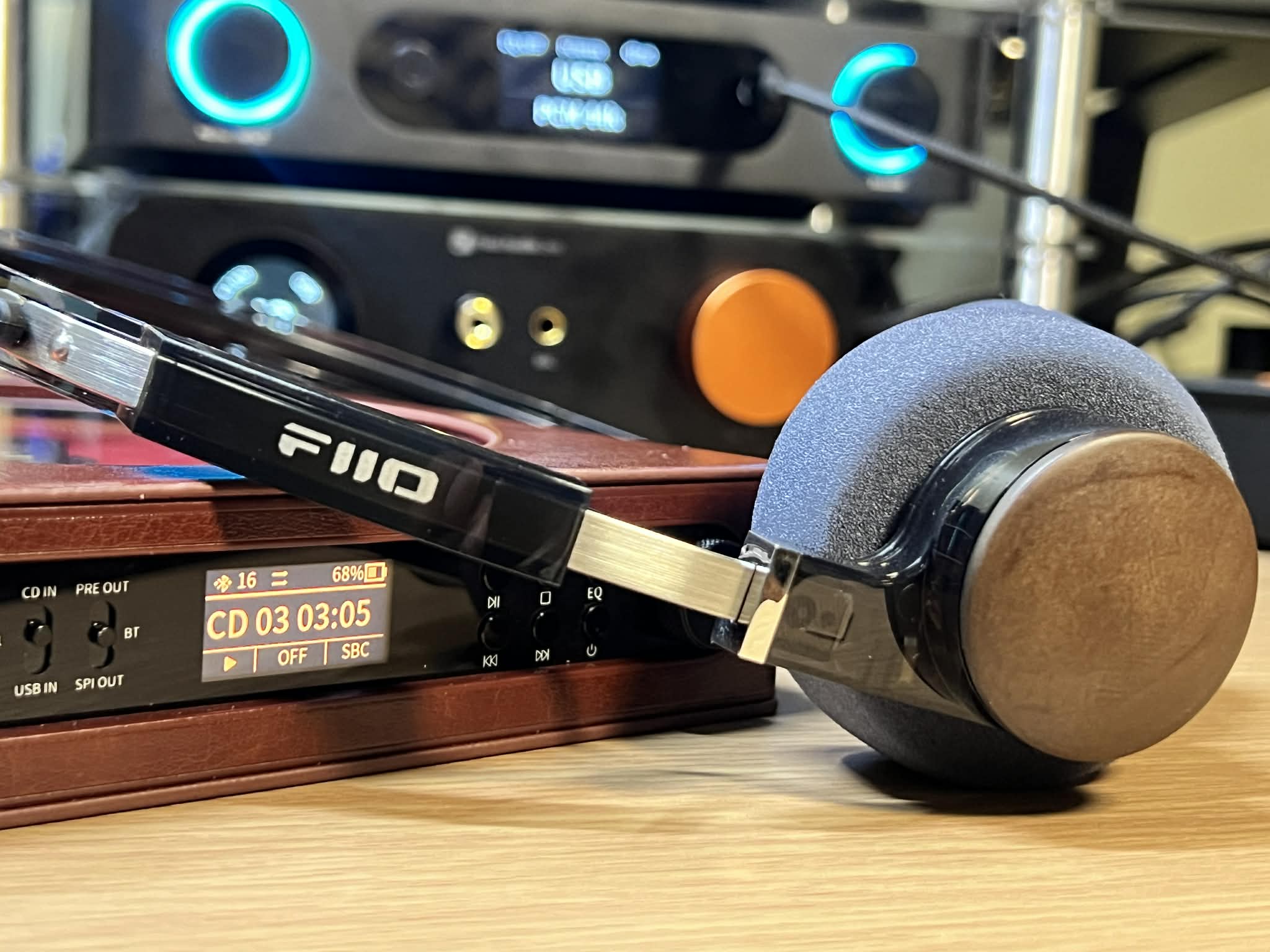
FiiO has been on a roll the past few years. From DAC/amps to IEMs and even portable CD players, they’ve been filling almost every corner of the personal audio space. Wireless headphones are a crowded category though, and it takes more than just good specs to stand out. The EH11 is FiiO’s take on an affordable, lightweight Bluetooth headphone that focuses less on chasing a “reference” sound and more on delivering something fun, musical, and easy to live with every day.
On paper, the EH11 already looks interesting. It uses a 40 mm long-throw dynamic driver paired with a high-damping composite diaphragm, supports LDAC for high-resolution wireless streaming, and weighs only about 93 grams. Add a semi-open acoustic structure and some genuinely clever control design, and this little headphone starts to look more thought out than its price might suggest.
After spending some proper listening time with it, what surprised me most isn’t just the sound. It’s how naturally the whole experience comes together.
What in the box? checkout my short unboxing video of the EH11.
Build, Design, and Ergonomics
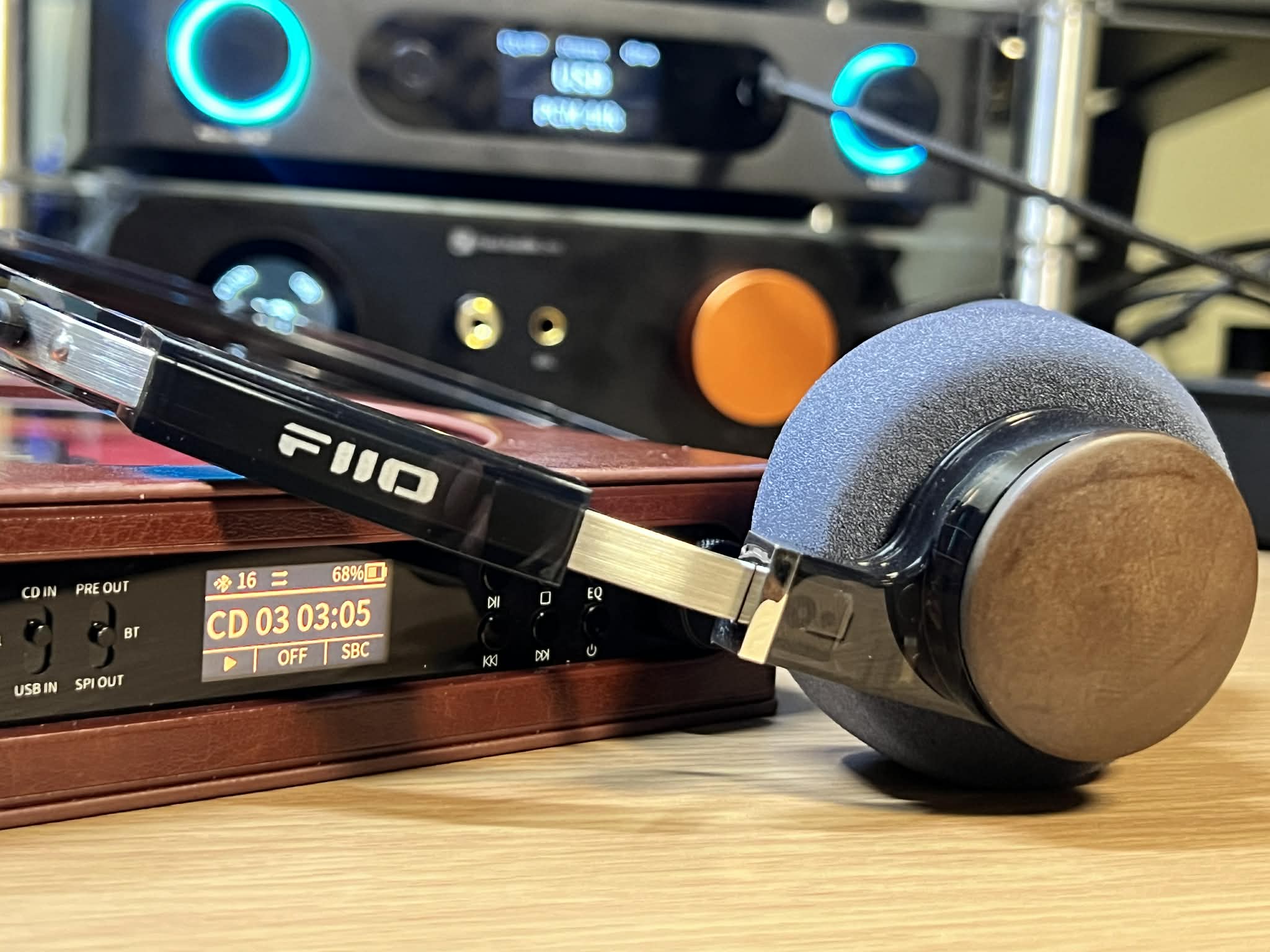
Its clear that FiiO didn’t want this to look like just another generic wireless headphone. In a market where most budget models stick to simple matte plastic shells, the EH11 takes a more playful and visually interesting route.
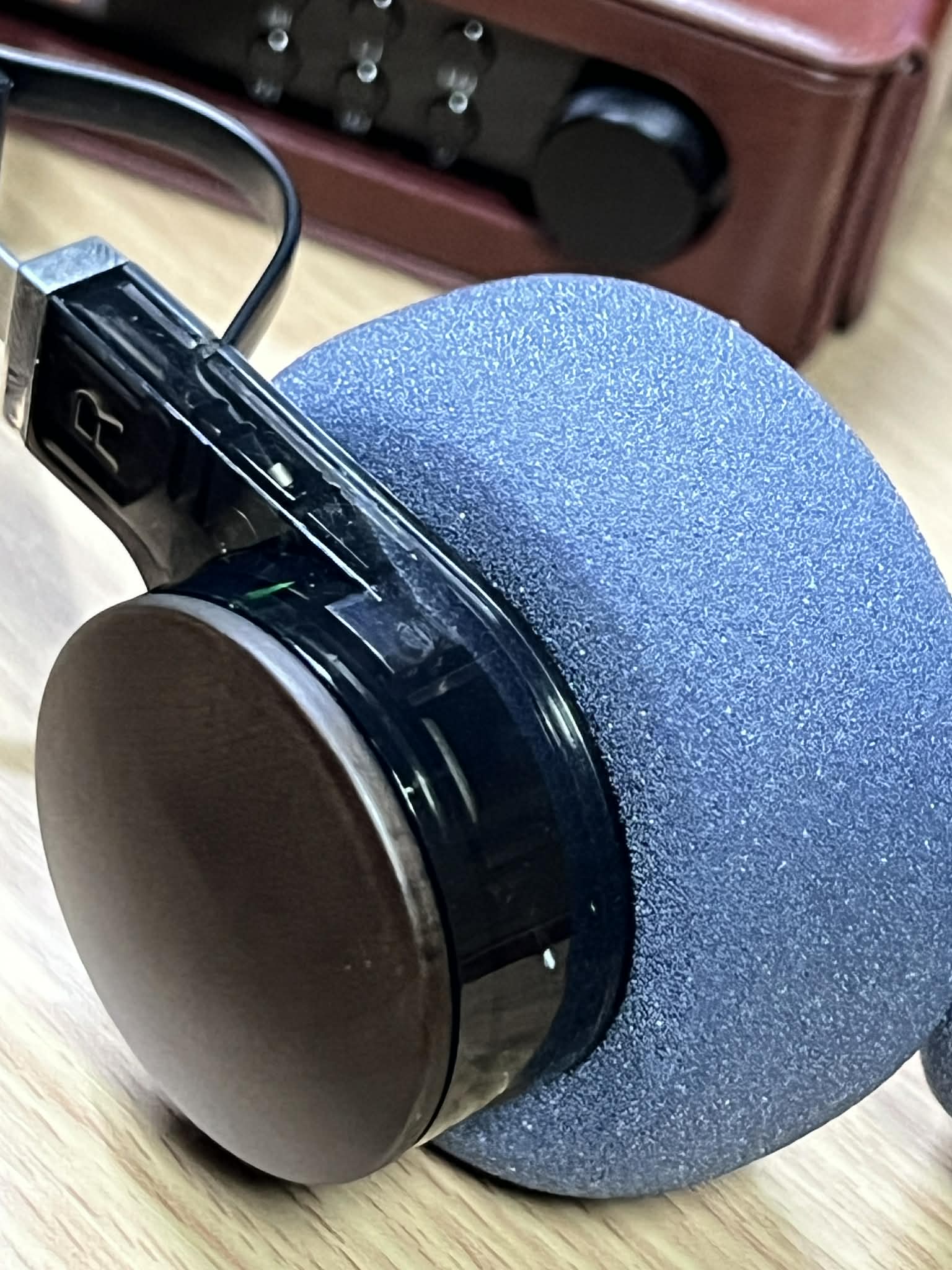
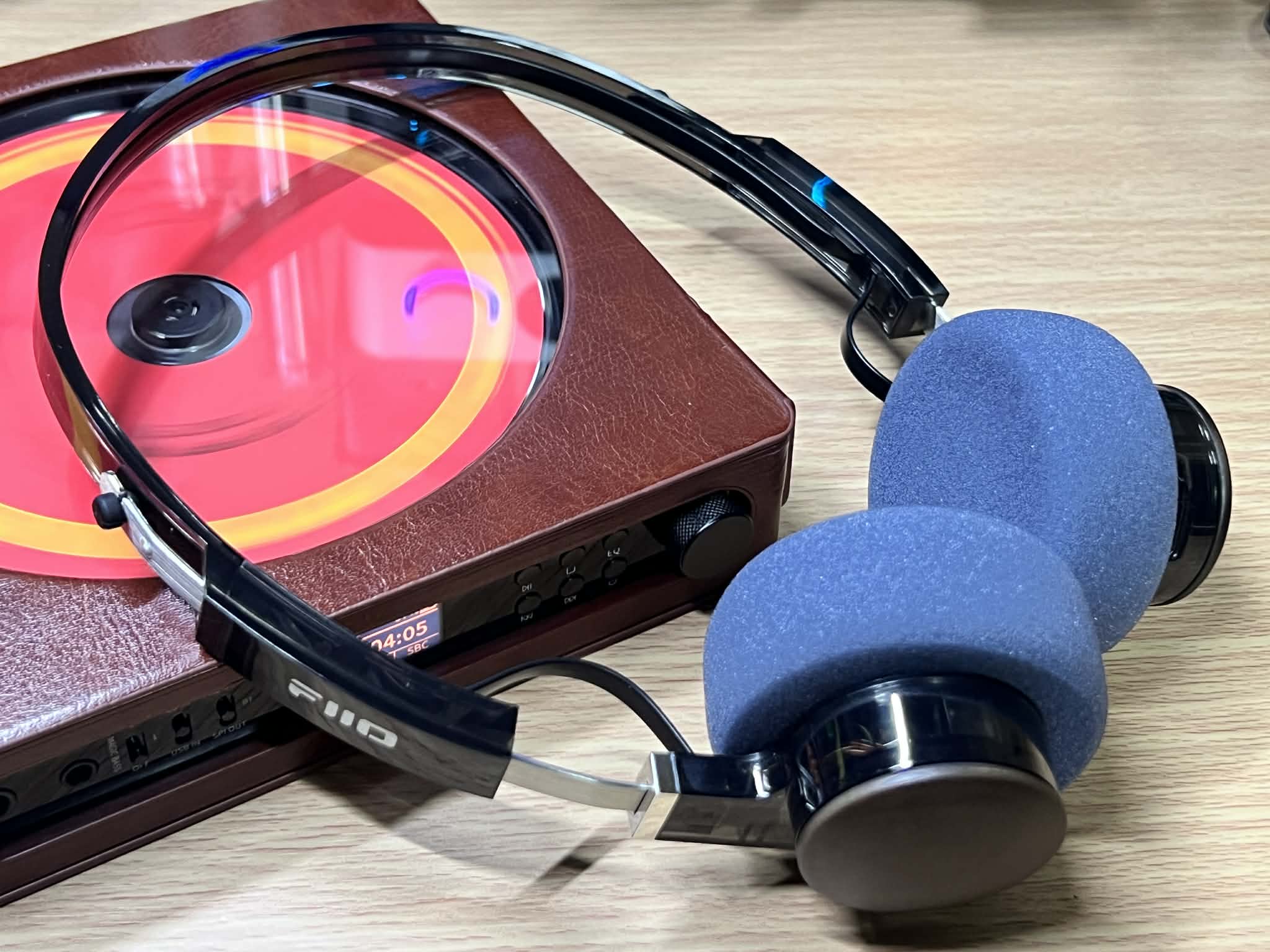
One of the first things that catches your eye is the transparent housing option. It gives you a subtle look at the internal structure of the headphone, which adds a bit of that retro-tech charm that a lot of people have been gravitating toward lately. It reminds me of the late 80s early 90s electronics that proudly showed off their internals instead of hiding them. It’s not flashy in an over-the-top way, but it gives the EH11 a bit of personality right away.
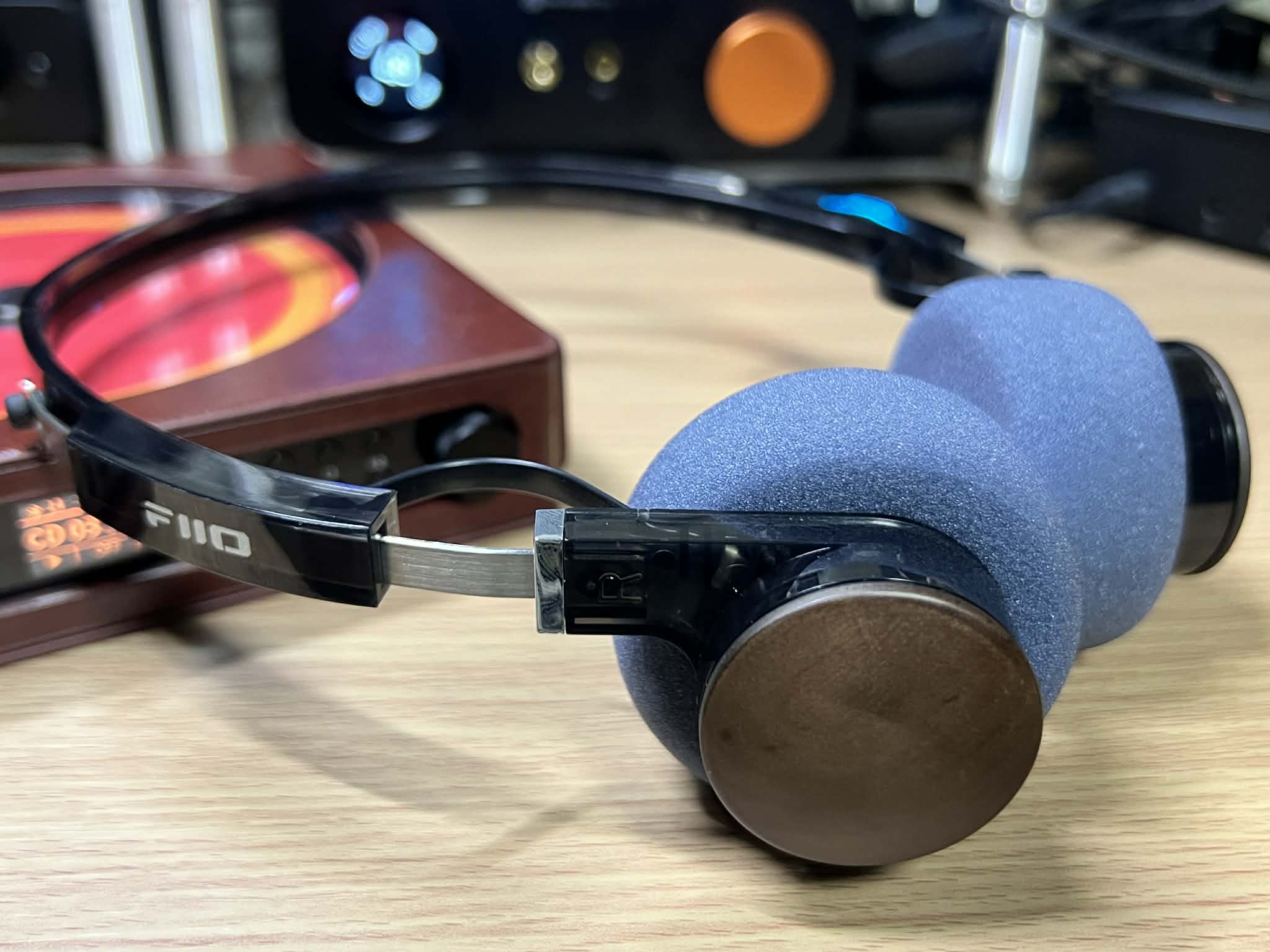
Then there are the wooden faceplates, which add a really nice visual contrast to the rest of the design. Wood elements on headphones can sometimes feel like a marketing gimmick, but here it actually works. It softens the overall look and adds a little warmth to the aesthetic without making the headphone feel overly fancy or delicate. The combination of transparent materials and wood creates a design that feels modern but still slightly nostalgic at the same time.
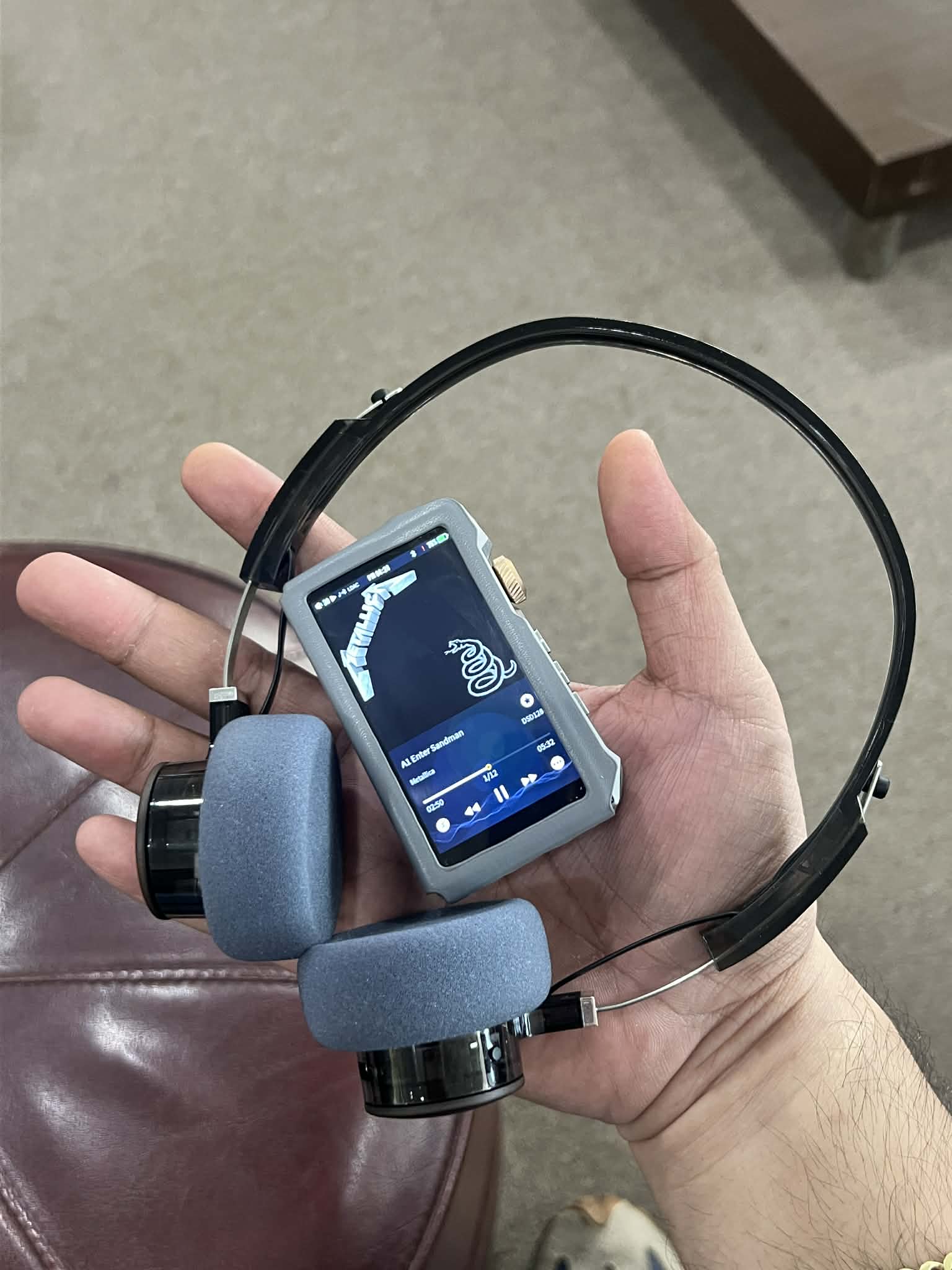
At roughly 93 grams, this thing is impressively light. The moment you put it on your head, you immediately notice how little pressure it puts on your ears and head. FiiO also tuned the clamping force to be quite relaxed, which is important for an on-ear design. Instead of squeezing your head like some portable headphones tend to do, the EH11 sits gently on the ears.
That might sound like a small detail, but for longer listening sessions it makes a huge difference. Some on-ear headphones start to feel fatiguing after an hour or two, but the EH11 stays comfortable for much longer stretches. After a while you almost forget you're wearing it, which is always a good sign.
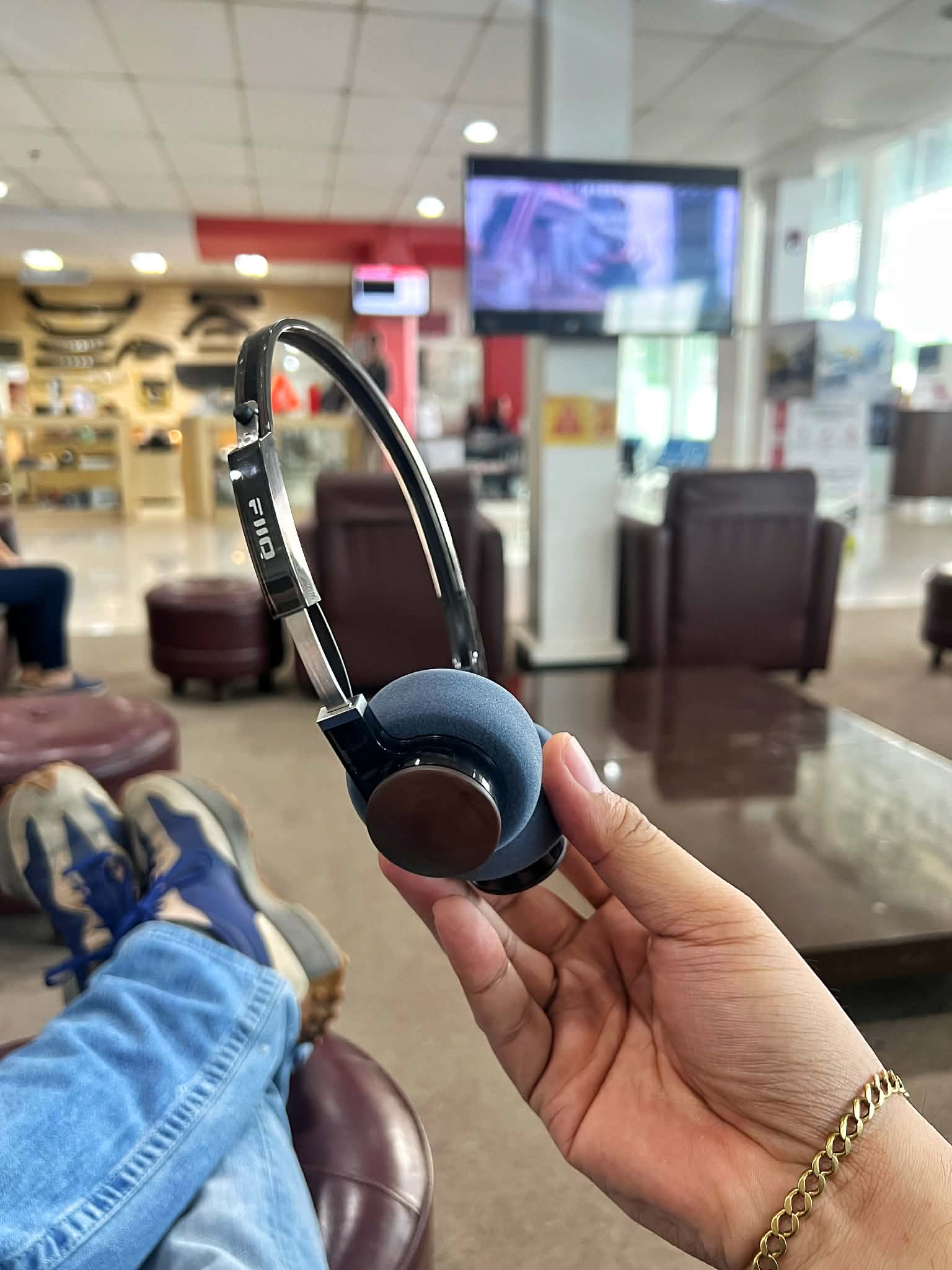
The ear pads use detachable foam cushions makes cleaning and replacing pads easier down the line, but FiiO also includes different colored pad options so you can swap them depending on the look you prefer.
From a comfort standpoint, the EH11 is honestly one of the easiest wireless headphones I’ve worn for extended sessions. There are no pressure hotspots, no neck fatigue from excess weight, and no constant need to readjust the fit.
You just put them on, hit play, and forget about them while the music does its thing. And in a lot of ways, that’s exactly how a daily-driver wireless headphone should feel.
One of the Smartest Control Designs I’ve Seen
One feature that genuinely stood out to me on the FiiO EH11 is the control system. In fact, this might be my favorite part of the whole design.
Most wireless headphones rely on the usual approach: a cluster of tiny buttons tucked somewhere along the ear cup. They work, but let’s be honest, they’re rarely satisfying to use. You end up feeling around the side of your head trying to find the right button, sometimes pressing the wrong one, and occasionally pausing the music when all you wanted to do was adjust the volume.
Instead of adding more buttons, they turned the entire wooden faceplate into a rotating control dial. It’s such a simple idea, but the execution is excellent and surprisingly intuitive once you start using it.
The controls are split across the two ear cups:
Right ear cup: rotate to adjust volume
Left ear cup: rotate to skip forward or rewind tracks
The motion itself feels smooth and deliberate, almost like turning a well-damped volume knob on a desktop amplifier. There’s enough resistance to make the adjustment feel precise, but not so much that it becomes stiff or awkward.
What makes this design work so well is the large control surface. Because the entire faceplate acts as the interface, you don’t need to hunt for a specific button or memorize where things are. You just reach up, rotate the ear cup slightly, and the adjustment happens instantly. After a day or two, it becomes completely instinctive.
For someone with fairly large hands like mine, this is a huge advantage. Tiny buttons can be frustrating, especially when you’re on the move or wearing gloves. With the EH11, there’s no fumbling around, no accidental presses, and no guessing.
Another thing I appreciate is how natural it feels during real-world use. If I want to turn the volume up, my hand just goes straight to the right ear cup and gives it a quick twist. Skipping tracks on the left side becomes just as automatic.
After an hour of listening, the muscle memory kicks in and you stop thinking about it altogether.
Funny enough, the design is so intuitive that when I switch back to using IEMs, my hand still instinctively reaches up to my right ear expecting a volume dial to be there. That moment alone tells you FiiO nailed the ergonomics here.
Driver and Acoustic Design
At the core of the FiiO EH11 is a 40 mm long-throw dynamic driver, paired with a high-damping composite diaphragm. On paper that combination already tells you a lot about what FiiO was aiming for with the tuning. It’s a setup designed to move air efficiently while still keeping the sound controlled and clean.
The long-throw driver is the key part here. Compared to a typical dynamic driver, a long-throw design allows the diaphragm to travel a greater distance during operation. That extra excursion capability means the driver can displace more air with each movement. In practical listening terms, this usually translates to stronger bass authority and better low-frequency extension, especially when the driver is properly controlled. Instead of relying heavily on DSP or boosted EQ to create the illusion of bass, the driver itself is physically capable of producing deeper and more impactful low-end.
FiiO also tuned the driver with a lower resonance frequency which helps the headphone reach deeper into the sub-bass region more naturally. Lowering the resonance point allows the diaphragm to operate more efficiently at lower frequencies, giving bass notes more depth and weight without sounding overly boosted or artificial. It’s a small technical detail, but it makes a noticeable difference in how the low end behaves.
The composite diaphragm also plays an important role. By using a material with higher damping properties, FiiO is able to control unwanted vibrations and resonances that can occur as the diaphragm moves. High damping essentially helps the driver stop and start more cleanly, which keeps bass notes from smearing into the midrange. The result is bass that feels punchy and energetic, but still reasonably tight and controlled.
This kind of control is particularly important in a wireless headphone like this. Without proper damping, boosted low frequencies can easily bleed into the mids and make vocals sound congested. The EH11 avoids that by keeping the driver behavior well managed.
Another interesting part of the design is the semi-open acoustic structure. The EH11 isn’t fully open-back, but it isn’t completely sealed either. Instead, FiiO allows a small amount of airflow through the ear cup structure. This subtle venting helps reduce the pressure build-up that often occurs in closed headphones.
When a headphone is completely sealed, the sound can sometimes feel a bit boxed-in or compressed. By letting the driver breathe slightly, the EH11 gains a more open and natural sense of space, even though it still maintains enough isolation for everyday use.
The overall result is an acoustic design that aims to strike a nice balance. The driver provides solid bass presence and physical impact, while the diaphragm material and semi-open since the EH11 is litteraly sitting on top of my ears it help maintains clarity and avoid that muddy, overly thick sound that bass-focused headphones sometimes fall into.
Bluetooth Performance and Codec Support
Wireless performance is solid.
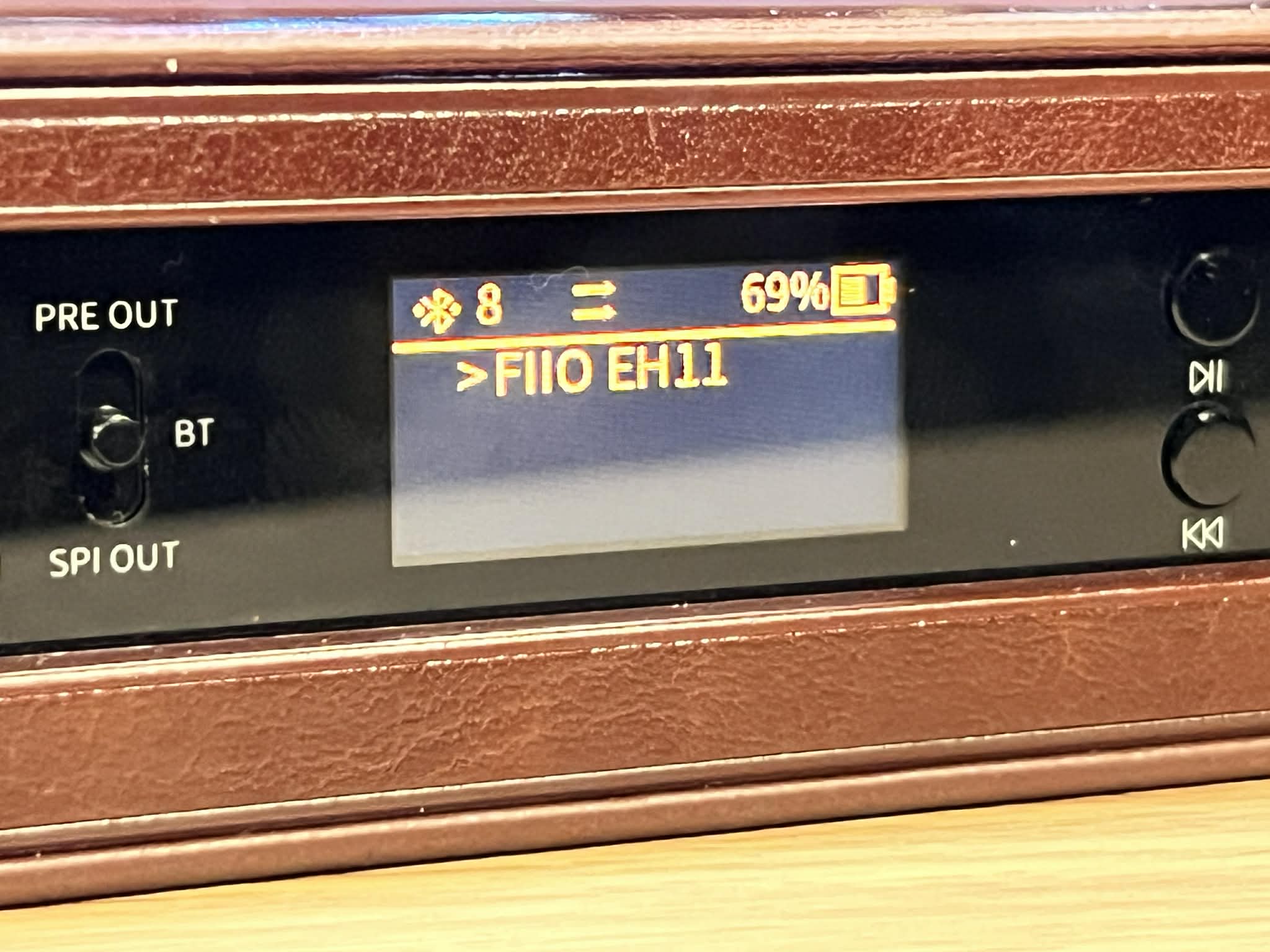
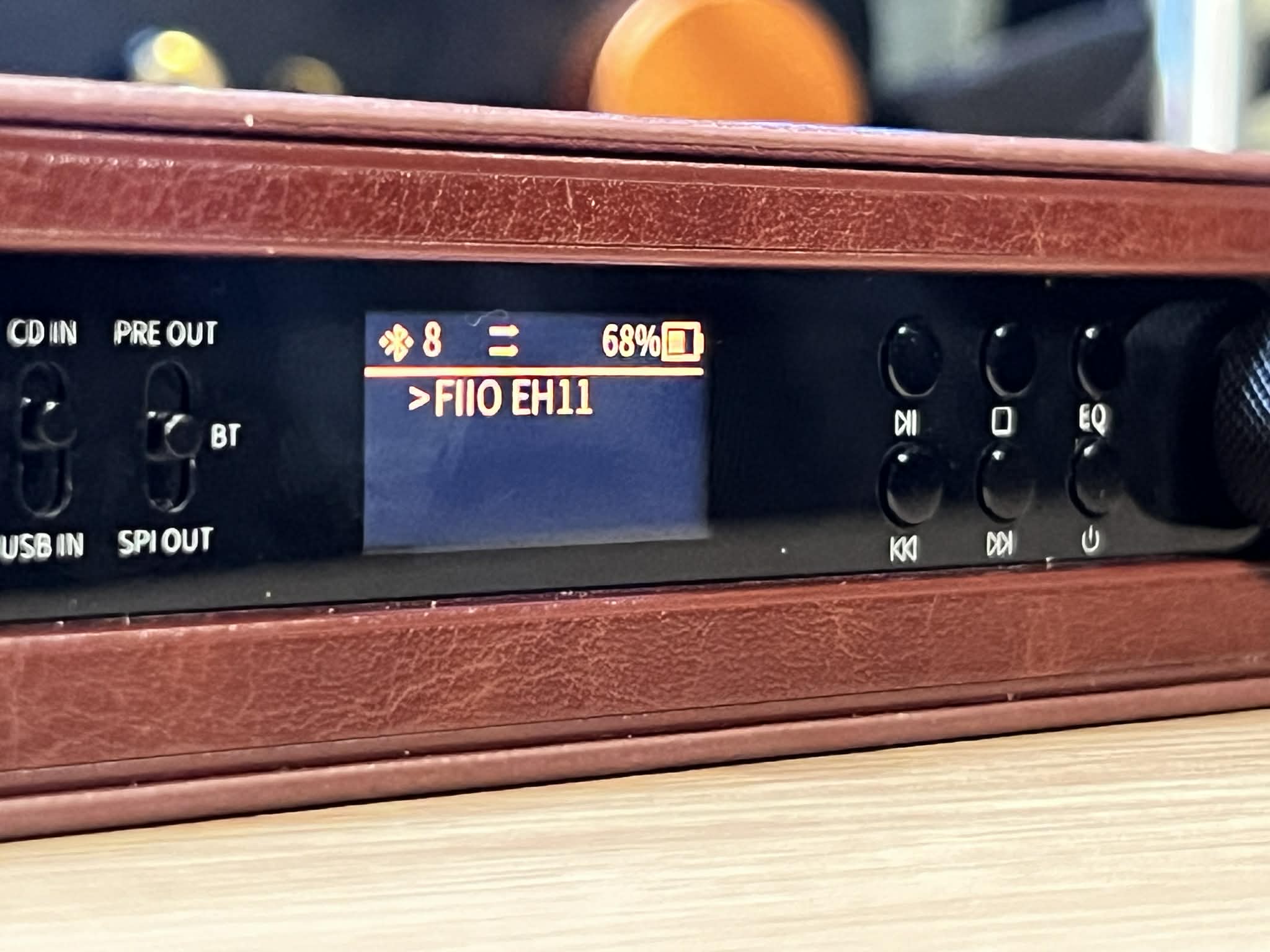
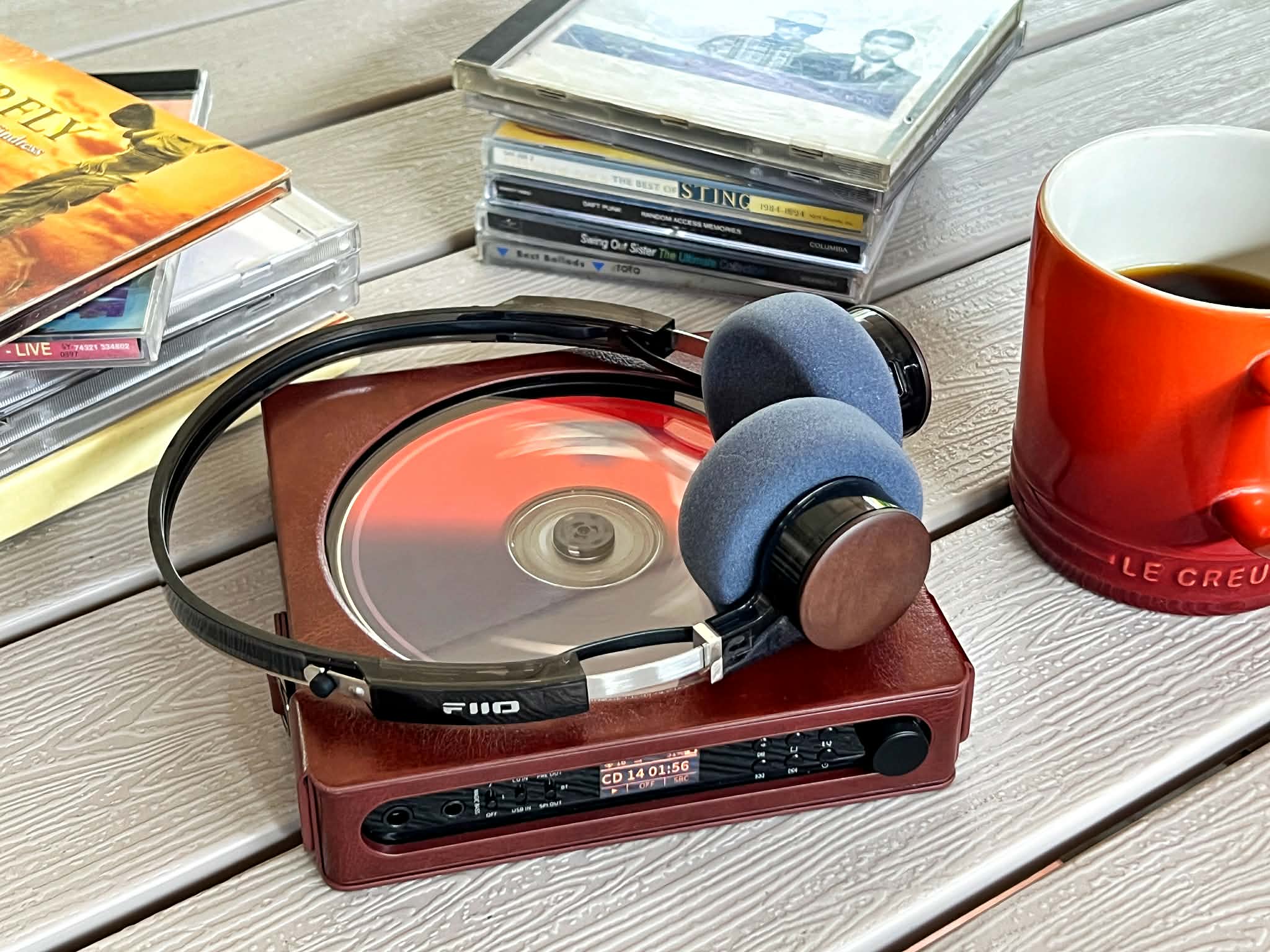
The EH11 supports Bluetooth 6.0, along with SBC and LDAC codecs.
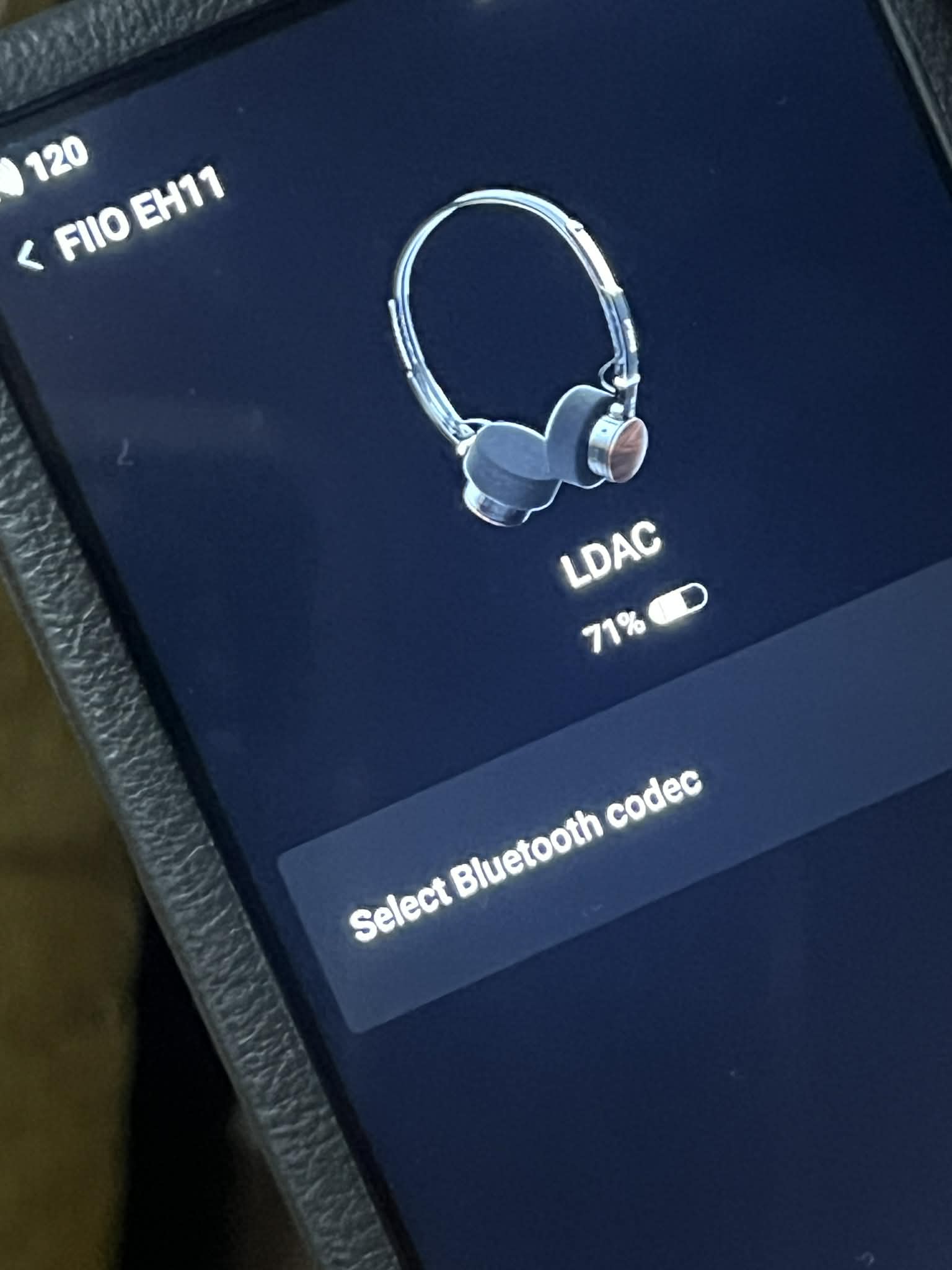
LDAC is the important one here. With compatible devices, it allows streaming up to 32-bit / 96 kHz with bitrates up to 990 kbps.
In practice, when LDAC is properly implemented and paired with a good source, the gap between wireless and wired listening is getting surprisingly small. Compression artifacts are minimal, and dynamic range remains largely intact.
Pairing is quick, and the headphone also supports dual-device connection, meaning you can connect to two devices at the same time. For example, you can listen to music from your laptop while still receiving calls from your phone.
For everyday use, that convenience is surprisingly useful.
Battery Life and Charging
Battery performance is also very respectable.
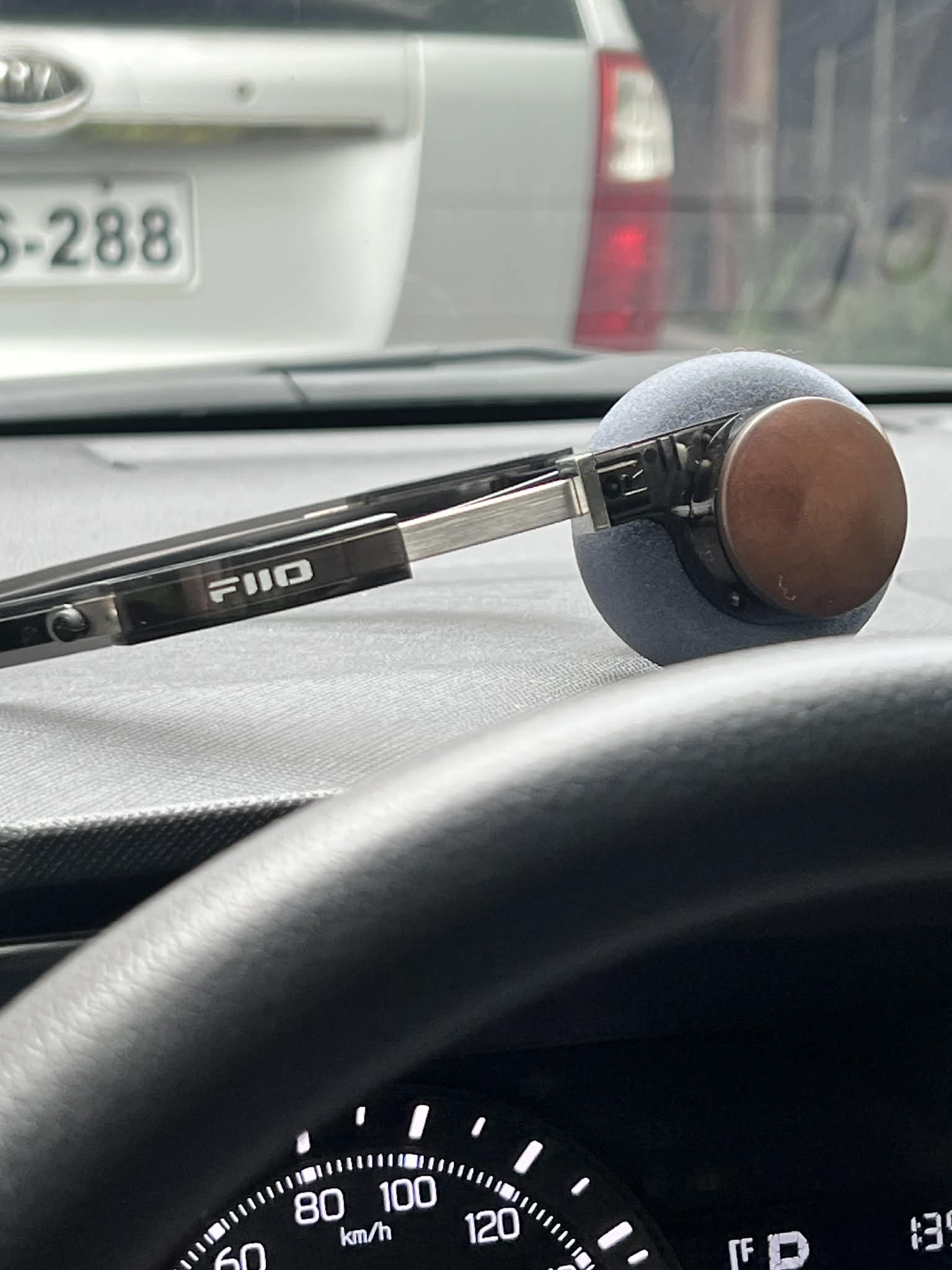
Battery life: up to 25-30 hours. i turn it off when not in use but ive gotten upto 3 days without charging.
Charging time: about 1.5–2 hours
That’s more than enough for several days of normal listening.
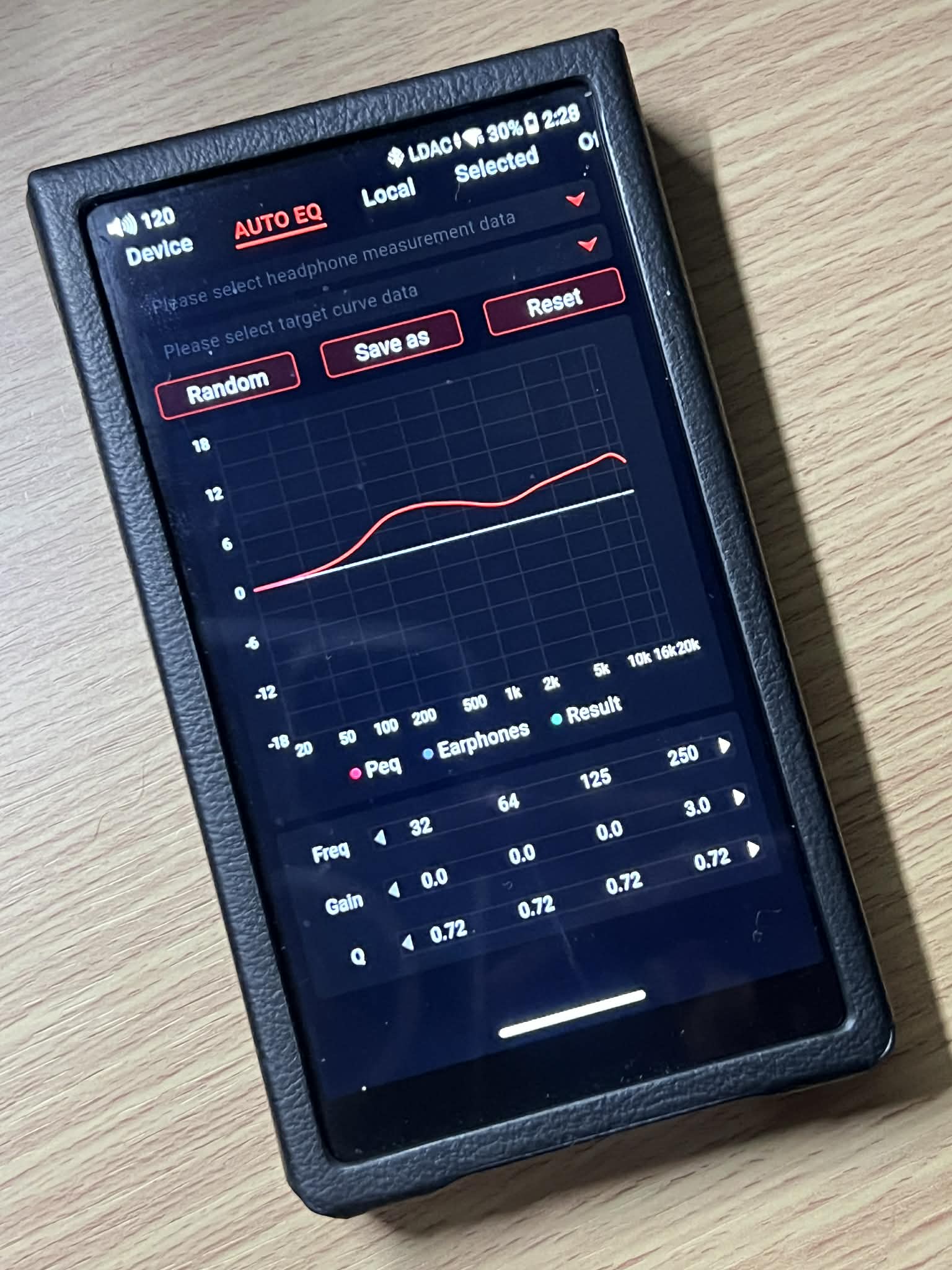
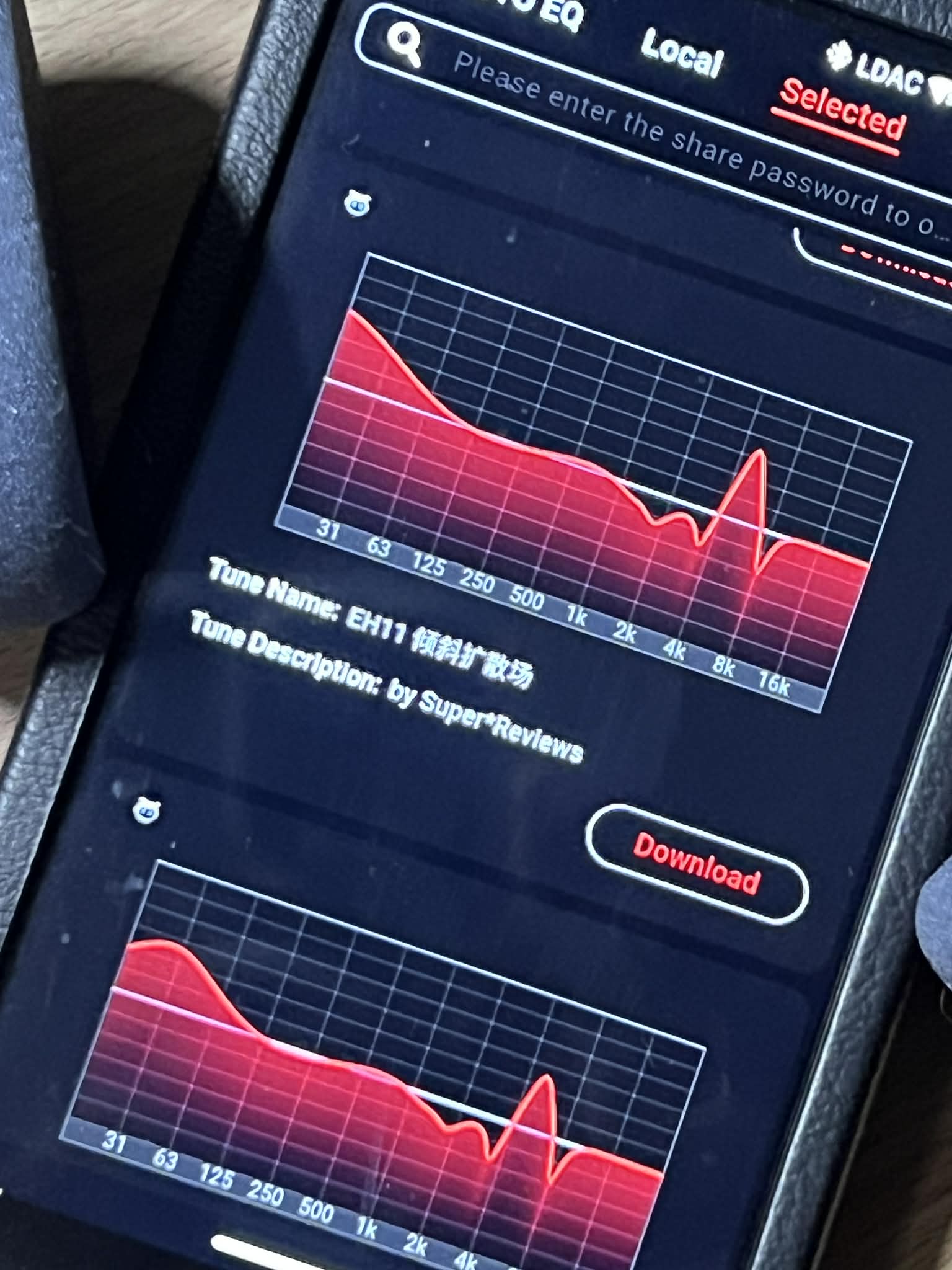
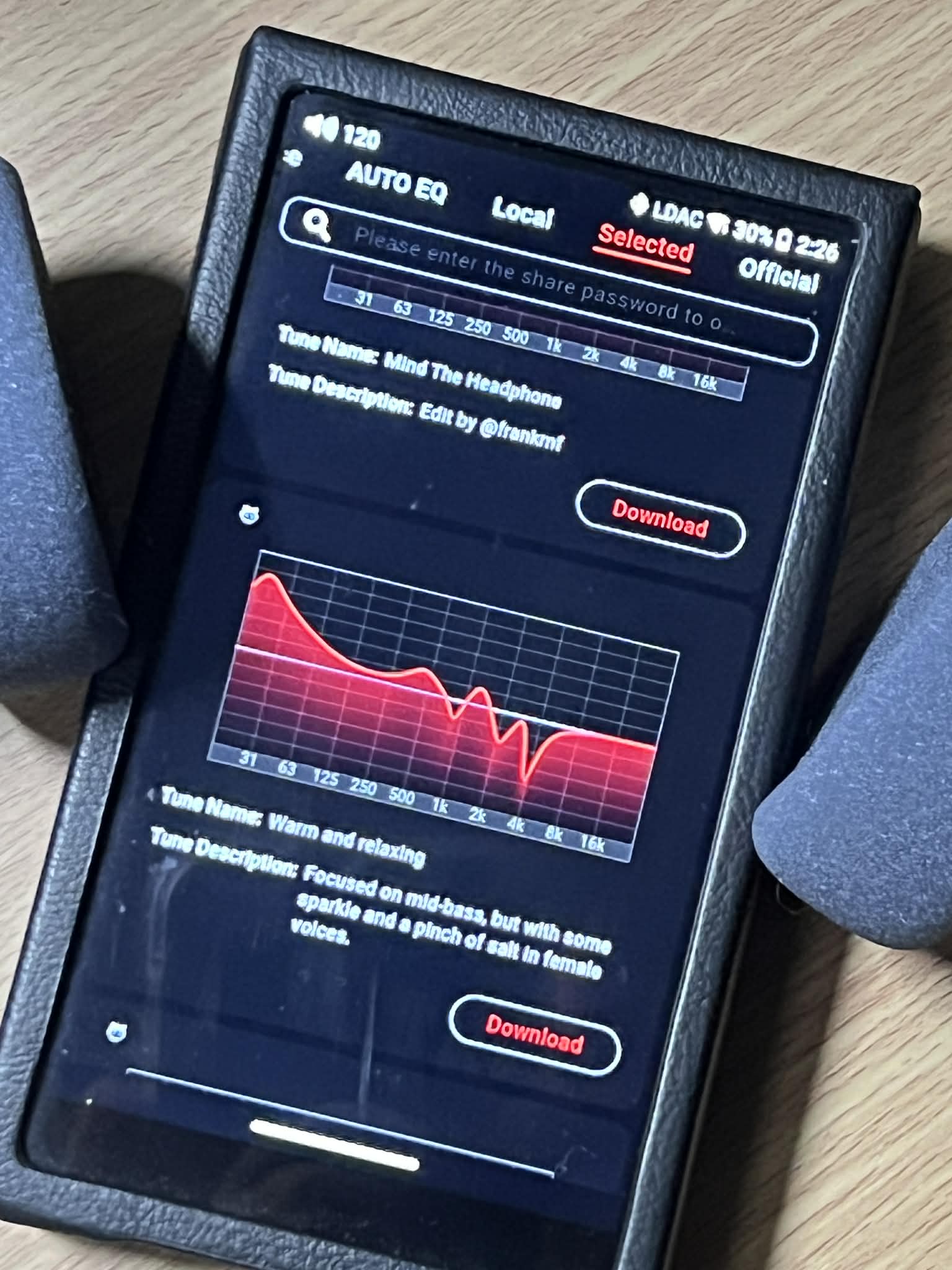
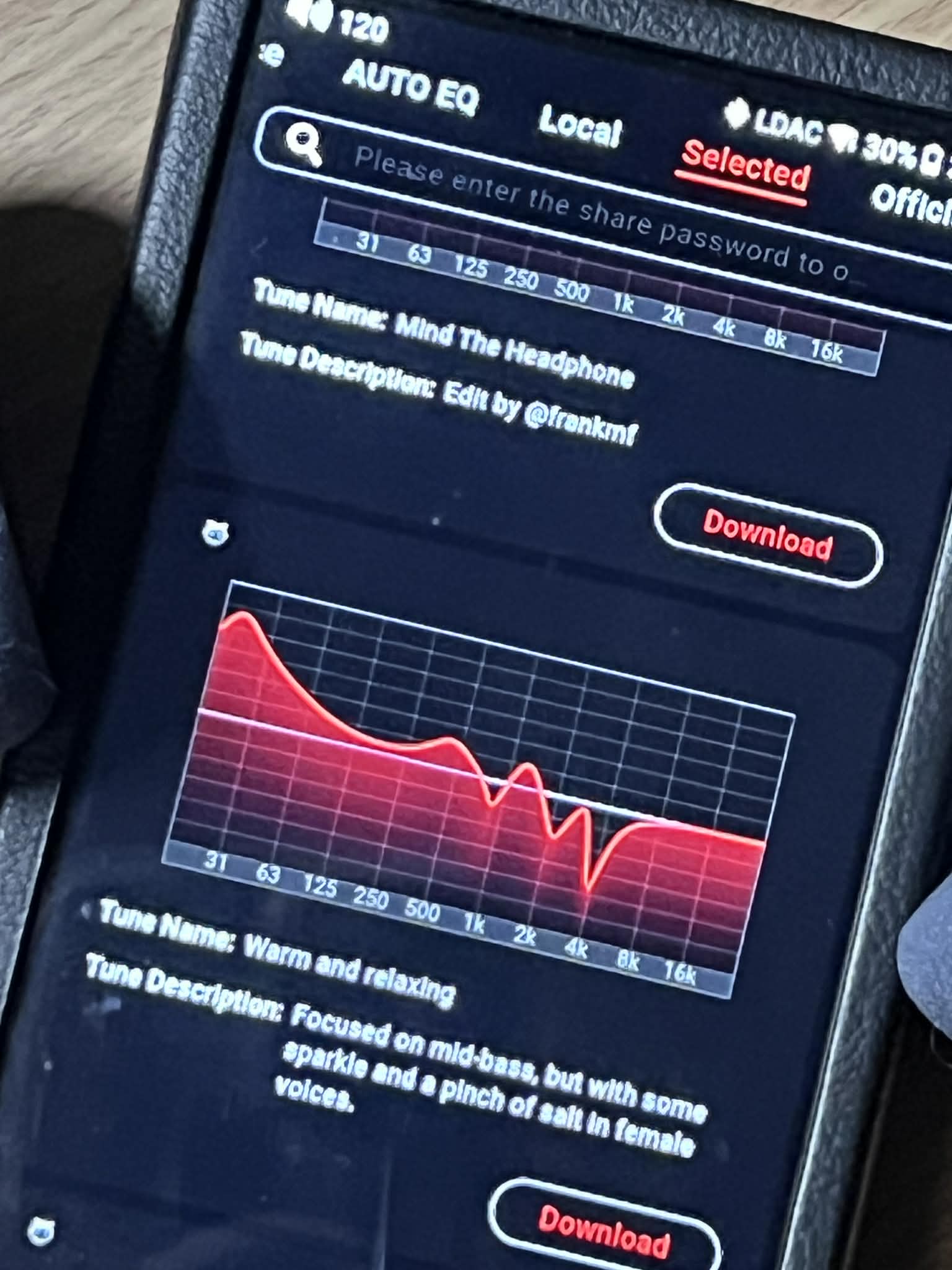
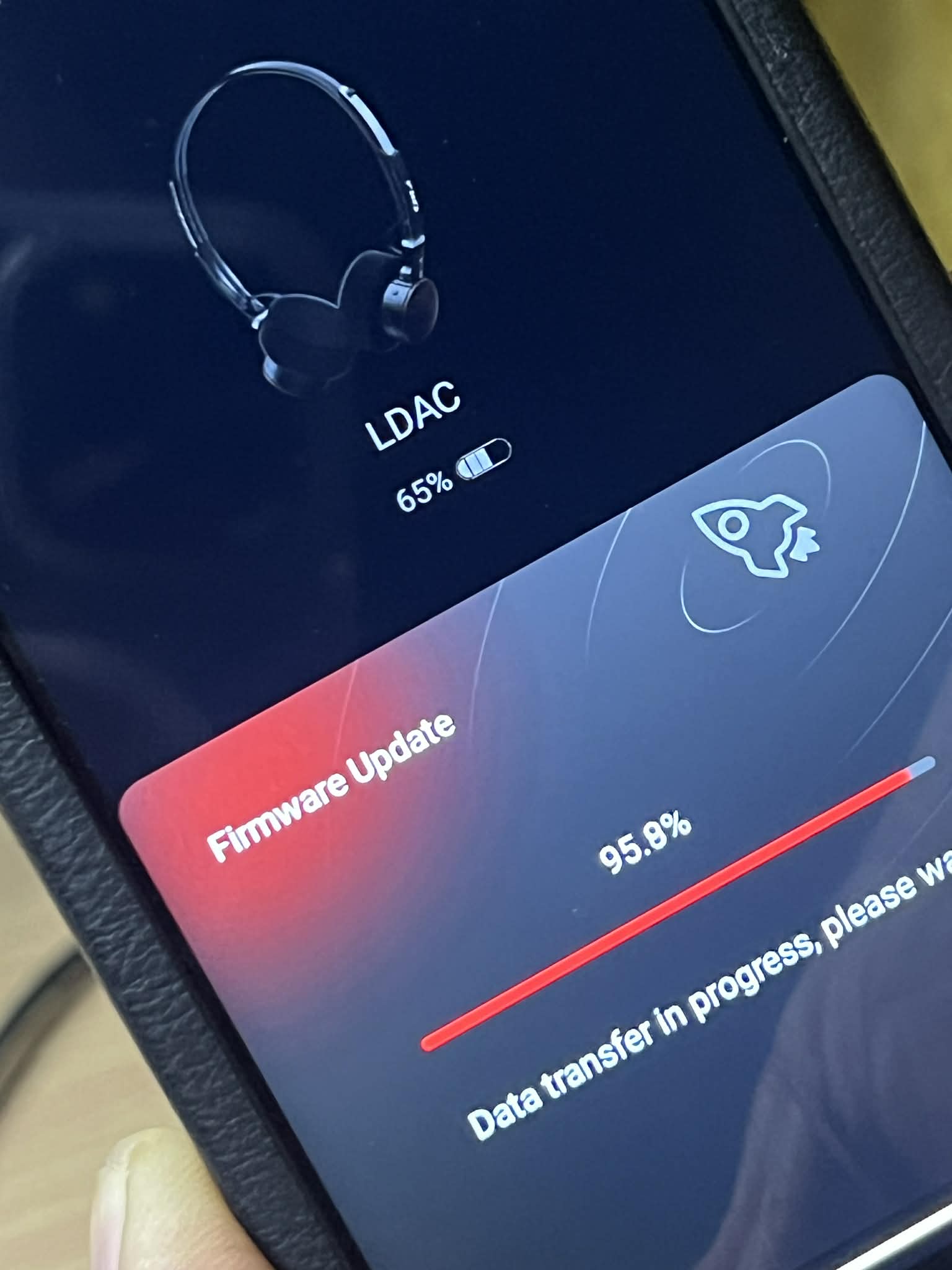
FiiO Control App Features
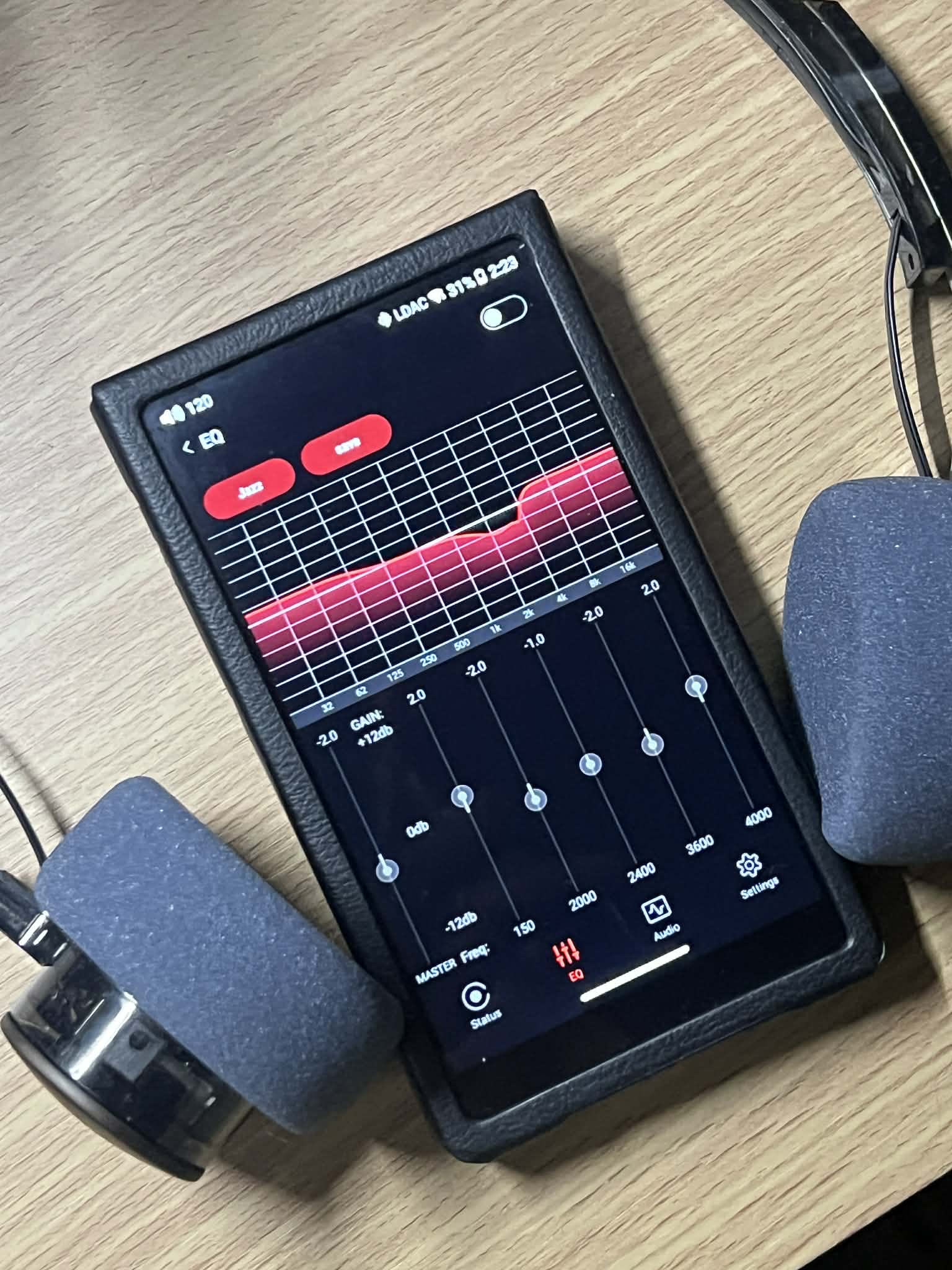
Like many of FiiO’s recent products, the EH11 works with the FiiO Control app.
Through the app you get access to:
*Preset EQ profiles (Pop, Rock, etc.)
*Custom EQ adjustments
*Parametric EQ (PEQ)
*Low-latency gaming mode
*Firmware updates
The built-in microphone also performs well for calls or voice chat.
Sound Impressions
Now to the part that really matters.

The EH11 is not trying to be a neutral studio monitor. This headphone is clearly tuned with musical enjoyment as the main goal.
And honestly, sometimes that’s exactly what i want.
Bass
The first thing that really grabs your attention on the FiiO EH11 is the bass. It sets the tone for the entire sound signature, and for an on-ear headphone, the amount of low-end presence here is honestly a bit surprising in a good way.
On-ear designs usually struggle to produce convincing bass because they sit on top of the ear rather than forming a full seal around it like over-ear headphones. Without that seal, it’s harder to build the air pressure needed for deep low frequencies. That’s why many on-ears end up sounding a little thin down low.
The EH11 manages to avoid that problem quite well, and the 40 mm long-throw driver plays a big role in that. Because the diaphragm is capable of moving farther during operation, it can push more air and generate more physical energy in the low frequencies. The result is bass that feels surprisingly full and confident for this type of design.
Starting with the sub-bass, extension reaches deeper than I initially expected. You can hear and feel the lower registers with decent presence, especially in tracks that carry strong sub-bass information. It doesn’t quite deliver the chest-rumbling pressure you’d get from a fully sealed over-ear headphone, but it still has a satisfying sense of depth. More importantly, it doesn’t feel artificially boosted or overly processed. The low end comes across as natural rather than exaggerated.
The mid-bass is where most of the energy lives, and this is where the EH11 really shines. Kick drums land with a nice punch, and bass guitar lines carry a pleasant sense of weight and rhythm. There’s a slightly thumpy and lively character to the mid-bass that gives music a bit of groove and momentum. It adds just enough physicality to make tracks feel engaging without overwhelming the rest of the mix.
What I appreciate most is that the bass doesn’t get sloppy or overbearing. Thanks to the high-damping composite diaphragm, the driver stays reasonably controlled even when the low end is doing most of the heavy lifting. Notes start and stop cleanly enough that the bass doesn’t smear into the midrange or cloud up the overall presentation.
This balance is what keeps the EH11 fun without crossing into muddy territory. You get the impact and warmth that make music enjoyable, but there’s still enough control to keep the sound from turning into a bloated bass fest.
With genres like electronic, hip-hop, R&B, and modern pop, the tuning works particularly well. The bass gives these styles the energy and drive they need, making beats feel punchy and rhythmic without dominating everything else.
Overall, the EH11 delivers a bass response that feels lively, satisfying, and musical, especially considering its lightweight on-ear form factor. It’s the kind of low end that keeps your foot tapping and makes it easy to get lost in the music rather than analyzing every little detail.
Midrange
Moving into the midrange, the FiiO EH11 keeps things smooth, relaxed, and easy to listen to. The mids sit just a step behind the bass in the overall balance, but they never feel recessed or hollow. Instead, the presentation comes across cohesive and natural, blending nicely with the warmth of the low end.
The lower mids carry a bit of warmth, which gives instruments a pleasant sense of body and density. This helps prevent the sound from feeling thin, especially with acoustic instruments and rhythm sections. Electric guitars have a satisfying fullness to them, and piano notes carry a bit of weight rather than sounding overly lean. Male vocals benefit from this as well. They come through with a natural thickness and presence that feels grounded without becoming overly chesty or dark.
That subtle warmth also helps tie the bass and midrange together so the transition between the two regions feels smooth rather than abrupt. Instead of sounding like separate layers, the low end and mids flow together in a way that feels musical and cohesive.
Moving upward, the upper mids take a more relaxed approach. FiiO clearly avoided pushing this region too aggressively, which is something I actually appreciate for a headphone meant for long listening sessions. Female vocals come through clear and articulate, but they don’t jump out in a way that feels sharp or overly forward. There’s enough presence to keep voices and lead instruments well defined, yet the overall tone stays smooth and comfortable.
Because the upper mids are tuned with restraint, the EH11 avoids that shouty or piercing character that some portable headphones can fall into. Instead, vocals remain clean, natural, and easy on the ears, even when listening at higher volumes.
One of the biggest advantages of this kind of midrange tuning is how forgiving it is with real-world music libraries. Not every track we listen to is perfectly mastered. Some recordings can be harsh, compressed, or overly bright. The EH11 handles those kinds of tracks gracefully. Rather than highlighting every flaw in the recording, it smooths things out just enough to keep the listening experience enjoyable.
That forgiving nature makes the EH11 a headphone you can leave on for hours without fatigue. You’re not constantly analyzing the sound or getting distracted by rough edges in the mix. Instead, the mids help keep the presentation musical, relaxed, and cohesive, which fits perfectly with the overall character of the headphone.
Treble
Moving into the top end, the FiiO EH11 takes a clearly relaxed and controlled approach to the treble. Rather than chasing maximum sparkle or analytical detail, FiiO tuned the upper frequencies to stay smooth and easy on the ears, with a gentle roll-off toward the upper treble.
There’s still enough presence in the lower treble to keep the overall presentation clear and well separated. Cymbals, hi-hats, and other high-frequency elements come through with good definition, so the sound never feels dull or veiled. You can still pick up the shimmer of percussion and the texture of string instruments without feeling like the top end is being artificially boosted.
What FiiO did here was avoid pushing the upper treble region too aggressively. Some headphones emphasize this area to create the impression of extra detail and air, but that can sometimes come at the cost of harshness or listening fatigue, especially over longer sessions. The EH11 takes a more balanced route.
Because of that slight roll-off, the treble remains smooth and well behaved, even with tracks that tend to get bright or edgy on other headphones. Sibilance is kept nicely under control, and sharp consonants in vocals don’t jump out in an unpleasant way. Cymbal crashes have presence but avoid sounding overly splashy or piercing.
You won’t get that hyper-analytical, microscope-level detail retrieval here, and that’s clearly not what this headphone is trying to do. Instead, the EH11 focuses on maintaining a clean and relaxed top end that complements the warmer bass and midrange tuning.
In practice, this works really well for everyday listening. The treble provides enough clarity to keep instruments separated and the mix easy to follow, but it never becomes fatiguing or distracting. It’s the kind of tuning that lets you listen for hours without your ears feeling tired, which fits perfectly with the overall character of the headphone.
Soundstage and Imaging
Because of the semi-open design and the on-ear form factor, the soundstage actually feels fairly open.
It’s not massive, but it doesn’t feel boxed-in either. There’s a bit of lateral space that helps music breathe.
Imaging is respectable for a Bluetooth headphone in this category. Instrument placement is clear enough, though this is more about musical flow than hyper-precise spatial analysis.
Pairing with Portable Sources
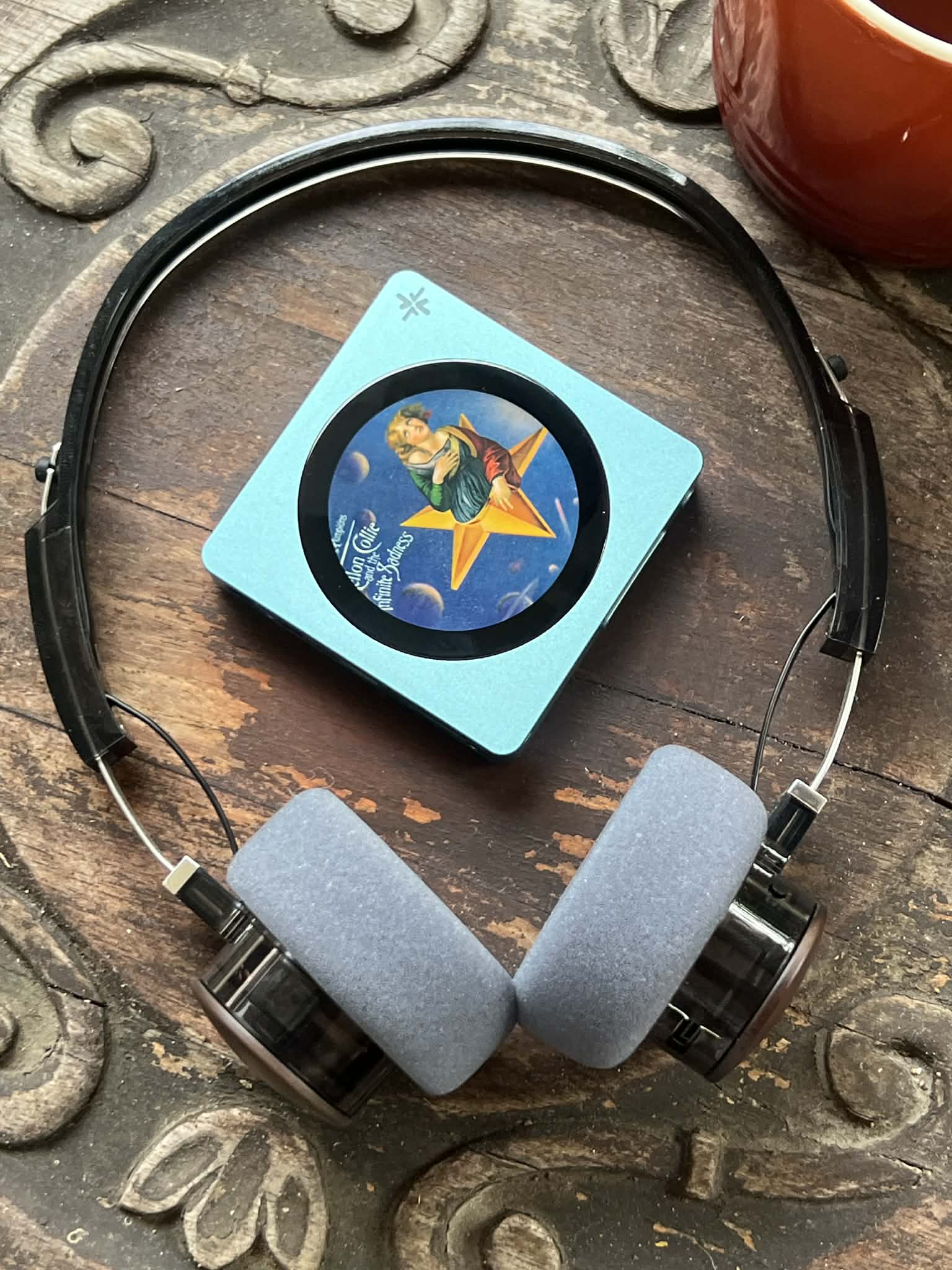
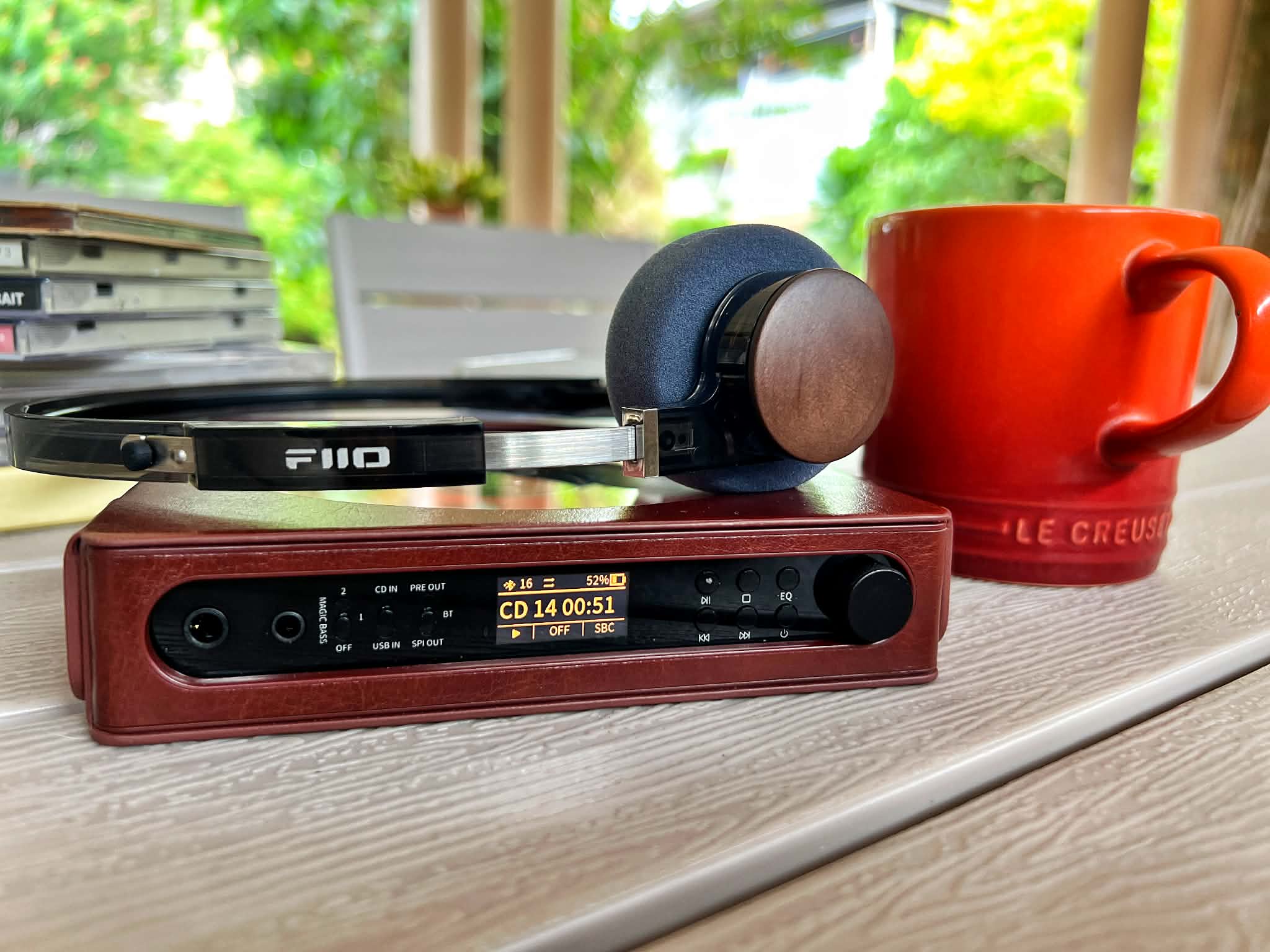
One combo I’ve been enjoying a lot is pairing the EH11 with the FiiO Snowsky Disc.
It’s a simple setup, but it just works.
No crazy stacks of gear. No obsessive tweaking.
Just press play and enjoy the music.
Sometimes that simplicity is refreshing.
Who the EH11 Is For
The EH11 isn’t built for hardcore measurement chasers.
* Instead, it’s for listeners who want:
* A lightweight everyday wireless headphone
* Warm, musical tuning
* Good bass presence
* Simple, intuitive controls
* Long battery life
In other words, it’s designed for people who listen to music for enjoyment first.

Final Thoughts
The FiiO EH11 surprised me.
It doesn’t try to compete with reference leaning headphones, and honestly that’s part of its charm. Instead, it focuses on doing a few things really well: comfort, musical tuning, and smart usability.
The bass has real presence for an on-ear design, the sound signature is smooth and easy to listen to, and the rotating faceplate control system is one of the most intuitive interfaces I’ve used on a wireless headphone.
At under $30, finding something this enjoyable is very rare.
Sometimes you just want to stop analyzing gear, stop staring at frequency graphs, and simply enjoy music again.
The EH11 is exactly that kind of headphone.
And that’s probably why it ended up earning a permanent spot in my rotation.
Link: https://www.fiio.com/eh11
https://www.aliexpress.com/item/1005010803943199.html
- Get link
- X
- Other Apps
- Get link
- X
- Other Apps
Comments
Post a Comment